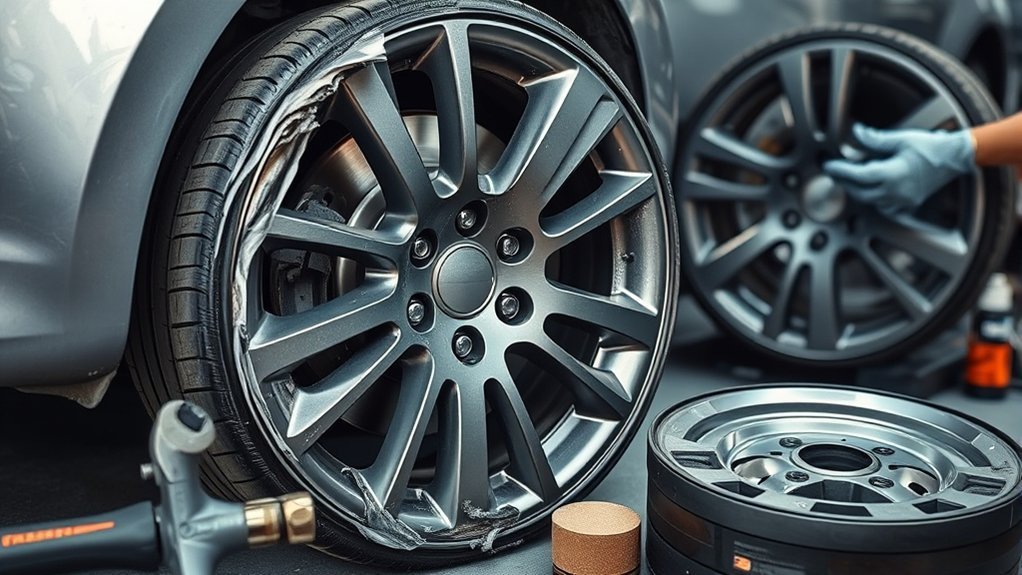
You can usually separate minor cosmetic wheel damage from a possible structural problem by looking at the damage itself and how the vehicle behaves afterward. Light curb rash and finish scratches are often refinishing jobs, while cracks, bends, air loss, or visible distortion need professional inspection. Repair cost depends on the wheel material, finish, size, damage, and—most importantly—whether the vehicle or wheel manufacturer allows the proposed repair.
Quick Answer
Minor wheel damage such as light curb rash or finish scratches can often be refinished, commonly around $100–$200 per wheel. A bent, cracked, leaking, or visibly distorted wheel needs professional inspection and may require replacement. Never assume welding or straightening is safe; automaker policies differ, and some OEMs prohibit structural wheel repair.
Key Takeaways
- Curb rash, light scuffs, and coating damage are usually cosmetic if there is no crack, bend, air leak, or missing metal.
- A practical U.S. budgeting range is about $100–$200 for typical curb-rash work and roughly $200–$400 for a more complete refinish, although local prices vary.
- Bent-wheel straightening may cost roughly $130–$300 when a specialist accepts the wheel, but some manufacturers do not approve straightening at all.
- Cracks, severe deformation, damaged bead seats, damaged lug areas, or continued pressure loss should be treated as structural concerns rather than cosmetic jobs.
- Compare repair and replacement prices only after confirming that the proposed repair is permitted and technically safe for that specific wheel.
At a Glance
| Time Required | About 5–10 minutes for an initial visual check; professional diagnosis takes longer. |
| Difficulty | Easy for a basic inspection; structural diagnosis and repair require a qualified professional. |
| Tools Needed | Bright flashlight, tire-pressure gauge, clean cloth, and the vehicle owner’s manual. |
| Cost | Visual checks cost nothing at home; cosmetic and professional repair prices vary by damage, finish, size, and local labor. |
Note: Drivers often use “rim” and “wheel” interchangeably. Technically, the rim is the outer part of the wheel that supports the tire bead, while the complete wheel also includes the center, spokes or disc, mounting surface, and lug or bolt areas.
How to Tell Cosmetic From Structural Wheel Damage?
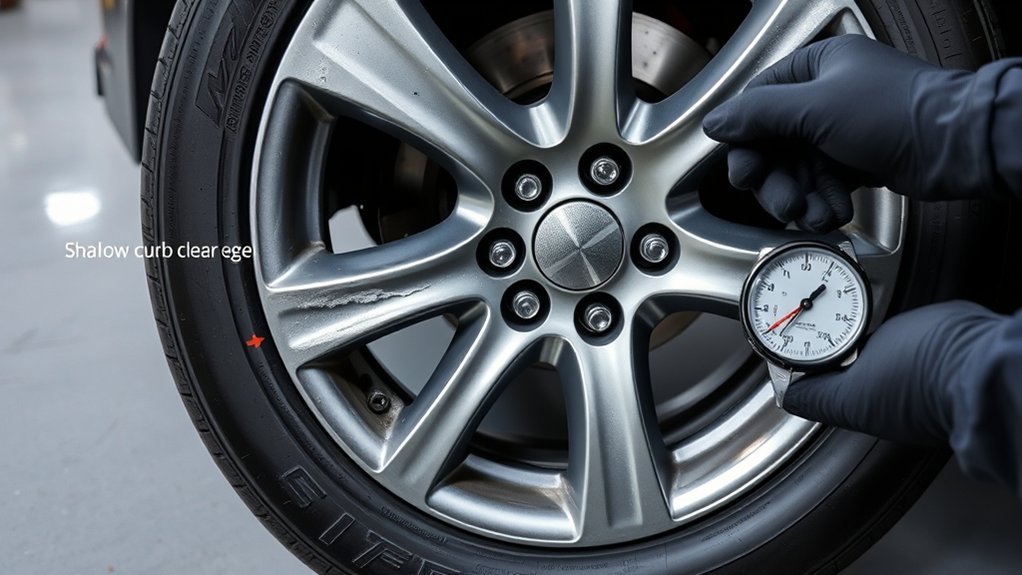
Cosmetic wheel damage is generally limited to the finish or shallow surface area. Common examples include curb rash, light scratches, scuffs, peeling clear coat, and minor surface corrosion.
Structural damage affects the wheel’s shape, strength, bead-sealing area, mounting area, or ability to run true. Examples include cracks, significant bends, distortion, missing metal, damage around lug or bolt seats, and deformation where the tire bead seals against the wheel.
Look at more than the visible face. An impact can damage the inner barrel or inner lip even when the outside of the wheel still looks normal.
A vibration or steering pull after hitting a pothole is a reason to inspect the wheel, tire, balance, alignment, and suspension—it is not proof that the wheel alone is damaged.
If the wheel still looks round, holds pressure, and has only shallow finish damage, the problem may be cosmetic. If you see a crack, obvious bend, air leak, distorted bead area, or damaged mounting surface, stop treating it as a refinishing job and have it professionally evaluated.
Cosmetic damage should not automatically be ignored. Once a protective coating is scraped away, the exposed surface may become more vulnerable to staining, oxidation, or corrosion depending on the wheel material and environment.
How to Inspect Wheel Damage After a Curb or Pothole Impact
Start with the vehicle parked on a level surface in a safe location. Do not crawl underneath a vehicle supported only by a jack.
- Check the tire first. Look for a sidewall bulge, cut, exposed cords, low pressure, or a tire that is rapidly losing air.
- Inspect the outer wheel face and rim lip. Look for cracks, missing material, deep gouges, or an obvious flat spot.
- Look through the spokes at the inner barrel. Inner-edge bends can be easier to miss than outer curb damage.
- Check tire pressure. Recheck it after driving or after several hours if you suspect a slow leak.
- Pay attention during the next drive only if the tire and wheel appear safe. New vibration, wobble, pulling, or unusual steering should trigger a professional inspection.
- Ask the shop to inspect the tire as well as the wheel. A hard impact can damage both components and can also affect wheel balance, alignment, or suspension.
Warning: Do not keep driving normally on a visibly cracked or severely distorted wheel, a tire with serious sidewall damage, or an assembly that is rapidly losing air. Use the vehicle manufacturer’s emergency procedure, a suitable spare, or roadside assistance instead.
How Much Does Wheel Repair Cost by Damage Type?
Wheel repair prices vary by region, wheel diameter, material, finish, vehicle, and how much disassembly and refinishing are required. Current U.S. pricing also varies enough that you should treat online figures as budgeting ranges rather than fixed national prices.
| Damage or Service | Practical Budget Range | What to Know |
| Light curb rash or scuff repair | About $100–$200 per wheel | Usually cosmetic when the damage is shallow and the wheel is otherwise sound. |
| Full cosmetic refinish | About $200–$400 per wheel | Specialty, machined, polished, or difficult-to-match finishes may cost more. |
| Bent-wheel straightening | Roughly $130–$300 when accepted for repair | Not every wheel is a safe candidate, and some OEMs do not approve straightening. |
| Cracked wheel | Price replacement first | Some independent shops offer welding, but manufacturer policies may prohibit it. Do not choose welding based on price alone. |
| DIY cosmetic touch-up | About $25–$80 in materials | Appropriate only for superficial finish damage when there is no structural concern. |
AAA gives about $200 per rim as a broad example of pothole-related rim repair cost, but an actual quote can differ substantially by vehicle and damage. For that reason, photos and a physical inspection are more useful than relying on a single nationwide number.
[Products Worth Considering]
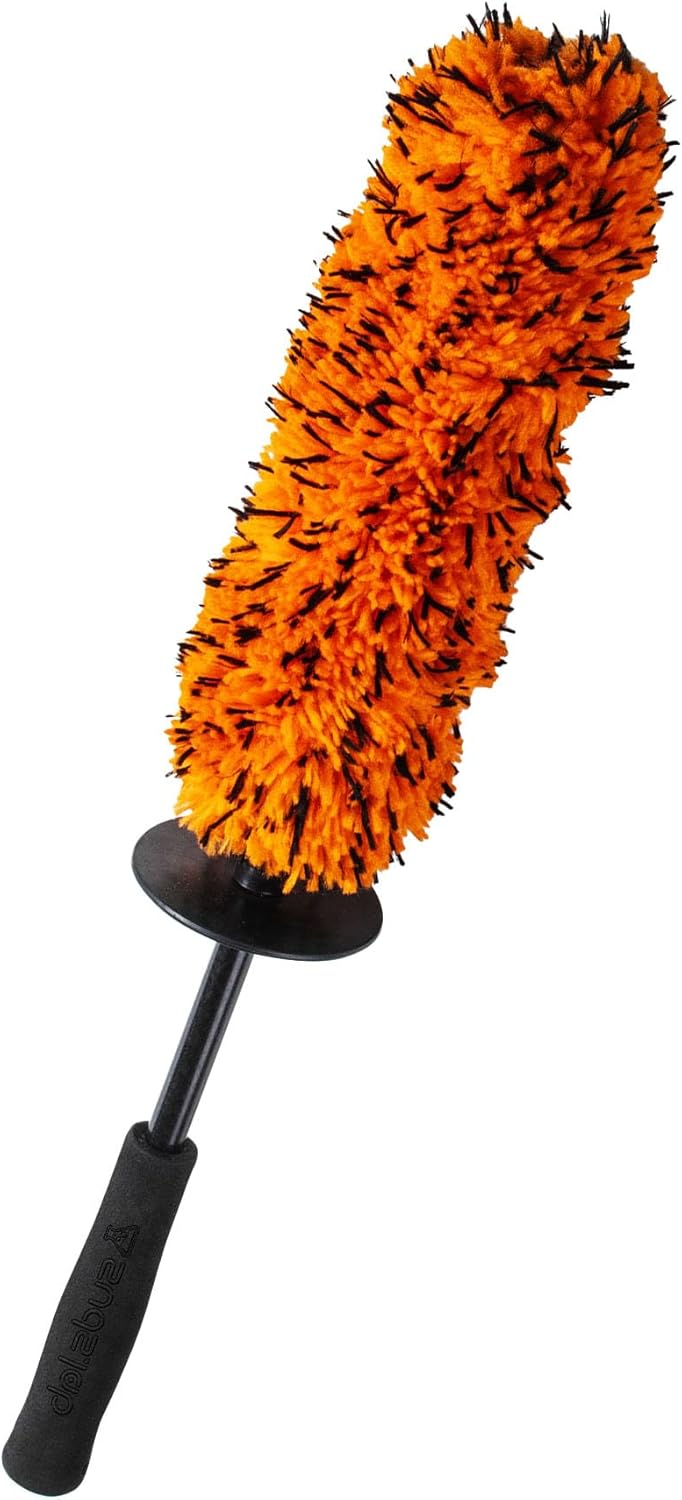
Suds Lab WB Premium Microfiber Cleaning Wheel Brush lifts brake dust, dirt, and grime with ultra-soft microfiber bristles that help prevent scratching and swirling on wheels and paint. It features an ergonomic, non-slip handle for comfortable control and reduced hand fatigue during longer cleaning sessions. Safe for all vehicle types, it also works for multi-purpose detailing like tires, exhaust pipes, door panels, engine bays, and mirrors.

This professional wheel and rim cleaning brush set lifts brake dust, grime, and dirt with soft, scratch-free microfiber and synthetic wool fibers. The rim brush bends up to 360 degrees for easy access to hard-to-reach areas around spokes, lips, and faces. Ideal for thorough cleaning of car, truck, motorcycle, bicycle, RV, and more wheel and tire surfaces.

This 3-piece wheel and tire brush set makes it easy to clean light, medium, and heavy dirt from wheels, rims, tires, and exterior surfaces. It includes both soft and stiff bristle options for gentle scrubbing and tough grime removal, helping lift brake dust and road buildup. The long-handle design supports comfortable cleaning across cars, trucks, SUVs, RVs, motorcycles, and more, with simple care instructions to restore brush shape.
Curb Rash Repair Costs
Curb rash is among the most common cosmetic wheel problems. A practical current budget is roughly $100 to $200 per wheel for ordinary cosmetic work, although a simple spot repair can cost less and a complex factory finish can cost more.
A professional curb-rash repair may involve cleaning, sanding, leveling a shallow damaged area, color matching, repainting, and clear coating. The exact process depends on whether the wheel is painted, polished, machined, powder coated, or finished another way.
Repairing shallow damage can provide several benefits:
- It restores the wheel’s appearance.
- It reseals exposed finish where appropriate.
- It can help preserve resale or lease-return condition.
- It costs much less than replacement when the damage is truly cosmetic.
Do not assume every mark around the lip is curb rash. A gouge that removes substantial metal, a flat spot, a crack, or a damaged bead-sealing surface needs a different assessment.
Bent, Cracked, and Refinishing Costs
Bent-wheel repair is more complicated than cosmetic refinishing. Some wheel specialists advertise straightening services in roughly the $130 to $300 range, depending on wheel size and damage. However, whether straightening is appropriate depends on the wheel, its material, where it is bent, and the manufacturer’s repair policy.
That distinction matters because General Motors states in its wheel-refinishing guidance that it does not endorse wheel repairs involving welding, bending, straightening, or re-machining. Its guidance recommends replacement for applicable wheels with crack or bent-flange road-hazard damage.
A cracked wheel therefore should not be treated as a routine $100–$200 welding decision. Although independent repair businesses may offer crack welding, first check the vehicle and wheel manufacturer’s policy and have the damage inspected. Replacement is the safer default when the manufacturer prohibits structural repair or the crack affects a critical area.
Full refinishing can cost around $200 to $400 per wheel, with specialty finishes costing more. Machined or diamond-cut faces, complex colors, large diameters, tire removal, balancing, and extensive preparation can all increase the quote.
Pro Tip: Before authorizing a structural repair, ask the shop to identify the exact repair method and confirm that it is permitted for your wheel. A low repair price is not useful if the process conflicts with the manufacturer’s guidance.
Does Wheel Material and Finish Change the Repair Decision?
Yes. Steel and aluminum-alloy wheels respond differently to impact and repair processes, and even two aluminum wheels may have different limits because of their design, manufacturing method, heat treatment, and finish.
Cosmetic work also varies by finish. Painted wheels can require primer, color, and clear coat. Machined faces need careful refinishing to avoid removing excessive material. Chrome, polished, powder-coated, and multi-tone wheels may need specialized processes to match the original appearance.
OEM guidance can be stricter than what an independent repair shop offers. For example, GM allows only specified cosmetic refinishing in its applicable guidance and rejects structural processes such as welding or straightening. Alcoa’s professional service literature for its commercial aluminum wheels likewise warns against straightening damaged wheels and emphasizes removing damaged wheels from service according to its manual.
That is why you should identify the wheel and check the relevant manufacturer guidance before assuming that a repair method used on one wheel is acceptable on another.
[Products Worth Considering]

This professional wheel and rim brush kit makes it easy to lift brake dust, grime, and dirt from wheels and tires without scratching finishes. The brushes feature soft, metal-free wool heads and a flexible 360-degree rim brush design for reaching hard-to-clean areas. Includes multiple brush types plus accessories for thorough car, motorcycle, and general vehicle detailing.
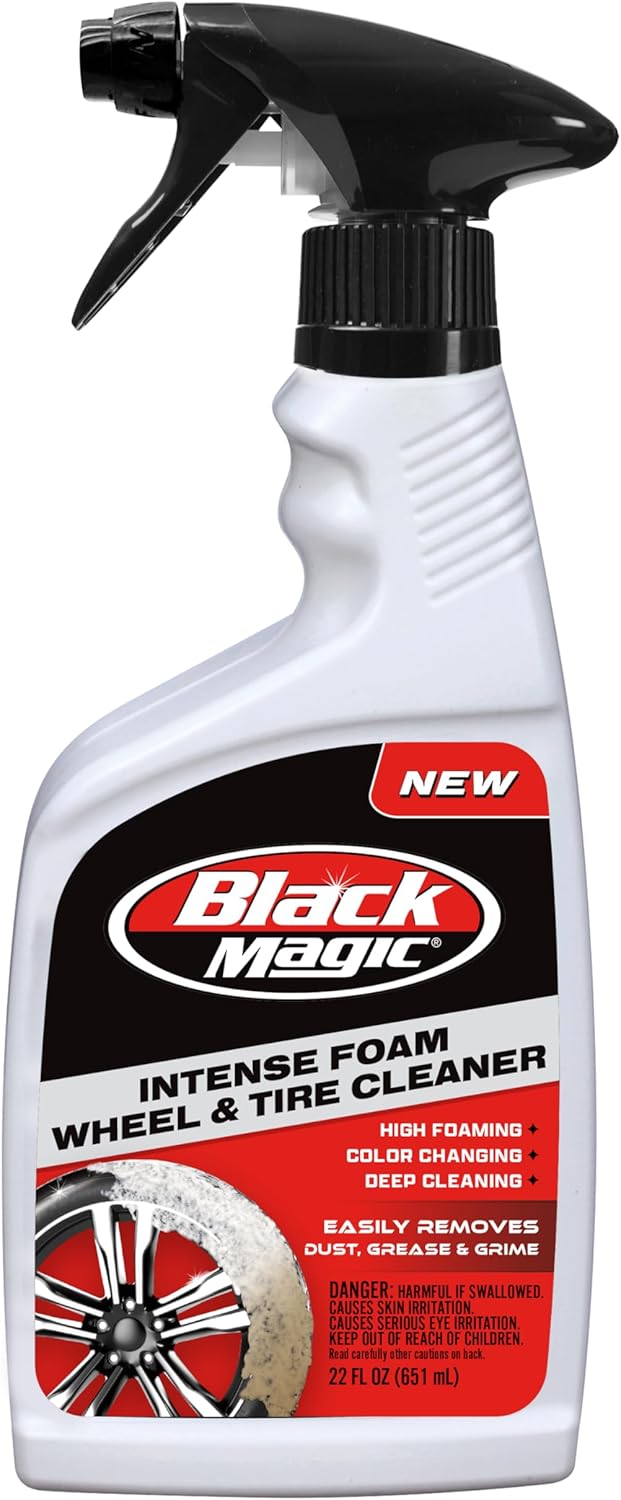
Black Magic Intense Foam Wheel & Tire Cleaner uses a high-foaming action to lift away dirt, grime, and brake dust without scrubbing. The color-changing formula helps show contaminants being dissolved as foam turns from white to brown. Safe for all wheel types and even wheel wells, it leaves a like-new, slick finish with a fresh cherry scent.

Clean wheels and rims with soft feathered bristles that safely remove dirt and road grime while helping restore original luster. The short non-slip handle makes it easy to scrub in tight wheel wells, and the brush is suitable for vehicles and hard-to-reach areas. It can also be soaked and rubbed to help restore bristles to their shape after use.
When Is It Safe to Repair a Wheel?
A wheel is the best candidate for repair when the defect is genuinely cosmetic and inspection finds no crack, meaningful deformation, air-sealing problem, or damage to critical mounting areas.
Structural repair is different. A specialist must consider the damage location, wheel design, material, manufacturer’s limits, and whether the wheel still meets the required dimensions. Price alone cannot establish whether a wheel is safe to repair.
NHTSA has previously warned that a refurbished rim that had been cracked, bent, or pitted might not be capable of performing safely in service. That does not mean every mark requires replacement, but it reinforces the need to separate cosmetic refinishing from structural damage.
Damage Severity Limits
Cosmetic curb rash or shallow surface scuffs can often be refinished because they do not necessarily compromise the wheel’s shape or load-carrying structure. Before approving the work, check for signs that move the problem beyond cosmetic repair:
- Any visible crack or crack-like line that needs professional confirmation.
- A bend or flat spot that changes the wheel’s shape.
- Damage to the bead seat or flange that affects the tire’s seal.
- Damage around a spoke, hub, lug hole, bolt seat, or mounting surface.
- Missing metal, deep gouging, or extensive corrosion.
- Persistent air loss, vibration, or wobble after an impact.
There is no reliable universal “50% rule” that makes structural damage safe or unsafe based on repair price. First decide whether the wheel is technically repairable under the applicable guidance. Only then does comparing repair cost with replacement cost make sense.
Structural Safety Checks
A professional structural assessment can include cleaning and visual inspection, checking the wheel for runout or deformation, investigating pressure loss, and examining areas that are difficult to see while the wheel is mounted.
When specialized crack detection is appropriate, the method should follow the wheel manufacturer’s or qualified refinisher’s procedure. For example, GM’s published refinishing guidance has referenced Zyglo or an equivalent crack-inspection process rather than a generic “hydraulic pressure test.”
Professional wheel-service rules can also be much stricter in specific applications. OSHA’s 29 CFR 1910.177 requires damaged single-piece and multi-piece rim wheels within its scope to be removed from service and prohibits reworking, welding, brazing, or heating cracked, broken, bent, or otherwise damaged wheels. Its scope applies to specified large-vehicle applications and does not cover ordinary passenger automobiles, so it should not be misrepresented as a universal passenger-car repair rule.
When Is Wheel Replacement the Better Choice?
Replacement becomes the better choice when the manufacturer prohibits the proposed repair, when a crack or severe bend affects a critical area, when the wheel cannot be restored to its required dimensions, or when repeated damage makes its condition uncertain.
You should strongly consider replacement when:
- The wheel is cracked and the OEM or wheel manufacturer does not permit structural repair.
- The bead seat, lug or bolt area, spoke, hub area, or mounting surface is damaged.
- The wheel has severe or multiple bends.
- The wheel continues to leak or run out of true after diagnosis.
- The shop cannot document a suitable repair procedure for that specific wheel.
- A safe approved repair is close enough to replacement cost that a new or verified OEM-equivalent wheel offers better value.
The last point is an economic comparison, not a safety formula. There is no universal 50% or 70% repair-cost threshold that determines whether a wheel is structurally safe.
When comparing options, price the complete job: wheel, tire removal and installation, TPMS-related service if needed, balancing, taxes, and any refinishing or shipping charges.
[Products Worth Considering]

This metal-free wheel and tire cleaning brush uses dense, fluffy synthetic wool to safely clean rims, spokes, fenders, and engine areas without worrying about damaging surfaces. Its flexible, comfortable design helps you reach detailed areas while maintaining durability, and the extra absorbent fibers work well with wheel spray cleaners for faster cleanup. Reusable and washable performance helps prevent grime and build-up for cleaner vehicles and easier maintenance at home.

This wheel brush kit delivers pro-level cleaning at home, lifting dirt, grime, and brake dust to help restore wheel appearance. It includes multiple brush styles and applicator pads for tackling different wheel surfaces, with gentle, metal-free bristles designed to reduce scratching risk. The flat and double-ended brushes are built for comfort and reach, making wheel care easier for cars, trucks, and RVs.

This 3-piece wheel brush set makes it easy to clean wheels and tires with soft, scratch-free brushes designed for lifting brake dust and grime. The flexible rim brush bends up to 360 degrees to reach hard-to-access areas for a thorough clean, while the comfortable grip helps control during detailing. A dedicated detailing brush supports gentle cleaning for sensitive surfaces, including interior use.
What Else Should You Check After Hitting a Pothole?
A pothole can damage more than the visible wheel face. AAA notes that tires, wheels, and suspension can all take the impact, so inspect the vehicle as a system rather than focusing only on curb rash or a bent rim.
Check the tire for cuts, bubbles, sidewall damage, abnormal pressure loss, and tread damage. If the steering wheel begins to shake, the vehicle pulls, or the tire develops unusual wear, have the wheel balance, alignment, and suspension checked as appropriate.
If the wheel is repaired or replaced after a significant impact, ask whether the tire was inspected internally when necessary and whether the assembly was balanced before returning to service.
How to Get an Accurate Wheel Repair Quote?
Once you have ruled out an obvious replacement case, provide the repair shop with enough information to distinguish a cosmetic refinish from structural work.
Include the wheel diameter, vehicle year/make/model, wheel finish, and clear photos from several angles. Photograph the outer lip, the entire wheel face, and any visible inner-barrel damage.
Tell the shop whether the tire holds air, whether you noticed vibration after an impact, and whether the damage came from a curb, pothole, collision, or corrosion.
Ask what is included in the quote. Tire removal, remounting, balancing, TPMS-related work, finish matching, machining, and mobile service can change the final price.
For structural work, ask these questions before approving the job:
- What exactly is damaged?
- What repair method will be used?
- Does the wheel or vehicle manufacturer permit that method?
- How will the wheel be inspected before and after repair?
- Will the repaired wheel be checked for runout and air sealing?
- Will the tire be inspected and the assembly balanced?
- What warranty applies to the repair and finish?
Finally, get the price of a genuine OEM wheel or a correctly specified replacement before deciding. This gives you a meaningful cost comparison without relying on an arbitrary percentage rule.
Can You Fix Minor Wheel Damage Yourself?
Yes—if the damage is strictly cosmetic, you can often improve light curb rash, finish scratches, and small scuffs with a suitable wheel-repair or touch-up system.
A basic DIY cosmetic repair may cost about $25–$80 in materials. Results depend on the wheel finish, preparation, paint match, and your ability to avoid sanding or coating areas that should not be altered.
Warning: DIY work should stop at cosmetic refinishing. Do not try to straighten, weld, heat, drill, grind out, or structurally reshape a cracked or bent wheel at home.
- Inspect before sanding. Look for cracks, bends, pressure loss, missing metal, or damage around the bead and mounting areas. If you find any, stop and get a professional inspection.
- Clean the damaged area. Remove dirt, brake dust, wax, and loose finish using products compatible with the wheel.
- Feather only shallow cosmetic damage. Follow the repair-product instructions and avoid aggressive material removal.
- Use compatible primer or filler where the system calls for it. Do not use filler to hide structural damage.
- Apply matched paint and clear coat. Follow the product’s temperature, ventilation, drying, and curing instructions.
- Reinspect the area. If a suspected crack, leak, or deformation becomes visible during preparation, stop the cosmetic repair.
DIY curing time varies by product, so do not assume the wheel is finished after a fixed number of hours. Follow the coating manufacturer’s instructions before washing, driving in harsh conditions, or applying cleaners to the repaired area.
Note: Machined, polished, chrome, and complex multi-color factory finishes are difficult to match at home. Professional cosmetic refinishing may give a much better result even when the damage itself is minor.
Frequently Asked Questions
What Types of Wheel Damage Can Be Repaired?
Light curb rash, scratches, coating damage, and some surface corrosion can often be cosmetically refinished. Some specialists also straighten certain bent wheels, but eligibility depends on the wheel design, material, damage location, and manufacturer policy. Cracked or severely distorted wheels should be professionally evaluated and often require replacement.
How Much Does It Cost to Repair Rim Damage?
Typical cosmetic curb-rash work may cost around $100–$200 per wheel, while a more complete refinish may run roughly $200–$400. Straightening offered by specialist shops can fall around $130–$300, but it is not appropriate for every wheel. Exact pricing depends on size, finish, damage, location, and included tire services.
Is It Worth Repairing a Damaged Wheel?
Cosmetic repair is often worthwhile when the wheel is structurally sound and replacement is much more expensive. For cracks, bends, or mounting-area damage, first determine whether the manufacturer permits the proposed repair. Safety and technical suitability come before the repair-versus-replacement price comparison.
How Much to Fix Wheel Damage?
Budget about $100–$200 for ordinary curb-rash refinishing and more for deep cosmetic damage, large wheels, or specialty finishes. A structural problem cannot be priced responsibly from appearance alone; get the wheel inspected and compare an approved repair quote with the complete replacement cost.
Can You Drive With a Bent or Cracked Wheel?
A visibly cracked wheel, severe bend, rapid pressure loss, or major new vibration should be treated as a safety problem. Avoid normal driving and follow the vehicle manufacturer’s spare-tire or roadside-assistance procedure. A minor-looking bend still deserves inspection because the inner wheel and tire may have additional damage.
Should a Wheel Be Balanced After Repair?
If the tire was removed, the wheel was straightened where permitted, or the impact caused vibration, ask the shop whether the wheel-and-tire assembly should be balanced. A pothole impact may also justify checking the tire, alignment, or suspension if symptoms remain after the wheel work.
Conclusion
You can tell a great deal about wheel damage by separating surface defects from shape or structural problems. Light curb rash and finish scratches are often suitable for refinishing, while a crack, significant bend, air leak, damaged bead area, or mounting-area distortion requires professional evaluation.
Use repair prices as budgeting information, not as a safety test. There is no universal 50% or 70% rule that makes a damaged wheel safe to repair. Check the wheel manufacturer’s or vehicle manufacturer’s guidance first, then compare an approved repair with replacement. DIY work is best limited to shallow cosmetic damage.
Sources
- General Motors Service Bulletin 17-NA-052 — OEM guidance on cosmetic refinishing, cracks, bent flanges, welding, straightening, and wheel replacement.
- National Highway Traffic Safety Administration — NHTSA Interpretation nht93-2.34 — safety concerns involving previously cracked, bent, or pitted refurbished rims.
- Occupational Safety and Health Administration — 29 CFR 1910.177 — professional rim-wheel servicing requirements and restrictions for the large-vehicle applications covered by the regulation.
- Alcoa Wheels Technical Resources — manufacturer service manuals and inspection guidance for Alcoa commercial aluminum wheels.
- AAA — How to Protect Your Car and Tires From Pothole Damage — examples of pothole-related wheel, tire, suspension, and repair costs.