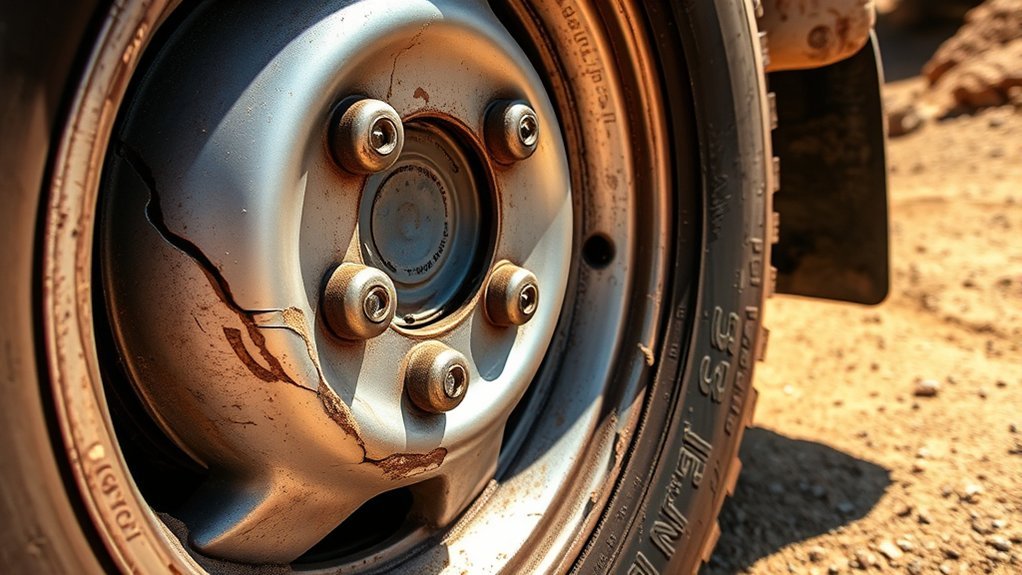
Rim damage on your Toyota Hilux can be cosmetic, repairable, or unsafe. The key is to separate light scuffs from bends, cracks, corrosion, bead-seat damage, air leaks, or vibration. Use a careful visual check first, then let a qualified tyre or wheel professional measure the rim before you approve repair or replacement.
Quick Answer
Repair a Toyota Hilux rim only when the damage is cosmetic or a minor bend that a qualified shop can safely straighten. Replace the rim if you see cracks, severe bends, bead-seat damage, elongated lug holes, heavy corrosion, heat damage, repeated air loss, or vibration that remains after balancing.
Key Takeaways
- Light curb rash, shallow surface scratches, peeling clear coat, and some minor bends are the most repairable rim problems.
- Cracks, deep gouges, damaged bead seats, severe bends, heavy corrosion, heat damage, and damaged lug holes usually point toward replacement.
- Do not keep driving if the Hilux has a fast air leak, steering vibration, wobble, or visible structural rim damage.
- A repaired rim still needs the tyre mounted correctly, balanced, checked for leaks, and inspected after a short test drive.
- Costs vary by region, wheel size, finish, OEM availability, and whether you need mounting, balancing, or alignment.
At a Glance
| Time Required | 10 to 20 minutes for a basic visual check; 1 to 2 hours or more for shop inspection, repair, tyre mounting, balancing, and leak testing. |
| Difficulty | Easy for visual inspection; professional level for straightening, welding decisions, tyre demounting, and structural assessment. |
| Tools Needed | Flashlight, tyre pressure gauge, soapy water spray, clean cloth, and a professional wheel balancer or runout gauge at the shop. |
| Cost | Minor cosmetic repair often costs less than replacement, but exact pricing depends on your location, wheel size, finish, OEM part cost, and added services like mounting, balancing, and alignment. |
Assessing Rim Damage: Repair vs Replace
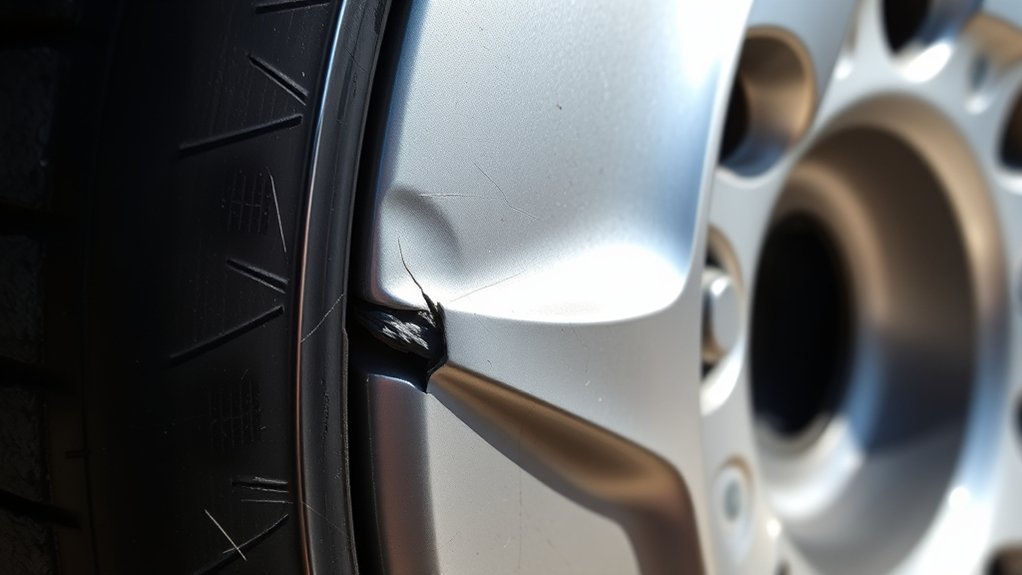
Start by deciding whether the damage is cosmetic, drivability-related, or structural. Cosmetic damage usually affects only the outer finish. Structural damage changes the shape, strength, sealing surface, or mounting area of the rim.
Light curb rash, small surface scratches, minor paint damage, and peeling clear coat can often be refinished. A small bend may also be repairable if a qualified shop can measure it, straighten it, and confirm that the tyre still seats and seals correctly.
Cracks, severe bends, deep gouges, damaged bead seats, elongated lug holes, heat marks, or heavy corrosion are different. The USTMA passenger and light truck tire care guide lists bent, dented, cracked, excessively corroded, or otherwise damaged rim/wheel conditions as reasons for removal from service. Treat these problems as safety issues, not appearance issues.
Warning: Do not keep driving your Hilux if the wheel has a visible crack, a severe bend, fast pressure loss, wobble, steering vibration, or damage around the bead seat or lug holes. Fit the spare if it is safe to do so, or have the vehicle towed for inspection.
Common Types of Rim Damage on Your Hilux
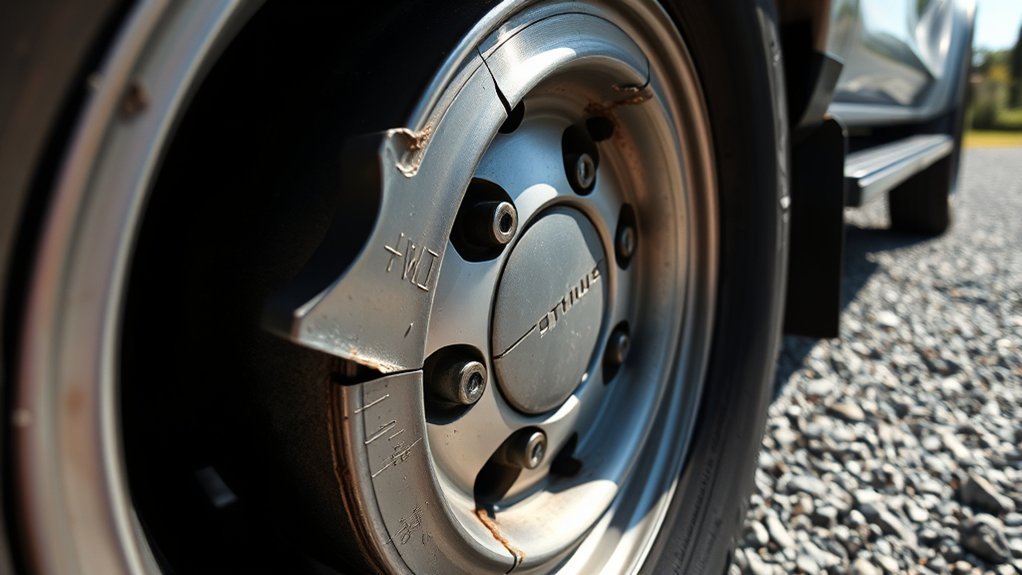
Curb Rash and Surface Scratches
Curb rash usually appears on the outer lip or face of the rim. If the damage is shallow and does not remove a chunk of metal, affect the bead seat, or expose deep corrosion, a shop can often sand, fill, repaint, or refinish the area.
Minor Bends
Minor bends often come from potholes, rocks, or rough tracks. A light bend may cause vibration or slow air loss. Some shops can straighten minor bends with hydraulic equipment, but they should measure wheel runout and inspect the tyre before declaring the rim safe.
Cracks and Fractures
Cracks need a cautious approach. A small surface mark is not the same as a structural crack, but you should not guess. If a crack reaches the barrel, spoke, bead seat, or mounting area, replacement is usually the safer choice unless the wheel manufacturer and a qualified specialist approve a repair.
Bead Seat and Valve Area Damage
The bead seat is where the tyre seals against the rim. Damage here can cause a slow leak even when the tyre looks fine. Also inspect the valve stem area for corrosion, cracks, or distortion, because a leak here can mimic tyre damage.
Corrosion and Clear Coat Failure
Light surface corrosion and peeling clear coat may be refinished. Heavy corrosion, pitting around the bead seat, or corrosion near the lug holes is more serious because it can affect sealing and wheel strength.
Lug Hole or Mounting Face Damage
Damage around the lug holes, centre bore, or mounting face can stop the rim from clamping flat against the hub. Replace the rim if the holes are elongated, the mounting face is distorted, or the wheel cannot be torqued and seated correctly.
How to Inspect a Damaged Hilux Rim
Do a basic check before you call a repair shop. This does not replace a professional inspection, but it helps you describe the problem clearly.
- Park safely and let the tyre cool. Check the wheel in good light and avoid crawling under the vehicle unless it is safely lifted and supported.
- Check tyre pressure. Compare it with the pressure listed on your Hilux tyre placard or owner’s manual. A repeated drop can point to bead-seat, valve, tyre, or rim damage.
- Look around the outer lip. Note curb rash, missing chunks, dents, bends, or cracks.
- Inspect the inner barrel if visible. Inner bends are easy to miss because they sit behind the wheel face.
- Spray soapy water around the bead and valve. Bubbles can reveal a slow leak.
- Watch for driving symptoms. Vibration, wobble, pulling, or a steering wheel shake after impact means the wheel and tyre need professional inspection.
- Ask the shop to check runout and balance. A wheel can look acceptable but still be out of round.
Pro Tip: Take close photos from several angles before visiting a shop. Include the outer face, inner barrel if visible, tyre sidewall, valve area, and any spot where air bubbles appear during a soapy-water test.
Repair vs Replacement Decision Table
Use this table as a practical guide. The final decision should come from a qualified wheel repairer, tyre shop, or Toyota service technician who can inspect the wheel in person.
| Damage or Symptom | Usual Best Choice | Why |
|---|---|---|
| Light curb rash or paint scuffs | Repair or refinish | Usually cosmetic if the metal, bead seat, and mounting area are sound. |
| Small bend with no crack | Professional inspection first | May be straightened if runout and sealing can be restored safely. |
| Visible crack | Usually replace | Cracks can grow under load, especially on rough roads or when carrying weight. |
| Bead-seat damage or repeated air leak | Inspect, then often replace | The tyre must seal correctly to maintain safe inflation pressure. |
| Severe bend, wobble, or wheel out of round | Often replace | A badly distorted rim can affect handling, tyre wear, and balancing. |
| Damaged lug holes or mounting face | Replace | The wheel must clamp flat and securely to the hub. |
| Heavy corrosion or heat damage | Replace or specialist inspection | Corrosion and heat can weaken the wheel or affect the tyre seal. |
[Products Worth Considering]

The Trivd Frol 1/2" air impact wrench delivers high performance torque up to 1500 ft-lbs with a twin hammer impact mechanism for strong, balanced blows. It features an ergonomic grip, compact lightweight design, and quick-stop control with 3 forward speeds up to 8000 RPM plus a reverse speed. Built for demanding automotive repair and tire shop work, the rear exhaust helps keep debris away from the surface.

This universal wheel alignment tool helps you accurately restore tire tilt angles after tire or suspension repairs using an adjustable camber gauge. It features a powerful magnetic base that firmly attaches to brake rotors for stationary, slip-free readings, improving consistency during measurement. Built from durable PC plastic, it resists wear and corrosion and is compact enough for car, truck, RV, and motorcycle alignment tasks.

These M14x1.5 closed-end chrome lug nuts are a one-piece replacement designed for secure fitment on compatible GM, Ford, and select Chrysler/Dodge models. Featuring a 60-degree conical seat and anti-rust chrome plating, they help resist corrosion and maintain a bright look for everyday driving. Built for long-term durability, they include OEM-style part references and are backed by 12 months of support.
Cost Analysis: Repairing vs Replacing Your Rims
Repairing a damaged Hilux rim can save money when the damage is limited to cosmetic refinishing or a minor bend. Replacement costs more upfront, but it can be the safer and smarter choice when the rim has structural damage.
Use price ranges only as planning numbers. Your final quote depends on wheel size, alloy or steel construction, finish type, tyre removal, balancing, alignment, local labour rates, and whether you buy an OEM, used, refurbished, or aftermarket wheel.
[Products Worth Considering]

This 15-inch tire spoons kit makes tire removal and installation easier with added leverage, reducing time and effort for everyday repairs. It includes tire spoons, rim protectors, a valve tool, and valve cores/caps, helping protect rims and streamline deflation and re-sealing. Built with durable hardened steel and a non-slip ergonomic grip for confident use on motorcycles, dirt bikes, ATVs, and lawn equipment.

The 22800 wheel stud installer makes replacing wheel studs quick and secure, saving time and effort during tire service. It uses a ratchet or impact wrench to pull new studs firmly into place, helping when existing studs are too long. Compatible with most automotive wheels and light-duty truck wheel studs, it’s designed for easy, tool-assisted installation.

Upgrade your wheels with MIKKUPPA closed-end lug nuts designed for reliable fit and corrosion resistance. The one-piece, cold-forged and heat-treated steel construction helps resist rust and stripping, while the integrated finish delivers a durable black appearance. Built to OEM standards with a conical 60-degree seat, these nuts provide a secure solution for compatible Ford, Honda, Jeep, and Chevrolet models.
Repair Cost Benefits
Repair makes the most sense when the wheel is structurally sound. Common repair jobs include sanding curb rash, repainting, refinishing clear coat, sealing light corrosion after proper preparation, and correcting a minor bend after measurement.
Professional curb rash and cosmetic wheel repair often costs less than a replacement rim. However, a cheap repair is not a win if the wheel still leaks air, vibrates, or cannot be balanced properly.
Replacement Expense Considerations
Replacement becomes the better option when safety, sealing, or strength is in doubt. You may also choose replacement if repair costs approach the price of a sound wheel, if the rim has already been repaired once, or if the wheel finish is difficult to match.
| Expense Type | What to Expect |
|---|---|
| Cosmetic rim repair | Often quoted per wheel; price varies by finish, damage, and whether the tyre must be removed. |
| Bent rim straightening | Requires measurement, straightening, leak testing, and balancing. |
| Rim replacement | Varies widely by OEM, aftermarket, used, steel, or alloy wheel choice. |
| Mounting and balancing | Common added cost when the tyre is removed or the wheel is replaced. |
| Alignment check | Worth considering after a hard pothole strike, curb impact, uneven tyre wear, or steering pull. |
Note: If your Hilux uses aftermarket wheels, confirm the replacement wheel’s diameter, width, offset, centre bore, bolt pattern, load rating, and tyre compatibility before buying.
How Rim Condition Affects Vehicle Safety and Performance
Your rims help the tyres stay sealed, centred, balanced, and securely mounted. A damaged rim can cause air loss, vibration, uneven tyre wear, poor ride quality, and reduced steering confidence.
The NHTSA TireWise guide advises drivers to pay attention to tyre pressure loss, noise, vibration, and other performance issues. If these symptoms appear after a pothole or curb strike, do not assume the tyre is the only damaged part.
Transport Canada also notes that wheel alignment and balancing affect handling, ride, tyre wear, and fuel consumption. That means a rim repair is only complete after the wheel and tyre assembly seals correctly, balances properly, and drives without vibration.
Benefits and Limits of Mobile Rim Repair for Your Hilux
Mobile rim repair can be useful when the damage is cosmetic and the wheel does not need major structural work. It can save time because the technician comes to your driveway, workplace, or safe parking location.
- Time-saving: Light refinishing may be handled faster than ordering a new wheel.
- Cost-effective: Cosmetic repair can cost less than replacing a sound rim.
- Convenient: You may avoid a shop drop-off when the repair is minor and safe for mobile service.
- Less waste: Repairing a structurally sound wheel can extend its service life.
Mobile repair is not the right answer for every damaged Hilux rim. Cracks, severe bends, air leaks at the bead seat, heat damage, and lug-hole damage may need a workshop inspection, tyre removal, specialist equipment, or replacement.
[Products Worth Considering]

Steelman white tire marking crayons provide high-contrast, semi-permanent marks for repairing and inspecting tires and equipment. They write on wet or dry, smooth or coarse surfaces including rubber, metal, glass, and wood, making them ideal for puncture location and damage outlining. The lead- and zinc-free crayons resist weather and fading yet wipe away when you no longer need the marks.

The SEESII cordless impact wrench delivers high tightening and loosening power for fast wheel bolt and industrial bolt work. Its brushless motor and variable-speed 3 forward/2 reverse modes help you control precision installs and stubborn nut removal. A dual-battery system with rapid charging and an included storage case make it ready for home, car, and jobsite use.

The Chemical Guys Gerbil Wheel & Rim Brush is designed to safely clean wheels, rims, exhaust tips, tires, and engine bay components without scratching delicate finishes. Its soft natural bristles help lift brake dust, grime, and buildup while conforming to tight spaces and intricate contours. A comfort grip handle delivers control for extended detailing sessions.
What to Ask Before Approving Rim Repair
Before you approve any rim repair, ask direct questions. A reputable repairer should explain what they found and why the wheel is safe to return to service.
- Is the damage cosmetic or structural?
- Did you inspect the bead seat, valve area, inner barrel, mounting face, and lug holes?
- Will the tyre be removed so the inside of the rim can be checked?
- Will you measure radial and lateral runout?
- Will the wheel be leak-tested after repair?
- Will the wheel and tyre be balanced before refitting?
- Do you recommend alignment because of the impact?
- Is the repair covered by any workmanship warranty?
- Would you use this repaired wheel on a loaded Hilux or on rough roads?
After Service: Checks Before You Drive Away
After a repair or replacement, do not judge the job only by appearance. Confirm that the tyre holds pressure, the wheel balances correctly, and the vehicle drives smoothly.
- Check tyre pressure cold. Use the Hilux tyre placard or owner’s manual for the correct pressure.
- Confirm wheel nut torque. Wheel nuts should be tightened to the manufacturer’s specification from your owner’s manual.
- Ask for balancing. A repaired or replaced wheel should be balanced before normal driving.
- Consider alignment. Get alignment checked after a heavy curb or pothole hit, uneven tyre wear, or steering pull.
- Do a short test drive. Listen for noise and feel for vibration at low and moderate speeds.
- Recheck pressure later. A slow leak may show after a day or two of driving.
A rim that looks clean is not automatically safe. The real test is whether it is round, crack-free, corrosion-free, properly seated, leak-free, balanced, and secure on the hub.
Frequently Asked Questions
Is it better to repair a Toyota Hilux rim or buy a new one?
Repair is better when the damage is cosmetic or a minor bend that a qualified shop can safely correct. Replacement is better when the rim is cracked, severely bent, heavily corroded, leaking at the bead seat, damaged around the lug holes, or repeatedly failing inspection.
Can a bent Hilux rim be repaired?
A minor bend may be repairable if the rim has no crack, no bead-seat damage, and no severe distortion. The shop should measure runout, straighten the wheel with proper equipment, leak-test it, and balance the wheel and tyre assembly before you drive normally.
How damaged does a rim need to be before replacement is safer?
Replacement is safer when the rim has a visible crack, a sharp bend, damaged bead seat, elongated lug holes, heat damage, heavy corrosion, repeated air loss, or vibration that remains after balancing. These signs can affect sealing, mounting strength, and handling.
Can I drive on a cracked Hilux rim?
No. A cracked rim can lose air, spread under load, or fail after another impact. Fit the spare if it is safe, avoid high speed, and have the wheel inspected before using it again.
Does rim repair fix wheel alignment?
No. Rim repair and wheel alignment are separate jobs. A repaired rim may still need balancing, and a hard impact can knock the suspension alignment out even if the wheel is fixed.
Sources
- NHTSA TireWise — supports inspection, tire performance warning signs, pressure loss, noise, and vibration guidance.
- Transport Canada: Riding on Air — supports tyre inspection, alignment, balancing, pressure checks, and wheel nut tightening to manufacturer specifications.
- USTMA Care and Service of Passenger and Light Truck Tires — supports removal-from-service guidance for bent, dented, cracked, corroded, or otherwise damaged rims/wheels.
- OSHA 29 CFR 1910.177 — supports professional rim-wheel servicing safety principles. OSHA notes this standard does not apply to pickup trucks using automobile or LT tyres, but its servicing precautions show why demounting and inflation should be handled by trained personnel.
- Vehicle Inspection Manual: Tires and Wheels — provides an inspection-standard example for rejecting bent, broken, cracked, damaged, distorted, or improperly repaired wheels/rims.
Conclusion
Repair your Toyota Hilux rim when the damage is truly minor, cosmetic, and professionally confirmed as safe. Replace it when the damage affects the rim’s structure, sealing surface, mounting area, or ability to balance correctly.
A careful decision protects more than the wheel. It helps protect tyre pressure, handling, ride quality, braking confidence, and passenger safety. When in doubt, choose inspection first and replacement over a risky repair.