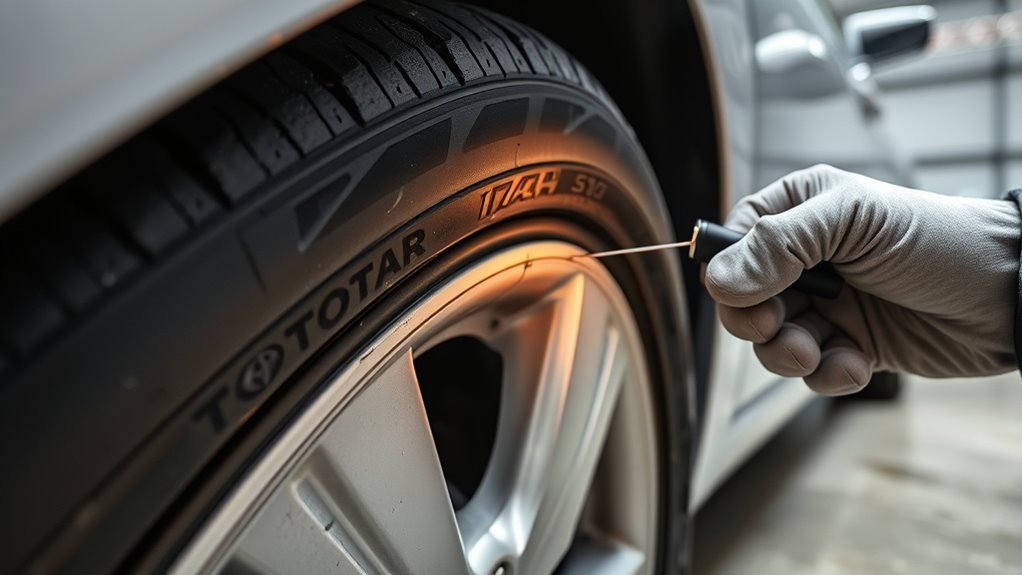
Your Toyota Camry tires can become unsafe before the tread looks worn out. Rubber ages from heat, oxygen, sunlight, storage, and road use, so tire age deserves the same attention as tread depth. Check the DOT Tire Identification Number on each sidewall, inspect the tires often, and treat cracks, bulges, vibration, or repeated air loss as warning signs.
Quick Answer
For a Toyota Camry, start yearly professional tire inspections after about five years of service. Toyota says any tire over six years old must be checked by a qualified technician, even if it looks fine. Replace tires sooner for damage, poor performance, or low tread, and replace them by 10 years from the manufacture date at the latest.
Key Takeaways
- Do not judge Camry tires by tread depth alone; tire rubber can age, harden, and crack before the tread is gone.
- Check the DOT Tire Identification Number on every tire, including the spare, to find the manufacture week and year.
- Schedule yearly professional inspections after five years and a qualified inspection for any tire over six years old.
- Replace tires immediately if you see sidewall bulges, exposed cords, deep cracks, repeated air loss, or severe vibration.
- If you replace only two tires, install the newer pair on the rear axle for better wet-road stability.
At a Glance
| Time Required | 5 to 10 minutes for a basic tire age and condition check |
| Difficulty | Easy visual check; use a tire professional for age, vibration, bulges, or hidden damage |
| Tools Needed | Flashlight, tire pressure gauge, tread depth gauge or penny, and your Camry tire placard or owner’s manual |
| Cost | Free for a basic visual check; tire replacement cost depends on size, brand, labor, and local service rates |
How Old Are Toyota Camry Tires?
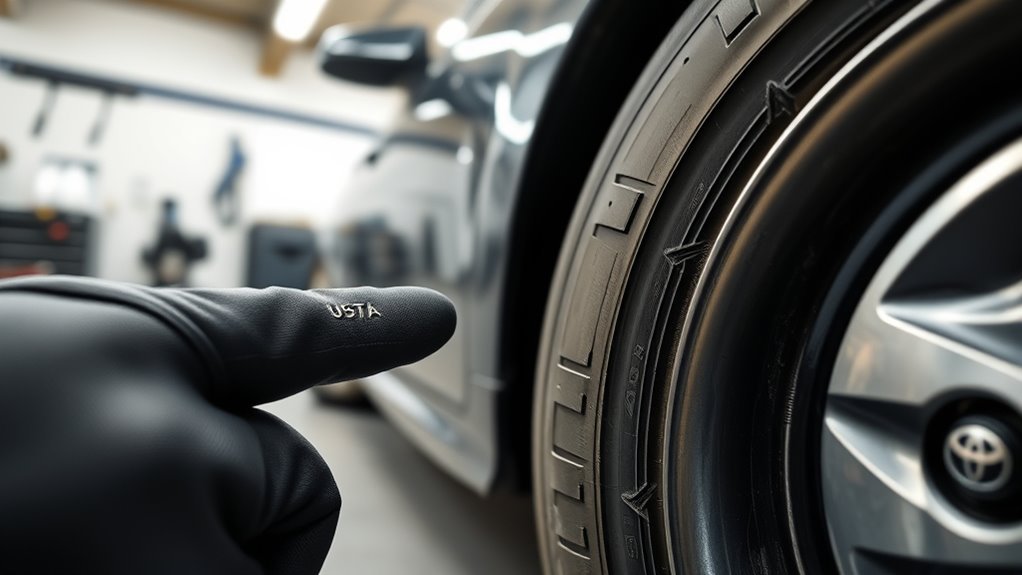
To find your Toyota Camry tire age, read the last four digits of the DOT Tire Identification Number on the sidewall. Those digits show the week and year the tire was made. A code ending in 3520 means the tire was made in the 35th week of 2020.
Age matters because the tire’s manufacture date can be older than the date you bought or installed it. A tire that sat in storage for a year before installation is still one year old from the tire maker’s point of view.
For a Camry, use this practical age guide:
| Tire age | What to do |
|---|---|
| 0 to 4 years | Check pressure monthly, rotate on schedule, and inspect tread and sidewalls. |
| 5 years | Start yearly professional inspections, even if the tread still looks good. |
| Over 6 years | Have the tire checked by a qualified technician, as Toyota advises for Camry tires over six years old. |
| 10 years | Replace the tire from its manufacture date, even if it has usable tread, unless the tire maker gives stricter guidance. |
Michelin recommends annual professional inspections after five years of use and replacement after 10 years from the manufacture date as a precaution. That 10-year limit also applies to spare tires.
Why Do Tires Age Before the Tread Wears Out?
Tread depth is only one part of tire safety. Tire rubber, internal belts, and bonding materials can change as they age. Heat, oxygen, sunlight, humidity, underinflation, and long storage periods can speed up that process.
The result can be harder rubber, fine sidewall cracks, dry rot, lower wet traction, and weaker internal structure. A Camry tire can still have legal tread depth and still perform poorly in rain, braking, or emergency steering.
Note: Tire age is counted from the manufacture date, not the installation date. Always check the DOT date before buying replacement tires, especially if a tire is sold as “new old stock.”
The spare tire needs the same attention. A spare may look unused, but it still ages in the trunk or under the vehicle. Check its DOT date, pressure, cracks, and storage condition before you need it in an emergency.
How Do You Check a Tire’s DOT Date Code?
You can check your Camry tire age in a few minutes. Park safely, turn the wheels if needed, use a flashlight, and inspect both sidewalls because the full DOT Tire Identification Number may appear on only one side.
[Products Worth Considering]

Keep your tires properly inflated with this analog VONDIOR tire pressure gauge, designed for fast, easy readings without batteries. The swiveling, two-axis hose and large glow dial help you measure at any tire angle with instant visibility. Built with a protective rubber shield, it supports durable, low-maintenance use for cars and trucks.

The SAFELIFE dial tire tread depth gauge measures tread depth in 1/32 inch increments with clear, easy-to-read 2-inch dial face. Color zones using a traffic light system help you quickly judge whether tread is low, marginal, or ample for safer driving. Built with a durable zinc cast body and a metal detect probe for precise, comfortable use across cars, motorcycles, trucks, and buses.

Measure tire tread depth quickly and accurately with this LUMITECO dial gauge that reads in 1/32" increments up to 14/32". The color-coded green/yellow/red zones make it easy to judge tire wear and know when replacement is needed. A rugged, compact design with a protective pouch helps keep the gauge ready for use on cars, trucks, motorcycles, and more.
Locate DOT Marking
Look for the letters “DOT” on the tire sidewall, usually near the bead or rim edge. The code after DOT includes plant and size information, but the final four digits are the date code you need.
If you cannot see the full code on the outside sidewall, check the inside sidewall. Do not crawl under an unsupported car. Ask a tire shop to check it if the code is hard to reach.
Read Week And Year
Read the last four digits as two numbers. The first two digits show the production week, and the last two digits show the year. A code ending in 1122 means the tire was made in week 11 of 2022. A code ending in 3520 means week 35 of 2020.
Check all four road tires and the spare. Tires on the same car may have different dates if one tire was replaced after a puncture or road hazard.
Pro Tip: Take a clear photo of each DOT date code. Save it with your tire receipt so you can track age, rotation history, and warranty details without crawling around the car later.
What Are the Warning Signs of Aging Camry Tires?
Old Camry tires can show visible damage, performance changes, or both. Inspect the tread, sidewalls, valve stems, and tire shoulders at least monthly and before long highway trips.
[Products Worth Considering]

Monitor tire tread wear with a smart, color-coded depth gauge that shows clear condition ranges at a glance. The bar is range marked for fast, easy readings, helping you maintain safer traction and performance. Each gauge is portable with a pocket clip, and the set includes 20 units for daily use and sharing.

Accurately measure tire tread depth with a calibrated gauge marked from 0 to 1 inch in 1/32 inch increments. The color-coded bar helps you quickly identify tread condition ranges, supporting safe driving for trucks, motorcycles, automobiles, and passenger vehicles.

Steelman white tire marking crayons provide high-contrast, semi-permanent marks for repairing and inspecting tires and equipment. They write on wet or dry, smooth or coarse surfaces including rubber, metal, glass, and wood, making them ideal for puncture location and damage outlining. The lead- and zinc-free crayons resist weather and fading yet wipe away when you no longer need the marks.
Tread Wear Indicators
Treadwear indicators, also called wear bars, sit inside the tread grooves. When the tread surface becomes level with those bars, the tire has reached 2/32 inch or 1.6 mm of tread and needs replacement.
Use a tread depth gauge for the most accurate check. You can also use the penny test as a quick screen, but do not rely on it if the tire is old, cracked, vibrating, or losing air.
Sidewall Cracks And Bulges
Sidewall cracks, cuts, bubbles, blisters, or bulges are serious warnings. They can point to structural damage, impact damage, or internal separation. Sidewall damage is usually not repairable, and a bulge can fail suddenly at speed.
Warning: Do not keep driving on a tire with a sidewall bulge, exposed cords, deep cracks, repeated air loss, or severe vibration. Install the spare if it is safe to use, or call roadside help and have the tire inspected before driving farther.
Vibrations And Handling Changes
Aging tires can also show up through the steering wheel, seat, or brake pedal. Pay attention if your Camry starts vibrating, pulling, feeling unstable, or losing wet-road grip.
- Vibration at speed: Have the tire and wheel checked for balance issues, internal damage, bent wheels, or separation.
- Pulling or dull steering: Check tire pressure first, then inspect alignment, uneven wear, and tire condition.
- Wet-road grip loss: Replace tires that no longer stop or steer predictably in rain, even if they still have visible tread.
Do not wait for the wear bars if the tire feels unsafe. Performance changes can appear before tread depth reaches the legal minimum.
When Do Camry Tires Need Annual Inspections?
Schedule annual professional tire inspections once your Toyota Camry tires reach about five years of service. Toyota also says any tire over six years old must be checked by a qualified technician, even if it has seldom or never been used and even if damage is not obvious.
A technician can inspect tread depth, sidewall condition, tire age, puncture repairs, bead condition, valve stems, balance, and uneven wear. They can also check whether vibration comes from the tire, wheel, suspension, or alignment.
| Inspection item | Why it matters |
|---|---|
| DOT date | Confirms tire age from the manufacture date |
| Tread depth | Shows whether the tire has reached the wear limit |
| Sidewalls | Reveals cracks, cuts, bubbles, dry rot, or impact damage |
| Air pressure | Reduces heat buildup, shoulder wear, and poor fuel economy |
| Spare tire | Keeps your emergency backup safe, inflated, and ready |
Your Camry’s tire pressure warning system does not replace routine pressure checks. Check cold tire pressure with a gauge and follow the tire placard on the driver-side door jamb or your owner’s manual.
How Do Old Tires Affect Camry Safety?
Old tires can reduce Camry safety even before the tread looks bald. As rubber hardens and internal materials degrade, the tire may lose grip, ride comfort, and impact resistance.
A tire can have legal tread depth and still be too old, damaged, or degraded to trust in rain, heat, or emergency braking.
- Blowout risk can rise: Aging, heat, underinflation, overload, and internal damage can increase the chance of sudden failure.
- Wet traction can fall: Hardened or worn rubber may take longer to stop and may hydroplane more easily.
- Handling can feel less precise: Cracks, uneven wear, belt issues, or low pressure can make the car pull, wander, or vibrate.
If an old tire also has cracks, bulges, repeated pressure loss, or unusual vibration, replace it instead of stretching its service life.
Do You Need to Replace All Four Tires?
Replacing all four tires is usually the best choice for a Toyota Camry because matching tread depth, model, size, load rating, and speed rating helps preserve predictable braking and handling.
If you replace only two tires, choose the same size, load index, and speed rating recommended for your Camry. The U.S. Tire Manufacturers Association recommends installing the new pair on the rear axle. The rear tires help the vehicle stay stable in wet conditions and help reduce oversteer risk.
If you replace only one tire, pair it with the tire that has the deepest remaining tread and install that pair on the rear axle. For newer Camry AWD models, pay extra attention to matching tire size and tread depth because uneven rolling diameter can affect drivetrain behavior. Check your owner’s manual or ask a tire professional before mixing new and worn tires.
Do Tire Brands Age Differently on a Camry?

Yes, tire brands and tire lines can age differently because rubber compounds, construction, tread design, storage, and climate exposure vary. A touring tire, performance tire, winter tire, and budget all-season tire may not age or wear at the same rate on the same Camry.
Still, no brand is immune to aging. Do not use brand reputation as a substitute for inspection. Follow the vehicle manufacturer’s tire guidance, the tire maker’s service-life recommendations, and the condition of the actual tire on your car.
- Compound and construction: Different materials can affect heat resistance, cracking, ride feel, and grip.
- Use pattern: Short trips, long storage, underinflation, and high-speed highway use can change how a tire ages.
- Climate: Sun, heat, humidity, road salt, and ozone can accelerate visible and hidden aging.
When you buy tires, check the DOT date before installation. A tire with an older manufacture date is not always unsafe, but you should know how much of its service-life window has already passed.
How Can You Make Camry Tires Last Longer?
You cannot stop tire aging, but you can slow avoidable wear and heat damage. The most useful habits are simple and consistent.
- Check tire pressure monthly: Use the cold pressure listed on the Camry tire placard, not the maximum pressure on the sidewall.
- Rotate tires on schedule: Many Camry maintenance schedules call for regular rotation; use your owner’s manual or maintenance guide for the exact interval.
- Inspect tread and sidewalls: Look for nails, cuts, cracks, bulges, uneven wear, and exposed cords.
- Fix alignment problems early: Pulling, off-center steering, or fast edge wear can shorten tire life.
- Avoid overloading: Excess load increases heat and stress, especially on older tires.
- Drive smoothly: Hard braking, sharp cornering, and aggressive launches can wear tread faster.
- Store spare or seasonal tires correctly: Keep them cool, dry, clean, and away from direct sunlight when possible.
Pro Tip: Check tire age during every oil change or rotation. That habit catches aging tires before a long trip, hot-weather drive, or rainy commute exposes the problem.
When Should You Replace Camry Tires Immediately?
Replace a Camry tire right away if it reaches the treadwear bars, has exposed cords, shows a sidewall bulge, develops deep cracks, loses air repeatedly, or cannot be safely repaired. You should also replace any tire that a qualified technician finds unsafe due to age, internal damage, puncture location, or structural weakness.
Do not keep an old tire in service just because it passed one visual check. Tire age, condition, pressure history, repair history, and driving feel all matter.
[Products Worth Considering]

Measure tyre tread depth precisely with a digital gauge that reads in both MM and inches, helping you monitor safe driving conditions. The large LCD screen is easy to operate, and the compact tool fits for cars, trucks, and motorcycles. It provides high accuracy with a 0-25.4mm range and includes a 1-year warranty for added peace of mind.

Upgrade your Toyota’s wheels with durable aluminum alloy valve stem caps that help protect valve cores from corrosion and direct exposure to road grime, clay, water, and snow. Rubber rings improve sealing to help prevent air leakage and maintain stable tire pressure for safer driving. These caps are easy to install or remove without tools and add a unique, stylish look to your car.

This tire inflator with pressure gauge delivers long-lasting performance with a durable rubber-protected gauge and sturdy build. The longer hose and 360 swivel air chuck help you seal the valve securely and keep your hands free while measuring, inflating, or deflating. It’s battery-free for reliable use and provides ±2 PSI accuracy in the mid-range for most typical tires, with universal compatibility for 1/4 NPT compressor outputs.
Frequently Asked Questions
Should you replace tires based on age or mileage?
Use both, but do not let mileage override age. A low-mileage tire can still age from heat, oxygen, storage, and time. Check tread depth, DOT date, sidewall condition, air loss, and driving feel before deciding.
When should you replace Toyota Camry tires?
Replace Toyota Camry tires when tread reaches 2/32 inch, sidewalls show unsafe damage, the tire loses air repeatedly, vibration points to internal damage, or a qualified technician says the tire is unsafe. Start yearly professional inspections after five years and replace by 10 years from the manufacture date at the latest.