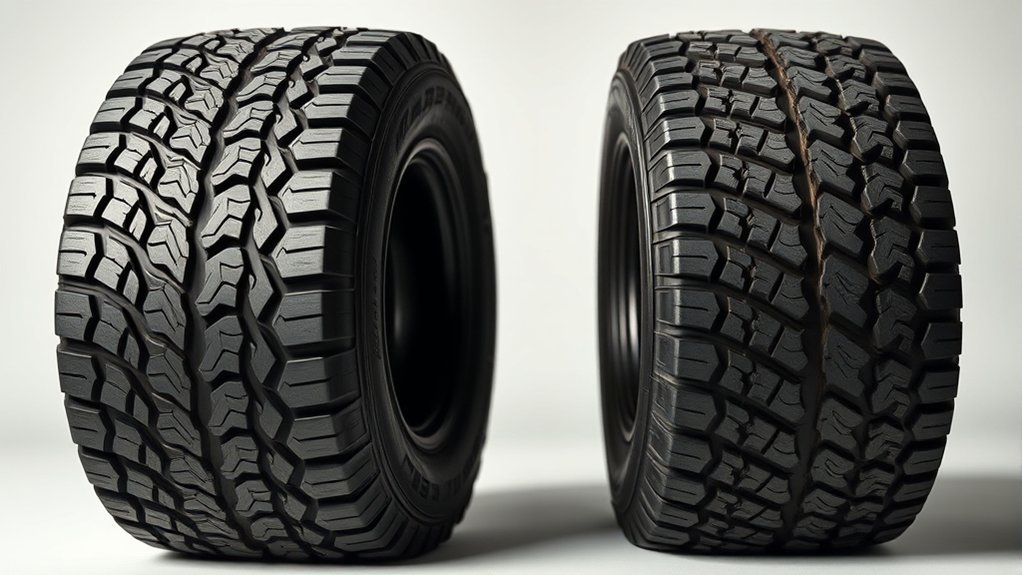
Comparing tire sizes for your Toyota 4Runner starts with one rule: match your exact vehicle first, then compare upgrades. Your driver-door tire placard and owner’s manual tell you the original tire size, load rating, and cold inflation pressure. After that, you can compare diameter, width, sidewall height, wheel fitment, and speedometer error before buying a larger tire.
Quick Answer
To compare 4Runner tire sizes, find your stock size on the driver-door tire placard, calculate the new tire’s diameter, keep diameter change as close to stock as practical, and confirm load rating, wheel width, offset, spare fit, and full-turn clearance. Larger tires may need trimming, calibration, or professional fitment help.
Key Takeaways
- Use your exact 4Runner’s tire placard first. It overrides generic tire-size charts and forum advice.
- A small diameter change is usually easier to manage. A larger change can affect speedometer accuracy, gearing, braking feel, fuel economy, and clearance.
- Load index, speed rating, wheel width, offset, and spare-tire fit matter as much as tire height.
- For 4WD 4Runners, keep all four tires matched in size, construction, and tread type unless Toyota specifies otherwise.
- Popular sizes like 285/70R17 can fit some setups, but they often need careful rubbing checks and may exceed a simple stock-size tolerance.
At a Glance
| Time Required | 10 to 20 minutes for comparison; longer if you test clearance or consult a tire shop |
| Difficulty | Easy for size math; moderate for real-world fitment checks |
| Tools Needed | Driver-door placard, tire-size calculator, tape measure, tire pressure gauge, and tire manufacturer specs |
| Cost | Free to compare; professional calibration, trimming, or alignment may cost extra |
Why Tire Size Matters for Your 4Runner
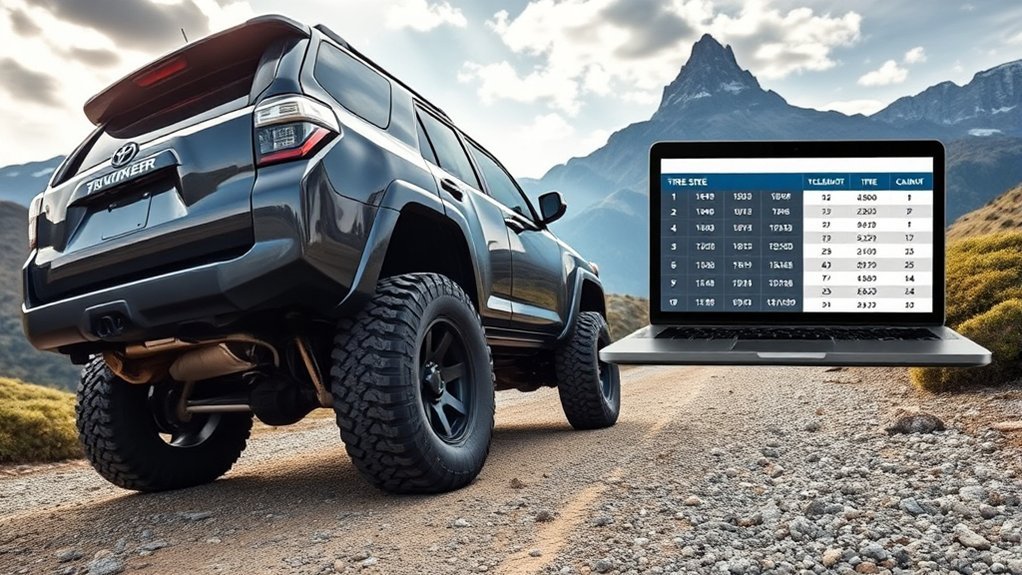
Your 4Runner’s tire size affects more than appearance. Diameter changes ground clearance, effective gearing, speedometer readings, braking feel, and how hard the engine and transmission work. Width affects steering weight, road noise, wet-weather behavior, and fender clearance.
Off-road drivers often want a taller tire for more clearance and a wider footprint. That can help on trails, but it can also create rubbing at the fender liner, mud flap, body mount, upper control arm, or sway bar. On pavement, a heavier or taller tire can slow acceleration and reduce fuel economy.
Warning: Do not choose a tire only because it “fits” another 4Runner online. Your trim, wheel offset, suspension height, alignment, bumper, mud flaps, and tire brand can change clearance.
Check Your Stock 4Runner Tire Size First
Before you compare upgrades, find your original tire size on the Tire and Loading Information Label on the driver’s doorjamb. The NHTSA tire safety guide says replacement tires should be the same size as the original tires or another size recommended by the vehicle manufacturer.
Many 2010–2024 4Runner trims use P265/70R17 tires, while some trims such as Limited and TRD Sport use P245/60R20 tires. Toyota’s 2024 4Runner brochure lists 17-inch wheels with P265/70R17 tires and 20-inch wheels with P245/60R20 tires. Newer 2025 and 2026 4Runner models can use different sizes by trim and market, so you should always verify your exact vehicle instead of relying on a general 4Runner chart.
| 4Runner range | Common factory sizes | What to check |
| 2010–2024 4Runner | P265/70R17 or P245/60R20 on many trims | Confirm trim, wheel size, load index, speed rating, and placard pressure |
| 2025+ 4Runner | Examples include 245/70R17, 265/70R18, and 265/55R20 depending on trim and market | Use your door placard because the newer generation changed size options |
Understanding Tire Codes and Sizes
When you read a tire code, you’re reading the tire’s basic dimensions and service information. A size like P265/70R17 113S tells you the tire type, width, sidewall ratio, construction, wheel diameter, load index, and speed rating.
Tire Code Breakdown
Use this breakdown for a common 4Runner size such as P265/70R17:
- P: Passenger-metric tire. Some replacement tires may be LT-metric, but LT tires can ride firmer and may need different inflation guidance.
- 265: Section width in millimeters, measured from sidewall to sidewall on the approved rim width.
- 70: Aspect ratio. The sidewall height is 70% of the tire’s section width.
- R: Radial construction.
- 17: Wheel diameter in inches. A 17-inch tire must mount on a 17-inch wheel.
- 113S, 115T, or similar: Load index and speed rating. Your replacement tire should meet or exceed the original requirement unless Toyota or the tire manufacturer gives different guidance.
The U.S. Tire Manufacturers Association tire care guide recommends replacement tires with the same OE size designation or manufacturer-approved options and warns against using a smaller size or lower load-carrying capacity than the original tire.
Metric vs. Inch Sizes
Most 4Runner tire sizes use metric sizing, but many off-road tires also use inch or “flotation” sizing. Metric sizing gives width first, while flotation sizing gives overall tire diameter first.
| Example | What it means | Approx. meaning |
| 265/70R17 | 265 mm width, 70% sidewall ratio, radial, 17-inch wheel | About 31.6 inches tall |
| 31×10.50R17 | 31-inch overall diameter, 10.50-inch width, radial, 17-inch wheel | Actual measured specs vary by tire model |
Aspect Ratio Explained
The aspect ratio controls sidewall height. In 265/70R17, the sidewall height is 70% of 265 mm. A taller sidewall can improve ride comfort and rim protection off-road. A shorter sidewall can feel sharper on pavement but gives less cushion on rocks, potholes, and washboard roads.
Changing the aspect ratio also changes the tire’s overall diameter unless you offset it with a different width or wheel size. That is why a 265/70R17 and a 245/60R20 can be close in height even though they use different wheel diameters.
How to Compare Tire Sizes
Start with your current tire size, then compare the new size by diameter, width, sidewall height, circumference, and revolutions per mile. A calculator is the easiest method, but the math helps you understand the result.
Importance of Accurate Measurements
Accurate tire measurements help you avoid poor fitment and unexpected handling changes. Focus on these dimensions:
- Overall diameter: Changes ground clearance, speedometer readings, and effective gearing.
- Section width: Affects steering feel, fender clearance, and possible contact with suspension parts.
- Sidewall height: Affects ride comfort, off-road cushion, and steering response.
- Circumference and revolutions per mile: Affect speedometer and odometer readings.
- Load index and speed rating: Must match your 4Runner’s needs.
For metric tires, use this formula:
Overall diameter = wheel diameter + 2 × (section width × aspect ratio ÷ 25.4)
Visual Comparison Techniques
A tire-size calculator helps you compare sizes side by side. The Discount Tire size calculator shows sidewall height, section width, overall diameter, circumference, estimated revolutions per mile, and estimated speedometer effect.
Use the calculator this way:
- Enter your current size from the door placard or tire sidewall.
- Enter the tire size you’re considering.
- Compare overall diameter and width first.
- Check the speedometer difference at highway speed.
- Confirm the tire manufacturer’s approved rim-width range.
- Test full-lock steering and suspension compression before assuming the size fits.
Pro Tip: Compare actual tire specs from the tire manufacturer, not only the nominal size. Two 285/70R17 tires from different brands can measure differently in real-world width and diameter.
Factors Affecting Compatibility
A tire-size calculator tells you the math, but it does not guarantee physical fit. Check these fitment factors before buying:
- Wheel width: The tire must be approved for your wheel’s width.
- Offset and backspacing: These control where the tire sits inside the wheel well.
- Upper control arm clearance: Wider tires may rub on aftermarket or factory control arms.
- Fender liner and mud flap clearance: Larger tires often rub here first.
- Body mount clearance: Some larger 4Runner setups need trimming or body-mount work.
- Spare-tire storage: A full-size larger spare may not fit cleanly under the rear.
- Load index: Never go below the load-carrying capacity required for your vehicle.
Impact of Changing Tire Size on Performance
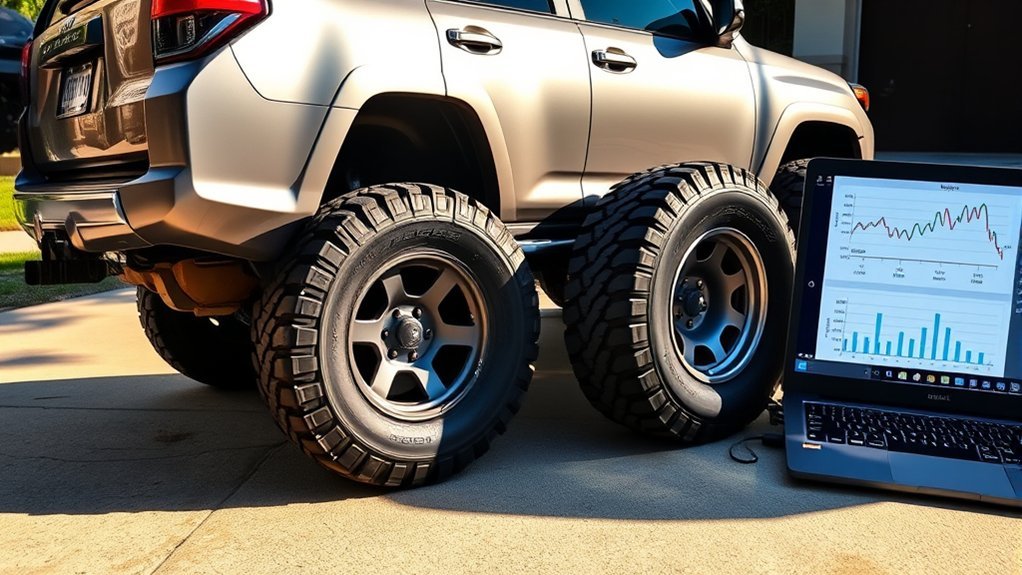
Changing tire size changes how your 4Runner drives. A taller tire raises ground clearance, but it also makes the effective gearing taller. That can make acceleration feel slower, especially with heavy all-terrain or mud-terrain tires.
A wider tire can add traction on some surfaces, but it can also increase steering effort, road noise, rolling resistance, and the chance of rubbing. In rain, wet grip depends on tread depth, tread design, tire compound, speed, load, and water depth, not width alone.
Large tire changes can also affect ABS, traction control, transmission shifting, adaptive safety systems, and odometer accuracy. If you tow, carry heavy gear, or drive long highway distances, choose a size that keeps load rating and heat management in mind.
[Products Worth Considering]

The SAFELIFE dial tire tread depth gauge measures tread depth in 1/32 inch increments with clear, easy-to-read 2-inch dial face. Color zones using a traffic light system help you quickly judge whether tread is low, marginal, or ample for safer driving. Built with a durable zinc cast body and a metal detect probe for precise, comfortable use across cars, motorcycles, trucks, and buses.

Keep your tires properly inflated with this analog VONDIOR tire pressure gauge, designed for fast, easy readings without batteries. The swiveling, two-axis hose and large glow dial help you measure at any tire angle with instant visibility. Built with a protective rubber shield, it supports durable, low-maintenance use for cars and trucks.

Measure tire tread depth quickly and accurately with this LUMITECO dial gauge that reads in 1/32" increments up to 14/32". The color-coded green/yellow/red zones make it easy to judge tire wear and know when replacement is needed. A rugged, compact design with a protective pouch helps keep the gauge ready for use on cars, trucks, motorcycles, and more.
Common 4Runner Tire Size Upgrades
The best upgrade depends on your stock size, wheels, suspension, and driving style. The examples below use a common 265/70R17 baseline, which is about 31.6 inches tall. Use these numbers as planning guidance, not a fitment guarantee.
| Size | Approx. diameter | Change vs. 265/70R17 | Fitment note |
| 265/70R17 | 31.6 in. | Stock baseline | Safest reference size for many 2010–2024 trims |
| 275/70R17 | 32.2 in. | About +1.7% | Mild upsize, but still check width and rubbing |
| 285/70R17 | 32.7 in. | About +3.5% | Popular off-road size, but often needs clearance work or careful wheel offset |
| 275/75R17 | 33.2 in. | About +5.2% | Not a simple stock replacement; expect calibration and clearance concerns |
Note: A “within 3%” diameter change is a common shopping guideline, not a Toyota guarantee. Your owner’s manual, tire placard, and tire professional should guide the final decision.
[Products Worth Considering]

Vigorder rubber cement glue delivers superior adhesion and cures quickly within about 30 seconds for seamless rubber bonding. Once cured, it helps provide a strong, durable, waterproof seal that holds up to vehicle weight, pressure, and heat. Suitable for cars, motorcycles, trucks, bicycles, and off-road tires, it’s designed for emergency patch and maintenance repairs.

These aluminum alloy tire valve stem caps with an O-ring seal help protect valve stems from corrosion while adding a clean, stylish look to your vehicle. The universal fit works across cars, trucks, motorcycles, bicycles, and more, making them an easy upgrade for everyday driving and off-road use. Installation is quick, and the included four-pack keeps all your tires dressed and protected.

Black Magic Tire Wet delivers a deep wet-look shine that makes tires appear dark, rich, and freshly detailed. Its long-lasting formula helps resist rain, dust, and road grime for weeks of glossy protection, not days. Apply by spraying onto clean, dry tires—no buffing or wiping required—with a low-sling design to reduce splatter on paint and wheels.
Maintaining Performance After Changing Tire Size
After changing tire size, check more than the first drive around the block. Inspect for rubbing at full steering lock, while reversing, and after the suspension compresses over bumps. Listen for contact at the fender liner, mud flap, body mount, sway bar, and upper control arm.
Keep tire pressure close to Toyota’s placard recommendation unless the tire manufacturer or a qualified tire professional gives a different pressure for your replacement tire and load. The NHTSA recommends checking tire pressure at least monthly when tires are cold and reminds drivers not to rely only on TPMS warnings.
On a 4WD 4Runner, keep all four tires matched. The USTMA guide says 4WD and AWD vehicles should not mix tire sizes unless the vehicle manufacturer specifies otherwise, and even small outside-diameter differences may cause drivetrain damage or mechanical malfunction.
Speedometer Corrections for Tire Changes
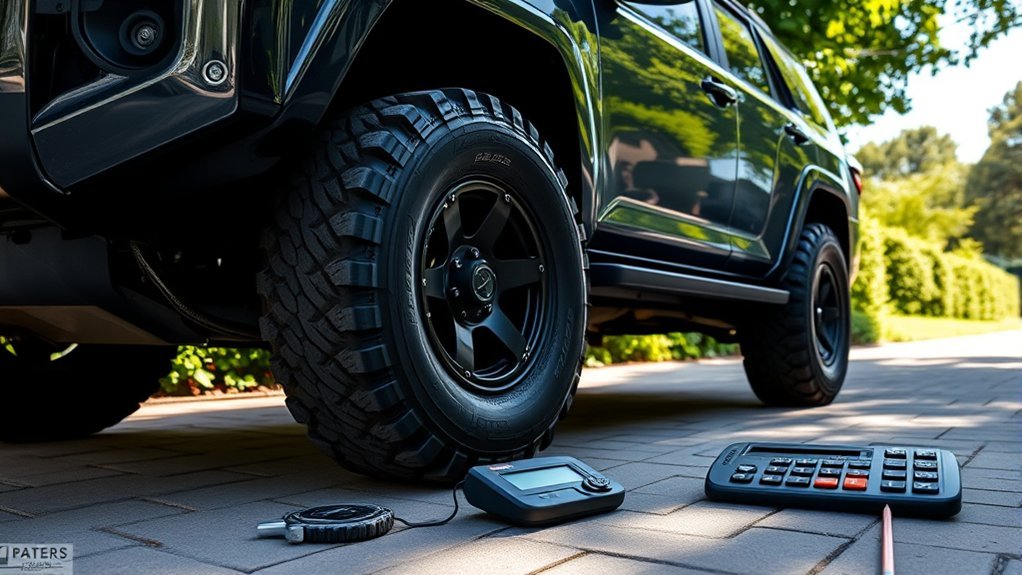
Speedometers estimate speed from tire revolutions. Tire Rack explains that taller tires travel farther per revolution, so your actual speed can be higher than the speedometer shows. Shorter tires do the opposite.
Use this quick formula:
Actual speed = indicated speed × new tire diameter ÷ original tire diameter
For example, if your stock 265/70R17 tire is about 31.6 inches tall and you switch to a 285/70R17 tire at about 32.7 inches, a 60 mph speedometer reading can mean you are traveling about 62 mph. That difference can affect speeding risk, trip distance, fuel-economy calculations, and maintenance intervals.
If the speed error is meaningful, ask a qualified shop about recalibration. You can also compare your speedometer against GPS speed on a safe, straight road, but professional calibration is better after a large tire-size change.
Essential Tips for Selecting the Perfect Tire Size
Selecting the right tire size for your 4Runner comes down to fitment, safety, and how you drive. Use these checks before you order:
- Start with the door placard: Confirm the original size, load rating, and cold tire pressure.
- Compare diameter: A smaller change usually creates fewer problems than a large jump.
- Check load index: Choose a tire that meets or exceeds the required load capacity.
- Check wheel compatibility: Match the tire to the approved rim-width range.
- Think about weight: Heavy tires can reduce acceleration, braking response, and fuel economy.
- Confirm spare fit: A larger spare may not fit under the vehicle without changes.
- Plan for alignment: Larger tires, new wheels, or suspension changes can make alignment more important.
- Get professional help for big changes: If you go beyond a mild upsize, a tire shop can check offset, rubbing, calibration, and load requirements.
[Products Worth Considering]

Accurately measure tire tread depth with a calibrated gauge marked from 0 to 1 inch in 1/32 inch increments. The color-coded bar helps you quickly identify tread condition ranges, supporting safe driving for trucks, motorcycles, automobiles, and passenger vehicles.

Milton S-921 pencil tire pressure gauge helps you maintain optimal tire pressure for passenger cars with accurate readings in PSI and kPa. It features a built-in deflator valve for convenient pressure adjustments, plus a single chuck head and nylon indicator bar for easy use on the go. Built from durable plated brass and designed for reliable performance, it’s a practical road trip and cold-weather maintenance tool.

Monitor tire tread wear with a smart, color-coded depth gauge that shows clear condition ranges at a glance. The bar is range marked for fast, easy readings, helping you maintain safer traction and performance. Each gauge is portable with a pocket clip, and the set includes 20 units for daily use and sharing.
Frequently Asked Questions
Can I use a tire-size calculator for other vehicle types?
Yes. The tire-size math works for most vehicles, but fitment does not. You still need that vehicle’s door placard, owner’s manual, load rating, wheel size, and clearance checks before choosing a tire.
How do I interpret tire-size calculator results?
Look first at overall diameter, section width, circumference, and speedometer difference. A taller tire raises clearance but changes gearing and speed readings. A wider tire may improve stance but can rub on the liner, mud flap, control arm, or body mount.
Is the calculator compatible with all tire brands?
A calculator can compare listed sizes across brands, but actual mounted measurements vary by tire model. Always check the manufacturer’s specs for measured rim width, approved rim-width range, load index, and overall diameter.
What if my current tires are not listed?
Use the size printed on your tire sidewall and compare it with the driver-door placard. If the tire on the vehicle does not match the placard, use the placard as the safer baseline and ask a tire professional to confirm what should be installed.
Does the calculator account for different wheel widths?
Some calculators ask for wheel information, but many only compare tire dimensions. You still need to confirm that your wheel width falls within the tire manufacturer’s approved range.
What is the biggest tire I can fit on a stock 4Runner?
There is no single answer. Stock-size tires are the safest fit. Mild upsizes may work on some setups, while larger sizes such as 285/70R17 often depend on wheel offset, alignment, mud flaps, fender liners, suspension height, and tire brand.
Do I need to recalibrate my speedometer after changing tire size?
You should check speedometer accuracy after any meaningful tire-diameter change. Recalibration becomes more important when the new tire is much taller or shorter than stock, because actual road speed and odometer readings can change.
Conclusion
The right 4Runner tire size is the one that matches your vehicle, your wheels, and your driving needs without creating safety or clearance problems. Start with your door placard, compare diameter and width, confirm load and speed ratings, and check real-world clearance before buying.
If you want a mild upgrade, stay close to stock and verify the fit. If you want a larger off-road tire, plan for possible rubbing, alignment changes, speedometer error, spare-tire issues, and professional fitment help. That extra checking protects your 4Runner and makes the upgrade more enjoyable on the road and trail.
Sources
- NHTSA TireWise — tire size, placard, tire pressure, tread depth, and replacement safety guidance
- Toyota 2024 4Runner eBrochure — official 2024 4Runner wheel and tire-size examples
- Toyota Canada 2026 4Runner Specifications — current 2025/2026 4Runner tire-size context by trim and market
- U.S. Tire Manufacturers Association Tire Care and Safety Guide — replacement tire, tire mixing, load rating, and 4WD/AWD caution guidance
- Discount Tire Size Calculator — tire-dimension comparison fields and speedometer effect
- Tire Rack Speedometer Accuracy Guide — explanation of how tire diameter changes speedometer readings