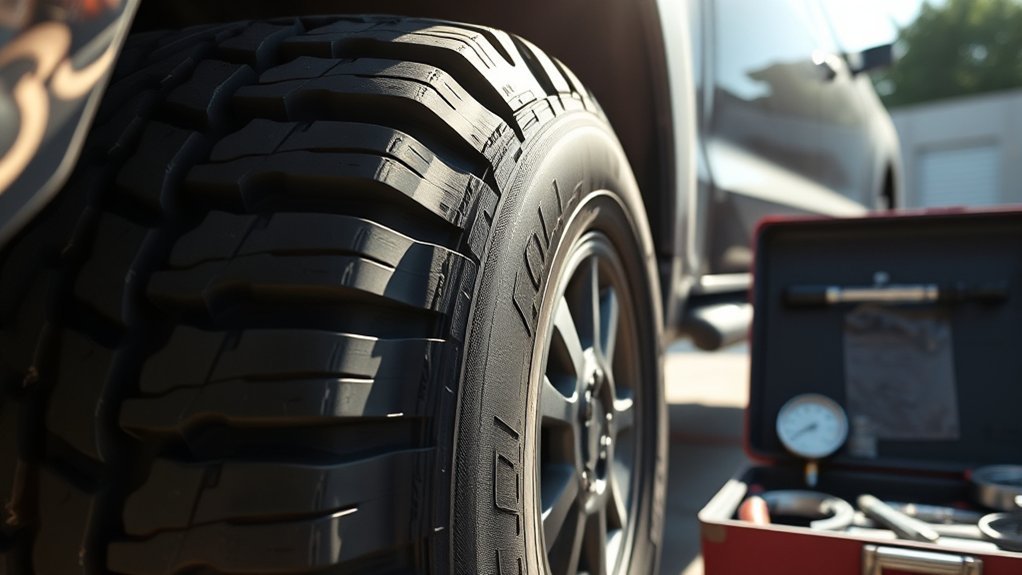
You can use a used tire on your Toyota Tundra, but only if it matches your truck and passes a careful safety inspection. A Tundra is heavy, often carries cargo, and may tow, so tread depth, tire age, load rating, repair history, and sidewall condition matter more than saving a few dollars.
Quick Answer
A used tire can be safe on a Toyota Tundra if it matches the required size, load rating, and speed rating, has at least 4/32 inch of tread for normal use, shows no age damage, has no unsafe repairs, passes an inside-and-out inspection, and gets installed by a qualified tire shop.
Key Takeaways
- Match the tire size, load rating, and speed rating to your Toyota Tundra’s door placard or owner’s manual before you inspect anything else.
- Use 4/32 inch as a safer used-tire buying threshold for normal driving. Replace any tire at 2/32 inch or when the wear bars are flush.
- Read the DOT Tire Identification Number. For used-tire buying, treat six years as a conservative cutoff unless the tire maker and a tire professional approve it.
- Reject tires with bulges, cracks, exposed cords, bead damage, sidewall repairs, severe uneven wear, or unknown repair history.
- Use extra caution if you tow, haul, drive gravel roads, use 4WD often, or plan to install only one used tire.
At a Glance
| Time Required | 10 to 20 minutes before purchase, plus shop time for mounting, balancing, and pressure checks |
| Difficulty | Moderate. You can do the first inspection, but a shop should inspect the inside of the tire before mounting it. |
| Tools Needed | Tread-depth gauge, flashlight, tire-pressure gauge, soap-and-water spray bottle, and access to the Tundra tire placard |
| Cost | Inspection is often free or low-cost at tire shops. Mounting, balancing, valve stems, TPMS service, and disposal fees vary by shop. |
Can a Used Tire Safely Fit a Toyota Tundra?
A used tire is only worth considering after you confirm fitment. Check your Toyota Tundra’s Tire and Loading Information Label on the driver-side door edge or doorjamb, or use your owner’s manual. NHTSA tells tire buyers to use the owner’s manual or Tire and Loading Information Label for the correct tire size, not guess from another truck.
Match these details before you buy:
- Tire size: The numbers on the sidewall must match your Tundra’s required size or an approved alternate size.
- Load rating or load range: This matters on a truck. Do not install a lower-rated tire than your Tundra requires.
- Speed rating: Use a rating that meets or exceeds the vehicle requirement.
- Tire type: Match all-season, highway-terrain, all-terrain, winter, or LT tire type as closely as possible to the tire on the same axle.
- Axle match: Avoid mixing a heavily worn tire with a much newer tire on the same axle.
- Use case: Towing, hauling, gravel roads, and off-road use demand extra caution with used tires.
Warning: Do not install a used tire on your Toyota Tundra if it has sidewall damage, a bulge, exposed cords, bead damage, a sidewall repair, severe cracking, an active recall, or a load rating below your truck’s requirement.
When a Used Tundra Tire Makes Sense
A used tire makes the most sense as a short-term replacement when one tire is damaged, the remaining tires still have similar tread depth, and the used tire closely matches the set. It can also work as a temporary budget choice when the tire is recent, clean, undamaged, and professionally inspected.
Before you choose used, compare the total installed cost against the remaining tread. A cheap used tire can become expensive if it only has a few thousand miles of safe life left after mounting, balancing, valve service, and disposal fees.
When You Should Buy New Instead
Buy new instead of used if you tow often, carry heavy loads, drive long highway trips, run rough roads, or need dependable wet-weather traction. New tires give you known history, full tread depth, warranty support, and fewer hidden risks.
Also buy new if your other tires are already near replacement. Installing one used tire on a worn-out set can create handling problems and may force you to pay installation labor twice.
Essential Tire Inspection Steps
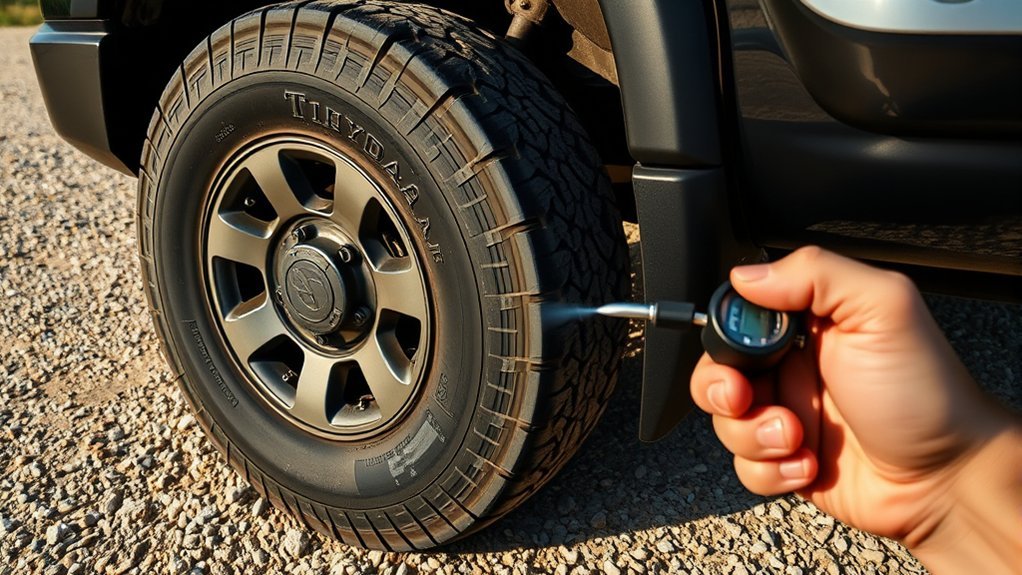
Start with the outside of the tire, then ask the seller or shop to inspect the inside before mounting it. Outside tread can look acceptable while the inner liner hides punctures, impact damage, or poor repairs.
- Measure tread depth in several grooves. Check the center, inner shoulder, and outer shoulder. Uneven numbers can point to alignment, suspension, or inflation problems.
- Inspect both sidewalls. Look for cracks, cuts, bubbles, bulges, weather checking, scrapes, or exposed fabric.
- Check the bead area. The bead must be clean and undamaged so the tire can seal against the wheel.
- Look for repairs. A properly repaired tread puncture may be acceptable, but sidewall repairs, shoulder repairs, multiple repairs, or plug-only repairs are strong reasons to pass.
- Check the DOT date code. Confirm the tire is not too old for regular use and that the full DOT/TIN is readable.
- Spray for leaks. A soap-and-water spray can reveal air bubbles around punctures, repairs, bead areas, or valve stems.
- Ask for an inside inspection. A shop should remove the tire from the wheel if needed and check the inner liner before trusting it on the road.
Used Tire Pass/Fail Checklist
| Inspection Item | Good Sign | Reject If You See This |
| Tread depth | 4/32 inch or more for normal use, with deeper tread preferred for rain, towing, or gravel | 2/32 inch or less, visible wear bars, uneven tread, or poor wet-road margin |
| Age | Readable DOT date, recent manufacture, and no age cracking | No readable DOT date, obvious dry rot, or age beyond the tire maker’s service guidance |
| Sidewall | Smooth, flexible, and free from cuts or bulges | Bulges, deep cuts, cracks, plugs, patches, or exposed cords |
| Wear pattern | Even wear across the tread | Cupping, feathering, one-edge wear, chopped tread, or flat spots |
| Repair history | One clean tread-area repair inspected from the inside by a tire professional | Sidewall repair, shoulder repair, multiple repairs, plug-only repair, or unknown repair history |
| Recall status | No recall found for the tire line | Any active safety recall or missing identification information |
Why Tread Depth Matters for Safety
Tread depth affects traction, braking, and water evacuation. NHTSA says tires are not safe and should be replaced when tread is worn to 2/32 inch. For a used tire on a Toyota Tundra, treat 2/32 inch as the absolute floor, not the buying target.
A better rule for normal driving is to pass on used tires below 4/32 inch. That extra tread gives you more wet-road margin, especially on a heavy pickup. If you tow, haul, drive in heavy rain, or travel on gravel, a used tire with shallow tread is rarely a smart buy.
Tread Depth and Traction
New light-truck and passenger tires often start with much deeper tread than a used tire. As tread wears down, the grooves move less water and the tire has less bite on wet pavement. This can increase stopping distance and make steering feel less stable.
Use a tread-depth gauge instead of guessing by eye. Measure several spots around the tire because one shoulder can be worn more than the rest. If one edge is much lower, the tire may have lived on a truck with alignment, suspension, or inflation problems.
Hydroplaning Risk Assessment
Hydroplaning happens when water builds between the tire and road surface. Worn tread makes that risk worse because the grooves cannot clear water as well. A Tundra’s weight does not cancel out this risk, especially at highway speeds or during sudden rain.
Pass on a used tire if the tread is shallow, the tread blocks feel hard and slick, or the wear bars are close to flush. Saving money on a weak used tire can cost more later in braking distance, handling, and replacement labor.
NHTSA reported 511 traffic fatalities in tire-related crashes in 2024, which is why used-tire inspection should be treated as a safety decision, not only a price decision.
Check Tire Age for Safety
Tread depth does not tell the whole story. Rubber changes with age, heat, sunlight, storage conditions, and use. A used tire can have decent tread and still be a bad choice if the rubber is old, cracked, hardened, or poorly stored.
For used-tire buying on a Toyota Tundra, treat six years as a conservative caution point, not a magic safety line. NHTSA explains that tire aging depends on service, storage, temperature, sunlight, and maintenance. Your safest move is to follow the tire maker’s service-life guidance and have an older tire inspected by a qualified tire professional.
Manufacturing Date Importance
Find the DOT Tire Identification Number on the sidewall. NHTSA says the last four digits of the TIN show the week and year the tire was made. For example, a code ending in 2222 means the tire was made in the 22nd week of 2022.
The full code may appear on only one side of the tire. If you cannot see the last four digits, check the other side before you buy. If the seller cannot show you a readable DOT date, pass.
Maximum Age Recommendations
Use age as a buying filter, not as a guarantee. A four-year-old tire with cracks, repairs, or bead damage is still unsafe. A seven-year-old tire with good tread may look tempting, but it gives you less service-life margin than a newer tire with the same condition.
| Tire Age | Used-Tire Buying Guidance |
| 0 to 3 years | Best age range if tread, size, load rating, repairs, and condition also pass inspection. |
| 4 to 6 years | Inspect closely. Only consider it if the tire is clean, flexible, undamaged, and professionally approved. |
| Over 6 years | Use strong caution. The savings often do not justify the age risk for normal Tundra use. |
| 10+ years | Do not buy as a used replacement. Follow the vehicle and tire maker’s replacement guidance. |
Finding Out Your Tire’s Age
Look for the letters DOT on the sidewall, followed by a series of numbers and letters. The date code uses four digits at the end of the Tire Identification Number. The first two digits are the production week, and the last two digits are the year.
- Find the DOT/TIN code: Check both sides of the tire because the full code may appear on only one side.
- Read the last four digits: “2222” means the 22nd week of 2022. “0319” means the third week of 2019.
- Compare age to your use: A newer used tire is safer than an older one when condition and fitment are equal.
- Inspect age signs: Cracking, dry rot, stiffness, discoloration, or sidewall checking can make a tire unsafe before it reaches a set age limit.
Pro Tip: Take a photo of the DOT code before you buy. It helps you verify the date, check recalls, and keep a record if you later need tire service.
Signs of Wear and Damage to Watch For
After confirming fitment and age, inspect the tire for damage. Do not focus only on tread depth. Sidewall and inner-liner damage can make a tire unsafe even when the tread looks good.
Reject the used tire if you see any of these signs:
- Bulges or bubbles: These can point to internal damage.
- Deep cracks or dry rot: Cracked rubber can fail under heat, speed, or load.
- Exposed cords or belts: Any visible internal material means the tire is unsafe.
- Sidewall plugs or patches: Sidewall repairs are not acceptable for regular road use.
- Bead damage: Cuts or tears around the bead can prevent a proper seal.
- Cupping or chopped tread: This can signal worn suspension parts or imbalance.
- Flat spots: Flat spotting can cause vibration and may reflect storage or braking damage.
- Repeated repairs: Multiple patches or plugs reduce confidence in the casing.
- Inner-liner scuffing: This can happen when a tire was driven flat or badly underinflated.
Ask the tire shop to inspect the inner liner before mounting the tire. A tire that has been driven flat or underinflated can show internal scuffing that you cannot see from the outside.
Used Tire Risks for Towing, Hauling, and 4WD
A Toyota Tundra asks more from its tires than a small commuter car. If you tow, haul payload, use 4WD, or drive rough roads, the tire needs enough load capacity, tread depth, heat resistance, and structural integrity for that work.
Be especially cautious with one used tire on a 4WD Tundra. Large tread-depth differences can affect handling and may create extra strain because the tires do not roll at the same effective diameter. Ask a tire professional whether the used tire is close enough to the tire on the same axle before installation.
For towing or heavy hauling, used tires with unknown history are a poor place to save money. Heat, underinflation, impact damage, and overload history are not always visible from the outside. If you regularly tow or load the bed, buy new tires or choose a used tire only after a shop approves it for your exact use.
Choosing Reputable Sellers for Used Tires
Buy from a tire shop or seller that will let you inspect the tire, read the DOT code, and confirm the repair history. A low price from an unknown seller is not a good deal if the tire has hidden damage.
Before you pay, ask these questions:
- Why was this tire removed? A tire removed after a puncture, impact, vibration complaint, or uneven wear needs extra caution.
- Has it been repaired? Ask where the puncture was and how it was repaired.
- Was it inspected inside? A proper inspection should include the inner liner.
- Does it match my Tundra? Confirm size, load rating, speed rating, and tire type.
- How much tread is left? Compare remaining tread to the total installed cost.
- Is there a short warranty? A seller who offers a basic installation or defect warranty is usually safer than a no-return seller.
You should also check tire recalls. NHTSA lets you search recalls for vehicles, tires, car seats, and other equipment. If the tire has an open recall or unclear identification, pass.
[Products Worth Considering]

The SAFELIFE dial tire tread depth gauge measures tread depth in 1/32 inch increments with clear, easy-to-read 2-inch dial face. Color zones using a traffic light system help you quickly judge whether tread is low, marginal, or ample for safer driving. Built with a durable zinc cast body and a metal detect probe for precise, comfortable use across cars, motorcycles, trucks, and buses.

Monitor tire tread wear with a smart, color-coded depth gauge that shows clear condition ranges at a glance. The bar is range marked for fast, easy readings, helping you maintain safer traction and performance. Each gauge is portable with a pocket clip, and the set includes 20 units for daily use and sharing.

These universal tire valve stem caps help protect valve cores from dust, debris, and moisture while helping maintain stable tire pressure. The corrosion-resistant metal construction and sealed design provide reliable protection in road grime, mud, and winter conditions. Twist-on installation makes them quick to fit on cars, SUVs, trucks, and motorcycles.
Used Tire Value Check Before You Buy
A used tire is not a bargain just because the tire itself costs less. Add the installed cost before you decide. Mounting, balancing, valve stems, TPMS service, disposal fees, and a possible alignment can make a worn used tire a weak value.
Use this quick value test:
- Remaining tread: More usable tread means more value. A tire close to 4/32 inch may not justify installation costs.
- Age: Newer used tires give you more service-life margin than older tires.
- Match quality: A close match to your existing tires is worth more than a random tire that only fits the wheel.
- Warranty: A short seller warranty adds confidence, but it does not replace a safety inspection.
- Your use: Daily towing, heavy loads, winter roads, and long trips make new tires more sensible.
[Products Worth Considering]

Measure tire tread depth quickly and accurately with this LUMITECO dial gauge that reads in 1/32" increments up to 14/32". The color-coded green/yellow/red zones make it easy to judge tire wear and know when replacement is needed. A rugged, compact design with a protective pouch helps keep the gauge ready for use on cars, trucks, motorcycles, and more.

Accurately measure tire tread depth with a calibrated gauge marked from 0 to 1 inch in 1/32 inch increments. The color-coded bar helps you quickly identify tread condition ranges, supporting safe driving for trucks, motorcycles, automobiles, and passenger vehicles.

The Trivd Frol 1/2" air impact wrench delivers high performance torque up to 1500 ft-lbs with a twin hammer impact mechanism for strong, balanced blows. It features an ergonomic grip, compact lightweight design, and quick-stop control with 3 forward speeds up to 8000 RPM plus a reverse speed. Built for demanding automotive repair and tire shop work, the rear exhaust helps keep debris away from the surface.
The Importance of Professional Installation
Professional installation is not just about convenience. A qualified tire technician can inspect the tire interior, mount it without bead damage, balance the wheel, replace the valve stem if needed, and set the correct cold inflation pressure.
NHTSA recommends checking tire pressure at least once a month when tires are cold and using the pressure listed on the Tire and Loading Information Label or in the owner’s manual. Do not inflate based on the maximum PSI molded on the tire sidewall.
After mounting, ask the shop to check:
- Balance: Imbalance can cause vibration and uneven wear.
- Valve stem: A worn stem can cause slow air loss.
- Wheel condition: Bent or corroded wheels can prevent sealing.
- TPMS function: Your tire-pressure warning system should work after installation.
- Alignment signs: If the old tire wore unevenly, fix the cause before the used tire wears the same way.
- Lug nut torque: The shop should tighten the wheel using the Toyota service specification for your model year.
Note: If you replace only one tire, ask the shop whether tread depth should be matched with the tire on the same axle. Large tread-depth differences can affect handling, braking, and stability systems.
[Products Worth Considering]

Measure tyre tread depth precisely with a digital gauge that reads in both MM and inches, helping you monitor safe driving conditions. The large LCD screen is easy to operate, and the compact tool fits for cars, trucks, and motorcycles. It provides high accuracy with a 0-25.4mm range and includes a 1-year warranty for added peace of mind.

Vigorder rubber cement glue delivers superior adhesion and cures quickly within about 30 seconds for seamless rubber bonding. Once cured, it helps provide a strong, durable, waterproof seal that holds up to vehicle weight, pressure, and heat. Suitable for cars, motorcycles, trucks, bicycles, and off-road tires, it’s designed for emergency patch and maintenance repairs.

The Big Rig Defense Tire Thumper is a truck tire pressure checker that lets you quickly check multiple tires by giving them a firm whack. Listen for a reassuring thump and feel the stick bounce when a tire is fully inflated, helping you get back on the road safely. It features a comfortable, glove-friendly handle and a secure wrist strap for confident use on busy routes.
Ongoing Tire Maintenance Tips
A used tire needs close follow-up after installation. Check it more often during the first few weeks because slow leaks, vibration, or uneven wear can show up after real driving.
- Check cold tire pressure monthly. Use the Tundra’s placard or owner’s manual pressure, not the tire sidewall maximum.
- Recheck pressure after installation. Check again after the first day, then after one week.
- Inspect tread and sidewalls monthly. Look for new cracks, bubbles, cuts, nails, or uneven wear.
- Rotate on schedule. Follow your owner’s manual. NHTSA notes that rotation every 5,000 to 8,000 miles may be recommended by the vehicle manufacturer.
- Watch for vibration or pulling. If the truck shakes, pulls, or makes new road noise, have the tire and wheel checked.
- Do not overload the truck. The tire’s load rating must support your Tundra’s use, especially when towing or hauling.
First-Week Road Test After Installation
After the tire is installed, drive carefully for the first few days and pay attention to changes. A used tire that looked fine on the rack may show problems once it carries weight, heat, and speed.
- After the first drive: Check pressure once the tire cools and look for visible sidewall changes.
- After one week: Recheck pressure, inspect for leaks, and look for new uneven wear.
- At highway speed: Watch for vibration, steering shimmy, pulling, or new road noise.
- Before towing: Have the shop recheck the tire if you notice any pressure loss or vibration.
Frequently Asked Questions
Do old tires give off toxic fumes?
A normal old tire sitting in a garage is not usually a fume hazard just because it is old. Strong odor, oily residue, chemical contamination, smoke exposure, or fire exposure are warning signs. Do not store damaged tires in living areas, and never burn tires. Recycle old or unsafe tires through a proper tire shop or local recycling program.
What should I avoid when buying used tires?
Avoid used tires with shallow tread, no readable DOT date, sidewall damage, bulges, exposed cords, bead damage, severe cracking, uneven wear, sidewall repairs, repeated repairs, or an active recall. Also avoid any tire with a size or load rating below your Toyota Tundra’s requirement.
Can I replace just one Toyota Tundra tire with a used tire?
Sometimes, but the used tire should closely match the tire on the same axle in size, type, load rating, and tread depth. If the other tires are much newer or much more worn, ask a tire professional before installing one used replacement.
Is 4/32 inch of tread enough for a used Tundra tire?
It can be enough for normal dry-road use, but it is near the point where wet traction becomes a concern. For a heavy pickup, more tread is better. Do not buy a used tire at 2/32 inch, and replace any tire when it reaches 2/32 inch or the treadwear indicators.
Should a used tire be balanced after installation?
Yes. A used tire should be mounted and balanced by a qualified shop. Balancing helps prevent vibration, uneven wear, and steering shake. The shop should also inspect the valve stem, wheel condition, tire pressure, and TPMS function.
Is a used tire safe for towing with a Toyota Tundra?
A used tire is riskier for towing because towing adds heat, load, and stability demands. Only consider one if it has the correct load rating, strong tread depth, no damage, recent manufacture, and professional approval. For regular towing, new tires are usually the safer choice.
Can I use a used tire as a spare on a Tundra?
Yes, but only if it matches the required size and load rating, holds air, has safe tread, shows no age damage, and fits the wheel correctly. Check spare-tire pressure regularly because a spare that sits unused can still age, crack, or lose air.
Conclusion
A used tire can work on your Toyota Tundra, but only when it passes fitment, age, tread, damage, repair, and recall checks. The safest used tire is the right size, has the correct load rating, has healthy tread, shows no structural damage, and gets approved by a tire professional before installation.
If anything feels uncertain, pass on the tire. A Tundra puts real load on its tires, and a questionable used tire can affect braking, steering, towing stability, and wet-road control. A clean inspection is worth more than a cheap price.
Sources
- NHTSA TireWise: Tire Safety Ratings and Awareness (supports tire tread, pressure, age, rotation, alignment, TPMS, and tire-related fatality guidance)
- NHTSA Tire Buyers’ FAQ (supports checking the owner’s manual or Tire and Loading Information Label for the correct tire size)
- NHTSA Congratulations on Your New Tire Purchase (supports monthly tire-pressure checks, tire manufacture-date recordkeeping, and recall-alert guidance)
- NHTSA Recalls Lookup (supports checking tire recalls before relying on a used tire)