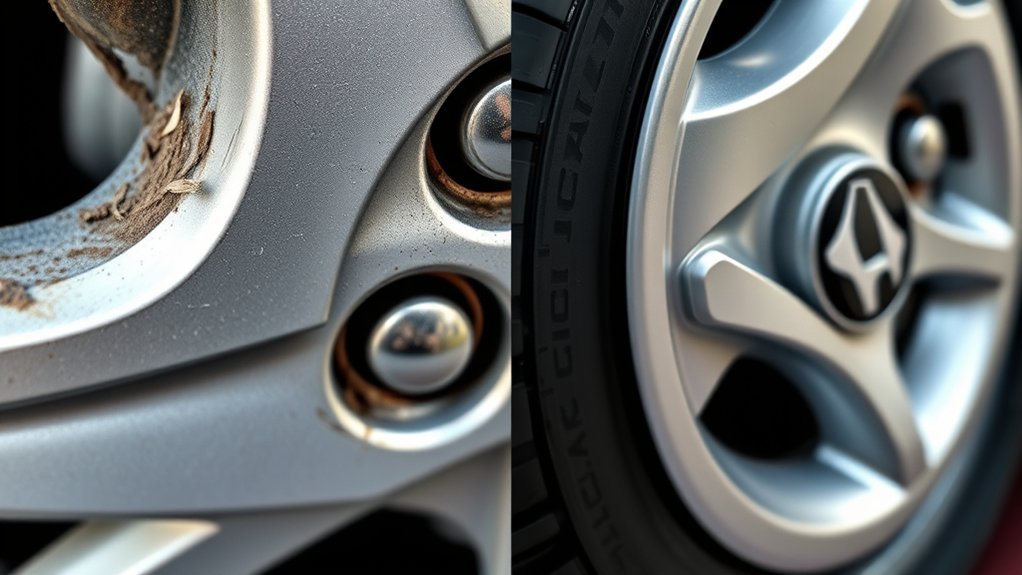
Honda Accord wheel rim damage can be cosmetic, structural, or both. A light curb scuff may only need refinishing, but a cracked rim, severe bend, air leak, vibration, or repeated pressure loss can affect tire seating, steering feel, and overall safety. Use the guide below to decide when repair makes sense and when replacement is the safer choice.
Quick Answer
Repair your Honda Accord rim only when the damage is cosmetic or a qualified wheel shop confirms a minor bend is safe to straighten. Replace the rim if it has cracks, severe bends, bead-seat damage, repeated air leaks, bolt-hole damage, prior welds, or vibration that returns after balancing.
Key Takeaways
- Curb rash and shallow scratches are usually cosmetic and often repairable.
- Cracks, severe bends, air leaks, and damage near the hub, spokes, bolt holes, or bead seat usually point toward replacement.
- A pothole hit can damage the rim, tire, wheel weights, alignment, steering, or suspension, so inspect the whole corner of the car.
- Always match a replacement wheel to your Accord’s year, trim, tire size, bolt pattern, offset, hub bore, and load needs.
- DIY repair should be limited to cosmetic refinishing. Do not weld, epoxy, hammer, or heat a cracked or bent wheel at home.
At a Glance
| Time Required | 10–20 minutes for a basic visual check; a professional wheel inspection, tire dismount, balance, or leak test may take longer. |
| Difficulty | Easy for inspection; professional-level for straightening, welding, bead-seat repair, balancing, or refinishing. |
| Tools Needed | Flashlight, tire pressure gauge, tread-depth gauge, soapy water for leak checks, and a professional wheel balancer or runout gauge for deeper diagnosis. |
| Cost | Cosmetic repair often starts around $100–$250 per wheel; structural straightening or refinishing can run higher. Replacement varies widely by OEM, used, reconditioned, or aftermarket wheel choice. |
Understanding Wheel Rim Damage on Your Honda Accord
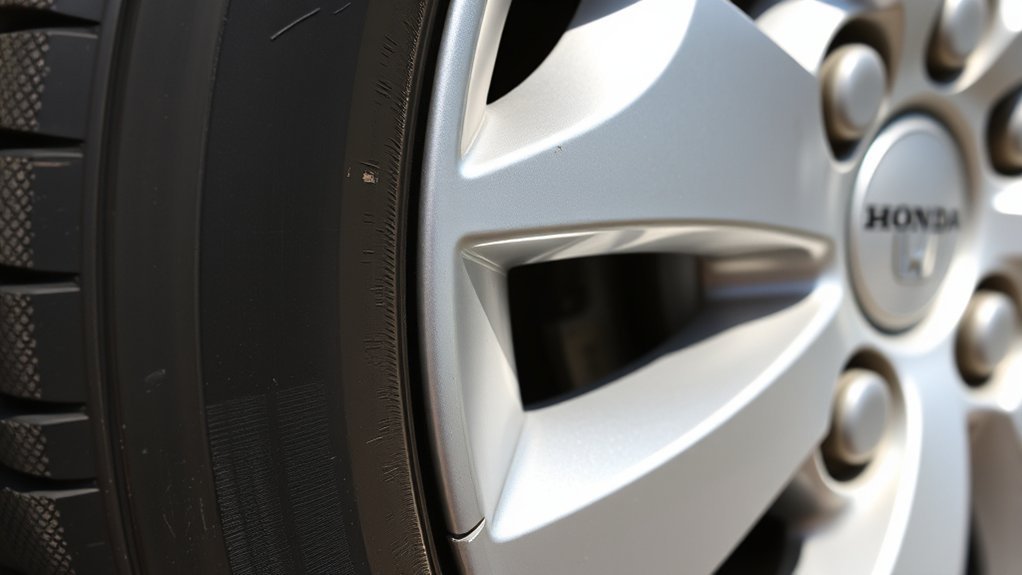
Your Honda Accord’s rims carry the tire, hold the bead seal, support the vehicle load, and help the wheel rotate smoothly. Damage can come from potholes, curbs, road debris, corrosion, improper mounting, or driving on a badly underinflated tire.
A bent rim may cause vibration, air loss, or a steering-wheel shake. A cracked rim is more serious because the metal has already failed. Corrosion can also matter if it reaches the bead seat, valve-stem area, bolt holes, or inner barrel.
The safest first step is to treat wheel damage as more than a cosmetic issue. The National Highway Traffic Safety Administration recommends regular checks for tire pressure, treadwear, tire damage, balance, and alignment because tire and wheel condition affects safety, durability, and vehicle control.
Warning: Do not keep driving normally if you see a crack, feel strong vibration, hear a new thumping sound, notice the car pulling, or see tire pressure dropping after a curb or pothole hit. Slow down, pull over safely, and have the tire and wheel inspected before highway driving.
What to Check First After a Pothole or Curb Hit
After a hard impact, inspect more than the visible outer edge of the rim. A wheel can look fine from the outside while the inner barrel is bent. That inner bend can cause a slow leak, vibration, or trouble balancing the tire.
- Check tire pressure: Use a gauge, not just the TPMS light. TPMS usually warns only after pressure is significantly low.
- Look for visible wheel damage: Check the outer lip, spokes, bolt holes, valve-stem area, and any exposed inner rim area.
- Inspect the tire: Look for sidewall bubbles, cuts, exposed cords, tread separation, or uneven wear.
- Drive slowly and listen: A new wobble, hum, thump, or steering-wheel shake points to a wheel, tire, balance, alignment, or suspension issue.
- Watch handling: Pulling left or right after impact can mean alignment or suspension damage.
AAA warns that pothole impacts can damage tires or wheels, knock wheels out of alignment, affect steering, dislodge wheel weights, and bend or break suspension parts. If your Accord feels different after the hit, schedule a professional inspection before the problem gets worse.
Repair or Replace: Honda Accord Rim Decision Table
Use this table as a practical first filter. It does not replace a shop inspection, but it can help you avoid spending money on a repair that should have been a replacement.
| Damage Type | Common Signs | Best Next Step |
|---|---|---|
| Light curb rash | Surface scratches, scuffs, chipped clear coat, no air leak | Repair or refinish if the wheel is otherwise straight and leak-free. |
| Minor outer-lip bend | Small wobble, minor vibration, no crack, no pressure loss | Have a wheel shop measure runout and confirm whether straightening is safe. |
| Inner-barrel bend | Vibration at speed, repeated balance problems, slow leak | Professional inspection required. Replace if the bead seat is damaged or the wheel will not balance. |
| Crack | Visible line in metal, pressure loss, crack near spoke, hub, bead seat, or bolt hole | Replace in most cases, especially near structural areas or after any previous weld. |
| Corrosion | Flaking finish, bubbling clear coat, bead-seat leaks, valve-stem leaks | Refinish if surface-level. Replace if corrosion reduces strength or prevents a reliable seal. |
| Repeated repair area | Same wheel keeps leaking, bending, cracking, or failing balance | Replace. Repeated damage often costs more than a safe OEM-spec replacement. |
[Products Worth Considering]

The Chemical Guys Gerbil Wheel & Rim Brush is designed to safely clean wheels, rims, exhaust tips, tires, and engine bay components without scratching delicate finishes. Its soft natural bristles help lift brake dust, grime, and buildup while conforming to tight spaces and intricate contours. A comfort grip handle delivers control for extended detailing sessions.

This metal-free wheel and tire cleaning brush uses dense, fluffy synthetic wool to safely clean rims, spokes, fenders, and engine areas without worrying about damaging surfaces. Its flexible, comfortable design helps you reach detailed areas while maintaining durability, and the extra absorbent fibers work well with wheel spray cleaners for faster cleanup. Reusable and washable performance helps prevent grime and build-up for cleaner vehicles and easier maintenance at home.

These aluminum alloy tire valve stem caps protect the valve core from corrosion and help prevent air leakage for more stable tire pressure. The rubber ring design helps support a secure, safe seal while adding a stylish look to your Honda wheels. Easy to install by hand, these caps are ideal for everyday driving and weather exposure.
Signs You Need to Repair Your Rims
Repair is most reasonable when the wheel is structurally sound and the issue is mostly cosmetic. Light curb rash, shallow scratches, chipped clear coat, and mild corrosion on the outer face can often be sanded, filled, painted, and clear-coated.
A minor bend may also be repairable, but only after a shop checks wheel runout and confirms the rim can hold air, balance correctly, and seat the tire bead. If the tire loses pressure or the vibration returns after balancing, the damage may be deeper than it looks.
- Good repair candidate: scuffs, shallow scratches, minor finish damage, or a small bend confirmed safe by a wheel shop.
- Needs professional diagnosis: vibration, slow air leak, inner-barrel bend, bead-seat damage, or repeated balance problems.
- Usually replace: cracks, bolt-hole damage, hub damage, severe corrosion, prior welds, or major deformation.
Pro Tip: Mark the damaged area with painter’s tape before going to the shop. Ask the technician to check both the outer face and inner barrel, because many pothole bends happen on the inside edge of the wheel.
When to Replace Damaged Rims for Safety
Replace the rim when damage affects strength, tire sealing, wheel balance, or how the car tracks down the road. A new or reconditioned OEM-spec rim is often cheaper than chasing repeat repairs on a wheel that no longer runs true.
[Products Worth Considering]

Malco tire mounting and demounting lubricant is a ready-to-use tire lube formulated to reduce friction during tire installation for passenger cars, light trucks, farm tires, and heavy-duty equipment. It provides rust-inhibiting protection to help reduce corrosion on rims and wheels, and helps support proper tire bead seating during inflation to reduce air leakage. The silicone-free, soap-free formula is whitewall safe to help prevent discoloration on whitewall tires and sensitive sidewall markings.

This 3-piece wheel and tire brush set makes it easy to clean light, medium, and heavy dirt from wheels, rims, tires, and exterior surfaces. It includes both soft and stiff bristle options for gentle scrubbing and tough grime removal, helping lift brake dust and road buildup. The long-handle design supports comfortable cleaning across cars, trucks, SUVs, RVs, motorcycles, and more, with simple care instructions to restore brush shape.
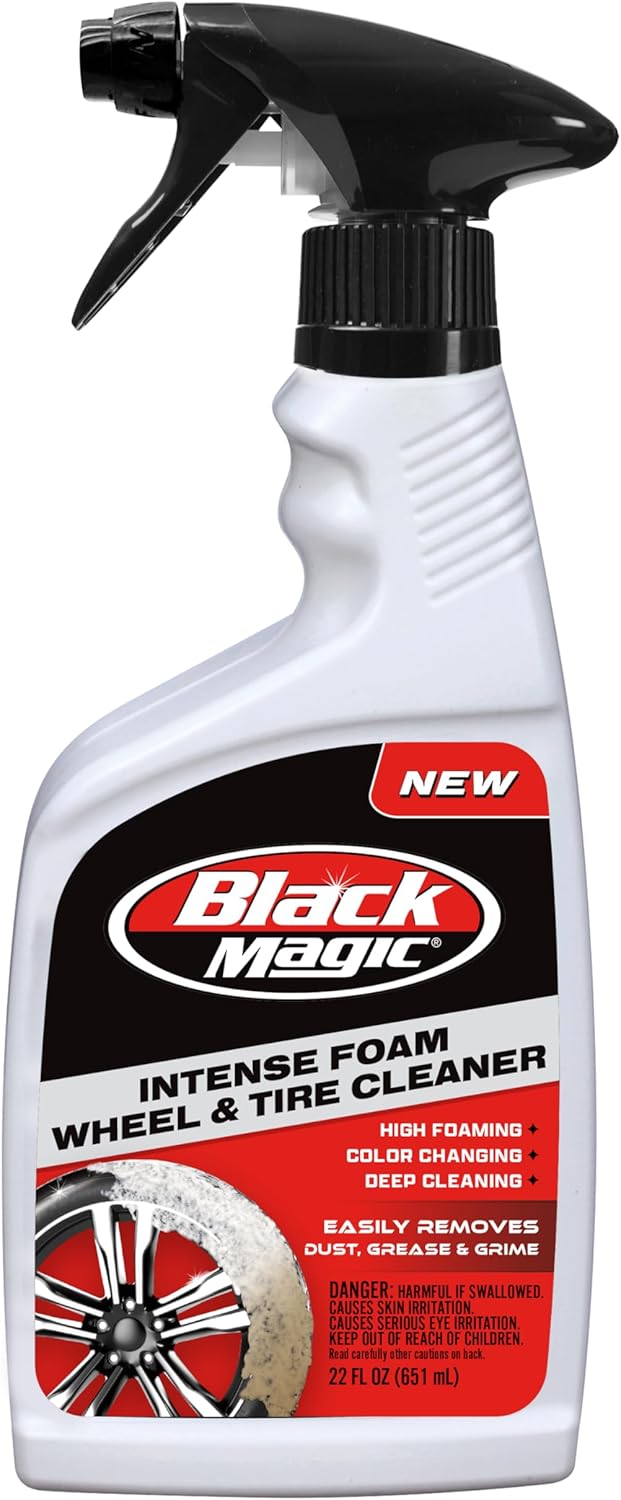
Black Magic Intense Foam Wheel & Tire Cleaner uses a high-foaming action to lift away dirt, grime, and brake dust without scrubbing. The color-changing formula helps show contaminants being dissolved as foam turns from white to brown. Safe for all wheel types and even wheel wells, it leaves a like-new, slick finish with a fresh cherry scent.
Major Structural Damage
Major structural damage includes cracks near the spokes, center hub, bead seat, or bolt holes. It also includes elongated bolt holes, severe bends, missing metal, prior welds, or corrosion deep enough to weaken the wheel.
Inspection standards from the Société de l’assurance automobile du Québec mechanical inspection guide flag wheels that are cracked, damaged, corroded, warped, misaligned, bent, or improperly repaired. That reinforces the main rule for daily drivers: do not treat cracks and severe bends as normal cosmetic damage.
Safety Risk Assessment
A damaged rim can affect safety in several ways. It may prevent the tire from sealing, make the wheel hard to balance, create vibration at highway speeds, or contribute to uneven tire wear. If the rim fails under load, the tire can lose air quickly and make the vehicle harder to control.
Replace the wheel if a technician finds a crack, excessive runout, bead-seat damage, bolt-hole damage, or a repair that does not meet safe shop standards. Also replace it if the repair quote approaches the cost of a quality OEM-spec replacement.
Repair or Replace: What’s the Cost?
Rim repair costs vary by wheel size, finish, material, local labor, damage severity, and whether the tire must be removed. Treat any price you see online as an estimate, not a guaranteed quote.
Repair Cost Analysis
Cosmetic curb rash repair commonly falls around $100–$250 per wheel, depending on severity and finish. A simple painted wheel usually costs less to refinish than a machined, polished, chrome, or complex multi-spoke wheel.
Bent rim repair can cost more when the shop needs to straighten the wheel, check runout, weld, machine the bead seat, or refinish the face. If the wheel has a crack, expect some shops to refuse repair and recommend replacement instead.
- Light curb rash or scuffs: usually the lowest-cost repair.
- Painted alloy refinishing: moderate cost, depending on finish match.
- Inner-barrel straightening: higher cost because it needs proper measurement and equipment.
- Crack repair: risky and often not recommended for daily-driven wheels.
Replacement Cost Considerations
Replacement cost depends on whether you buy a new OEM wheel, used OEM wheel, reconditioned OEM wheel, or aftermarket wheel. For many Honda Accord owners, a safe used or reconditioned OEM-spec rim can make more sense than repairing a cracked or repeatedly damaged wheel.
Remember the hidden costs. You may also pay for tire dismounting and mounting, balancing, valve-stem replacement, TPMS service or relearn, disposal fees, and an alignment check if the impact was hard enough to change the car’s handling.
How Damaged Rims Compromise Vehicle Safety
Damaged rims can create problems you feel through the steering wheel, hear while driving, or see in tire wear. Even when the wheel still looks acceptable, the tire may not be seated correctly.
- Air leaks: A bent lip, cracked wheel, corroded bead seat, or damaged valve area can let air escape.
- Vibration: A wheel that is out of round can shake even after balancing.
- Uneven tire wear: Impact damage can affect alignment, suspension parts, or wheel balance.
- Poor handling: Bent wheels and alignment changes can make the Accord pull, wander, or feel unstable.
- Blowout risk: Underinflation, physical damage, and poor tire maintenance can increase the risk of tire failure.
NHTSA advises drivers to check tire pressure monthly when tires are cold and to consult a tire service professional if tires fail to maintain pressure, make noise, vibrate, or show physical damage. That advice applies directly after rim damage because the tire and wheel work as one assembly.
Why You Should Consult a Professional
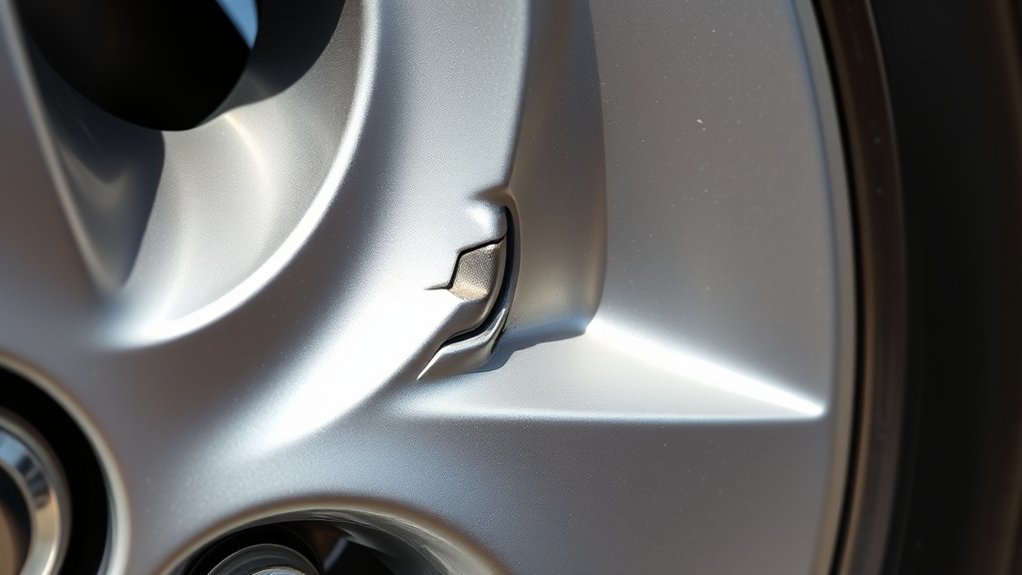
A professional wheel shop can check issues you cannot reliably confirm in a driveway. The technician can dismount the tire, inspect the bead seat, measure wheel runout, check for cracks, balance the wheel, and pressure-test the assembly for leaks.
Professional Expertise Matters
Wheel repair is not just sanding and paint when the rim is bent, cracked, or leaking. A qualified shop uses wheel straightening equipment, balancing machines, leak-test methods, and inspection lighting to find hidden damage.
Ask the shop these questions before approving the work:
- Is the damage cosmetic, structural, or both?
- Is the wheel cracked anywhere, including the inner barrel?
- Did the wheel pass a runout check?
- Will it hold air after the tire is mounted?
- Will the repaired wheel balance within normal limits?
- Is replacement safer or cheaper than repair?
Safety First Considerations
Do not choose repair only because it is cheaper. Choose repair when the wheel is safe to repair. If the damage is near the hub, spokes, bead seat, or bolt holes, replacement is usually the better safety decision.
If your Accord still vibrates after a repair, do not ignore it. The problem may be the tire, wheel, hub, bearing, suspension, or alignment. Have the full corner of the vehicle checked before long highway trips.
Common Types of Rim Damage Affecting Honda Accords
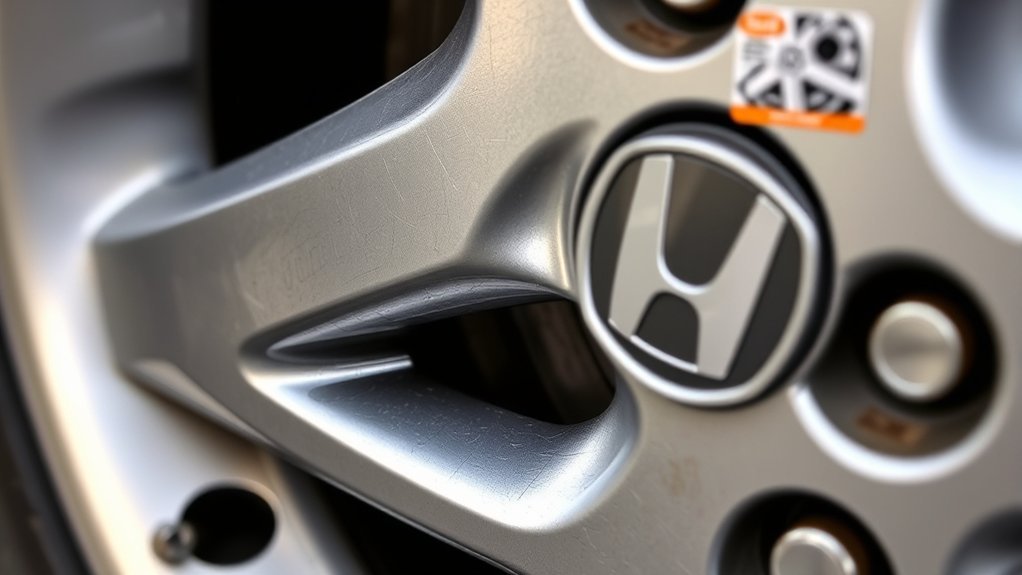
Honda Accord rims can suffer several types of damage, and each one changes the repair decision.
- Bent rims: Often caused by potholes or hard curb hits. They can create vibration, tire pressure loss, or balance problems.
- Cracked rims: Usually caused by a sharp impact. Cracks are structural damage and usually call for replacement.
- Corroded rims: Road salt and moisture can damage the finish and bead area, leading to slow leaks.
- Curb rash: Usually cosmetic, but deep gouges can remove material and expose the wheel to corrosion.
- Valve-stem area damage: Corrosion or impact near the valve can cause pressure loss.
- Bolt-hole or hub damage: This affects how the wheel clamps to the car and should be treated as a replacement-level issue.
Choosing a Replacement Rim for a Honda Accord
Do not buy a replacement rim based only on diameter. Honda Accord wheel specs vary by model year, trim, and wheel package, so confirm fitment before you order.
Check the Honda owner’s manual lookup, the Tire and Loading Information Label on the driver-side door area, and the markings on your current wheel. NHTSA also advises drivers to use the owner’s manual or Tire and Loading Information Label to confirm the correct tire size for the vehicle.
- Diameter and width: The replacement wheel must match the tire and brake clearance needs.
- Bolt pattern: The wheel must match your Accord’s hub and lug layout.
- Offset: Incorrect offset can affect suspension clearance, steering feel, and fender clearance.
- Hub bore: The wheel must center properly on the hub or use correct hub-centric rings when appropriate.
- Load rating: The wheel must support the vehicle safely.
- TPMS compatibility: Make sure the valve stem and sensor setup match your Accord.
- Finish and design: Matching OEM style matters if you are replacing only one wheel.
Note: If you replace one rim, ask the shop to compare the new wheel with the other three for size, offset, finish, and tire fitment. Mismatched wheels can create handling, clearance, or appearance problems.
[Products Worth Considering]

This 15-inch tire spoons kit makes tire removal and installation easier with added leverage, reducing time and effort for everyday repairs. It includes tire spoons, rim protectors, a valve tool, and valve cores/caps, helping protect rims and streamline deflation and re-sealing. Built with durable hardened steel and a non-slip ergonomic grip for confident use on motorcycles, dirt bikes, ATVs, and lawn equipment.

Suds Lab WB Premium Detailing Wheel Brush delivers a scratch-free clean using ultra-soft microfiber bristles that lift brake dust, dirt, and grime without swirling. The ergonomic non-slip handle helps you deep-clean rims, wheels, and tires with reduced hand fatigue while reaching tight contours. It’s reusable and machine washable for long-term detailing, and works across cars, trucks, SUVs, and motorcycles plus multi-purpose cleaning tasks.
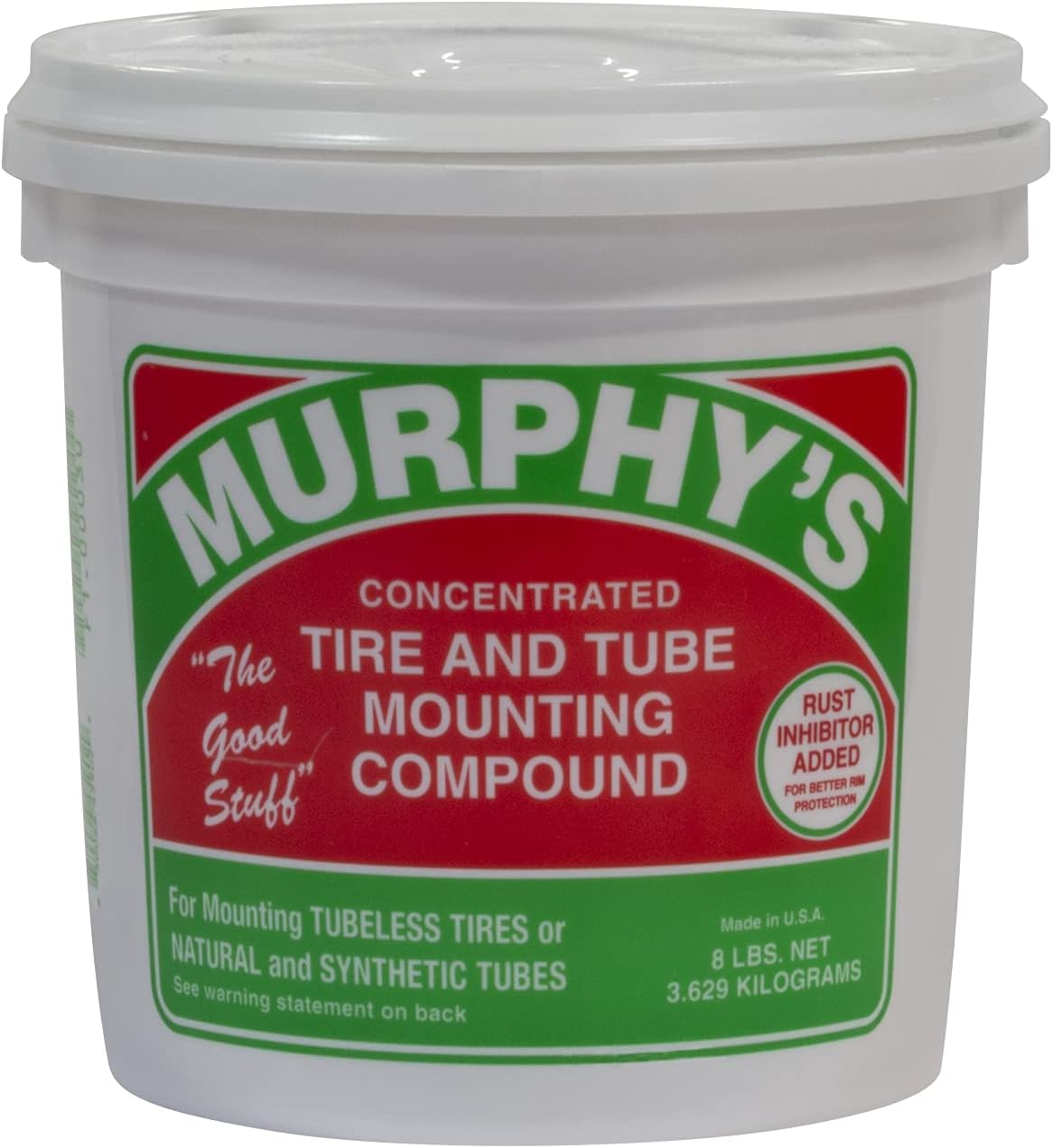
A concentrated tire and tube mounting compound designed to help simplify mounting rubber tires and tubes on passenger, semi truck, construction, and OTR applications. Its ultra-thick formula packs beads effectively and includes rust inhibitors to help protect against corrosion during use.
Rim Refinishing: Key Steps
Rim refinishing is best for cosmetic damage, not hidden structural damage. A proper refinishing job starts with inspection, because painting over a crack, bend, or corroded bead seat does not make the wheel safe.
- Inspect the wheel: Check for cracks, bends, corrosion, and bead-seat damage before sanding.
- Remove damaged finish: Use proper sanding, stripping, or blasting methods for the wheel finish.
- Smooth the surface: Sand shallow rash and feather the damaged area.
- Fill cosmetic gouges: Use wheel-safe filler only for surface defects, not structural cracks.
- Prime and paint: Apply compatible primer and wheel paint in thin, even coats.
- Clear coat: Seal the finish to slow oxidation and make cleaning easier.
- Balance and leak check: After tire mounting, confirm the wheel holds air and balances properly.
If the rim has a machined, polished, chrome, or complex factory finish, professional refinishing usually produces a better and more durable result than a DIY kit.
Eco-Friendly Rim Repair Options
Repairing or refinishing a safe, structurally sound rim can reduce waste because it keeps usable metal out of the scrap stream. It can also reduce the need to manufacture and ship a replacement wheel.
Repair is the greener choice only when the wheel remains structurally safe. A cracked or unsafe rim should still be replaced.
- Refinish instead of replace: Best for curb rash, peeling clear coat, and shallow cosmetic damage.
- Use a qualified shop: Proper prep helps the new finish last longer.
- Maintain the finish: Regular cleaning slows corrosion and protects the bead area.
- Recycle unsafe wheels: If a rim must be replaced, ask whether the old wheel can be recycled.
Tips for Maintaining Rims After Repair or Refinishing
After repair or refinishing, clean the wheels regularly with a pH-balanced wheel cleaner and soft brush. Avoid acidic cleaners, harsh degreasers, steel wool, and abrasive pads that can strip clear coat or scratch the finish.
Check tire pressure at least monthly when the tires are cold. Also check after major temperature changes, curb contact, or pothole impacts. NHTSA notes that the correct cold tire pressure is listed on the driver-side tire information label or in the owner’s manual, not on the tire sidewall.
- Wash off road salt during winter.
- Apply a wheel-safe sealant after refinishing if the shop recommends it.
- Avoid parking by feel against curbs.
- Slow down safely before rough pavement and potholes.
- Recheck balance if vibration appears after a repair.
- Schedule alignment if the car pulls or the steering wheel sits off-center.
Frequently Asked Questions
Can I repair a cracked rim myself?
No. Do not use epoxy, filler, heat, a hammer, or home welding on a cracked Honda Accord rim. A crack is structural damage. Have the wheel inspected by a qualified shop, and replace it if the crack is near the hub, spokes, bolt holes, bead seat, or any previous repair.
How long does a rim repair take?
A simple cosmetic curb rash repair may take a few hours, while refinishing, straightening, tire dismounting, balancing, paint curing, or leak testing can take longer. Ask the shop whether the wheel needs to stay overnight before you plan around the repair.
Will insurance cover rim repairs or replacements?
It depends on your policy, deductible, and how the damage happened. Collision or comprehensive coverage may apply in some road-hazard or impact situations, but cosmetic curb rash is often paid out of pocket. Take photos, keep repair estimates, and ask your insurer before authorizing expensive replacement work.
What tools are needed for DIY rim repair?
For cosmetic refinishing, you may need sandpaper, wheel-safe filler, masking tape, primer, paint, clear coat, gloves, eye protection, and a clean work area. DIY tools are not enough for bends, cracks, bead-seat leaks, or structural damage.
How can I prevent future rim damage?
Keep tires inflated to the pressure listed on your Accord’s driver-door label, avoid potholes when safe, slow down before rough pavement, leave extra curb clearance when parking, and clean off road salt. If you hit a pothole hard, check pressure, inspect the wheel, and schedule an alignment or suspension check if the car pulls or vibrates.
Can I drive with a slightly bent Honda Accord rim?
Only drive cautiously to a repair facility if the tire holds air, the car does not shake badly, and there is no visible crack or sidewall damage. Do not drive at highway speed with a bent rim that leaks air, vibrates strongly, or makes the vehicle pull.
Conclusion
Honda Accord rim damage is worth taking seriously because the wheel, tire, TPMS, balance, alignment, and suspension all work together. Repair is a smart choice for cosmetic curb rash and some professionally verified minor bends. Replacement is safer when the rim is cracked, badly bent, corroded at the bead seat, leaking air, damaged near the hub or bolt holes, or failing after repeated repairs.
If you are unsure, choose the safer path: check tire pressure, inspect the tire and wheel, avoid highway driving with vibration or pressure loss, and ask a qualified wheel or tire shop for a written repair-or-replace recommendation.
Sources
- NHTSA TireWise — tire pressure, TPMS, tire damage, balance, alignment, and tire safety guidance.
- AAA South Jersey: How to Avoid Pothole Damage — pothole impact symptoms, alignment, vibration, wheel, tire, steering, and suspension damage guidance.
- SAAQ Road Vehicle Mechanical Inspection Guide — inspection standards for damaged, cracked, bent, corroded, misaligned, or repaired wheels.
- Honda Owner’s Manual Lookup — vehicle-specific owner’s manual reference for Accord tire and wheel information.
- AutoZone: Curb Rash Repair Cost — current repair-cost context for cosmetic wheel damage.