
Can a Damaged Alloy Wheel Be Repaired?
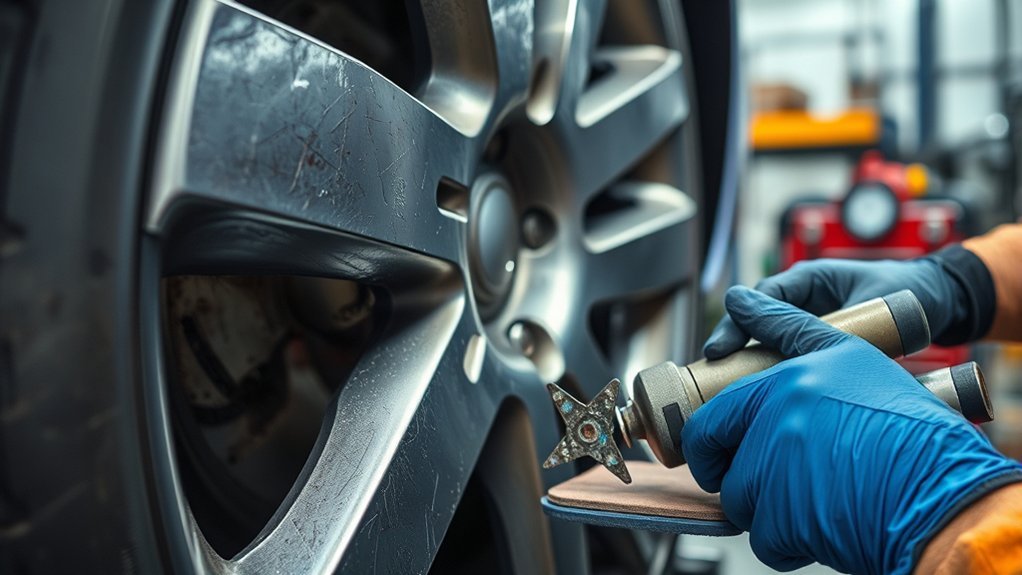
Yes, many damaged alloy wheels can be repaired when the problem is limited to cosmetic scuffs, curb rash, paint damage, small surface chips, or light surface corrosion. Structural damage is different. A bent, cracked, heavily corroded, or impact-damaged wheel needs professional inspection, and the vehicle or wheel manufacturer’s repair rules should determine whether it can be repaired or must be replaced.
Quick Answer
Cosmetic alloy-wheel damage can often be professionally refinished, but structural damage needs more caution. Cracks, significant distortion, severe corrosion, missing metal, or an air leak can make replacement necessary. Do not rely on a universal bend measurement: some vehicle manufacturers prohibit straightening, welding, crack repair, or machining altogether.
Key Takeaways
- Scratches, curb rash, paint chips, and other cosmetic damage can often be refinished professionally.
- There is no universal “under 2 mm” rule that makes a bent alloy wheel safe to straighten.
- Cracks, severe corrosion, missing metal, pressure loss, or significant deformation require a safety-focused inspection and may require replacement.
- Vehicle and wheel manufacturers can prohibit welding, straightening, bending, or machining even when a repair shop offers those services.
- Check tire pressure monthly and inspect the wheel and tire after a hard pothole or curb impact.
Can Your Alloy Wheel Be Repaired?
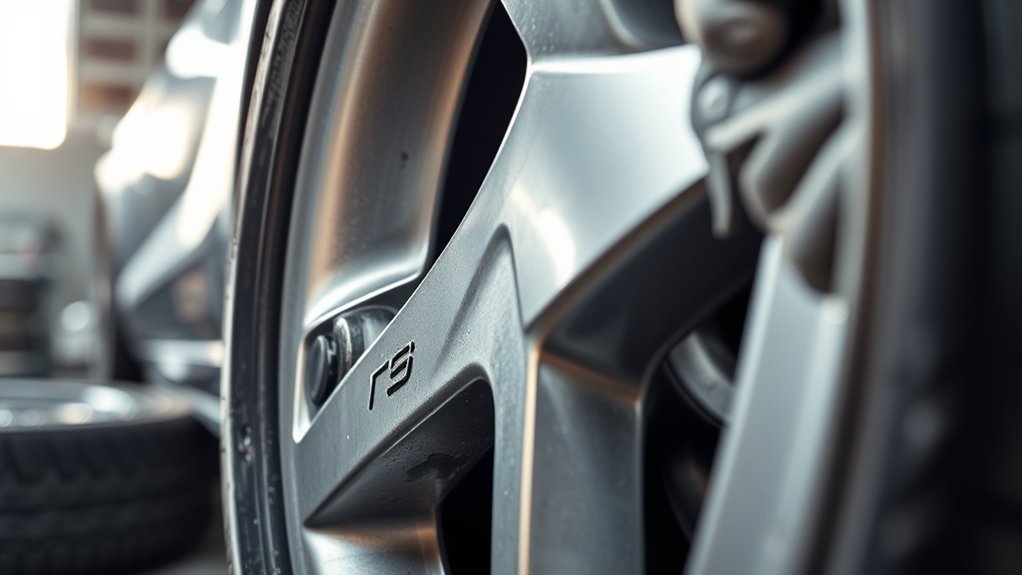
Your alloy wheel may be repairable when the damage is limited to its finish rather than its load-bearing structure. Typical cosmetic problems include curb rash, shallow scratches, scuffs, paint chips, clear-coat failure, and light surface oxidation.
Those defects can often be cleaned, prepared, filled where appropriate, color-matched, painted, and clear-coated by a professional refinisher. Cosmetic refurbishment is very different from changing the shape or structure of the wheel.
A bent wheel, cracked wheel, damaged bead-seat area, deep gouge, severe corrosion, or missing section of metal needs a more careful decision. Do not assume that a bend is safe to straighten simply because it looks small.
Warning: Structural wheel-repair rules are manufacturer-specific. Tesla, Volvo, GM, Mercedes-Benz, and other manufacturers publish restrictions that can prohibit straightening, welding, crack repair, reshaping, or machining. Check the applicable vehicle or wheel-maker procedure before authorizing structural work.
For example, Tesla’s published wheel-repair guidance prohibits welding, crack repair, straightening, bending, and machining on the wheels covered by that procedure. Volvo’s wheel-repair guidance likewise says structural damage repair and straightening are not approved.
The safest approach is to have the wheel inspected by a qualified wheel or tire professional who can identify the damage and check the manufacturer’s limits before work begins.
[Products Worth Considering]

This professional wheel and rim cleaning brush set lifts brake dust, grime, and dirt with soft, scratch-free microfiber and synthetic wool fibers. The rim brush bends up to 360 degrees for easy access to hard-to-reach areas around spokes, lips, and faces. Ideal for thorough cleaning of car, truck, motorcycle, bicycle, RV, and more wheel and tire surfaces.

These aluminum alloy tire valve stem caps protect the valve core from corrosion and help prevent air leakage for more stable tire pressure. The rubber ring design helps support a secure, safe seal while adding a stylish look to your Honda wheels. Easy to install by hand, these caps are ideal for everyday driving and weather exposure.

These universal tire valve stem caps help protect your valve core from dust, debris, moisture, and corrosion, supporting more stable tire pressure. The aluminum alloy design resists long-term wear, while the sealing construction helps help prevent air leakage. They twist on easily for quick installation and help safeguard driving safety across cars, SUVs, trucks, and motorcycles.
Which Alloy Wheel Damage Can Be Fixed?
Repairability depends more on where the damage is, how deep it is, and what the manufacturer permits than on a single measurement.
| Damage | Typical Next Step | Why |
|---|---|---|
| Light curb rash or scratches | Often suitable for cosmetic refinishing | Damage may be limited to paint, clear coat, or a shallow surface layer. |
| Small paint chips or light surface oxidation | Inspect and refinish if material loss is not structural | Removing corrosion and restoring the coating can help prevent further surface deterioration. |
| Bent or distorted rim | Professional inspection plus manufacturer guidance | Some manufacturers prohibit straightening even when a shop has equipment to do it. |
| Visible crack | Remove from normal service and determine whether replacement is required | Several major manufacturers expressly prohibit crack repair or refinishing cracked wheels. |
| Deep corrosion, missing metal, or broken section | Replacement is often the appropriate outcome | Material loss can affect strength, sealing surfaces, or wheel geometry. |
Cosmetic refinishing can restore the appearance of scratches, scuffs, dull paint, and some shallow chips. Surface corrosion may also be treatable when it has not caused significant pitting or material loss.
Bends need a different level of caution. There is no reliable universal rule saying that a bend below a particular number of millimeters is safe to straighten. The wheel design, alloy, location of the deformation, previous repairs, impact history, and manufacturer procedure all matter.
The important question is not simply whether a shop can perform a repair, but whether that repair is approved for the specific wheel.
When Should You Replace It Instead?
An alloy wheel should be replaced when its condition falls outside the repair limits set by the wheel or vehicle manufacturer, or when a qualified inspection finds damage that cannot be safely restored.
Visible cracking is a major warning sign. Tesla prohibits crack repair in its published procedure, GM states that cracked wheels must not be refinished in its applicable guidance, Volvo does not approve structural repairs to bent or cracked wheels, and Mercedes-Benz identifies cracked light-alloy wheels among those that must not undergo the described treatment.
Replacement may also be necessary when the wheel has severe deformation, deep corrosion or pitting, a missing section, damage around a mounting or bead-sealing area, or evidence of an unsafe previous repair.
If an impact causes the tire to lose air, the steering wheel to shake strongly, the vehicle to pull, or the wheel to appear visibly distorted, avoid treating the problem as cosmetic. Have the wheel, tire, and suspension area inspected before normal driving resumes.
Note: A wheel can look mostly normal from the outside while damage exists on the inner rim or barrel. Inspection after a severe pothole or curb impact can reveal problems that are difficult to see while the wheel is installed.
How Pros Repair Alloy Wheels
Professional wheel work should begin with inspection, not automatic repair. The technician first identifies whether the issue is cosmetic or structural and whether the manufacturer permits the proposed procedure.
| Phase | What Happens |
|---|---|
| Inspection | The wheel is checked for cracks, distortion, corrosion, damaged mounting areas, air-loss concerns, and evidence of previous repair. |
| Preparation | Contamination and damaged coating are removed using a method appropriate for the wheel and finish. |
| Cosmetic repair | Permitted shallow scratches, curb rash, or chips are smoothed and filled where appropriate. |
| Refinishing | Approved primer, color coating, and protective clear coat or another permitted finish are applied. |
| Final check | The finished wheel is checked before the tire/wheel assembly returns to service. |
Painted alloy wheels with cosmetic damage are generally the least complicated to refinish. GM’s published guidance, for example, discusses professional refinishing for gouges, scratches, curb scrapes, and paint chips while specifically prohibiting welding, bending, straightening, and re-machining in that procedure.
Specialty finishes require extra care. A diamond-cut or machined wheel may need specialized equipment to reproduce its appearance, but machining should not be performed merely because a shop has a lathe. Some manufacturers prohibit re-machining or machining because material removal can fall outside the approved repair process.
Likewise, a ceramic or nano-ceramic coating can be an optional protective finish after appropriate refinishing, but it is not a required step in every alloy-wheel repair.
Pro Tip: Before approving expensive refurbishment, ask the shop to identify the wheel’s damage, the exact repair method it plans to use, and whether that procedure is permitted by the vehicle or wheel manufacturer.
How to Prevent More Wheel Damage
Inspect your wheels regularly for new scratches, bent areas, corrosion, cracks, or coating damage. Catching a cosmetic defect early can prevent moisture and road contaminants from worsening exposed surfaces.
Check tire pressure at least monthly and before long trips. Michelin recommends checking tires when cold and notes that tires can naturally lose pressure over time. Use the pressure listed on the vehicle’s tire-information placard or owner’s manual rather than the maximum pressure molded into the tire sidewall.
Michelin’s tire-pressure guidance recommends monthly checks and explains how to measure pressure when the tires are cold.
Correct inflation matters because a tire is part of the wheel’s protection against road impacts. Avoid potholes where possible, slow down appropriately on badly damaged roads, and take extra care around high curbs and construction zones.
Rim guards or other wheel-protection products may reduce minor curb abrasion, but they cannot prevent structural damage from a severe impact.
After striking a deep pothole or curb, pay attention to new vibration, pulling, unusual tire-pressure loss, or visible deformation. Have the wheel and tire inspected if any of those symptoms appear.
[Products Worth Considering]
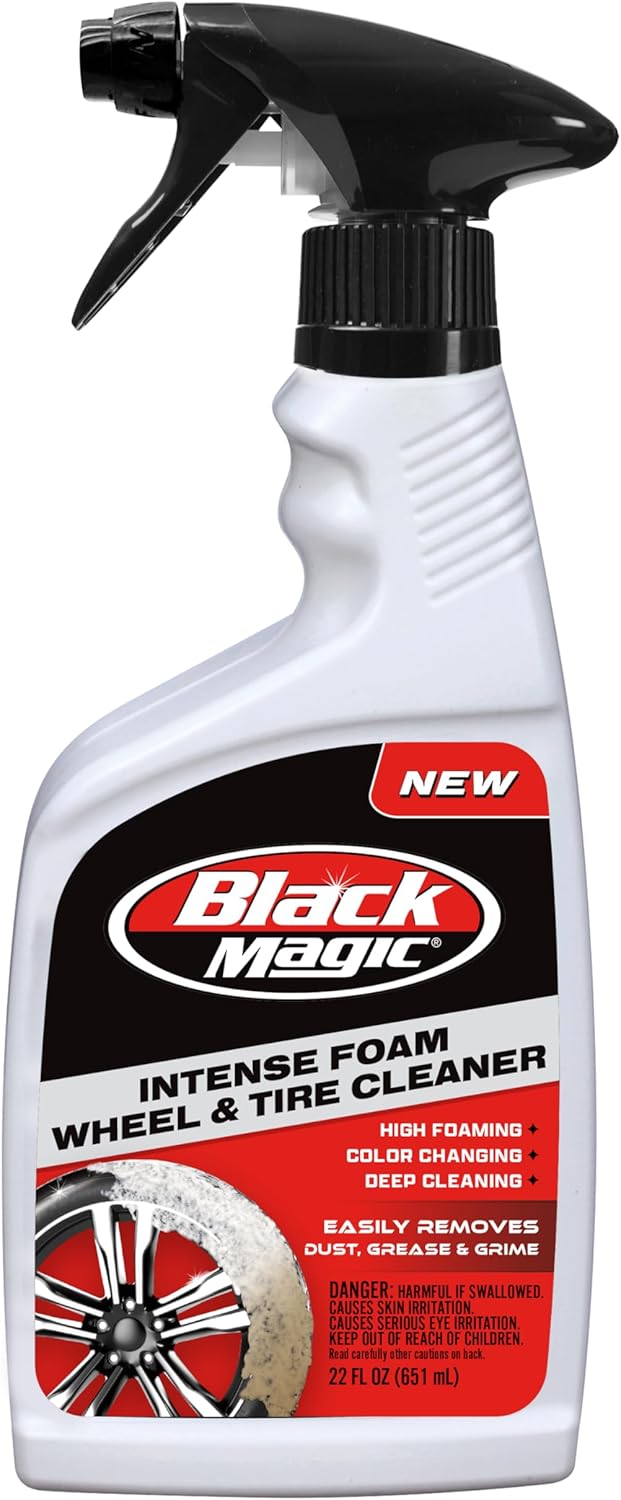
Black Magic Intense Foam Wheel & Tire Cleaner uses a high-foaming action to lift away dirt, grime, and brake dust without scrubbing. The color-changing formula helps show contaminants being dissolved as foam turns from white to brown. Safe for all wheel types and even wheel wells, it leaves a like-new, slick finish with a fresh cherry scent.

This 3-piece wheel brush set makes it easy to clean wheels and tires with soft, scratch-free brushes designed for lifting brake dust and grime. The flexible rim brush bends up to 360 degrees to reach hard-to-access areas for a thorough clean, while the comfortable grip helps control during detailing. A dedicated detailing brush supports gentle cleaning for sensitive surfaces, including interior use.
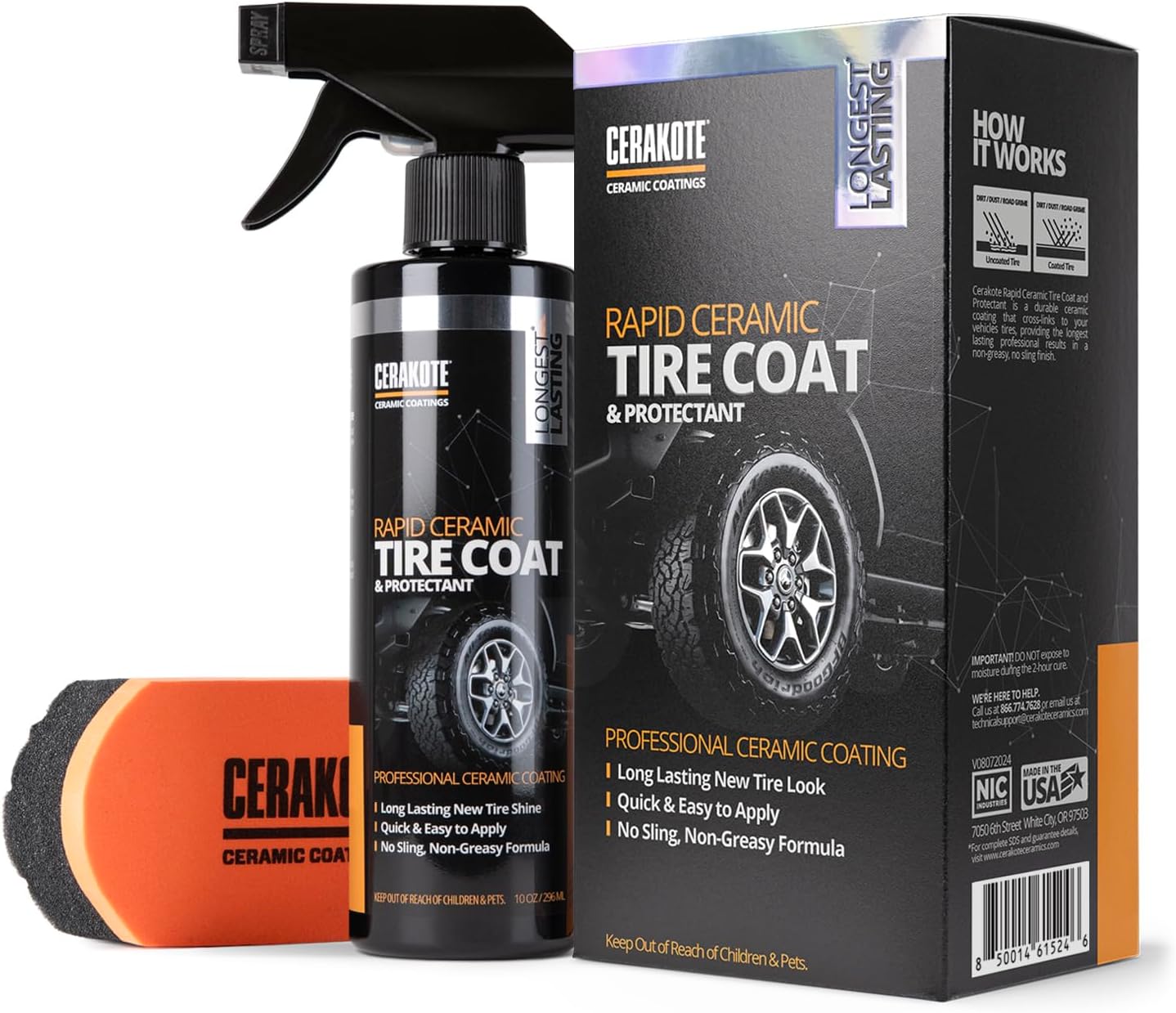
CERAKOTE Rapid Ceramic Tire Coat delivers true ceramic protection that restores a clean, dark factory-black look with a natural satin finish. It cures dry to the touch for a low-sling appearance that helps resist slinging onto paint while defending tires from UV rays and road grime. Apply to clean, dry tires with the included foam applicator for long-lasting results and satisfaction guaranteed.
What to Do After a Hard Pothole or Curb Impact
If the impact was severe, move to a safe location before examining the vehicle. Look for a visibly cracked or distorted wheel, a cut or bulging tire sidewall, rapid pressure loss, or a tire that is no longer seated normally on the rim.
Do not continue normal driving on a wheel that is visibly cracked, broken, severely distorted, or unable to hold tire pressure. Use the vehicle’s approved spare-tire procedure or arrange roadside assistance when necessary.
If there is no obvious failure but you notice steering-wheel vibration, pulling, or recurring air loss afterward, schedule an inspection. Impact damage can also affect tire balance, alignment, and nearby suspension components.
Frequently Asked Questions
How Much Does It Cost to Repair Damaged Alloy Wheels?
There is no reliable universal price. Cost depends on wheel diameter, finish, damage, local labor rates, whether the tire must be removed and remounted, and whether one wheel or a full set is being refinished. Specialty or machined finishes usually cost more than a simple painted-wheel cosmetic repair. Get a written local quote after the wheel has been inspected rather than relying on a generic online price.
Are Alloy Wheels Worth Repairing?
They often are when the damage is cosmetic and the wheel is otherwise sound. Compare the refurbishment quote with the price and availability of a replacement wheel. For structural damage, value comes second to safety: repair should proceed only when the applicable manufacturer guidance permits the method being proposed.
What Is the Lifespan of an Alloy Wheel?
There is no universal 5- or 10-year replacement interval for every alloy wheel. Service life depends on impacts, corrosion, road conditions, wheel design, maintenance, previous repairs, and manufacturer requirements. Replace a wheel when its condition or the manufacturer’s inspection criteria make continued use unacceptable rather than relying on age alone.
Is It Worth Repairing a Damaged Wheel?
Yes, when the damage is limited to an approved cosmetic repair and refurbishment costs substantially less than replacement. A cracked, badly corroded, distorted, or structurally damaged wheel is a different decision. Have it inspected and follow the wheel or vehicle manufacturer’s limits instead of choosing repair only because it is cheaper.
Conclusion
So, can your alloy wheel be repaired? Often, yes—when the problem is cosmetic and the wheel remains structurally sound. Scratches, curb rash, paint chips, and similar surface damage are common refurbishment candidates.
Bends, cracks, deep corrosion, air leaks, or major impact damage need a different approach. Do not rely on a universal millimeter limit or assume that welding, straightening, or machining is acceptable. Have the wheel inspected and follow the applicable manufacturer’s repair policy. When structural safety is uncertain or the approved repair limits have been exceeded, replacement is the safer choice.
Sources
- Tesla — Approved Wheel Repairs — manufacturer restrictions on welding, crack repair, straightening, bending, and machining.
- General Motors — Aluminum Wheel Refinishing Guidance — cosmetic refinishing and restrictions on structural repair and re-machining.
- Volvo Car USA — Wheel Repair Guidelines — structural-damage and straightening restrictions.
- Mercedes-Benz — Light-Alloy Wheel Treatment Guidance — restrictions for cracks, deformation, material damage, heat, and refinishing.
- Michelin — Tire Pressure Guidance — monthly cold-pressure checks and proper inflation practices.
[Products Worth Considering]

Upgrade your Toyota tire setup with these corrosion-resistant, leak-proof valve stem caps designed to help protect the valve core from water, snow, and road grime. The caps feature a snug rubber seal and durable copper alloy construction to resist rust and oxidation while maintaining stable tire pressure. Ideal for replacing worn original caps and keeping your wheels looking clean and stylish.

Replace or upgrade your zero-turn lawn mower tires with a universal fit flat-free tire and wheel assembly in a convenient 2-pack. Smooth tread front-caster style helps turning with reduced turf damage, while flat-free design eliminates the maintenance and downtime of air-filled flats. The included adapter kit supports 5/8-inch axles and hub lengths from 3.4 to 5 inches for compatibility across most ZTR mowers.

This 4-pack wheel brush kit is designed for thorough cleaning of rims, tire tread, and hard-to-reach areas. It includes ultra-soft plush brushes for wheel faces and cracks, a soft brush for lug nut cavities, and a stiff brush for tire cleaning. The scratch-free, metal-free brush heads minimize rim damage, while bendable bristles reach into tight spots for faster grime removal.

Related Articles
Does the Sun Damage Car Paint? Prevention Tips
Keep your car’s shine intact before the sun wins—learn the hidden paint damage signs and prevention tips that matter most.
Read More
Which Part of a Tire Can Be Patched Safely?
When can a tire be safely patched, and why do some punctures spell trouble?
Read More
What Are Tire Valve Stems and How Do They Work?
Mysterious tire valve stems quietly seal air in and dirt out, but what happens when they fail might surprise you.
Read More