
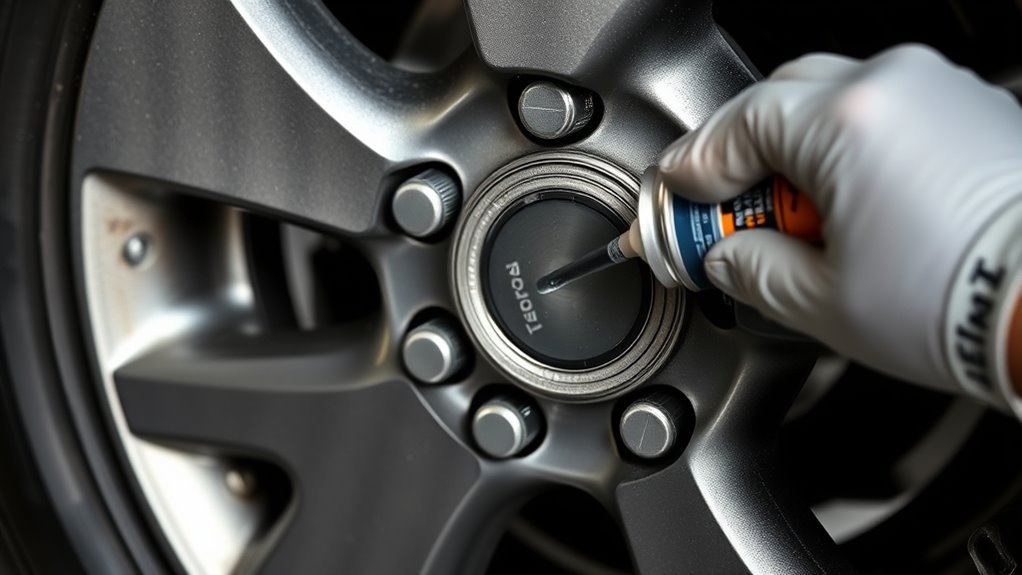
Using tire sealant in a Hyundai Sonata is not automatically a TPMS disaster, but it can create problems if the product is not TPMS-safe, is expired, is used on the wrong type of tire damage, or is left inside the wheel without proper cleanup. The safest approach is to treat sealant as a temporary emergency fix, then have the tire, wheel, and tire pressure sensor inspected as soon as possible.
Quick Answer
Tire sealant can affect a Hyundai Sonata TPMS sensor if it is not labeled TPMS-safe or if residue coats the sensor. A TPMS-safe emergency sealant is usually less risky, but Hyundai still recommends removing sealant from the tire pressure sensor and wheel when the tire is repaired or replaced.
Key Takeaways
- Use only sealant that clearly says it is safe for TPMS or tire pressure sensors.
- Do not use sealant on sidewall damage, large cuts, blowouts, or punctures larger than the limit in your owner’s manual.
- Hyundai’s Tire Mobility Kit is a temporary roadside tool, not a permanent tire repair.
- Tell the tire shop that sealant was used so the sensor, valve area, and wheel can be cleaned and inspected.
- A blinking TPMS light usually points to a system fault, while a steady tire-pressure warning usually points to low tire pressure.
At a Glance
| Time Required | About 10–20 minutes for emergency use, plus professional inspection afterward |
| Difficulty | Easy for a small tread puncture; unsafe for sidewall damage, blowouts, or large cuts |
| Tools Needed | Hyundai Tire Mobility Kit or TPMS-safe sealant, compressor, tire pressure gauge, gloves, and roadside safety gear |
| Cost | Low for emergency sealant; higher if the TPMS sensor needs cleaning, service, or replacement |
Understanding TPMS and Its Functionality
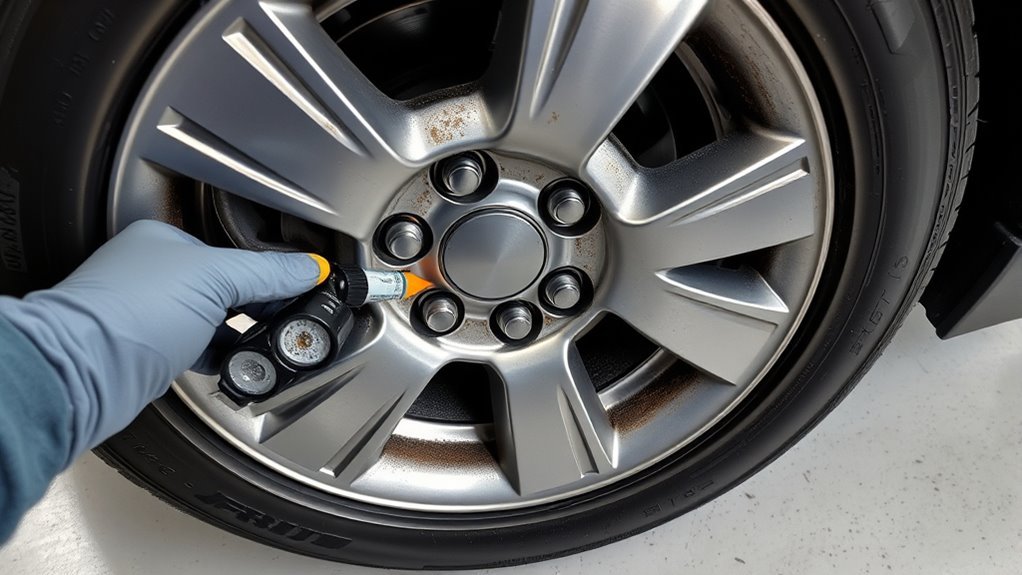
The Tire Pressure Monitoring System, or TPMS, helps warn you when one or more tires are significantly underinflated. In the United States, federal TPMS rules are covered under FMVSS No. 138, which sets performance requirements for low tire pressure warnings on many passenger vehicles.
Most modern Hyundai Sonata models use direct TPMS sensors mounted inside the wheel near the valve stem. These sensors measure tire pressure and send information to the vehicle. Because the sensor sits inside the tire cavity, liquid sealant can reach it during an emergency repair.
The problem is not simply that “all sealant ruins sensors.” The real risk depends on the product, the amount used, the condition of the sensor, and whether the wheel is cleaned after the repair. Sticky residue can coat the sensor body, valve area, or pressure port. That can lead to inaccurate readings, a TPMS malfunction warning, or a sensor that needs cleaning or replacement.
Warning: Do not drive on a tire that will not hold pressure, has sidewall damage, has a large cut, or causes vibration, noise, or poor handling. Pull over safely and call roadside assistance or towing.
Can Tire Sealant Damage a Hyundai Sonata TPMS Sensor?
Yes, tire sealant can damage or interfere with a Hyundai Sonata TPMS sensor, especially when the sealant is not designed for TPMS-equipped vehicles. Non-compatible sealants may leave residue that blocks or coats the sensor. Even when the sensor is not permanently damaged, the wheel may need to be dismounted so the sensor and rim can be cleaned.
Hyundai’s own Tire Mobility Kit guidance says that sealant on the tire pressure sensor and wheel should be removed when the tire is replaced with a new one and the tire pressure sensors are inspected. That means sealant use should be treated as a temporary step to get to a safe location or service facility, not as the end of the repair.
TPMS-safe sealants lower the risk, but they do not remove the need for inspection. If the TPMS light flashes, tire pressure readings disappear, or the warning returns after the tire is repaired, have the TPMS checked with a scan tool.
How to Tell If Your Sealant Is TPMS Safe
When selecting a tire sealant, the label matters. Do not assume every emergency tire product is safe for a Hyundai Sonata TPMS sensor. Check the bottle before you use it.
- Look for wording such as “TPMS safe,” “tire sensor safe,” or a tire sensor safe icon.
- Use a sealant intended for highway passenger vehicles, not bicycle, lawn, ATV, tube-type, or off-road-only tires.
- Check the expiration date on the sealant bottle before use.
- Read the fine print for driving distance, speed, puncture-size limits, and cleanup instructions.
- Avoid products that say they are not compatible with TPMS or tire pressure sensors.
For example, Slime’s own FAQ says its yellow-label Emergency Tire Sealant for highway vehicles and blue-label Prevent and Repair Sealant for non-highway tubeless tires are TPMS-safe, while its red-label tube formula is not TPMS-safe. Always follow the exact label on the bottle you have, because formulas and intended uses can differ.
Note: “TPMS safe” does not mean “permanent repair.” It means the formula is designed to reduce sensor risk when used as directed. The tire still needs professional inspection.
[Products Worth Considering]

TireJect Off-Road Tire Sealant Kit provides 5-in-1 sealing to help fix tread punctures up to 3/8", sidewall punctures up to 3/8", bead leaks, slow leaks, and minor dry rot on low-speed tires. It permanently seals with liquid rubber, recycled tire particles, and Aramid fibers, making it ideal for flats caused by thorns, nails, and screws. The included dispensing cap attaches to the valve stem for a no-mess installation, along with a metal valve core remover tool and valve stem cap. This kit is for off-road use only.

Replace your worn or missing TPMS sensors with pre-programmed, direct-fit sensors for compatible Ford, Lincoln, and select Mazda models. Each sensor comes ready to activate with a scan tool, helping restore accurate tire pressure monitoring and trouble-free installation. Built with a long-life CR2032 battery and tested before factory release, this set provides dependable performance with a one-year warranty.
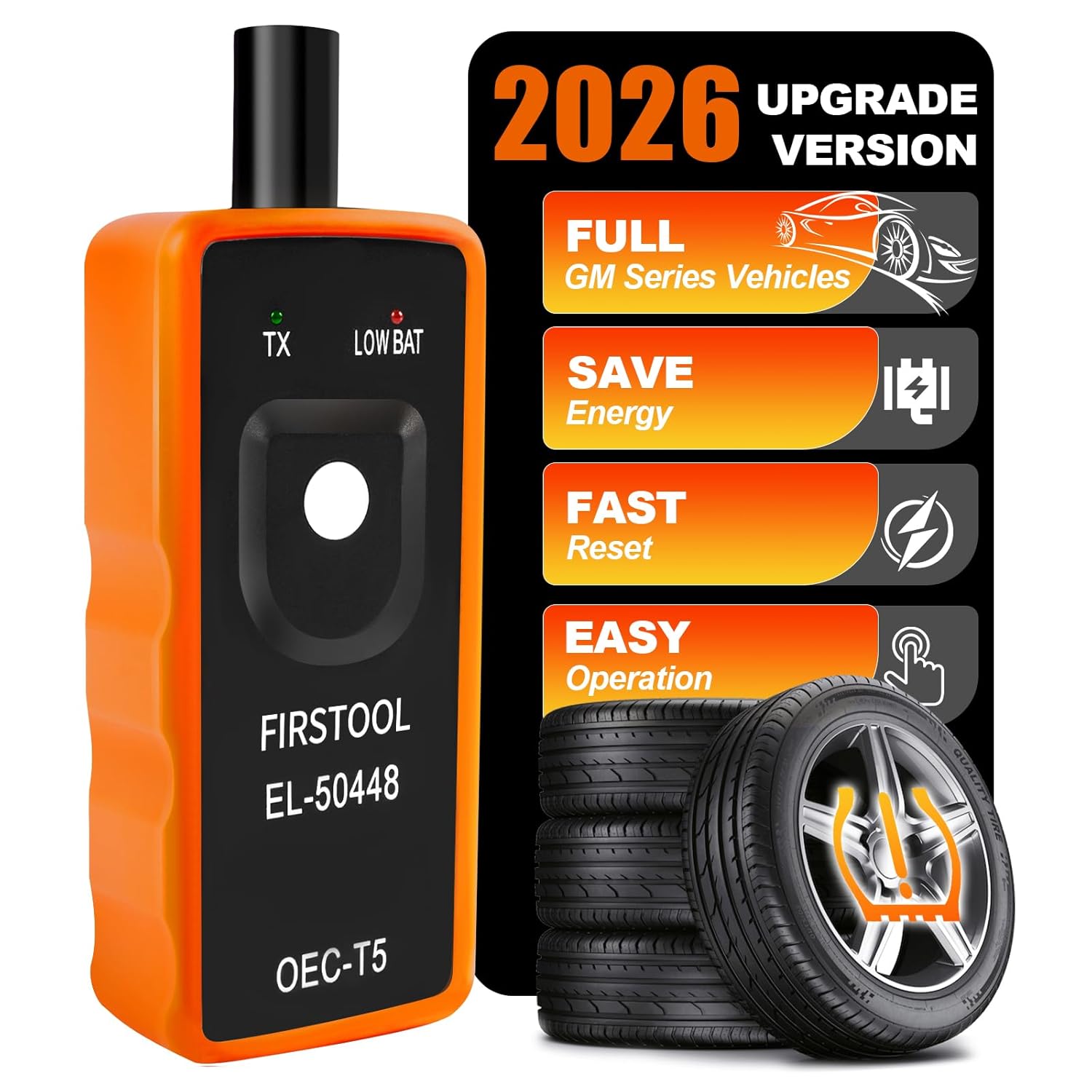
This TPMS relearn tool helps you quickly activate, match, and reset GM tire pressure sensors to keep the vehicle monitoring system working properly. It clears tire pressure alarms and dashboard warning lights after sensor replacement or tire rotation, and supports learning for common 315/433 MHz TPMS sensors. Designed for simple one-button operation, it can help you avoid unnecessary trips to repair shops.
Risks of Using Sealants in the Hyundai Sonata
Using tire sealant in your Hyundai Sonata can be helpful in an emergency, but it comes with trade-offs. The main TPMS-related risks include false readings, a blinking malfunction light, sensor contamination, and extra labor during tire repair.
The risk increases when you use the wrong formula, use too much product, drive too long on the sealed tire, or delay professional service. Sealant may also make it harder for a technician to inspect the inside of the tire because the wheel has to be cleaned before the damage can be judged properly.
There are also limits on when sealant can help. Hyundai’s Tire Mobility Kit instructions say the kit may be ineffective for tire damage larger than about 0.16 inches (4 mm). It is also not a safe answer for a shredded tire, sidewall puncture, damaged wheel, or tire that cannot maintain pressure.
A tire sealant kit is best viewed as a short-distance emergency mobility tool. The safe finish is still a professional tire inspection, proper repair, or tire replacement.
Hyundai Tire Mobility Kit Safety Limits
If your Sonata is equipped with a Hyundai Tire Mobility Kit, follow your exact owner’s manual. The common safety limits are simple but important:
- Do not drive if the tire pressure is below 29 psi (200 kPa) after inflation.
- After adding sealant, drive about 4–6 miles (7–10 km), or about 10 minutes, to distribute the sealant.
- Do not exceed 50 mph (80 km/h) while driving on a temporarily sealed tire.
- Do not run the compressor for more than 10 minutes at a time because it may overheat.
- Do not rely on the kit for damage larger than about 0.16 inches (4 mm), sidewall damage, or severe tire failure.
You can review Hyundai’s current Tire Mobility Kit procedure in the Hyundai owner’s manual instructions. Your model year may have small differences, so the manual for your exact Sonata should always be the final guide.
[Products Worth Considering]

LiQuiTube Premium Heavy Duty Tire Sealant provides permanent flat tire protection to help maintain proper air pressure while sealing punctures and leaks. It seals bead, rim, and porosity weathering leaks and helps prevent flats in heavy ply industrial tires. Designed for versatile use on trailers and off-road equipment, it can be installed in tubeless tires and also inside tubes.

Replace worn or malfunctioning GM TPMS sensors with this 433MHz pre-programmed sensor set designed for compatibility with many Chevrolet, Buick, GMC, and Cadillac models. It includes guidance for proper OBDII relearning/pairing after installation and supports reliable long-term operation with a high-performance CR2032 battery. Quality tested for durability and performance to help restore accurate tire pressure monitoring.
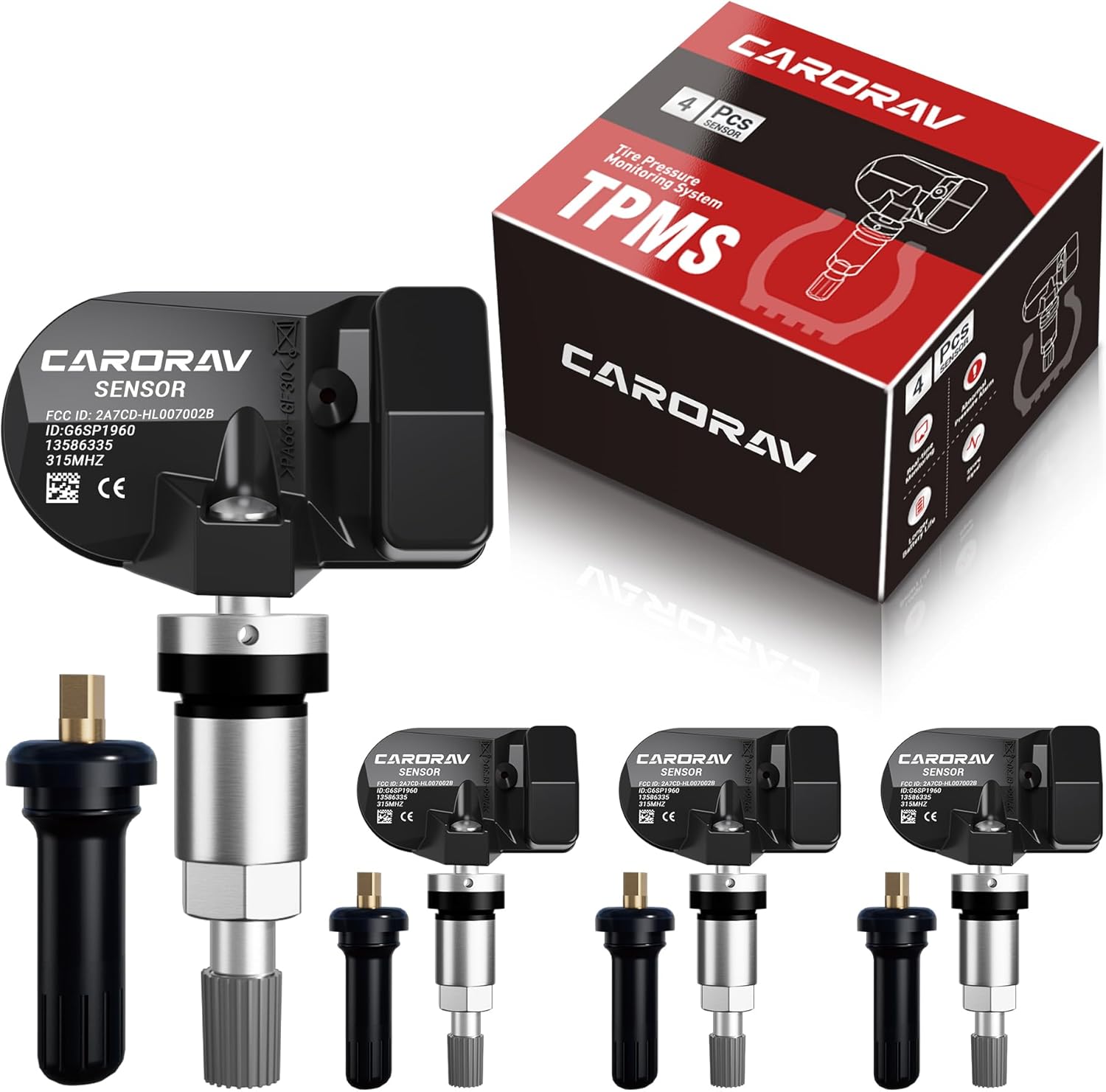
Replace worn or missing TPMS sensors with CARORAV pre-programmed GM-compatible sensors for a smoother installation experience. These 315MHz replacement sensors help monitor tire pressure in real time with long battery life, and they are designed to withstand harsh temperatures. Manual or OBDII relearn may be required to reset the system for proper recognition.
How to Safely Address Tire Issues Without Sealants
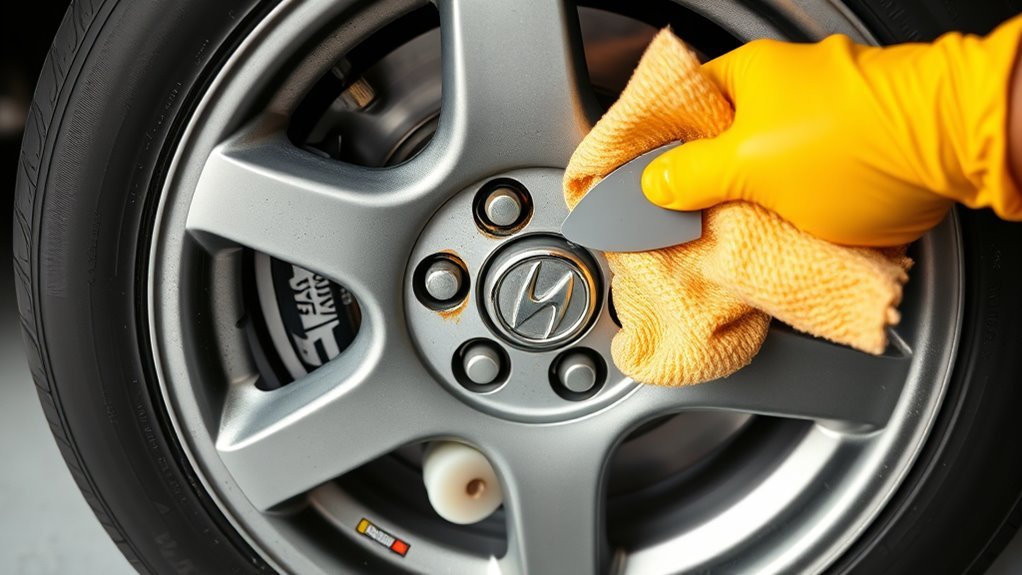
If you want to avoid sealant whenever possible, you have several safer options. The best choice depends on where you are, how badly the tire is damaged, and whether the car can be moved safely.
- Use roadside assistance or towing for sidewall damage, blowouts, vibration, or a tire that will not hold air.
- Use a portable compressor only if the tire has a slow leak and can safely hold pressure long enough to reach service.
- Keep a quality tire pressure gauge in the car and check pressure manually, especially after temperature changes.
- Consider a temporary plug kit only as an emergency measure, not as a complete permanent repair.
- Have the tire removed from the wheel for internal inspection before approving a permanent repair.
The U.S. Tire Manufacturers Association explains that proper puncture repair requires removing the tire from the wheel, inspecting the inside, filling the puncture injury, and sealing the inner liner. A plug alone or patch alone is not considered a proper complete repair.
Pro Tip: If you use sealant, put the empty bottle or product name in the car and show it to the tire technician. That helps the shop know what cleanup and TPMS inspection may be needed.
[Products Worth Considering]
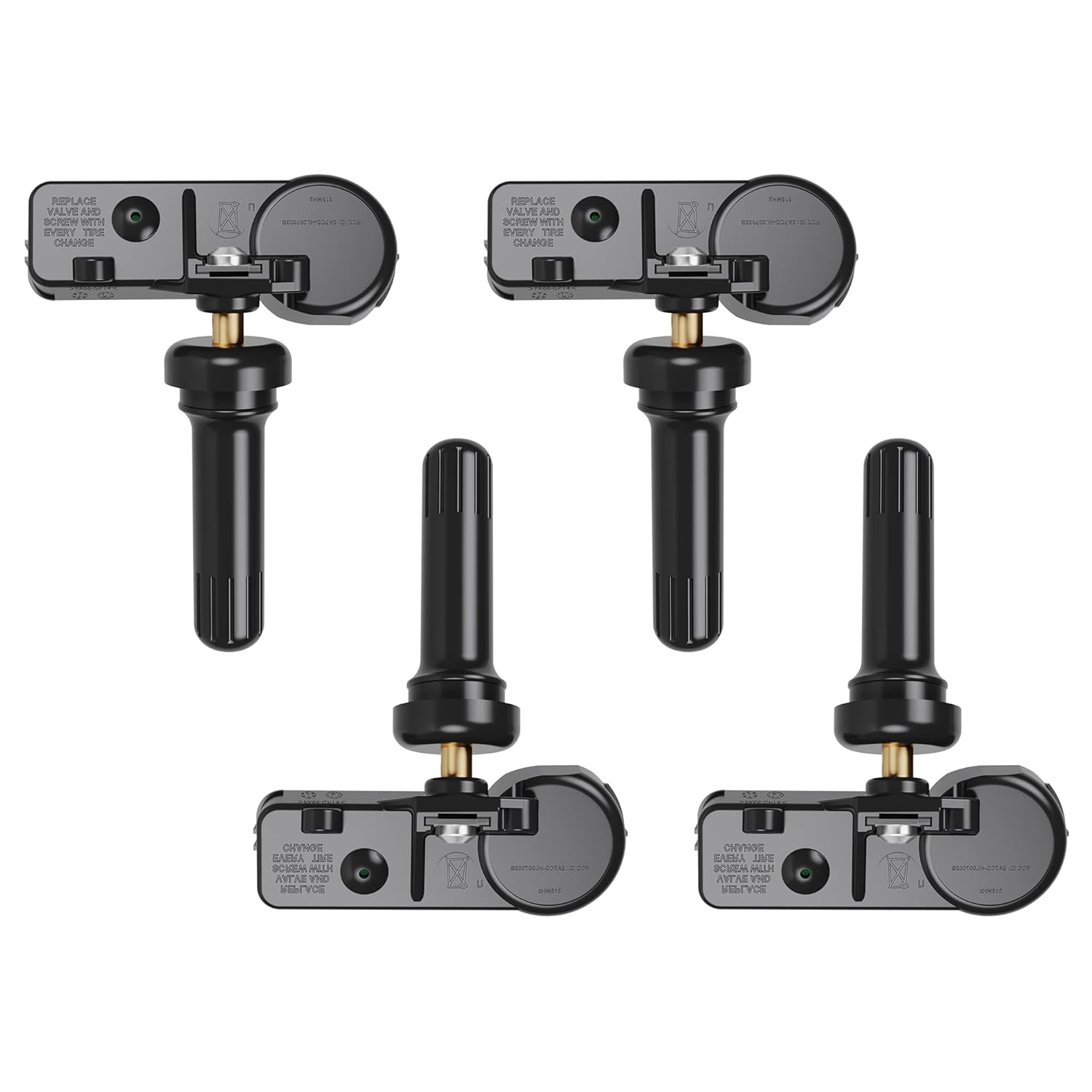
Replace worn or faulty TPMS sensors with this brand new 315MHz GM-compatible replacement set for select Chevy, GMC, Buick, Cadillac, and similar vehicles. These sensors are pre-programmed for your make/model/year and typically only require activation with a scan tool. Built for long service life with a high-temperature battery, they help maintain reliable tire pressure monitoring for safer driving.

Mosconly tire repair glue and nail kit delivers an elastic, waterproof bond for quick sidewall puncture repairs. The adhesive cures securely to help prevent peeling, flaking, and tearing, while the included nails support a strong, seamless repair. Designed for easy roadside use, it works on car, motorcycle, bike, and other tire types, with full curing within 24 hours.
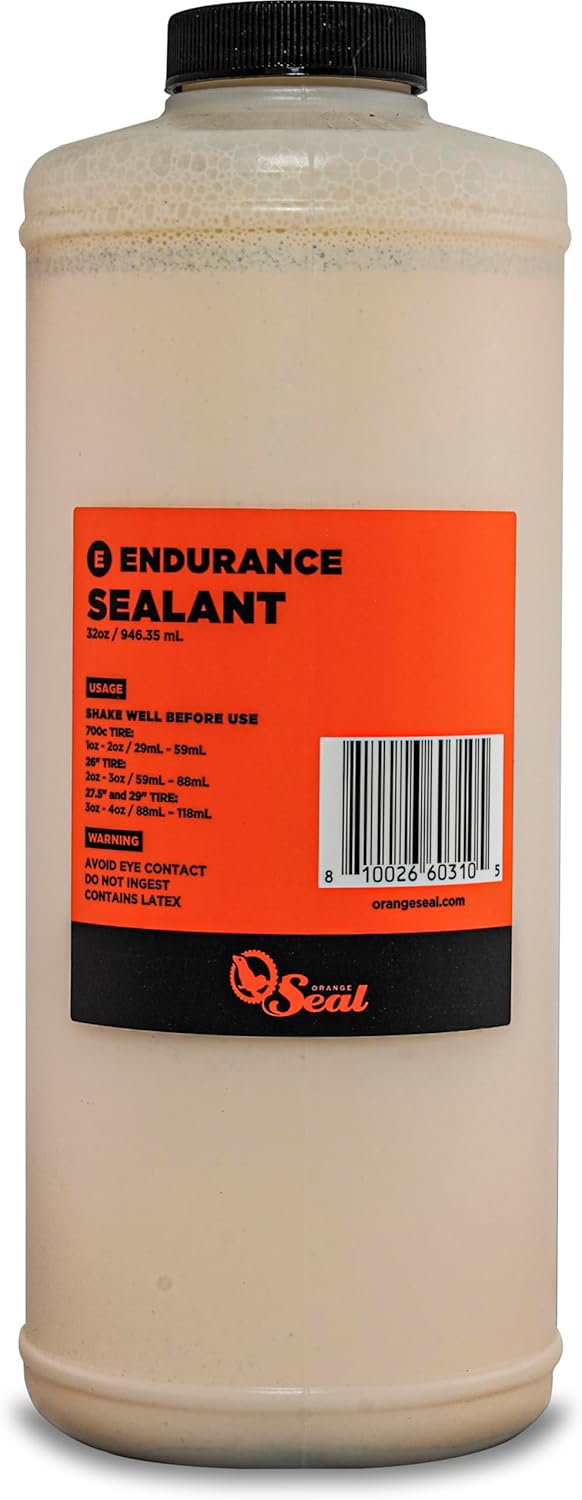
Orange Seal Endurance Formula delivers long-lasting latex protection with a durable sealant that can stay effective for 60–120 days between top-offs. It uses nanite particles to rapidly seal punctures up to 1/4" and slices up to 1/2", helping maintain reliable tubeless performance across MTB, road, CX, and gravel conditions. The biodegradable formula is engineered to work across major tubeless-ready and UST brands and a wide range of rubber compounds.
What to Do After Using Tire Sealant
After using tire sealant in a Hyundai Sonata, do not forget about the repair just because the tire holds air. Follow these steps:
- Drive only as far as needed to reach a safe service location.
- Stay within the speed and distance limits listed on the sealant bottle and in your Hyundai manual.
- Tell the technician that sealant was used before the tire is removed from the wheel.
- Ask the shop to inspect the inside of the tire, valve stem, wheel, and TPMS sensor.
- Have sealant residue removed from the wheel and tire pressure sensor area.
- Repair the tire only if the puncture is in the repairable tread area and within industry limits.
- If the TPMS light flashes or pressure readings are missing, have the TPMS scanned and diagnosed.
The Tire Industry Association says sealants and emergency inflators that contain sealant are not recommended as long-term flat-tire solutions. That is why a sealed tire should still be inspected and repaired properly or replaced.
Tire Sealant User Experiences: Successes and Failures
Drivers usually have the best results with sealant when the problem is a small puncture in the tread area, such as a nail hole, and the tire can still hold enough pressure to be driven slowly to a repair shop. In that situation, TPMS-safe sealant may help you avoid being stranded.
Failures are more likely when the tire has sidewall damage, a large puncture, a damaged bead, a cracked wheel, or very low pressure from driving too far while flat. In those cases, sealant may not seal the leak, the compressor may not raise pressure enough, and the TPMS may continue showing warnings.
The most common frustration is cleanup. Even when the sensor survives, the inside of the wheel can be messy. A tire shop may charge extra labor to clean sealant from the wheel and inspect the tire pressure sensor before completing the repair.
Best Practices for Maintaining Your TPMS and Tires
Good tire maintenance reduces the chance that you will need emergency sealant at all. Check tire pressure monthly when the tires are cold, inspect tread and sidewalls, and fix slow leaks early.
Regular Sensor Checks
TPMS sensors are sealed electronic parts. Their batteries are not normally replaceable by themselves, so the sensor must be replaced when the battery or sensor fails. A typical direct TPMS sensor lifespan is often around 5–10 years, depending on use, temperature, and sensor design.
- Check cold tire pressure at least once a month.
- Use the pressure listed on the driver-side door placard, not the maximum pressure molded on the tire sidewall.
- Watch for a blinking TPMS light, missing individual pressure readings, or repeated warnings after proper inflation.
- Have sensors inspected during tire replacement, valve-stem service, or after any sealant use.
- Ask for a TPMS scan if a warning light returns even after pressures are correct.
Sealant Safety Guidelines
Use sealant only when the tire damage matches the product instructions and the Hyundai manual limits. Avoid using expired sealant, non-TPMS-safe sealant, or sealant made for tube-type or off-road applications unless that is exactly what your tire requires.
If the TPMS malfunction indicator blinks for about one minute and then stays on, Hyundai says there may be a problem with the Tire Pressure Monitoring System. In that case, individual tire pressure readings may not be available, and the system should be inspected by an authorized Hyundai dealer or qualified repair facility.
Frequently Asked Questions About Tire Sealants and TPMS
These quick answers cover the most common questions Hyundai Sonata owners have before or after using tire sealant.
Frequently Asked Questions
Does tire sealant ruin TPMS?
It can, especially if the sealant is not TPMS-safe or if residue coats the sensor. TPMS-safe sealant is designed to reduce that risk, but the wheel and sensor should still be cleaned and inspected after use.
What is the problem with the TPMS on a Hyundai?
A steady TPMS warning usually means one or more tires are low. A warning that blinks for about one minute and then stays on usually points to a TPMS malfunction, such as a sensor, signal, battery, or system issue.
What is the typical cause of a damaged TPMS sensor?
Common causes include sensor age, sealed battery failure, corrosion, impact damage, improper tire service, damaged valve components, and contamination from incompatible sealant. A TPMS scan tool can help identify which sensor is failing.
What tire sealant is sensor safe?
Choose a sealant that clearly says “TPMS safe” or “tire sensor safe” on the label. For example, Slime identifies its yellow-label Emergency Tire Sealant for highway vehicles and blue-label Prevent and Repair Sealant for non-highway tubeless tires as TPMS-safe.
Can I keep driving after using tire sealant in my Sonata?
Only for a short emergency distance and only if the tire holds the minimum pressure required by your manual and the sealant label. Follow Hyundai’s speed and pressure limits, then go to a tire shop for inspection.
Should I replace the TPMS sensor after using sealant?
Not always. The sensor may only need cleaning and inspection. Replacement is more likely if the TPMS light keeps flashing, the sensor will not transmit, pressure readings are missing, or a technician confirms sensor failure.
Conclusion
Tire sealant can be useful in a Hyundai Sonata emergency, but it should not be treated as a permanent fix. The safest choice is a TPMS-safe product used exactly as directed, followed by professional tire inspection, sensor cleanup, and proper repair or replacement. If the tire has serious damage or cannot hold pressure, skip the sealant and call for roadside help instead.
Sources
- eCFR — 49 CFR § 571.138, Tire Pressure Monitoring Systems — federal TPMS purpose and performance requirements
- Hyundai Owner’s Manual — Using the Tire Mobility Kit When a Tire Is Flat — pressure, speed, distance, compressor, damage-size, and sensor cleanup guidance
- Hyundai Owner’s Manual — TPMS Malfunction Indicator — blinking TPMS warning and inspection guidance
- U.S. Tire Manufacturers Association — Tire Repair Basics — proper puncture repair and inspection standards
- Tire Industry Association — Tire Repair — why sealants and emergency inflators are not long-term flat-tire repairs
- Slime FAQ — Is Slime Sealant Tire Sensor Safe? — TPMS-safe and non-TPMS-safe product label guidance

![[2026NEW] 5000A Jump Starter with Air Compressor (150PSI)](https://m.media-amazon.com/images/I/71oG4PFNsmL._AC_SL1500_.jpg)