
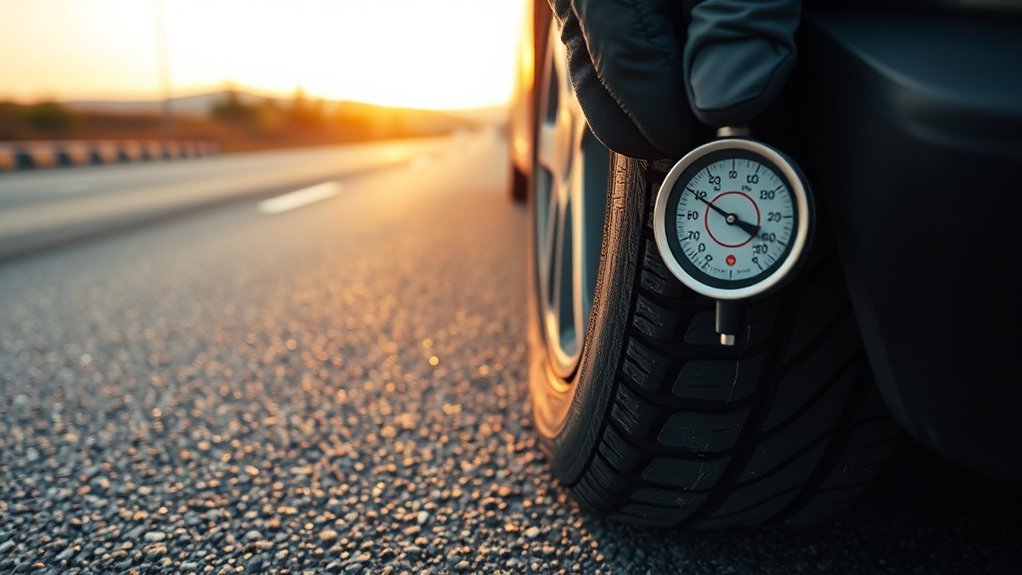
Most tires last about 25,000 to 70,000 miles, but mileage is only a starting point. Tire type, tread compound, road surface, climate, vehicle weight, alignment, inflation, rotation habits, and driving style all change how long a set lasts. A tire can be worn out at 30,000 miles, or it can age out even if it still has tread, so check tread depth, tire age, visible damage, and ride feel together.
Quick Answer
Most everyday all-season tires last about 50,000 to 70,000 miles with good maintenance. Summer, winter, and high-performance tires often wear sooner. Replace tires at 2/32 inch tread depth at the latest, but plan earlier for rain, snow, cracking, bulges, vibration, uneven wear, or age.
Key Takeaways
- All-season and touring tires commonly last 50,000 to 70,000 miles, but some drivers get much less or more depending on maintenance and use.
- Performance, summer, and winter tires usually wear faster because their compounds are built more for grip than maximum tread life.
- Use 2/32 inch as the minimum replace-now tread limit; for wet roads, start planning around 4/32 inch, and for snow, around 5/32 inch.
- Check tire pressure monthly, rotate on schedule, and inspect for cracks, bulges, vibration, exposed cords, and uneven wear.
- After about five years of service, have tires inspected regularly by a professional; many manufacturers recommend replacing tires by ten years from the DOT manufacture date.
At a Glance
| Time Required | 5 to 10 minutes per month |
| Difficulty | Easy |
| Tools Needed | Tire pressure gauge, tread depth gauge, penny or quarter, flashlight |
| Cost | $0 to $10 for basic checks; more if alignment, balancing, or replacement is needed |
How Many Miles Do Tires Last?
Most passenger-car tires fall somewhere between 25,000 and 70,000 miles, but the range is wide because tire designs are different. A quiet touring tire is usually built to last longer than a sticky high-performance tire. A winter tire may grip cold roads well but wear quickly in warm weather. A truck, EV, or SUV can also wear tires faster because extra weight and torque put more load on the tread.
| Tire Type | Typical Mileage Range | What to Know |
|---|---|---|
| All-season / touring | About 50,000 to 70,000 miles | Usually the longest-lasting choice for normal commuting when pressure, rotation, and alignment are maintained. |
| Summer tires | About 25,000 to 40,000 miles | Built for warm-weather grip, so tread life is usually shorter than a touring tire. |
| Winter tires | About 20,000 to 40,000 miles | Soft cold-weather compounds wear quickly if driven in warm temperatures. |
| High-performance tires | About 15,000 to 30,000 miles | More grip usually means faster wear, especially with hard acceleration, cornering, and braking. |
Those numbers are estimates, not guarantees. Michelin notes that tire life depends on design, driving habits, climate, road conditions, and maintenance. The best answer is to track both mileage and condition.
Why Mileage Is Only a Starting Point
Mileage tells you how much use the tires have seen, but it does not tell the whole story. Two identical tires can age very differently. One driver may get long life from smooth highway driving, monthly pressure checks, and regular rotations. Another may wear out the same tire early with underinflation, potholes, heavy loads, poor alignment, or aggressive driving.
Note: Tire tread can look acceptable while the tire is still unsafe because of age, sidewall damage, internal impact damage, or dry rot. Do not use mileage alone to decide whether a tire is safe.
What Shortens Tire Life Most
The biggest tire-life killers are poor inflation, skipped rotations, bad alignment, aggressive driving, and rough road conditions. Underinflated tires flex too much, build heat, and can wear unevenly. Overinflated tires can ride harshly and become more vulnerable to impact damage. Potholes, curbs, gravel, road debris, and heavy loads also shorten tread life.
USTMA recommends focusing on tire pressure, tread, rotation, and alignment as the core maintenance habits. It also recommends checking tire pressure at least once a month and before long trips.
- Check tire pressure monthly when tires are cold.
- Use the pressure listed on the driver-door label or owner’s manual, not the number printed on the tire sidewall.
- Rotate tires at the interval in your owner’s manual or tire warranty booklet.
- Schedule an alignment check after hard pothole hits, curb impacts, or uneven wear.
- Slow down on broken pavement and avoid hard launches, sudden braking, and sharp cornering when possible.
- Store seasonal tires in a cool, dry, dark place away from direct sunlight and ozone sources.
Pro Tip: Do not rely only on the TPMS light. Many systems warn only after pressure is already significantly low, so a monthly gauge check is still worth doing.
Signs Your Tires Are Wearing Out
Once tire life starts dropping, warning signs usually show up in the tread, sidewalls, or driving feel. Inspect all four tires, not just the easiest one to see. Also check the inside shoulder of each tire, because alignment problems often hide there.
| Sign | Likely Meaning | What to Do |
|---|---|---|
| Tread at 2/32 inch or wear bars flush with tread | Minimum legal / replace-now tread depth | Replace the tire immediately. |
| Cracks, dry rot, or discoloration | Aging rubber or environmental damage | Have the tire inspected; replace if cracking is significant. |
| Uneven wear across the tread | Alignment, inflation, suspension, or rotation issue | Fix the cause before installing new tires. |
| Bulges, blisters, exposed cords, or sidewall cuts | Structural damage | Do not keep driving on it; replace it. |
| New vibration, thumping, pulling, or noise | Possible imbalance, separation, uneven wear, or damage | Get a tire and suspension inspection as soon as possible. |
| Tire is 10 years old from manufacture date | Age-related rubber degradation risk | Replace as a precaution, including spare tires. |
Warning: A bulge, exposed cord, deep sidewall cut, or tire that has been driven flat is not a “watch it for a while” issue. Stop using that tire and have it replaced or professionally inspected before normal driving.
[Products Worth Considering]

The SAFELIFE dial tire tread depth gauge measures tread depth in 1/32 inch increments with clear, easy-to-read 2-inch dial face. Color zones using a traffic light system help you quickly judge whether tread is low, marginal, or ample for safer driving. Built with a durable zinc cast body and a metal detect probe for precise, comfortable use across cars, motorcycles, trucks, and buses.

Measure tire tread depth quickly and accurately with this LUMITECO dial gauge that reads in 1/32" increments up to 14/32". The color-coded green/yellow/red zones make it easy to judge tire wear and know when replacement is needed. A rugged, compact design with a protective pouch helps keep the gauge ready for use on cars, trucks, motorcycles, and more.

Monitor tire tread wear with a smart, color-coded depth gauge that shows clear condition ranges at a glance. The bar is range marked for fast, easy readings, helping you maintain safer traction and performance. Each gauge is portable with a pocket clip, and the set includes 20 units for daily use and sharing.
How to Check Tread Depth and Tire Age
The most accurate way to check tread depth is with an inexpensive tread depth gauge. Measure several grooves on each tire, including the inner, center, and outer tread. If one spot is much lower than the rest, treat the lowest reading as the important one.
- Use a tread depth gauge. Insert the probe into the tread groove, press the shoulders flat against the tread, and read the depth in 32nds of an inch.
- Use the penny test for a quick check. Place a penny into the tread with Lincoln’s head facing down. If the top of his head is fully visible, the tire is around the 2/32 inch replace-now point. Bridgestone explains this method as a simple way to check the 2/32 inch threshold.
- Use wear bars. Tire wear indicators sit inside the tread grooves. When the tread is flush with those bars, the tire has reached its minimum depth.
- Check the DOT date code. The last four digits show the week and year of manufacture. For example, 3520 means the tire was made in the 35th week of 2020.
AAA testing found that, on wet pavement, tires worn to 4/32 inch needed significantly more stopping distance than new tires. That is why 2/32 inch should be treated as the last limit, not the best safety target for rainy driving.
[Products Worth Considering]

Accurately measure tire tread depth with a calibrated gauge marked from 0 to 1 inch in 1/32 inch increments. The color-coded bar helps you quickly identify tread condition ranges, supporting safe driving for trucks, motorcycles, automobiles, and passenger vehicles.

Measure tyre tread depth precisely with a digital gauge that reads in both MM and inches, helping you monitor safe driving conditions. The large LCD screen is easy to operate, and the compact tool fits for cars, trucks, and motorcycles. It provides high accuracy with a 0-25.4mm range and includes a 1-year warranty for added peace of mind.

This 12-inch LUMITECO dual head tire pressure gauge features an integrated straight-on chuck and a 30° reverse chuck to reach hard-to-access dual wheel valves. Its 10–150 PSI / 1–10 BAR range with a clear, two-sided scale helps you quickly check tire pressure for safer, smoother driving. Heavy-duty construction and a simple no-battery design make it a reliable tool for trucks, cars, RVs, and motorcycles.
How to Make Tires Last Longer
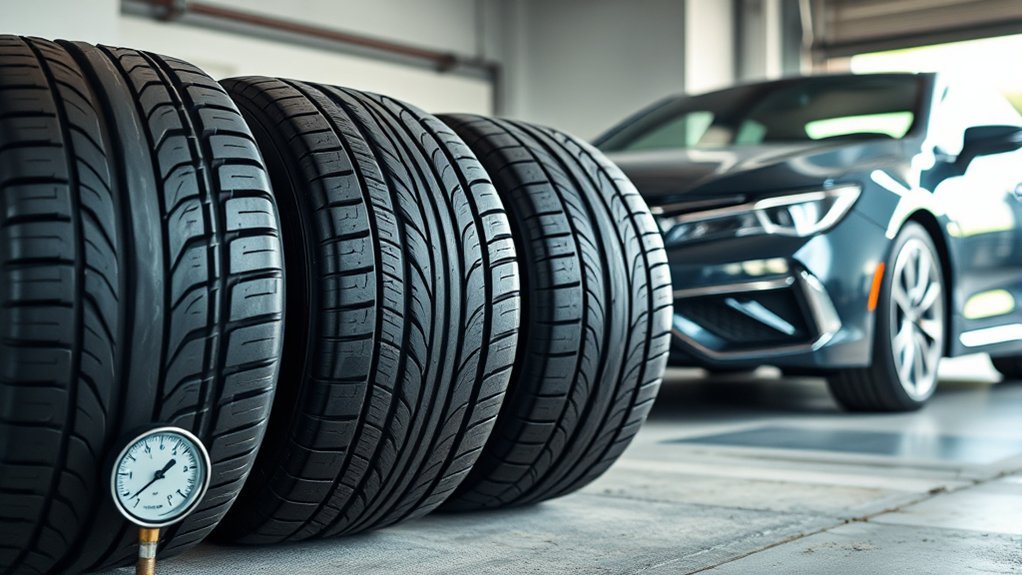
Keeping tires in service longer starts with controlling the variables that drive wear. Check air pressure regularly, rotate tires on schedule, keep the wheels aligned, and drive smoothly. Tire manufacturers design tires for specific service conditions, but your habits decide whether the tread reaches its full useful life.
- Keep a pressure log. Check all four tires and the spare when cold, at least monthly.
- Rotate tires consistently. Follow the vehicle owner’s manual or tire warranty booklet, especially if your vehicle is front-wheel drive, rear-wheel drive, AWD, or an EV.
- Fix alignment problems early. Feathered edges, shoulder wear, or a steering wheel that is off-center can waste a new set of tires quickly.
- Balance when needed. Vibration at speed can come from imbalance, bent wheels, tire damage, or uneven wear.
- Drive smoothly. Hard braking, fast starts, and aggressive cornering create heat and scrub tread away faster.
- Use the right tire for the season. Winter tires should not be run through hot months, and summer tires should not be used in freezing conditions unless the manufacturer allows it.
When to Replace Your Tires
You should replace tires when tread, age, damage, or performance says they are no longer safe. Do not wait for all warning signs to appear. One serious sign can be enough.
| Condition | Replacement Guidance |
|---|---|
| Dry roads only | Replace no later than 2/32 inch tread depth. |
| Frequent rain or wet roads | Start planning replacement around 4/32 inch because wet braking and hydroplaning resistance decline as tread wears. |
| Snow driving | Plan replacement around 5/32 inch if you rely on the tire for snow traction. |
| Visible damage | Replace if you see bulges, exposed cords, severe cracking, sidewall cuts, or major tread damage. |
| Age | Have tires inspected regularly after about five years of service and replace by ten years from manufacture as a precaution, unless the tire or vehicle maker says sooner. |
Tire Rack recommends replacing tires at about 5/32 inch for snow, 4/32 inch for wet roads, and 2/32 inch for dry roads. Michelin recommends a professional inspection after five years of service and replacement after ten years from manufacture, including spare tires.
[Products Worth Considering]

Milton S-921 pencil tire pressure gauge helps you maintain optimal tire pressure for passenger cars with accurate readings in PSI and kPa. It features a built-in deflator valve for convenient pressure adjustments, plus a single chuck head and nylon indicator bar for easy use on the go. Built from durable plated brass and designed for reliable performance, it’s a practical road trip and cold-weather maintenance tool.

Steelman white tire marking crayons provide high-contrast, semi-permanent marks for repairing and inspecting tires and equipment. They write on wet or dry, smooth or coarse surfaces including rubber, metal, glass, and wood, making them ideal for puncture location and damage outlining. The lead- and zinc-free crayons resist weather and fading yet wipe away when you no longer need the marks.

The Milton S-693 straight foot dual head air chuck is designed for accurate tire pressure checks and quick, secure valve-core engagement with lock-on threads on both ends. With a 1/4" FNPT connection and a maximum 150 PSI rating, it’s built for use on inner duals and common vehicle tires, including trucks and RVs.
Frequently Asked Questions
Is 30,000 miles good for a set of tires?
Yes, 30,000 miles can be normal for performance, summer, winter, or hard-used tires. For many all-season touring tires, 30,000 miles is on the low side unless the vehicle is heavy, the roads are rough, the alignment is off, or the tires have not been rotated and inflated properly. Check tread depth and wear pattern before judging by mileage alone.
Is a 40,000-mile tire good?
A 40,000-mile tire can be a good choice if it fits your driving needs. Some tires trade longer tread life for better grip, handling, or winter traction. Compare the tire’s warranty, UTQG treadwear rating, reviews, and intended use instead of assuming a higher mileage rating is always better.
Is 20,000 miles on tires a lot?
For all-season touring tires, 20,000 miles is usually not a lot. For high-performance tires, winter tires used hard, or tires on a heavy EV or SUV, 20,000 miles can be a meaningful amount of wear. The answer depends on tread depth, age, tire type, and wear pattern.
Should I replace tires at 2/32 inch or before?
Replace at 2/32 inch at the latest. That is the minimum tread depth where wear bars are flush with the tread. If you drive often in rain, start shopping around 4/32 inch. If you need snow traction, start planning around 5/32 inch.
Do tires expire if I barely drive?
Yes. Low mileage does not stop rubber from aging. Heat, sunlight, ozone, storage conditions, and time can make tires crack or harden. Check the DOT date code, inspect sidewalls, and have older tires professionally checked even if the tread still looks deep.
Do premium tire brands last longer?
Sometimes, but not always. Premium brands often offer strong engineering, warranty coverage, and consistent performance, but tread life still depends on the specific model. Compare tires by category, warranty, treadwear rating, independent tests, climate needs, and your driving style rather than choosing by brand name alone.
Conclusion
Tires usually last somewhere between 25,000 and 70,000 miles, with all-season touring tires often reaching the higher end and performance or seasonal tires wearing sooner. The safest approach is to measure tread depth, check tire age, inspect for damage, and watch for changes in ride feel. Replace tires at 2/32 inch at the latest, plan earlier for rain or snow, and do not ignore cracks, bulges, vibration, exposed cords, or old DOT dates. Your tires are the only part of the vehicle touching the road, so their condition matters more than the odometer number.
Sources
- NHTSA TireWise — tire safety, maintenance, labeling, and consumer tire guidance.
- U.S. Tire Manufacturers Association Tire Care Essentials — pressure, tread, rotation, and alignment maintenance basics.
- Michelin: When to Replace Tires — tire age, five-year inspections, ten-year replacement precaution, and replacement signs.
- Bridgestone: How to Check Tire Tread Depth — penny test, tread gauge, wear bars, and 2/32 inch guidance.
- AAA: Worn Tires Put Drivers at Risk — wet-road stopping-distance data for tires worn to 4/32 inch.
- Tire Rack: When Should Tires Be Replaced? — tread-depth guidance for dry, wet, and snow driving.

