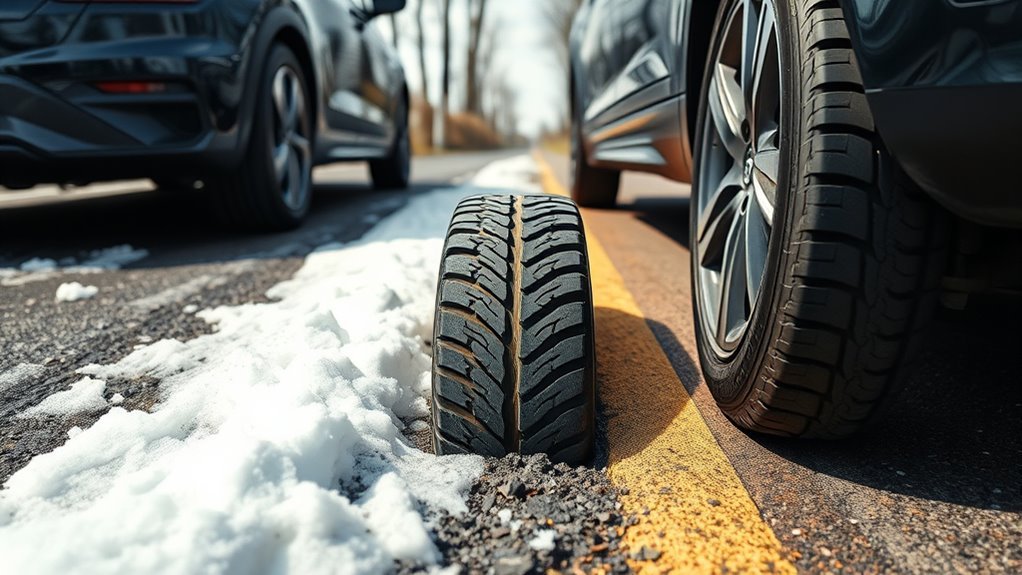
Choosing between summer tires and all-season tires comes down to temperature, weather, and how much handling performance you want. Summer tires are best for warm roads and responsive driving, while all-season tires are built for convenience across mild dry, wet, and light-snow conditions. The right choice is not the tire with the sportiest label; it is the tire that matches the roads you actually drive.
Quick Answer
Pick summer tires if your weather is consistently above about 45°F and you want sharper steering, stronger warm-weather grip, and better performance braking. Choose all-season tires if you need one practical set for mild year-round driving, rain, cooler temperatures, and occasional light snow.
Key Takeaways
- Summer tires deliver the best warm-weather dry and wet grip, but they are not designed for freezing temperatures, snow, or ice.
- All-season tires trade peak handling for longer tread life, lower maintenance, and usable traction in a wider range of mild conditions.
- Use the 45°F rule as a practical guide: when daily temperatures regularly fall below that point, summer tires become the wrong tool.
- If you deal with real winter weather, look for 3PMSF-rated winter or all-weather tires, not basic M+S markings alone.
- Always match tire size, load rating, speed rating, tread type, and tire pressure to your vehicle’s placard and owner’s manual.
At a Glance
| Time Required | 10–20 minutes to check climate, tire size, markings, and tread depth |
| Difficulty | Easy |
| Tools Needed | Tire pressure gauge, tread depth gauge or penny, vehicle placard, local forecast |
| Cost | Varies by size, brand, speed rating, and whether you need seasonal mounting or a second wheel set |
How to Choose: All-Season vs Summer Tires
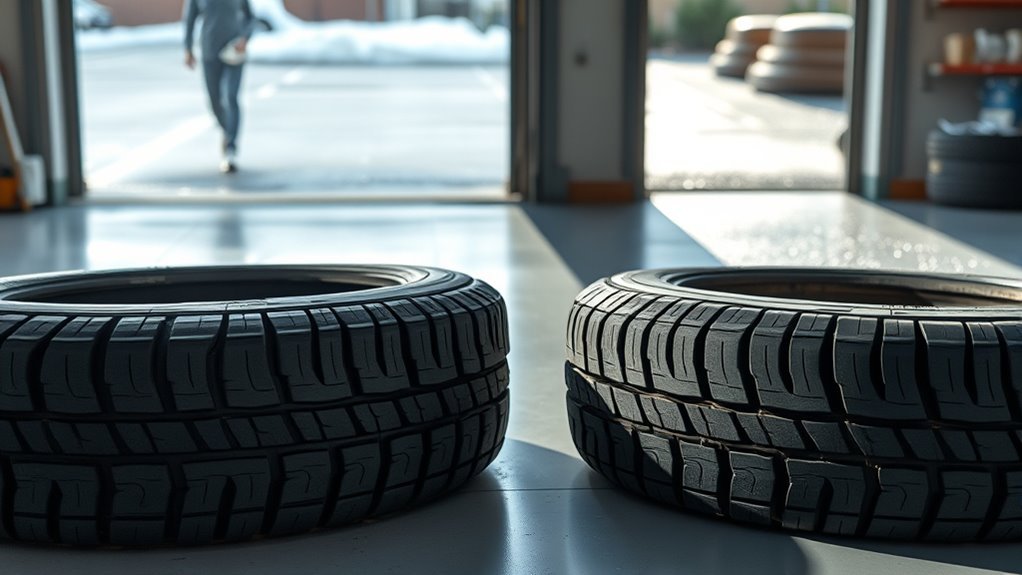
Start with the climate, then think about how you drive. If your area stays warm most of the year and you care about steering feel, cornering grip, and warm-weather braking, summer tires are the performance choice. They use rubber compounds and tread designs made to stay planted on warm pavement, especially in dry weather and warm rain.
If your weather swings between warm days, cold mornings, heavy rain, and the occasional dusting of snow, all-season tires are usually the easier daily-driver choice. Their tread blocks, grooves, and siping are designed to work across more conditions, even though they cannot match a summer tire’s peak warm-weather grip or a winter tire’s cold-weather traction.
| Best Fit | Summer Tires | All-Season Tires |
|---|---|---|
| Warm dry grip | Excellent | Good |
| Warm wet grip | Excellent when tread is healthy | Good for everyday rain |
| Cold weather | Poor below about 45°F | Better, but limited in true winter |
| Snow and ice | Not suitable | Light snow only unless 3PMSF-rated |
| Tread life | Usually shorter | Usually longer |
| Seasonal swaps | Needed in cold climates | Often avoidable in mild climates |
Note: “All-season” does not mean “all weather.” A basic M+S all-season tire may be fine for mild cold and light snow, but frequent snow, ice, or mountain driving calls for winter tires or 3PMSF-rated all-weather tires.
[Products Worth Considering]

Monitor tire tread wear with a smart, color-coded depth gauge that shows clear condition ranges at a glance. The bar is range marked for fast, easy readings, helping you maintain safer traction and performance. Each gauge is portable with a pocket clip, and the set includes 20 units for daily use and sharing.

Measure tire tread depth quickly and accurately with this LUMITECO dial gauge that reads in 1/32" increments up to 14/32". The color-coded green/yellow/red zones make it easy to judge tire wear and know when replacement is needed. A rugged, compact design with a protective pouch helps keep the gauge ready for use on cars, trucks, motorcycles, and more.

Steelman white tire marking crayons provide high-contrast, semi-permanent marks for repairing and inspecting tires and equipment. They write on wet or dry, smooth or coarse surfaces including rubber, metal, glass, and wood, making them ideal for puncture location and damage outlining. The lead- and zinc-free crayons resist weather and fading yet wipe away when you no longer need the marks.
When to Switch: Temperature Thresholds for Tires
Temperature matters more than the calendar. A practical rule is to use summer tires only when temperatures are consistently above about 45°F. Below that range, summer tire rubber becomes less flexible, which reduces grip and can make braking and cornering less predictable. Michelin gives the same general 45°F switching point for seasonal tire changes, and Transport Canada notes that summer and all-season tires begin losing elasticity below 7°C, which is about 45°F.
Track local trends instead of reacting to one strange weather day. A single cold morning does not always mean you need to swap tires, but a steady pattern of cold mornings, frost, or freezing rain does. In spring, wait until overnight lows and daily averages stay reliably above the threshold before reinstalling summer tires.
Use summer tires when the weather is consistently warm. Use all-season, all-weather, or winter tires when cold mornings, frost, snow, or ice are part of your normal driving week.
- Check 7–14 day forecasts before switching tire sets.
- Prioritize overnight lows, not just afternoon highs.
- Do not use summer tires on snow or ice.
- Use winter tires for frequent freezing weather, packed snow, or icy roads.
- Use all-season tires for mild mixed climates where heavy winter weather is rare.
Warning: Some performance summer tires can suffer compound cracking or tread damage if driven, flexed, or even stored improperly near or below freezing. Always check the tire maker’s service guidance for your exact model.
Why Summer Tires Grip Better
Summer tires grip better in warm conditions because they are built around performance instead of year-round compromise. Their rubber compound, tread pattern, and contact patch are designed to work best on warm pavement.
Softer Rubber Compound
Summer tires use warm-weather compounds that stay pliable on hot roads. That flexibility helps the tread conform to the pavement, giving you stronger acceleration, braking, and cornering than a typical touring all-season tire in the same warm conditions.
The trade-off is cold-weather weakness. Once temperatures drop, that same compound can stiffen and lose the grip advantage it has in summer. That is why a summer tire can feel sharp and confident in July but nervous on a cold November morning.
Tread Contact Area
Summer tires often have larger tread blocks, fewer sipes, and less void area than all-season tires. That puts more rubber on the road, which improves steering response and cornering stability in warm dry conditions. The design also helps reduce tread squirm, so the car reacts more quickly when you turn the wheel.
Warm-Weather Adhesion
Heat helps summer tires reach their working range. As the tire warms, the compound can provide stronger adhesion to the road surface. This is why performance cars, sports sedans, and warm-climate drivers often prefer summer tires when they want the most direct control.
- Better warm-weather compound flexibility
- Larger contact patch for stronger dry grip
- More precise steering feel
- Shorter warm-weather braking potential compared with many all-season tires
- Not suitable for snow, ice, or freezing pavement
How All-Season Tires Balance Grip and Usability
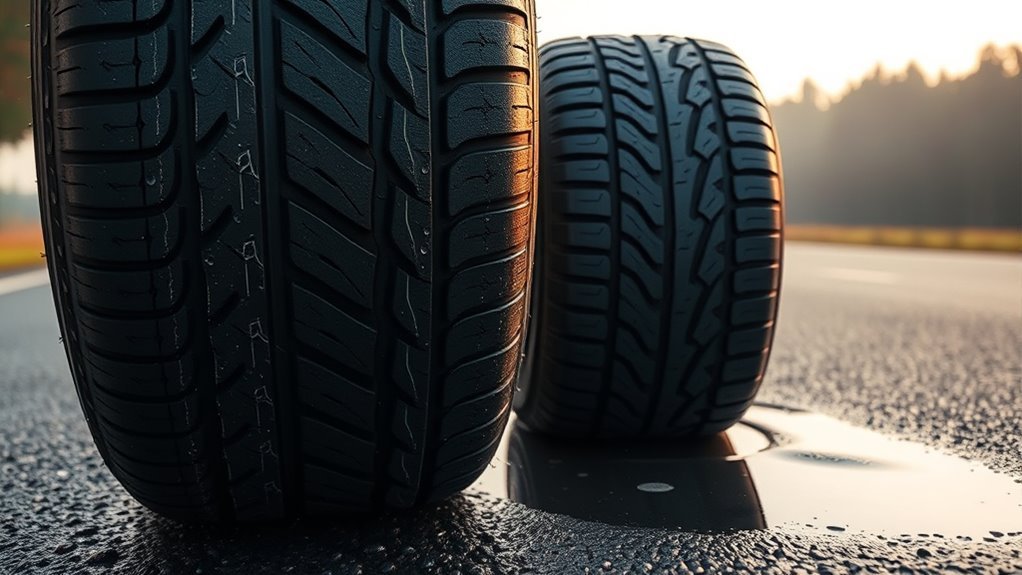
All-season tires are built for drivers who want one practical tire for most everyday conditions. They use tread patterns with grooves and sipes that help in rain and light snow, and their compounds are designed to work across a wider temperature range than summer tires.
The compromise is simple: all-season tires usually cannot match summer tires for warm-road steering response, and they cannot match winter tires on snow or ice. What they offer is convenience, longer tread life in many categories, and dependable daily use in moderate climates.
Year-Round Traction Tradeoffs
An all-season tire is a compromise by design. It must handle dry roads, rain, cool temperatures, and light snow without being excellent at every one of them. For many commuters, that balance is exactly the point.
- Wider grooves help move water away from the contact patch.
- Sipes add biting edges for light snow and cooler roads.
- Harder, more durable compounds often support longer mileage.
- Touring all-seasons usually ride quieter and smoother than performance summer tires.
- Severe snow and ice still require winter tires or 3PMSF-rated all-weather tires.
Maintenance and Tread Life
All-season tires often last longer than summer tires because they are designed for durability as well as traction. Many all-season tire warranties fall in the 40,000- to 70,000-mile range, but actual life depends on tire model, alignment, inflation, rotation, load, road surface, and driving style.
Check pressure and tread monthly. The National Highway Traffic Safety Administration advises using the vehicle manufacturer’s recommended pressure, not the maximum pressure printed on the tire sidewall. The U.S. Tire Manufacturers Association also recommends regular checks for pressure, tread, rotation, and alignment.
Pro Tip: Rotate tires on the schedule in your owner’s manual. Even the best all-season tires wear quickly if alignment is off or pressure is ignored.
Tread Life: Why Summer Tires Wear Faster

Summer tires often wear faster because their compounds and tread designs favor grip. A softer performance compound can give you sharper handling, but it usually gives up some mileage. Aggressive driving, high heat, hard cornering, poor alignment, and underinflation can make that wear happen even faster.
Do not rely only on the legal minimum. In the U.S., 2/32 inch is the common minimum tread depth at which tires must be replaced, and tire wear bars are designed around that point. But wet-road performance can decline before a tire reaches the minimum, so many drivers replace tires earlier if they regularly drive in heavy rain.
- Softer compound: improves grip but can reduce tread life.
- Performance tread: improves response but may have less usable tread depth than a touring tire.
- Driving style: hard braking and cornering accelerate wear.
- Maintenance: pressure, rotation, and alignment matter as much as tire category.
- Weather: using summer tires in cold conditions can reduce safety and may damage certain performance compounds.
Handling & Braking: All-Season vs Summer Tires
In warm weather, summer tires generally give you quicker steering response, stronger dry grip, and better performance braking than all-season tires. The difference is most noticeable in emergency maneuvers, spirited cornering, and performance vehicles with suspensions tuned for high-grip tires.
All-season tires feel calmer and more practical. They may not turn in as sharply, but they usually ride comfortably, wear longer, and give you more usable traction when temperatures drop. Modern high-performance all-season tires have improved a lot, but they are still built to cover more conditions rather than dominate one.
| Feature | Summer Tires | All-Season Tires |
|---|---|---|
| Warm dry grip | Best | Good |
| Warm wet grip | Strong when tread is healthy | Good for everyday rain |
| Steering response | Sharper | Softer and more relaxed |
| Cold grip | Weak | Better, but not winter-level |
| Ride comfort | Can feel firmer | Often smoother |
Hydroplaning and Wet Performance Compared
Wet performance depends on both tread design and temperature. In warm rain, a good summer tire can brake and corner very well because the compound stays flexible and the tread is designed to maintain road contact. But as temperatures fall, summer tires lose much of that advantage.
All-season tires are built to handle everyday rain over a broader temperature range. Their grooves and siping help move water and create biting edges, but they may not feel as crisp as summer tires during hard warm-weather cornering.
- Summer tires: best for warm rain when tread depth is healthy.
- All-season tires: more versatile in cool rain and mixed temperatures.
- Worn tires: increase hydroplaning risk no matter what category they are.
- Driving speed: slowing down in standing water matters more than tire category alone.
Warning: A premium tire with low tread is still unsafe in heavy rain. Replace tires before tread depth, cracking, or uneven wear puts wet traction at risk.
Which Tire for Your Climate and Driving Style
The easiest way to choose is to match the tire to your worst normal driving conditions, not your best ones. A driver in Florida, Arizona, or coastal Southern California has different needs than a driver in Minnesota, Ontario, or the Colorado mountains.
| Driving Situation | Recommended Tire Type | Why |
|---|---|---|
| Warm climate, no freezing weather | Summer tires or all-season tires | Choose summer for performance, all-season for mileage and comfort |
| Mild seasons with rain and cool mornings | All-season tires | Better year-round practicality |
| Frequent cold below 45°F | All-season, all-weather, or winter tires | Summer tires lose their safe operating advantage |
| Frequent snow or ice | Winter tires | Best cold-weather traction and braking |
| One set for mild winter plus light snow | 3PMSF all-weather tires | Better snow certification than basic M+S all-seasons |
| Performance car in a warm area | Summer tires | Best match for handling and braking capability |
[Products Worth Considering]

The SAFELIFE dial tire tread depth gauge measures tread depth in 1/32 inch increments with clear, easy-to-read 2-inch dial face. Color zones using a traffic light system help you quickly judge whether tread is low, marginal, or ample for safer driving. Built with a durable zinc cast body and a metal detect probe for precise, comfortable use across cars, motorcycles, trucks, and buses.

Accurately measure tire tread depth with a calibrated gauge marked from 0 to 1 inch in 1/32 inch increments. The color-coded bar helps you quickly identify tread condition ranges, supporting safe driving for trucks, motorcycles, automobiles, and passenger vehicles.

Milton S-921 pencil tire pressure gauge helps you maintain optimal tire pressure for passenger cars with accurate readings in PSI and kPa. It features a built-in deflator valve for convenient pressure adjustments, plus a single chuck head and nylon indicator bar for easy use on the go. Built from durable plated brass and designed for reliable performance, it’s a practical road trip and cold-weather maintenance tool.
Buying Checklist: Size, 3PMSF/M+S, Warranties, and Mixing
Before buying, check the tire placard on the driver-side door jamb and your owner’s manual. Match the tire size, load index, and speed rating unless a qualified tire professional confirms an approved alternative. Tire size affects handling, clearance, speedometer accuracy, and safety systems.
- Confirm size: match width, aspect ratio, wheel diameter, load index, and speed rating.
- Check the tire type: summer, all-season, all-weather, and winter tires are not interchangeable labels.
- Look for 3PMSF: the three-peak mountain snowflake means the tire meets specific snow traction performance requirements.
- Understand M+S: mud-and-snow marking is common on all-season tires, but it is not the same as a severe snow-service certification.
- Read the warranty: mileage warranties depend on tire category, rotation records, alignment, inflation, and proper use.
- Avoid mixing types: do not mix summer and all-season tires on the same vehicle unless the vehicle manufacturer specifically allows it.
- Replace in sets when possible: matching tires help preserve predictable handling and stability-control behavior.
The three-peak mountain snowflake symbol is especially important if you drive in snow. Transport Canada explains that tires with this symbol meet specific snow traction performance requirements and are designed for severe snow conditions.
[Products Worth Considering]

The Kurgo Seasonal Tire Tote helps protect your car interior, clothes, and garage from tire grime, brake dust, and residue during seasonal tire changes. Its universal design fits most passenger tires between 22" and 31" in diameter, making storage and transport simpler with less mess. Built for rugged, repeated use, it’s machine washable for easy care and comes with a lifetime warranty.

The Continental Grand Prix 5000 is an allround road bike tire engineered for faster rolling, improved ride comfort, and enhanced puncture protection. It features a Vectran Breaker cut-protection layer, Lazer Grip micro-profile tread for confident cornering control, and Active Comfort Technology to damp vibration for smoother rides. BlackChili compound optimizes grip and speed for everyday performance and long-lasting confidence.

TIRESHIELD PRO RV tire covers in a set of four deliver year-round protection against UV rays, cracking, fading, water, and snow. The StormLock-System helps keep the covers securely fastened through high wind, while heavy-duty, double-stitched construction supports long-lasting performance. Designed for universal fit, they’re intended for RV, camper, truck, car, and trailer tires within the 26–28.75 inch diameter range, with easy wipe-clean care and storage in the included bag.
Common Mistakes to Avoid
The wrong tire choice usually happens when drivers focus on one feature and ignore the full driving environment. Avoid these common mistakes before you spend money.
- Buying summer tires for a cold climate: they may feel great in warm months but become risky when temperatures drop.
- Assuming all-season means snow-ready: basic all-seasons are limited in snow and poor on ice.
- Ignoring tread depth: wet traction can fade before the tire reaches the legal minimum.
- Mixing tire categories: uneven grip front-to-rear can make emergency handling unpredictable.
- Using tire sidewall pressure: inflate to the vehicle placard, not the maximum pressure printed on the tire.
- Skipping rotations: uneven wear shortens tire life and can increase noise or vibration.
Simple Decision Guide
Use this quick process before you buy:
- Check your normal low temperatures. If they regularly fall below about 45°F, do not run summer tires year-round.
- Check your winter conditions. If you see frequent snow, ice, or mountain roads, choose winter tires or 3PMSF-rated all-weather tires.
- Decide your priority. Choose summer tires for warm-weather performance; choose all-season tires for convenience and tread life.
- Match the vehicle placard. Confirm size, load index, speed rating, and recommended tire pressure.
- Plan maintenance. Budget for rotations, alignments, pressure checks, and seasonal storage if using two sets.
Frequently Asked Questions
At what temperature do summer tires lose grip?
Summer tires start losing their advantage when temperatures regularly fall below about 45°F. Below that range, the compound becomes less flexible, braking distances can increase, and handling can feel less predictable.
Can I use summer tires in light snow?
No. Summer tires are not designed for snow, ice, or freezing roads. Even light snow can overwhelm the compound and tread design, making braking and steering unsafe.
Do all-season tires work in winter?
All-season tires can work in mild winter conditions and light snow, but they are not the best choice for frequent freezing weather, packed snow, or ice. For true winter driving, use winter tires or 3PMSF-rated all-weather tires.
Do all-weather tires wear out faster than all-season tires?
They can, depending on the model. All-weather tires are built for broader cold-weather and snow capability, often with 3PMSF certification, so some may trade tread life for better year-round traction. Always compare the warranty and test data for the exact tire.
Are summer tires better in rain than all-season tires?
In warm rain, a good summer tire can offer excellent wet braking and cornering. In cold rain, all-season tires are usually the safer choice because summer compounds lose flexibility as temperatures drop.
When should I replace my tires?
Replace tires at or before 2/32 inch of tread, or sooner if you see cracks, bulges, exposed cords, uneven wear, vibration, or poor wet traction. For heavy rain or winter driving, replacing earlier is often safer than waiting for the legal minimum.
Conclusion
Choose summer tires if your roads stay warm and you want the best steering response, dry grip, and warm-weather wet performance. Choose all-season tires if you want one practical set for mild weather, rain, cooler mornings, longer tread life, and fewer seasonal changes. If your climate includes real snow or ice, move beyond the summer-vs-all-season debate and look at winter tires or 3PMSF-rated all-weather tires.
The safest tire is the one that matches your climate, your vehicle, and your driving style. Check the temperature pattern, read the sidewall markings, follow your vehicle placard, and maintain pressure, tread, rotation, and alignment.
Sources
- NHTSA TireWise — tire pressure, tire safety, tread checks, and vehicle placard guidance
- U.S. Tire Manufacturers Association Tire Care Essentials — monthly tire care, tread depth, rotation, pressure, and alignment guidance
- Michelin: Summer, Winter, and All-Season Tires — tire category differences and seasonal switching guidance around 45°F
- Tire Rack: Summer Performance Tires in Cold Temperatures — cold-temperature risks for summer performance tires
- Transport Canada: Using Winter Tires — 3PMSF symbol meaning and cold-weather tire guidance
- 49 CFR § 570.9 Tires — federal tire inspection criteria and matched tire considerations