You want tires that help your Toyota 4Runner stay on top of soft sand instead of digging in, while still behaving well on pavement. For sand, tire size, footprint, tread design, sidewall strength, and air pressure all matter. This guide focuses on four Amazon-linked tire sizes that match known 4Runner fitments across different model years, with clear notes so you can choose the right option for your exact year, trim, wheel size, and driving mix.
Affiliate disclosure: This roundup is reader-supported. When you click an Amazon link and make a qualifying purchase, we may earn a referral commission at no extra cost to you.
Fitment first: The links below point to specific tire sizes, not universal 4Runner fitments. Match the tire size, load index, speed rating, wheel diameter, and vehicle placard for your exact model year and trim before ordering. If you use aftermarket wheels, confirm brake clearance, wheel width, offset, and rubbing clearance with a qualified tire installer.
Top Picks
|
Category |
Product |
Best For |
|---|---|---|
|
🏆 Best Overall |
265/70R17 4Runners that mix pavement, sand, rain, and winter driving |
|
|
⭐ Best Rugged-Terrain |
265/70R17 drivers who want more off-road bite |
|
|
🎨 Best 16-Inch Comfort Pick |
Older 4Runner configurations using 265/70R16 |
|
|
💰 Best 18-Inch Value Pick |
Older 4Runner configurations using 265/60R18 |
How We Chose These Tires
For a 4Runner that sees sand, the first requirement is correct fitment. After that, we prioritized tires that can build a useful footprint when aired down appropriately, provide predictable steering, resist sidewall damage, and still remain practical for normal road use.
We also favored all-terrain and rugged-terrain designs over highly specialized choices because most 4Runner owners need one set of tires for pavement and off-road use. This is an editorial comparison based on published product specifications and fitment information, not a claim of hands-on testing.
Best Tires for a 4Runner on Sand
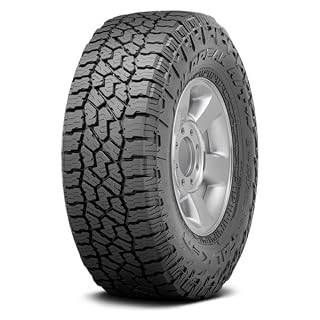
Falken Wildpeak A/T4W — Best Overall

All-terrain, all-weather tire for light trucks and SUVs. This Amazon listing is for size 265/70R17 115T, a common 4Runner size, and Falken lists the 4Runner among popular A/T4W fitments.
Check Product Details on AmazonSailun Terramax R/T — Best Rugged-Terrain

This 265/70R17 115T rugged-terrain tire uses a more aggressive tread than a typical highway tire and carries a Three-Peak Mountain Snowflake marking in the published listing information.
Check Product Details on AmazonCooper Discoverer Rugged Trek — Best 16-Inch Comfort Pick

This Amazon listing is for 265/70R16 112T. Cooper positions the Rugged Trek as an all-season SUV/truck tire with aggressive tread, on-road comfort, Three-Peak Mountain Snowflake certification, and a 60,000-mile limited tread-life warranty for the SUV version.
Check Product Details on AmazonCrosswind Trail Traxx — Best 18-Inch Value Pick
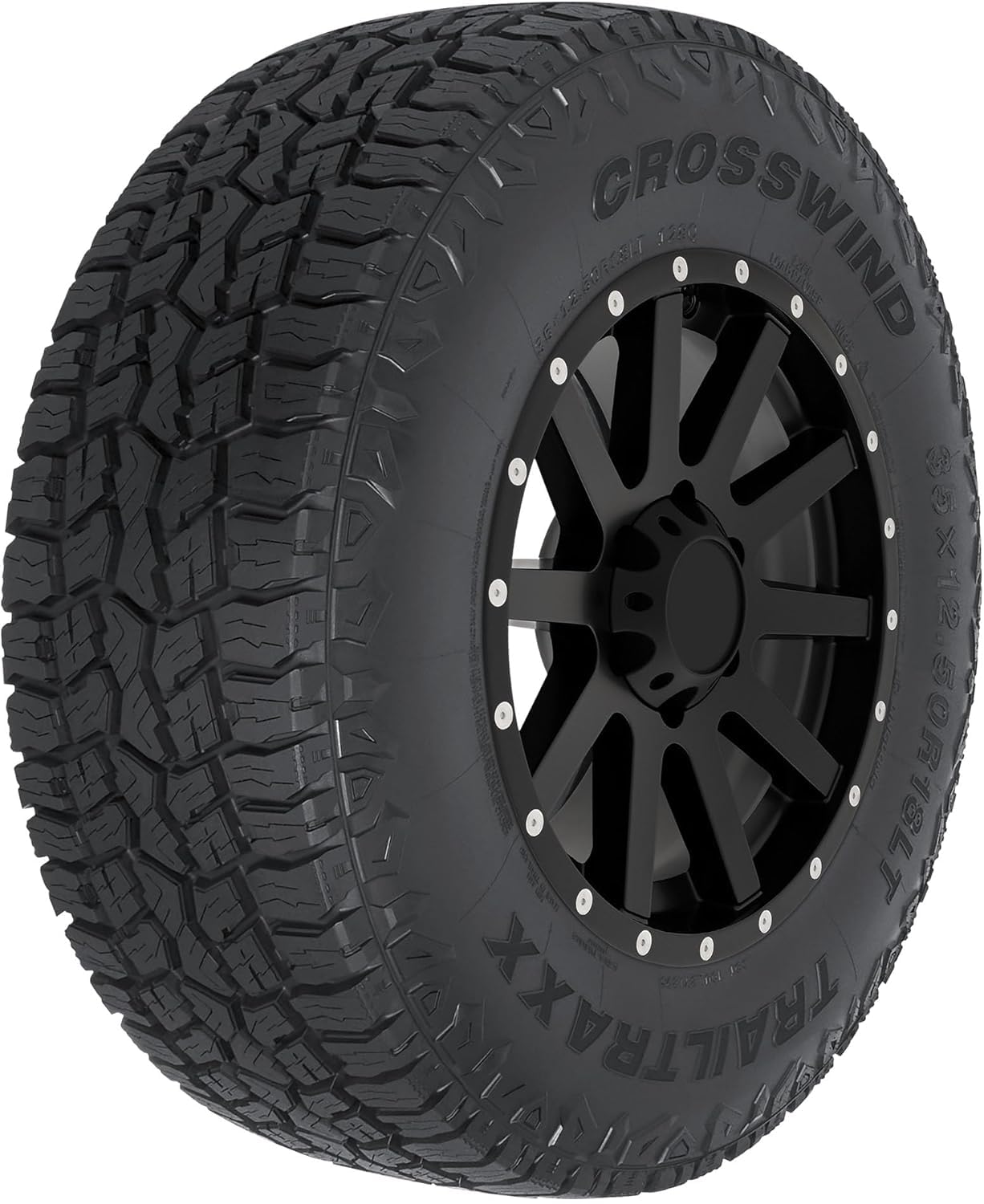
This retained Amazon listing is for the 265/60R18 110T Trail Traxx all-terrain tire. That size appears on certain older 4Runner configurations, so it can make sense for the right year and trim.
Check Product Details on AmazonBefore You Buy: 4Runner Sand Tire Checklist
- Match the exact size: Read the driver-door tire placard and confirm your current wheel diameter before buying.
- Check load and speed ratings: Do not use a replacement with a lower required load or speed capability than your vehicle specification.
- Think about your real driving mix: A more aggressive tire may help off pavement, but it can add noise, weight, and rolling resistance on the highway.
- Plan for airing down: Lower pressure can increase the footprint and improve flotation in soft sand, but there is no universal safe PSI for every 4Runner, tire, wheel, load, or sand condition.
- Carry recovery gear: Bring an accurate tire gauge, portable compressor, shovel, and appropriate traction/recovery equipment, then reinflate to the correct road pressure before sustained pavement driving.
Sand-driving safety note: Air down gradually and avoid aggressive wheelspin. Very low pressure can increase the risk of debeading or sidewall damage, especially with heavy loads or sharp steering. If you are unsure how low your setup can safely go, use conservative pressure reductions and get guidance from an experienced tire professional or local off-road operator.
FAQ
Which Tire Type Is Best for Sand?
For most mixed-use 4Runners, a capable all-terrain or rugged-terrain tire is a practical starting point because it can work on pavement and still provide useful traction off road. Wide mud-terrain tires can also work in sand, but tread aggression alone does not determine success. Flotation, air pressure, throttle control, and momentum matter just as much.
How Do I Prepare My 4Runner for Sand?
Check your tire condition, reduce pressure gradually when conditions require more flotation, and carry a reliable gauge and compressor so you can reinflate before highway driving. Keep recovery gear accessible, secure loose cargo, avoid sharp steering inputs, and stop spinning the tires if forward progress disappears because wheelspin can dig the vehicle deeper.
What Should I Look for When Buying Sand-Ready Tires?
Start with exact fitment: size, wheel diameter, load index, speed rating, and clearance. Then compare tread design, sidewall construction, tire weight, wet-road behavior, winter needs, road noise, tread-life warranty, and how much of your driving is actually off pavement.
Can I Use Any 265/70R17 Tire on a 4Runner?
No. The size may match, but the load index, speed rating, construction, wheel width range, and intended use still need to suit your exact vehicle. Always compare the replacement tire with the door-jamb placard and your current wheel specifications.
Are Mud-Terrain Tires Automatically Better in Sand?
No. Some mud-terrain tires can perform well in soft sand, especially when properly aired down, but they can also be heavier, noisier, and less refined on pavement. For a daily-driven 4Runner, a strong all-terrain or rugged-terrain tire often provides the better overall compromise.
Wrapping Up
If your 4Runner uses 265/70R17, the Falken Wildpeak A/T4W is the strongest all-around choice in this group because it balances road comfort, all-weather capability, and off-road use. The Sailun Terramax R/T is the more aggressive option for drivers who spend more time on loose surfaces. For older 4Runners, the Cooper Discoverer Rugged Trek 265/70R16 and Crosswind Trail Traxx 265/60R18 can make sense when those exact sizes match the vehicle.
Whichever tire you choose, fitment and sand-driving technique matter more than the badge on the sidewall. Confirm the exact size and service rating, use pressure adjustments conservatively, carry a compressor and recovery gear, and reinflate before returning to normal road speeds.
| Product | Tire Size | Load / Speed | Best For | Price |
|---|---|---|---|---|
| 265/70R17 | 115T | Best overall mixed road, weather, and sand use | Check Price | |
| 265/70R17 | 115T | More aggressive off-road and loose-surface use | Check Price | |
| 265/70R16 | 112T | Older 16-inch 4Runner fitments with comfort priority | Check Price | |
| 265/60R18 | 110T | Older 18-inch 4Runner fitments and value-focused mixed use | Check Price |