
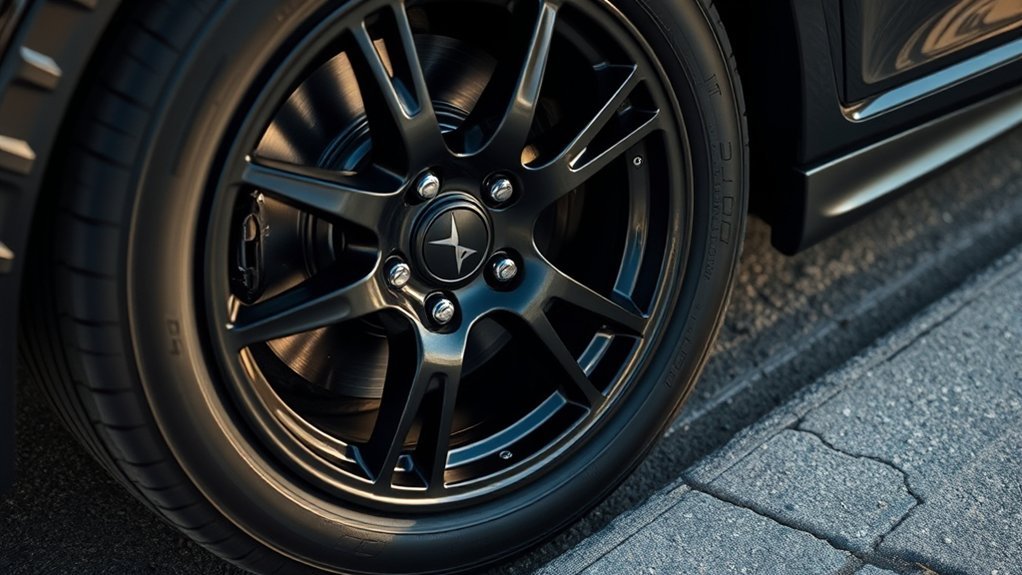
A tire rim protector is a raised or thickened section of rubber near the lower sidewall that helps shield the outer edge of a wheel from light curb contact. It can be useful if you have exposed alloy wheels, low-profile tires, or frequently park close to curbs. However, it is only extra protection—not a guarantee against wheel or tire damage.
Quick Answer
A tire rim protector is a molded lip or thicker area of rubber near the wheel rim. It can take some light curb contact before the metal wheel does, helping reduce cosmetic scuffs. It cannot reliably prevent bent wheels, cracked rims, serious sidewall damage, or damage from hard pothole impacts.
Key Takeaways
- A tire rim protector is normally an integral part of the lower tire sidewall, not a separately attached accessory.
- It can help reduce light curb rash and direct contact between the wheel lip and a curb.
- Protection varies with the tire model, tire size, wheel width, and how far the wheel flange sits relative to the tire.
- Run-flat construction does not automatically mean a tire has a rim protector.
- The feature does not replace correct tire sizing, inflation, careful parking, or inspection after a hard impact.
What Is a Tire Rim Protector?
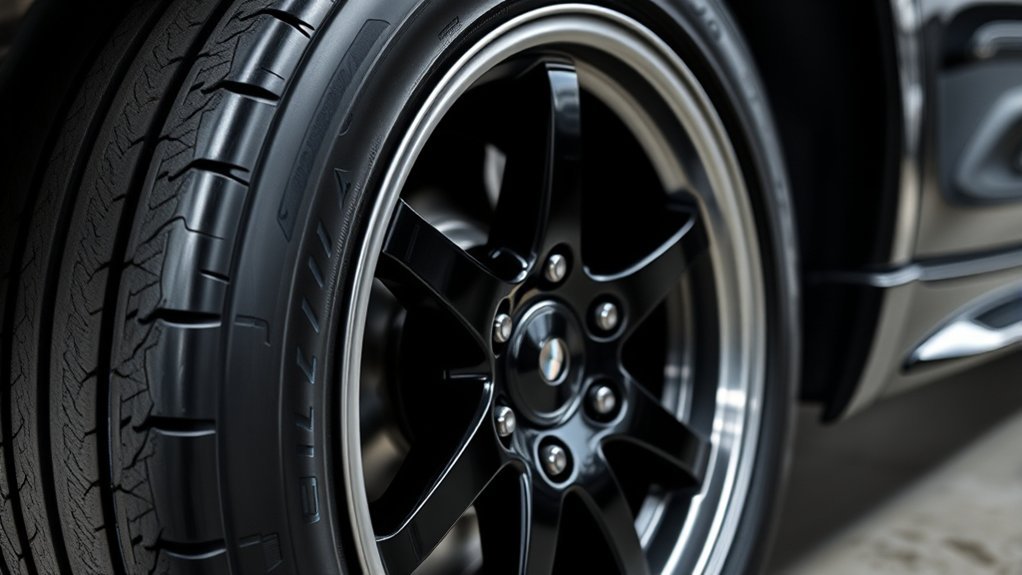
A tire rim protector, sometimes called a rim guard, flange protector, or rim-protection rib, is extra rubber molded into the lower sidewall close to the wheel. It usually forms a raised lip that sits near or slightly beyond the wheel flange.
For example, Goodyear describes its Fringe Protector (FP) as a thicker section of the tire sidewall. Other manufacturers may use different names or abbreviations, so there is no single marking you can rely on across every tire brand.
You can often spot the feature by looking around the tire immediately beside the wheel. A pronounced band or lip of rubber may extend outward far enough to contact a curb before the metal wheel does.
The amount of useful protection depends on the complete tire-and-wheel combination. A protector that looks prominent on one approved wheel width may sit almost flush with the rim on another compatible setup.
Note: A rim-protection code is not one of the basic federally required U.S. tire markings. If the feature matters to you, confirm it in the exact manufacturer’s specification for the tire model and size you plan to buy.
How Rim Protectors Work
A built-in rim protector works by placing additional tire rubber near the exposed edge of the wheel. During a light brush against a curb, that rubber may contact the curb before the wheel flange, reducing direct metal-to-concrete contact.
The feature is part of the tire itself. It does not require adhesive, clips, or a separate installation procedure. Goodyear, for example, describes a rim-flange protector as additional material in the sidewall area.
A tire rim protector is best viewed as extra protection against light contact—not armor for the wheel.
The rubber lip may scuff when it touches a curb, which can spare part of the wheel’s finished edge. Because the lip is molded into the tire, however, it is not normally a separately replaceable component. Severe damage to that area should be evaluated as tire damage rather than treated as damage to a disposable accessory.
What Rim Protectors Help Prevent
Rim protectors are most useful for reducing minor cosmetic wheel damage during slow, light curb contact. Common situations include parallel parking, entering a tight garage, turning beside a raised sidewalk, or maneuvering close to a concrete pillar.
- A raised rubber lip may contact a concrete curb before a polished alloy wheel lip does.
- It can reduce some light scratches and scuff marks around the wheel’s outer edge.
- It may be especially useful where low-profile tires leave little sidewall between the road and wheel.
- It provides an extra buffer during slow parking maneuvers near sidewalks or parking stops.
- Reducing repeated light contact can help keep the visible rim surface looking cleaner.
There are important limits. A rim protector cannot be expected to prevent a wheel from bending or cracking during a hard pothole or curb impact. It also cannot guarantee that the tire sidewall, bead area, suspension, or alignment will escape damage.
Warning: Do not assume a tire is safe simply because the rim protector absorbed a curb hit. After a significant impact, inspect the tire for cuts, cracking, bulges, exposed material, pressure loss, vibration, or other damage. Have the tire and wheel professionally inspected if you are unsure.
Which Tires Include Rim Protectors?
Rim protection appears on many different types of tires, but it is not guaranteed by a tire’s category, price, performance rating, or vehicle application. The safest approach is to check the specification for the exact tire model and size.
[Products Worth Considering]

This 15-inch tire spoons kit makes tire removal and installation easier with added leverage, reducing time and effort for everyday repairs. It includes tire spoons, rim protectors, a valve tool, and valve cores/caps, helping protect rims and streamline deflation and re-sealing. Built with durable hardened steel and a non-slip ergonomic grip for confident use on motorcycles, dirt bikes, ATVs, and lawn equipment.

This 3-piece wheel and tire brush set makes it easy to clean light, medium, and heavy dirt from wheels, rims, tires, and exterior surfaces. It includes both soft and stiff bristle options for gentle scrubbing and tough grime removal, helping lift brake dust and road buildup. The long-handle design supports comfortable cleaning across cars, trucks, SUVs, RVs, motorcycles, and more, with simple care instructions to restore brush shape.

This 3-piece wheel brush set makes it easy to clean wheels and tires with soft, scratch-free brushes designed for lifting brake dust and grime. The flexible rim brush bends up to 360 degrees to reach hard-to-access areas for a thorough clean, while the comfortable grip helps control during detailing. A dedicated detailing brush supports gentle cleaning for sensitive surfaces, including interior use.
OEM Tire Packages
Some original-equipment tire specifications include a pronounced rim-protection feature, particularly when a vehicle uses large alloy wheels or relatively low-profile tires. However, an OEM or vehicle-manufacturer approval marking does not by itself prove that a tire has a rim protector.
When replacing original tires, use the vehicle manufacturer’s required or approved tire size, load capability, and other fitment specifications. NHTSA recommends using the original tire size or another size recommended by the vehicle manufacturer.
- Inspect the lower sidewall for a molded lip beside the alloy wheel edge.
- Check the exact manufacturer’s product specification rather than relying only on an OEM code.
- Confirm the correct tire size and load requirements on the vehicle placard or owner’s manual.
- Inspect the tread and sidewall routinely for damage or irregular wear.
- Remember that parking technique, not wheel alignment, is what primarily determines whether you contact a curb.
Performance Tire Models
Rim-protection ribs are commonly seen on some performance and low-profile tire designs because these combinations can leave expensive wheel edges relatively exposed. However, the feature is not universal across all performance tires.
Even within one tire family, construction and features can vary by size or specification. A product name alone is therefore not enough. Confirm the exact size before purchasing if rim protection is important to you.
Manufacturer terminology can also vary. You may see descriptions such as rim protector, rim flange protector, flange protector, FP, FR, MFS, or similar terms in tire listings. These names should be treated as manufacturer- or seller-specific descriptions rather than a universal safety standard.
Pro Tip: If rim protection matters when comparing tires, verify the feature for the exact tire size—not merely the tire family. Then compare that information with the approved rim-width range and your actual wheel dimensions.
Run-Flat Options
A run-flat tire and a rim protector solve different problems. Run-flat construction is designed to provide limited mobility after certain losses of tire pressure, while a rim protector is intended to provide additional material near the wheel edge.
One feature does not automatically imply the other. Goodyear, for example, lists its Run-On-Flat technology and Fringe Protector technology separately. Check the exact tire specification instead of assuming every run-flat tire includes a pronounced wheel-protection lip.
- A reinforced run-flat sidewall is not automatically a rim protector.
- A dark or thick-looking tire-to-rim contact area does not prove that a protector is present.
- A visible raised rubber lip is a more useful physical clue.
- A deflated run-flat tire still requires inspection and must be used only within the manufacturer’s limitations.
- Tread condition, load capacity, fitment, and inflation monitoring remain more important safety considerations than cosmetic wheel protection.
Built-In Tire Rim Protector vs Aftermarket Wheel Guard
| Feature | Built-In Tire Rim Protector | Aftermarket Wheel Guard |
| Location | Molded into the tire’s lower sidewall | Attached to or around the wheel edge |
| Installation | No separate installation; it is part of the tire | May use adhesive, clips, or another product-specific attachment method |
| Replacement | Normally replaced with the tire | Often separately replaceable, depending on the product |
| Main purpose | Extra rubber near the rim to reduce some light contact | Adds a separate sacrificial strip around the wheel edge |
[Products Worth Considering]

This professional wheel and rim cleaning brush set lifts brake dust, grime, and dirt with soft, scratch-free microfiber and synthetic wool fibers. The rim brush bends up to 360 degrees for easy access to hard-to-reach areas around spokes, lips, and faces. Ideal for thorough cleaning of car, truck, motorcycle, bicycle, RV, and more wheel and tire surfaces.
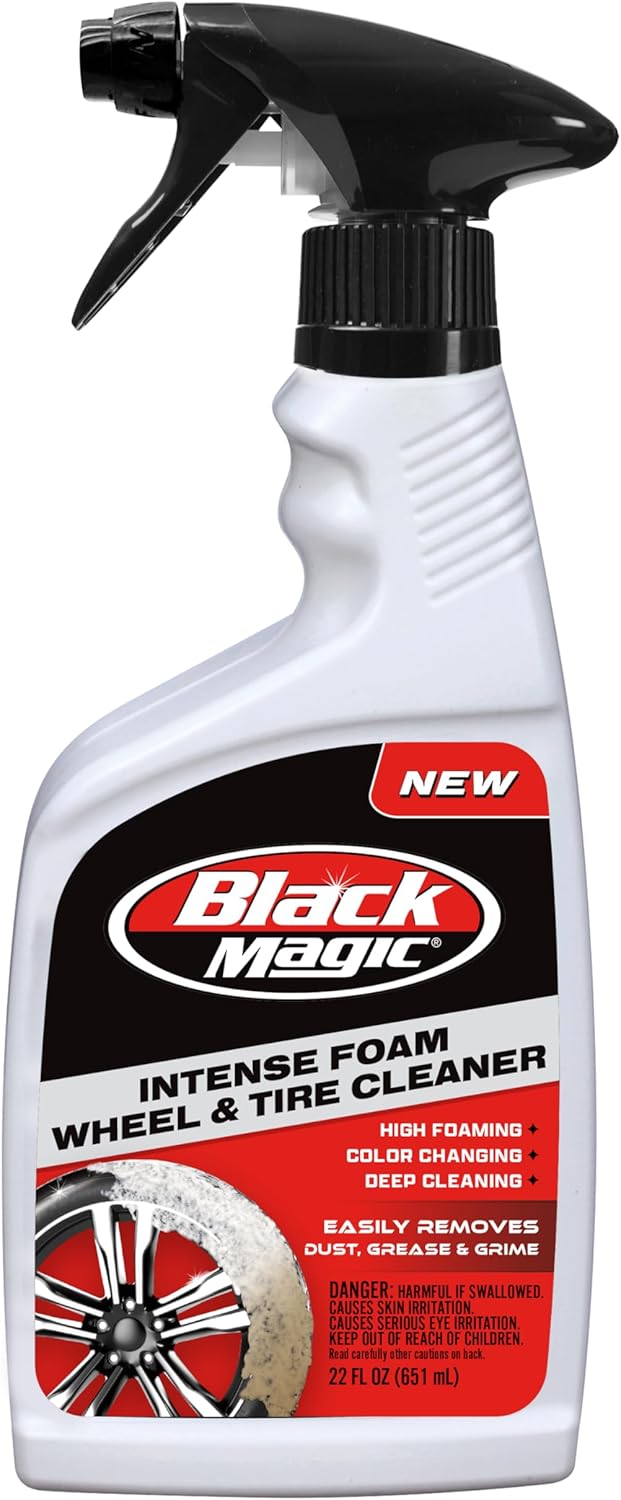
Black Magic Intense Foam Wheel & Tire Cleaner uses a high-foaming action to lift away dirt, grime, and brake dust without scrubbing. The color-changing formula helps show contaminants being dissolved as foam turns from white to brown. Safe for all wheel types and even wheel wells, it leaves a like-new, slick finish with a fresh cherry scent.

The Chemical Guys Gerbil Wheel & Rim Brush is designed to safely clean wheels, rims, exhaust tips, tires, and engine bay components without scratching delicate finishes. Its soft natural bristles help lift brake dust, grime, and buildup while conforming to tight spaces and intricate contours. A comfort grip handle delivers control for extended detailing sessions.
How Tire and Wheel Fitment Affects Rim Protection
A tire can have a molded rim-protection lip and still leave part of the wheel exposed. The result depends on the tire’s actual section width, sidewall shape, approved rim-width range, and the dimensions of the wheel on which it is installed.
If the wheel flange extends farther outward than the protective rib, the wheel can still make first contact with a curb. This is another reason not to select a tire solely because a product description mentions rim protection.
More importantly, do not change tire size simply to create a larger sidewall bulge around the wheel. Tire size, load capacity, speed capability, clearance, and inflation requirements affect vehicle safety and handling. Follow the vehicle and tire manufacturers’ fitment guidance.
What to Check After Hitting a Curb
A rim protector can reduce cosmetic contact, but a hard strike may still damage the tire or wheel. After a meaningful curb or pothole impact, inspect the area instead of judging the event only by how the wheel looks.
- Look for cuts, splits, cracking, gouges, or missing chunks of sidewall rubber.
- Check for a bulge or bubble in the sidewall.
- Look for a bent, cracked, or visibly distorted wheel flange.
- Check the tire pressure and watch for continuing pressure loss.
- Pay attention to new vibration, steering pull, or unusual noise.
NHTSA recommends regular inspection for tire damage and identifies cuts, cracks, bulges, irregular wear, and failure to maintain pressure as reasons for further attention or replacement.
If the protector itself is deeply torn or the damage reaches the structural sidewall, have a qualified tire professional inspect it before continued driving.
Do You Need a Rim Protector?
You do not need a rim protector for a tire to be safe or suitable. It is primarily an additional protective feature for drivers who want to reduce the chance of cosmetic wheel damage from light contact.
You may value the feature more if you frequently parallel park, use large alloy wheels, drive in tight urban spaces, or have low-profile tires with exposed wheel edges.
A rim protector can reduce some curb scuffs, but correct fitment, tire pressure, inspection, and careful driving matter far more for tire safety.
If you rarely park close to curbs or your tire sidewalls already extend well beyond the wheel flange, the feature may provide less practical benefit.
Do not choose an otherwise unsuitable tire just because it has a large rim-protection lip. Correct size, load rating, speed capability, seasonal performance, braking, and vehicle-manufacturer requirements should come first.
Alternatives to Rim Protectors
If your tires do not include a pronounced rim protector, several other approaches can help reduce cosmetic wheel damage.
First, use a tire and wheel combination approved for the vehicle rather than trying to create protection by fitting an unnecessarily wide tire. Some correctly sized combinations naturally leave more tire sidewall outside the wheel flange, but any sizing change should remain within manufacturer-approved specifications.
Protective wheel coatings can make brake dust and grime easier to remove, although they do not cushion an impact. Aftermarket wheel-edge guards or adhesive strips can create a separate sacrificial barrier, provided the product is compatible with the wheel and installed according to its manufacturer’s instructions.
- A correctly fitted tire with useful sidewall coverage can provide some natural separation from a curb.
- A ceramic or other wheel coating can simplify cleaning but cannot stop impact damage.
- An aftermarket adhesive guard band can protect the outer rim finish from some light abrasion.
- Wheel weights should remain properly secured and unobstructed when any aftermarket edge product is fitted.
- Careful parking remains the most reliable way to avoid repeated curb scuffing.
No alternative turns a wheel into an impact-proof component. Hard curb strikes and potholes can still damage the wheel, tire, steering, or suspension.
[Products Worth Considering]

This wheel brush kit delivers pro-level cleaning at home, lifting dirt, grime, and brake dust to help restore wheel appearance. It includes multiple brush styles and applicator pads for tackling different wheel surfaces, with gentle, metal-free bristles designed to reduce scratching risk. The flat and double-ended brushes are built for comfort and reach, making wheel care easier for cars, trucks, and RVs.
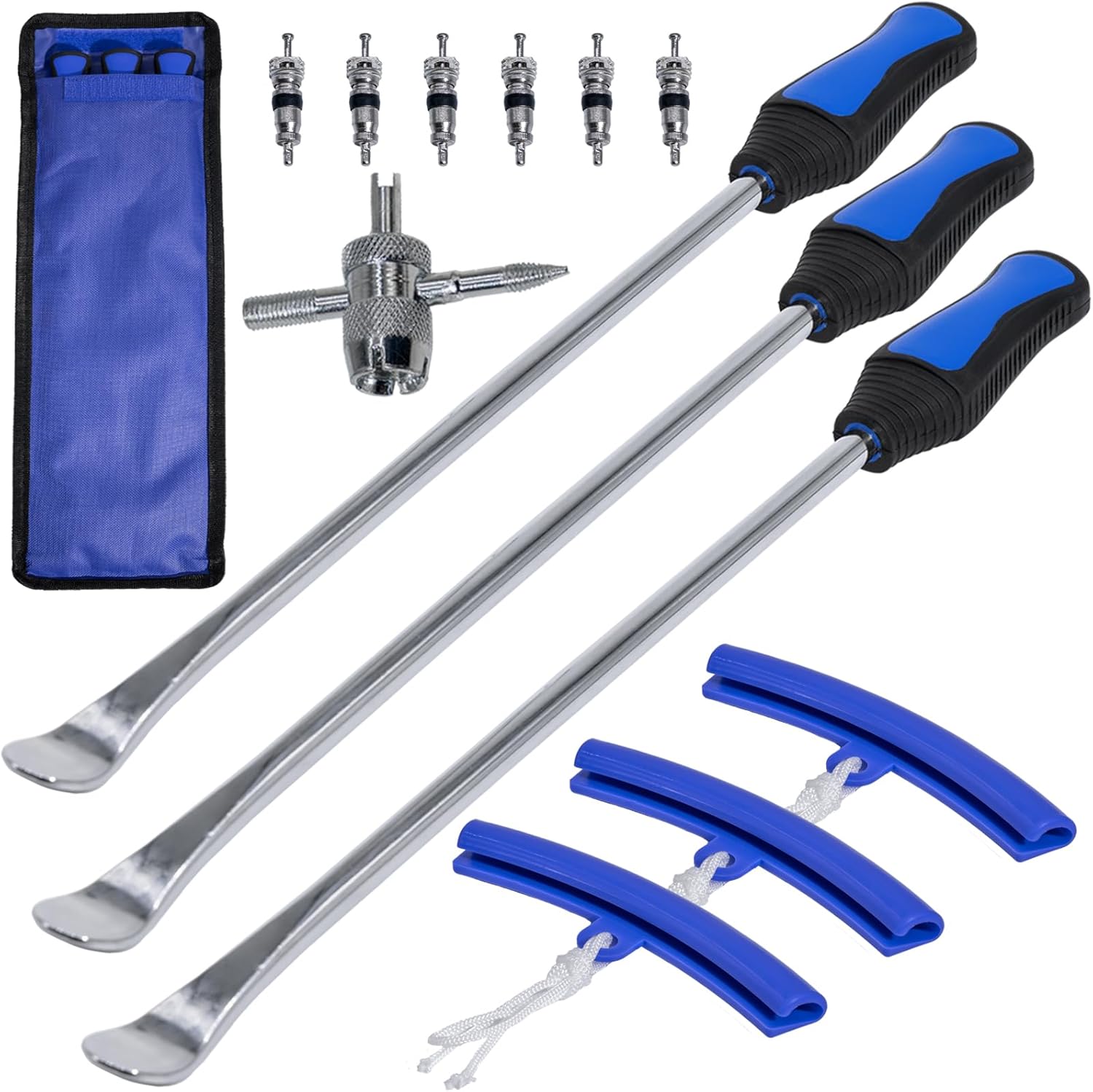
This tire spoon set helps you remove and install motorcycle, dirt bike, lawn tractor, and bicycle tires with extra leverage from a 14.5-inch spoon length. The kit includes tire removal tools, rim protectors, and a valve tool to simplify repairs and help protect rims during changing. Designed for quick, on-the-go service, it’s convenient for garage work, trails, and track-side fixes.

Clean wheels and rims with soft feathered bristles that safely remove dirt and road grime while helping restore original luster. The short non-slip handle makes it easy to scrub in tight wheel wells, and the brush is suitable for vehicles and hard-to-reach areas. It can also be soaked and rubbed to help restore bristles to their shape after use.
Frequently Asked Questions
How Do Rim Protectors Affect Tire Replacement Costs?
A built-in rim protector is normally part of the tire rather than a separately priced component. Tire prices depend on the complete tire design, brand, size, performance category, and other features, so you generally cannot assign a specific replacement-cost increase to the protector alone. It may help avoid some cosmetic wheel repairs, but savings are not guaranteed.
Can Rim Protectors Improve a Car’s Resale Value?
There is no reliable rule that a rim protector itself increases resale value. Keeping alloy wheels free of curb rash can improve a vehicle’s cosmetic presentation, however, so preventing visible wheel damage may indirectly help when the vehicle is inspected by a future buyer.
Are Rim Protectors Available for All Wheel Sizes?
No. Availability depends on the tire manufacturer, tire family, and exact tire size. Two sizes of the same tire model may not necessarily have the same rim-protection profile, so verify the specification for the exact size you intend to buy.
Do Rim Protectors Change Tire Noise Levels?
A rim-protection lip by itself is not normally a useful predictor of tire noise. Tread pattern, tire construction, compound, road surface, inflation, and vehicle insulation have much greater practical influence. Compare published noise data or manufacturer specifications when quietness matters.
How Can I Tell if My Tires Already Have Rim Protectors?
Look at the lower sidewall immediately beside the wheel. A built-in protector usually appears as a raised rubber lip or thickened band around the tire. Then check the manufacturer’s specification for your exact tire model and size, because terminology and markings vary by brand.
Do All Run-Flat Tires Have Rim Protectors?
No. Run-flat construction and rim protection are separate tire features. A run-flat tire may have a pronounced rim-protection lip, but you should verify the exact model and size rather than assuming the feature is included.
Can a Tire Rim Protector Stop a Wheel From Bending or Cracking?
Not reliably. Rim protectors are most useful against light curb contact and cosmetic abrasion. A hard curb strike or pothole can still bend or crack a wheel and can damage the tire even when the protector is present.
Can a Damaged Built-In Rim Protector Be Replaced Separately?
Normally, no. Because the protector is molded into the tire, it is not generally a removable replacement part. Minor superficial scuffing may be cosmetic, but deep cuts, torn rubber, bulges, exposed reinforcement, or pressure loss should be inspected by a qualified tire professional.
Conclusion
A tire rim protector can be worthwhile if your wheels are exposed to frequent light curb contact, especially with low-profile tire and alloy-wheel combinations. The molded rubber lip may take a scrape before the wheel edge does and help reduce cosmetic curb rash.
Its limits matter just as much as its benefits. Rim protection does not make a wheel impact-proof, does not replace correct tire fitment or inflation, and does not guarantee that a tire is undamaged after hitting a curb. If you want the feature on your next set of tires, verify it for the exact model and size while keeping the vehicle manufacturer’s tire requirements as the first priority.
Sources
- Goodyear — Buyer’s Guide for Tyres — explains Fringe Protector technology and tire fitment considerations.
- Goodyear — Wrangler TripleMax — manufacturer example of a rim-flange protector using additional sidewall material.
- National Highway Traffic Safety Administration — TireWise — tire sizing, inflation, inspection, damage, alignment, and replacement guidance.
- National Highway Traffic Safety Administration — Summer Driving Tips — tire pressure and physical-damage inspection guidance.
- National Highway Traffic Safety Administration — Interpretation 09-007991 — U.S. tire sidewall labeling requirements under applicable federal standards.
