
W vs Y Speed Rating: What’s the Difference?
W-rated tires are built for speeds up to 168 mph, while Y-rated tires are rated up to 186 mph. Both ratings show how much heat and load a tire can handle, not a speed promise. Y tires usually use stiffer construction for sharper response and better high-speed stability; W tires often ride a bit more compliantly. Your vehicle’s manual should guide the choice, and there’s more to take into account if you want the best fit.
Key Takeaways
- W-rated tires are certified up to 168 mph, while Y-rated tires are certified up to 186 mph.
- Speed ratings indicate tested load-and-speed capability, not the vehicle’s actual top speed.
- Y-rated tires usually have stiffer construction for sharper steering response and high-speed stability.
- W-rated tires often ride slightly more comfortably, with a bit more sidewall flex in quick maneuvers.
- Use the vehicle manufacturer’s recommended rating, and match tire size, load index, and construction when mixing.
[Products Worth Considering]

Keep your tires properly inflated with this analog VONDIOR tire pressure gauge, designed for fast, easy readings without batteries. The swiveling, two-axis hose and large glow dial help you measure at any tire angle with instant visibility. Built with a protective rubber shield, it supports durable, low-maintenance use for cars and trucks.

Milton S-921 pencil tire pressure gauge helps you maintain optimal tire pressure for passenger cars with accurate readings in PSI and kPa. It features a built-in deflator valve for convenient pressure adjustments, plus a single chuck head and nylon indicator bar for easy use on the go. Built from durable plated brass and designed for reliable performance, it’s a practical road trip and cold-weather maintenance tool.

The Topeak SmartGauge D2 delivers precise digital tire pressure readings for bikes, motorcycles, and sports equipment up to 250 psi (17 bar). Its rotating SmartHead works with both Presta and Schrader valves, so you can check pressure quickly without adapters. The LCD display makes it easy to read results in psi, bar, or kg/cm² with an included CR2032 battery for immediate use.
What Do W and Y Speed Ratings Mean?
W and Y speed ratings tell you the maximum speed a tire can safely sustain under specified test conditions, with W rated for up to 168 mph and Y rated for up to 186 mph.
You use these ratings as a load-and-speed capability indicator, not a promise that your vehicle should travel at those speeds. When you select a tire, the rating helps you match it to your vehicle’s engineered requirements and expected operating conditions.
Higher ratings often reflect construction choices that influence tire performance, including heat resistance, casing strength, and tread stability. They can also affect handling characteristics by supporting more consistent response at elevated speeds.
You should always verify the recommended rating in your owner’s manual or tire placard, because using a lower-rated tire can reduce safety margins.
In practice, the rating helps you choose a tire that fits your driving demands.
W vs Y Speed Ratings: Key Differences
When you compare W and Y speed ratings, you’re comparing the maximum sustained speed each tire can handle under specified test conditions.
W-rated tires support lower speeds than Y-rated tires, so you must match the rating to your vehicle’s top-speed capability and load requirements.
You should also factor in performance and fit, because the right speed rating affects handling, heat buildup, and overall safety.
Speed Rating Limits
Although both speed ratings signal high-performance capability, W and Y differ in their certified maximum limits: W typically covers tires approved up to 168 mph (270 km/h), while Y extends to 186 mph (300 km/h) under standard testing conditions.
You should treat those limits as engineering thresholds, not everyday targets, because tire safety depends on staying within the rated envelope. If you exceed it, heat buildup, structural stress, and tread deformation can rise quickly.
When you compare options, look for the performance benefits that match your driving demands, but verify the rating on the sidewall first. The letter tells you the maximum tested speed, yet it doesn’t guarantee equal grip, braking, or wear.
Use the rating to make a precise, practical choice for your vehicle.
Performance And Fit
Beyond the speed limit itself, W and Y tires can feel different in real-world use because their construction targets slightly different performance demands.
You’ll usually notice that Y-rated tires prioritize higher-speed stability, firmer steering response, and more heat resistance, while W-rated tires often balance strong tire performance with a slightly more compliant ride. That difference can affect cornering feel, tread wear, and road noise.
Your fit considerations matter too: you need the correct load index, approved wheel width, and proper diameter, not just the speed symbol. If your vehicle’s suspension and alignment are tuned for a specific tire profile, changing ratings can alter handling balance.
Always match the tire to your driving conditions, vehicle specs, and manufacturer guidance for safe, predictable performance.
How Tire Speed Ratings Get Tested
To determine a tire’s speed rating, manufacturers run it on a laboratory test wheel at controlled pressure, load, and temperature until it reaches the target speed for the designated time without failing.
In tire testing, you’ll see the assembly mounted on a standard rim, inflated to a specified pressure, and pressed against a rotating drum that simulates road load. Technicians increase speed in stages, then hold the tire at the rating threshold to check speed durability and heat resistance.
Mounted on a standard rim and pressed against a rotating drum, the tire is speed-tested in stages.
If the tire survives the protocol without structural damage, belt separation, or excessive growth, it earns that rating. The procedure doesn’t measure real-world grip; it verifies that the tire can tolerate sustained high-speed stress under repeatable conditions.
Because the test is tightly controlled, you can compare ratings across brands and models with confidence, but you shouldn’t treat the result as a guarantee of maximum vehicle speed or full-road performance.
Which Vehicles Need W or Y Tires?
W and Y speed ratings are typically specified for high-performance cars, sports sedans, coupes, and some ultra-high-performance SUVs that are built to operate at sustained higher speeds. You’ll also see them on vehicles engineered with stiff suspension, wider tires, and braking systems that demand stable tire performance under load. If your vehicle’s manual or placard lists W or Y, use that exact specification.
| Vehicle type | Why it needs W or Y |
|---|---|
| Sports car | Higher speed capability |
| Performance sedan | Balanced grip and heat control |
| Ultra-high-performance SUV | Load-carrying stability |
Your driving conditions matter, too. Hot climates, repeated spirited runs, and long high-speed travel place more stress on the casing and tread. In those cases, the tire’s construction and speed rating help maintain handling precision and thermal resistance. If you drive a standard commuter car, you usually won’t need these ratings; fit the rating the manufacturer calls for.
W vs Y Speed Ratings for Everyday Driving
For everyday driving, W and Y tires usually feel very similar, because both exceed the speed range most passenger cars will ever need. You’ll notice that the real decision often comes down to your vehicle’s factory recommendation, your driving habits, and local weather conditions.
If you commute normally, obey speed limits, and don’t track the car, either rating should serve you well. You should also consider tire longevity, since some ultra-high-performance designs may wear faster than touring-focused alternatives, even when the speed rating itself is higher.
In wet or cold weather conditions, tread design and compound matter more than W versus Y alone. Always match the tire to your axle positions and load requirements, then verify that the size and rating align with your owner’s manual.
If both options are approved, choose the model that balances cost, tread life, and seasonal traction for your use.
[Products Worth Considering]
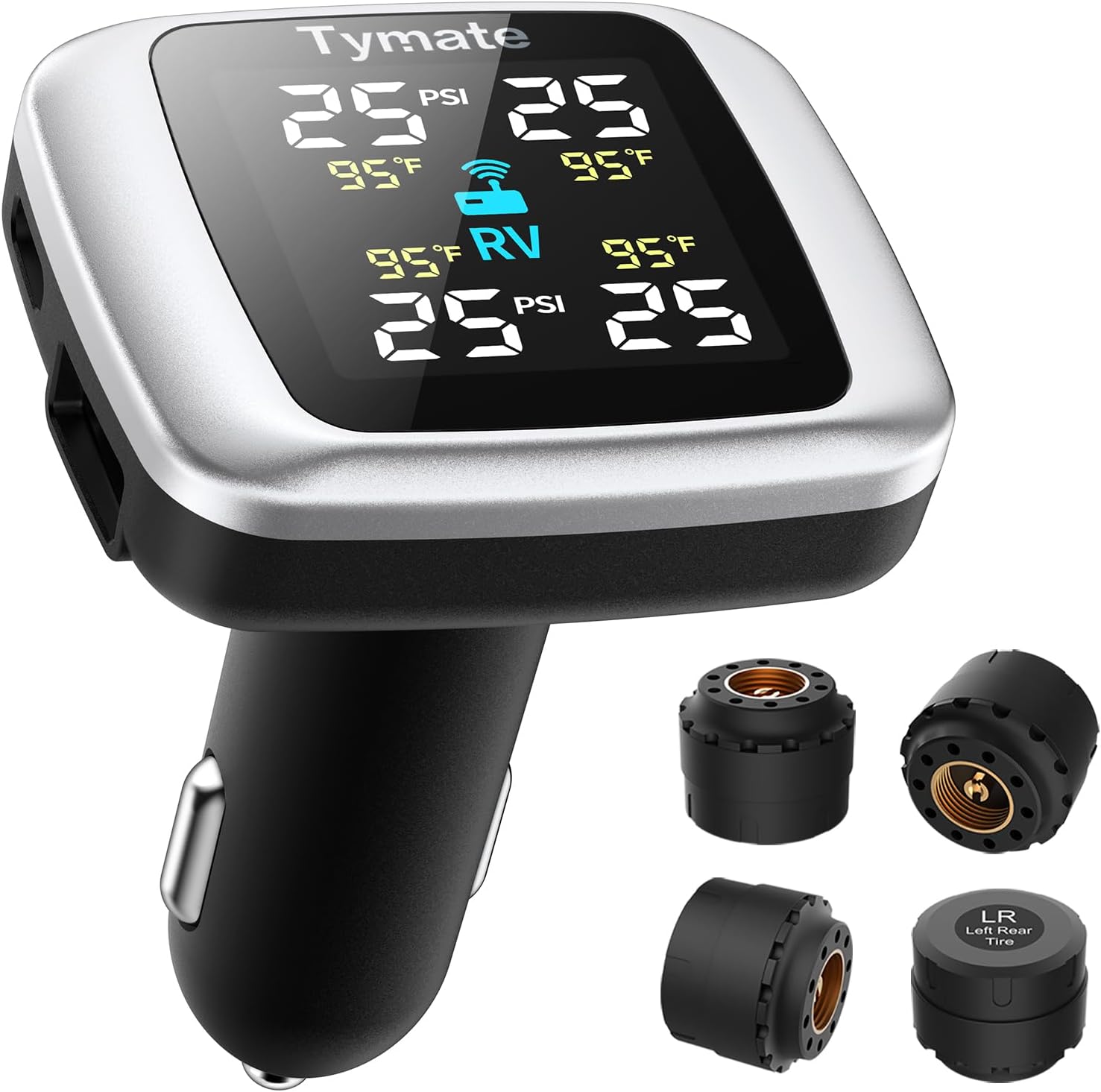
Tymate TM7 is a wireless tire pressure monitoring system that delivers real-time pressure and temperature readings for safer driving. It includes four external sensors, a bright color LCD display with adjustable backlight, and six alarm modes for high/low pressure, fast leakage, high temperature, and sensor signal or battery issues. The system covers a wide 0–144 PSI range and plugs into your vehicle’s cigarette lighter socket for quick DIY setup.

This universal wheel alignment tool helps you accurately restore tire tilt angles after tire or suspension repairs using an adjustable camber gauge. It features a powerful magnetic base that firmly attaches to brake rotors for stationary, slip-free readings, improving consistency during measurement. Built from durable PC plastic, it resists wear and corrosion and is compact enough for car, truck, RV, and motorcycle alignment tasks.

This manual duck head tire changer kit makes tire installation and removal simpler by letting you embed the duck head into the tire with applied pressure. The integrated design and durable steel construction help reduce friction and improve efficiency and safety during use. Suitable for 16–21 inch wheels, it’s convenient for cars, trucks, SUVs, and ATV tires, with 24-hour after-sales support.
How Speed Ratings Affect Ride and Handling
A tire’s speed rating affects more than top-speed capability; it also changes sidewall stiffness, which can make your ride feel firmer or more compliant.
As the rating rises from W to Y, you’ll usually get sharper steering response and better stability at speed, but less shock absorption over rough pavement.
That trade-off means you need to balance ride comfort against the handling precision you want from your tires.
Ride Comfort Impact
Even though W and Y tires can both fit performance vehicles, their speed ratings often signal different ride characteristics you’ll feel on the road.
You’ll usually notice that a W tire can feel slightly more compliant, while a Y tire may transmit more sharpness through the chassis because its construction often targets firmer response.
Your tire pressure matters here: even small deviations can make either rating ride harsher or softer than intended.
On rough road conditions, the difference becomes clearer, since stiffer sidewalls tend to pass more texture into the cabin.
If you want a calmer commute, compare load capacity, tread design, and sidewall stiffness, not just the speed symbol.
Proper inflation and regular rotation help preserve comfort and keep response consistent day to day.
Handling at High Speeds
At higher speeds, the W vs Y difference shows up less in comfort and more in steering response, stability, and heat management.
When you push your car hard, you’ll notice Y-rated tires usually deliver sharper tire responsiveness because their carcass and tread are engineered for a higher maximum speed. W-rated tires still perform well, but you may feel slightly more flex during quick lane changes or long sweepers. That extra movement can reduce cornering stability and make the car feel less precise.
- You feel the steering load up cleanly.
- You trust the car in fast turns.
- You stay calm when heat builds.
If you drive aggressively, choose the rating that matches your top-speed demands and chassis setup, not just the badge on the sidewall.
Can You Mix W and Y Speed Rated Tires?
Yes, you can mix W- and Y-rated tires on the same vehicle, but you shouldn’t assume they’ll perform the same under high-speed or high-load conditions. For tire compatibility, match size, load index, and construction first; the speed symbol is only one part of the specification. If you mix them, keep the same axle pairs identical to reduce safety concerns and uneven response.
| Tire setup | Best use | Key risk |
|---|---|---|
| W/W | Consistent handling | None beyond normal wear |
| Y/Y | Maximum matched rating | None beyond normal wear |
| W/Y | Temporary mixed fitment | Balance and performance mismatch |
You should also check your owner’s manual and tire placard before installing mixed tires. If one axle carries Y-rated tires and the other W-rated tires, the vehicle may still drive safely, but you’ll want to monitor traction, braking feel, and wear closely. When in doubt, use one matched set.
Do Higher Speed Ratings Cost More?
Higher speed ratings usually cost more because they’re built with stronger materials, tighter manufacturing tolerances, and performance-focused tread compounds. You’ll often see the cost implications in the final price because testing, heat resistance, and structural reinforcement all add expense.
Among pricing factors, brand engineering, tire size, and tread design matter, but the speed rating itself can push the number up.
Brand engineering, tire size, and tread design all affect price, but speed rating can nudge it higher.
- You may feel the sticker shock, but you’re paying for higher-performance construction.
- You might notice fewer budget options as ratings increase.
- You can expect the gap to widen when premium compounds and advanced casings enter the design.
That doesn’t mean every Y tire is dramatically pricier than every W tire, though. Market position, vehicle fitment, and seasonal demand can change pricing fast.
If you compare models side by side, you’ll usually see the speed rating reflected in price, especially when both tires come from the same lineup.
How To Choose Between W And Y Tires
Choosing between W and Y tires comes down to your vehicle’s top-speed capability, load expectations, and how you actually drive. Check your owner’s manual first; if the manufacturer specifies a W or Y rating, stay within that range.
W tires handle up to 168 mph, while Y tires cover 186 mph, so choose Y only when your car’s performance, suspension, and cooling systems can use that margin. For most street use, W already gives plenty of reserve.
Review tire selection tips by comparing tread design, load index, and wet-grip behavior, not speed rating alone. Match the tire to your driving conditions: highway commuting, spirited driving, track sessions, or hot climates all influence the best choice.
If you rarely approach high speeds, don’t overpay for Y. If you drive a high-output sports car or regularly push sustained speed, Y may be the safer, more appropriate option.
Frequently Asked Questions
Do W and Y Tires Wear Out Differently?
Not usually; you’ll see similar wear rates if you match tire longevity factors like alignment, inflation, and driving style. Y-rated tires may use different compounds, so performance characteristics can alter wear under hard use.
Are W and Y Tires Available in Winter Versions?
Yes, you can find winter-rated tires with W or Y speed labels, though they’re rare. You’ll need to verify tire performance in harsh weather conditions; many drivers choose dedicated winter compounds instead.
Can I Use W or Y Tires on the Track?
Yes, you can use W or Y tires on the track if they match your car’s load and size requirements. Their speed ratings support track performance, but verify tire compatibility, heat tolerance, and tread condition first.
Do W and Y Ratings Affect Fuel Economy?
Usually, no—like a whisper in the wind, the speed rating itself barely changes fuel economy. You’ll see more impact from tire performance, driving conditions, inflation, tread design, and weight than from W or Y ratings.
How Do I Read the Tire Sidewall Markings?
You read tire sidewall markings by decoding size, load index, speed rating, tread type, and DOT date. You’ll also spot tire construction details and performance characteristics, helping you match fitment, capacity, and use precisely.
Conclusion
When you compare W and Y speed ratings, you’re really choosing between two high-performance tools built for different top-end demands. W tires are rated for up to 168 mph, while Y tires reach 186 mph, so the gap matters when your vehicle is designed to push harder. Pick the rating your car’s manual calls for, and you’ll keep handling sharp, heat buildup low, and safety on solid ground. Don’t let the wrong tire become a weak link.
[Products Worth Considering]

Vigorder rubber cement glue delivers superior adhesion and cures quickly within about 30 seconds for seamless rubber bonding. Once cured, it helps provide a strong, durable, waterproof seal that holds up to vehicle weight, pressure, and heat. Suitable for cars, motorcycles, trucks, bicycles, and off-road tires, it’s designed for emergency patch and maintenance repairs.

This professional wheel and rim cleaning brush set lifts brake dust, grime, and dirt with soft, scratch-free microfiber and synthetic wool fibers. The rim brush bends up to 360 degrees for easy access to hard-to-reach areas around spokes, lips, and faces. Ideal for thorough cleaning of car, truck, motorcycle, bicycle, RV, and more wheel and tire surfaces.

Clean wheels and rims with soft feathered bristles that safely remove dirt and road grime while helping restore original luster. The short non-slip handle makes it easy to scrub in tight wheel wells, and the brush is suitable for vehicles and hard-to-reach areas. It can also be soaked and rubbed to help restore bristles to their shape after use.

Related Articles

R vs S Speed Rating: Which Do You Need?
Speed rating matters more than you think—discover whether R or S is right for your vehicle before you choose the wrong tire.
Read More
H vs S Speed Rating: What’s the Difference?
What’s the real difference between H and S speed ratings, and which one could quietly change your driving experience?
Read More
Is a 285 Tire the Same as a 33-Inch Tire?
Difference between a 285 tire and a 33-inch tire may surprise you—discover what really matters before you assume they’re interchangeable.
Read More