
A 94W tire marking tells you two important things about the tire’s service description: 94 is the load index, and W is the speed rating. In plain English, a 94W tire can carry up to 1,477 pounds per tire when properly inflated, and it is speed-rated up to 168 mph under specified test conditions. That does not mean every 94W tire fits every car, though. You still need to match the full tire size, load index, speed rating, load range, and weather performance to your vehicle’s placard or owner’s manual.
Quick Answer
A 94W tire has a load index of 94, meaning it can carry up to 1,477 pounds per tire, and a W speed rating, meaning it is rated up to 168 mph. Use it only if the complete tire size and rating match or exceed your vehicle manufacturer’s requirements.
Key Takeaways
- 94 is the tire’s load index: up to 1,477 lb / 670 kg per tire.
- W is the speed rating: up to 168 mph / 270 km/h under specified conditions.
- A 94W tire is often used on performance sedans, sporty coupes, and some crossovers, but the code alone does not guarantee fit.
- Never install a tire with a lower load index or speed rating than your vehicle requires unless the vehicle manufacturer specifically allows it.
- For wet, icy, or winter driving, tread design and weather rating matter just as much as the 94W service description.
At a Glance
| Time Required | 5–10 minutes to check the sidewall, tire placard, and owner’s manual |
| Difficulty | Easy |
| Tools Needed | Owner’s manual, driver-door tire placard, tire pressure gauge, and tread depth gauge or penny |
| Cost | Free if you already have a gauge; usually under $15 for a basic tread depth or pressure gauge |
What Does 94W Mean on a Tire?
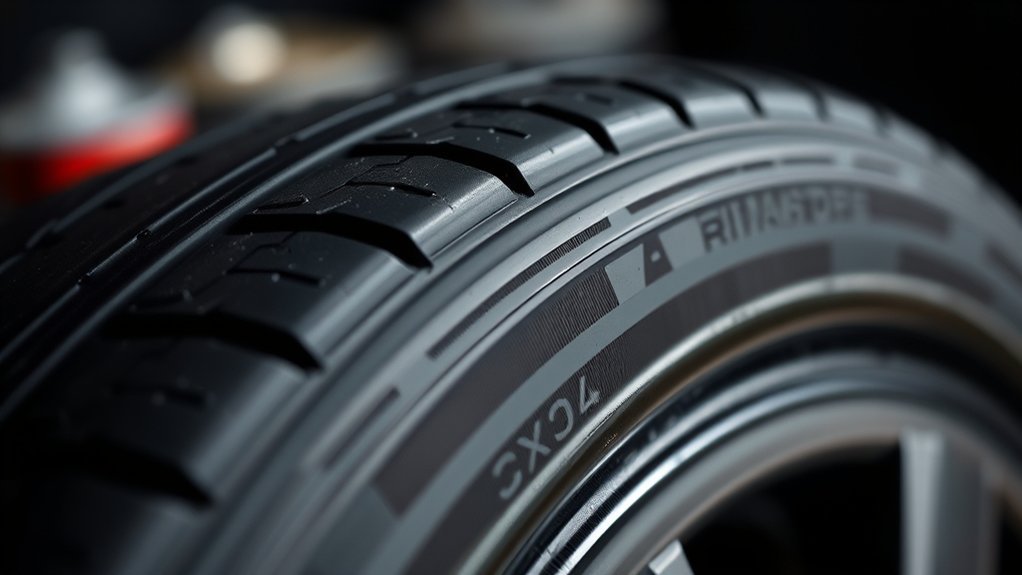
The 94W marking appears near the end of a tire size code, such as 225/45R17 94W. The full code tells you the tire’s width, sidewall profile, construction, wheel diameter, load capacity, and speed capability. The final number-and-letter pair is called the service description.
| Code Part | Meaning | What It Tells You |
| 94 | Load index | Maximum load of 1,477 lb / 670 kg per tire when properly inflated |
| W | Speed rating | Maximum rated speed of 168 mph / 270 km/h under specified conditions |
The key point is simple: 94W describes capacity, not universal compatibility. A tire can have the right 94W service description and still be wrong for your car if the width, rim diameter, load range, inflation requirement, or tire type does not match your vehicle.
Warning: Do not choose a tire with a lower load index, lower speed rating, wrong size, or wrong load range than your vehicle manufacturer specifies. Under-rated tires can overheat, wear unevenly, handle poorly, or fail under load.
What Does the 94 Load Index Mean?
The 94 load index means one tire can carry up to 1,477 pounds, or 670 kilograms, when it is properly inflated and used within its rated conditions. Four tires with a 94 load index have a combined tire load capacity of 5,908 pounds, but that does not mean your vehicle can safely carry that much weight. Your vehicle’s actual load limit is set by the manufacturer and appears on the tire placard or in the owner’s manual.
Load index matters because tires carry the weight of the vehicle, passengers, cargo, fuel, and any tongue weight from towing. If the tire’s load index is too low, the sidewall and internal structure can be overloaded. That creates extra heat and stress, especially during highway driving, hard braking, or hot weather.
A 94 load index equals 1,477 pounds per tire, but you should still follow the vehicle placard and owner’s manual for the required tire size, inflation pressure, and load limit.
Use a 94 load index only when it meets or exceeds the load index your vehicle requires. A higher load index is often acceptable when the rest of the tire specs are correct, but it can also affect ride feel, weight, and cost. When in doubt, ask a qualified tire professional to compare the replacement tire with the original equipment specification.
What Does the W Speed Rating Mean?
The W speed rating means the tire is rated for speeds up to 168 mph, or 270 km/h, under specified test conditions. It is commonly found on performance-focused tires and vehicles that need stronger high-speed heat resistance than a basic touring tire.
A speed rating is not permission to drive at that speed. It also does not mean the tire will perform safely if it is overloaded, underinflated, damaged, worn out, mismatched, or used in the wrong weather. The W rating only tells you the tire passed testing for that speed category when used correctly.
| Speed Rating | Maximum Rated Speed | Common Use |
| H | 130 mph / 210 km/h | Many sedans and touring tires |
| V | 149 mph / 240 km/h | Sport sedans and performance touring tires |
| W | 168 mph / 270 km/h | High-performance vehicles and sportier tire fitments |
| Y | 186 mph / 300 km/h | Ultra-high-performance vehicles |
You should normally match or exceed the original speed rating listed by your vehicle manufacturer. If you install a lower-rated winter tire because the manufacturer allows it, reduce speed accordingly and follow the tire maker’s guidance.
[Products Worth Considering]

Measure tire tread depth quickly and accurately with this LUMITECO dial gauge that reads in 1/32" increments up to 14/32". The color-coded green/yellow/red zones make it easy to judge tire wear and know when replacement is needed. A rugged, compact design with a protective pouch helps keep the gauge ready for use on cars, trucks, motorcycles, and more.

The Topeak SmartGauge D2 delivers precise digital tire pressure readings for bikes, motorcycles, and sports equipment up to 250 psi (17 bar). Its rotating SmartHead works with both Presta and Schrader valves, so you can check pressure quickly without adapters. The LCD display makes it easy to read results in psi, bar, or kg/cm² with an included CR2032 battery for immediate use.

This tire inflator with pressure gauge delivers long-lasting performance with a durable rubber-protected gauge and sturdy build. The longer hose and 360 swivel air chuck help you seal the valve securely and keep your hands free while measuring, inflating, or deflating. It’s battery-free for reliable use and provides ±2 PSI accuracy in the mid-range for most typical tires, with universal compatibility for 1/4 NPT compressor outputs.
What 94W Tires Mean for Handling
A 94W tire can support performance-oriented handling when it is the correct size and design for your vehicle. The W speed rating usually appears on tires built to manage more heat and stress at higher speeds than lower-rated touring tires. That can help with stability, steering response, and control when the tire model, inflation pressure, suspension setup, and road conditions all work together.
However, 94W does not automatically mean better grip. A premium 94V grand-touring tire may outperform a budget 94W tire in wet braking. A dedicated winter tire with a lower speed rating may be safer on snow and ice than a W-rated summer tire. The service description is only one part of tire performance.
- Load index affects how much weight the tire can safely carry.
- Speed rating reflects tested high-speed capability.
- Tread pattern affects water evacuation, noise, and snow traction.
- Rubber compound affects grip, temperature range, and tread life.
- Inflation pressure affects wear, braking, fuel economy, and handling.
Pro Tip: When comparing two tires with the same 94W rating, read the tire’s category, UTQG rating, wet-traction performance, warranty, and real-world reviews. The same service description can appear on very different tire designs.
[Products Worth Considering]

Keep your tires properly inflated with this analog VONDIOR tire pressure gauge, designed for fast, easy readings without batteries. The swiveling, two-axis hose and large glow dial help you measure at any tire angle with instant visibility. Built with a protective rubber shield, it supports durable, low-maintenance use for cars and trucks.
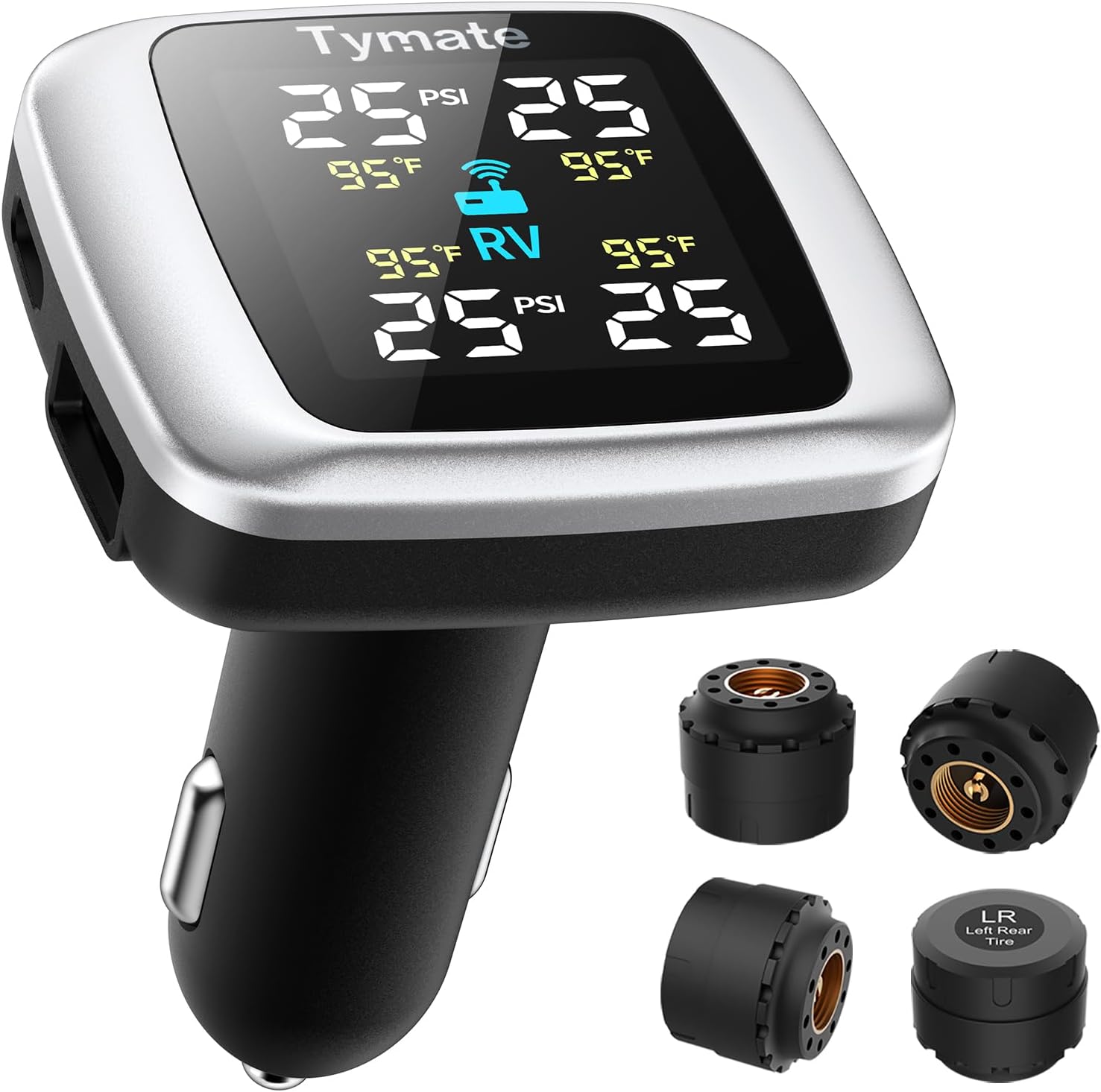
Tymate TM7 is a wireless tire pressure monitoring system that delivers real-time pressure and temperature readings for safer driving. It includes four external sensors, a bright color LCD display with adjustable backlight, and six alarm modes for high/low pressure, fast leakage, high temperature, and sensor signal or battery issues. The system covers a wide 0–144 PSI range and plugs into your vehicle’s cigarette lighter socket for quick DIY setup.

The SAFELIFE dial tire tread depth gauge measures tread depth in 1/32 inch increments with clear, easy-to-read 2-inch dial face. Color zones using a traffic light system help you quickly judge whether tread is low, marginal, or ample for safer driving. Built with a durable zinc cast body and a metal detect probe for precise, comfortable use across cars, motorcycles, trucks, and buses.
Can You Use 94W Tires in Portland?
Yes, you can use 94W tires in Portland if they match your vehicle’s required size, load index, speed rating, and tire type. For everyday dry and wet roads, a properly fitted 94W all-season or performance all-season tire can be a reasonable choice. The bigger question is whether the specific tire model suits Portland’s rain, cooler temperatures, and occasional snow or ice.
Portland drivers should pay close attention to wet traction and tread depth. A W-rated tire with shallow tread can still hydroplane or stop poorly on wet pavement. If you drive into the Cascades, through mountain passes, or anywhere Oregon winter signs require chains or traction tires, follow posted chain and traction-tire rules.
For winter trips, check whether your tires carry the M+S marking, the Three-Peak Mountain Snowflake symbol, or another traction designation accepted for the conditions you drive in. Some W-rated tires are summer tires, and summer tires are not designed for snow, ice, or freezing temperatures.
Note: In rainy or wintry areas, the right tire is not just the one with the highest speed rating. Look for a tire that matches your vehicle and the weather you actually drive in.
How to Check Tire Size and Ratings
To confirm whether a 94W tire fits your vehicle, compare the tire sidewall with the vehicle’s tire placard and owner’s manual. The placard is usually on the driver-side door jamb, door edge, glove box area, or fuel door. It lists the original tire size and recommended cold inflation pressure.
Step 1: Read the full tire size
Do not check only the 94W part. Read the complete code, such as 225/45R17 94W. The first numbers and letters tell you the tire width, aspect ratio, radial construction, and wheel diameter. If those do not match an approved size for your vehicle, the 94W rating alone does not make the tire safe.
Step 2: Compare the load index
Make sure the load index meets or exceeds the number required by the vehicle manufacturer. For example, if your car requires a 94 load index, do not install a 91 load index tire unless the manufacturer specifically approves that substitution.
Step 3: Compare the speed rating
Match or exceed the original speed rating unless your owner’s manual allows a specific exception, such as a lower-rated winter tire. If you mix speed ratings, the vehicle’s safe speed capability is limited by the lowest-rated tire.
Step 4: Check inflation and load range
The tire must be inflated to the vehicle manufacturer’s recommended cold pressure, not simply to the maximum pressure printed on the sidewall. Also check whether the tire is Standard Load, Extra Load, LT, or another construction type. Load range and tire type matter, especially for SUVs, trucks, and vehicles that tow.
Step 5: Inspect condition before trusting the rating
A tire’s rating assumes the tire is in safe condition. Check tread depth, sidewall cracks, bulges, punctures, uneven wear, age, and pressure. A damaged 94W tire is not a safe 94W tire.
When 94W Tires Don’t Match Your Car
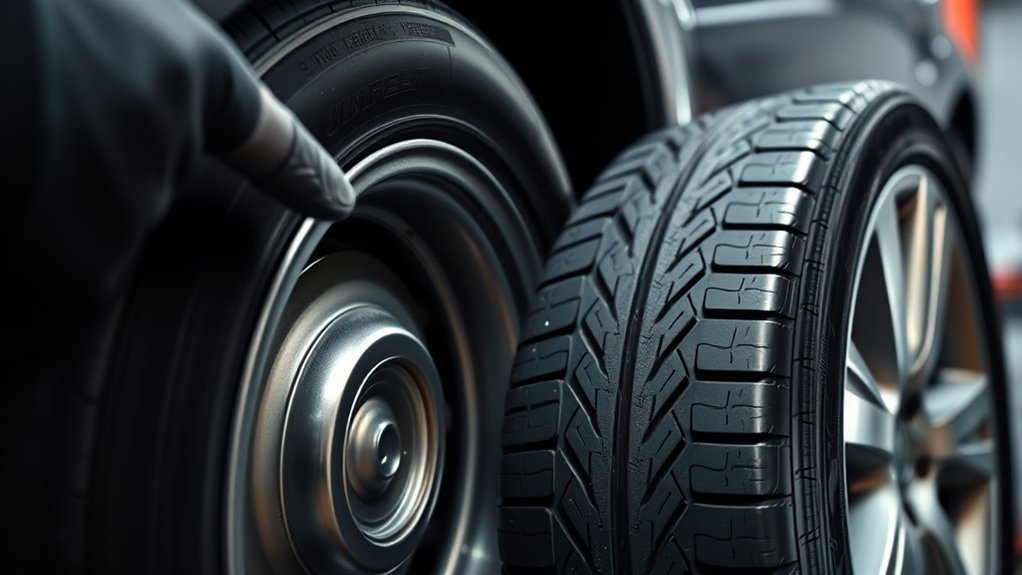
A 94W tire may be the wrong choice even if the load and speed numbers look strong. Tire fitment depends on the full specification, not one code. Avoid 94W tires when:
- The tire size does not match an approved size for your vehicle.
- Your vehicle requires a load index higher than 94.
- Your vehicle requires a speed rating higher than W.
- The tire has the wrong load range or construction type.
- The tire is a summer tire but you need cold-weather or snow traction.
- You would be mixing tire types, sizes, or ratings in a way the manufacturer does not allow.
- The tire is old, damaged, unevenly worn, or below safe tread depth.
Also remember that using a higher speed rating than required can cost more and may change ride comfort. Some drivers like the sharper feel of performance tires, while others prefer the quieter ride and longer tread life of touring tires. The best tire is the one that matches the vehicle, climate, driving style, and budget.
How to Check Tire Safety and Legal Fit
Safety and legal fit start with the vehicle manufacturer’s requirements. Use the owner’s manual and tire placard first, then verify the sidewall and tire condition. If anything conflicts, ask a tire dealer or technician before driving on the tire.
Verify Vehicle Requirements
Check the vehicle tire placard and owner’s manual for the original tire size, speed rating, recommended cold inflation pressure, and any front/rear axle differences. Some vehicles use staggered tire sizes or different pressures front to rear, so do not assume all four positions are identical.
- Confirm the approved tire size.
- Confirm the minimum load index.
- Confirm the minimum speed rating.
- Confirm the recommended cold tire pressure.
- Check whether winter tires have separate manufacturer guidance.
Inspect Tread And Condition
Measure tread depth with a tread depth gauge if possible. In the U.S., tires are generally considered worn out at 2/32 inch. You can also use the penny test: place a penny into the tread with Lincoln’s head upside down. If you can see the top of Lincoln’s head, the tire is ready for replacement.
Inspect the sidewalls for cracks, cuts, bubbles, exposed cords, or punctures. Look for uneven wear, which can point to alignment, suspension, inflation, or rotation problems. Check tire pressure when the tires are cold, because pressure rises after driving.
Confirm Weather Suitability
A 94W rating does not tell you whether the tire is good in rain, snow, or ice. For wet roads, choose a tire with strong wet traction and enough tread depth to move water away from the contact patch. For snow and ice, look for a proper winter or all-weather tire and follow local chain or traction-tire rules.
If you live in a mild climate and drive mostly on dry or wet pavement, a 94W all-season performance tire may work well. If you often drive in freezing temperatures or mountain conditions, prioritize winter traction over speed rating.
94W vs 91W, 94V, and 94Y Tires
Many shoppers compare 94W with nearby ratings. The number controls load capacity, and the letter controls speed capability. Here is the practical difference:
| Rating | Load Capacity | Speed Rating | Main Difference |
| 91W | 1,356 lb per tire | 168 mph | Same speed rating as 94W, but lower load capacity |
| 94V | 1,477 lb per tire | 149 mph | Same load capacity as 94W, but lower speed rating |
| 94W | 1,477 lb per tire | 168 mph | Higher speed rating than 94V with the same load index |
| 94Y | 1,477 lb per tire | 186 mph | Same load capacity as 94W, but higher speed rating |
If your vehicle requires 94W, a 94V tire is usually not the right substitute because it has a lower speed rating. A 94Y tire may be acceptable if the size, load range, and other specs match, but it may cost more than needed. A 91W tire has the same W speed rating but less load capacity, so it should not replace a required 94W tire unless the manufacturer specifically approves it.
[Products Worth Considering]

Monitor tire tread wear with a smart, color-coded depth gauge that shows clear condition ranges at a glance. The bar is range marked for fast, easy readings, helping you maintain safer traction and performance. Each gauge is portable with a pocket clip, and the set includes 20 units for daily use and sharing.

Measure tyre tread depth precisely with a digital gauge that reads in both MM and inches, helping you monitor safe driving conditions. The large LCD screen is easy to operate, and the compact tool fits for cars, trucks, and motorcycles. It provides high accuracy with a 0-25.4mm range and includes a 1-year warranty for added peace of mind.

Accurately measure tire tread depth with a calibrated gauge marked from 0 to 1 inch in 1/32 inch increments. The color-coded bar helps you quickly identify tread condition ranges, supporting safe driving for trucks, motorcycles, automobiles, and passenger vehicles.
Frequently Asked Questions
Which is better, H or V rated tires?
Neither is automatically better. H-rated tires are rated up to 130 mph and often fit comfort-focused touring vehicles. V-rated tires are rated up to 149 mph and are more common on sportier vehicles. Choose the rating your vehicle manufacturer requires, then compare tire model, tread life, wet traction, ride comfort, and price.
What is the difference between 94Y and 94W tires?
94Y and 94W tires have the same 94 load index, so both carry up to 1,477 pounds per tire. The difference is speed rating: W is rated up to 168 mph, while Y is rated up to 186 mph. Use the one that matches or exceeds your vehicle’s required speed rating.
What’s the difference between 94V and 94W on tires?
94V and 94W tires have the same load capacity: 1,477 pounds per tire. The letter is different. V is rated up to 149 mph, while W is rated up to 168 mph. If your vehicle requires W-rated tires, do not replace them with V-rated tires unless the vehicle manufacturer approves it.
What’s the difference between 91W and 94W tires?
Both are W-rated for speed, but they have different load capacities. A 91W tire carries up to 1,356 pounds per tire, while a 94W tire carries up to 1,477 pounds per tire. If your vehicle requires a 94 load index, a 91W tire may not carry enough weight safely.
Can I use 94W tires instead of 94V?
Usually, yes, if the tire size, load index, load range, and vehicle fitment are correct. A 94W tire has the same load capacity as a 94V tire and a higher speed rating. Still, check the owner’s manual because some vehicles have specific tire type or seasonal requirements.
Does 94W mean the tire is good in snow?
No. 94W tells you load capacity and speed rating only. It does not tell you whether the tire is safe for snow or ice. For winter driving, look for proper winter or all-weather markings and follow local chain or traction-tire rules.
Conclusion
A 94W tire means the tire has a 94 load index and a W speed rating. That equals up to 1,477 pounds per tire and a speed rating of up to 168 mph under specified conditions. Those numbers are useful, but they are not the whole fitment decision. Before buying or installing 94W tires, check your owner’s manual, tire placard, full tire size, load range, inflation pressure, tread condition, and local weather needs. When all of those match, 94W can be a safe and capable rating for the right vehicle.
Sources
- Tire Rack — What Is Load Index? — backs up the 94 load index value of 1,477 lb / 670 kg.
- Michelin — Tire Load Rating & Speed Rating Explained — backs up W, V, H, and Y speed rating values.
- NHTSA Tire Safety Brochure — backs up checking the tire placard, owner’s manual, sidewall, tread depth, and penny test.
- Bridgestone / Firestone Replacement Tire Selection Manual — backs up matching replacement tires to the vehicle placard and owner’s manual.
- NHTSA TireWise — backs up UTQG tire rating context for treadwear, traction, and temperature.
- Oregon Department of Transportation — Traction Tires — backs up Oregon winter traction-tire and chain considerations.

