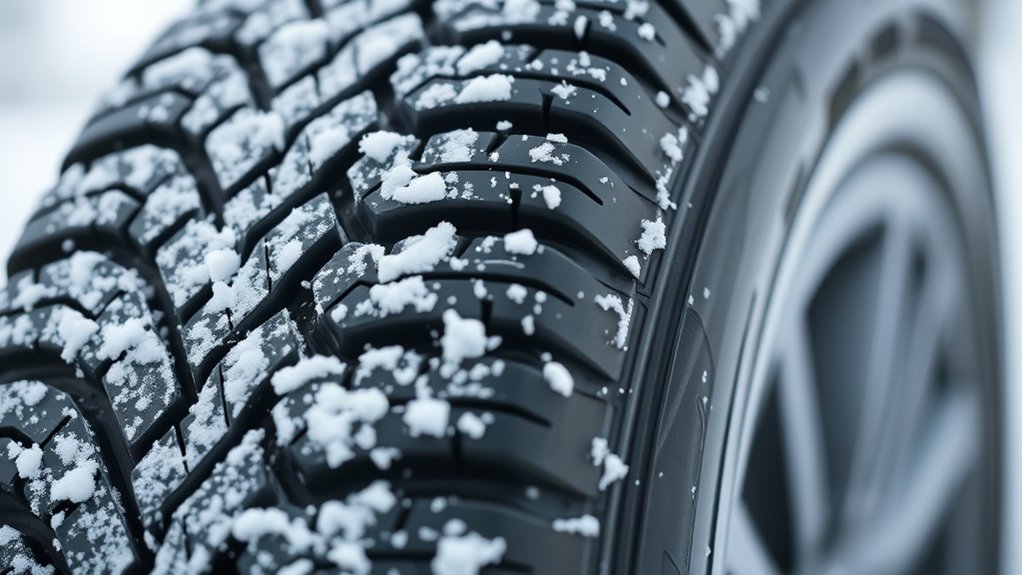
Snow driving in a Honda Accord is mostly about tire choice, tire size, and careful driving habits. The Accord is a front-wheel-drive sedan, so the right winter tires matter more than any single electronic traction feature. If you drive through regular snow, ice, slush, or freezing mornings, a full set of proper winter tires is the safest upgrade you can make.
Quick Answer
The best Honda Accord tires for snow are dedicated winter tires in the correct OEM size and load rating, mounted on all four wheels. For most Accord owners, a 225/50R17 winter setup is the most practical snow-friendly choice, while 235/40R19 models need extra care because Honda does not recommend chains or cables on that size.
Key Takeaways
- Choose dedicated winter tires with the three-peak mountain snowflake symbol when you regularly drive in snow, ice, or slush.
- Mount winter tires on all four wheels, not just the front pair, to keep braking and handling balanced.
- Use the tire size and load rating shown on your Accord’s door placard or owner’s manual.
- If your Accord uses 235/40R19 tires, do not assume chains are safe; Honda does not recommend chains or cables on that size for Accord Hybrid models.
- Traction control helps, but it cannot make up for the wrong tires on ice or packed snow.
At a Glance
| Time Required | 10 minutes to confirm your tire size; about 30–60 minutes for a shop to mount or swap a winter wheel-and-tire set |
| Difficulty | Easy if using a tire shop; moderate if swapping a mounted wheel set at home |
| Tools Needed | Tire pressure gauge, tread depth gauge, owner’s manual, and torque wrench if changing mounted wheels yourself |
| Cost | Usually the cost of four winter tires plus mounting/balancing; a separate wheel set costs more upfront but can reduce seasonal swap labor |
Which Honda Accord Tires Are Best for Winter Conditions?
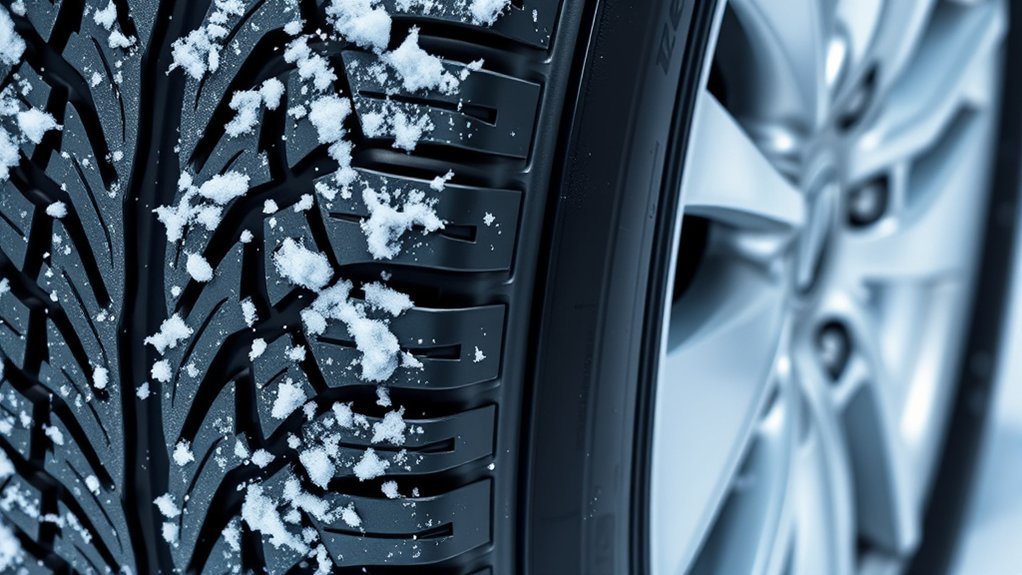
The best winter tires for a Honda Accord are dedicated snow tires that match your factory tire size, load index, and speed rating. Current Accord trims commonly use 225/50R17 94V or 235/40R19 96V all-season tires from the factory, depending on trim, so always confirm your exact size on the driver-side door placard before buying.
Look for the three-peak mountain snowflake symbol, often shortened to 3PMSF. M+S marking can appear on all-season tires, but 3PMSF is the stronger signal that the tire was designed and tested for severe snow service. For the Accord, a dedicated winter tire is usually a better choice than relying on the factory all-season tires if you drive through regular snow, packed snow, freezing rain, or steep icy streets.
Note: Use the tire size, load range, and speed rating recommended for your Accord. If you want to downsize from 19-inch wheels to a 17-inch winter package, confirm wheel clearance and fitment with a Honda dealer or a qualified tire shop before buying.
[Products Worth Considering]

Accurately measure tire tread depth with a calibrated gauge marked from 0 to 1 inch in 1/32 inch increments. The color-coded bar helps you quickly identify tread condition ranges, supporting safe driving for trucks, motorcycles, automobiles, and passenger vehicles.

Measure tire tread depth quickly and accurately with this LUMITECO dial gauge that reads in 1/32" increments up to 14/32". The color-coded green/yellow/red zones make it easy to judge tire wear and know when replacement is needed. A rugged, compact design with a protective pouch helps keep the gauge ready for use on cars, trucks, motorcycles, and more.

The SAFELIFE dial tire tread depth gauge measures tread depth in 1/32 inch increments with clear, easy-to-read 2-inch dial face. Color zones using a traffic light system help you quickly judge whether tread is low, marginal, or ample for safer driving. Built with a durable zinc cast body and a metal detect probe for precise, comfortable use across cars, motorcycles, trucks, and buses.
Best Current Winter Tire Types for a Honda Accord
| Winter tire option | Best for | What to know |
|---|---|---|
| Bridgestone Blizzak IcePeak | Newer Blizzak winter performance | Bridgestone’s newer flagship winter tire; check size availability for your Accord. |
| Bridgestone Blizzak WS90 | Proven snow and ice traction | Still a strong choice if available in your size, but it is no longer the newest Blizzak option. |
| Michelin X-Ice Snow+ | Long wear, quiet ride, and winter commuting | A strong option for drivers who want winter grip with good tread-life expectations. |
| Continental VikingContact 7 | Balanced snow, ice, and cold-weather comfort | Good for drivers who want a premium studless winter tire for mixed winter roads. |
How Winter Tires Enhance Snow Performance
Winter tires improve snow performance through three main features: softer cold-weather rubber, deeper grooves, and many small biting edges called sipes. These help the tire stay flexible and grip snow, ice, and slush more effectively than a typical all-season tire.
[Products Worth Considering]

Monitor tire tread wear with a smart, color-coded depth gauge that shows clear condition ranges at a glance. The bar is range marked for fast, easy readings, helping you maintain safer traction and performance. Each gauge is portable with a pocket clip, and the set includes 20 units for daily use and sharing.
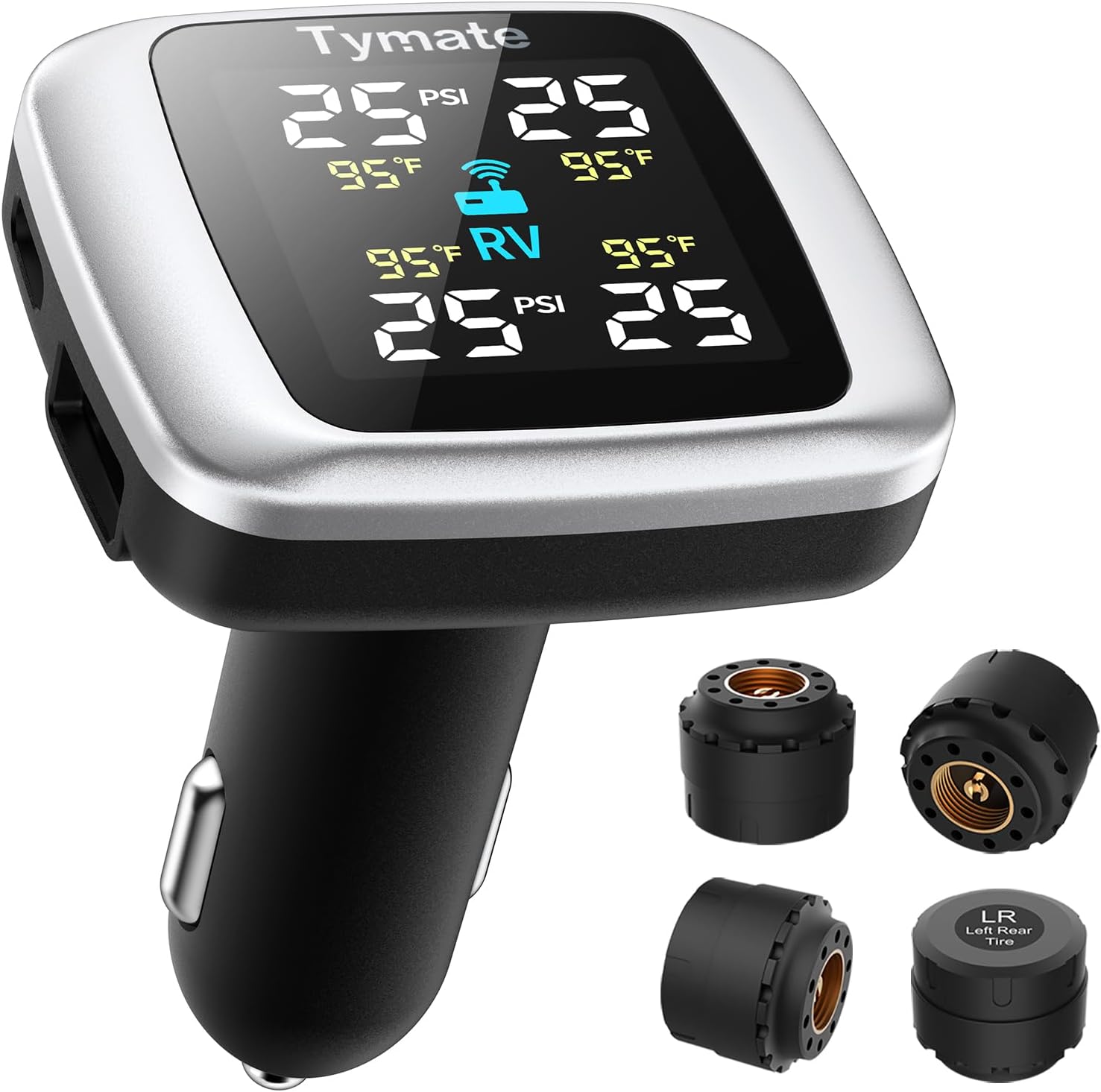
Tymate TM7 is a wireless tire pressure monitoring system that delivers real-time pressure and temperature readings for safer driving. It includes four external sensors, a bright color LCD display with adjustable backlight, and six alarm modes for high/low pressure, fast leakage, high temperature, and sensor signal or battery issues. The system covers a wide 0–144 PSI range and plugs into your vehicle’s cigarette lighter socket for quick DIY setup.

Milton S-921 pencil tire pressure gauge helps you maintain optimal tire pressure for passenger cars with accurate readings in PSI and kPa. It features a built-in deflator valve for convenient pressure adjustments, plus a single chuck head and nylon indicator bar for easy use on the go. Built from durable plated brass and designed for reliable performance, it’s a practical road trip and cold-weather maintenance tool.
Improved Traction Design
Winter tire tread blocks are designed to pack and release snow while pushing slush and water away from the contact patch. That matters because snow-on-snow contact can create useful grip, while water sitting over ice can make the tire slide.
| Feature | Dedicated winter tires | Typical all-season tires |
|---|---|---|
| Tread pattern | More sipes and snow-biting edges | Balanced for year-round use |
| Rubber compound | Stays more flexible in cold weather | Can lose grip as temperatures drop |
| Best use | Snow, ice, slush, and freezing temperatures | Mild climates and light occasional winter weather |
Enhanced Grip Technology
Modern winter tires use specialized compounds and siping patterns to improve braking, steering, and takeoff traction. On a Honda Accord, that helps the front tires pull the car forward while also keeping the rear tires stable during braking and turns.
Warning: Do not install winter tires on only the front wheels of an Accord. Honda recommends mounting winter tires on all four wheels so the car brakes, turns, and responds predictably.
How Tire Size Affects Winter Safety
Tire size affects winter safety because it changes sidewall height, tread width, chain clearance, ride comfort, and impact resistance. On current Honda Accord trims, the common factory sizes are 225/50R17 and 235/40R19. The 17-inch setup has a taller sidewall and slightly narrower tread, which can make it more practical for winter driving and chain compatibility.
The 19-inch setup looks sportier, but the shorter sidewall gives you less cushion over potholes and hidden ice ruts. More importantly, Honda’s Accord Hybrid winter-tire guidance says chains or cables are not recommended on 235/40R19 tires because of limited clearance.
Pro Tip: If your Accord came with 19-inch wheels and you drive in snow often, ask a tire shop about a dedicated 17-inch winter wheel package that matches Accord fitment. It can improve winter practicality and may protect your 19-inch wheels from salt and pothole damage.
Why All-Season Tires Fall Short in Snow
All-season tires are designed to cover a wide range of conditions, not to specialize in snow and ice. They can be fine for dry roads, rain, and light winter weather, but they usually cannot match a dedicated winter tire on packed snow, deep snow, or icy surfaces.
All-Season Tire Limitations
All-season tires have less aggressive siping and a compound designed for broad temperature ranges. In real winter weather, that compromise can lead to longer stops, weaker cornering grip, and more traction-control intervention.
- Less cold-weather bite: The tread is not as specialized for snow and ice.
- Less slush control: Winter tires usually have deeper channels to move slush and water.
- Less confidence on hills: Starting from a stop on an icy incline can be difficult with ordinary all-season tires.
Traction Challenges in Snow
A front-wheel-drive Accord can do well in winter with the right tires, but it can still struggle when the front tires lose grip. If your tires spin while pulling away, traction control may reduce engine power, but it cannot create grip that the tire does not have.
Winter Tire Advantages Explained
Winter tires give your Accord more usable grip for the exact moments that matter most: braking before an intersection, climbing a snowy driveway, steering around a stalled vehicle, and staying stable during lane changes.
Winter preparation is not just about comfort. NHTSA reported hundreds of fatal crashes and tens of thousands of injury crashes in snow or sleet conditions in 2023, so tires, speed, and following distance all matter.
Real User Experiences With Honda Accord Tires in Snow
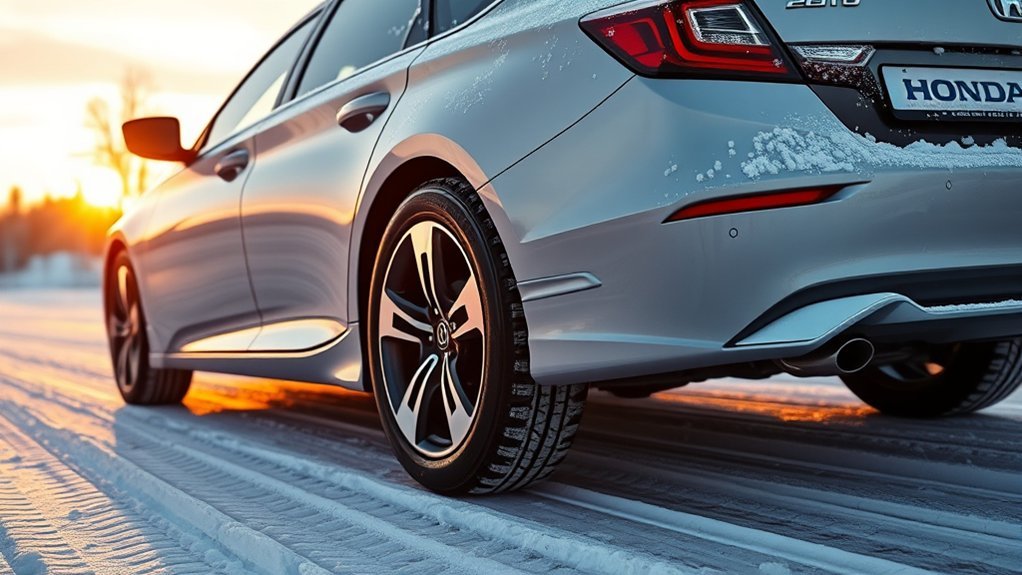
Many Accord owners notice the same pattern: the car itself feels predictable, but the factory all-season tires can be the weak point when roads turn icy or packed with snow. That is especially true on hills, at stop signs, and during low-speed turns where polished snow can make the front tires slide.
The biggest improvement usually comes from switching to four matching winter tires before the first major storm. Drivers who use a separate winter wheel-and-tire set also avoid remounting tires twice a year, protect their nicer wheels from winter salt, and make seasonal swaps faster.
Still, even the best tire cannot overcome unsafe speed. A winter-equipped Accord still needs gentle steering, gradual braking, and a longer following distance than you would use on dry pavement.
Top Winter Tire Recommendations for Honda Accord
When choosing winter tires for your Honda Accord, start with fitment, not brand. Confirm your size, load index, speed rating, and wheel clearance first. Then choose a tire that matches your driving conditions.
[Products Worth Considering]

The Continental Grand Prix 5000 is an allround road bike tire engineered for faster rolling, improved ride comfort, and enhanced puncture protection. It features a Vectran Breaker cut-protection layer, Lazer Grip micro-profile tread for confident cornering control, and Active Comfort Technology to damp vibration for smoother rides. BlackChili compound optimizes grip and speed for everyday performance and long-lasting confidence.

The 22800 wheel stud installer makes replacing wheel studs quick and secure, saving time and effort during tire service. It uses a ratchet or impact wrench to pull new studs firmly into place, helping when existing studs are too long. Compatible with most automotive wheels and light-duty truck wheel studs, it’s designed for easy, tool-assisted installation.

The TYAMATE TM8 solar-powered wireless TPMS delivers real-time tire pressure and temperature monitoring with six alarm modes for safer driving. A vibrant color LCD display shows readings clearly while windshield mounting keeps it hands-free and easy to read. With a wide 0–87 PSI range, strong 433.92 MHz signal transmission, and quick sensor pairing, it’s ideal for RV, sedan, SUV, MPV, and truck use.
For Heavy Snow and Ice
Choose a premium studless winter tire such as Bridgestone Blizzak IcePeak, Bridgestone Blizzak WS90 where still available, Michelin X-Ice Snow+, or Continental VikingContact 7. These are designed for winter grip, not year-round compromise.
For Occasional Snow but Cold Winters
If you see only occasional snow but frequent freezing temperatures, a dedicated winter tire is still the safest choice. If you do not want seasonal swaps, consider a severe-snow-rated all-weather tire only if it carries the 3PMSF mark and fits your Accord correctly. It will not be as specialized as a true winter tire, but it can be a practical compromise for mild winter regions.
For 19-Inch Accord Trims
If your Accord uses 235/40R19 tires, check winter tire availability early. This size can cost more and gives you less chain flexibility. A properly fitted 17-inch winter package may be more practical, but do not assume any 17-inch wheel will clear the brakes or fit the hub correctly. Have fitment confirmed before purchase.
Why You Need to Install Tire Chains Correctly
Tire chains can help in chain-control areas, but on a Honda Accord they must be chosen carefully because of limited clearance around the brake lines, suspension, body, and wheels. Wrong chains or poor installation can damage the car and create a serious safety risk.
| Accord tire size | Honda chain guidance | Placement |
|---|---|---|
| 225/50R17 | SCC Radial Chain SC1036 cable-type chains are listed in Honda Accord Hybrid guidance. | Front tires only |
| 235/40R19 | Honda does not recommend any type of chain or cable on this size in Accord Hybrid guidance. | Do not use unless Honda guidance for your exact model says otherwise |
Warning: Always follow your exact owner’s manual, chain manufacturer instructions, and local chain laws. Mount chains tightly, drive slowly, stop if they hit the vehicle, and never use chains that contact brake lines or suspension parts.
How Honda Technology Supports Winter Driving
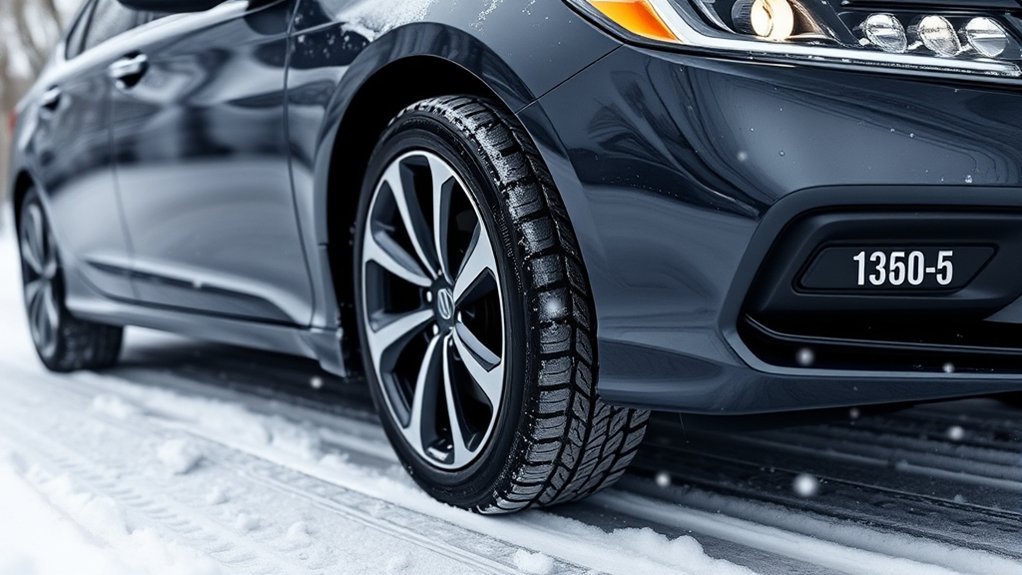
Honda Accord technology can help you stay more controlled in winter, but it does not replace winter tires. Current Accord models are front-wheel drive, and their available drive modes are not the same as the Snow modes found on some Honda SUVs.
- Vehicle Stability Assist with Traction Control: Helps reduce wheelspin and assists stability when the car begins to slide.
- Anti-Lock Braking System: Helps prevent wheel lockup during hard braking, but you still need extra stopping distance on snow and ice.
- TPMS: Alerts you when tire pressure becomes significantly low, but you should still check pressure manually when tires are cold.
- Drive modes: Use smooth accelerator inputs. Sport mode can make the car feel more responsive, which is not ideal on slippery surfaces.
Note: Traction control helps manage wheelspin, but tires provide the actual grip. If the tire cannot bite into the surface, electronics have very little traction to work with.
Essential Driving Tips for Your Honda Accord in Snow
Once your Accord has the right tires, winter driving technique becomes the next safety upgrade. Smooth inputs are key: accelerate gently, brake early, and steer gradually.
- Check pressure cold: Tire pressure drops as temperatures fall. Use the pressure listed on the door placard, not the maximum pressure molded into the tire sidewall.
- Inspect tread depth: Replace worn tires before winter. Legal minimum tread is not the same as strong snow traction.
- Leave more space: Increase following distance so you have time to stop on slick roads.
- Use gentle throttle: If the front tires spin, ease off and let them regain grip.
- Brake earlier: Even with ABS, snow and ice require more stopping distance.
- Clear the whole car: Remove snow from windows, roof, lights, hood, and trunk before driving.
- Carry winter supplies: Keep a scraper, small shovel, blanket, flashlight, phone charger, water, and traction material such as sand or kitty litter.
Before a long winter trip, check local weather, road closures, and chain-control rules. If the road is icy and travel is not necessary, waiting for plows and warmer daylight can be the safest choice.
Frequently Asked Questions
Do Honda Accords handle well in snow?
A Honda Accord can handle light-to-moderate snow well when it has proper winter tires, good tread depth, correct tire pressure, and a careful driver. The Accord is front-wheel drive, so tire grip is especially important for starting, steering, and braking.
Are 17-inch or 19-inch Accord tires better for winter?
For many Accord owners, 17-inch winter tires are more practical because they have more sidewall and better chain compatibility. Honda lists 225/50R17 and 235/40R19 as common Accord sizes, but chain guidance is much more restrictive for the 19-inch size.
Are 265 or 275 tires better for winter on a Honda Accord?
Neither is appropriate for a stock Honda Accord unless a tire professional has confirmed a safe custom fitment. Accord owners should use the size shown on the door placard or a verified winter package. Oversized tires can create clearance, handling, speedometer, and safety problems.
Are winter tires or AWD more important in snow?
For stopping and turning, winter tires matter more than AWD. AWD can help a vehicle accelerate, but it does not shorten braking distance on ice. Since the Accord is front-wheel drive, the best winter upgrade is a full set of quality winter tires.
Can I put tire chains on a Honda Accord?
Possibly, but only if your exact tire size and owner’s manual allow it. Honda Accord Hybrid guidance lists SCC Radial Chain SC1036 for 225/50R17 tires and says chains or cables are not recommended for 235/40R19 tires. Chains go on the front tires only.
When should I switch my Accord to winter tires?
Switch before the first serious winter storm, especially if your area regularly sees freezing temperatures, snow, ice, or slush. Do not wait until your all-season tires have already struggled on a hill or at an icy intersection.
Conclusion
The safest Honda Accord snow setup starts with four dedicated winter tires in the correct size, load rating, and speed rating. For many drivers, a 17-inch winter package is the most practical choice because it offers more sidewall and better chain compatibility, but every setup should be confirmed against your door placard, owner’s manual, and wheel clearance.
Skip the one-size-fits-all advice. A front-wheel-drive Accord with the right winter tires, correct pressure, smart chain use, and smooth driving habits can be calm and predictable in winter. The wrong tires, oversized fitments, or improper chains can turn the same car into a sliding hazard.
Sources
- Honda 2026 Accord Sedan Features & Specs — backs up current Accord drivetrain, drive modes, tire sizes, wheels, VSA, and TPMS.
- Honda 2025 Accord Hybrid Owner’s Manual: Winter Tires — backs up winter tire mounting, tire-chain placement, SCC SC1036 guidance, and 235/40R19 chain restriction.
- NHTSA TireWise — backs up tire-size, tread, pressure, and winter tire safety guidance.
- NHTSA Winter Weather Driving Tips — backs up slow-speed, following-distance, tire-pressure, and winter emergency-prep guidance.
- Bridgestone Blizzak IcePeak — backs up current Bridgestone winter tire information.
- Michelin X-Ice Snow+ — backs up current Michelin winter tire information, 3PMSF/M+S markings, and warranty details.