
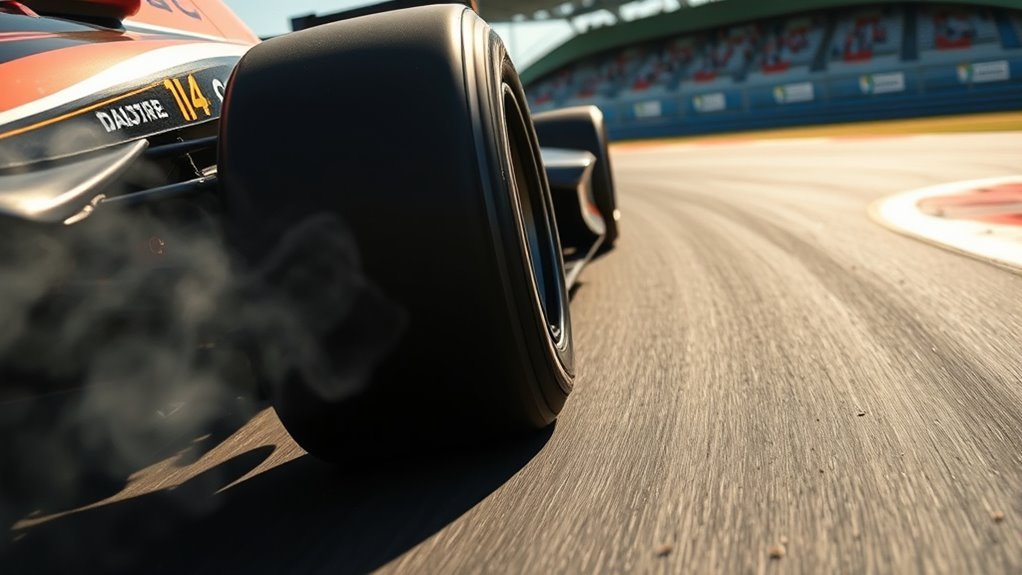
How Tire Temperature Changes Affect Grip and Handling
What’s in This Article
- How Tire Temperature Changes Affect Grip and Handling
- What Happens to Rubber During a Heat Cycle
- Tire Temperature Ranges: Street vs. Race
- How Heat Alters Tire Pressure and the Contact Patch
- Measuring Tire Temperature: Tools and Best Practices
- Practical Ways to Manage Tire Temperature in Hot Weather
- How Additives and Polymers Break Down With Repeated Heating
- Signs Your Tires Have Heat Damage and Glazing
- Simple Maintenance and Replacement Rules to Preserve Grip
- Troubleshooting Common Heat-Related Tire Issues
- Frequently Asked Questions
- References
Your tires can feel sharp one lap and vague the next if the rubber drifts outside its working range. Heat helps rubber grip, but too much heat raises pressure, shrinks the footprint, and breaks down the compound. This guide explains how tire temperature affects grip, pressure, wear, and the steps you can use to keep handling predictable.
Quick Answer
Tire temperature affects grip because heat changes rubber flexibility and air pressure inside the tire. Warm rubber can conform to the road better, but excess heat hardens the compound over time and can reduce the contact patch. Check tread temperature and pressure together so you can adjust before grip fades.
Key Takeaways
- Keep tires in their target temperature range to improve grip and handling feel.
- Track pressure rise because warmer air inside the tire changes the contact patch.
- Watch for glazing, cracking, and uneven tread temperatures as signs of heat damage.
- Measure tread temperatures in a consistent pattern right after a run.
- Replace tires when tread depth, age, heat cycles, or grip loss show the compound has degraded.
How Tire Temperature Changes Affect Grip and Handling

When you heat a tire, its rubber compounds become more pliable. That extra flexibility can help the tread conform to the road and increase grip up to the tire’s ideal operating range.
Once the tire gets too hot, grip starts to fall. Excess heat raises internal pressure, reduces the contact patch, and speeds up rubber wear.
You can manage grip consistency by checking tread temperature, pressure, and wear patterns together. Uneven heating creates local hot spots, inconsistent slip angles, and sudden handling changes that make the car harder to control.
Use systematic temperature mapping instead of guesswork. That habit helps you tune pressure, driving inputs, and cool-down time while protecting tire life.
What Happens to Rubber During a Heat Cycle
A heat cycle happens when a tire warms during use and then cools again. Each cycle changes the rubber at the surface and inside the tread compound.
During repeated heat cycles, softening agents can migrate or break down, oxidation can harden the rubber, and the surface can glaze. These changes reduce the tire’s ability to flex and grip.
| Process | Effect |
|---|---|
| Additive breakdown | Reduced flexibility and lower grip |
| Oxidation | Hardening and brittleness |
| Surface glazing | More slip and less traction |
Uneven heating also leaves the tread with different grip levels across its width. That makes steering, braking, and corner exit behavior less predictable.
Note: Heat cycling matters most for performance and race tires, but street tires also age faster when they run hot for long periods.
Tire Temperature Ranges: Street vs. Race
Street and race tires use different compounds, so they do not share one perfect temperature range. Street tires need broad performance in cold, wet, and daily driving conditions. Race tires need a narrower hot window for maximum grip.
Always treat exact targets as tire-specific. Check the tire maker’s data or your track notes when you need a precise hot pressure or tread temperature goal.
Street Tire Operating Temps
Street tires usually deliver predictable grip across a wider temperature range than race tires. Many performance street tires feel best once they reach moderate tread heat, but they must also work safely in normal road use.
Ambient temperature affects pressure, steering feel, and wear. A common rule of thumb says tire pressure changes about 1 psi for every 10°F change in air temperature, but actual results vary by tire size, load, and use.
Use gentle warm-up, routine pressure checks, and load control to preserve grip. These steps help you avoid overheating without sacrificing safe daily handling.
Race Tire Optimal Range
Race tires need higher working temperatures to reach peak grip. Many racing slicks and competition tires work best only after you bring them into a narrow target window.
Below that range, the rubber may slide instead of biting into the track. Above it, the compound can overheat, lose grip, and wear quickly.
Use tire warmers only when the tire maker, event rules, and your setup allow them. Pair warmers with pressure checks and tread readings so you don’t start a session outside the target range.
How Heat Alters Tire Pressure and the Contact Patch
Heat raises pressure because air expands inside the tire. As pressure climbs, the carcass stiffens and the tread can press into the road with a smaller, more concentrated footprint.
Rubber softening works in the other direction. A warmer compound can conform better to the road surface and improve grip until it overheats.
Pressure Rise With Heat
Use the 1 psi per 10°F rule as a starting estimate, not a fixed law. Track use, tire construction, inflation gas, wheel size, and load all affect the final pressure gain.
A large tread temperature rise can add several pounds of pressure. That change can move the tire away from its ideal contact patch and alter steering response.
Log cold pressure, hot pressure, ambient temperature, and tread temperature after each run. This record helps you set better starting pressures next time.
Contact Patch Changes
Heat changes the contact patch in two ways. Higher pressure tends to reduce footprint area, while softer rubber can improve surface conformity.
Too much heat can overwhelm that benefit. Effective overinflation can narrow the patch and reduce cornering and braking grip.
| Parameter | Effect |
|---|---|
| Temperature rise | Raises pressure and softens rubber |
| Higher pressure | Can reduce footprint area |
| Rubber softening | Can improve road conformity |
| Excess heat | Can reduce traction |
Pressure Adjustment Rules
Start with the vehicle or tire maker’s recommended pressure for street use. For track use, follow tire maker guidance, then adjust with hot pressure and tread temperature data.
If the center of the tread runs hotter than the edges, the tire may have too much pressure. If both shoulders run hotter than the center, the tire may need more pressure or less sidewall flex.
Make small changes and record each result. Large pressure jumps can hide the real cause of a handling problem.
Pro tip: Take tire temperatures before you adjust pressures, because pressure changes can mask the heat pattern you need to diagnose.
Measuring Tire Temperature: Tools and Best Practices
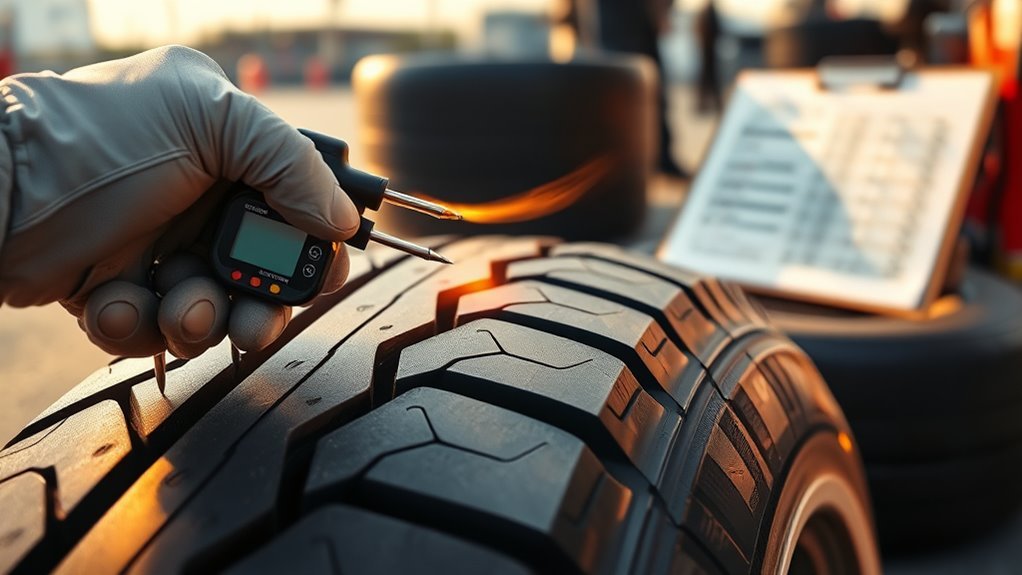
Accurate tire temperature checks need the right tool and a consistent method. Infrared pyrometers give fast surface readings, while probe-style pyrometers read below the tread surface.
For setup work, measure the inner, middle, and outer tread positions right after a run. Use the same order each time and write the readings down.
Timing matters because tires cool quickly after you stop. Standardize your process, such as checking within 30 seconds of leaving the track or test route.
Keep tools clean and calibrated. Compare temperature data with hot pressure, handling notes, and visible wear before you make changes.
[Products Worth Considering]

Monitor tire tread wear with a smart, color-coded depth gauge that shows clear condition ranges at a glance. The bar is range marked for fast, easy readings, helping you maintain safer traction and performance. Each gauge is portable with a pocket clip, and the set includes 20 units for daily use and sharing.
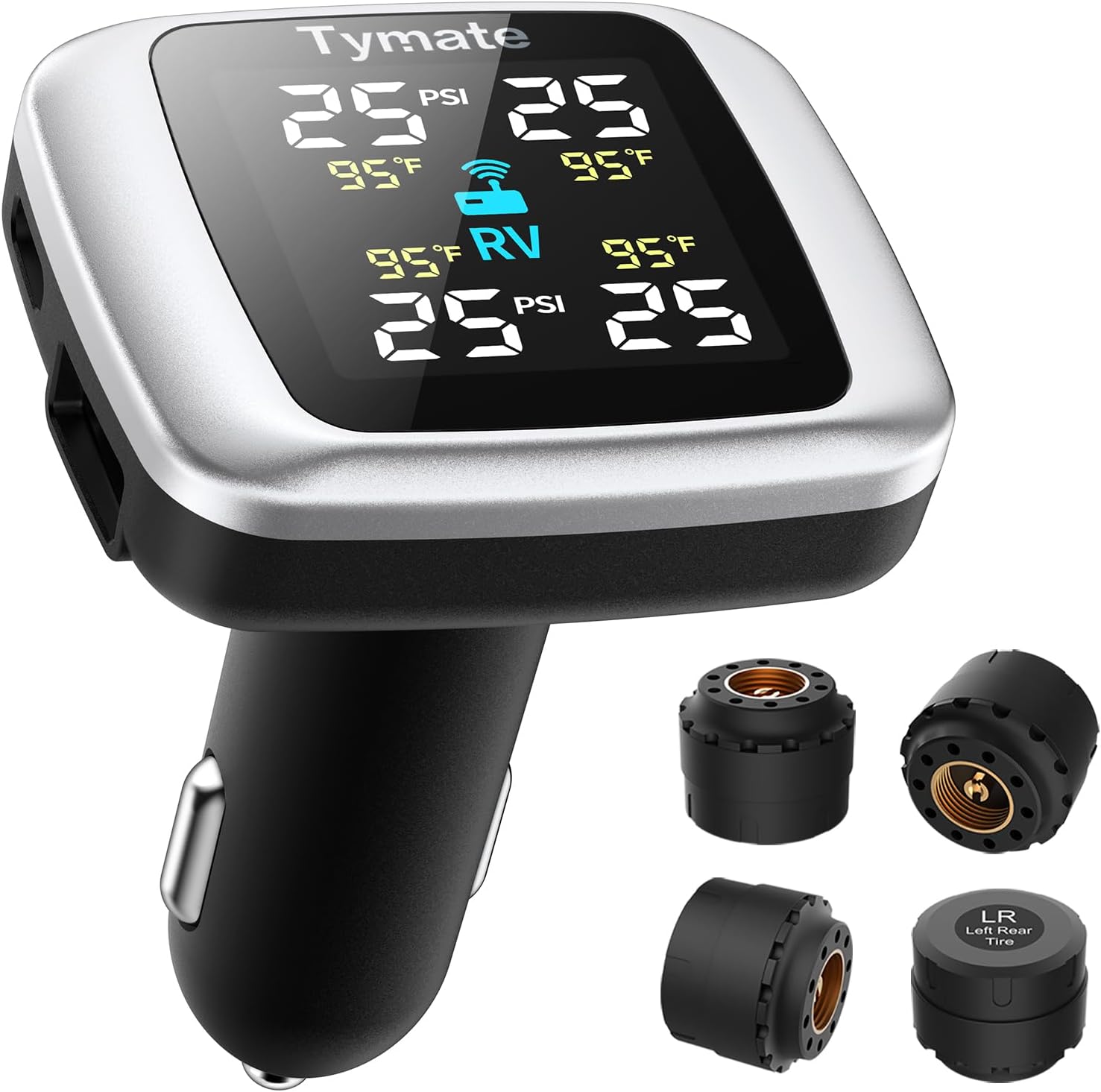
Tymate TM7 is a wireless tire pressure monitoring system that delivers real-time pressure and temperature readings for safer driving. It includes four external sensors, a bright color LCD display with adjustable backlight, and six alarm modes for high/low pressure, fast leakage, high temperature, and sensor signal or battery issues. The system covers a wide 0–144 PSI range and plugs into your vehicle’s cigarette lighter socket for quick DIY setup.

The SAFELIFE dial tire tread depth gauge measures tread depth in 1/32 inch increments with clear, easy-to-read 2-inch dial face. Color zones using a traffic light system help you quickly judge whether tread is low, marginal, or ample for safer driving. Built with a durable zinc cast body and a metal detect probe for precise, comfortable use across cars, motorcycles, trucks, and buses.
Practical Ways to Manage Tire Temperature in Hot Weather
Hot weather gives tires less room for error. Start with a plan that controls heat input, pressure rise, and uneven loading.
Plan for heat: confirm fitment, check pressures, measure tread temperatures, and adjust driving inputs before the compound overheats.
- Check cold pressures before the run and note ambient temperature.
- Measure hot pressures and tread temperatures as soon as the run ends.
- Confirm tire size, load rating, and alignment to reduce edge overheating.
- Use warmers only when appropriate for the tire and event rules.
- Add cool-down time when tread temperatures keep rising past the target range.
Small setup changes work best when you test one variable at a time. That approach helps you protect grip without chasing random pressure changes.
Warning: Do not bleed hot street-tire pressure below the vehicle maker’s safe cold recommendation for normal road use.
[Products Worth Considering]

Measure tire tread depth quickly and accurately with this LUMITECO dial gauge that reads in 1/32" increments up to 14/32". The color-coded green/yellow/red zones make it easy to judge tire wear and know when replacement is needed. A rugged, compact design with a protective pouch helps keep the gauge ready for use on cars, trucks, motorcycles, and more.

This tire inflator with pressure gauge delivers long-lasting performance with a durable rubber-protected gauge and sturdy build. The longer hose and 360 swivel air chuck help you seal the valve securely and keep your hands free while measuring, inflating, or deflating. It’s battery-free for reliable use and provides ±2 PSI accuracy in the mid-range for most typical tires, with universal compatibility for 1/4 NPT compressor outputs.
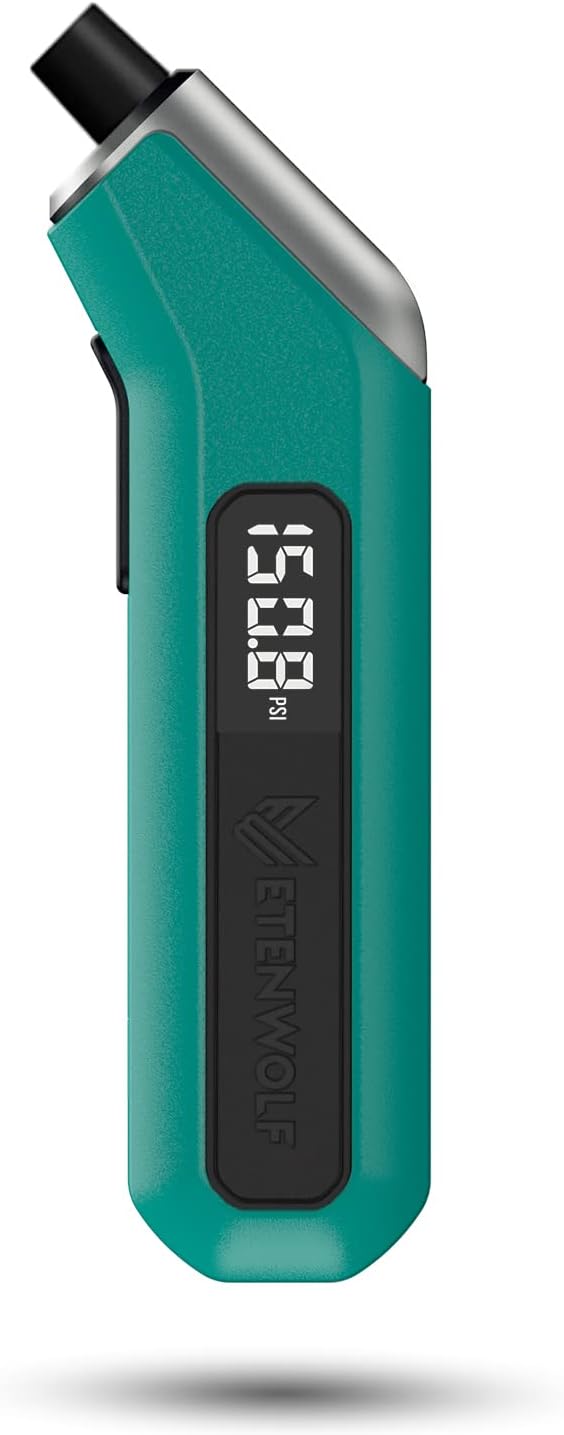
ETENWOLF T300 is a calibrated digital tire pressure gauge designed for reliable readings across low and high pressure ranges. It includes thermal compensation for stable performance in extreme cold or heat, an LED light for visibility, and an auto shut-off to help preserve battery life. Ideal for pickups, RVs, and heavy-duty vehicles, it delivers accurate PSI measurements with sturdy durability.
How Additives and Polymers Break Down With Repeated Heating
Temperature control slows damage, but repeated heat still changes the tread compound. Tackifiers, oils, and other additives can lose effectiveness after repeated heating and cooling.
The polymer network can also stiffen over time. As the tread loses elasticity, it conforms less to the road and produces less mechanical grip.
| Cycle Count | Additive Loss | Polymer Response |
|---|---|---|
| Low | Minimal | Flexible |
| Moderate | Noticeable | Less elastic |
| High | Significant | Hardened |
You can extend useful life by limiting avoidable heat exposure. Monitor grip, surface condition, and cycle count so you replace tires before the compound loses safe performance.
Signs Your Tires Have Heat Damage and Glazing
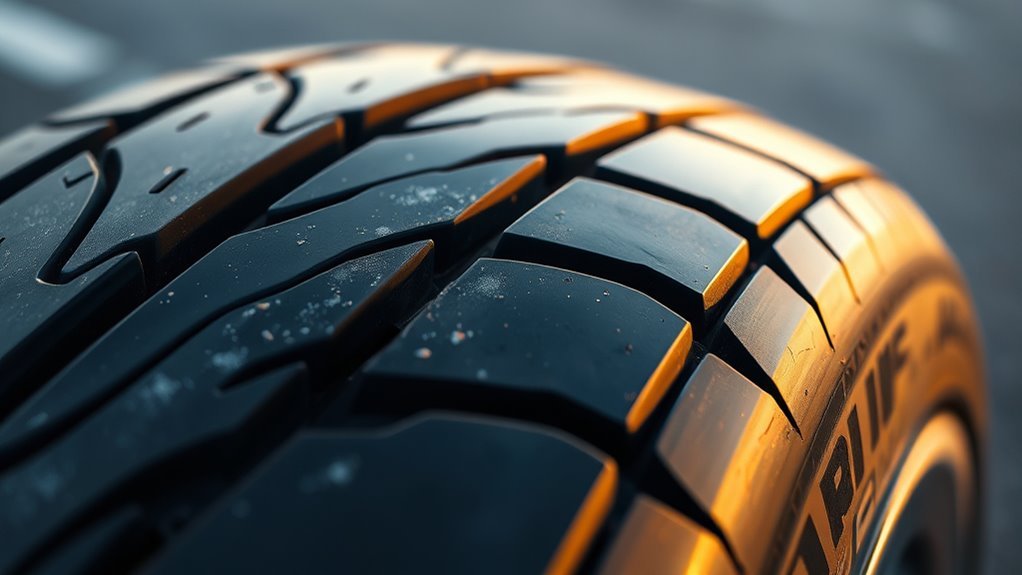
A shiny, glassy tread surface often points to overheating. Glazing reduces surface tack and can hurt lateral grip during cornering and braking.
Treat glazing as a clear warning sign, not just a cosmetic issue. It often means the rubber has hardened and lost some of its ability to bite.
A shiny, glassy tread can signal overheated rubber, lower tack, and reduced grip.
- Look for a shiny tread surface that feels hard or slick.
- Check for reduced elasticity when the tire carries load.
- Compare inner, middle, and outer tread temperatures for uneven heat.
- Inspect for cracks, blisters, chunking, or separated rubber layers.
Use these signs with your temperature data and wear map. If grip feels inconsistent, replace the tire rather than pushing a damaged compound harder.
Simple Maintenance and Replacement Rules to Preserve Grip
Good tire maintenance starts before you notice grip loss. Check pressure, tread depth, age, and surface condition on a set schedule.
Regular Pressure Checks
Check cold tire pressure at least monthly and before long trips. Also check it when ambient temperature changes sharply.
- Use a calibrated gauge when the tires are cold.
- Set pressure to the vehicle maker’s placard for normal road use.
- Record ambient temperature if you track pressure changes closely.
- Inspect uneven wear that may point to poor pressure or alignment.
These checks help control heat generation and protect the contact patch. They also reduce the risk of accelerated wear.
Timely Tire Replacement
Replace street tires at or before 2/32 inch tread depth, as required by common U.S. tread-depth safety guidance. Replace them sooner when wet traction drops, wear bars show, or heat damage appears.
Age also matters. Many tire makers advise professional inspection after several years in service and replacement when age or condition creates risk, even if tread remains.
For track tires, track heat cycles, grip feel, and lap-time consistency. A tire can lose performance before it looks fully worn out.
Troubleshooting Common Heat-Related Tire Issues
Heat-related tire problems show up as grip loss, pressure drift, uneven wear, or sudden handling changes. Diagnose the easiest causes first.
- Check pressure first: Compare cold and hot readings so you know whether heat raised pressure too far.
- Map tread temperature: Measure inner, center, and outer tread zones to find alignment, camber, or pressure issues.
- Inspect the surface: Look for glazing, blistering, cracks, or chunking that signal compound damage.
- Adjust inputs and cooling: Smooth steering, braking, and throttle use to reduce excess heat.
- Replace damaged tires: Do not rely on pressure changes to fix a tire with structural or severe compound damage.
Fast diagnosis keeps a small heat problem from becoming a safety issue. Use pressure, temperature, and wear data together before you choose a fix.
[Products Worth Considering]

Accurately measure tire tread depth with a calibrated gauge marked from 0 to 1 inch in 1/32 inch increments. The color-coded bar helps you quickly identify tread condition ranges, supporting safe driving for trucks, motorcycles, automobiles, and passenger vehicles.

The Ziopetru adjustable magnetic wheel alignment tool helps you check and restore camber and caster positioning after removing and reinstalling undercarriage components. With a clear leveling/bubble measurement system and an easy zeroing adjustment knob, it supports precise horizontal angle checking. The strong magnetic base mounts to metal surfaces for convenient use at home on cars, motorcycles, trucks, vans, and SUVs.

Measure tyre tread depth precisely with a digital gauge that reads in both MM and inches, helping you monitor safe driving conditions. The large LCD screen is easy to operate, and the compact tool fits for cars, trucks, and motorcycles. It provides high accuracy with a 0-25.4mm range and includes a 1-year warranty for added peace of mind.
Frequently Asked Questions
What Is the Best Temperature for Tire Grip?
The best temperature depends on the tire compound. Street tires work across a broad range, while race tires need higher and narrower target temperatures.
Use the tire maker’s data when you need an exact number. If you do not have that data, track hot pressure, tread temperature, and handling feel over repeated runs.
Can Tires Get Too Hot During Normal Driving?
Yes, tires can overheat during normal driving when they carry too much load, run underinflated, or travel at high speed in hot weather. Underinflation creates extra sidewall flex, which builds heat quickly.
Stop and inspect the tires if you notice vibration, a burning smell, visible damage, or sudden handling changes.
Does Lower Tire Pressure Create More Grip?
Lower pressure can increase the contact patch in some conditions, but it can also add sidewall flex and heat. Too little pressure can damage the tire and make handling vague.
Make small pressure changes and measure the result. Do not use track pressure habits for normal road driving unless the tire maker supports them.
How Do You Tell if a Tire Has Too Many Heat Cycles?
A tire with too many heat cycles may feel hard, look shiny, and lose grip even when tread remains. Lap times may fade, braking may take longer, and the car may slide sooner.
Track heat cycles in a log if you use performance tires. Replace the tire when grip becomes inconsistent or the surface shows heat damage.
Are Infrared Tire Temperature Guns Accurate?
Infrared guns work well for quick surface checks, but they can miss heat below the tread surface. Probe pyrometers give better data for setup work because they read into the rubber.
Use the same tool and method each time. Consistency matters more than one isolated reading.
Conclusion
Tire temperature changes grip because it affects rubber flexibility, pressure, and the shape of the contact patch. Your best next step is to check pressure and tread temperature together, then log what changes improve handling.
Watch for glazing, hardening, cracks, and uneven heat patterns before they become bigger problems. With consistent checks and timely replacement, you can keep traction predictable and drive with more confidence.
References
- Tires — National Highway Traffic Safety Administration
- Tire Safety — National Highway Traffic Safety Administration
- Tire Safety — U.S. Tire Manufacturers Association
