
You can reduce tire road noise most effectively by fixing the source before trying to block the sound. Start with tire pressure, uneven tread wear, wheel balance, alignment, and suspension condition. Then compare the noise on different road surfaces and rule out wheel-bearing or brake problems. If the tires and vehicle are healthy, quieter tires plus targeted wheel-well, floor, and door insulation can further calm the cabin.
Quick Answer
To quiet tire road noise, set the tires to the vehicle’s recommended cold pressure, inspect for cupping or feathering, correct alignment or balance problems, and replace severely irregular tires when needed. After mechanical causes are ruled out, choose a quiet-focused tire and add automotive sound damping around the wheel wells, floor, and doors.
Key Takeaways
- Uneven tread wear is a common cause of tire hum and roar. Fix the cause before spending money on soundproofing.
- Use the cold tire pressure on the vehicle placard or in the owner’s manual, not a generic PSI number or the tire’s sidewall maximum.
- Alignment, suspension wear, imbalance, and badly cupped tires can all create vibration or noise.
- Do not assume every humming sound comes from the tires; wheel bearings and other rotating parts can sound similar.
- Quietness depends on the individual tire design, tread condition, vehicle, speed, and pavement—not simply whether a tire is all-season, highway, or run-flat.
- Once the tires and chassis are healthy, wheel-well, floor, and door treatments can reduce the amount of road noise reaching the cabin.
At a Glance
| Time Required | About 10–20 minutes for basic tire checks; several hours if you install extensive sound-deadening materials. |
| Difficulty | Easy for pressure and tread checks; moderate to advanced for wheel-well, door, and floor disassembly. |
| Tools Needed | Accurate tire-pressure gauge, flashlight, tread-depth gauge or ruler; trim tools and manufacturer-specified lifting equipment if you perform sound-deadening work. |
| Cost | A pressure and visual inspection may cost nothing. Alignment, tire replacement, repairs, and acoustic materials vary widely by vehicle and local labor rates. |
Check Tires for Noise Problems First

Start with the tires because an irregular tread can generate a repeating hum, roar, or vibration every time the damaged area contacts the pavement. Michelin notes that uneven wear can result from problems such as underinflation, misalignment, and improper balancing, and that irregular wear is a common reason tires become noticeably loud. See Michelin’s tire-maintenance guidance.
Run your hand lightly across the tread while the vehicle is parked and the tires are cool. Look and feel for:
- Cupping or scalloping: alternating high and low spots around the tread.
- Feathering: tread ribs that feel smooth in one direction but sharp in the other.
- One-sided wear: one shoulder is noticeably more worn than the other.
- Flat spots: localized areas that can create a rhythmic thump.
- Embedded debris: stones, screws, or other objects that can create clicking or abnormal noise.
Correcting alignment, balance, pressure, or worn suspension parts can stop additional irregular wear. However, an already severe cupped pattern may remain noisy because the tread surface itself is permanently uneven. Michelin notes that once a pronounced cupped pattern has formed, correcting the cause does not restore the missing rubber; replacement may be necessary if the wear is severe or the tire is no longer serviceable.
Pro Tip: Test the vehicle on the same stretch of road at the same approximate speed before and after making a change. Road texture can alter tire noise dramatically, so comparing different roads can make a repair seem more or less effective than it really is.
Make Sure the Noise Is Actually Coming From the Tires
A steady road roar is often tire-related, but a new hum, growl, grinding sound, or vibration can come from other rotating components. Do not buy quieter tires or dismantle the interior until you have a reasonable idea of what is making the noise.
| What You Notice | Possible Cause | Next Check |
|---|---|---|
| Hum or roar rises steadily with road speed | Tread pattern, uneven wear, road texture, or possibly a wheel bearing | Inspect tread and compare the sound on different pavement. |
| Noise changes noticeably during gentle left or right turns | Possible wheel-bearing or wheel-end problem | Have the wheel end inspected rather than assuming the tire is responsible. |
| Steering-wheel vibration at a certain speed | Wheel imbalance, out-of-round tire, bent wheel, or suspension problem | Inspect and balance the wheel-and-tire assembly as needed. |
| Grinding when braking | Possible brake problem | Have the braking system inspected promptly. |
| Thumping once per wheel rotation | Flat spot, damaged tire, separated component, or debris | Stop and visually inspect the tire; seek professional inspection if damage is suspected. |
Timken’s wheel-bearing guidance notes that bearing-related humming, rumbling, or growling may intensify when steering changes the load on the wheel end. That is useful because ordinary tire tread noise usually follows vehicle speed and pavement more than gentle steering input.
Warning: A sudden new grinding, heavy thumping, strong vibration, bulge, visible tire damage, steering looseness, or wheel-end noise should be inspected promptly. Soundproofing can hide symptoms; it cannot repair a mechanical or tire-safety problem.
Keep Tires Properly Inflated
Correct pressure helps each tire carry its intended load and maintain the contact shape its manufacturer and vehicle maker designed. Incorrect pressure can contribute to abnormal wear, heat, poor handling, and changes in ride quality. Those wear patterns may eventually make the tire noisier.
According to the National Highway Traffic Safety Administration, check all tires at least once a month when they are cold. NHTSA defines a cold tire as one that has not been driven for at least three hours for purposes of obtaining an accurate reading.
- Find the recommended cold pressure on the vehicle’s Tire and Loading Information label, normally on the driver’s doorjamb or door edge, or in the owner’s manual.
- Check pressure before driving or after the vehicle has been parked long enough for the tires to cool.
- Adjust the front and rear tires to their specified values. Do not assume all four positions require the same pressure.
- Replace the valve caps and recheck pressure periodically, especially after large temperature changes.
Note: Do not use the maximum pressure molded on the tire sidewall as your normal vehicle inflation target. NHTSA directs drivers to use the vehicle manufacturer’s recommended cold pressure on the placard or in the owner’s manual.
Proper inflation should not be presented as a guaranteed decibel reduction. Its main noise benefit is preventive: it helps the tire wear normally instead of developing pressure-related irregularities that can become noisy.
Rotate and Balance Tires for the Right Reasons
Regular tire rotation helps distribute wear among the wheel positions. Michelin recommends following the vehicle manufacturer’s schedule and notes that rotation supports more even wear and consistent performance. A commonly cited general interval is around 5,000–7,000 miles, but your owner’s manual or tire warranty should take priority.
Rotation can reduce future noise by preventing one position from developing a much rougher wear pattern than the others. It may not immediately silence a tire that is already severely cupped.
After a rotation, you may also notice a temporary change in tire sound because a tire’s existing wear pattern is now contacting the road from a different position. A large or persistent increase in vibration should be investigated.
Wheel balancing serves a different purpose. It corrects uneven mass in the wheel-and-tire assembly. If imbalance is causing vibration, proper balancing can make the ride smoother and may prevent wear that later becomes noisy. Balancing does not automatically eliminate normal tread-pattern roar.
Fix Alignment and Suspension Issues
Misalignment can scrub the tread unevenly against the road. Worn shocks, struts, bushings, joints, or other suspension parts can also allow abnormal wheel movement that contributes to irregular wear or vibration.
| Check | Why It Matters |
|---|---|
| Wheel alignment | Helps the tread meet the road at the intended angles and reduces abnormal edge or feathered wear. |
| Shocks and struts | Control wheel and body movement; worn components can contribute to bouncing, instability, and abnormal wear. |
| Bushings and joints | Excess play can allow alignment angles to change as the vehicle moves. |
| Tire condition | A corrected suspension cannot restore rubber already worn away from a badly damaged tread. |
Michelin recommends an alignment inspection when you see uneven front or rear tire wear or notice changes in steering or handling. There is no need to invent a universal alignment interval if the vehicle manufacturer does not specify one.
Consider an alignment check after a hard pothole or curb impact, when the vehicle begins pulling, when the steering wheel no longer centers normally, or when the tread starts wearing unevenly.
Choose Quieter Tires
If your current tires are healthy but naturally loud, switching to a tire engineered for low cabin noise can make a meaningful difference. Do not shop by one label alone. An all-season tire can also be a touring or highway-oriented tire, and some performance or run-flat designs are quieter than competing conventional tires.
Compare tires in the exact size and load specification your vehicle requires. Useful quietness features can include:
- tread blocks arranged to spread sound across different frequencies rather than creating one strong tone,
- optimized groove and shoulder geometry,
- compounds and casing designs tuned for comfort,
- features designed to reduce tire-cavity resonance,
- manufacturer or independent testing that specifically rates ride and noise.
One current example is the Bridgestone Turanza QuietTrack. Bridgestone describes it as a touring tire and says its QuietTrack technology uses tread enhancements intended to damp road noise.
Another approach is an acoustic absorber inside the tire. Continental’s ContiSilent technology bonds polyurethane foam to the inner tread area to reduce selected components of rolling noise transmitted into the cabin. Continental reports reductions of up to 9 dB(A) for the affected noise components, while noting that the actual result depends on vehicle type, speed, and road surface.
Quiet-tire performance comes from the complete tire design—not simply straight grooves, softer rubber, or one tire category.
Before buying, confirm tire size, load index, speed rating, seasonal performance, wet braking, tread life, and compatibility with the vehicle. Quietness should not come at the expense of required load capacity or safe traction.
[Products Worth Considering]

These aluminum alloy tire valve stem caps protect the valve core from corrosion and help prevent air leakage for more stable tire pressure. The rubber ring design helps support a secure, safe seal while adding a stylish look to your Honda wheels. Easy to install by hand, these caps are ideal for everyday driving and weather exposure.

Monitor tire tread wear with a smart, color-coded depth gauge that shows clear condition ranges at a glance. The bar is range marked for fast, easy readings, helping you maintain safer traction and performance. Each gauge is portable with a pocket clip, and the set includes 20 units for daily use and sharing.

The SAFELIFE dial tire tread depth gauge measures tread depth in 1/32 inch increments with clear, easy-to-read 2-inch dial face. Color zones using a traffic light system help you quickly judge whether tread is low, marginal, or ample for safer driving. Built with a durable zinc cast body and a metal detect probe for precise, comfortable use across cars, motorcycles, trucks, and buses.
Understand How Tread and Road Surface Affect Noise
Tire noise begins at the contact patch, where tread blocks repeatedly deform, strike the pavement, release trapped air, and excite the tire structure. The resulting sound can reach the cabin through both the air and the suspension/body structure.
Tread Pattern Noise
Large open blocks and voids, such as those used on many aggressive off-road tires, can generate a more obvious hum than road-focused touring patterns. However, quiet tire engineering is more complex than simply making grooves straight or blocks small.
Manufacturers can vary block size and spacing, groove geometry, shoulder design, compound, casing stiffness, and other features to manage the frequencies produced as the tread rolls across pavement.
Irregular wear can overpower those design features. A tire that was quiet when new may become noticeably louder after developing feathering, scalloping, or other uneven wear.
Quiet Tire Designs
Quiet-focused tires may combine tread tuning with structural or acoustic technology. Internal foam is one example; tread-frequency optimization is another. Because the complete system matters, compare model-specific results rather than assuming a softer tire, run-flat tire, or all-season tire will always be louder or quieter.
Road Surface Noise
The pavement itself can change what you hear. The Federal Highway Administration notes that pavement texture influences tire/pavement noise and that certain larger-scale surface textures can increase noise experienced inside vehicles.
This explains why a car may sound quiet on smooth asphalt but roar on coarse concrete without anything being wrong with the tires.
Pro Tip: If the sound changes dramatically as soon as the pavement changes, road texture is probably contributing. If the same hum follows you onto every road and steadily worsens with speed, inspect the tires and wheel ends more closely.
Soundproof the Wheel Wells
Once tire and mechanical problems are corrected, the wheel-well area is a logical place to reduce transmitted road noise because it sits close to the tire and is exposed to tread noise, impact, water spray, and debris.
The best treatment depends on how the vehicle is built. In general, automotive noise-control materials fall into three groups:
- Vibration damping: reduces resonance in sheet metal or suitable liner panels.
- Sound absorption: absorbs sound energy inside cavities. Materials exposed near wheel wells must be suitable for heat and moisture.
- Sound barriers: use mass and isolation to limit airborne sound transmission.
Some vehicles already use fibrous or molded acoustic wheel-arch liners from the factory. Aftermarket treatments should complement the existing liner rather than interfere with wheel clearance, drainage, fasteners, wiring, suspension travel, or maintenance access.
Automotive manufacturers and suppliers use acoustic materials in wheel-well applications. For example, 3M lists several automotive acoustic-insulation products for wheel wells and related cavities, while its automotive undercoating products are designed for suitable underbody and wheel-housing surfaces.
Warning: Never work beneath a vehicle supported only by a jack. Follow the vehicle manufacturer’s lifting procedure and use properly rated support equipment. Keep sound-deadening products away from brakes, tires, exhaust components, sensors, drain openings, steering parts, and moving suspension components unless the product and vehicle manufacturer specifically approve the application.
Clean and prepare each surface according to the acoustic-material manufacturer’s instructions. More coverage is not automatically better if extra material blocks a drain, interferes with liner fit, traps moisture, or reduces tire clearance.
[Products Worth Considering]

Measure tire tread depth quickly and accurately with this LUMITECO dial gauge that reads in 1/32" increments up to 14/32". The color-coded green/yellow/red zones make it easy to judge tire wear and know when replacement is needed. A rugged, compact design with a protective pouch helps keep the gauge ready for use on cars, trucks, motorcycles, and more.

Accurately measure tire tread depth with a calibrated gauge marked from 0 to 1 inch in 1/32 inch increments. The color-coded bar helps you quickly identify tread condition ranges, supporting safe driving for trucks, motorcycles, automobiles, and passenger vehicles.

Steelman white tire marking crayons provide high-contrast, semi-permanent marks for repairing and inspecting tires and equipment. They write on wet or dry, smooth or coarse surfaces including rubber, metal, glass, and wood, making them ideal for puncture location and damage outlining. The lead- and zinc-free crayons resist weather and fading yet wipe away when you no longer need the marks.
Add Door and Cabin Sound Deadening
If tire noise still enters the cabin after the wheel-well area is addressed, the doors, floor, rear cargo area, and inner wheel arches can provide additional treatment opportunities.
A layered approach works because different materials perform different acoustic jobs. A constrained-layer damping sheet controls a resonant metal panel. An absorber controls reflected sound in a cavity. A dense, decoupled barrier limits airborne transmission.
Products such as Damplifier Pro™, Luxury Liner Pro™, and Mega Zorbe™ are aftermarket examples of damping, barrier, and absorption materials respectively, but equivalent automotive-rated products can perform the same general roles when correctly installed.
[Products Worth Considering]

These pre-assembled 15x6.00-6 front tire and wheel assemblies are designed for quick replacement on riding lawn mowers and lawn tractors. Built with natural rubber pneumatic tires and turf-friendly tread for solid traction and improved shock absorption. A thickened welded rim and 3/4" sintered iron bushing help provide stable, heavy-duty support for everyday mowing use.
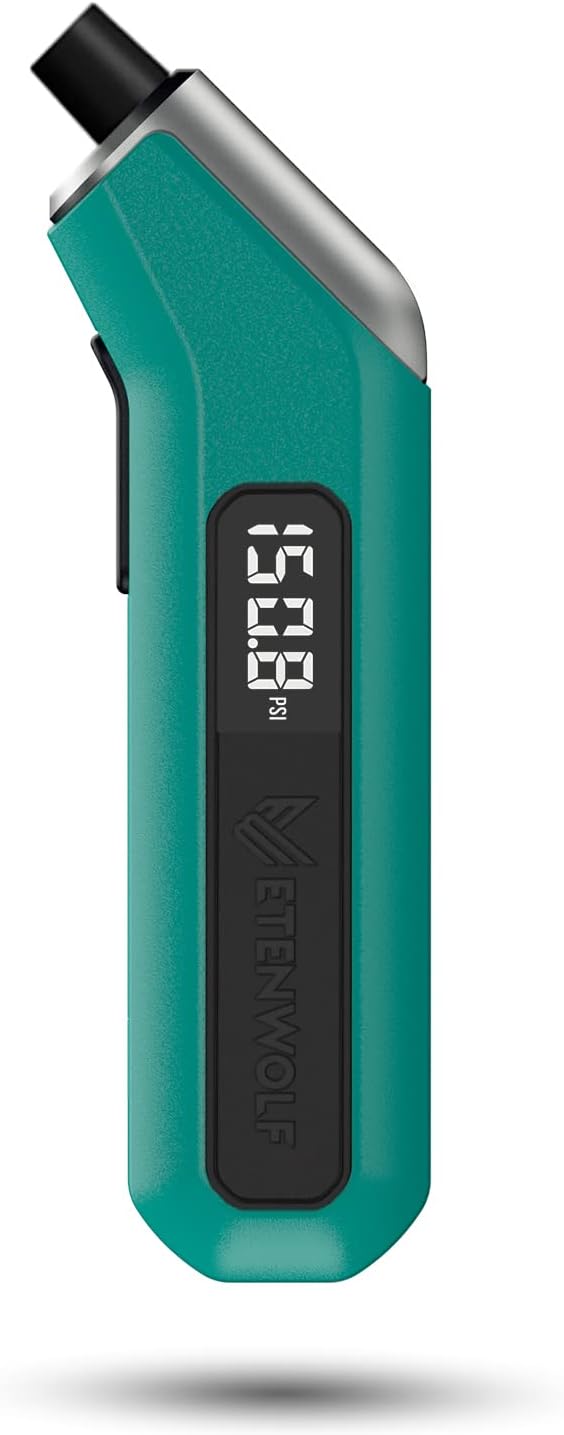
ETENWOLF T300 is a calibrated digital tire pressure gauge designed for reliable readings across low and high pressure ranges. It includes thermal compensation for stable performance in extreme cold or heat, an LED light for visibility, and an auto shut-off to help preserve battery life. Ideal for pickups, RVs, and heavy-duty vehicles, it delivers accurate PSI measurements with sturdy durability.

The Milton S-693 straight foot dual head air chuck is designed for accurate tire pressure checks and quick, secure valve-core engagement with lock-on threads on both ends. With a 1/4" FNPT connection and a maximum 150 PSI rating, it’s built for use on inner duals and common vehicle tires, including trucks and RVs.
Door Panel Damping
Doors contain relatively large panels and cavities that can resonate or transmit exterior noise. Apply vibration damping to suitable metal panels according to the product instructions rather than stuffing every cavity with one material.
Moisture-resistant acoustic absorber can be added where the door design allows it. Keep factory water paths and drain holes open, and do not obstruct window regulators, side-impact equipment, wiring, latches, speakers, or fasteners.
Sealing unnecessary acoustic leaks can help, but permanent structural openings and factory vapor/water-management systems should not be altered casually.
Cabin Floor Barriers
The floor and inner wheel arches can transmit road and tire energy into the passenger compartment. Damping material applied to resonant sheet metal can reduce panel vibration, while a properly decoupled barrier beneath the carpet can help limit airborne road noise.
Do not confuse acoustic foam with a heavy sound barrier. Lightweight foam is useful mainly for absorption or decoupling; low-frequency road roar often requires a combination of vibration control, absorption, factory seals, and barrier mass.
Any material placed beneath carpet or trim must allow the interior to reinstall correctly. Avoid interfering with seat mounts, wiring harnesses, airbags, HVAC ducts, battery components, seat sensors, or drainage routes.
Quiet the Undercarriage
An automotive undercoating can provide corrosion and abrasion protection on approved surfaces, and some formulations also have sound-damping properties. For example, 3M Professional Grade Rubberized Undercoating is designed for suitable vehicle underbody areas and lists sound-deadening properties among its functions.
Undercoating should be treated as one layer of the solution, not as a cure for every low-frequency tire noise. Inspect the underbody first for loose splash shields, damaged liners, missing fasteners, or other parts that can rattle or resonate.
Prepare the surface exactly as the coating manufacturer requires. Do not spray indiscriminately across the entire underside of the vehicle.
Note: Tire noise can travel through several paths at once. Treating wheel wells may help one frequency range while the floor or suspension structure continues to transmit another. A layered approach works best after the tire and mechanical sources are healthy.
What Not to Do When Trying to Reduce Tire Noise
- Do not overinflate the tires in an attempt to make them roll more easily. Use the placard pressure.
- Do not assume balancing fixes every hum. Balance is most useful when imbalance is producing vibration or contributing to wear.
- Do not align the vehicle and expect severe cupping to disappear. The alignment can prevent additional wear, but it cannot replace missing tread rubber.
- Do not replace safe tires solely because one road is loud. Compare several pavement types first.
- Do not hide a new mechanical sound with insulation. Diagnose sudden humming, grinding, thumping, or turn-sensitive noises.
- Do not add random household foam to wheel wells. Exterior locations need automotive materials suited to heat, water, road debris, and the intended mounting surface.
Frequently Asked Questions
How do I quiet tire road noise?
Start by setting the correct cold tire pressure and inspecting the tread for cupping, feathering, flat spots, and damage. Correct alignment, balance, or suspension faults as needed. If the tires are healthy but naturally loud, choose a quiet-focused replacement tire. Wheel-well, floor, and door acoustic treatments can then reduce the remaining noise entering the cabin.
Why are my tires suddenly making more road noise?
A sudden increase can come from irregular tread wear, tire damage, pressure changes, an impact, or a mechanical problem such as a wheel bearing. If the sound is new, one-sided, accompanied by vibration, or changes noticeably while turning, inspect the vehicle instead of assuming normal tread noise.
Will rotating my tires reduce road noise?
Rotation helps prevent uneven wear and can therefore help keep tires quieter over their service life. It may not immediately silence tires that are already severely cupped or scalloped. A short-lived change in sound after rotation can also occur as existing wear patterns move to different wheel positions.
What are the best tires for reducing road noise?
Look for touring or road-focused tires with strong model-specific noise and comfort ratings while still meeting your vehicle’s size, load, speed, seasonal, and wet-traction requirements. Quietness depends on the complete tire design, so no single category is always the quietest.
Why are my tires louder on some roads than others?
Pavement texture changes tire-pavement noise. Coarse concrete, worn pavement, grooves, and other surface characteristics can produce a different cabin sound from smooth asphalt even when the tires and vehicle are working normally.
Can an alignment reduce tire noise?
Alignment can prevent continued feathering or one-sided wear when incorrect wheel angles are causing the problem. It cannot restore tread that has already worn unevenly. If the wear is severe, the tire may remain noisy even after alignment is corrected.
Does car sound deadening really reduce tire noise?
It can reduce the amount of tire and road noise transmitted through resonant panels and airborne paths. Results depend on the vehicle, materials, installation, road surface, and noise frequency. Sound deadening works best after tire, bearing, alignment, and suspension problems have been ruled out.
Should I replace a noisy cupped tire?
Minor irregular wear should be inspected and its cause corrected before it worsens. A severely cupped tire may continue to vibrate or make noise because the tread surface is permanently uneven. Have the tire inspected for remaining tread depth, damage, and overall serviceability before deciding whether it can remain in use.
Conclusion
The best way to reduce tire road noise is to work in the right order. First inspect pressure and tread condition. Then correct alignment, balance, suspension, or wheel-end faults. Remember that a severely worn tread pattern may remain noisy even after the original problem is repaired.
If the vehicle is mechanically healthy, compare quiet-focused tires that meet the correct size and load requirements. Finally, reduce the remaining transmission paths with properly installed wheel-well, floor, door, and underbody acoustic materials.
This source-first approach is more effective than simply adding insulation because you reduce noise where it begins and then control what remains before it reaches the cabin.
Sources
- National Highway Traffic Safety Administration — TireWise — recommended cold tire pressure, placard use, monthly tire-pressure checks, and tire maintenance.
- Michelin — Uneven Tire Wear — alignment symptoms and irregular tread-wear diagnosis.
- Federal Highway Administration — Pavement Surface Texture — relationship between pavement texture and tire/pavement noise.
- Bridgestone — Turanza QuietTrack — current quiet-focused touring tire and QuietTrack tread technology.
- Continental — ContiSilent — inner tire absorber technology and condition-dependent interior rolling-noise reduction.
- 3M — Professional Grade Rubberized Undercoating — automotive underbody applications and sound-deadening properties.