
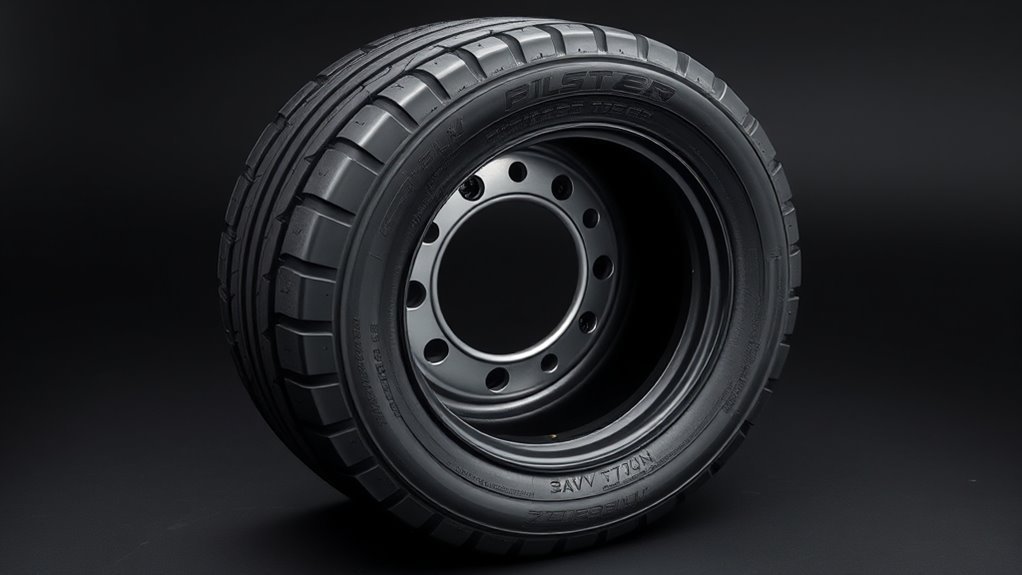
Steel-belted narrow tyres are built for row-crop work where sprayers, tractors, and other farm equipment must carry heavy loads while staying inside tramlines or crop rows. Their biggest advantage is not “being narrow” by itself; it is the combination of a reinforced steel-belt tread area, correct load rating, correct inflation pressure, and a tread shape that stays stable under stress.
Quick Answer
Steel-belted narrow tyres give farm machinery better tread stability, higher load support, improved puncture resistance, and more predictable wear in row-crop work. They are best for sprayers and tractors that must travel between rows, carry heavy tanks or implements, and protect crops while keeping handling steady.
Key Takeaways
- Steel belts stiffen the tread area, helping the tyre hold its shape under load and wear more evenly.
- Narrow row-crop tyres are useful when equipment must pass between crop rows with less plant and root damage.
- Soil protection depends on load, tyre size, footprint, and inflation pressure; a narrow tyre is not always the lowest-compaction choice.
- Always set pressure from the tyre maker’s load-and-inflation table, not from guesswork or sidewall maximum pressure alone.
- Steel-belted narrow tyres cost more upfront, but they can reduce downtime when punctures, cuts, crop damage, and uneven wear are common problems.
When to Choose Steel-Belted Narrow Tyres for Farming
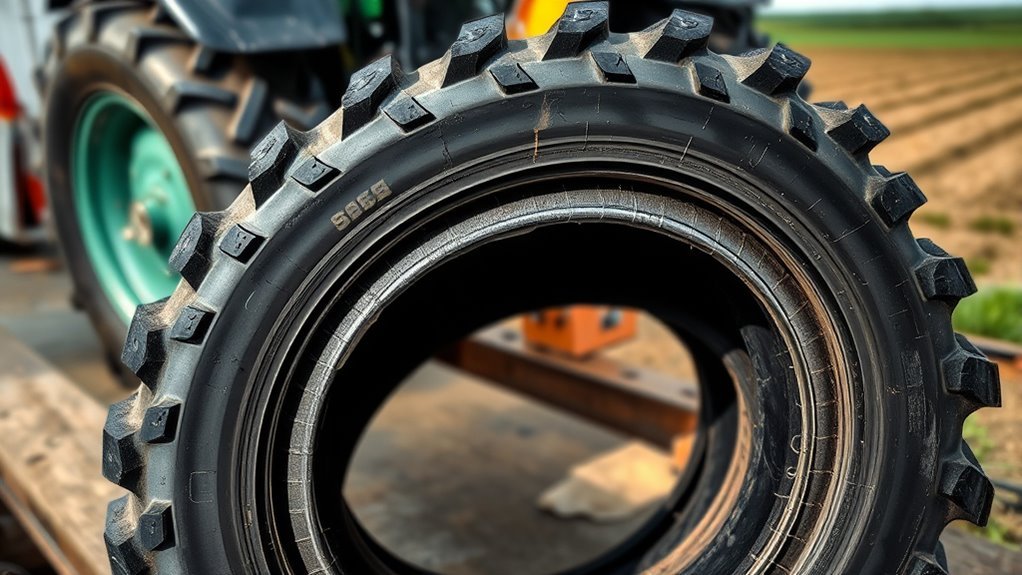
Choose steel-belted narrow tyres when row access, crop protection, and stable load carrying matter more than maximum flotation. They are commonly used on sprayers and row-crop tractors because their narrow profile helps the machine stay between rows instead of running over plants, crowns, or roots.
The steel belt package sits beneath the tread and helps the tread area remain more stable. That matters when the machine is carrying a heavy spray tank, towing an implement, or travelling at higher road speeds between fields. Firestone describes its Performer 95 Row Crop tyres as using steel tread plies for higher loads, with working pressures and load capacity varying by tyre size.
Use steel-belted narrow tyres when you need:
- Row-crop clearance: narrow sections help the machine travel through growing crops with less crop contact.
- Load stability: steel tread reinforcement helps control deformation under heavy sprayer tanks or implements.
- Cut and puncture resistance: reinforced belts add protection against stones, roots, stubble, and field debris.
- Predictable handling: a stable tread area supports more consistent steering and boom control.
- Longer tread life: reduced tread distortion can help limit uneven wear when pressures and loads are correct.
Note: Narrow tyres protect crop rows, but they do not automatically reduce soil compaction. Compaction depends heavily on axle load, tyre footprint, soil moisture, and inflation pressure. In very soft ground, a wider or low-pressure flotation tyre may be the better choice.
[Products Worth Considering]

ETENWOLF’s calibrated tire pressure gauge delivers accurate readings for cars, trucks, motorcycles, bikes, SUVs, RVs, and ATVs across a 0–75 PSI range. The large glow dial improves visibility in low light, while the 360° swivel chuck makes it easy to check valve pressure from any angle. It’s designed to stay accurate even in extreme hot or cold weather.

The Topeak SmartGauge D2 delivers precise digital tire pressure readings for bikes, motorcycles, and sports equipment up to 250 psi (17 bar). Its rotating SmartHead works with both Presta and Schrader valves, so you can check pressure quickly without adapters. The LCD display makes it easy to read results in psi, bar, or kg/cm² with an included CR2032 battery for immediate use.

This 12-inch LUMITECO dual head tire pressure gauge features an integrated straight-on chuck and a 30° reverse chuck to reach hard-to-access dual wheel valves. Its 10–150 PSI / 1–10 BAR range with a clear, two-sided scale helps you quickly check tire pressure for safer, smoother driving. Heavy-duty construction and a simple no-battery design make it a reliable tool for trucks, cars, RVs, and motorcycles.
How Steel Belts Raise Load Capacity and Inflation Stability
Steel belts reinforce the tread area so the tyre can support load with less unwanted tread squirm. A tyre still carries its load through air pressure and carcass design, but the belt package helps the contact area stay more controlled while the casing flexes.
Yokohama’s tyre construction guide explains that steel belts increase tread stiffness, reduce contact-area distortion, add puncture resistance, and can help fuel efficiency. Those same principles are valuable in agricultural row-crop tyres that carry heavy loads over uneven ground.
Increased Load-Bearing Strength
Steel-belted construction helps lock the tread and carcass into a more stable shape. In farming, that means the tyre can better handle the changing loads caused by liquid tanks, mounted equipment, road transport, and uneven field surfaces.
- More stable footprint: the tread area is less likely to bulge or distort under load.
- Better load distribution: stress spreads across the belt package instead of concentrating in one weak spot.
- More confidence with heavy equipment: the tyre can carry rated loads when matched with the correct rim, speed, and inflation pressure.
For example, the Firestone Performer 95 Row Crop range lists size-specific load and pressure data, including cyclic load bonuses for some sprayer applications. That is why you should always match the tyre to the actual machine weight and operating speed, not just the tyre size printed on the sidewall.
Improved Inflation Pressure Stability
Steel belts do not replace correct inflation pressure, but they help the tyre make better use of it. With a reinforced tread area, the tyre is less likely to distort badly when carrying a heavy load, so steering response and contact patch shape stay more predictable.
Proper inflation is critical. Iowa State University Extension notes that tractor tyre pressure should be set according to the manufacturer’s specification and that correct pressure improves traction, reduces compaction, and reduces operator fatigue. It also warns that over-inflation can reduce productivity and fuel efficiency, while under-inflation can damage tyres and create stability risks.
Warning: Never set farm tyre pressure by appearance alone. Use the tyre manufacturer’s load-and-inflation table, the machine’s axle load, the tyre setup, and the operating speed. Running too much or too little pressure can cause uneven wear, poor traction, rim damage, or tyre failure.
Even Tread Wear Distribution
When inflation pressure, axle load, and tyre construction are matched correctly, steel belts help keep the tread flatter and more stable. That supports more even contact across the tread instead of forcing the centre or shoulders to do too much work.
- Even tread wear helps preserve traction and delays premature replacement.
- Stable pressure management helps the tyre carry its rated load without unnecessary casing stress.
- Lower rolling resistance is possible when the tyre is not wasting energy through excess deformation.
How Steel Belts Reduce Distortion and Ensure Even Tread Wear
The belt layer acts like a stabilising band beneath the tread. Instead of allowing the tread to stretch, cup, or squirm excessively, the steel reinforcement helps the tyre keep a more consistent footprint as the load changes.
This is especially useful in row-crop farming because equipment often moves between soft field conditions and harder road surfaces. A less stable tread can wear unevenly, heat up faster, or lose grip. A reinforced tread area helps reduce those problems when the tyre is used within its rated load, speed, and pressure range.
The real benefit of steel-belted narrow tyres is controlled strength: the tyre stays narrow enough for row work while the reinforced tread helps carry load, resist damage, and wear evenly.
How Steel-Belted Narrow Tyres Protect Seedlings and Crop Rows
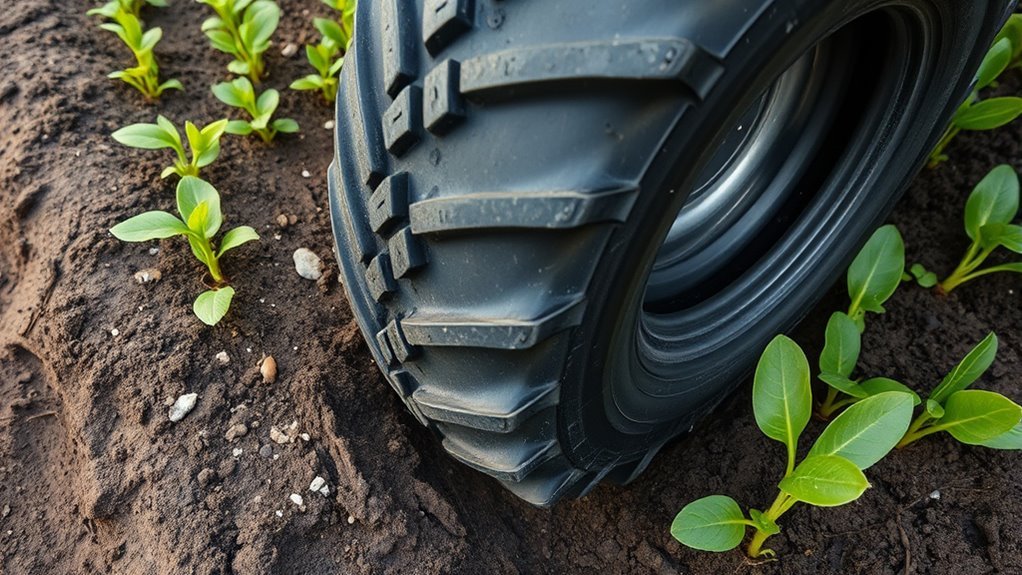
One key advantage of steel-belted narrow tyres is that they let heavy equipment travel through standing crops with less physical crop contact. The narrow section fits better between rows, while the reinforced tread package helps the tyre remain stable under heavy sprayer tanks or implements.
This helps protect crops in three practical ways:
- Less crop and root damage: the tyre is less likely to crush plants when the operator stays in the row path.
- Better row alignment: stable handling reduces wandering and helps the machine stay in tramlines.
- Reduced lateral slip: a stable tread and suitable lug design help keep the machine from sliding into crop rows.
Firestone notes that the Performer 95’s narrow design is intended to reduce crop and root damage while still coping with heavy sprayer tank loads. That makes this tyre type useful for spraying, fertiliser application, and other passes where crop protection is a priority.
How Steel Belts Improve Puncture and Impact Resistance
Steel belts form a tough reinforcement layer beneath the tread. They cannot make a tyre puncture-proof, but they make it harder for sharp objects to pass directly through the tread area into the casing.
Enhanced Puncture Protection
In fields with stones, stubble, roots, and debris, puncture resistance can decide whether a machine finishes the job or sits idle. Steel belts help by adding a dense reinforcement layer below the tread, where most field impacts happen.
- Fewer tread-area penetrations: steel reinforcement helps resist cuts from sharp objects.
- Better casing protection: the belt package helps shield the load-bearing carcass.
- Reduced downtime risk: fewer tyre injuries mean fewer interruptions during spraying or planting windows.
Impact Energy Dissipation
When a tyre hits a stone, rut edge, or hard root, the impact load tries to concentrate in one spot. Steel belts help spread that force across a wider area of the tread package. This reduces local damage and helps the tyre keep its shape after repeated field impacts.
For best results, pair puncture-resistant construction with correct pressure. Too much pressure can make the tyre harsher and increase ground pressure; too little pressure can over-flex the sidewall, build heat, and damage the casing.
Reinforced Tread Stability
Reinforced tread stability improves more than puncture resistance. It also helps traction, steering, and wear. When the tread blocks stay supported, they bite more consistently into soil and wear more evenly on road transport.
- Predictable traction: the tread maintains its working shape under load.
- Better road behaviour: the tyre feels more stable during transport between fields.
- Longer useful life: even wear keeps the tyre working properly for more seasons.
How Steel-Belted Narrow Tyres Cut Fuel Use and Operating Costs
Steel-belted narrow tyres can reduce operating costs by limiting downtime, improving wear, protecting crops, and helping the machine run with less wasted energy. The savings are not automatic; they depend on choosing the right tyre and running it at the correct pressure for the load.
Correct pressure and ballast are central to fuel efficiency. Iowa State University Extension explains that proper ballast and tyre pressure help maximise traction and tyre life while minimising fuel consumption and compaction. Over-inflation can increase slip and reduce fuel efficiency, while under-inflation can damage tyres and create handling risks.
Steel-belted narrow tyres can help reduce costs through:
- Less uneven wear: a stable tread shape helps prevent early replacement.
- Fewer puncture stops: steel belts reduce the risk of tread-area damage.
- Better sprayer productivity: higher load capacity can support larger tanks or wider booms when the tyre and machine are rated for it.
- Less crop damage: narrow row-crop profiles help avoid plants and roots.
- More stable transport: reinforced construction improves control between fields.
Pro Tip: Before buying new tyres, weigh the machine with the tank or implement in its real working condition. Then use the tyre maker’s load-and-inflation table to choose the correct pressure and confirm the tyre is rated for the job.
How to Choose a Steel-Belted Narrow Tyre: What to Check
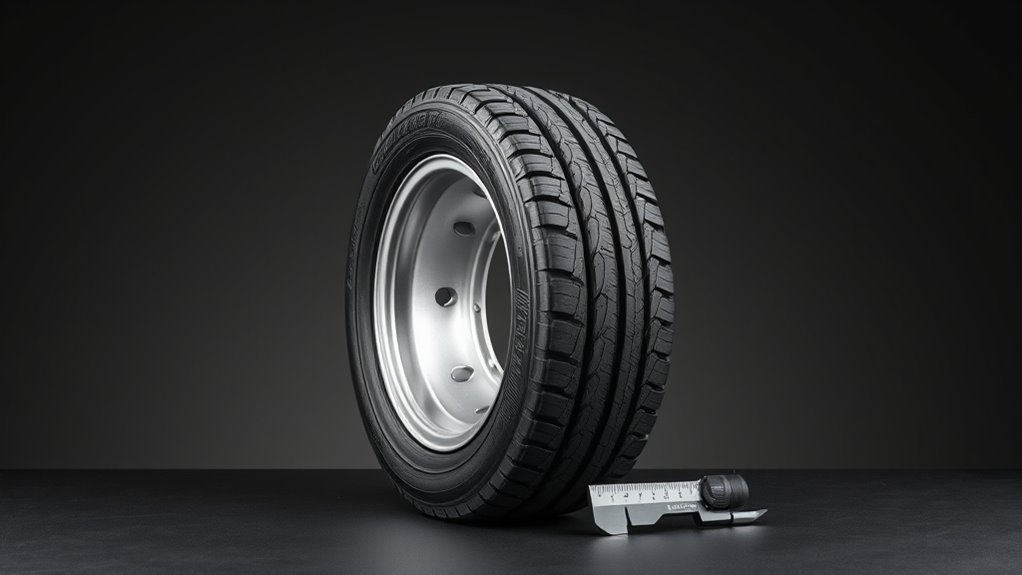
At a Glance
| Time Required | 30–60 minutes to check load, size, pressure tables, and machine fitment |
| Difficulty | Moderate; a dealer or tyre technician is useful for heavy sprayers and high-speed road use |
| Tools Needed | Machine manual, axle weights, tyre load-and-inflation table, rim details, pressure gauge |
| Cost | Usually higher than a standard tyre, but cost depends on size, brand, load rating, and dealer service |
Interested in getting the best balance of load capacity, longevity, and field performance from a steel-belted narrow tyre? Check these points before buying:
[Products Worth Considering]

This tire inflator with pressure gauge delivers long-lasting performance with a durable rubber-protected gauge and sturdy build. The longer hose and 360 swivel air chuck help you seal the valve securely and keep your hands free while measuring, inflating, or deflating. It’s battery-free for reliable use and provides ±2 PSI accuracy in the mid-range for most typical tires, with universal compatibility for 1/4 NPT compressor outputs.
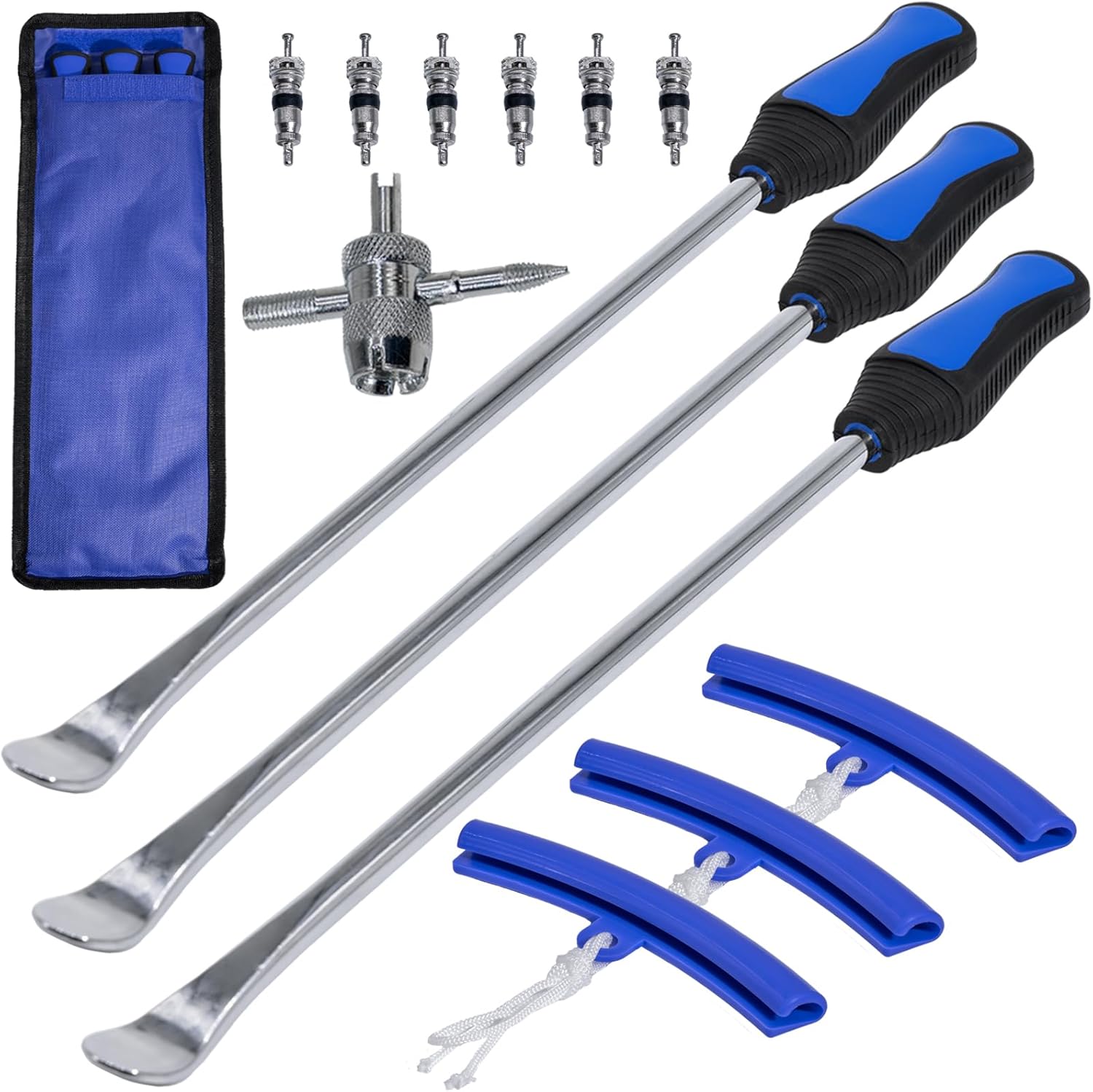
This tire spoon set helps you remove and install motorcycle, dirt bike, lawn tractor, and bicycle tires with extra leverage from a 14.5-inch spoon length. The kit includes tire removal tools, rim protectors, and a valve tool to simplify repairs and help protect rims during changing. Designed for quick, on-the-go service, it’s convenient for garage work, trails, and track-side fixes.

The Milton S-693 straight foot dual head air chuck is designed for accurate tire pressure checks and quick, secure valve-core engagement with lock-on threads on both ends. With a 1/4" FNPT connection and a maximum 150 PSI rating, it’s built for use on inner duals and common vehicle tires, including trucks and RVs.
1. Check Load Rating and Speed Rating
Match the tyre to the heaviest real working load, not the empty machine. For sprayers, include liquid tank weight, boom weight, axle distribution, road speed, and any cyclic load allowance the manufacturer permits.
2. Check Inflation Pressure Range
Use the manufacturer’s load-and-inflation table. Firestone’s technical information for the Performer 95 Row Crop lists working pressures by size and application, and some sizes include cyclic load data. This is the type of table you should use before setting pressure.
3. Check Rim Compatibility
A tyre cannot perform safely if it is mounted on the wrong rim. Confirm the approved rim width, diameter, tube or tubeless setup, valve type, and any equipment clearance limits before purchase.
4. Check Field Conditions
Steel-belted narrow tyres are strong, but they are not ideal for every field. They work best where row access and crop clearance matter. For very wet soils, deep ruts, or broad-acre flotation needs, a wider tyre or low-pressure technology may be safer for soil structure.
5. Check Tread Pattern and Self-Cleaning
The right tread should give enough grip while clearing soil from the lugs. A tyre that packs with mud loses traction and can increase slip, fuel use, and soil disturbance.
6. Check Dealer and Manufacturer Support
Choose a tyre with clear technical data, warranty support, and dealer knowledge. You want access to pressure tables, fitment advice, and replacement availability before a busy spraying or planting window.
Firestone Performer 95: Real-World Benefits for Farmers
After you have evaluated load ratings, belt construction, tread design, and rim fitment, the Firestone Performer 95 Row Crop is a useful example of how these features work in a real agricultural tyre.
Firestone lists the Performer 95 Row Crop as a radial tyre with steel tread plies for higher loads. Its official product data highlights a Dual Angle lug design for traction, a narrow design to reduce crop and root damage, strong casing construction, high-speed performance, and size-specific pressure and load data.
Practical benefits for farmers include:
- Higher load support: useful for larger spray tanks and wider sprayer booms when the tyre is correctly specified.
- Crop protection: the narrow design helps reduce contact with plants and roots in row-crop systems.
- Stable handling: reinforced construction helps support boom stability and road behaviour.
- Durability: steel tread plies and a robust carcass help resist field damage.
- Operating efficiency: fewer refills, fewer tyre interruptions, and more predictable wear can reduce wasted time.
Choose this type of tyre when your main jobs are spraying, row-crop travel, and heavy load carrying in controlled traffic lanes. Choose a different tyre style when your main problem is flotation in soft ground.
[Products Worth Considering]
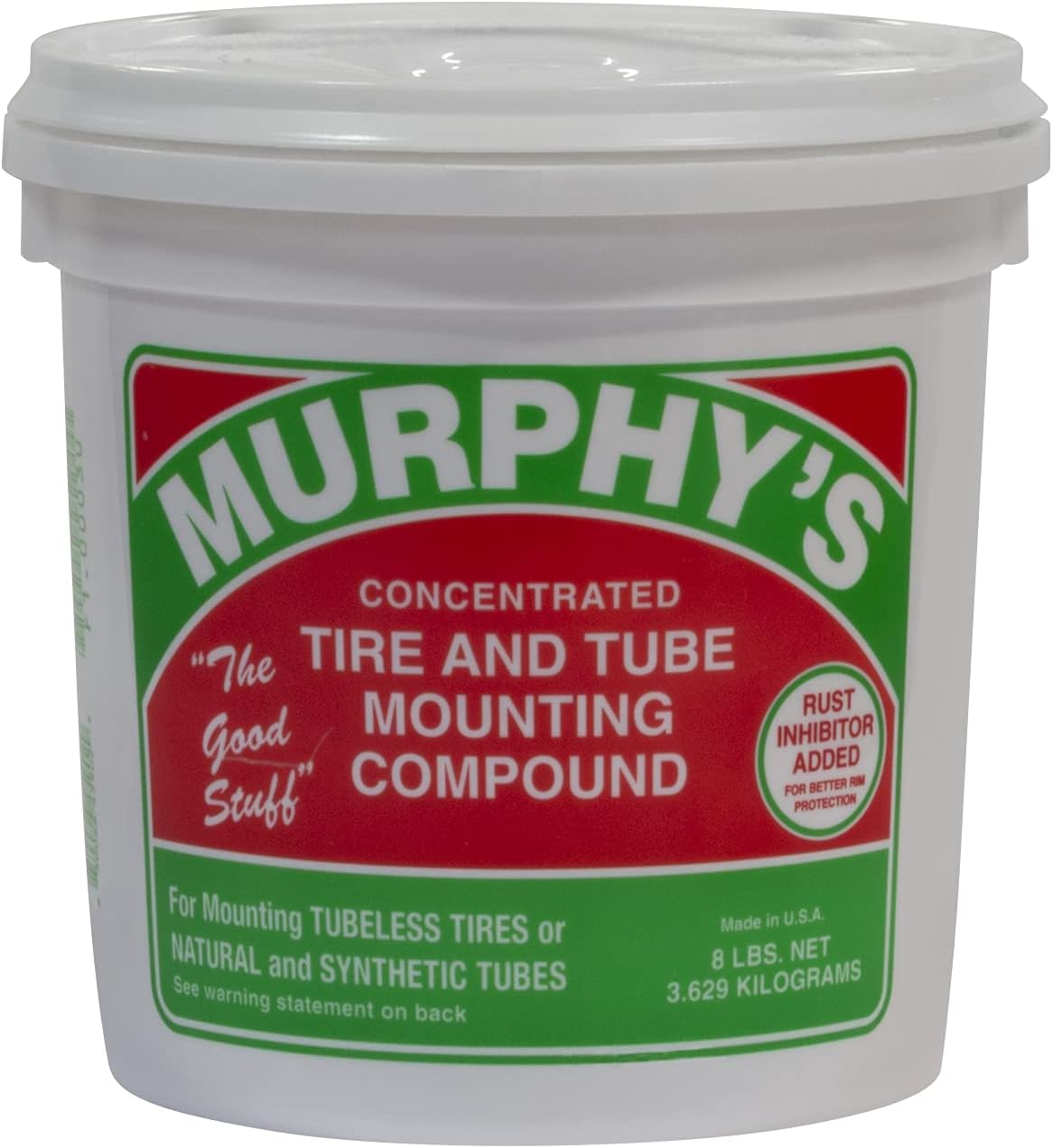
A concentrated tire and tube mounting compound designed to help simplify mounting rubber tires and tubes on passenger, semi truck, construction, and OTR applications. Its ultra-thick formula packs beads effectively and includes rust inhibitors to help protect against corrosion during use.

RecDec pressure washer shower nozzle tips deliver a quick-connect misting spray for car washing, outdoor cleaning, and gentle watering tasks. The stainless steel adapter features instant plug-and-play installation with a 1/4 inch quick connect for compatibility with most high-pressure washers. Choose from multiple screen hole sizes for different spray intensities and easily attach or remove as needed.

Enjoy spa-like shiatsu foot massage at home with rolling, deep kneading, and 360° air pressure to target the forefoot, arch, and heel. The built-in heat warms up to 131°F (53°C) to help relax tired feet, ease tension, and support improved comfort and circulation. Choose from customizable modes and intensities for gentle or deeper pressure, making it ideal for daily recovery and bedtime wind-down.
Maintenance Tips for Longer Tyre Life
Even the best steel-belted narrow tyre will fail early if it is overloaded, under-inflated, over-inflated, or ignored. Use these habits to extend service life:
- Check pressure cold: measure before field work or road travel, not after the tyre has heated up.
- Inspect for cuts: look for exposed belt material, deep tread cuts, sidewall bulges, and embedded objects.
- Watch wear patterns: centre wear may suggest over-inflation; shoulder wear may suggest under-inflation or overload.
- Recheck after equipment changes: tanks, ballast, mounted implements, and boom changes can alter axle load.
- Clean mud from lugs: packed tread reduces traction and increases slip.
- Use the correct speed: load capacity changes with speed, so do not exceed the tyre’s speed rating.
Common Mistakes to Avoid
Many tyre problems come from fitment and pressure mistakes rather than poor tyre quality. Avoid these errors:
- Using sidewall maximum pressure as the working pressure: the correct pressure depends on load, speed, and setup.
- Ignoring axle weight: a sprayer with a full tank can be very different from an empty machine.
- Assuming narrow means low compaction: narrow tyres protect rows, but wider tyres often spread load better in soft soil.
- Mixing tyre sizes carelessly: mismatched rolling circumference can damage drivetrains on mechanical front-wheel-drive tractors.
- Delaying puncture repairs: small tread injuries can grow into belt or casing damage.
Frequently Asked Questions
What is the main advantage of steel-belted tyres?
The main advantage is tread stability. Steel belts help the tread area keep its shape under load, which improves puncture resistance, reduces distortion, supports even wear, and improves handling when the tyre is used within its rated load and pressure range.
Why are belts added to tyre construction?
Belts are added to reinforce the tread area. In steel-belted tyres, the steel layer increases stiffness, helps reduce contact-patch distortion, improves puncture resistance, and supports more even tread wear.
Are steel-belted narrow tyres better for soil compaction?
Not always. Narrow tyres are better for travelling between crop rows, but soil compaction depends on load, pressure, footprint, soil moisture, and traffic pattern. In soft soils, a wider or low-pressure tyre may reduce ground pressure more effectively.
Can steel-belted narrow tyres carry heavier sprayer tanks?
They can, if the specific tyre size, load index, speed rating, rim, and inflation pressure are approved for that load. Always check the manufacturer’s load-and-inflation table before increasing tank size or road speed.
How often should farm tyre pressure be checked?
Check pressure before major field operations, before road transport, after changing implements or ballast, and whenever loads change. Pressure should be checked cold with a reliable gauge and compared with the tyre manufacturer’s data.
Conclusion
Steel-belted narrow tyres are a smart choice when you need row-crop clearance, strong load support, stable handling, and better resistance to punctures and uneven wear. They are especially useful on sprayers and tractors that must travel between crop rows while carrying heavy loads.
The key is correct selection. Check the tyre’s load rating, pressure range, rim fitment, speed rating, tread design, and manufacturer data before buying. Then maintain the tyre with regular pressure checks and inspections. Do that, and steel-belted narrow tyres can give you fewer stoppages, better crop protection, and more predictable field performance.
Sources
- Firestone Agriculture: Performer 95 Row Crop — backs up steel tread plies, pressure ranges, load capacity, narrow row-crop design, and crop-protection claims.
- Yokohama Truck: Tire Construction — backs up the role of steel belts in tread stiffness, reduced distortion, puncture resistance, and fuel efficiency.
- Iowa State University Extension: Tractor Ballast and Tire Pressure — backs up inflation pressure, traction, compaction, fuel efficiency, and tyre-life guidance.
- Michelin Commercial Tires: Reducing Soil Compaction — backs up the relationship between tyre pressure, ground pressure, ruts, and soil compaction.
- Firestone 2025 Ag Data Book — backs up the need to use tyre size, load, pressure, speed, and configuration data when setting agricultural tyre pressure.
