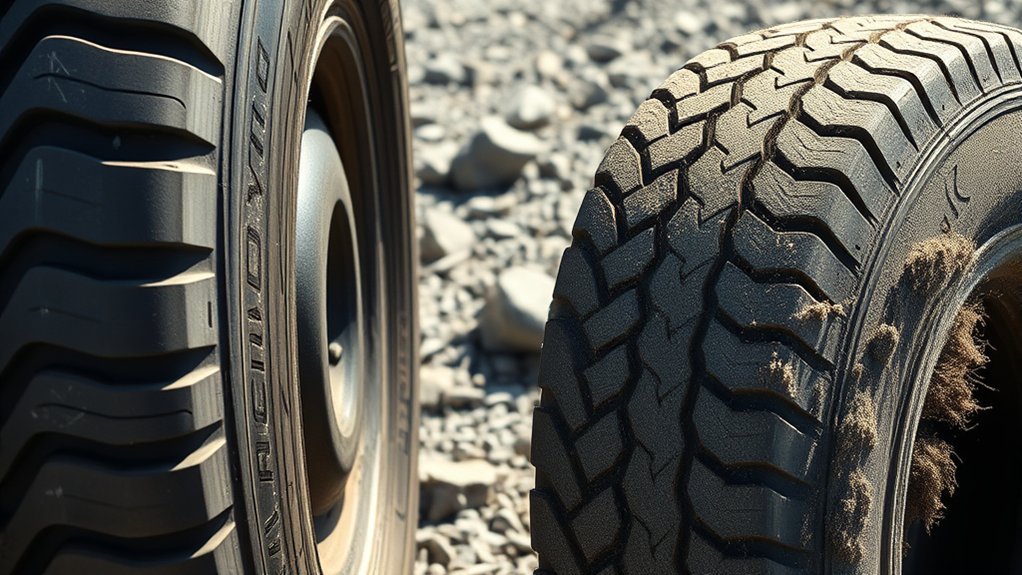
Steel-belted and Kevlar-reinforced tires can both improve puncture resistance, but they do it in different ways. Steel belts are common in many passenger, truck, and commercial radial tires because they stabilize the tread and support heavy loads. Kevlar or aramid reinforcement is usually chosen when a tire maker wants strong cut resistance with less weight, especially in bicycle tires, specialty all-terrain tires, or reinforced sidewalls.
Quick Answer
Kevlar-reinforced tires can outperform basic unreinforced tires against some tread punctures, especially when the Kevlar or aramid layer sits under the tread. Steel-belted tires still excel for load stability, tread support, availability, and cost. The better choice depends on tire design, pressure, load rating, road debris, and whether protection is needed in the tread or sidewall.
Key Takeaways
- Steel belts mainly strengthen and stabilize the tread area, which helps with handling, load support, and tread-area puncture resistance.
- Kevlar and other aramid fibers are strong for their weight, so they are useful when a tire needs cut resistance without much added mass.
- Neither material makes a tire puncture-proof. Sidewall cuts, impact damage, underinflation, worn tread, and overloading can still cause failure.
- For cars and trucks, load index, speed rating, tire category, tread compound, and inflation pressure matter more than the reinforcement material alone.
- For bicycles, Kevlar may appear as a folding bead, a puncture belt, or casing reinforcement, so check the tire’s construction details before buying.
Puncture Resistance: A Side-by-Side Comparison
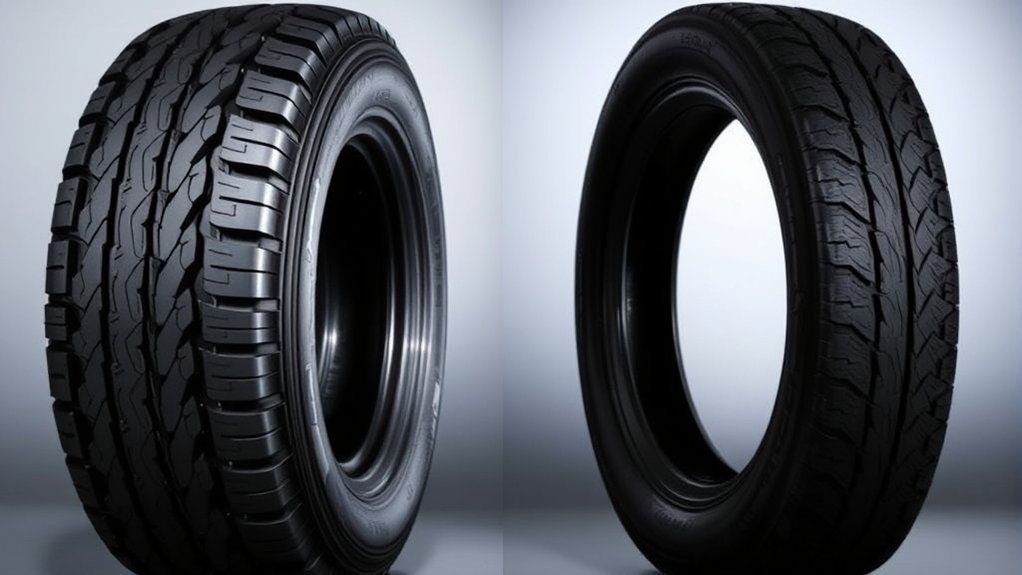
For puncture resistance, the most important question is not only what material is used, but also where that material is placed. A reinforcement layer under the tread helps against nails, glass, thorns, wire, and sharp stones. A reinforced sidewall helps more against rock cuts, curb damage, ruts, and off-road impacts.
Steel belts are commonly used below the tread to increase stiffness, reduce tread-area distortion, support handling, add puncture resistance, and help the tire carry load more consistently. This is why steel-belted radial construction remains common for passenger vehicles, light trucks, commercial trucks, trailers, and industrial applications.
Kevlar is a lightweight aramid fiber with a high strength-to-weight ratio. In tires, Kevlar or similar aramid reinforcement may be used in a puncture belt, cap ply, sidewall layer, casing, or bicycle folding bead. It can help resist cuts and penetration while keeping weight lower than many heavier reinforcement methods.
Note: A Kevlar-reinforced tire is not automatically better than a steel-belted tire. A premium steel-belted touring tire may outperform a cheap reinforced tire in wet grip, braking, tread life, comfort, and load stability. Always compare the whole tire, not just one material.
| Factor | Steel-Belted Tires | Kevlar / Aramid-Reinforced Tires |
|---|---|---|
| Tread puncture resistance | Strong when the belts sit under the tread and the tire is properly inflated. | Strong when the aramid layer is designed as a puncture belt under the tread. |
| Sidewall protection | Depends on casing and sidewall design; tread belts alone do not protect the sidewall. | Useful when the tire specifically includes aramid-reinforced sidewalls. |
| Weight | Often heavier, but weight varies by size, load rating, and tire category. | Often lighter for the same reinforcement goal, especially in bicycle and performance designs. |
| Load stability | Excellent for vehicles carrying passengers, cargo, towing loads, and commercial work. | Depends on the whole tire construction, not Kevlar alone. |
| Cost and availability | Usually easier to find across more price ranges. | Often found in specialty, premium, all-terrain, or bicycle tires. |
Understanding Steel-Belted Tires: Advantages for Heavy-Duty Use
Steel-belted tires are built with steel belts beneath the tread area. In radial tires, the casing cords run from bead to bead, while the tread is stabilized by belts. That construction helps the tire keep its shape at speed, carry load, maintain a steady contact patch, and resist many tread-area hazards.
For heavy-duty use, steel-belted tires usually make the most sense when you need predictable handling, strong tread support, broad size availability, and correct load capacity. They are common on passenger cars, SUVs, pickups, trailers, commercial trucks, forklifts, and industrial equipment because they handle paved roads, highway heat, cargo weight, and long service hours well when properly maintained.
The key limit is that steel belts are not the same as reinforced sidewalls. If the damage is in the sidewall or shoulder, the tread belt may not help. For off-road use, job sites, rocky roads, or repeated curb contact, choose a tire that specifically lists reinforced sidewalls, cut-resistant compounds, all-terrain construction, or a higher load range where appropriate.
[Products Worth Considering]

Wykodra tire plugs provide quick vulcanizing repairs for tubeless tires, helping you seal punctures and get back on the road. The industrial-strength rubber creates a long-lasting, leak-resistant bond and is designed for emergency fixes without removing the tire. Choose between two standard plug sizes with color-matched options for small to larger damage across many vehicles and off-road uses.

Measure tire tread depth quickly and accurately with this LUMITECO dial gauge that reads in 1/32" increments up to 14/32". The color-coded green/yellow/red zones make it easy to judge tire wear and know when replacement is needed. A rugged, compact design with a protective pouch helps keep the gauge ready for use on cars, trucks, motorcycles, and more.

Monitor tire tread wear with a smart, color-coded depth gauge that shows clear condition ranges at a glance. The bar is range marked for fast, easy readings, helping you maintain safer traction and performance. Each gauge is portable with a pocket clip, and the set includes 20 units for daily use and sharing.
Exploring Kevlar-Reinforced Tires: Lightweight Strength and Flexibility
Kevlar-reinforced tires use aramid fibers to add strength without adding as much weight as some heavier reinforcement methods. DuPont describes Kevlar as strong, lightweight, and used in automotive components including tires, belts, hoses, gaskets, and friction products. That high strength-to-weight ratio is the reason tire makers may use Kevlar or similar aramid fibers where weight, flexibility, and cut resistance matter.
In bicycle tires, Kevlar can appear in two different ways. Some tires use an aramid or Kevlar folding bead instead of a wire bead, which makes the tire lighter and foldable. Other tires use a Kevlar or aramid puncture-protection belt under the tread. Those features are not the same, so check the manufacturer’s description before assuming a “Kevlar tire” has extra tread protection.
In vehicle tires, Kevlar or aramid reinforcement is less common than steel belts, but it may appear in specialty all-terrain tires, sidewall reinforcement, cap plies, or performance-focused designs. It can help absorb impact, resist cuts, and reduce weight, but grip and fuel efficiency still depend heavily on tread compound, tread pattern, tire pressure, alignment, size, and vehicle load.
Material matters, but tire design matters more. A well-designed steel-belted tire can be safer and longer-lasting than a poorly matched Kevlar-reinforced tire.
[Products Worth Considering]

This tire repair kit provides fast emergency puncture repair without removing the tire from the rim, helping you get back on the road quickly. Its screw plug system is designed for punctures in both tread and sidewall and includes a complete patch plug tool set with essential accessories. A portable storage bag makes it easy to carry for cars, trucks, SUVs, motorcycles, and heavy-duty applications.

Protect tire valves from water, dust, and sand to help prevent leaks and support safe driving. These universal stem caps install quickly by hand and feature durable aluminum alloy construction with an inner sealing ring for better air retention. Compatible with cars, SUVs, trucks, motorcycles, and bicycles for everyday convenience.

The SAFELIFE dial tire tread depth gauge measures tread depth in 1/32 inch increments with clear, easy-to-read 2-inch dial face. Color zones using a traffic light system help you quickly judge whether tread is low, marginal, or ample for safer driving. Built with a durable zinc cast body and a metal detect probe for precise, comfortable use across cars, motorcycles, trucks, and buses.
Selecting the Right Tire for Your Riding or Driving Conditions
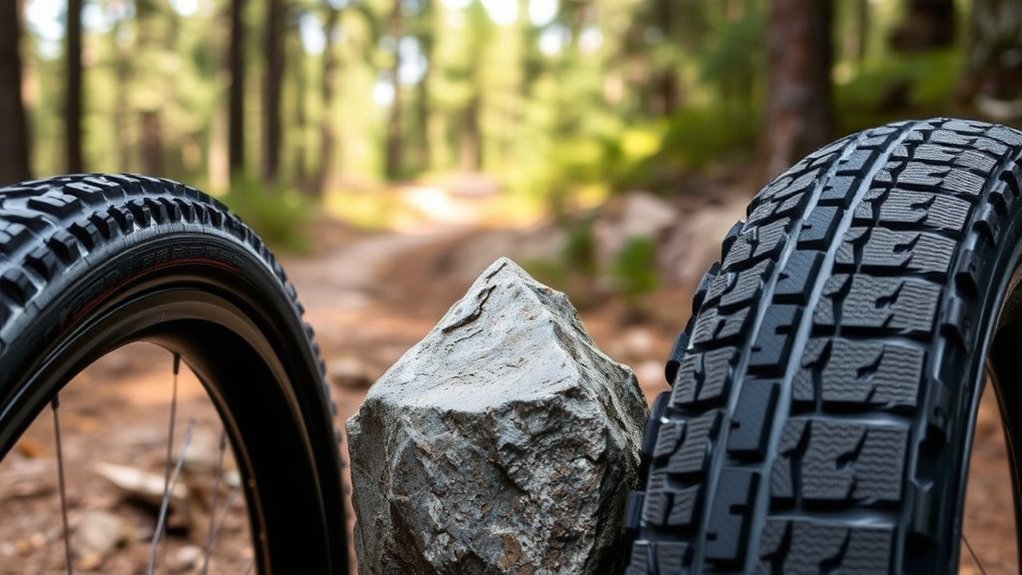
Choosing the right tire starts with the way you use the vehicle or bike. Puncture resistance is only one part of the decision. You also need the correct size, load index, speed rating, pressure range, tread pattern, casing strength, and weather rating.
| Use Case | Best Direction |
|---|---|
| Daily car or SUV commuting | Choose a quality steel-belted all-season, all-weather, summer, or winter tire that matches your vehicle placard and climate. |
| Towing, cargo, trailers, or work trucks | Prioritize load index, load range, tire pressure, heat resistance, and steel-belted stability over material marketing claims. |
| Gravel roads, job sites, and light off-road use | Look for all-terrain tread, cut-resistant compounds, and reinforced sidewalls. Aramid sidewall reinforcement can be useful here. |
| Road cycling or commuting by bike | Choose a tire with a puncture belt if flats are the problem. A Kevlar folding bead alone mainly saves weight and improves packability. |
| Budget replacement | A well-reviewed steel-belted tire with the correct ratings is often the best value. Do not pay extra for Kevlar unless it solves a real damage problem. |
Pro Tip: Before buying, read the tire spec sheet. Look for exactly where the reinforcement is used: tread, belt package, bead, casing, sidewall, or cap ply. That tells you what kind of damage the tire is actually designed to resist.
[Products Worth Considering]

Accurately measure tire tread depth with a calibrated gauge marked from 0 to 1 inch in 1/32 inch increments. The color-coded bar helps you quickly identify tread condition ranges, supporting safe driving for trucks, motorcycles, automobiles, and passenger vehicles.

Black Magic Tire Wet delivers a deep wet-look shine that makes tires appear dark, rich, and freshly detailed. Its long-lasting formula helps resist rain, dust, and road grime for weeks of glossy protection, not days. Apply by spraying onto clean, dry tires—no buffing or wiping required—with a low-sling design to reduce splatter on paint and wheels.

Steelman white tire marking crayons provide high-contrast, semi-permanent marks for repairing and inspecting tires and equipment. They write on wet or dry, smooth or coarse surfaces including rubber, metal, glass, and wood, making them ideal for puncture location and damage outlining. The lead- and zinc-free crayons resist weather and fading yet wipe away when you no longer need the marks.
What Puncture-Resistant Tires Still Cannot Stop
No steel-belted, Kevlar-reinforced, tubeless, or heavy-duty tire is puncture-proof. Reinforcement reduces risk; it does not remove risk. A sharp object can still enter at the wrong angle, a worn tread may not have enough rubber left to protect the casing, and low pressure can cause heat buildup, casing damage, or pinch flats on bikes.
Warning: Do not keep driving or riding on a tire with a sidewall cut, exposed cords, a bulge, severe cracking, or suspected internal damage. Sidewall and shoulder damage generally require replacement, not a simple plug or patch.
Tread punctures may be repairable on some vehicle tires, but only when the puncture is small, in the repairable tread area, and the tire’s internal structure is still sound. Run-flat tires, heavily worn tires, tires driven while flat, and tires with sidewall or shoulder damage need professional inspection and may not be safe to repair.
How to Keep Your Tires Lasting Longer: Easy Maintenance Tips
Good maintenance often prevents more flats than reinforcement alone. Use this checklist for safer, longer-lasting tires:
- Check cold tire pressure regularly. Use the vehicle placard, owner’s manual, or tire maker’s guidance. Do not use the pressure molded on the sidewall as your normal target unless the manufacturer tells you to.
- Stay within load limits. Overloading creates heat and stress, even if the tire has steel belts or aramid reinforcement.
- Inspect for damage. Look for nails, glass, cuts, bulges, cracks, exposed cords, uneven wear, and objects trapped in the tread.
- Rotate vehicle tires on schedule. Rotation helps even out wear and gives a technician a chance to check tread depth, inflation, and damage.
- Watch tread depth. Worn tread leaves less rubber above the belt package, which can increase puncture risk and reduce wet grip.
- Match pressure to bicycle tire type and riding conditions. For bikes, too little pressure can cause pinch flats, while too much pressure can reduce comfort and traction.
- Store spare tires and bicycle tires properly. Keep them cool, dry, and away from direct sun, ozone, petroleum products, and sharp objects.
The National Highway Traffic Safety Administration highlights proper inflation, load limits, tread checks, tire rotation, and damage inspections as core tire-safety habits. The U.S. Tire Manufacturers Association Tire Care and Safety Guide also recommends following the vehicle tire placard, certification label, or owner’s manual for inflation guidance.
Frequently Asked Questions
Are Kevlar-reinforced tires more puncture-resistant than steel-belted tires?
Sometimes, but not always. Kevlar or aramid reinforcement can be excellent against cuts and tread punctures when it is placed in the right part of the tire. Steel belts also add tread-area puncture resistance and load stability. The tire’s full design matters more than the material name alone.
Are tires with reinforced sidewalls heavier?
They can be, but not always. A reinforced sidewall adds material, but Kevlar and other aramid fibers are strong for their weight. Final tire weight depends on size, casing, tread thickness, bead type, load rating, and whether the tire is built for road, all-terrain, commercial, or bicycle use.
How long do steel-belted tires last?
Many passenger steel-belted tires are sold with mileage warranties, but real tire life depends on tire category, tread compound, alignment, rotation, inflation pressure, load, climate, road surface, and driving style. Replace tires when they reach the legal wear limit, show unsafe damage, age out, or no longer meet your safety needs.
Does a Kevlar bicycle tire always have better puncture protection?
No. On bicycles, Kevlar may refer to a folding bead, a puncture belt, or casing reinforcement. A Kevlar folding bead mainly reduces weight and allows the tire to fold. For flat protection, look for a dedicated puncture-protection layer under the tread.
Can a puncture-resistant tire still get a flat?
Yes. Reinforcement lowers the chance of certain punctures, but sharp debris, low pressure, worn tread, impact damage, sidewall cuts, bead damage, and poor repairs can still cause flats or tire failure.
Conclusion
Kevlar-reinforced tires can be excellent when you need lightweight cut resistance or a dedicated puncture belt, especially in bicycle, specialty, or reinforced all-terrain designs. Steel-belted tires remain the dependable choice for many cars, trucks, trailers, and heavy-duty uses because they support the tread, improve stability, and handle load well. The safest choice is the tire that matches your vehicle or bike, load, terrain, pressure range, and damage risk—not simply the one with the strongest-sounding material.
Sources
- DuPont Kevlar for Automotive Performance and Safety — backs up Kevlar’s automotive use, lightweight reinforcement benefits, and durability claims.
- NHTSA TireWise: Tire Safety Ratings and Awareness — backs up tire pressure, tread, rotation, recall, and consumer tire-safety guidance.
- U.S. Tire Manufacturers Association Tire Care and Safety Guide — backs up inflation, load, sidewall marking, and maintenance guidance.
- Continental Tires: Tire Repair — backs up repair limits and the warning about sidewall, shoulder, and internal structural damage.
- Yokohama Truck: Tire Construction — backs up steel-belt functions, tread stability, puncture resistance, and tire-layer explanations.
- Schwalbe: Bicycle Tire Construction — backs up bicycle tire construction, aramid folding beads, and puncture-protection belt distinctions.