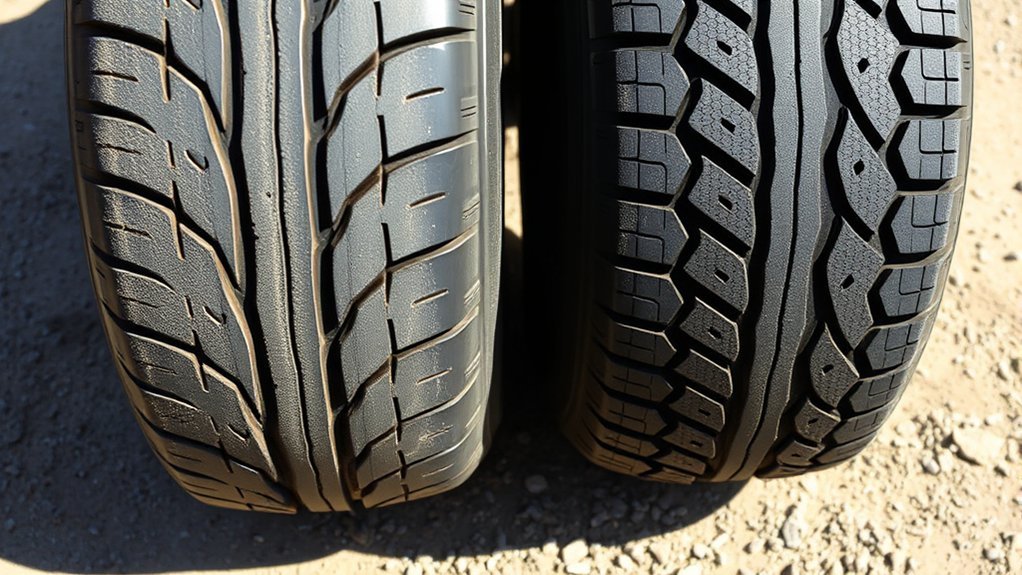
The tire rubber compound affects how a tire grips, wears, handles heat, and feels on the road. Softer compounds usually deliver more grip because they flex and conform to the pavement more easily, but that same flexibility can shorten tread life. Harder or higher-treadwear compounds usually last longer, but they may not provide the same peak traction. The best choice depends on your driving style, climate, tire category, and maintenance habits.
Quick Answer
Soft tire compounds usually improve grip, braking, and cornering because the rubber conforms to the road more easily. The tradeoff is faster treadwear. Harder or higher-treadwear compounds usually last longer and may roll more efficiently, but peak traction depends on the full tire design, not compound hardness alone.
Key Takeaways
- Soft compounds tend to grip better but wear faster, especially with aggressive driving, heat, heavy loads, or rough pavement.
- Harder or higher-treadwear compounds usually last longer, but they are not automatically better in rain, snow, or cold weather.
- Use the tire category, UTQG treadwear/traction/temperature grades, warranty, and manufacturer fitment guidance instead of relying only on “soft” or “hard.”
- Cold tire pressure, rotation, alignment, and tread-depth checks often affect tread life as much as the compound itself.
Tire Compounds 101: Soft vs. Hard-What You Need to Know
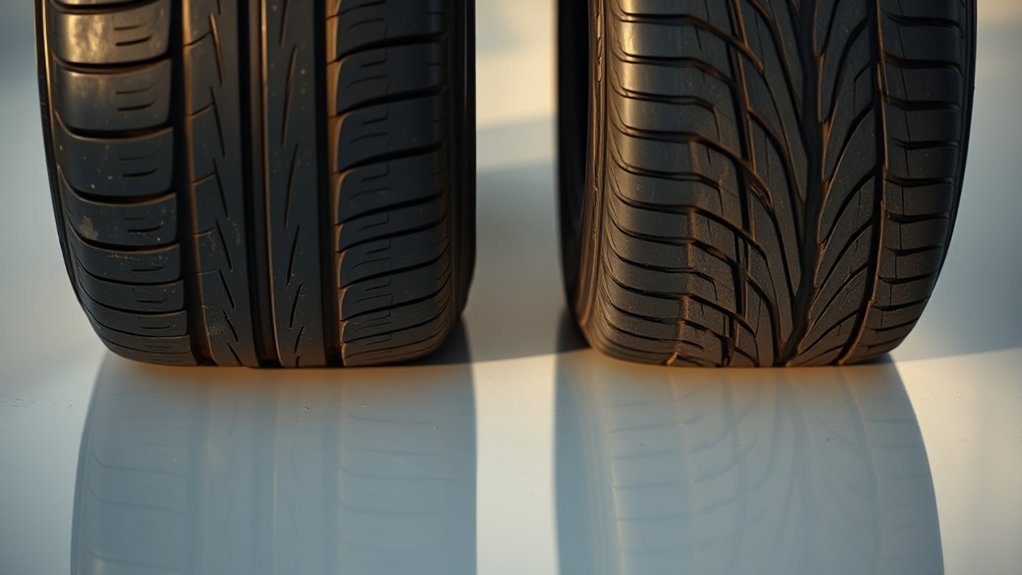
A tire compound is not just “rubber.” It is a blend of polymers, reinforcing fillers, oils, resins, curing agents, and other additives. Manufacturers tune that blend to balance grip, treadwear, rolling resistance, heat resistance, wet traction, and cold-weather flexibility.
In simple terms, a soft tire compound deforms more easily against the road. That can increase the tire’s contact with tiny surface irregularities, which helps traction during acceleration, braking, and cornering. A harder tire compound generally resists abrasion and deformation better, which can improve tread life for commuting and highway use.
Note: “Soft” and “hard” are useful shorthand, but they do not tell the whole story. Two tires with similar hardness can perform differently because tread pattern, casing design, silica content, siping, temperature range, and tire category all affect grip and wear.
| Factor | Softer Compound | Harder / Higher-Treadwear Compound |
|---|---|---|
| Typical strength | Higher peak grip and quicker response | Longer tread life and steadier wear |
| Typical tradeoff | Faster wear, especially under heat and aggressive driving | Less peak mechanical grip in many performance situations |
| Best fit | Performance driving, track use, some winter tires, and drivers who prioritize traction | Daily commuting, highway miles, touring tires, and drivers who prioritize mileage |
| What to check before buying | Tire category, wet braking tests, heat range, treadwear expectations, and street legality | UTQG treadwear, traction grade, temperature grade, warranty, and climate suitability |
How Soft Tire Compounds Enhance Traction and Performance
Soft tire compounds can improve traction and performance because they flex into the road surface more easily. That helps the tread grip small pavement textures during braking, acceleration, and cornering. This is why many performance, racing, and extreme-grip tires use softer tread compounds than long-mileage touring tires.
The benefit is most noticeable when the tire is used in the temperature range it was designed for. A high-performance summer tire, for example, may feel sharp and sticky in warm weather but lose flexibility in cold conditions. A winter tire uses a different compound strategy: its rubber is designed to stay flexible in cold weather, not simply to be “soft” in every condition.
Soft compounds also generate and absorb more energy as they deform. That can improve grip, but it can also create heat and accelerate wear. Hard braking, sharp cornering, repeated launches, heavy loads, underinflation, and rough pavement all make a soft compound wear even faster.
Warning: Do not use track-only or competition tires on public roads unless the tire is specifically approved for street use. Maximum grip tires can have limited tread depth, poor cold-weather behavior, faster wear, and reduced wet-road safety compared with everyday passenger tires.
The Durability Benefits of Hard Tire Compounds for Everyday Use
For everyday driving, a harder or higher-treadwear compound can be the better choice because it resists abrasion and heat buildup more effectively. Touring, highway, and many all-season tires are designed around this balance: predictable handling, reasonable wet traction, lower noise, and longer tread life.
That does not mean hard tires are automatically safer in every condition. Wet traction depends on compound chemistry, tread depth, tread pattern, siping, and the tire’s ability to move water away from the contact patch. Cold-weather grip depends on whether the compound remains flexible at low temperatures. Heat resistance is also a separate performance area, which is why many passenger tires include a temperature grade as part of the Uniform Tire Quality Grading system.
Modern tire formulas can also challenge the old “soft grips, hard lasts” rule. For example, silica-based tread compounds can help reduce rolling resistance while improving wet braking performance. That is why it is better to compare real tire categories and test ratings than to judge a tire by the words soft or hard alone.
Tread life is not determined by compound alone. Tire pressure, alignment, rotation, tread design, driving style, road surface, vehicle weight, and climate all change how quickly a tire wears.
How to Read Treadwear, Traction, and Temperature Grades
Many passenger tires sold in the United States include UTQG ratings: treadwear, traction, and temperature. These grades can help you compare tires, but they are not a mileage promise.
- Treadwear: A comparative wear rating tested under controlled conditions. A higher number usually suggests longer wear, but real-world results can vary widely with road surface, climate, pressure, alignment, and driving habits.
- Traction: A wet straight-line braking grade. It does not measure acceleration, cornering, hydroplaning resistance, or snow traction.
- Temperature: A heat-resistance grade. It assumes the tire is properly inflated and not overloaded.
A tire with a high treadwear grade may last longer, but it is still important to check its wet traction, temperature grade, tire category, warranty, and fitment for your vehicle. If you drive in snow or regular freezing temperatures, also look for a true winter tire or an all-weather tire with the three-peak mountain snowflake symbol.
Pro Tip: When comparing two tires, do not ask only “soft or hard?” Compare the tire category, UTQG grades, treadwear warranty, wet braking performance, temperature range, load index, speed rating, and the vehicle manufacturer’s recommended size.
[Products Worth Considering]

The SAFELIFE dial tire tread depth gauge measures tread depth in 1/32 inch increments with clear, easy-to-read 2-inch dial face. Color zones using a traffic light system help you quickly judge whether tread is low, marginal, or ample for safer driving. Built with a durable zinc cast body and a metal detect probe for precise, comfortable use across cars, motorcycles, trucks, and buses.

Milton S-921 pencil tire pressure gauge helps you maintain optimal tire pressure for passenger cars with accurate readings in PSI and kPa. It features a built-in deflator valve for convenient pressure adjustments, plus a single chuck head and nylon indicator bar for easy use on the go. Built from durable plated brass and designed for reliable performance, it’s a practical road trip and cold-weather maintenance tool.

Measure tire tread depth quickly and accurately with this LUMITECO dial gauge that reads in 1/32" increments up to 14/32". The color-coded green/yellow/red zones make it easy to judge tire wear and know when replacement is needed. A rugged, compact design with a protective pouch helps keep the gauge ready for use on cars, trucks, motorcycles, and more.
Choosing Tires: Driving Style and Conditions
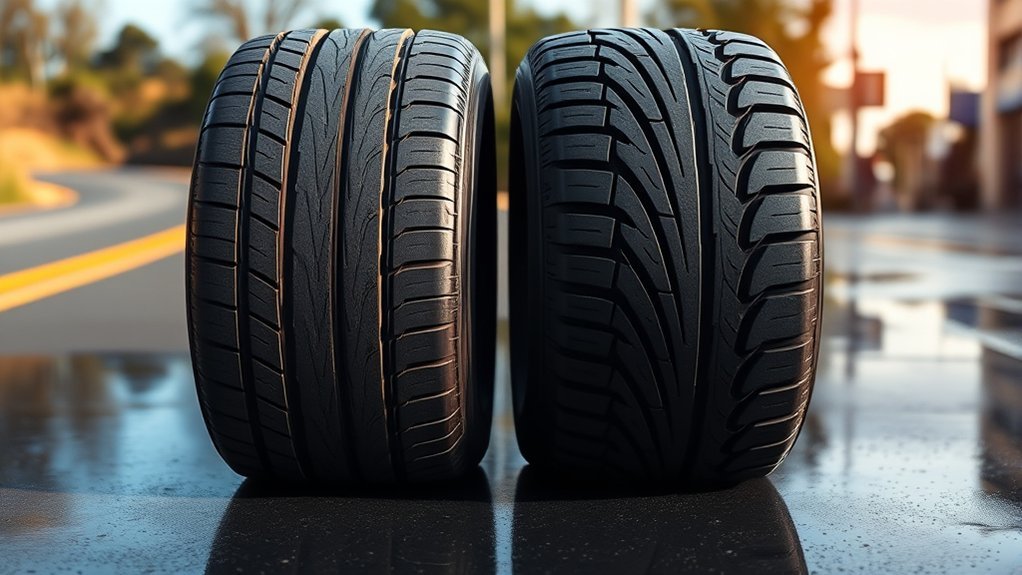
Choosing the right tires starts with how and where you drive. A commuter who drives mostly highways needs a different compound balance than a driver who does weekend autocross, mountain roads, or frequent winter travel.
- Daily commuting: Choose a touring, grand touring, or all-season tire with balanced treadwear, wet traction, comfort, and noise control.
- Performance driving: Choose a performance summer or max-performance tire if warm-weather grip matters more than long tread life.
- Cold winters: Choose winter tires when temperatures regularly fall below about 45°F, especially if you see snow, ice, frost, or freezing rain.
- Hot climates: Look for strong temperature resistance, proper speed/load ratings, and a compound designed for sustained heat.
- Rainy areas: Do not rely on compound alone. Check wet traction, tread depth, tread pattern, and hydroplaning resistance.
- Electric vehicles: Consider EV-rated or EV-suitable tires because vehicle weight, torque, noise, and rolling resistance can affect wear and range.
Harder compounds may be a smart choice for long-distance commuting, but they still need good wet traction and proper inflation. Softer compounds may be the right choice for maximum grip, but you should expect shorter tread life and more frequent inspections.
[Products Worth Considering]

Accurately measure tire tread depth with a calibrated gauge marked from 0 to 1 inch in 1/32 inch increments. The color-coded bar helps you quickly identify tread condition ranges, supporting safe driving for trucks, motorcycles, automobiles, and passenger vehicles.

Monitor tire tread wear with a smart, color-coded depth gauge that shows clear condition ranges at a glance. The bar is range marked for fast, easy readings, helping you maintain safer traction and performance. Each gauge is portable with a pocket clip, and the set includes 20 units for daily use and sharing.

This AstroAI 2-pack pencil tire pressure gauge delivers accurate tire readings across common vehicle types, with a precision nozzle that seals on valve stems for reliable results. It measures PSI, kPa, and BAR within a 10–75 PSI range, includes an integrated deflator valve, and features an ABS indicator bar for easier pressure checks. A compact, pocket-friendly design and battery-free operation make it ideal for road trips and everyday maintenance.
Tire Maintenance Tips for Soft and Hard Compounds
At a Glance
| Time Required | About 10 minutes per month, plus a tire rotation every 5,000 to 8,000 miles unless your owner’s manual says otherwise. |
| Difficulty | Easy for pressure and tread checks; professional help recommended for alignment, balancing, puncture repair, and unusual wear. |
| Tools Needed | Tire pressure gauge, tread-depth gauge or penny, flashlight, and your vehicle owner’s manual or tire placard. |
| Cost | Usually $5 to $20 for basic gauges; rotations may be free with a tire purchase plan or priced by the shop. |
Effective tire maintenance is essential for maximizing the performance and tread life of both soft and hard compound tires. A great compound cannot overcome poor pressure, misalignment, overloading, or neglected rotation.
- Check pressure when tires are cold: Use the PSI on the driver-door placard or owner’s manual, not the maximum pressure printed on the tire sidewall. Cold means the vehicle has been parked for at least three hours.
- Inspect tread depth monthly: Replace tires when they reach 2/32 inch of tread or when wear bars are flush with the tread. A tread-depth gauge is more precise than guessing by sight.
- Rotate on schedule: Follow your owner’s manual. If no interval is listed, a 5,000- to 8,000-mile rotation interval is a common recommendation.
- Watch for uneven wear: Feathering, cupping, one-edge wear, or rapid center wear can point to pressure, alignment, suspension, or balance problems.
- Avoid overload and aggressive heat cycles: Heavy loads, underinflation, burnouts, hard cornering, and long high-speed drives can accelerate compound breakdown.
- Store seasonal tires correctly: Keep unused tires clean, dry, and away from direct sunlight, heat, ozone sources, and petroleum products.
Warning: Replace tires that are damaged, badly cracked, bulging, repeatedly losing air, unevenly worn, or at 2/32 inch tread depth. If you see abnormal wear, have the tire, alignment, suspension, and inflation checked by a qualified tire professional.
[Products Worth Considering]

Vigorder rubber cement glue delivers superior adhesion and cures quickly within about 30 seconds for seamless rubber bonding. Once cured, it helps provide a strong, durable, waterproof seal that holds up to vehicle weight, pressure, and heat. Suitable for cars, motorcycles, trucks, bicycles, and off-road tires, it’s designed for emergency patch and maintenance repairs.

Black Magic Tire Wet delivers a deep wet-look shine that makes tires appear dark, rich, and freshly detailed. Its long-lasting formula helps resist rain, dust, and road grime for weeks of glossy protection, not days. Apply by spraying onto clean, dry tires—no buffing or wiping required—with a low-sling design to reduce splatter on paint and wheels.

Measure tyre tread depth precisely with a digital gauge that reads in both MM and inches, helping you monitor safe driving conditions. The large LCD screen is easy to operate, and the compact tool fits for cars, trucks, and motorcycles. It provides high accuracy with a 0-25.4mm range and includes a 1-year warranty for added peace of mind.
Frequently Asked Questions
Do softer tire compounds last longer?
No. Softer tire compounds usually do not last longer. They are generally chosen for better grip and responsiveness, but they tend to wear faster than harder or higher-treadwear compounds, especially under heat, heavy braking, sharp cornering, and aggressive acceleration.
What is the difference between hard and soft tire compound?
A soft tire compound flexes and conforms to the road more easily, which can improve traction. A harder compound resists wear and deformation better, which can extend tread life. The real difference depends on the full tire design, including tread pattern, casing, silica content, siping, and intended temperature range.
Are hard tire compounds better in rain?
Not automatically. Wet traction depends on compound chemistry, tread depth, groove design, siping, and the tire’s wet braking performance. A harder compound with poor tread design may perform worse in rain than a softer or silica-rich compound designed for wet grip.
How can I tell if a tire will have good tread life?
Start with the tire category, UTQG treadwear grade, manufacturer treadwear warranty, and real-world reviews for your vehicle type. Then maintain proper cold pressure, rotate on schedule, and correct alignment problems. Tread life is a system result, not just a rubber-compound result.
Do winter tires wear faster in warm weather?
Yes, winter tires can wear faster in warm weather because their compounds are designed to stay flexible in cold conditions. When temperatures stay warm, that flexible rubber can feel less precise and wear more quickly. Switch back to all-season or summer tires when winter conditions are over.
Conclusion
Choosing between soft and hard tire compounds is really about choosing the right balance of grip, tread life, heat resistance, wet traction, and climate performance. Soft compounds usually deliver stronger grip but shorter tread life. Harder or higher-treadwear compounds usually last longer, but they are not automatically the best choice for rain, snow, or spirited driving. For the smartest tire choice, compare tire category, UTQG grades, manufacturer recommendations, and your real driving conditions, then protect your investment with proper pressure, rotation, alignment, and tread-depth checks.
Sources
- NHTSA TireWise: Tire Safety Ratings and Awareness — backs up tire pressure, vehicle placard PSI, and tire safety guidance.
- 49 CFR § 575.104 Uniform Tire Quality Grading Standards — backs up treadwear, traction, and temperature grade explanations.
- U.S. Tire Manufacturers Association Tire Care Essentials — backs up 2/32-inch tread guidance, tread wear bars, and 5,000–8,000-mile rotation guidance.
- NHTSA Summer Driving and Road Trip Tips — backs up cold-pressure checks, monthly inspection, tread depth, and tire safety reminders.
- Michelin: Preparing for Winter Tire Guidance — backs up cold-weather compound flexibility and the 45°F winter tire threshold.
- Continental: Silica in Tire Compounds — backs up silica’s role in wet braking and rolling resistance improvements.