
How to Set a Bead on a Tire: Easy Methods That Actually Work
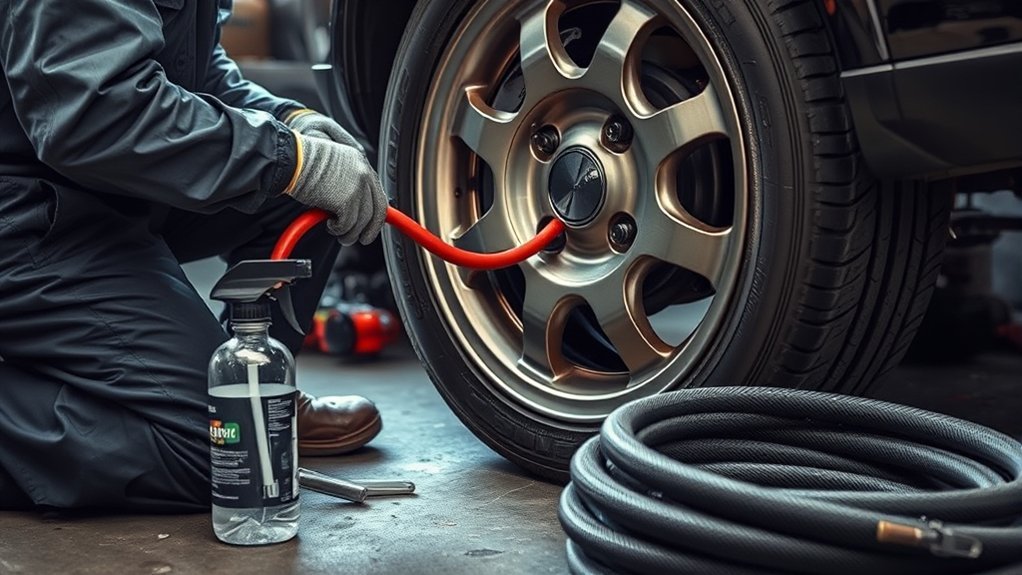
Setting a tire bead means getting the tire’s inner sealing edges to lock evenly against the rim’s bead seats so the tire can hold air. The job sounds simple, but compressed air and tire/rim assemblies can be dangerous. Work slowly, use the right lubricant and airflow, and stop if the tire or wheel is damaged, mismatched, or will not seat at a safe pressure.
Quick Answer
To set a tire bead, clean and inspect the rim and tire bead, apply approved tire mounting lubricant, remove the valve core for faster airflow if needed, and inflate with a compressor while standing clear. A ratchet strap can help push tubeless tire sidewalls outward. Do not use starter fluid.
Key Takeaways
- Clean the rim bead seat and tire bead before adding air; dirt, rust, old rubber, and damage can stop the seal.
- Use approved tire mounting lubricant, not WD-40, oil, grease, silicone spray, or other petroleum-based products.
- A ratchet strap around the tire’s tread center can help spread the sidewalls on small tubeless tires, but release it as soon as the bead seals.
- If the bead will not seat by the tire or wheel maker’s bead-seating limit, stop, deflate, reposition, relubricate, and try again.
- Never use starter fluid, ether, gasoline, or any flammable material to seat a tire bead.
At a Glance
| Time Required | 10–30 minutes if the tire and rim are clean, compatible, and undamaged |
| Difficulty | Moderate; stop and use a tire shop if the bead will not seat safely |
| Tools Needed | Air compressor, clip-on air chuck, tire pressure gauge, valve-core tool, approved bead lubricant, soapy water, eye protection, gloves, and optional ratchet strap or bead-seating tank |
| Cost | Low if you already own the tools; professional bead seating is often inexpensive and safer for stubborn tires |
What Does It Mean to Set a Tire Bead?
A tire bead is the reinforced inner edge of the tire that seals against the wheel. When the bead is seated, both tire beads sit evenly on the rim’s bead seats with no gaps, twists, bulges, or leaks. You usually hear one or two sharp pops as the beads move into place, but the sound alone is not proof. You still need a visual check and a leak test.
Warning: Tire inflation can release dangerous energy. Keep your face and body out of the tire’s trajectory zone, use a restraining device or barrier where required, and do not keep adding pressure if the bead will not seat.
How Do You Prep the Tire and Rim?
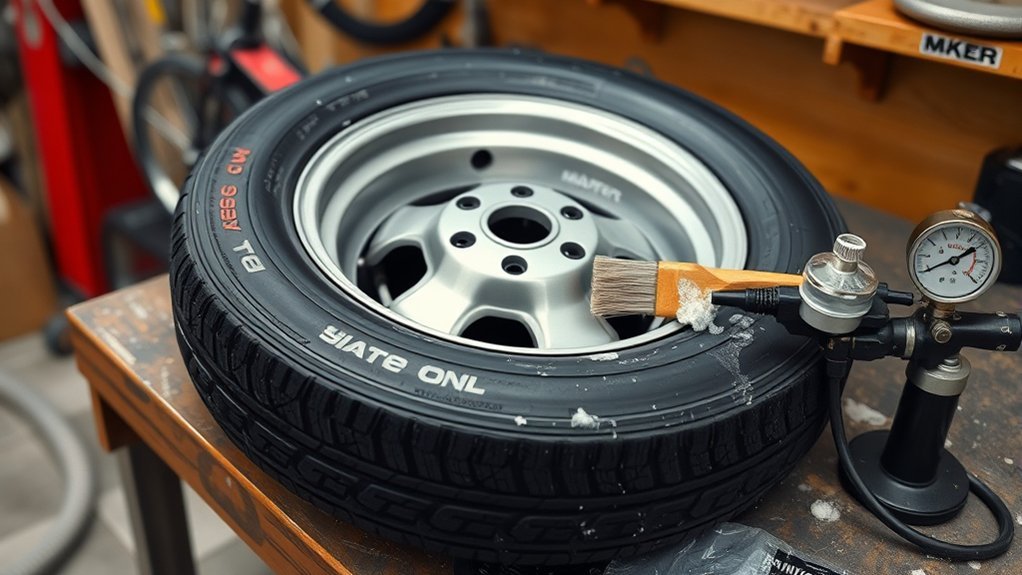
Before you set the bead, make sure the tire and rim are compatible. Check the tire size on the sidewall and the wheel size before you add air. A mismatched tire and rim can fail violently and should never be forced together.
Break the bead loose if it is only partly seated, then inspect both beads, both sidewalls, the rim lip, the bead seat, and the valve stem. Look for cuts, cracks, bent rim flanges, corrosion, punctures, exposed cords, or signs that the tire was driven flat. If you find damage, stop and replace or professionally inspect the tire or wheel.
Clean the bead seat and tire bead with a brush and dry cloth. Remove rust flakes, dirt, dried sealant, old rubber, and grit. Then apply a thin coat of approved tire mounting lubricant to the tire bead and rim contact surfaces. This helps the bead slide into place without tearing the rubber or galling the rim.
Note: Do not use WD-40, motor oil, grease, silicone spray, antifreeze, or petroleum-based products as bead lubricant. Use a rubber-compatible tire mounting lubricant that is made for tire service.
What Tools Do You Need to Set a Tire Bead?
Gather everything before you start so you are not reaching over the wheel while air is going in. For most small tubeless tires, you need:
- Safety glasses and gloves
- Air compressor with enough airflow for the tire size
- Clip-on air chuck and pressure gauge
- Valve-core removal tool
- Approved tire mounting lubricant
- Soapy water in a spray bottle or brush bottle
- Ratchet strap for stubborn small tubeless tires
- Bead-seating tank or professional tire machine for larger or stubborn assemblies
If the tire has a TPMS sensor at the valve stem, work carefully around the valve area. Do not pry against the sensor, and do not flood the stem with lubricant or sealant.
[Products Worth Considering]

EVOULTES heavy duty tire inflator with an integrated gauge delivers accurate pressure readings from 10–120 PSI, helping you inflate, deflate, and check tires in one tool. The 16.5-inch extended dual-head air chuck with swivel base reaches hard-to-access dual wheel valves on trucks and RVs. A brass trigger core and side-mounted air release valve make operation smooth, with standard 1/4" NPT threading and quick-connect compatibility for easy setup.

The AstroAI 2 pack air chucks provide a heavy-duty, closed-flow locking design that helps keep air flowing during inflation while securely attaching to the valve stem. Built with 250 PSI rated brass components and compatible with Schrader valves, they feature 1/4" female NPT threads for a wide fit with common inflators. The straight tip and locking clip make filling tires and monitoring pressure more convenient.

This 4-in-1 tire valve core removal tool helps you deflate, unblock, and remove or install valve cores quickly for easier tire repair. The multifunction design also supports re-taping damaged threads and reaming inside the valve stem for smoother service. Included as a 2-pack, it’s compact for convenient carry and works for cars, bicycles, and motorcycles.
How Do You Set the Bead With a Tie Strap?
A tie strap or ratchet strap can help on a small tubeless tire when the sidewalls are pulled inward and air escapes before the bead can seal. The strap compresses the tread area, which pushes the sidewalls outward toward the rim.
- Set the tire and rim flat or secure the wheel on a tire machine. If the wheel is on a vehicle, make sure the vehicle is on stable supports and the wheel is properly bolted.
- Wrap the ratchet strap around the center of the tread, not around the bead or rim.
- Tighten the strap gradually until the sidewalls begin to move outward.
- Remove the valve core to increase airflow if needed, then connect a clip-on air chuck.
- Stand clear and add air in short bursts while watching both beads.
- As soon as the tire becomes airtight and the bead begins to seat, stop and release the strap carefully.
- Reinstall the valve core, continue inflating only as needed, and check both sides for even seating.
Pro Tip: If air is rushing out too fast, remove the valve core for more airflow, use a clip-on chuck, and keep your hands away from the bead area while inflating.
[Products Worth Considering]

This dual head and ball air chuck set provides closed-flow tire inflation that routes air only through the chuck engaged with the valve. It includes both dual-head and ball-head chucks plus quick plug fittings for easy, fast connections to air lines and compressors. Built for reliable, leak-resistant operation, it’s ideal for filling Schrader valves on bikes, motorcycles, cars, trucks, and more.
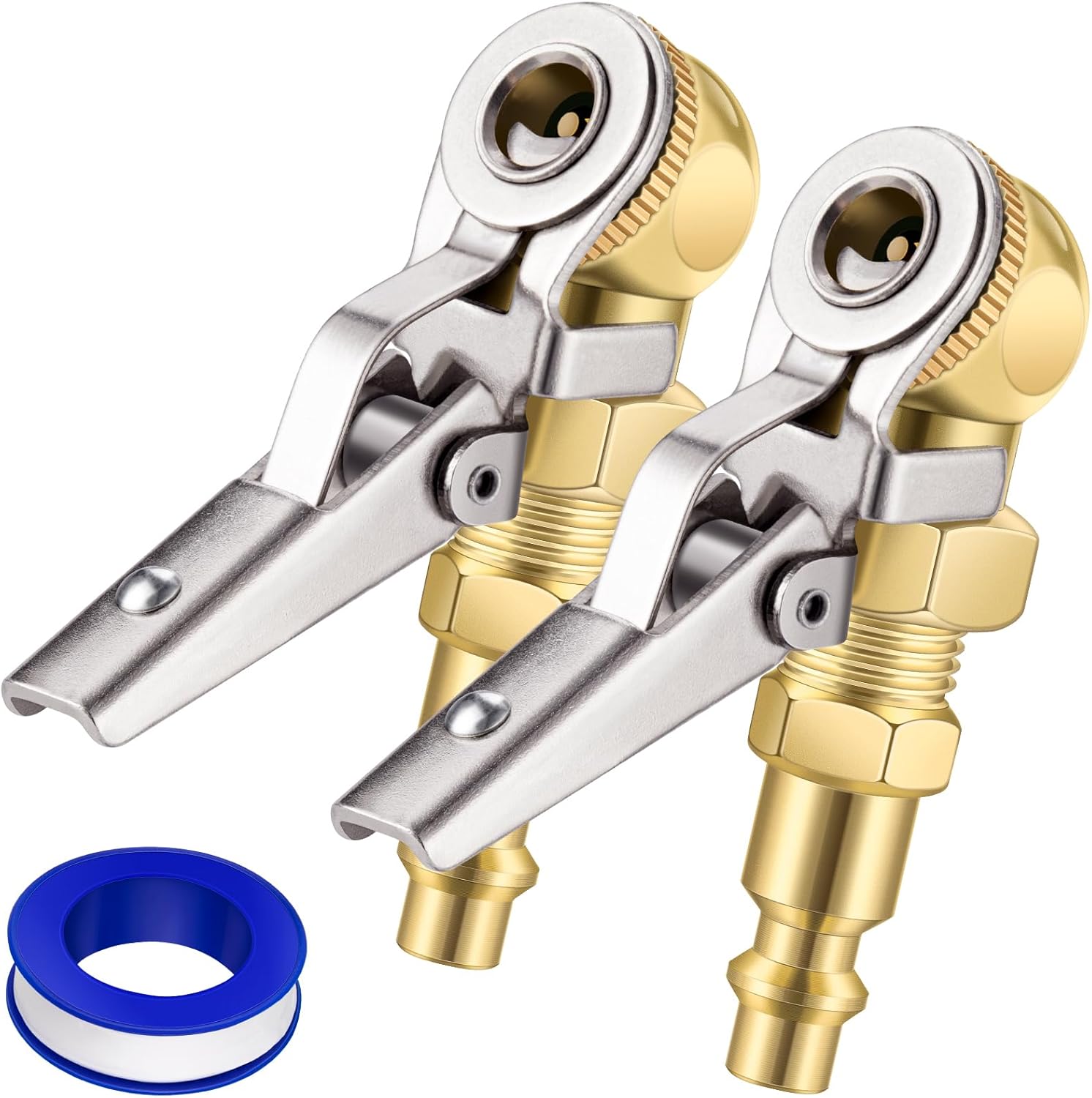
EVOULTES 2-pack closed ball tire chucks lock onto Schrader valves to help you inflate tires hands-free. The set includes both chucks with quick plug compatibility and a 2-way connection approach for easy setup to your air line or compressor. Durable metal construction supports reliable use for cars, trucks, RVs, bikes, and other Schrader-valve tires up to 250 PSI.
Should You Use Starter Fluid?
No. Do not use starter fluid, ether, gasoline, brake cleaner, propane, or any other flammable material to set a tire bead. The explosion method can damage the tire, weaken the bead, ignite vapors trapped inside the tire, or cause the tire and wheel assembly to separate violently during service or later on the road.
If the bead will not seat with cleaning, approved lubricant, proper airflow, and safe positioning, use a bead-seating tank or take the tire to a qualified tire shop. Safer control beats a shortcut that can injure you or ruin the tire.
Warning: Never stand, lean, or reach over the tire and rim while inflating. Use a clip-on chuck and stand to the side so you are not in the path of a possible separation.
How Do You Know the Bead Is Seated?
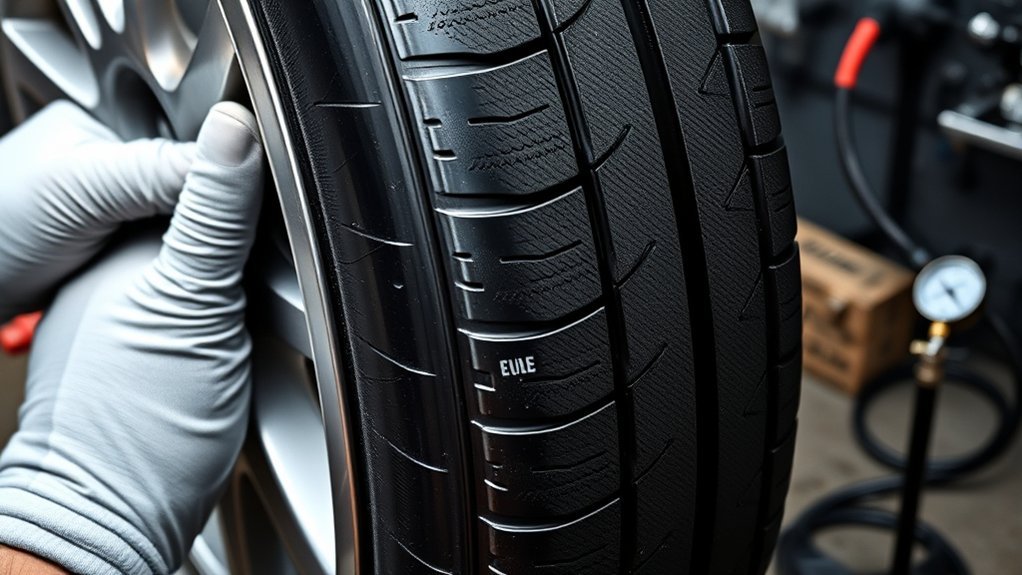
Once the bead sets, verify it before you trust the tire. Look at the molded bead indicator line near the rim on both sidewalls. That line should be the same distance from the rim all the way around. You should not see bulges, dips, pinched areas, or places where the bead line disappears under the rim flange.
Then brush or spray soapy water around both bead areas and the valve stem. Bubbles mean air is escaping. If you see bubbles, deflate the tire, break the bead loose where needed, clean and relubricate the area, and try again. Do not keep driving or inflating a tire that will not hold pressure.
- Check both sidewalls for a consistent bead indicator line.
- Look for even contact between the tire and rim all the way around.
- Use soapy water to check both bead seats and the valve stem.
- Wait a few minutes and recheck the pressure with a reliable gauge.
What If the Tire Bead Won’t Pop On?
If the bead will not pop on, do not just keep adding pressure. Deflate the tire, reassess the setup, and solve the reason air is escaping or the bead is sticking. Most stubborn beads come down to low airflow, dry rubber, dirt, corrosion, sidewalls pulled inward, or a tire/rim mismatch.
[Products Worth Considering]

FOR MULTIPLE TIRE TYPES – Perfect for seating tubeless tires on passenger cars, pickup trucks, SUVs, trailers, tractors, lawn equipment, ATVs, UTVs, light commercial vehicles, and many off-road applications.
Check Rim and Bead
Inspect the rim and bead carefully before trying again. A bent rim lip, rust ridge, dried sealant, torn bead, or cracked sidewall can keep the tire from sealing. Clean the bead seat down to a smooth surface, wipe the tire bead, and apply fresh approved mounting lubricant.
- Check the rim lip for bends, cracks, and heavy corrosion.
- Confirm the tire size matches the rim diameter and width range.
- Inspect the tire bead for cuts, kinks, missing rubber, or exposed cords.
- Make sure the valve stem is clear, intact, and not leaking.
Use Strap Pressure
If the sidewalls sit too far inward, center a ratchet strap around the tread and tighten it gradually. The goal is light, even pressure that helps the beads touch the rim long enough for air to seal. Do not overtighten the strap, and do not leave it on while you inflate to final pressure.
Try Safe Inflation
For a stubborn tubeless tire, removing the valve core can help the compressor deliver air faster. Use a clip-on chuck, stand clear, and watch the bead. Once the bead seals, stop, release any strap or bead expander, reinstall the valve core, and continue with controlled inflation.
If the bead still will not seat by the tire or wheel manufacturer’s bead-seating limit, stop. Deflate the tire completely, reposition it, relubricate, and try again. If it still fails, use a bead-seating tank or a professional tire machine rather than forcing more pressure.
If the bead will not seat at a safe bead-seating pressure, the answer is not more pressure. Deflate, inspect, relubricate, reposition, or get professional help.
What Common Bead-Setting Mistakes Happen?
The most common mistakes are skipping prep, using the wrong lubricant, standing in the danger zone, and chasing a stubborn bead with more pressure instead of fixing the cause. Avoid these errors before you add air.
Improper Tire Preparation
Improper tire preparation is one of the fastest ways to lose the seal. Even small debris can create an air path between the bead and the rim. Clean both bead seats, inspect both sidewalls, and lubricate the rubber and rim contact surfaces before inflation.
Unsafe Bead-Setting Methods
Starter fluid, ether, gasoline, and other flammable shortcuts are not safe bead-setting tools. They can burn the tire, damage the bead, leave flammable vapor inside the tire, or cause an explosive separation. If ordinary airflow is not enough, use a bead-seating tank or tire shop equipment.
Skipping Safety Checks
Do not skip the final visual check. A bead can look partly seated from one angle and still be low on the opposite side. Check both sidewalls, confirm the bead indicator line is even, test with soapy water, and recheck pressure after a short wait.
Overinflating to Force the Bead
Overinflation is dangerous. If the bead does not seat at the tire or wheel maker’s bead-seating limit, deflate the assembly, reposition the tire, relubricate, and try again. Never exceed the tire, wheel, or equipment instructions to force a bead into place.
What Should You Check Before Inflation?
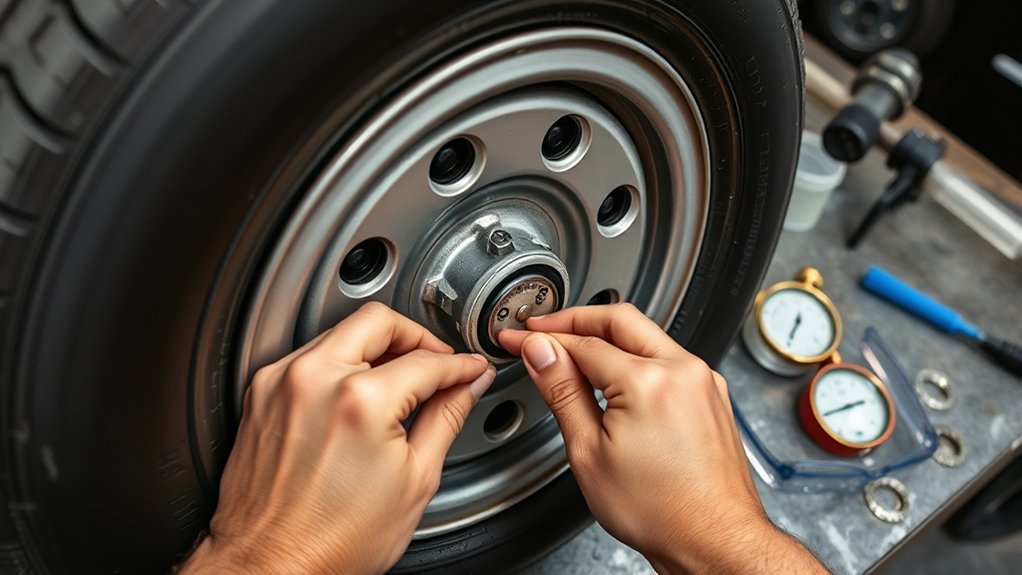
Before you inflate the tire, confirm the tire and wheel are safe to assemble. This check matters more than speed. A clean bead can seat; a damaged or mismatched assembly should not be inflated.
| Check | What You Want | Risk If Skipped |
|---|---|---|
| Tire and rim size | Correct matching diameter and approved fit | Dangerous mismatch or failure |
| Bead and rim condition | No cuts, cracks, kinks, dents, or severe rust | Leak, bead damage, or separation |
| Cleanliness | Smooth bead seat with debris removed | Air leaks and uneven seating |
| Lubricant | Approved tire mounting lubricant | Torn bead or stuck bead |
| Valve stem | Clear, intact, and not leaking | Restricted airflow or slow leak |
| Body position | Standing clear with a clip-on chuck | Injury if the assembly fails |
How Do You Finish Inflation and Check Pressure?
After both beads are fully seated, inflate the tire to the vehicle manufacturer’s recommended cold pressure. For passenger vehicles, that number is usually on the Tire and Loading Information label on the driver’s door edge or door post, or in the owner’s manual. Do not use the maximum pressure molded on the tire sidewall as the vehicle’s recommended operating pressure.
- Inflate in small increments and watch the gauge.
- Check both bead indicator lines again after the tire reaches operating pressure.
- Spray soapy water around both beads and the valve stem.
- Wait a few minutes and recheck pressure.
- Reinstall the valve cap and inspect again after the first short drive.
If pressure drops, listen for hissing and check for bubbles. A bead leak may need cleaning and reseating. A valve-stem leak, puncture, cracked rim, or damaged bead needs repair before the tire goes back into service.
Frequently Asked Questions
How do you set a bead on a stubborn tire?
Clean the rim and bead, apply approved tire mounting lubricant, remove the valve core for better airflow, and use a clip-on air chuck while standing clear. If the sidewalls are pulled inward, use a ratchet strap around the tread center. If it still will not seat safely, deflate, reposition, relubricate, or use a bead-seating tank or tire shop.
Can you use WD-40 to seal a tire bead?
No. WD-40 is not a tire bead sealer or approved tire mounting lubricant. Use a rubber-compatible tire mounting lubricant during seating. If the bead leaks after seating, find the cause, such as rust, dirt, bead damage, rim damage, or a bad valve stem.
What can I use to set a tire bead?
Use approved bead lubricant, a high-flow compressor, a clip-on air chuck, and a valve-core tool. For stubborn small tubeless tires, a ratchet strap can help spread the sidewalls. For larger or difficult tires, use a bead-seating tank or professional tire machine. Do not use flammable materials.
How much pressure does it take to seat a tire bead?
It depends on the tire, wheel, lubricant, and equipment. Follow the tire and wheel manufacturer’s bead-seating limit. If the bead does not seat by that limit, stop, deflate completely, reposition, relubricate, and try again. Do not keep adding pressure to force the bead.
Do balancing beads in tires actually work?
Balancing beads are different from tire beads. Tire beads are the sealing edges of the tire. Balancing beads are small internal media used by some installers to reduce vibration. They may work in some applications, but they do not help seat a tire bead and should not replace proper mounting and balancing procedures.
When should I take the tire to a shop?
Take it to a shop if the tire or rim is damaged, the size match is uncertain, the tire has a TPMS issue, the bead will not seat after cleaning and lubrication, or you do not have safe inflation equipment. A professional tire machine and bead-seating tank are safer than forcing the tire at home.
Conclusion
Setting a tire bead safely comes down to clean parts, correct fit, approved lubricant, enough airflow, and disciplined pressure control. Start with inspection and prep, use a strap only when it helps the sidewalls reach the rim, and verify the bead with a visual check and soapy water. If the tire will not seat safely, stop and get better equipment or professional help. Never use starter fluid or extra pressure as a shortcut.
Sources
- OSHA 29 CFR 1910.177 — restraining devices, barriers, training, and safe rim-wheel servicing procedures
- U.S. Tire Manufacturers Association TISB 46-4 — bead-seating pressure, deflate/reposition/relubricate guidance, and safe inflation warnings
- U.S. Tire Manufacturers Association TISB 41-4 — approved bead lubricants and warnings against petroleum-based or flammable substances
- NHTSA TireWise — where to find the correct vehicle tire pressure and basic tire safety guidance
- Michelin Tire Inspection and Mounting Guidance — tire/rim inspection and approved mounting lubricant guidance
- OSHA Demounting and Mounting Procedures Chart — warnings against flammable materials and unsafe bead-seating practices

Related Articles

How to Book a Costco Tire Center Appointment
Tired of guesswork? Learn how to book a Costco Tire Center appointment and avoid surprises before your next visit.
Read More
How to Use Costco Tire Inflation: Step-by-Step
Never overinflate at Costco—learn the exact steps, tools, and tips to fill your tires safely and leave with confidence.
Read More
How to Book a Tire Appointment at Walmart
Mysterious steps make booking a Walmart tire appointment simpler than you think, but one crucial detail could save you time and money.
Read More