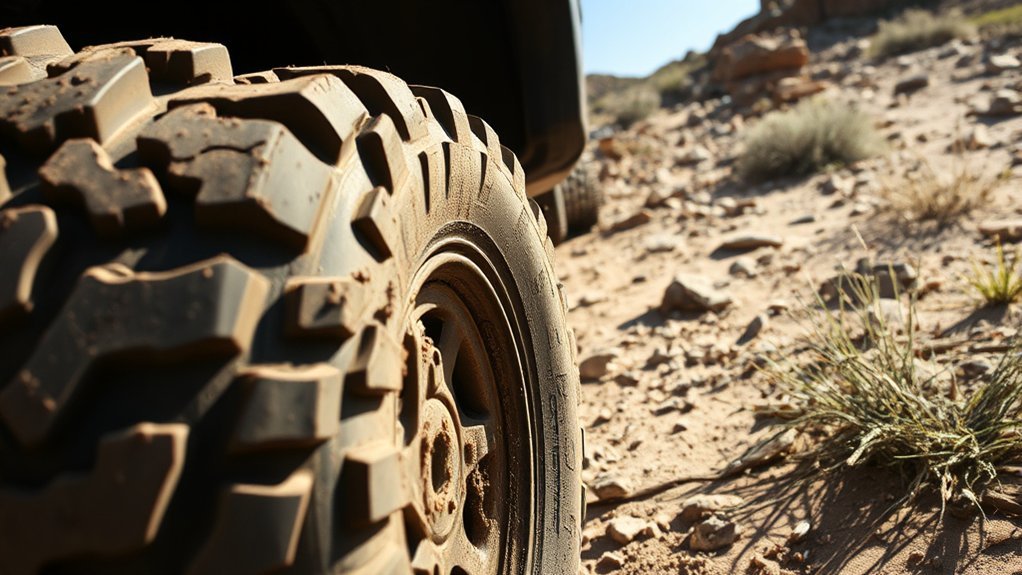
A 3-ply sidewall tire is built for drivers who need extra sidewall strength on rocks, ruts, gravel, mud, and other rough surfaces. The key point is simple: 3-ply sidewalls can improve cut, bruise, and puncture resistance, but they do not replace proper tire sizing, load ratings, inflation pressure, or regular inspection.
Quick Answer
A 3-ply sidewall tire uses three sidewall reinforcement layers, usually to make the sidewall thicker, stiffer, and more resistant to cuts, bruises, and punctures during off-road driving. It is not automatically the highest-load tire, though. Always match tire size, load index, load range, speed rating, and vehicle placard.
Key Takeaways
- A 3-ply sidewall is most useful for off-road driving where rocks, roots, ruts, and sharp debris can damage weaker sidewalls.
- Do not confuse 3-ply sidewall construction with a 10-ply rating; load range and load index are separate tire specifications.
- The right tire depends on your vehicle, terrain, load, towing needs, wheel size, and how much road comfort you are willing to trade for toughness.
- Even a tough 3-ply tire is not puncture-proof, so cold pressure checks, tire rotation, tread inspection, and sidewall checks still matter.
At a Glance
| Time Required | 15–30 minutes to compare tire specs, check your vehicle placard, and review terrain needs. |
| Difficulty | Easy to moderate. The hardest part is matching sidewall strength with the correct load index, load range, and driving use. |
| Tools Needed | Vehicle owner’s manual, tire information placard, tire pressure gauge, tread-depth gauge or penny, and the tire manufacturer’s spec sheet. |
| Cost | Usually higher than a lighter-duty highway tire. Final cost depends on tire size, brand, load range, tread type, and installation. |
What a 3-Ply Sidewall Tire Means
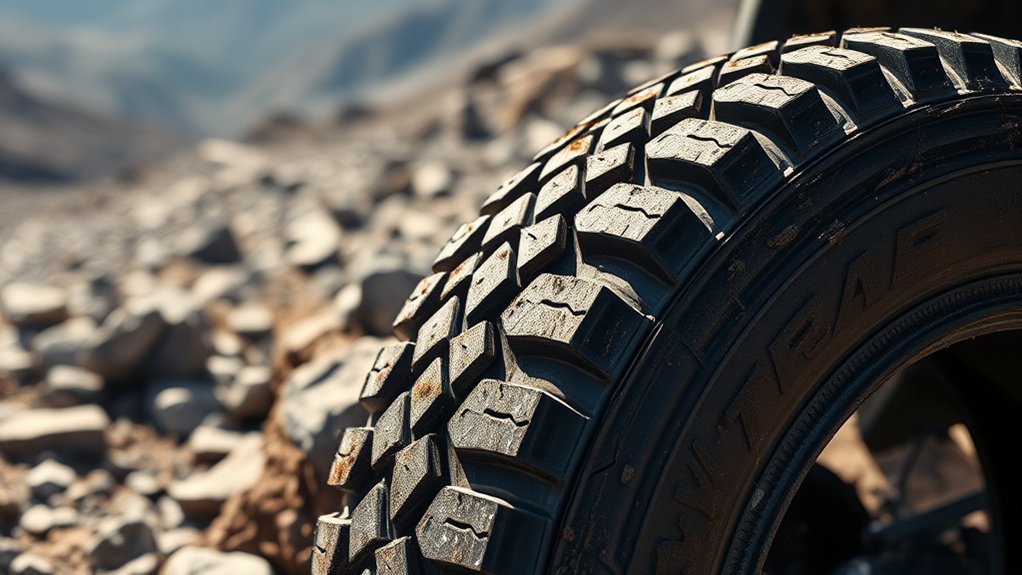
A tire sidewall is the area between the tread and the wheel. It flexes constantly as the tire rolls, absorbs impacts, and helps support the vehicle. In a 3-ply sidewall tire, the sidewall uses three layers of reinforcing material instead of two in the sidewall area.
That extra reinforcement usually makes the sidewall stronger, thicker, and stiffer. For example, Falken describes its 3-ply DURASPEC technology as a thicker and stiffer sidewall construction than its 2-ply counterpart, built for harsher off-road conditions.
That does not mean every 3-ply tire is the same. The tire’s rubber compound, carcass design, tread pattern, load range, size, inflation pressure, and intended use all affect how it performs.
Note: “Ply” can describe actual construction layers, but it can also appear in historical phrases such as “10-ply rating.” Always read the full tire specification instead of choosing by ply wording alone.
3-Ply vs. 2-Ply Sidewall Construction
A 2-ply sidewall can be perfectly fine for daily driving, mild trails, gravel roads, and light-duty use. A 3-ply sidewall is usually aimed at drivers who need more protection from sidewall impacts and cuts.
- 2-ply sidewall: Usually lighter, more flexible, and more comfortable on pavement. It may be enough for highway driving, light trails, and occasional dirt roads.
- 3-ply sidewall: Usually tougher and stiffer, with better resistance to cuts, bruises, and impacts on rugged terrain. It may ride firmer and weigh more, depending on the model and size.
The biggest mistake is assuming that 3-ply automatically means higher load capacity. It does not. Tire Rack explains that load range and ply rating identify how much load a tire is designed to carry at a specific pressure. For safe fitment, the replacement tire’s load index should meet or exceed the original equipment requirement.
Why 3-Ply Tires Are Popular for Off-Roading
Off-road driving exposes tires to sidewall hazards that normal pavement driving rarely does. Rocks can pinch the sidewall. Roots and sharp gravel can scrape it. Deep ruts can force the tire to flex at awkward angles. A 3-ply sidewall helps reduce those risks.
- Better cut and bruise resistance: Extra reinforcement can help protect the sidewall from rocks, roots, and trail debris.
- More stability under load: Stiffer sidewalls can feel more planted when carrying gear, airing down carefully for trails, or towing within the vehicle’s limits.
- Improved control on rough terrain: A stronger sidewall can help the tire hold shape when the surface is uneven.
- More confidence in remote areas: Fewer sidewall worries can matter when you are far from a tire shop.
Warning: A 3-ply sidewall is not puncture-proof. Do not ignore cuts, bulges, exposed cords, vibration, rapid pressure loss, or repeated low-pressure warnings. Have the tire inspected by a qualified tire professional before continuing hard use.
When a 3-Ply Sidewall Is Worth It
A 3-ply sidewall tire makes the most sense when sidewall damage is a realistic risk. Consider one if you often drive in these conditions:
- Rock crawling: Rocks can pinch, scrape, and bruise sidewalls.
- Desert trails: Heat, speed, stones, and sharp edges can punish weak tires.
- Forest roads: Roots, broken branches, embedded rocks, and ruts can damage sidewalls.
- Overlanding: Heavier gear and remote travel make tire durability more important.
- Work trucks: Construction sites, ranch roads, and gravel lots can expose tires to debris.
- Towing or hauling: A tougher tire may help, but only if the tire’s load index, load range, and inflation match the vehicle and trailer requirements.
A 3-ply sidewall may be overkill if you mostly drive on highways, want the quietest ride possible, or prioritize fuel economy and comfort over trail protection. In that case, an all-terrain tire with a lighter sidewall may be a better fit.
[Products Worth Considering]

Monitor tire tread wear with a smart, color-coded depth gauge that shows clear condition ranges at a glance. The bar is range marked for fast, easy readings, helping you maintain safer traction and performance. Each gauge is portable with a pocket clip, and the set includes 20 units for daily use and sharing.

Measure tire tread depth quickly and accurately with this LUMITECO dial gauge that reads in 1/32" increments up to 14/32". The color-coded green/yellow/red zones make it easy to judge tire wear and know when replacement is needed. A rugged, compact design with a protective pouch helps keep the gauge ready for use on cars, trucks, motorcycles, and more.

Keep your tires properly inflated with this analog VONDIOR tire pressure gauge, designed for fast, easy readings without batteries. The swiveling, two-axis hose and large glow dial help you measure at any tire angle with instant visibility. Built with a protective rubber shield, it supports durable, low-maintenance use for cars and trucks.
How to Select the Best 3-Ply Tire for Your Needs
Choosing the right 3-ply tire is about matching the tire to your vehicle and terrain, not just picking the toughest-looking tread.
[Products Worth Considering]

Accurately measure tire tread depth with a calibrated gauge marked from 0 to 1 inch in 1/32 inch increments. The color-coded bar helps you quickly identify tread condition ranges, supporting safe driving for trucks, motorcycles, automobiles, and passenger vehicles.
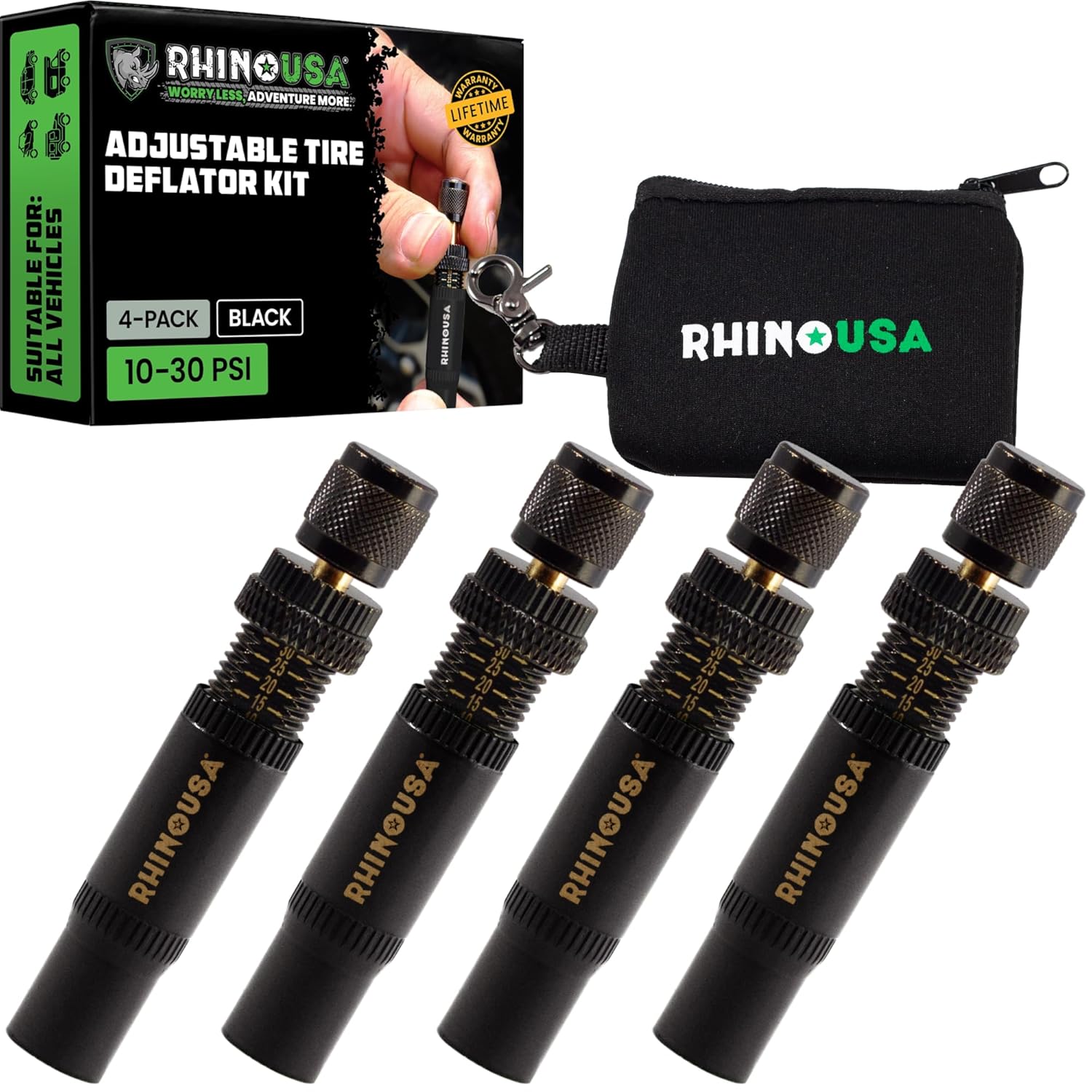
Use the Rhino USA adjustable tire deflators to air down all four tires at once by screwing one deflator onto each valve stem, letting you step away while the tires reach your preset pressure. Each deflator independently adjusts across a 10–30 PSI range with laser-etched indicators for quick setup and verification, making it ideal for beach, sand, and rocky off-road trails.

Secure your vehicle during transport with this 4-pack of heavy-duty tire tie down straps designed for trailers and hauling. The ratchet system with flat hooks and D-rings helps you tension the straps quickly, while the wheel-friendly design protects tires. With high break strength and corrosion-resistant hardware, these straps provide reliable, confidence-inspiring tie-down security for cars, trucks, and UTVs.
Start With Your Vehicle Placard
Check the tire information placard on the driver’s door jamb or the vehicle owner’s manual. This gives the original tire size, recommended cold inflation pressure, and load requirements. NHTSA says the vehicle manufacturer’s recommended tire pressure is the proper cold pressure, meaning the tire has not been driven for at least three hours.
Check Load Index, Load Range, and Speed Rating
Do not buy based only on the phrase “3-ply.” Compare these specifications:
- Load index: The number that indicates how much weight each tire can carry when properly inflated.
- Load range: A letter such as C, D, E, or F on many light-truck tires. Higher is not automatically better unless your vehicle and use require it.
- Speed rating: The tire’s maximum speed capability when properly inflated and loaded.
- Max load and max pressure: Useful limits, but not a replacement for your vehicle placard pressure.
- Actual tire weight: Heavier tires may affect acceleration, braking feel, steering, and fuel economy.
Match the Tread to the Terrain
Sidewall strength helps, but tread design determines much of the tire’s grip. Choose the tread pattern for the surfaces you actually drive.
- Rocks: Look for reinforced sidewalls, strong shoulder lugs, and a durable compound.
- Mud: Look for wide voids, open shoulders, and self-cleaning tread blocks.
- Gravel: Look for chip-resistant compounds and stable tread blocks.
- Snow: Look for siping and, when winter performance matters, a 3PMSF-rated tire.
- Daily driving: Balance off-road traction with wet braking, road noise, comfort, and tread life.
Pro Tip: Before buying, compare the tire’s size-specific spec sheet. One tire model can have different load ranges, weights, tread depths, and sidewall designs depending on size.
Common Myths About 3-Ply Tires
Myth 1: 3-Ply Means Puncture-Proof
False. A 3-ply sidewall improves resistance, but sharp metal, severe rock impacts, low-pressure abuse, and overloaded driving can still damage the tire. Stronger does not mean indestructible.
Myth 2: 3-Ply Always Carries More Weight
False. Load capacity comes from the tire’s load index, load range, construction, size, and inflation pressure. A 3-ply sidewall can be tough, but you still need the correct load rating for your vehicle.
Myth 3: 10-Ply Is Always Better Than 3-Ply
This compares two different ideas. A 3-ply sidewall describes sidewall construction. A 10-ply rating usually refers to a historical load-rating equivalent, commonly associated with Load Range E light-truck tires. If you tow or haul, focus on the load index and load range. If you drive sharp trails, sidewall construction matters more.
Myth 4: Heavier Always Means Better
Not always. Heavier tires can add toughness, but they can also reduce ride comfort, fuel economy, acceleration, and braking response. The best tire is the one that matches your vehicle, terrain, and load without adding unnecessary weight.
Maintaining Your 3-Ply Tires for Peak Performance
Even a premium off-road tire needs regular maintenance. Stronger sidewalls do not protect you from underinflation, overloading, uneven wear, or ignored damage.
- Check pressure cold at least monthly: Use a tire gauge, not only the TPMS light. USTMA notes that TPMS warnings may not appear until a tire is significantly underinflated.
- Use the vehicle placard pressure: The pressure molded on the tire sidewall is not the same as your normal recommended operating pressure.
- Inspect sidewalls after trails: Look for cuts, chunks, bulges, cracks, exposed cords, and trapped debris.
- Check tread depth: USTMA says tires worn to 2/32 inch should be replaced.
- Rotate on schedule: Follow your owner’s manual. If no interval is specified, USTMA recommends rotating every 5,000 to 8,000 miles.
- Watch alignment and balance: Pulling, vibration, cupping, or uneven wear can shorten tire life.
- Clean after mud or salt: Mild soap and water help remove grime that can hide damage.
- Store properly: Keep unused tires in a cool, dry place away from direct sun, ozone sources, and petroleum products.
Top 3-Ply Sidewall Tire Brands and Models to Consider
The best 3-ply tire depends on size availability, vehicle fitment, and your driving mix. These examples are worth researching because their manufacturers or product information emphasize reinforced sidewall durability:
- Falken Wildpeak A/T4W: Falken says its 3-ply DURASPEC technology uses a thicker and stiffer sidewall construction for harsher off-road conditions.
- Toyo Open Country M/T: Toyo describes the Open Country M/T as an off-road maximum traction tire with tough polyester construction that contributes to durability, impact resistance, and handling.
- Cooper Discoverer STT Pro: Cooper highlights Armor Tek3 technology for tread and sidewall durability on tough terrain.
- BFGoodrich All-Terrain T/A KO2: BFGoodrich emphasizes reinforced sidewalls and off-road traction for mud, sand, snow, and rocks, though you should verify the exact construction and rating for your chosen size.
When comparing brands, do not stop at the marketing phrase. Pull up the exact tire size and compare load index, load range, weight, tread depth, sidewall type, warranty, winter rating, and manufacturer fitment notes.
[Products Worth Considering]

The SAFELIFE dial tire tread depth gauge measures tread depth in 1/32 inch increments with clear, easy-to-read 2-inch dial face. Color zones using a traffic light system help you quickly judge whether tread is low, marginal, or ample for safer driving. Built with a durable zinc cast body and a metal detect probe for precise, comfortable use across cars, motorcycles, trucks, and buses.
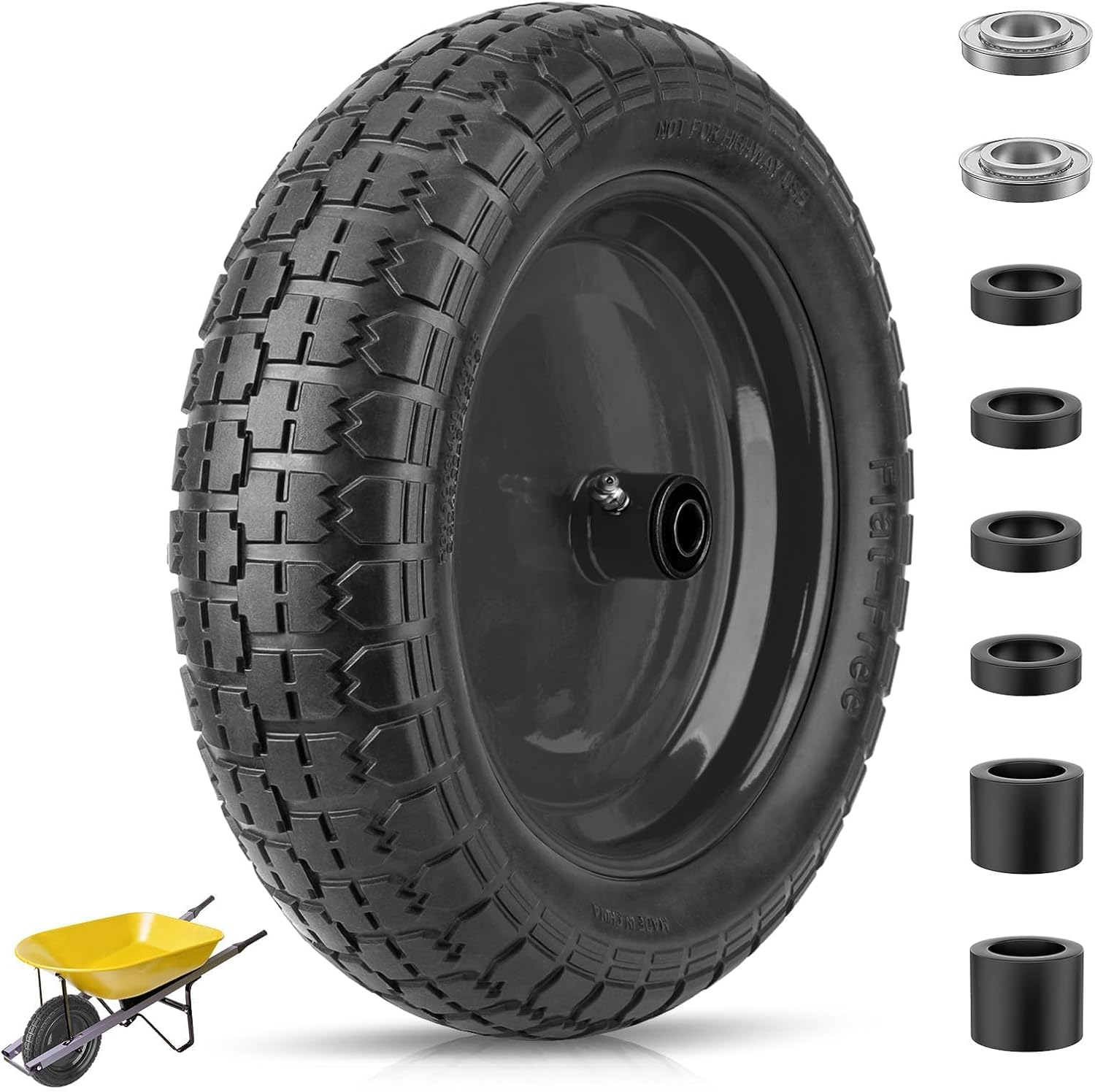
This flat-free TICONN wheelbarrow tire features durable polyurethane foam construction that never needs inflation, helping prevent punctures and reducing maintenance on rough outdoor terrain. With a 300 lb max load capacity and stable steel rim design, it supports safer transport for yard work and hauling tasks. An adapter kit with ball bearings and nylon spacers is included for easier fit and customization across common wheelbarrow and cart axle setups.

Vigorder rubber cement glue delivers superior adhesion and cures quickly within about 30 seconds for seamless rubber bonding. Once cured, it helps provide a strong, durable, waterproof seal that holds up to vehicle weight, pressure, and heat. Suitable for cars, motorcycles, trucks, bicycles, and off-road tires, it’s designed for emergency patch and maintenance repairs.
Frequently Asked Questions
Is 3-ply or 10-ply better?
Neither is automatically better because they describe different things. A 3-ply sidewall refers to sidewall construction. A 10-ply rating usually refers to a historical load-rating equivalent, often Load Range E. For towing and hauling, check load index and load range. For rocks and trail damage, check sidewall construction.
Does a 3-ply sidewall prevent all punctures?
No. A 3-ply sidewall improves resistance to cuts, bruises, and impacts, but it can still be punctured or damaged. Sharp metal, severe rock impacts, low pressure, overloading, and old rubber can still cause tire failure.
Are 3-ply sidewall tires good for daily driving?
They can be, especially if you choose an all-terrain model designed for mixed road and trail use. However, some 3-ply tires ride firmer, weigh more, and make more road noise than lighter-duty highway tires.
How do I know if a tire has a 3-ply sidewall?
Check the manufacturer’s product page, spec sheet, or tire construction details. The tire sidewall may show load range and other ratings, but load range alone does not always prove the sidewall has three actual plies.
Should I air down 3-ply tires off-road?
Many off-road drivers air down for traction and comfort, but safe pressure depends on tire size, wheel size, vehicle weight, speed, bead retention, and terrain. Air back up before highway driving, and never run pressures that exceed the tire or wheel manufacturer’s safe limits.
Conclusion
A 3-ply sidewall tire can be a smart upgrade if you drive on rocks, ruts, gravel, mud, work sites, or remote trails where sidewall damage is a real concern. The extra reinforcement can improve durability and stability, but it should never be your only buying factor. The safest choice is the tire that matches your vehicle’s required size, load index, load range, speed rating, inflation pressure, and terrain needs.
For most drivers, the best approach is simple: choose 3-ply sidewall construction when you truly need sidewall protection, choose the correct load rating for your vehicle, and maintain the tires with regular pressure checks, rotation, tread checks, and sidewall inspections.
Sources
- Tire Rack: What Are Load Ranges / Ply Ratings? — supports load range, ply rating, load index, and replacement tire guidance.
- Falken Wildpeak A/T4W — supports the explanation of 3-ply sidewall technology and off-road sidewall durability.
- Toyo Open Country M/T — supports off-road tread, durability, impact resistance, and load-range/ply-rating terminology.
- Cooper Discoverer STT Pro — supports Armor Tek3 sidewall and tread durability claims.
- NHTSA TireWise: Tire Safety Ratings and Awareness — supports cold tire pressure and vehicle placard guidance.
- USTMA Tire Care Essentials — supports tire pressure, tread depth, TPMS, rotation, and alignment maintenance guidance.