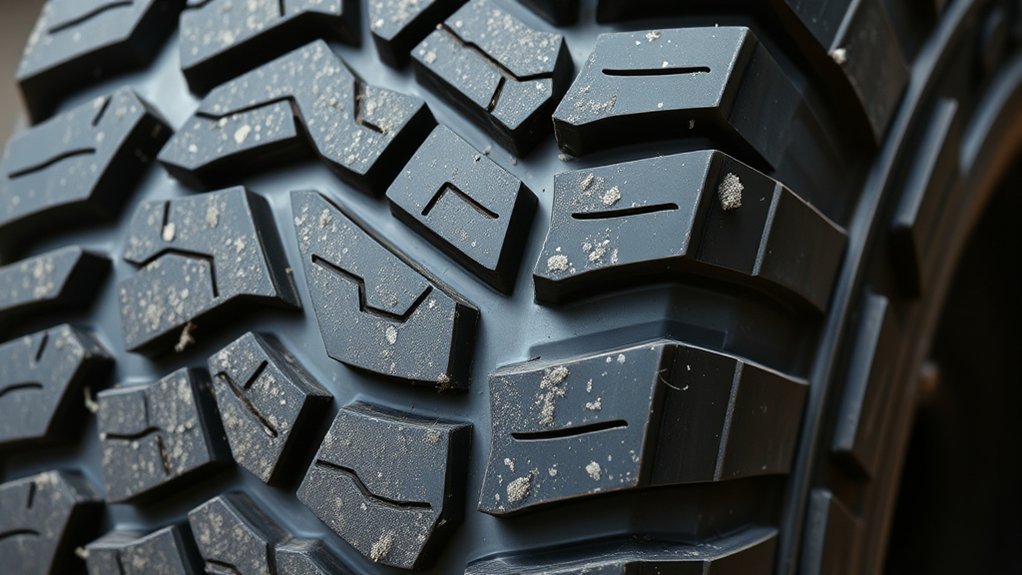
All-terrain tire tread compounds are the rubber formulas that help decide how a tire grips, wears, flexes, and handles heat, cold, rain, gravel, mud, and pavement. The tread pattern matters, but the compound is just as important because it controls how the tread blocks interact with the road or trail.
Quick Answer
All-terrain tire compounds blend natural rubber, synthetic polymers, silica, carbon black, oils, resins, and curing agents to balance grip and tread life. Softer compounds usually improve cold-weather and off-road traction, while harder compounds often resist heat and pavement wear better. The best choice depends on your climate, terrain, load, and driving habits.
Key Takeaways
- Silica can improve wet grip and rolling efficiency, while carbon black helps reinforce the rubber and support wear resistance.
- A softer tread compound can grip better in cold or uneven terrain, but it may wear faster on hot pavement.
- Tread depth, siping, shoulder design, sidewall strength, and compound chemistry work together; no single feature tells the whole story.
- For snow, look for the three-peak mountain snowflake symbol, but remember it indicates severe-snow-service testing, not guaranteed ice performance.
- Proper inflation, rotation, alignment, and tread-depth checks are the easiest ways to protect tire life.
What Is a Tire Tread Compound and Why Does It Matter?
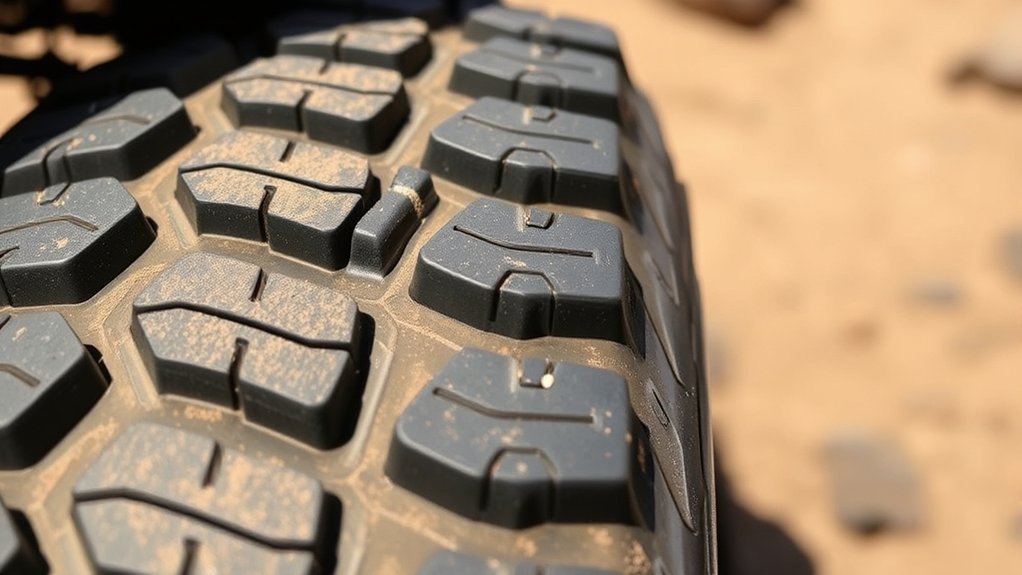
A tire tread compound is the rubber mixture used in the outer tread area of a tire. It usually combines natural rubber, synthetic rubber, reinforcing fillers, processing oils, resins, and curing ingredients. Manufacturers adjust the recipe to target different goals, such as wet braking, gravel durability, off-road grip, low rolling resistance, heat control, and tread life.
For all-terrain tires, the compound has a tough job. It must survive pavement miles, resist cuts from rocks and gravel, stay flexible enough for trail grip, and still provide predictable handling in rain. That is why all-terrain tires are usually a compromise: they are more rugged than highway tires but usually quieter and longer-wearing than dedicated mud-terrain tires.
Modern tread formulas often use silica and carbon black together. Continental notes that silica has helped improve wet-road braking and rolling resistance, while carbon black remains an important reinforcing filler in many rubber compounds.
Note: Tire makers rarely publish exact compound recipes. Use the tire’s category, warranty, UTQG information, severe-snow rating, tread design, and real-world reviews together instead of judging by one ingredient alone.
Key Ingredients in All-Terrain Tire Compounds
All-terrain tire compounds are engineered to balance traction, durability, flexibility, and heat resistance. The exact formula changes by brand and model, but these are the main material groups that affect performance:
| Ingredient or Material | What It Does | Common Trade-Off |
|---|---|---|
| Natural rubber | Adds elasticity, toughness, and resistance to tearing. | Needs other materials to fine-tune heat, grip, and wear. |
| Synthetic rubber | Helps tune cold flexibility, heat resistance, rolling resistance, and treadwear. | Different polymers favor different driving conditions. |
| Silica | Can improve wet traction and rolling resistance when paired with the right rubber and silane chemistry. | Requires careful mixing and formulation to avoid performance compromises. |
| Carbon black | Reinforces the rubber, supports abrasion resistance, and helps protect against aging. | May not deliver the same wet-grip and rolling-resistance benefits as a well-designed silica system. |
| Oils, resins, and additives | Fine-tune grip, flexibility, processing, and temperature behavior. | Too much softness can reduce tread life under heavy pavement use. |
| Curing agents | Help create the final rubber structure during vulcanization. | Small formula changes can strongly affect grip, heat buildup, and durability. |
How Tread Design Impacts Longevity and Performance
While tread compound controls the rubber’s behavior, tread design controls how that rubber contacts the surface. The two work together. A strong compound with a poor tread pattern may still struggle in mud, and an aggressive tread with the wrong compound may wear quickly on pavement.
Interlocking tread blocks improve stability on highways and help reduce tread squirm. Open shoulder lugs and wider voids help eject mud, gravel, and debris. Sipes add biting edges for wet and snowy surfaces. Reinforced sidewalls help resist cuts and bruising when the tire meets rocks, ruts, or sharp gravel.
Tread depth also matters. Deeper tread can improve loose-surface traction and mud clearing, but it can feel less precise on pavement and may generate more noise. Shallower or more tightly packed tread patterns usually feel smoother on the highway but may struggle in deeper mud or snow.
The best all-terrain tire is not the one with the most aggressive tread. It is the one whose compound, tread pattern, load rating, and weather capability match how you actually drive.
Soft vs. Hard Compounds: Which Is Right for You?
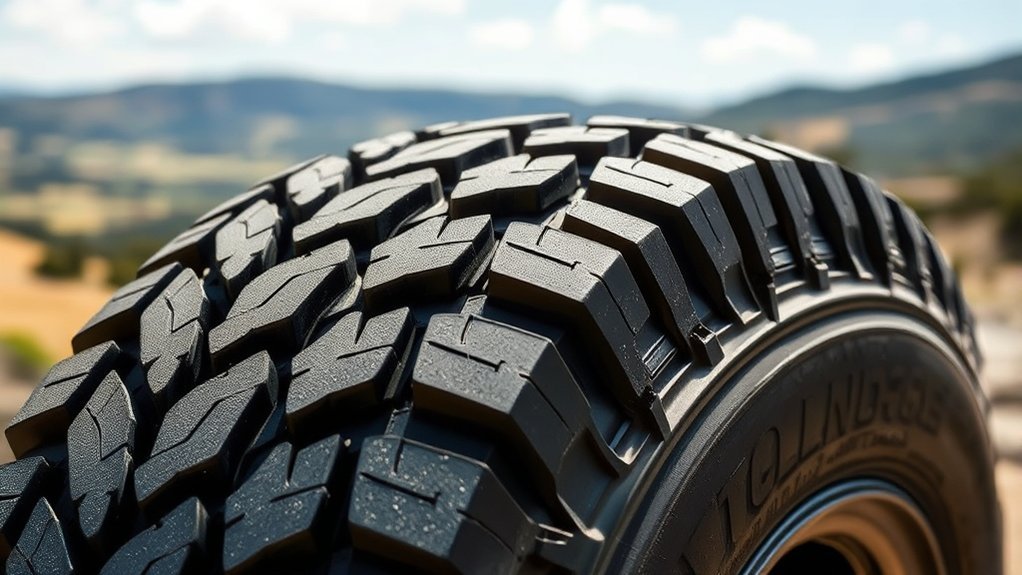
When choosing between softer and harder tire compounds, think in terms of trade-offs. Softer compounds can conform to rough surfaces and stay more flexible in cooler weather. Harder compounds often tolerate heat and pavement abrasion better. Most all-terrain tires use a balanced formula rather than an extreme soft or hard compound.
[Products Worth Considering]

These pre-assembled 15x6.00-6 front tire and wheel assemblies are designed for quick replacement on riding lawn mowers and lawn tractors. Built with natural rubber pneumatic tires and turf-friendly tread for solid traction and improved shock absorption. A thickened welded rim and 3/4" sintered iron bushing help provide stable, heavy-duty support for everyday mowing use.

Monitor tire tread wear with a smart, color-coded depth gauge that shows clear condition ranges at a glance. The bar is range marked for fast, easy readings, helping you maintain safer traction and performance. Each gauge is portable with a pocket clip, and the set includes 20 units for daily use and sharing.

Measure tire tread depth quickly and accurately with this LUMITECO dial gauge that reads in 1/32" increments up to 14/32". The color-coded green/yellow/red zones make it easy to judge tire wear and know when replacement is needed. A rugged, compact design with a protective pouch helps keep the gauge ready for use on cars, trucks, motorcycles, and more.
Traction vs. Durability
A softer compound usually helps the tread grip uneven surfaces, rocks, wet pavement, and cold roads. This can make a tire feel more confident off-road or in poor weather. The trade-off is that a soft compound may wear faster, especially on hot pavement, heavy vehicles, or aggressive stop-and-go driving.
A harder compound usually resists wear better during long highway use. It can be a smart fit for commuters, work trucks, and drivers who spend most of their time on pavement. The trade-off is that a harder compound may give up some grip on wet, icy, or uneven surfaces.
Weather Considerations
Weather changes how rubber behaves. Cold temperatures can make some rubber compounds stiff, reducing contact with the road. Heat can increase tread wear and stress the compound. Rain adds another challenge because the tread must move water away from the contact patch.
If you drive in snow, look for the three-peak mountain snowflake symbol. It indicates the tire meets an industry severe-snow-service traction test. It does not mean the tire will match a dedicated winter tire on ice, and it does not remove the need to slow down in winter conditions.
Driving Habits Impact
Your driving habits can shorten or extend tire life as much as the compound itself. Hard acceleration, heavy braking, fast cornering, and frequent curb strikes increase heat and scrub the tread. Smooth steering, correct tire pressure, regular rotation, and proper alignment help the compound wear evenly.
- Mostly highway driving: prioritize treadwear rating, low noise, stable center ribs, and a balanced or harder compound.
- Gravel and ranch roads: prioritize chip resistance, reinforced construction, and stone-ejecting tread features.
- Mud and ruts: prioritize open shoulders, deeper voids, and a compound that resists chunking.
- Snowy regions: prioritize 3PMSF-rated all-terrain tires or dedicated winter tires if conditions are severe.
- Towing or heavy loads: prioritize the correct load index, load range, inflation pressure, and heat resistance.
Warning: Do not choose a tire by tread pattern alone if you tow, haul heavy loads, air down off-road, or drive in severe winter weather. Use the vehicle placard, owner’s manual, and a qualified tire professional to confirm size, load rating, inflation pressure, and fitment.
Impact of Driving Habits on Tire Wear
Your driving habits directly affect tire wear and longevity. In city driving, frequent starts and stops can scrub tread blocks and create extra heat. On highways, wear is often more even, but high speeds, heavy loads, and underinflation can still overheat the tire.
To extend tire life, accelerate smoothly, brake early, and slow down before sharp turns. Avoid spinning the tires on gravel or mud unless traction requires it. On rough roads, reduce speed to limit cuts, chips, and sidewall impacts.
Inflation pressure is one of the most important maintenance points. NHTSA TireWise highlights tire pressure, rotation, tread checks, and tire recalls as important tire-safety topics. Underinflation can cause shoulder wear and heat buildup. Overinflation can cause center wear and reduce the tire’s ability to absorb impacts.
Real-World Performance of All-Terrain Tires
All-terrain tires are designed for mixed use. They are not as quiet as most highway tires and not as aggressive as mud-terrain tires. Their value is versatility: they can handle daily pavement, gravel, dirt, light mud, rain, and occasional snow depending on the model.
In real driving, these factors matter most:
- Tread compound: affects grip, wear, heat resistance, wet braking, and chip resistance.
- Tread pattern: affects noise, mud clearing, snow grip, and road stability.
- Tread depth: affects loose-surface traction and wet-weather water evacuation.
- Sidewall construction: affects puncture resistance, load handling, and off-road durability.
- Maintenance: affects whether the tire reaches its expected service life.
If you drive mostly on pavement, an all-terrain tire with a tighter pattern and mileage warranty may be the better choice. If you drive mostly on rocks, dirt, and ruts, a more aggressive tire with stronger sidewalls may be worth the extra noise and potential wear.
How Seasonal Weather Affects All-Terrain Tire Performance
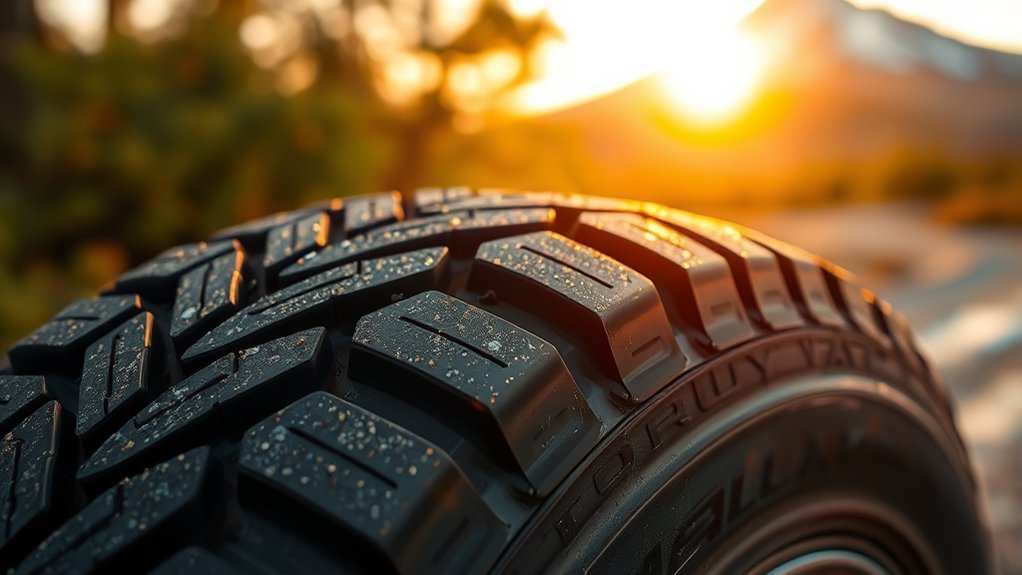
Seasonal weather changes how all-terrain tires feel and wear. Cold weather can stiffen the tread, heat can speed up wear, and rain can expose weak tread depth or poor water evacuation. A tire that feels excellent in dry summer weather may not feel as secure in slush or freezing rain.
Seasonal Temperature Impact
All-terrain compounds must handle a wide temperature range. In hot weather, heat-resistant materials help reduce fast wear and tread block damage. In cold weather, flexible rubber and siping help maintain contact with the road. This is one reason severe-snow-rated all-terrain tires can perform better in winter than basic all-terrain tires without that marking.
Rain and Wet Conditions
| Feature | Benefit |
|---|---|
| Silica-rich compound | Can improve wet grip when properly formulated |
| Siping | Adds biting edges for wet and light-snow traction |
| Wider grooves | Channels water away from the contact patch |
| Healthy tread depth | Helps reduce loss of traction in standing water |
| Correct pressure | Keeps the tire shape and contact patch closer to design intent |
Wet traction is not only about the compound. Speed, water depth, tread depth, inflation pressure, and tread design all matter. Slow down in heavy rain, avoid sudden steering inputs, and replace tires before tread becomes dangerously low.
Snow and Ice Performance
When temperatures drop and snow covers the road, all-terrain tires with winter-focused features have an advantage. Look for:
- 3PMSF rating: indicates tested severe-snow-service capability.
- Extra siping: creates more biting edges for packed snow.
- Flexible compound: helps maintain contact in cold weather.
- Deeper grooves: help move snow, slush, and water away from the tread.
For frequent ice, mountain passes, or long winters, dedicated winter tires may still be the safer choice. All-terrain tires are versatile, but versatility always involves compromise.
How to Read Tire Labels Before You Buy
Compound claims are useful, but the sidewall and product specifications tell you more about whether a tire fits your vehicle and driving needs.
- UTQG treadwear rating: helps compare expected wear within a manufacturer’s testing context, but it is not a guaranteed mileage number.
- 3PMSF symbol: shows the tire meets severe-snow-service testing.
- M+S marking: means mud and snow by tread geometry, but it is not the same as 3PMSF severe-snow testing.
- Load index and load range: confirm whether the tire can carry your vehicle, passengers, cargo, and trailer tongue weight.
- Speed rating: identifies the tire’s tested speed capability, but it is not a recommendation to drive at that speed.
- Mileage warranty: gives a useful clue about intended tread life, but off-road use, poor alignment, improper inflation, and lack of rotation can reduce real-world life.
Pro Tip: If two all-terrain tires look similar, compare the 3PMSF rating, mileage warranty, load range, weight, tread depth, and customer feedback about noise and wet braking. These details usually reveal the real difference.
[Products Worth Considering]

Accurately measure tire tread depth with a calibrated gauge marked from 0 to 1 inch in 1/32 inch increments. The color-coded bar helps you quickly identify tread condition ranges, supporting safe driving for trucks, motorcycles, automobiles, and passenger vehicles.

The SAFELIFE dial tire tread depth gauge measures tread depth in 1/32 inch increments with clear, easy-to-read 2-inch dial face. Color zones using a traffic light system help you quickly judge whether tread is low, marginal, or ample for safer driving. Built with a durable zinc cast body and a metal detect probe for precise, comfortable use across cars, motorcycles, trucks, and buses.
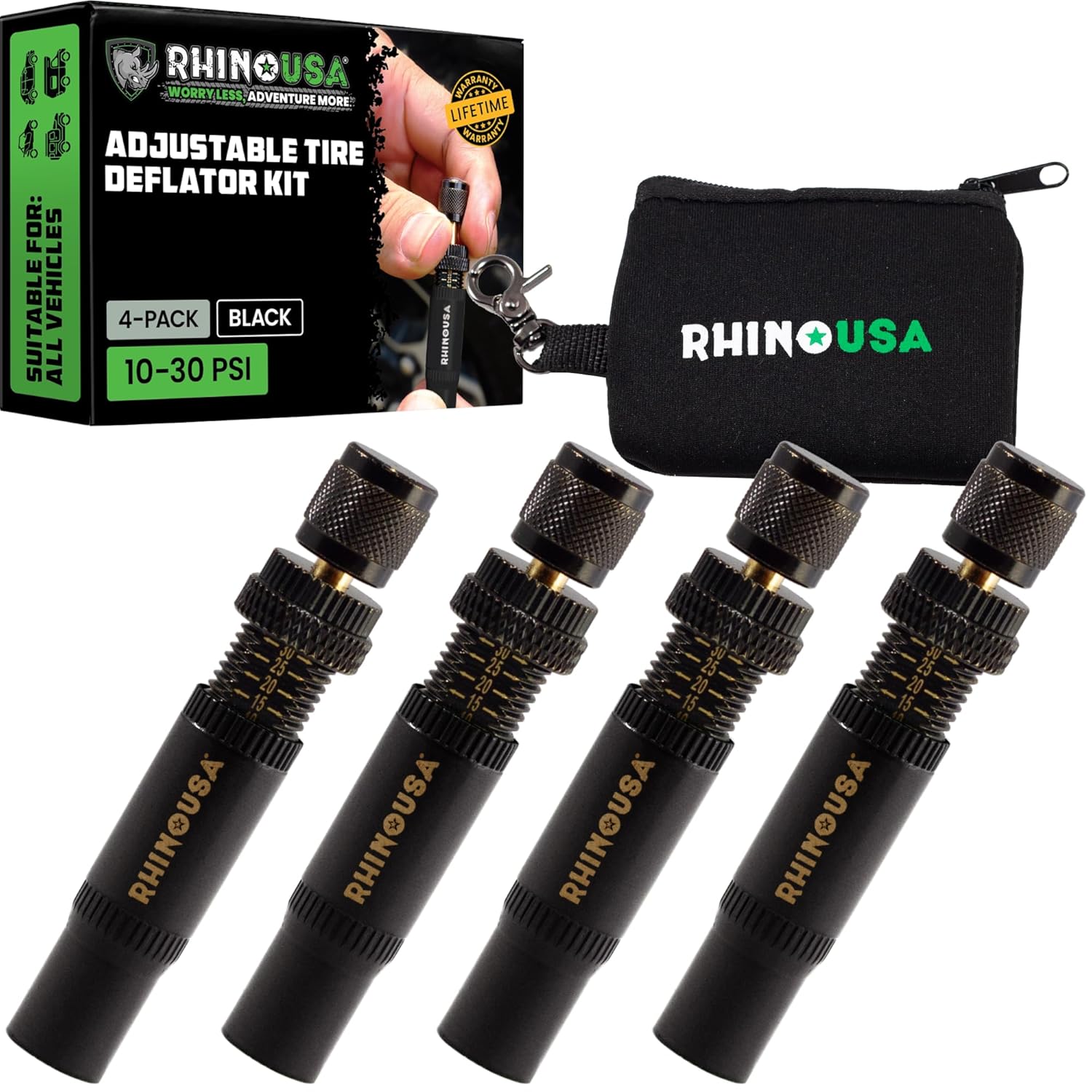
Use the Rhino USA adjustable tire deflators to air down all four tires at once by screwing one deflator onto each valve stem, letting you step away while the tires reach your preset pressure. Each deflator independently adjusts across a 10–30 PSI range with laser-etched indicators for quick setup and verification, making it ideal for beach, sand, and rocky off-road trails.
Maintenance Tips to Extend the Life of Your Tires
To maximize the lifespan of your all-terrain tires, focus on pressure, tread, rotation, and alignment. The U.S. Tire Manufacturers Association identifies these as core tire-care essentials.
Use these habits to protect your tread compound:
- Check pressure monthly: use the pressure listed on the vehicle placard or owner’s manual, not the maximum pressure molded on the tire sidewall.
- Rotate regularly: many vehicles need rotation about every 5,000 to 7,500 miles, but your owner’s manual should be the final guide. The Tire Industry Association notes that rotation and correct pressure help tires wear evenly.
- Check tread depth: once tread reaches 2/32 inch, it is time to replace the tire. Plan earlier if you often drive in heavy rain or snow.
- Inspect for damage: look for cuts, bulges, cracks, exposed cords, punctures, and missing tread chunks.
- Fix alignment issues: pulling, vibration, feathering, or rapid shoulder wear can point to alignment or suspension problems.
- Balance tires when needed: vibration can create irregular wear and reduce ride comfort.
Common Wear Patterns and What They Mean
| Wear Pattern | Possible Cause | What to Do |
|---|---|---|
| Center wear | Overinflation or heavy high-speed use | Set pressure to the vehicle placard and inspect load habits. |
| Both shoulders worn | Underinflation or overloading | Check cold pressure and confirm load rating. |
| One shoulder worn | Alignment, camber, or suspension issue | Schedule alignment and suspension inspection. |
| Cupping or scalloping | Worn shocks, imbalance, or suspension wear | Inspect suspension and balance the wheel assembly. |
| Chunking | Sharp gravel, rocks, heat, spinning, or wrong tire for the terrain | Reduce wheelspin and consider a more cut-resistant all-terrain tire. |
Key Features to Compare in All-Terrain Tires
When selecting all-terrain tires, compare more than the tread design. A tire that looks aggressive may not be the best match for your commute, towing needs, or winter roads.
[Products Worth Considering]

Steelman white tire marking crayons provide high-contrast, semi-permanent marks for repairing and inspecting tires and equipment. They write on wet or dry, smooth or coarse surfaces including rubber, metal, glass, and wood, making them ideal for puncture location and damage outlining. The lead- and zinc-free crayons resist weather and fading yet wipe away when you no longer need the marks.

Milton S-921 pencil tire pressure gauge helps you maintain optimal tire pressure for passenger cars with accurate readings in PSI and kPa. It features a built-in deflator valve for convenient pressure adjustments, plus a single chuck head and nylon indicator bar for easy use on the go. Built from durable plated brass and designed for reliable performance, it’s a practical road trip and cold-weather maintenance tool.

Keep your tires properly inflated with this analog VONDIOR tire pressure gauge, designed for fast, easy readings without batteries. The swiveling, two-axis hose and large glow dial help you measure at any tire angle with instant visibility. Built with a protective rubber shield, it supports durable, low-maintenance use for cars and trucks.
Tread Design Variations
The right tread pattern improves traction and control across changing surfaces. Compare these features:
- Open-tread design: improves grip and cleaning in mud, gravel, and loose soil.
- Interlocking tread elements: improve on-road stability and help reduce squirm.
- Shoulder lugs: improve side bite in ruts and loose terrain.
- Sipes: improve wet and light-snow traction.
- Stone ejectors: help reduce stone drilling and tread damage.
- Reinforced sidewalls: improve resistance to cuts and impacts off-road.
Compound Durability Factors
The durability of all-terrain tires depends on the rubber compound, tread design, casing construction, vehicle weight, pressure, alignment, rotation schedule, and road surface. A harder compound can last longer on pavement, but it may not grip as well in cold or slick conditions. A softer compound can feel more secure off-road, but it may wear faster under heat, heavy loads, and aggressive driving.
Temperature stability is especially important. Tires used for towing, desert trails, or long highway trips must manage heat well. Tires used for snow and cold rain need enough flexibility to keep contact with the surface.
Expert Tips for Choosing All-Terrain Tires
Use these tire selection strategies before you buy:
- Start with your real driving mix. Estimate how much time you spend on pavement, gravel, mud, rocks, snow, and towing.
- Match the tire to the vehicle. Use the correct size, load index, load range, and speed rating.
- Check severe-weather needs. Choose 3PMSF-rated tires for regular snow, and consider dedicated winter tires for frequent ice.
- Compare tread depth and pattern. Deeper, more open patterns help off-road but can add noise and wear faster on pavement.
- Read the warranty carefully. Mileage warranties often depend on rotation records, proper inflation, and even wear.
- Inspect tire weight. Heavier all-terrain tires can improve toughness but may reduce fuel economy and ride comfort.
- Plan maintenance before buying. All-terrain tires need rotation, pressure checks, and alignment care to deliver full value.
Frequently Asked Questions
What is the life expectancy of a mud-terrain tire?
Mud-terrain tires often wear faster than all-terrain tires because they use larger voids, taller lugs, and rubber designed for off-road bite. Many drivers see roughly 20,000 to 50,000 miles depending on pavement use, rotation, pressure, alignment, vehicle weight, and driving style. Check the specific tire’s warranty because some mud-terrain tires do not include a mileage warranty.
Do hard compound tires last longer?
Harder compounds often resist pavement wear better than softer compounds, but tread life is not decided by hardness alone. Alignment, tire pressure, vehicle load, tread pattern, heat, rotation, and driving style can change the result. A hard compound may last longer on highways but may give up grip in cold, wet, or uneven conditions.
Are all-terrain tires good in snow?
Some all-terrain tires are good in snow, especially models with the three-peak mountain snowflake symbol, strong siping, and a cold-flexible compound. However, all-terrain tires are not automatically winter tires. For frequent ice, steep winter roads, or long severe winters, dedicated winter tires may be safer.
Does silica make a tire last longer?
Silica can improve wet grip and rolling resistance when it is used correctly with compatible rubber and silane chemistry. It does not automatically make every tire last longer. Tread life still depends on the full compound, tread design, casing construction, pressure, alignment, rotation, and road conditions.
When should I replace all-terrain tires?
Replace all-terrain tires when tread reaches 2/32 inch, when wear bars are flush with the tread, or sooner if you see cracks, bulges, exposed cords, severe chunking, puncture damage, or uneven wear that cannot be corrected. If you drive in heavy rain or snow, plan replacement before the legal minimum because traction drops as tread depth disappears.
Conclusion
Selecting the right all-terrain tires comes down to understanding the balance between compound, tread design, weather capability, load rating, and maintenance. Silica, carbon black, natural rubber, and synthetic polymers all play important roles, but no ingredient works alone. A tire that lasts a long time on pavement may not be the best tire for snow, rocks, or mud.
For the best results, match the tire to your real driving conditions, check the 3PMSF rating if you need snow traction, confirm the correct load rating, and maintain pressure, rotation, alignment, and tread depth. That approach gives you the best chance of getting reliable grip, even wear, and long service life from your all-terrain tires.
Sources
- NHTSA TireWise — tire pressure, tread checks, rotation, tire recalls, and consumer tire-safety guidance.
- U.S. Tire Manufacturers Association: Tire Care Essentials — pressure, tread, rotation, and alignment maintenance guidance.
- Tire Industry Association: Tire Replacement — rotation and pressure maintenance for even tire wear.
- Tire Rack: Three-Peak Mountain Snowflake Symbol — severe-snow-service rating explanation.
- Continental: Silica in Tires — silica’s role in wet-road braking and rolling resistance.
- Polymers: Hybrid Carbon Black/Silica Reinforcing System — technical background on silica and carbon black reinforcement in tread rubber.