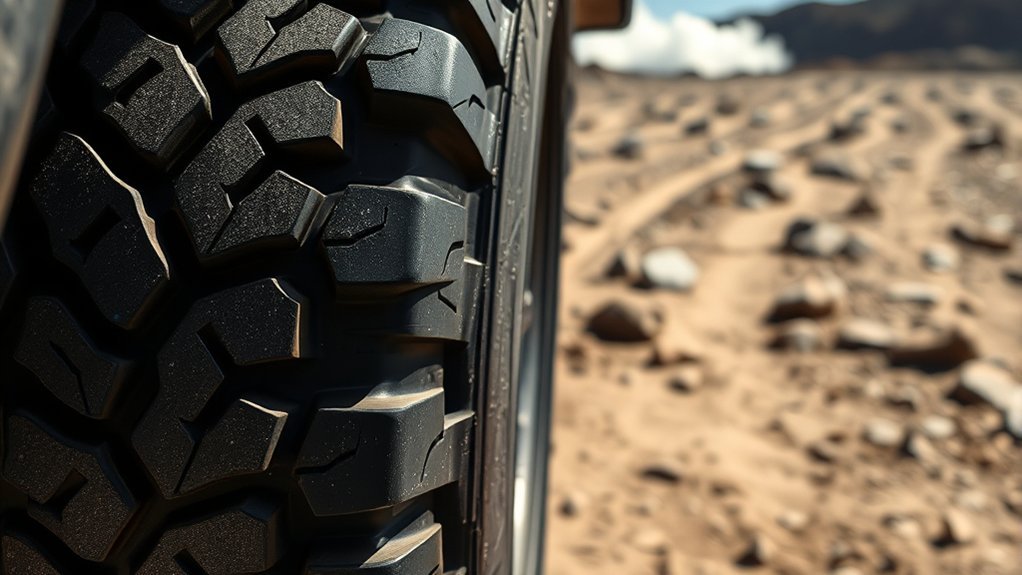
Silica-enhanced tire compounds can make a Toyota Hilux feel safer, smoother, and more efficient, but only when the tire also matches your wheel size, load rating, speed rating, terrain, climate, and driving habits. Silica is not a magic upgrade by itself. It works with tread pattern, rubber chemistry, inflation pressure, and maintenance to improve wet grip, rolling resistance, handling feel, and tread wear.
Quick Answer
Silica compounds help Toyota Hilux tires by making the tread rubber better at balancing wet grip, lower rolling resistance, and wear resistance. The biggest real-world benefits are shorter wet-road stopping potential, better fuel efficiency, and more consistent handling, but results vary by tire model, tread design, pressure, load, and terrain.
Key Takeaways
- Silica can improve wet grip and rolling resistance, but it does not replace the need for the correct Hilux tire size, load index, and tread type.
- A highway-terrain silica tire may save fuel and brake better on wet pavement, while an aggressive mud-terrain tire may still be better for deep mud, rocks, and ruts.
- Fuel savings are usually modest, so keeping tires properly inflated is still one of the easiest ways to protect efficiency and tire life.
- Silica works best with silane coupling agents, which help the filler bond properly with the rubber compound.
Understanding Silica’s Role in Toyota Hilux Tire Performance
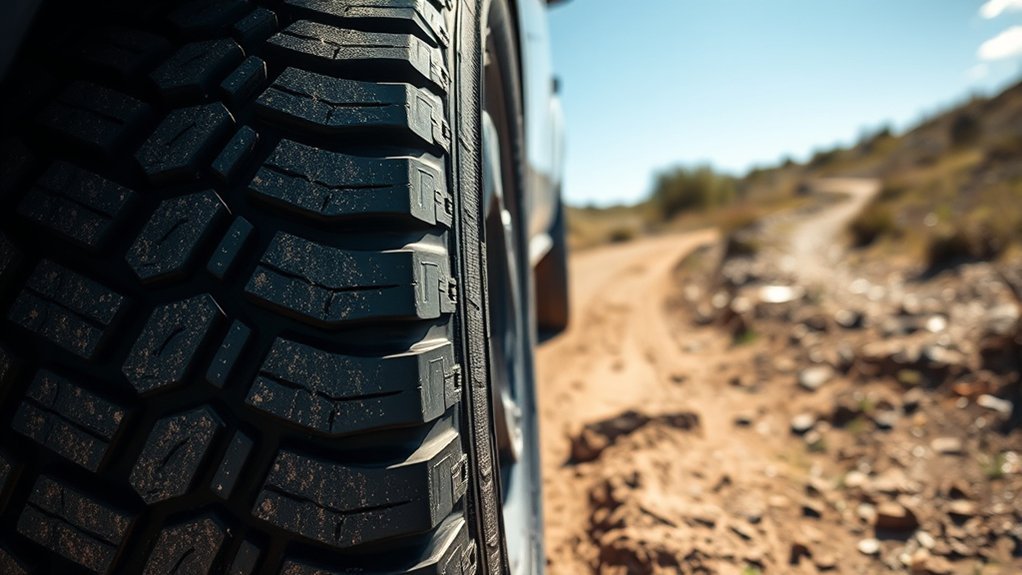
Silica is a reinforcing filler used in many modern tire tread compounds. Older tread compounds relied heavily on carbon black, which is still valuable for strength, wear resistance, and heat control. Silica changed tire design because it helps engineers improve wet grip and rolling resistance at the same time, especially when it is paired with the right rubber polymers and silane coupling agents.
For a Toyota Hilux, that matters because the vehicle may be used in very different ways: daily commuting, towing, construction work, long highway trips, gravel roads, sand, rain, or light off-road driving. A silica-rich highway-terrain or all-terrain tire can help on wet pavement and may reduce energy loss as the tire rolls. However, the exact benefit depends on the tire, not just the word “silica” on a spec sheet.
Continental reports that silica tire technology helped nearly halve wet-road braking distances in its tire development history and also reduced rolling resistance. That is a strong reason silica became common in modern tire design, but it should not be read as a guaranteed 50% improvement for every Hilux tire, every road, or every driver.
Note: Always choose tires that match the size, load rating, speed rating, and pressure shown on your Hilux tire placard or owner information. A silica compound cannot compensate for an under-rated, under-inflated, overloaded, or damaged tire.
How Silica Enhances Wet Grip for Safer Driving
Wet grip is one of the main reasons tire makers use silica. In simple terms, silica helps the tread compound stay flexible enough to conform to wet road texture. That allows the tread to maintain better contact with the surface during braking, cornering, and steering corrections.
[Products Worth Considering]

The SAFELIFE dial tire tread depth gauge measures tread depth in 1/32 inch increments with clear, easy-to-read 2-inch dial face. Color zones using a traffic light system help you quickly judge whether tread is low, marginal, or ample for safer driving. Built with a durable zinc cast body and a metal detect probe for precise, comfortable use across cars, motorcycles, trucks, and buses.

Measure tire tread depth quickly and accurately with this LUMITECO dial gauge that reads in 1/32" increments up to 14/32". The color-coded green/yellow/red zones make it easy to judge tire wear and know when replacement is needed. A rugged, compact design with a protective pouch helps keep the gauge ready for use on cars, trucks, motorcycles, and more.

Keep your tires properly inflated with this analog VONDIOR tire pressure gauge, designed for fast, easy readings without batteries. The swiveling, two-axis hose and large glow dial help you measure at any tire angle with instant visibility. Built with a protective rubber shield, it supports durable, low-maintenance use for cars and trucks.
Wet Grip Comes From Compound and Tread Design
Silica improves the rubber compound, while tread grooves and sipes move water away from the contact patch. Both parts matter. A silica-rich tire with a poor tread design will not perform well in heavy rain, and an aggressive tread with a weak compound may still struggle on slick pavement.
This is especially important for Hilux owners who split time between sealed roads and loose surfaces. On rainy highways, a silica-enhanced all-terrain or highway-terrain tire may give better braking confidence than an older compound. In deep mud, however, open tread blocks and self-cleaning ability matter more than silica content.
Improved Rubber Flexibility
Silica can help tread rubber stay elastic across a wider range of conditions. That flexibility improves the contact between tread and road, which helps braking and steering response on wet pavement. It can also make the tire feel more predictable during quick lane changes or emergency stops.
What Silica Does Not Do
Silica does not make a worn tire safe, does not prevent hydroplaning by itself, and does not turn a road tire into a mud tire. Tread depth, tread pattern, pressure, speed, and water depth still determine how much grip you have.
Warning: If your Hilux tires are near the legal tread limit, have sidewall cracks, show uneven wear, or are not rated for your load, replace or inspect them before relying on compound technology for wet-road safety.
How Silica Improves Handling and Control
Handling is not just about grip. It is also about how quickly the tire responds to steering input, how stable it feels under load, and how well it keeps its shape while braking or cornering. Silica can support these qualities by helping tire engineers tune the tread compound for grip without making the tire overly soft or inefficient.
Enhanced Traction Response
On wet sealed roads, silica-enhanced compounds can help the tread bite into the road texture more effectively. For Hilux drivers, this can mean better control when pulling away in rain, braking with cargo in the tray, or steering through wet roundabouts and bends.
| Feature | How Silica Helps | Hilux Driving Impact |
|---|---|---|
| Wet grip | Helps tread rubber maintain contact with wet road texture | More confidence in rain and shorter stopping potential |
| Rolling resistance | Reduces energy lost as heat while the tire rolls | Possible fuel-saving benefit on long road trips |
| Heat control | Supports lower heat build-up in efficient compounds | Better consistency during highway driving |
| Wear balance | Can improve the grip-efficiency-wear balance | Longer usable tread life when the tire is maintained well |
Better Steering Precision
Silica alone does not create steering precision. Sidewall stiffness, tread block design, tire pressure, wheel alignment, and load all matter. Still, a well-designed silica compound can help the tread remain stable and grippy, which improves steering feedback and control on wet and dry pavement.
Longevity: The Contribution of Silica to Longer Tire Life
Silica can help tire makers improve wear resistance while keeping good wet grip and efficiency. That balance is difficult because a very grippy tire can wear quickly, while a very hard tire can last longer but lose wet traction. Modern silica/silane systems help reduce that trade-off.
Some tire models use silica-rich compounds as part of a long-wear design. For example, the Nokian Tyres Surpass AS01 is listed with a 55,000-mile / 90,000-km limited treadwear warranty. That is useful as an example of how silica can support longevity, but it is not a blanket promise for every Hilux tire or every market.
Hilux tire life still depends heavily on rotation, pressure, alignment, load, road surface, driving style, and whether the tire is built for highway, all-terrain, or mud-terrain use.
Pro Tip: Check cold tire pressure regularly and rotate tires on schedule. Even a high-quality silica tire can wear quickly if the Hilux is under-inflated, overloaded, or out of alignment.
Fuel Efficiency: The Role of Silica in Reducing Rolling Resistance

Rolling resistance is the energy a tire loses as it flexes and rolls. Lower rolling resistance means the engine uses less energy to keep the vehicle moving. For a heavy, practical vehicle like a Toyota Hilux, this can help during highway driving, commuting, and long-distance touring.
The benefit is real, but it is usually modest. NHTSA states that a 10% reduction in tire rolling resistance is estimated to improve vehicle fuel economy by about 1–2%. The U.S. Department of Energy also notes that lower rolling resistance and correct inflation both matter for fuel use.
That means silica-enhanced low-rolling-resistance tires can help your fuel costs over time, but they will not transform the Hilux’s fuel consumption by themselves. Tire pressure, load, roof racks, driving speed, terrain, and engine condition can easily outweigh the compound benefit.
The Importance of Silane Coupling Agents in Tire Compounds
Silica works best when it is properly bonded into the rubber. That is where silane coupling agents come in. A silane acts like a bridge between silica particles and rubber polymers, helping the compound become stronger, more consistent, and less likely to lose performance through poor filler dispersion.
A peer-reviewed review in Journal of Materials Science: Composites explains that silica/silane reinforcement helps tire engineers balance wet grip, rolling resistance, and wear resistance better than older carbon-black-only approaches.
Minimizing Flocculation Issues
Flocculation means filler particles clump together instead of spreading evenly through the rubber. When silica clumps, the tire compound becomes less predictable. Proper silanization helps disperse silica more evenly, improving strength, durability, and grip consistency.
Improving Rubber Interaction
Better silica-rubber bonding improves the “magic triangle” tire makers care about: wet grip, rolling resistance, and wear. A good tire compound tries to improve one area without sacrificing the others too much.
Silica vs. Carbon Black: A Comparison in Tire Performance
Silica and carbon black are not simple enemies. Most modern tires use a carefully designed mix of fillers, polymers, oils, and curing systems. Carbon black remains useful for strength, durability, abrasion resistance, and heat management. Silica is especially valuable when the goal is better wet grip and lower rolling resistance.
| Feature | Silica-Rich Compounds | Carbon-Black-Heavy Compounds |
|---|---|---|
| Wet grip | Usually stronger when the compound and tread are well designed | Can be good, but older designs often lose the wet-grip/efficiency balance |
| Rolling resistance | Often lower, helping efficiency | Often higher, depending on formulation |
| Wear resistance | Can be strong when paired with good silane chemistry | Traditionally strong for abrasion resistance |
| Best use case | Wet roads, highway use, touring, efficient all-terrain designs | Heavy-duty durability, some off-road and commercial compounds |
[Products Worth Considering]

Accurately measure tire tread depth with a calibrated gauge marked from 0 to 1 inch in 1/32 inch increments. The color-coded bar helps you quickly identify tread condition ranges, supporting safe driving for trucks, motorcycles, automobiles, and passenger vehicles.

The Airmoto portable tire inflator quickly and accurately fills car, truck, SUV, motorcycle, and bicycle tires up to 120 PSI with auto shut-off when your target pressure is reached. Its large LCD, multi-unit pressure display, and digital gauge make it easy to dial in settings and verify readings, while the built-in LED flashlight helps in low light. The included polyurethane hard carrying case and storage mesh pocket keep the inflator and accessories protected and organized.

Monitor tire tread wear with a smart, color-coded depth gauge that shows clear condition ranges at a glance. The bar is range marked for fast, easy readings, helping you maintain safer traction and performance. Each gauge is portable with a pocket clip, and the set includes 20 units for daily use and sharing.
How Silica Reduces Environmental Impact in Tire Production
Silica can reduce environmental impact in two main ways. First, lower rolling resistance can reduce fuel use and emissions during driving. Second, some manufacturers are using more sustainable silica sources.
Goodyear says it uses silica made from residual rice husk ash, a byproduct of rice processing, to reduce sand mining demand and help keep waste out of landfill. Continental has also highlighted rice husk ash as an increasingly important source of sustainable silica.
This does not mean every silica tire is automatically eco-friendly. Manufacturing location, tire weight, rolling resistance, tread life, raw materials, and end-of-life recycling all affect the true footprint. Still, silica is an important part of the move toward safer and more efficient tires.
Innovations in Silica Technology for Future Tires
Tire makers continue to improve silica technology because drivers want grip, efficiency, durability, and comfort at the same time. Newer developments focus on better silane chemistry, improved silica dispersion, sustainable silica sourcing, and compounds that work across wider temperature ranges.
For Hilux owners, the practical result is more choice. You can now find highway-terrain, all-terrain, and some SUV/light-truck tires that use silica-rich compounds to improve wet braking and efficiency without giving up too much durability.
How to Choose Silica-Enhanced Tires for a Toyota Hilux
Do not buy a tire only because it mentions silica. Use silica as one factor in a full fitment decision.
- Check the exact tire size. Toyota UK technical specifications list examples such as 265/65R17 and 265/60R18 for certain Hilux grades, but sizes vary by market, model year, trim, and wheel package. Confirm your own placard, manual, or dealer information.
- Match the load index. A Hilux often carries cargo or tows. The tire must be rated for the load you actually use.
- Choose the right tread type. Highway-terrain tires usually favor quietness and efficiency. All-terrain tires balance road use and dirt roads. Mud-terrain tires prioritize traction in mud and rocks but may be louder and less efficient.
- Look for wet-grip and rolling-resistance data. Where available, compare tire labels, independent tests, manufacturer specs, and warranty terms.
- Consider your climate. Silica can help wet and cold-road flexibility, but winter, snow, and ice may require dedicated winter-rated tires.
- Maintain pressure and alignment. Poor pressure or alignment can erase the benefits of even the best compound.
Note: If your Hilux is modified with a lift kit, heavier accessories, larger wheels, or a constant load setup, ask a tire professional to confirm fitment, clearance, pressure, and load rating.
[Products Worth Considering]

These aluminum alloy tire valve stem caps with an O-ring seal help protect valve stems from corrosion while adding a clean, stylish look to your vehicle. The universal fit works across cars, trucks, motorcycles, bicycles, and more, making them an easy upgrade for everyday driving and off-road use. Installation is quick, and the included four-pack keeps all your tires dressed and protected.

Cristal Products Untouchable Tire Shine Spray delivers a deep, wet-look gloss that enhances your vehicle’s tires. It’s quick-drying and spreads smoothly for consistent, streak-free coverage, while forming a protective coating against UV rays, road grime, and weather. Suitable for all tire types, it helps restore dull, faded tires to a showroom-quality finish.

The Tymate TM12 RV TPMS delivers real-time tire pressure and temperature monitoring with a stable 433Hz display for safer long-distance driving. It supports simultaneous monitoring across vehicle and trailer zones, includes six alarm modes for pressure, temperature, leakage, battery, and signal loss, and features easy DIY installation with auto calibration. Power is supplied via USB-C charging or solar recharging, with a wide 0–144 PSI range and up to 50 ft signal coverage for RVs and towable trailers.
What Toyota Hilux Owners Can Realistically Expect From Silica Tires
A Hilux owner moving from an older, worn, or basic compound to a modern silica-enhanced tire may notice better wet-road confidence, smoother highway performance, and slightly better fuel economy. The improvement is usually most obvious in rain, during braking, and on long paved-road drives.
If your Hilux spends most of its time off-road, silica is still useful, but tread pattern, sidewall strength, puncture resistance, and airing-down behavior become more important. A silica-rich highway tire may be efficient on-road but weak in harsh off-road conditions. A silica-enhanced all-terrain tire is often the better middle ground for mixed Hilux use.
The best result comes from matching the tire to the job: commuting, towing, touring, construction, gravel, sand, mud, or a mix of all of them.
Frequently Asked Questions
What does silica do for Toyota Hilux tires?
Silica helps the tread compound balance wet grip, lower rolling resistance, and wear resistance. For a Toyota Hilux, that can mean better wet-road braking potential, more stable handling, and modest fuel-efficiency gains when the tire is correctly fitted and maintained.
Is silica better than carbon black in tires?
Silica is often better for wet grip and rolling resistance, while carbon black remains valuable for strength, abrasion resistance, and heat management. Many modern tires use both. The best compound depends on the tire’s purpose.
Do silica tires improve Hilux fuel economy?
They can help by lowering rolling resistance, but the gain is usually modest. NHTSA estimates that a 10% reduction in tire rolling resistance can improve fuel economy by about 1–2%. Pressure, speed, load, and driving style also have a major effect.
Are silica tires good for off-road Hilux driving?
Silica can help wet-road and mixed-surface performance, but off-road grip depends more on tread pattern, sidewall strength, puncture resistance, and tire construction. For serious mud, rocks, or ruts, choose an all-terrain or mud-terrain tire designed for that use.
How can I tell if a Hilux tire uses silica?
Check the manufacturer’s product page, technical description, tire label, or brochure. Look for terms such as “silica compound,” “silica tread,” “low rolling resistance,” or “wet grip compound.” If the information is unclear, ask the tire retailer or manufacturer.
Conclusion
Silica compounds can be a smart upgrade for Toyota Hilux tires because they help tire makers improve wet grip, lower rolling resistance, and maintain tread life. The real benefit depends on the complete tire design, not silica alone. For the best result, choose a tire that matches your Hilux’s size, load rating, terrain, and climate, then maintain correct pressure, rotation, and alignment. Do that, and silica-enhanced tires can give your Hilux a safer, more efficient, and more controlled drive.
Sources
- Continental — Silica in tires and wet braking history
- NHTSA TireWise — rolling resistance, fuel economy, and tire safety
- U.S. Department of Energy — materials approach to fuel-efficient tires
- Springer — silica/silane reinforcement for green tire applications
- Goodyear — rice husk ash silica and sustainable sourcing
- Toyota UK — Hilux technical specifications and tire-size examples