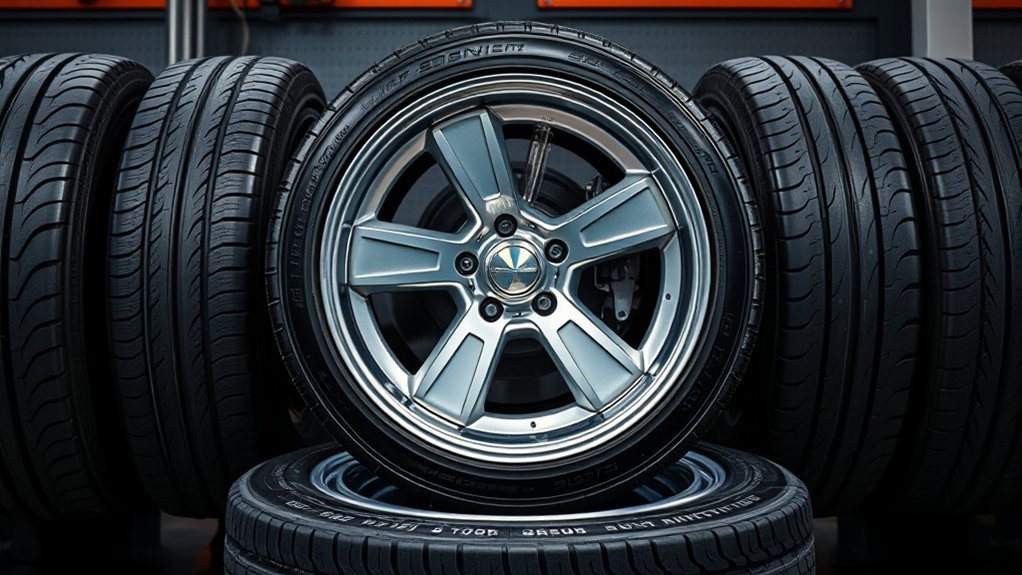
An 18×8 wheel can work with several 18-inch tire sizes, but wheel width alone does not determine the right tire. Common candidates include 225/40R18, 225/45R18, 235/40R18, 245/35R18, and 245/40R18. The safe choice depends on the exact tire’s approved rim-width range, your vehicle’s original tire size, clearance, load and speed ratings, and overall diameter.
Quick Answer
For an 18×8 wheel, 225/40R18, 225/45R18, 235/40R18, 245/35R18, and 245/40R18 are common candidates because many tires in those sizes allow an 8-inch rim. The right choice still depends on your vehicle’s original tire diameter, load and speed ratings, clearance, and the specific tire manufacturer’s approved rim-width range.
Key Takeaways
- An 18×8 wheel does not have one universal tire-width range; the complete tire size and the tire manufacturer’s approved rim-width range matter.
- 235/40R18 is a common balanced candidate when its diameter, load rating, speed rating, and vehicle clearance match your application.
- 225/40R18 and 225/45R18 are narrower options, but their different sidewall heights create different overall diameters.
- 245/35R18 and 245/40R18 are wider options that commonly include an 8-inch wheel in the approved range, depending on the tire model.
- 255/35R18 and 255/40R18 commonly require at least an 8.5-inch wheel, so do not assume a 255 tire fits an 18×8 rim.
- Always verify the vehicle placard or owner’s manual, tire specifications, load and speed ratings, wheel offset, and running clearance before installation.
What Tire Sizes Fit an 18×8 Rim?
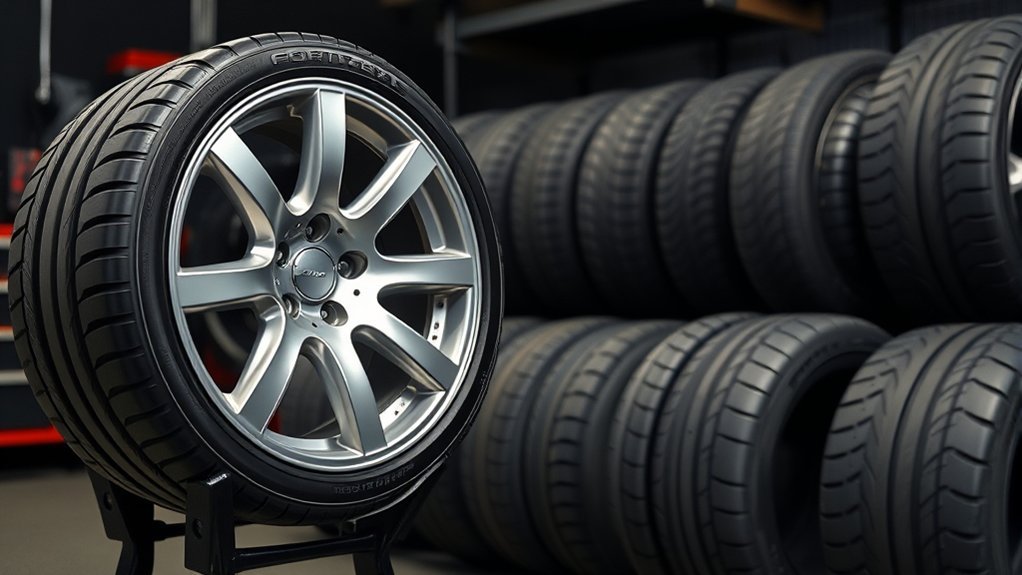
An 18×8 rim is 18 inches in bead-seat diameter and 8 inches wide. Any tire mounted on it must have an 18-inch rim-diameter designation, but the first number in a tire size does not by itself tell you whether the tire fits the 8-inch width.
For example, 245/35R18 and 245/40R18 share the same nominal 245 mm section width, yet their sidewall heights and overall diameters are different. A tire manufacturer also publishes an approved rim-width range for each tire size and model. An 8-inch wheel must fall inside that range.
Common 18-inch sizes that are often available with an approved range including an 8-inch rim include 225/40R18, 225/45R18, 235/40R18, 235/45R18, 245/35R18, and 245/40R18. That does not mean every one of those sizes is suitable for your car.
Warning: Do not choose a tire simply because it can physically mount on an 18×8 wheel. The tire must also be appropriate for your vehicle’s original specification, load requirement, speed rating, wheel offset, suspension and fender clearance, and electronic systems.
The National Highway Traffic Safety Administration recommends using the vehicle’s original tire size or another size recommended by the vehicle manufacturer. Your Tire and Loading Information label, usually on the driver’s door area, is the best starting point.
Common 18×8 Tire Size Options
| Tire Size | Nominal Diameter | 18×8 Compatibility | Main Consideration |
|---|---|---|---|
| 215/40R18 | About 24.8 in | Possible on many products | Relatively narrow; can give a more stretched sidewall appearance. |
| 225/40R18 | About 25.1 in | Common candidate | Compact overall diameter and moderate width. |
| 225/45R18 | About 26.0 in | Common candidate | Taller sidewall than 225/40R18; vehicle clearance must match. |
| 235/40R18 | About 25.4 in | Common candidate | Often a balanced width on an 8-inch wheel. |
| 235/45R18 | About 26.3 in | Possible on many products | Taller overall diameter; vehicle-specific. |
| 245/35R18 | About 24.8 in | Common performance candidate | Shorter sidewall; confirm load rating and OE diameter. |
| 245/40R18 | About 25.7 in | Common candidate | Wider and taller than 235/40R18. |
| 255/35R18 | About 25.0 in | Usually not approved for an 8-in rim | Common published ranges start at about 8.5 in. |
| 255/40R18 | About 26.0 in | Usually not approved for an 8-in rim | Common published ranges start at about 8.5 in. |
The diameters above are nominal calculations based on the size code. Actual measured diameter and section width can vary slightly by tire model and measuring-rim width, so check the manufacturer’s specifications for the tire you plan to buy.
Best Tire Widths for an 18×8 Wheel
For many passenger-car applications, 225 mm, 235 mm, and 245 mm section widths provide useful options for an 18×8 wheel. However, the complete tire size matters more than width alone.
A 225-width tire is relatively narrow on an 8-inch wheel. Depending on the tire, that can create a straighter or slightly pulled-out sidewall and may leave the wheel lip with less curb protection.
A 235-width tire is a common middle-ground choice. A size such as 235/40R18 often gives a natural-looking sidewall on an 8-inch wheel, but it is only appropriate when its diameter and service description match the vehicle.
A 245-width tire can also work well. Common sizes such as 245/35R18 and 245/40R18 are available with specifications that include an 8-inch wheel. The wider nominal section does not automatically create more usable grip, though. Tire compound, tread design, actual tread width, alignment, temperature, and vehicle setup are also important.
Pro Tip: Choose the complete tire size by starting with your vehicle’s OE tire, not by picking the widest tire that can be mounted on the wheel. Then check the candidate tire’s approved rim range and service description before comparing ride or handling characteristics.
How Narrow or Wide Can You Go?
An 18×8 wheel can accept tires narrower or wider than the most common 225–245 mm choices, but there is no safe universal limit based only on nominal section width.
The correct limit is the approved rim-width range published for the exact tire size and model—not simply the number printed before the slash.
A relatively narrow size such as 215/40R18 can be approved for an 8-inch rim on some tires. Because the tire is narrow relative to the wheel, its sidewall may look more stretched or pulled outward. That can reduce wheel-lip protection, so it is not automatically the best choice for a road car.
A 245-width tire normally produces a fuller sidewall shape on an 8-inch wheel. This can work well when the exact tire’s approved range includes 8 inches and the vehicle provides enough inner and outer clearance.
A 255-width tire requires more care. Common low-profile sizes such as 255/35R18 and 255/40R18 are typically specified for wheels beginning around 8.5 inches wide. Other higher-profile 255 sizes may have different approved ranges, which is why saying “a 255 fits an 18×8” without the full size is unreliable.
Do not use inflation pressure to force an unsuitable tire to sit differently on the rim. Tire-to-wheel compatibility must be correct before inflation pressure is considered.
Check Clearance, Load Rating, and Speedometer Impact
After confirming that the tire itself is approved for an 8-inch wheel, you still need to determine whether the combination works on your vehicle. Check wheel offset, fender and suspension clearance, load capacity, speed rating, and overall diameter.
Clearance And Fitment
A tire that mounts correctly on an 18×8 wheel can still rub the vehicle. Clearance must be checked on both the inside and outside of the tire.
- Inner clearance: Check the tire against struts, springs, control arms, liners, and other suspension components.
- Outer clearance: Check the fender lip and wheel-arch liner, especially if the tire is wider or taller than stock.
- Steering clearance: Front tires should be checked through the steering range, including full lock.
- Suspension travel: Leave enough room for the tire as the suspension compresses over bumps and under load.
- Wheel offset: Offset changes the wheel and tire’s position relative to the suspension and fender.
- Brake clearance: This is primarily a wheel-design issue involving spoke and barrel clearance around the brake components, so confirm wheel fitment separately from tire sizing.
A static gap while the vehicle is parked does not prove that the tire has enough running clearance. Alignment, passenger or cargo load, steering angle, and suspension movement can all change the available space.
Load Rating Impact
Check the tire’s load index after confirming physical fitment. The U.S. Tire Manufacturers Association advises that replacement tires should meet the size, load index, and speed-rating requirements recommended by the vehicle or tire manufacturer.
A wider tire is not automatically capable of carrying more weight. Load capacity depends on the tire’s construction, load index, size, and specified inflation conditions.
Do not install a replacement tire with an inadequate load-carrying capacity simply because it fits the wheel. This is especially important on heavier vehicles, EVs, vehicles used for towing, and cars that regularly carry several passengers or substantial cargo.
Use the Correct Tire Pressure
The recommended pressure for normal vehicle operation comes from the vehicle manufacturer. NHTSA directs drivers to use the cold tire pressure listed on the Tire and Loading Information label or in the owner’s manual, not the pressure molded on the tire as the normal operating recommendation.
Do not raise or lower pressure to compensate for a tire that is too narrow, too wide, or otherwise incorrectly matched to the wheel. Correct the fitment instead.
Overall Diameter and Speedometer Impact
Changing tire size can change the tire’s rolling circumference. A larger-diameter tire travels farther per revolution; a smaller tire travels less. That can affect indicated road speed, gearing, ride height, and the way some vehicle systems interpret wheel speed.
A common plus-sizing shortcut is to compare the new diameter with the OE tire and keep the difference small. However, a percentage rule is not a substitute for vehicle-manufacturer approval. NHTSA recommends using the original size or another size recommended by the vehicle manufacturer.
For the most reliable result, compare the candidate tire against the exact OE size listed for your vehicle and trim rather than assuming every 18-inch tire of similar width is interchangeable.
Note: The nominal diameter calculated from the tire-size code is useful for comparison, but an individual tire’s published measured diameter can differ slightly. Use the manufacturer’s specification sheet when making a close fitment decision.
How Tire Size Changes Handling and Ride
Changing tire size on an 18×8 rim can alter handling and ride because it changes sidewall height, tire mass, tread width, and the way the sidewall is supported by the wheel.
A shorter sidewall generally flexes less than a taller sidewall of otherwise similar construction. That can make steering feel more immediate and can transmit more road texture and impact harshness to the vehicle.
A taller sidewall provides more vertical tire volume and can add impact compliance, although actual ride comfort still depends heavily on tire construction, inflation pressure, suspension tuning, and vehicle weight.
Width affects the tire’s shape on the wheel, but a wider nominal size does not automatically mean shorter stopping distances or higher cornering grip. Two tires of different sizes may also use different compounds, tread widths, casings, and performance categories.
Stay within the tire manufacturer’s approved rim range. An excessively narrow tire can be stretched on the wheel, while an excessively wide tire can bulge because the beads are pulled too closely together. Either condition can prevent the tire from performing as its manufacturer intended.
18×8 Tire Sizes for Daily Driving
For daily driving, start with the tire size recommended for your vehicle. If an 18×8 wheel is part of an approved or carefully verified setup, common candidates include 225/40R18, 225/45R18, 235/40R18, 235/45R18, and 245/40R18.
These sizes are not direct substitutes for one another because their overall diameters differ.
- 225/40R18: about 25.1 inches in nominal diameter; relatively narrow with a shorter sidewall.
- 235/40R18: about 25.4 inches; a common middle-ground fit on an 8-inch wheel.
- 245/40R18: about 25.7 inches; wider and slightly taller than 235/40R18.
- 225/45R18: about 26.0 inches; narrower but substantially taller than 225/40R18.
- 235/45R18: about 26.3 inches; offers more sidewall height but requires suitable vehicle clearance.
225/40R18, 235/40R18, and 245/40R18 can all be valid 18×8-wheel candidates, but they are not interchangeable unless the vehicle and tire specifications support the change.
Check the exact tire’s rim-width specification, OE diameter, load index, speed rating, wheel offset, and running clearance before purchasing.
For commuting, the best option is usually the one that stays closest to the vehicle manufacturer’s intended geometry while giving you the ride, tire availability, and weather performance you need.
[Products Worth Considering]

The Continental Grand Prix 5000 is an allround road bike tire engineered for faster rolling, improved ride comfort, and enhanced puncture protection. It features a Vectran Breaker cut-protection layer, Lazer Grip micro-profile tread for confident cornering control, and Active Comfort Technology to damp vibration for smoother rides. BlackChili compound optimizes grip and speed for everyday performance and long-lasting confidence.

The 22800 wheel stud installer makes replacing wheel studs quick and secure, saving time and effort during tire service. It uses a ratchet or impact wrench to pull new studs firmly into place, helping when existing studs are too long. Compatible with most automotive wheels and light-duty truck wheel studs, it’s designed for easy, tool-assisted installation.
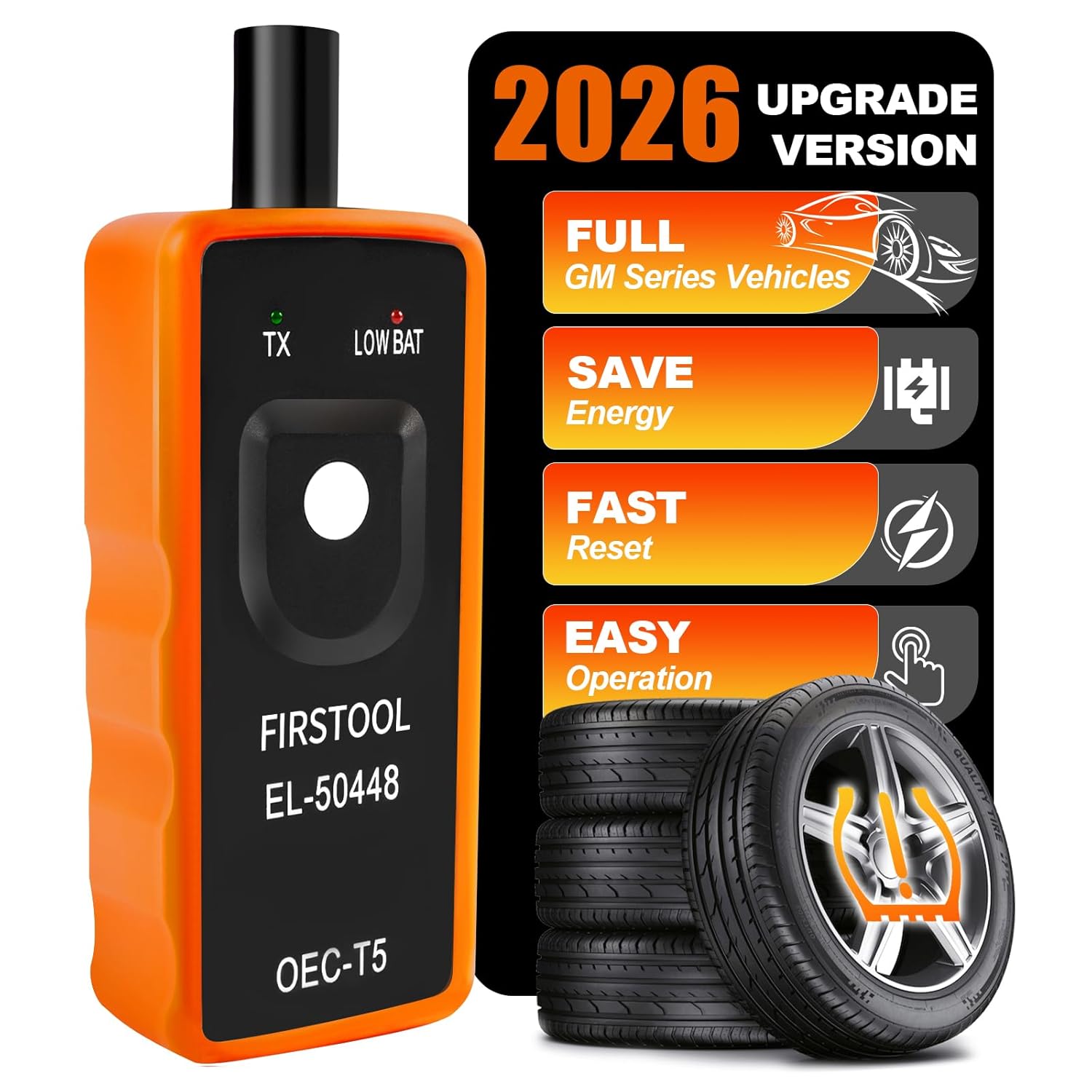
This TPMS relearn tool helps you quickly activate, match, and reset GM tire pressure sensors to keep the vehicle monitoring system working properly. It clears tire pressure alarms and dashboard warning lights after sensor replacement or tire rotation, and supports learning for common 315/433 MHz TPMS sensors. Designed for simple one-button operation, it can help you avoid unnecessary trips to repair shops.
18×8 Tire Sizes for Sportier Driving
For sportier road driving, drivers often consider 225/40R18, 235/40R18, 245/35R18, or 245/40R18 on an 18×8 wheel. The best choice depends on the car and the tire itself rather than simply selecting the widest size.
| Size | Typical Character | Main Tradeoff |
|---|---|---|
| 225/40R18 | Relatively narrow and light | May provide less sidewall fullness and wheel protection |
| 235/40R18 | Balanced fit on many 8-in-wheel applications | Diameter must still match the vehicle |
| 245/35R18 | Wide with a short sidewall | Smaller diameter and less impact compliance |
| 245/40R18 | Wide with more sidewall than 245/35R18 | Requires more overall tire clearance |
A high-performance 225 tire can outperform a touring-oriented 245 tire, so do not judge performance by section width alone. Compound, casing stiffness, tread design, alignment, temperature range, and wheel support can matter as much as nominal size.
Also check suspension travel and inner clearance carefully. Wider tires reduce the available margin between the sidewall and nearby suspension or body components.
18×8 Tire Sizes by Use Case
The best 18×8 tire size depends on the vehicle and how you use it. The following examples are starting points rather than universal replacements.
- Daily commuting: 225/40R18 or 235/40R18 where either matches the vehicle’s required diameter and ratings.
- Mixed street use: 235/40R18 is a common balanced candidate on many passenger-car setups.
- Spirited driving: 235/40R18, 245/35R18, or 245/40R18 can work when the specific tire and vehicle support the size.
- Winter conditions: Use a vehicle-approved winter-tire size. A narrower approved tire can be useful in some snow or slush conditions, but tire compound and tread design are more important than width alone.
- Comfort focus: A taller approved size such as 225/45R18 or 235/45R18 can provide more sidewall, but only if the extra diameter clears the vehicle and matches its specification.
Dedicated winter tires use compounds and tread patterns designed to remain useful in cold, snowy, icy, and slushy conditions. Do not switch to a narrower tire solely because it is winter; first confirm that the size is approved for the vehicle and wheel.
After mounting, have the tire properly seated and balanced, torque the wheel fasteners according to the vehicle or wheel manufacturer’s specification, set cold inflation pressure correctly, and verify that there is no contact with the suspension or body.
[Products Worth Considering]

Replace worn or malfunctioning GM TPMS sensors with this 433MHz pre-programmed sensor set designed for compatibility with many Chevrolet, Buick, GMC, and Cadillac models. It includes guidance for proper OBDII relearning/pairing after installation and supports reliable long-term operation with a high-performance CR2032 battery. Quality tested for durability and performance to help restore accurate tire pressure monitoring.

Replace worn or missing TPMS sensors with a pre-programmed 4-pack designed for compatible GM vehicles. These 315MHz sensors provide real-time tire pressure monitoring and alert you if pressure is too high, too low, or if a rapid air leak occurs. Most installations are ready with minimal relearn effort after mounting, helping improve safety and driving confidence.

Masoll Gen 2 external TPMS sensors are a DIY replacement set of 4 for select GM vehicles made after 2006, helping you shut off the TPMS warning light quickly. Simply screw the sensors onto the tire valves and sync to your car ECU using the included EL-50448 relearn tool. Dual-frequency 315/433 MHz design provides OEM-level performance with accurate readings and replaceable batteries for about two years.
How to Verify an 18×8 Tire Size Before Buying
Use this order when evaluating a new tire size:
- Find the OE tire specification. Check the driver’s-door Tire and Loading Information label and owner’s manual.
- Confirm the 18-inch rim diameter. The final number in a size such as 235/40R18 must match the wheel’s 18-inch bead-seat diameter.
- Check the tire’s approved rim-width range. Make sure 8.0 inches is included in the manufacturer’s specification for that exact tire.
- Compare overall diameter. Determine how the candidate compares with the OE tire instead of comparing it only with other 18-inch sizes.
- Match load index. Do not reduce the required load-carrying capacity.
- Match the required speed rating. Follow the vehicle and tire manufacturer’s replacement guidance.
- Check inner and outer clearance. Account for wheel offset, steering angle, suspension travel, fender space, and alignment.
- Check vehicle-specific restrictions. AWD, staggered setups, performance packages, and certain electronic systems may have tighter size requirements.
- Have the final combination inspected professionally. A qualified tire installer can confirm mounting suitability and physical clearance.
The Michelin tire-marking guide explains that a size such as 225/40R18 identifies nominal section width, aspect ratio, radial construction, and rim diameter. The load index and speed symbol that follow the size are also part of choosing the correct replacement tire.
[Products Worth Considering]
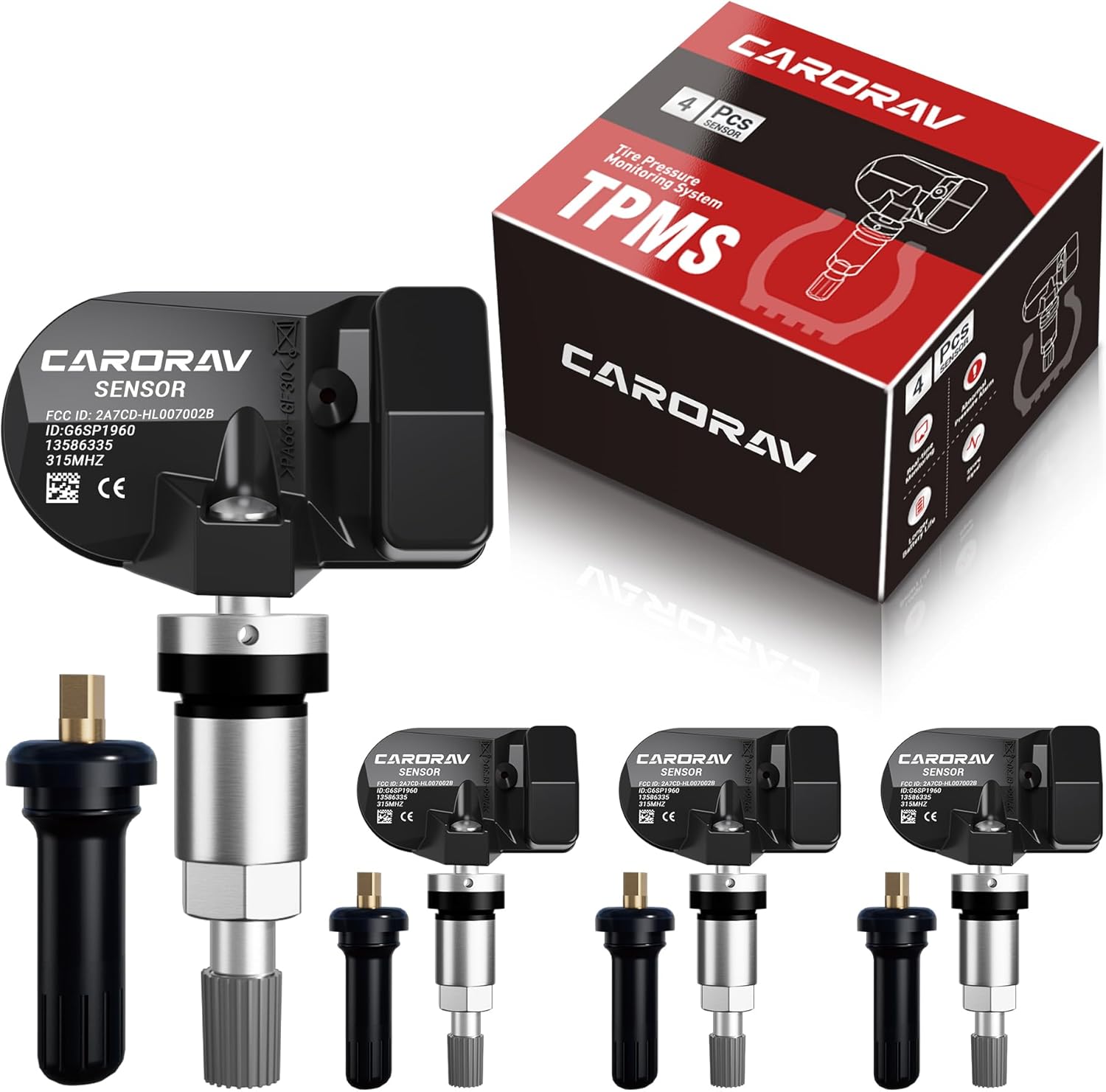
Replace worn or missing TPMS sensors with CARORAV pre-programmed GM-compatible sensors for a smoother installation experience. These 315MHz replacement sensors help monitor tire pressure in real time with long battery life, and they are designed to withstand harsh temperatures. Manual or OBDII relearn may be required to reset the system for proper recognition.

This professional wheel and rim cleaning brush set lifts brake dust, grime, and dirt with soft, scratch-free microfiber and synthetic wool fibers. The rim brush bends up to 360 degrees for easy access to hard-to-reach areas around spokes, lips, and faces. Ideal for thorough cleaning of car, truck, motorcycle, bicycle, RV, and more wheel and tire surfaces.

The VEHLIVE SU-50448 II TPMS relearn tool provides a fast activation reset to restore accurate tire pressure monitoring after sensor replacement or tire rotation. It supports 315 MHz and 433 MHz GM series sensors and helps clear dashboard pressure warnings. With simple two-button operation and horn-confirmed relearning order, you can reprogram sensors conveniently at home.
Special Note for AWD and Staggered Setups
Be especially careful when changing tire sizes on an AWD vehicle or a car with different front and rear tire sizes. Rolling-circumference differences that seem small in isolation may be unacceptable for a particular drivetrain or stability-control calibration.
Follow the vehicle manufacturer’s permitted combinations rather than assuming that any two sizes with similar calculated diameters can be mixed.
Frequently Asked Questions
Can I Mount a 255 Tire on an 18×8 Rim?
Not by default. The full tire size matters. Common 255/35R18 and 255/40R18 tires typically require at least an 8.5-inch wheel, so an 18×8 rim is normally too narrow for those sizes. Some higher-profile 255 tires can have different rim-width ranges. Check the exact manufacturer’s specification before mounting.
Is 235/40R18 a Good Size for an 18×8 Wheel?
Yes, 235/40R18 is a common 18×8 candidate because many tires in this size approve an 8-inch rim. Its nominal diameter is about 25.4 inches. It is only suitable for your vehicle if the diameter, load and speed ratings, clearance, and vehicle-manufacturer requirements also match.
Can I Use 245/40R18 on an 18×8 Wheel?
Often, yes. Many 245/40R18 tires include an 8-inch wheel in their approved rim-width range. The size has a nominal diameter of about 25.7 inches, so compare it with your vehicle’s OE tire and check fender, suspension, load, speed-rating, and wheel-offset requirements before using it.
Do 18×8 Tires Need Special TPMS Sensors?
No. The 18×8 wheel dimension itself does not require a special TPMS sensor. The sensor or indirect TPMS setup must be compatible with your vehicle and, for direct systems, with the wheel and valve hardware. Replacing wheels may also require sensor programming or a relearn procedure.
Will an 18×8 Wheel Fit My Car?
Maybe. Wheel width and diameter are only two fitment measurements. You also need the correct bolt pattern, offset, center bore or hub fitment, load capacity, brake clearance, and suspension and fender clearance. Then choose a tire size that is compatible with both the wheel and your vehicle.
How Do I Read Tire Sidewall Sizing?
In 235/40R18, 235 is the nominal section width in millimeters, 40 is the aspect ratio, R means radial construction, and 18 is the rim diameter in inches. The service description that follows normally includes a load index and speed rating, which must also be suitable for the vehicle.
Are Run-Flat Tires Available in 18×8 Sizes?
Yes. Run-flat tires are available in numerous 18-inch sizes that may be compatible with an 18×8 wheel. Availability depends on the exact size and tire model. Also confirm that the tire’s load and speed ratings, rim-width specification, and vehicle requirements are suitable for your application.
Conclusion
An 18×8 rim gives you several useful tire-size options, but there is no universal answer based only on tire width. 225/40R18, 225/45R18, 235/40R18, 245/35R18, and 245/40R18 are common candidates, while common low-profile 255 sizes such as 255/35R18 and 255/40R18 generally require a wider wheel.
Start with your vehicle’s original tire specification. Then verify that 8 inches falls inside the exact tire’s approved rim-width range, maintain the required load and speed ratings, compare overall diameter, and check wheel offset and running clearance. That approach gives you a safer and more predictable setup than simply choosing the widest tire that appears to fit.
Sources
- National Highway Traffic Safety Administration — TireWise — vehicle tire-size selection, Tire and Loading Information labels, tire pressure, TPMS, and tire-safety guidance.
- U.S. Tire Manufacturers Association — Replacing Tires — replacement size, load index, speed rating, and tire-replacement guidance.
- Michelin — Tire Markings Explained — section width, aspect ratio, rim diameter, load index, and speed-rating terminology.
- Bridgestone — How to Read Tire Size — explanation of tire-size dimensions and aspect ratio.
- Bridgestone — Winter & Snow Tires — winter-tire tread, compound, and cold-weather traction characteristics.