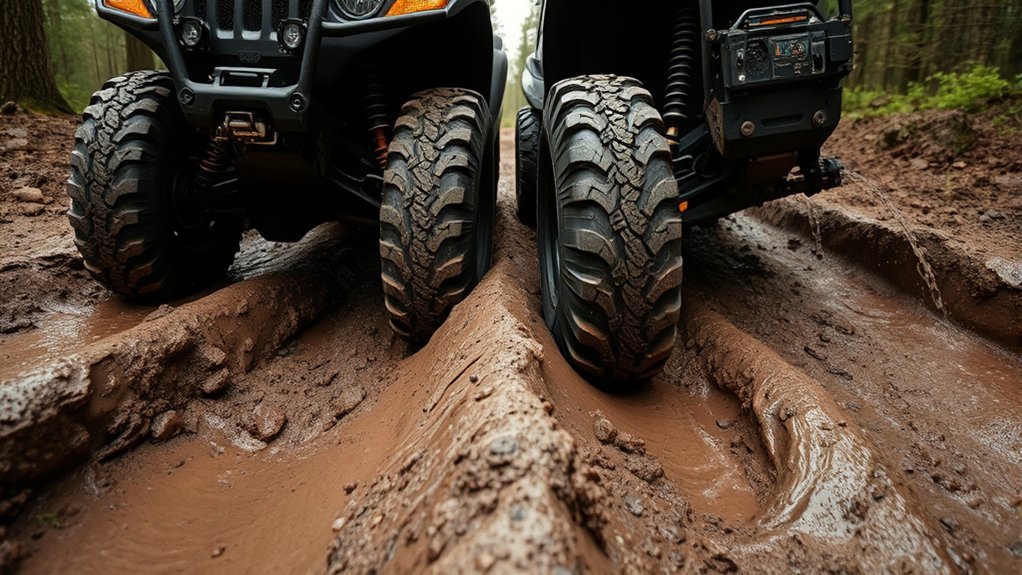
Underinflated tires can sometimes provide extra grip on loose surfaces like snow, mud, sand, or rocky trails because the tire can spread out and conform to uneven ground. However, lower pressure does not automatically mean better traction. On normal roads, the recommended PSI usually provides the best balance of grip, braking, handling, tire life, and safety.
Quick Answer
Underinflated tires may improve traction temporarily on loose terrain because they create a larger, more flexible contact patch. For everyday driving, though, low tire pressure usually reduces handling, wet grip, fuel efficiency, and tire durability. Use the vehicle manufacturer’s recommended PSI for normal road conditions.
Key Takeaways
- Lower PSI can help temporarily on snow, mud, sand, and off-road surfaces.
- Normal driving usually requires the recommended tire pressure for the best performance.
- Low pressure can increase heat, wear, rolling resistance, and safety risks.
- Always check PSI when tires are cold.
At a Glance
| Time Required | 5–10 minutes to check and adjust PSI |
| Difficulty | Easy |
| Tools Needed | Tire pressure gauge and air compressor |
| Cost | Usually free at many service stations |
Do Underinflated Tires Improve Traction?
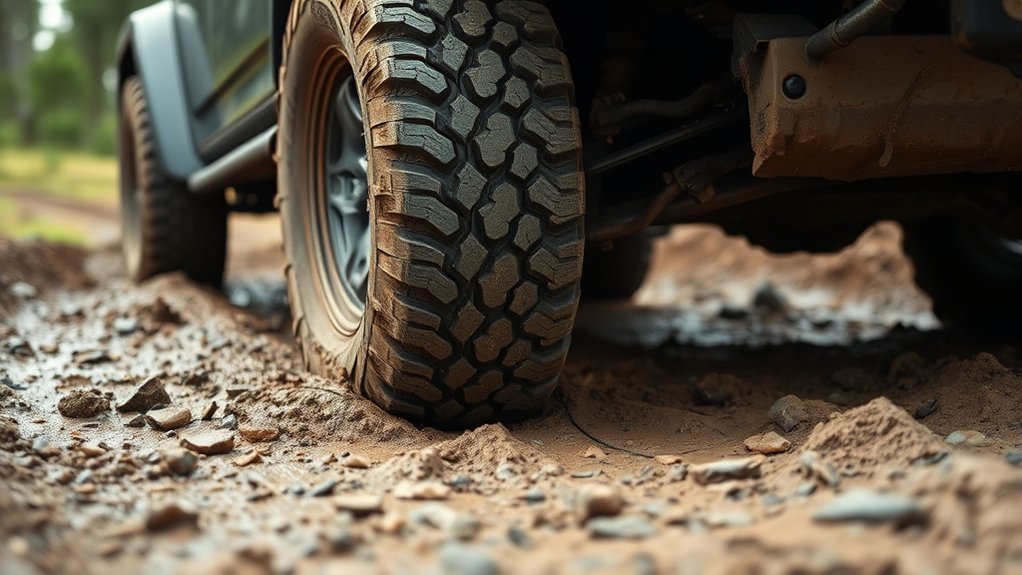
Underinflated tires can improve traction in certain conditions because lower pressure allows the tire to flatten slightly and increase its contact area. This can help the tread follow loose surfaces where maximum flexibility is useful.
That benefit is limited. On paved roads, excessive underinflation can make the tire less stable, increase rolling resistance, and reduce steering precision. The tire may flex too much, creating extra heat and accelerating wear.
Warning: Driving for long distances with very low tire pressure can damage the tire structure and increase the risk of failure.
How Tire Pressure Affects the Contact Patch
The contact patch is the part of the tire touching the road. Lower pressure can enlarge this area, which may help on loose terrain where the tire needs to adapt to changing surfaces.
For everyday driving, however, the goal is not the largest possible contact patch. The goal is an even, stable contact patch that allows the tread design to work correctly during acceleration, braking, and cornering.
[Products Worth Considering]

This digital tire pressure gauge with built-in inflator helps you accurately check and adjust tire pressure for safer driving and better fuel efficiency. It supports multiple units (PSI, KPA, BAR, KG/CM²) and reads within 1% for reliable results. The 3-in-1 design inflates, deflates, and measures, with a quick-connect air chuck and compatible hose setup for cars, trucks, SUVs, RVs, and motorcycles.

This tire inflator with pressure gauge delivers long-lasting performance with a durable rubber-protected gauge and sturdy build. The longer hose and 360 swivel air chuck help you seal the valve securely and keep your hands free while measuring, inflating, or deflating. It’s battery-free for reliable use and provides ±2 PSI accuracy in the mid-range for most typical tires, with universal compatibility for 1/4 NPT compressor outputs.

Measure tire tread depth quickly and accurately with this LUMITECO dial gauge that reads in 1/32" increments up to 14/32". The color-coded green/yellow/red zones make it easy to judge tire wear and know when replacement is needed. A rugged, compact design with a protective pouch helps keep the gauge ready for use on cars, trucks, motorcycles, and more.
Why Low Tire Pressure Hurts Wet Grip
Wet roads require the tire grooves to move water away from the tread. When pressure is too low, the tire shape can change and reduce how effectively the tread performs.
- Water evacuation may become less effective.
- Steering response can feel less precise.
- Fuel consumption may increase because rolling resistance rises.
- Tire wear can become uneven.
When Lower Tire Pressure Helps
Lower pressure can be useful for controlled off-road situations. Many off-road drivers reduce PSI temporarily in sand, mud, or rocky terrain because the softer tire can absorb impacts and increase surface contact.
After leaving difficult terrain, tires should be returned to the recommended pressure before normal highway driving.
Pro Tip: Carry a reliable gauge and portable compressor if you regularly adjust tire pressure for off-road driving.
[Products Worth Considering]
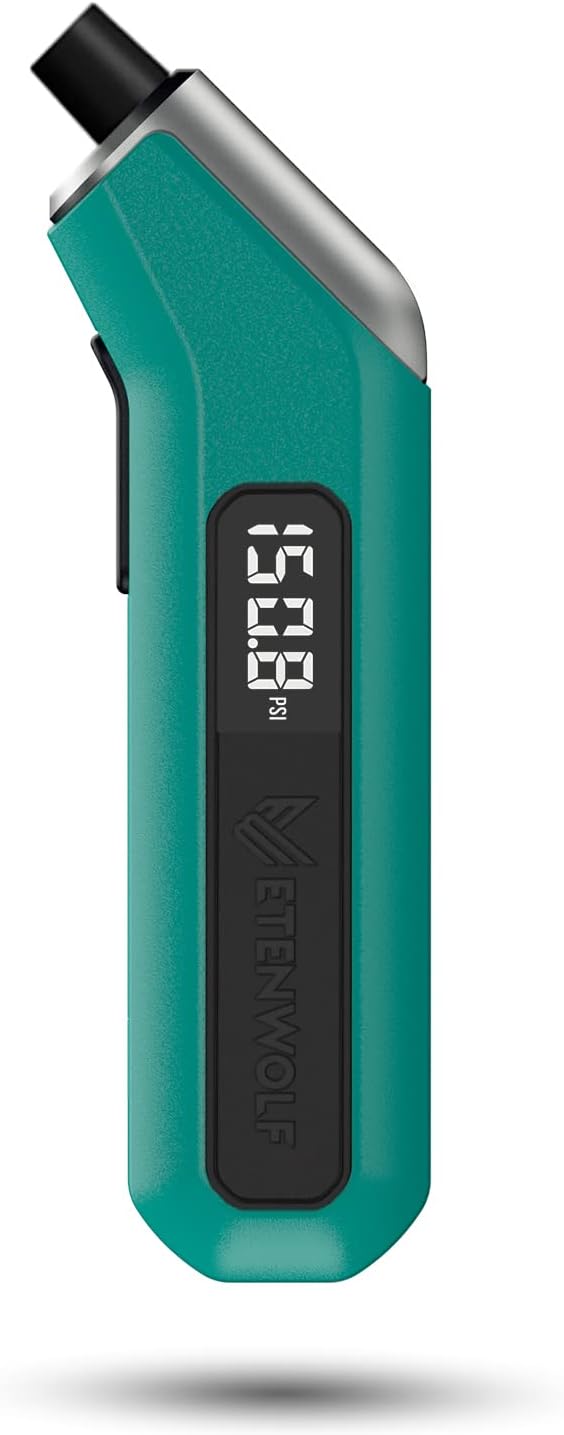
ETENWOLF T300 is a calibrated digital tire pressure gauge designed for reliable readings across low and high pressure ranges. It includes thermal compensation for stable performance in extreme cold or heat, an LED light for visibility, and an auto shut-off to help preserve battery life. Ideal for pickups, RVs, and heavy-duty vehicles, it delivers accurate PSI measurements with sturdy durability.

Keep your tires properly inflated with this analog VONDIOR tire pressure gauge, designed for fast, easy readings without batteries. The swiveling, two-axis hose and large glow dial help you measure at any tire angle with instant visibility. Built with a protective rubber shield, it supports durable, low-maintenance use for cars and trucks.
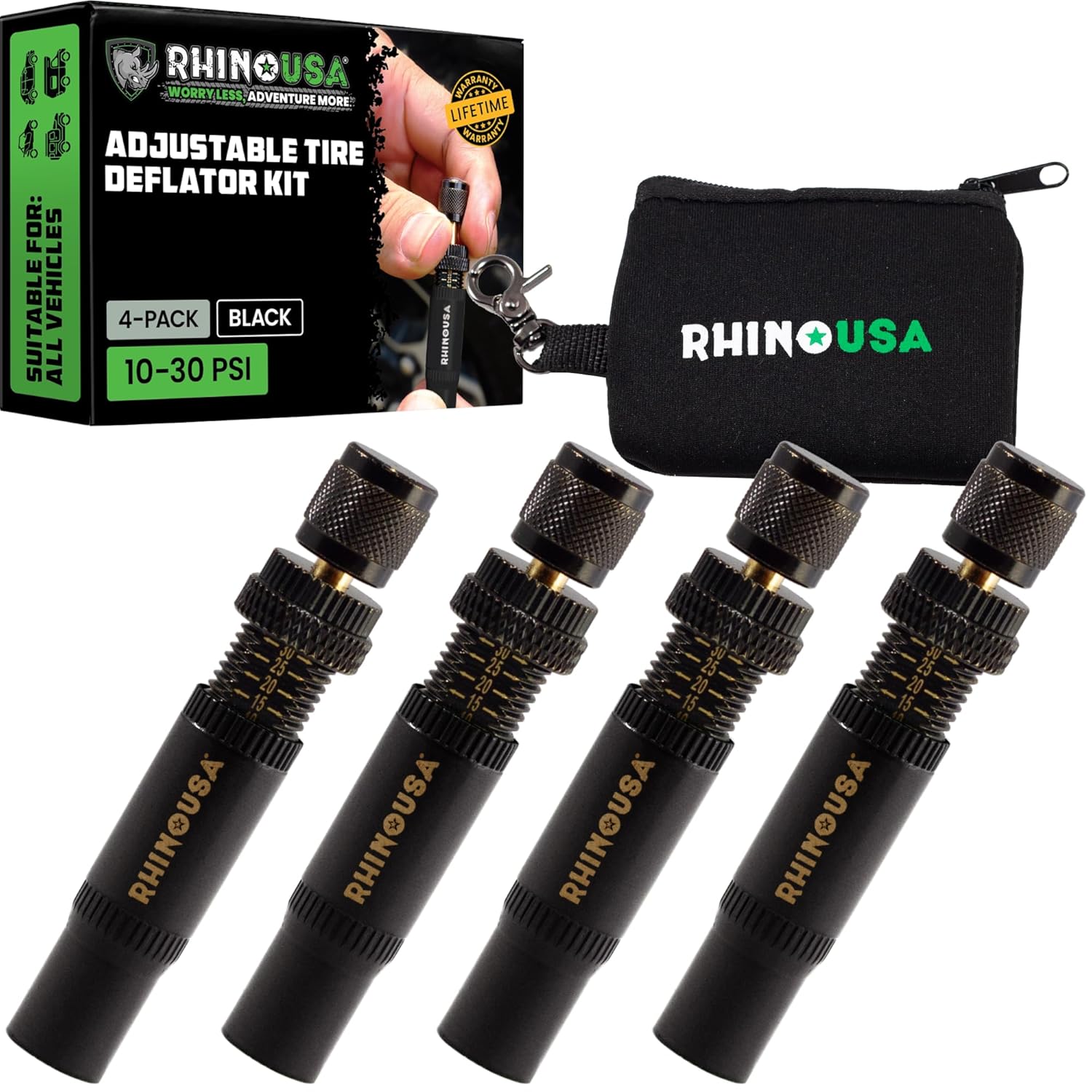
Use the Rhino USA adjustable tire deflators to air down all four tires at once by screwing one deflator onto each valve stem, letting you step away while the tires reach your preset pressure. Each deflator independently adjusts across a 10–30 PSI range with laser-etched indicators for quick setup and verification, making it ideal for beach, sand, and rocky off-road trails.
How to Find the Right PSI
Use the tire pressure listed on the driver-side door label or in your owner’s manual. Do not use the maximum PSI printed on the tire sidewall as your normal operating pressure.
Check pressure when tires are cold because driving creates heat and temporarily increases PSI readings. Temperature changes can also affect tire pressure, so check more often during major weather changes.
Correct tire pressure helps your tires maintain the grip, stability, and tread performance they were designed to provide.
- Check all tires, including the spare if applicable.
- Use a quality pressure gauge.
- Adjust PSI before long trips.
- Inspect tires for damage or unusual wear.
[Products Worth Considering]

The Topeak SmartGauge D2 delivers precise digital tire pressure readings for bikes, motorcycles, and sports equipment up to 250 psi (17 bar). Its rotating SmartHead works with both Presta and Schrader valves, so you can check pressure quickly without adapters. The LCD display makes it easy to read results in psi, bar, or kg/cm² with an included CR2032 battery for immediate use.

The Airmoto portable tire inflator quickly and accurately fills car, truck, SUV, motorcycle, and bicycle tires up to 120 PSI with auto shut-off when your target pressure is reached. Its large LCD, multi-unit pressure display, and digital gauge make it easy to dial in settings and verify readings, while the built-in LED flashlight helps in low light. The included polyurethane hard carrying case and storage mesh pocket keep the inflator and accessories protected and organized.

Monitor tire tread wear with a smart, color-coded depth gauge that shows clear condition ranges at a glance. The bar is range marked for fast, easy readings, helping you maintain safer traction and performance. Each gauge is portable with a pocket clip, and the set includes 20 units for daily use and sharing.
Frequently Asked Questions
Do underinflated tires grip better?
They can provide extra grip on loose surfaces like snow or mud, but they usually reduce performance and safety during normal road driving.
Is 27 PSI too low?
It depends on the vehicle and tire specification. Check the door label or owner’s manual to confirm the correct PSI.
Can I drive a long distance with low tire pressure?
Avoid it whenever possible. Low pressure increases heat, wear, and the chance of tire damage.
Conclusion
Underinflated tires can provide temporary traction advantages in specific off-road or winter conditions, but lower PSI is not a universal traction upgrade. For everyday driving, the manufacturer’s recommended tire pressure gives you the safest balance of grip, handling, efficiency, and tire life.
Sources
- National Highway Traffic Safety Administration — Tires — tire safety information.
- Michelin Tire Pressure Guide — tire inflation guidance.
- BFGoodrich Tire Pressure Information — pressure and tire performance guidance.