
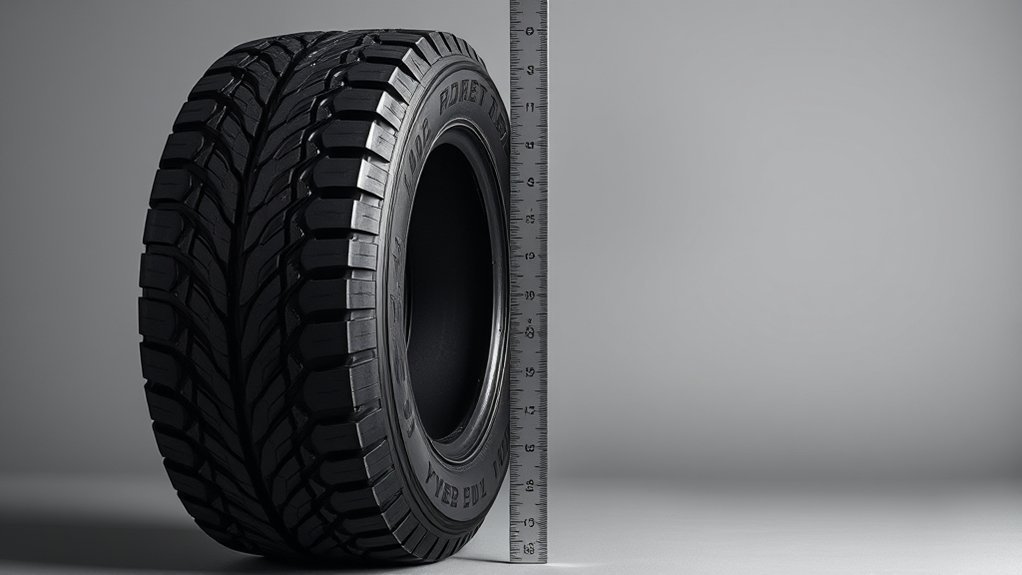
A 315 tire is about 12.4 inches wide, but its height depends on the full tire size code. The common 315/70R17 size is about 34.4 inches tall, with an 8.7-inch sidewall and a 17-inch wheel opening. That makes it close to a 35-inch tire, but not exactly the same.
Quick Answer
A 315/70R17 tire is roughly 34.4 inches tall, 12.4 inches wide, and has about 8.7 inches of sidewall. The “315” means the tire’s nominal section width is 315 millimeters. Always check the full size code, because 315 alone does not tell you the tire’s height.
Key Takeaways
- A 315 tire is about 12.4 inches wide, because 315 means 315 millimeters of nominal section width.
- A common 315/70R17 tire is about 34.4 inches tall, but other 315 sizes can be much shorter or taller.
- The 70 aspect ratio gives the tire about 8.7 inches of sidewall.
- The R17 part means the tire must be mounted on a 17-inch wheel.
- Actual tire height, width, load rating, and approved rim width vary by brand and model, so always check the manufacturer’s spec sheet before buying.
What Does a 315 Tire Size Mean?
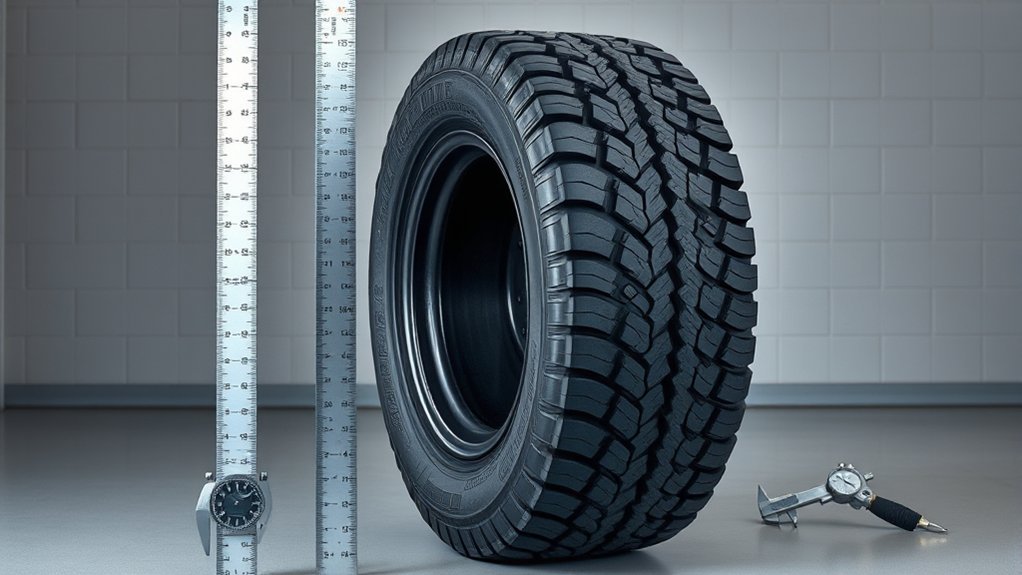
A 315 tire size starts with the tire’s nominal section width. In a size like 315/70R17, the 315 means the tire is 315 millimeters wide from sidewall to sidewall when measured under standard conditions. That converts to about 12.4 inches. Tire makers such as Continental Tire explain that section width is measured in millimeters and can vary depending on the rim the tire is fitted to.
The rest of the code matters just as much. The 70 is the aspect ratio, meaning the sidewall height is 70% of the tire’s width. The R means radial construction. The 17 means the tire fits a 17-inch wheel. So a 315 by itself tells you width, but 315/70R17 tells you width, sidewall height, construction, and wheel diameter.
Note: Do not assume every 315 tire is 34.4 inches tall. A 315/35R17, 315/70R17, and 315/75R16 all have the same nominal width, but they have different sidewall heights and overall diameters.
How Tall Is a 315 Tire in Inches?
A 315/70R17 tire is about 34.4 inches tall. The exact nominal calculation is 34.36 inches, which is normally rounded to 34.4 inches. Real measured height can vary slightly by manufacturer, tread depth, load range, inflation pressure, and measuring rim.
315 Tire Height Formula
Use this formula for a metric tire size:
Overall tire diameter = wheel diameter + 2 × sidewall height
For a 315/70R17 tire, the math looks like this:
- Width: 315 mm ÷ 25.4 = 12.40 inches
- Sidewall height: 315 mm × 0.70 = 220.5 mm
- Sidewall in inches: 220.5 mm ÷ 25.4 = 8.68 inches
- Overall diameter: 17 + (8.68 × 2) = 34.36 inches
So, a 315/70R17 is usually rounded to a 34.4-inch tire.
315/70R17 Inches Conversion Breakdown
| Nominal section width | 315 mm / about 12.4 inches |
| Aspect ratio | 70% of the section width |
| Sidewall height | 220.5 mm / about 8.7 inches |
| Wheel diameter | 17 inches |
| Overall diameter | About 34.4 inches |
Typical 315 Tire Dimensions
The most common off-road and light-truck example is 315/70R17. In that size, you can expect a tire that is roughly 34.4 inches tall and about 12.4 inches wide by nominal sizing. Some actual tires measure closer to 12.6 or 12.7 inches wide when mounted, so manufacturer specs matter.
Current tire-maker pages from Toyo Tires and BFGoodrich show real 315/70R17 options, but each model can list different load ratings, speed ratings, measured width, tread depth, and approved rim-width ranges.
How Wide Is a 315 Tire?
A 315 tire is about 12.4 inches wide by nominal section width. The conversion is simple:
315 mm ÷ 25.4 = 12.40 inches
That does not always mean the tire will measure exactly 12.40 inches when installed. Section width can change slightly based on the wheel width used for measurement, tire construction, tread design, sidewall design, and manufacturer tolerances. For shopping and comparison, though, 315 mm is best understood as a 12.4-inch-wide tire class.
Pro Tip: When checking clearance, look at more than the 12.4-inch nominal width. Check the tire maker’s measured section width, tread width, approved rim width, and your vehicle’s inner fender, control arm, sway bar, and bumper clearance.
How to Read 315/70R17?
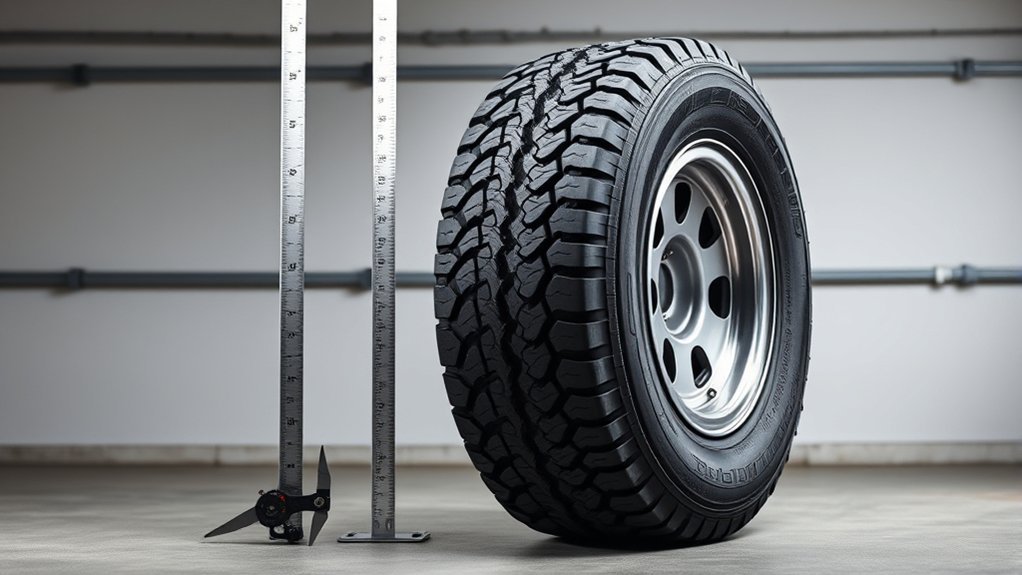
The size code 315/70R17 tells you exactly how the tire is sized. Tire manufacturers such as Goodyear break tire size markings into width, aspect ratio, construction, rim diameter, load index, and speed rating.
- 315 means the tire’s nominal section width is 315 millimeters, or about 12.4 inches.
- 70 means the sidewall height is 70% of the tire width.
- R means radial construction.
- 17 means the tire fits a 17-inch wheel.
If the tire is marked LT315/70R17, the LT means Light Truck. Many 315/70R17 tires are LT tires, so you should also check load range, load index, speed rating, maximum load, and maximum pressure before buying.
Why 315 Tires Vary by Brand?
Two tires with the same 315/70R17 size can still measure differently in the real world. Tire makers use different tread depths, shoulder designs, casing shapes, sidewall reinforcements, and load ranges. Those design choices can change actual height, section width, tread width, weight, and revolutions per mile.
This is why one 315/70R17 may fit your truck with minor trimming while another rubs at full steering lock. The number on the sidewall gives you the sizing category, not a guarantee that every brand will have the exact same installed shape.
How a 315 Tire Fits on 17-Inch Wheels
A 315/70R17 tire must be mounted on a 17-inch wheel. The wheel diameter must match the final number in the tire size. A 315/70R17 does not fit a 16-inch, 18-inch, or 20-inch wheel.
Wheel width is different from wheel diameter. Many 315/70R17 tires are approved for wheel widths around 8 to 11 inches or 8.5 to 11 inches, but this range is not universal. Always use the approved rim-width range from the exact tire model’s spec sheet.
Warning: Never choose a 315 tire based only on diameter and width. Verify wheel diameter, approved rim width, load index, speed rating, brake clearance, suspension clearance, and vehicle manufacturer guidance before mounting the tire.
[Products Worth Considering]

Measure tire tread depth quickly and accurately with this LUMITECO dial gauge that reads in 1/32" increments up to 14/32". The color-coded green/yellow/red zones make it easy to judge tire wear and know when replacement is needed. A rugged, compact design with a protective pouch helps keep the gauge ready for use on cars, trucks, motorcycles, and more.

Keep your tires properly inflated with this analog VONDIOR tire pressure gauge, designed for fast, easy readings without batteries. The swiveling, two-axis hose and large glow dial help you measure at any tire angle with instant visibility. Built with a protective rubber shield, it supports durable, low-maintenance use for cars and trucks.

The SAFELIFE dial tire tread depth gauge measures tread depth in 1/32 inch increments with clear, easy-to-read 2-inch dial face. Color zones using a traffic light system help you quickly judge whether tread is low, marginal, or ample for safer driving. Built with a durable zinc cast body and a metal detect probe for precise, comfortable use across cars, motorcycles, trucks, and buses.
Fitment Checklist Before Buying 315 Tires
Before buying 315/70R17 tires, check these items:
- Wheel diameter: R17 tires require 17-inch wheels.
- Wheel width: Use the approved rim-width range from the tire manufacturer.
- Load rating: Match or exceed the load requirement for your vehicle and use.
- Speed rating: Choose a rating suitable for your vehicle and driving conditions.
- Clearance: Check fenders, liners, bumpers, control arms, sway bars, and mud flaps.
- Full steering lock: Test clearance with the wheels turned both ways.
- Suspension travel: A tire may clear while parked but rub when compressed off-road.
- Spare tire fit: Make sure the spare location can carry the larger diameter.
- Speedometer and gearing: A taller tire can change speedometer reading, acceleration, braking feel, and shift behavior.
- Pressure and placard: Follow the vehicle placard, owner’s manual, and tire professional guidance for cold inflation pressure.
The National Highway Traffic Safety Administration recommends using the vehicle owner’s manual or Tire and Loading Information Label to find the correct size and cold tire pressure for your vehicle.
[Products Worth Considering]

Upgrade your 2024-2026 Tesla Model 3 Highland with REEVAA all-weather mud flaps designed for seamless fit along the original body lines. The set of four delivers strong splash protection against mud, gravel, and road debris while using OEM-grade durable materials. Installation is non-destructive with original hole positions and snap-in clips, and the aerodynamic design helps minimize impact on efficiency.

This wheel brush kit delivers pro-level cleaning at home, lifting dirt, grime, and brake dust to help restore wheel appearance. It includes multiple brush styles and applicator pads for tackling different wheel surfaces, with gentle, metal-free bristles designed to reduce scratching risk. The flat and double-ended brushes are built for comfort and reach, making wheel care easier for cars, trucks, and RVs.

Monitor tire tread wear with a smart, color-coded depth gauge that shows clear condition ranges at a glance. The bar is range marked for fast, easy readings, helping you maintain safer traction and performance. Each gauge is portable with a pocket clip, and the set includes 20 units for daily use and sharing.
What Sizes Are Closest to a 315 Tire?
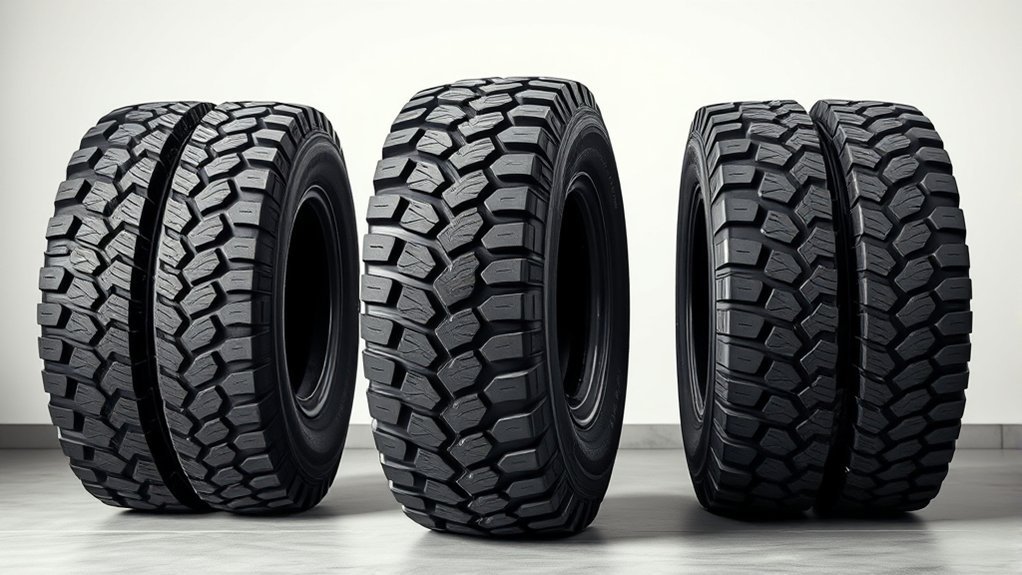
If you are comparing a 315/70R17 tire to other sizes, focus on overall diameter first. A 315/70R17 is about 34.4 inches tall, so it sits in the “35-inch tire” conversation, even though it is not a true 35.0-inch tire by nominal math.
| Tire Size | Approx. Diameter | Approx. Width | Notes |
| 315/70R17 | 34.4 in. | 12.4 in. | Common “35-inch class” metric size |
| 35×12.50R17 | About 35 in. nominal | 12.5 in. | Usually slightly taller than 315/70R17 |
| 305/70R17 | 33.8 in. | 12.0 in. | Slightly shorter and narrower |
| 325/70R17 | 34.9 in. | 12.8 in. | Slightly taller and wider |
| 275/80R17 | 34.3 in. | 10.8 in. | Similar height, much narrower |
These are nominal calculations. Always compare the actual measured specs from the tire maker before swapping sizes.
[Products Worth Considering]

This 3-piece wheel and tire brush set makes it easy to clean light, medium, and heavy dirt from wheels, rims, tires, and exterior surfaces. It includes both soft and stiff bristle options for gentle scrubbing and tough grime removal, helping lift brake dust and road buildup. The long-handle design supports comfortable cleaning across cars, trucks, SUVs, RVs, motorcycles, and more, with simple care instructions to restore brush shape.

This manual duck head tire changer kit makes tire installation and removal simpler by letting you embed the duck head into the tire with applied pressure. The integrated design and durable steel construction help reduce friction and improve efficiency and safety during use. Suitable for 16–21 inch wheels, it’s convenient for cars, trucks, SUVs, and ATV tires, with 24-hour after-sales support.

This professional wheel and rim cleaning brush set lifts brake dust, grime, and dirt with soft, scratch-free microfiber and synthetic wool fibers. The rim brush bends up to 360 degrees for easy access to hard-to-reach areas around spokes, lips, and faces. Ideal for thorough cleaning of car, truck, motorcycle, bicycle, RV, and more wheel and tire surfaces.
How Tire Pressure Changes Width
Tire pressure does not change the labeled 315 mm section width, but it does change how the tire carries load and how the tread contacts the road. Underinflation can cause excess sidewall flex, heat buildup, uneven wear, poor fuel economy, and handling problems. Overinflation can make the center of the tread carry too much load and reduce ride comfort.
Use the vehicle’s recommended cold tire pressure from the tire placard or owner’s manual. Do not use pressure to “make a tire wider” or to force a fitment. NHTSA advises checking tire pressure monthly and measuring it cold for the most accurate reading.
Frequently Asked Questions
Is a 315 the same as a 35-inch tire?
Not exactly. A 315/70R17 is about 34.4 inches tall, so it is close to a 35-inch tire, but it is not a true 35.0-inch tire by nominal calculation. Many people still group it with 35-inch-class tires because the real-world difference is small.
Is 315 a 37-inch tire?
No. A 315/70R17 is about 34.4 inches tall, which is roughly 2.6 inches shorter than a 37-inch tire. If you want a true 37-inch tire, you need a different size.
Are 315 tires the same as 33s?
A 315/70R17 is not the same as a 33-inch tire. It is about 34.4 inches tall, so it is closer to a 35-inch tire than a 33-inch tire. However, some other 315 sizes with lower aspect ratios can be much shorter.
What is a 315 tire size equal to?
The 315 number equals 315 millimeters of nominal section width, or about 12.4 inches. A 315/70R17 is roughly equal to a 34.4×12.4R17 tire by calculated dimensions.
What rim width do I need for a 315/70R17?
It depends on the tire model. Many 315/70R17 light-truck tires use approved rim widths around 8 to 11 inches or 8.5 to 11 inches, but you should always use the exact tire manufacturer’s spec sheet.
Will 315/70R17 tires fit a stock truck?
Sometimes, but not always. Fit depends on the vehicle, wheel offset, suspension height, fender clearance, bumper clearance, and tire model. Some trucks need trimming, leveling, different wheels, or suspension changes to clear 315/70R17 tires without rubbing.
Conclusion
A 315 tire is about 12.4 inches wide, but the full tire code determines its height. For the common 315/70R17 size, the tire is about 34.4 inches tall, with about 8.7 inches of sidewall and a required 17-inch wheel. Treat those numbers as a strong starting point, not a final fitment guarantee. Before buying, confirm the exact tire model’s specs, approved rim width, load rating, pressure guidance, and vehicle clearance.
Sources
- Continental Tire — How to Read Your Tire Sidewall — supports section width, aspect ratio, rim diameter, and tire-size code definitions.
- Goodyear — How to Check Tire Size — supports tire-size code interpretation and rim diameter guidance.
- NHTSA TireWise — Tire Safety Ratings and Awareness — supports tire size, cold pressure, placard, TPMS, and tire-maintenance safety guidance.
- Toyo Tires — 315/70R17 Tire Finder — supports real-world 315/70R17 tire availability and model-specific spec checking.
- BFGoodrich — 315/70R17 Tire Options — supports the 315/70R17 width, ratio, diameter, and fitment example.

