
Is a 285 Tire the Same as a 33-Inch? Size Conversion Guide
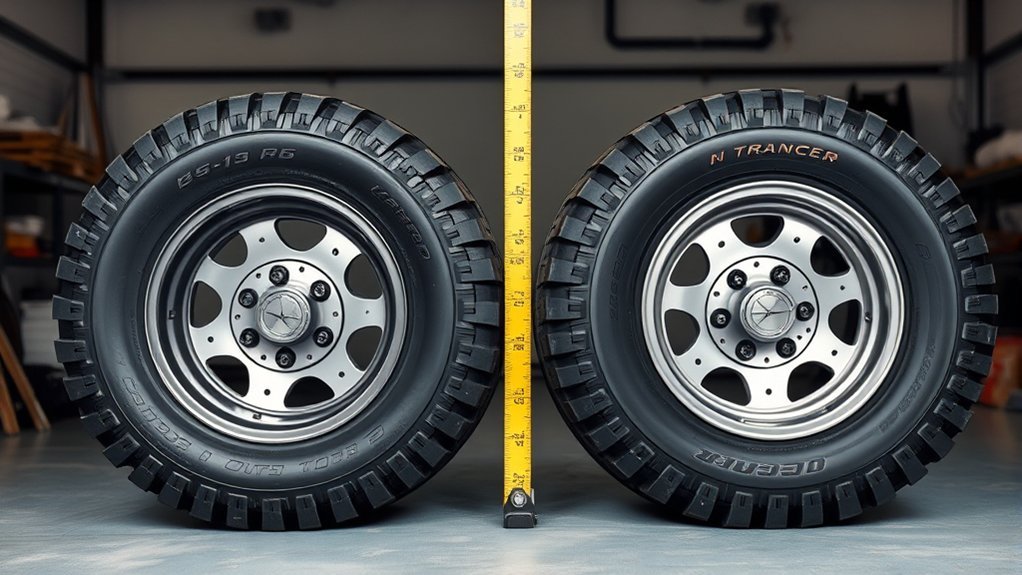
A 285 tire, most commonly discussed as 285/70R17, is very close to a 33-inch tire, but it is not always exactly the same size. By the tire-size formula, a 285/70R17 is about 32.7 inches tall and 11.2 inches wide. In real manufacturer specs, though, some 285/70R17 tires measure a little under or over 33 inches, so the best answer is: compare the actual tire model, not just the label.
Quick Answer
A 285/70R17 is usually considered a “near-33” tire, not a true 33×12.50. Its nominal diameter is about 32.7 inches, while a 33×12.50R17 is labeled as 33 inches tall and 12.5 inches wide. Actual mounted measurements vary by tire brand, load range, rim width, and inflation.
Key Takeaways
- A 285/70R17 calculates to about 32.7 inches tall and 11.2 inches wide by nominal size math.
- A 33×12.50R17 is usually wider than a 285/70R17, but actual diameter can vary by tire model.
- For daily driving, a 285/70R17 often tracks better and fits more easily than a wider 33×12.50R17.
- For mud, sand, and aggressive trail use, a 33×12.50R17 may offer a wider footprint if your Jeep has enough clearance.
- Before changing tire size, check rim width, load rating, tire pressure requirements, full-turn clearance, spare fitment, and speedometer calibration.
What Does 285/70R17 Mean?
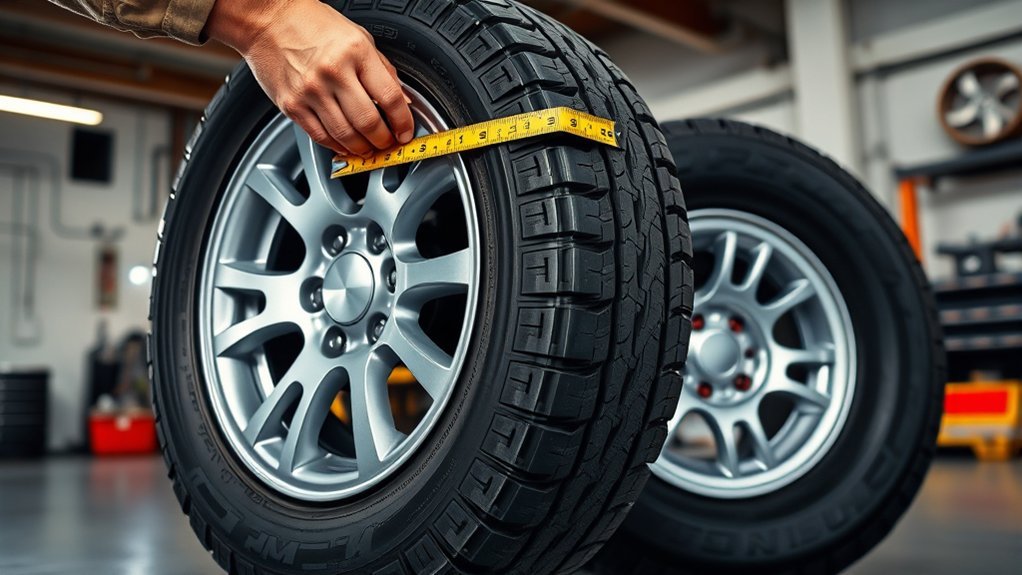
The size 285/70R17 breaks down into three main measurements. The first number, 285, is the tire’s nominal section width in millimeters. The second number, 70, is the aspect ratio, meaning the sidewall height is 70% of the tire’s width. The R means radial construction, and 17 means the tire fits a 17-inch wheel. Michelin’s tire marking guide explains these same sidewall measurements as width, aspect ratio, construction type, and rim diameter.
Note: The size printed on the sidewall is a nominal size. The tire’s real mounted diameter and width can vary by brand, tread design, load range, measuring rim, and inflation pressure.
Using standard size math, a 285/70R17 has a sidewall height of about 7.85 inches:
- Width: 285 mm ÷ 25.4 = about 11.22 inches
- Sidewall: 11.22 × 0.70 = about 7.85 inches
- Overall diameter: 17 + 7.85 + 7.85 = about 32.7 inches
That is why many Jeep and truck owners call a 285/70R17 a “33,” even though it is technically a little shorter than 33 inches by the basic formula.
[Products Worth Considering]
Upgrade your hand truck, garden cart, or yard wagon with flat-free solid rubber tires that eliminate blowouts and maintenance. The serrated tread delivers excellent traction and stable rolling, while double sealed bearings help keep movement smooth on many terrains. Heavy-duty steel rims and 200kg max load support durable performance for demanding outdoor use.

Upgrade your garden cart, wagon, trolley, or hand truck with solid puncture-guarded tires that help prevent flats for worry-free pushing. Textured tread improves stability, grip, and shock absorption for smoother, safer travel over outdoor surfaces. Built with strong polyurethane and durable bearing components for long-lasting performance and confident handling.

This 100-piece set of snap-in tubeless tire valve stems is designed for standard 0.453 in (11.5 mm) rim holes and helps maintain reliable, steady tire pressure. Made with ozone-resistant rubber and brass cores, the valves are built for durability and long-term use. Easy to install by hand, they support safe driving and are suitable for cars, light trucks, trailers, and more.
Is a 285 Tire the Same as a 33-Inch Tire?
No, a 285 tire is not automatically the same as a 33-inch tire. When people say “285,” they usually mean 285/70R17, which is a metric tire size. A 33×12.50R17 is a flotation size. The two can be close in height, but they are not identical in width or fitment.
Nominal Size vs. Measured Size
By math, 285/70R17 is about 32.7 inches tall. But real tire specs can differ. For example, one mud-terrain tire may list a 285/70R17 at about 33 inches tall, while another all-terrain in the same size may measure closer to 32.8 inches. A 33×12.50R17 can also measure slightly under its labeled height.
This matters because your Jeep does not care what the label says. It cares about the real tire diameter, real section width, wheel offset, suspension clearance, and load capacity.
285 Tire Size Basics
A 285/70R17 is a strong “near-33” option for many Jeeps, trucks, and SUVs because it gives you extra ground clearance without jumping to a very wide tire. Its narrower width compared with a 33×12.50 can help with steering feel, wet-road tracking, and clearance near control arms and fender liners.
- Nominal diameter: about 32.7 inches
- Nominal width: about 11.2 inches
- Common wheel size: 17 inches
- Typical use: daily driving, overlanding, mild trails, and balanced Jeep builds
33-Inch Tire Comparison
A 33×12.50R17 is normally wider than a 285/70R17. That extra width can help in loose terrain, but it can also create more rubbing, more road noise, more weight, and more steering effort. If your Jeep has stock wheels, limited fender clearance, or no lift, the wider 33×12.50 size needs more careful checking.
Warning: Do not choose a replacement tire by height alone. Check your vehicle tire placard, owner’s manual, rim width range, load index, load range, and inflation requirements. A tire that fits the fender can still be wrong if it cannot safely support the vehicle’s load.
How Does 285/70R17 Compare to 33×12.50R17?
The biggest difference is width. A 285/70R17 is close to 33 inches tall, but it is much narrower than a 33×12.50R17. That difference changes fitment, steering feel, road manners, and off-road footprint.
| Size | Nominal Height | Nominal Width | Best For |
| 285/70R17 | About 32.7 inches | About 11.2 inches | Balanced daily driving, easier fitment, mild to moderate trails |
| 33×12.50R17 | About 33 inches by label | About 12.5 inches | Wider stance, loose terrain, aggressive off-road look |
Size and Dimensions
A 285/70R17 is usually only a fraction of an inch shorter than a labeled 33-inch tire. The real difference can be small enough that both sizes look similar from the side. Width is where the change becomes more obvious: a 33×12.50R17 can be about 1.3 inches wider than a 285/70R17 by nominal sizing.
Width and Sidewall
The 285/70R17 has a sidewall of about 7.85 inches by calculation. A 33×12.50R17 has a nominal sidewall of about 8 inches on a 17-inch wheel. That means the sidewall difference is small, but the tread and section width difference is large.
A wider tire can give a bigger contact patch in soft surfaces, but it can also follow road grooves more, throw more water, and rub sooner. A narrower 285 can cut through snow or mud better in some conditions, while a wider 33×12.50 can float better in sand or soft soil.
Fitment and Performance
Fitment is not just about diameter. Before choosing between 285/70R17 and 33×12.50R17, check these points:
- Wheel width: make sure your wheel falls within the tire manufacturer’s approved rim width range.
- Offset and backspacing: wider tires may need different wheel spacing to avoid rubbing suspension parts.
- Full-lock steering: check rubbing while turning both directions.
- Suspension compression: check fender and liner clearance when the axle moves upward.
- Spare tire fit: confirm the spare carrier can hold the tire’s size and weight.
- Load rating: match or exceed the vehicle’s required load capacity.
- Calibration: larger tires may require speedometer recalibration.
How Does 285/70R17 Affect Ride, Speed, and Gearing?
A 285/70R17 can improve ground clearance and fill the wheel wells better than a smaller factory tire, but it may also affect acceleration, braking feel, fuel economy, shift points, and speedometer accuracy. The effect depends on what tire size your vehicle had before.
The basic speedometer formula is simple:
Actual speed changes by roughly the same percentage as tire diameter change. If the new tire is 3% taller than the original, your actual speed is about 3% faster than the speedometer shows.
For example, if your Jeep was calibrated for a 31.6-inch tire and you install a 32.7-inch tire, the diameter increase is about 3.5%. When the speedometer shows 60 mph, your actual speed may be about 62 mph. If your original tire was already close to 33 inches, the change may be much smaller.
Pro Tip: After changing tire size, verify speed with a GPS app or scan tool and recalibrate if your vehicle supports it. This helps keep speed, odometer, shift behavior, and fuel-economy readings closer to reality.
What Are the Closest 285/70R17 Alternatives?
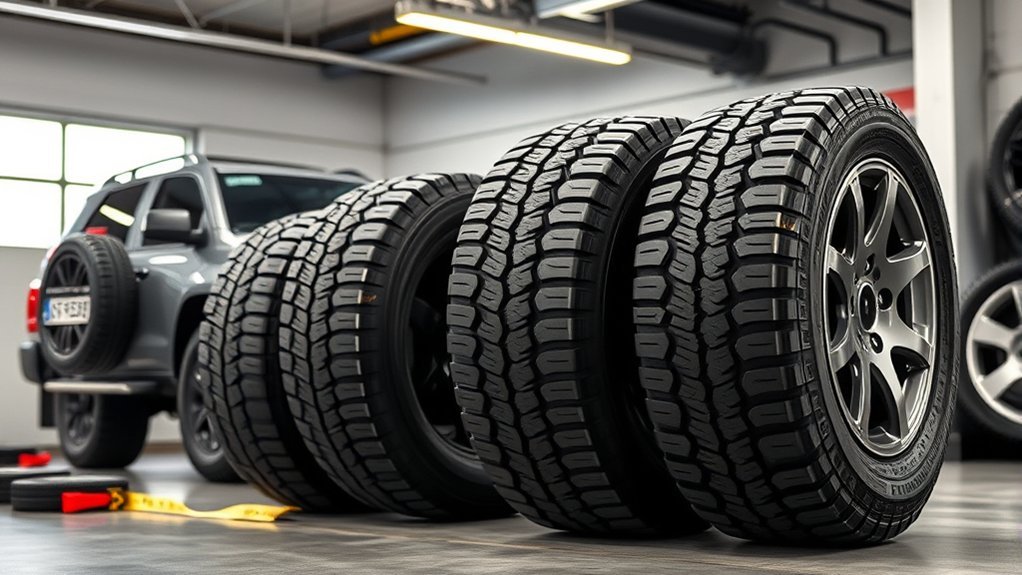
If you want a size close to 285/70R17, compare overall diameter, width, rim width range, and load rating. These sizes are commonly discussed as near-33-inch options:
| Alternative Size | Approx. Diameter | Why Choose It |
| 305/65R17 | About 32.6 inches | Similar height with more width than 285/70R17 |
| 33×10.50R17 | About 33 inches by label | Tall but narrower, useful when clearance is tight |
| 255/80R17 | About 33.1 inches | Tall and narrow; good for some overland and snow setups |
| 295/70R17 | About 33.3 inches | A little taller and wider than 285/70R17 |
| 33×12.50R17 | About 33 inches by label | Wide footprint and aggressive stance |
The closest size is not always the best size. A taller tire may need calibration. A wider tire may need more clearance. A heavier tire may affect braking, acceleration, and spare-tire carrier stress.
[Products Worth Considering]
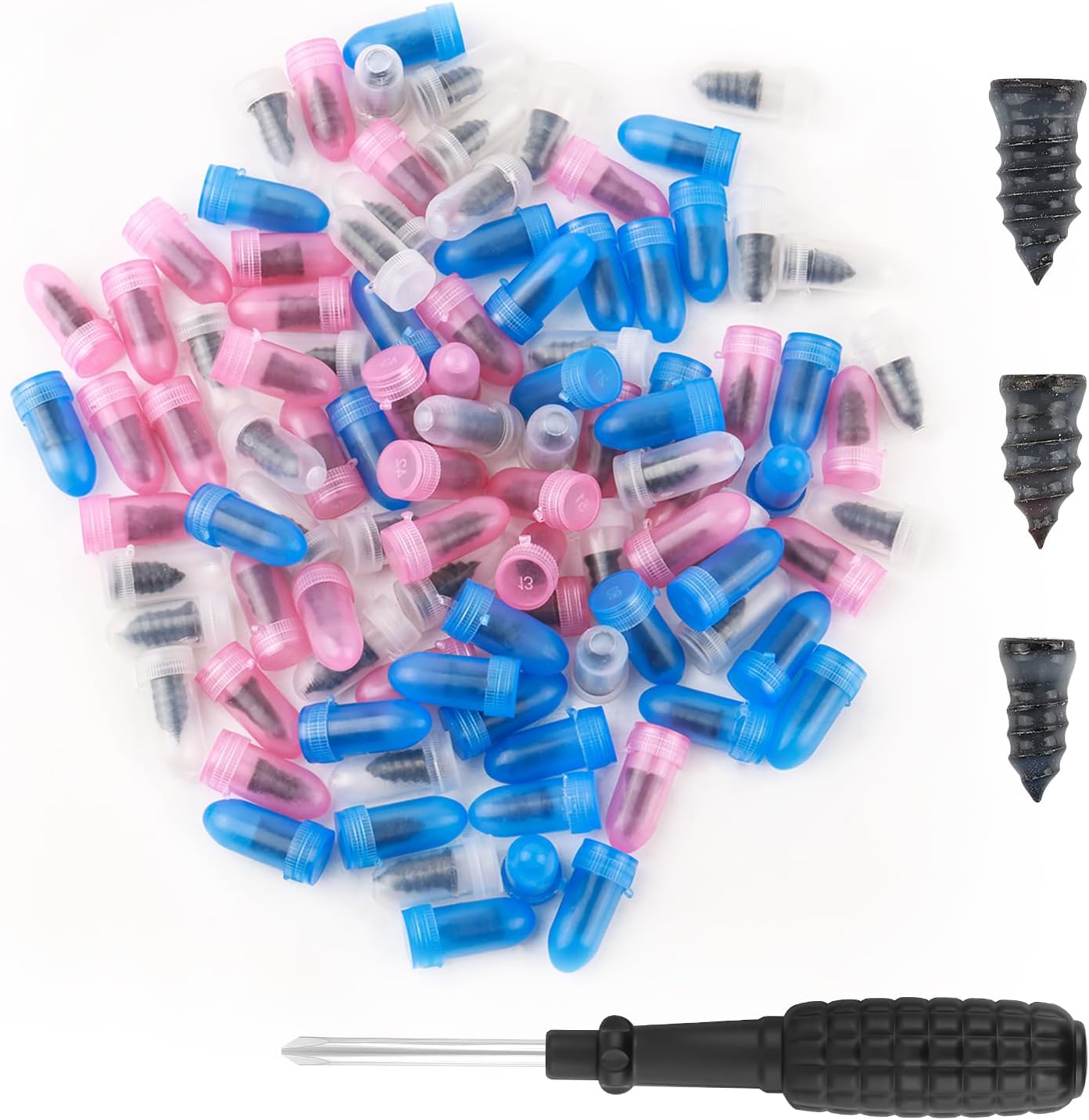
This 100-piece tire repair screw plug kit provides a fast, self-service solution for punctures on the road. Choose the correct plug size, insert it into the break, and screw it in to help seal the puncture and temporarily restore tire pressure. Thickened threads and rubber-wrapped plugs improve bite and sealing while remaining compact and easy to carry.
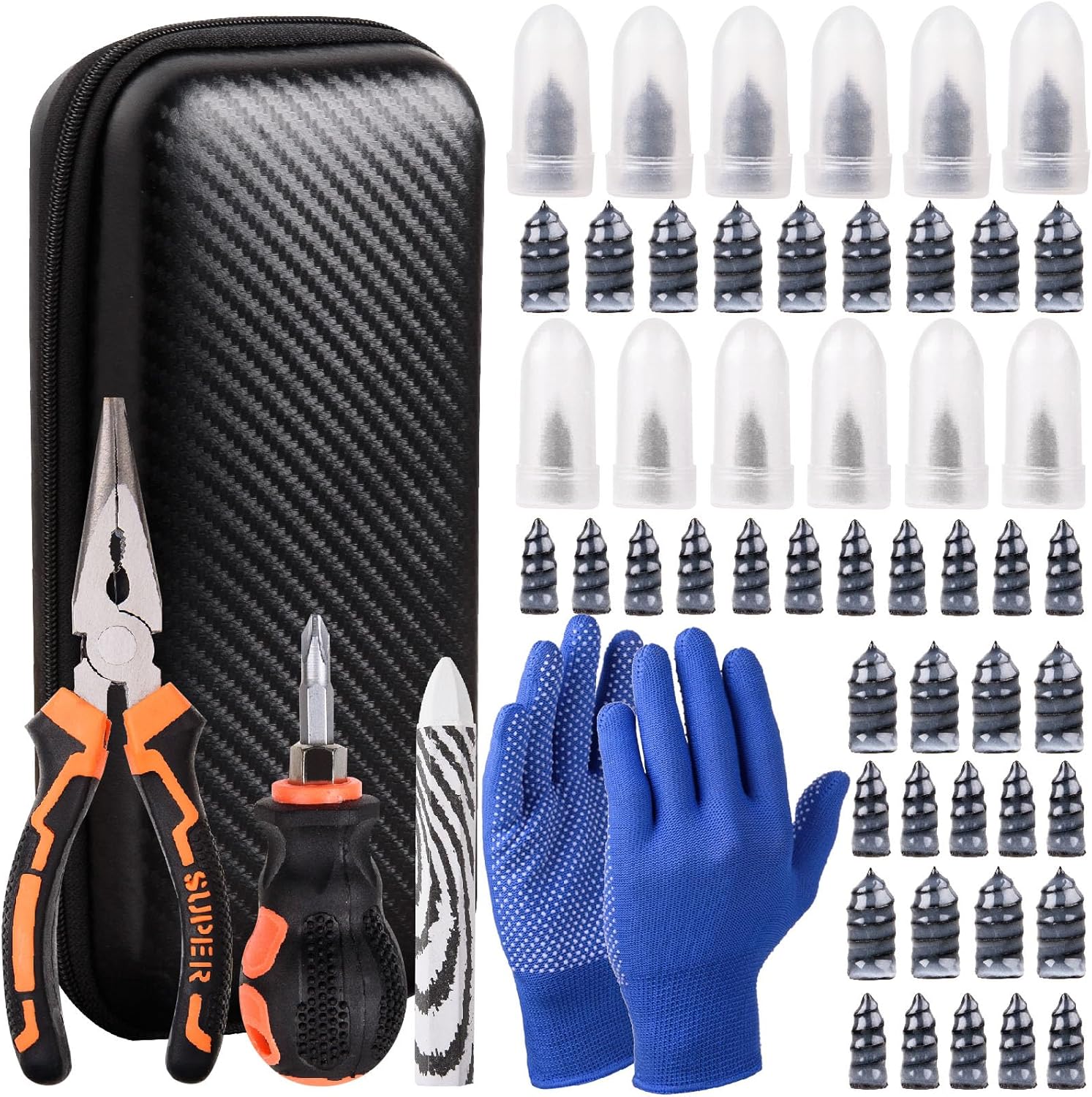
This tire sidewall puncture repair kit fixes flats fast without removing the tire, helping you get back on the road in minutes. It includes self-tapping repair nails, essential tools, gloves, and a portable storage bag for convenient roadside use. Designed for tubeless tires, it helps create a tight, leak-resistant seal for cars, motorcycles, trucks, SUVs, and ATVs.

This professional wheel and rim cleaning brush set lifts brake dust, grime, and dirt with soft, scratch-free microfiber and synthetic wool fibers. The rim brush bends up to 360 degrees for easy access to hard-to-reach areas around spokes, lips, and faces. Ideal for thorough cleaning of car, truck, motorcycle, bicycle, RV, and more wheel and tire surfaces.
Which Tire Size Works Better for Your Jeep?
For most Jeep owners who split time between pavement and trails, 285/70R17 is the cleaner fit. It is close to a 33-inch tire, but its narrower width usually makes it easier to live with. If you want a wider stance, more sidewall presence, and more flotation in soft terrain, 33×12.50R17 can be the better choice when your wheels, suspension, and fenders allow it.
| Driving Priority | Better Pick | Why |
| Daily driving | 285/70R17 | Usually lighter, narrower, and easier to fit |
| Mild trails and overlanding | 285/70R17 | Good clearance without excessive width |
| Mud, sand, and soft terrain | 33×12.50R17 | Wider footprint can help flotation |
| Stock or near-stock clearance | 285/70R17 | Less likely to rub than a 12.50-inch-wide tire |
| Aggressive look | 33×12.50R17 | Wider stance and fuller tread face |
If your Jeep is a daily driver, the 285/70R17 is usually the better all-around size. If your Jeep is built for off-road use and has the right wheels, lift, fender clearance, and gearing, the 33×12.50R17 can make sense.
Frequently Asked Questions
How much bigger is a 33 than a 285?
Compared with a 285/70R17, a labeled 33-inch tire is only about 0.3 inch taller by nominal math. The bigger difference is width. A 285/70R17 is about 11.2 inches wide by nominal math, while a 33×12.50R17 is about 12.5 inches wide.
Is a 285 close to a 33?
Yes. A 285/70R17 is one of the most common near-33-inch metric sizes. It calculates to about 32.7 inches tall, and some actual tire models measure close to or slightly above 33 inches. Always check the manufacturer’s spec sheet for the exact tire you plan to buy.
Are 285s 33s or 35s?
285/70R17 tires are much closer to 33s than 35s. A 285/70R17 is about 32.7 inches tall by nominal calculation. A true 35-inch tire is more than 2 inches taller, which can require more lift, more clearance, and sometimes gearing changes.
What is the closest tire size to a 33?
Common close options include 285/70R17, 255/80R17, 295/70R17, 33×10.50R17, and 33×12.50R17. The best choice depends on whether you want a narrow tire, a wide tire, easy fitment, or maximum off-road footprint.
Will 285/70R17 tires fit stock Jeep wheels?
They may fit many 17-inch Jeep wheel setups, but you must confirm the tire manufacturer’s approved rim width range and your vehicle’s clearance. Check full-lock steering, fender liner clearance, spare fitment, and load rating before buying.
Do I need to recalibrate my speedometer for 285/70R17 tires?
You may need recalibration if 285/70R17 is taller than your original tire size. The larger the diameter change, the more your speedometer and odometer can drift. Compare the new tire’s actual diameter with your original tire’s diameter, then verify with GPS or a scan tool.
Conclusion
A 285/70R17 is close enough to a 33-inch tire that many Jeep owners treat it as a near-33, but it is not the same as a 33×12.50R17. The 285 is usually narrower and easier to fit, while the 33×12.50 is wider and more aggressive. For the best choice, compare the actual manufacturer specs, check your wheel and fender clearance, confirm load capacity, and recalibrate the speedometer if the new tire is taller than your original size.
Sources
- Michelin: Tire Markings Explained — supports tire width, aspect ratio, radial construction, rim diameter, load rating, and pressure-marking explanations.
- Nitto Trail Grappler M/T Sizes & Specs — supports real-world variation in measured 285/70R17 and 33×12.50R17 dimensions.
- Nitto: Proper Selection of Replacement Tires — supports replacement-tire load capacity and inflation-based safety guidance.
- Tire Rack: How Do I Check Speedometer Accuracy? — supports the speedometer impact of changing tire diameter.
- NHTSA TireWise: Tire Safety Ratings and Awareness — supports checking cold tire pressure against the vehicle tire placard.
- Goodyear Plus-Sizing Disclaimer — supports consulting the owner’s manual and manufacturer recommendations before changing tire size or type.
[Products Worth Considering]

Upgrade your tire inflating setup with this 12-inch hose adapter featuring a brass locking quick-connect chuck for secure, leak-proof attachment. The extended, flexible design helps reach hard-to-access valve stems, while the self-locking mechanism enables hands-free inflation with no pressure loss. It’s compatible with most portable air compressors and inflators, making it ideal for cars, trucks, motorcycles, and bicycles.

This professional wheel and rim brush kit makes it easy to lift brake dust, grime, and dirt from wheels and tires without scratching finishes. The brushes feature soft, metal-free wool heads and a flexible 360-degree rim brush design for reaching hard-to-clean areas. Includes multiple brush types plus accessories for thorough car, motorcycle, and general vehicle detailing.

Upgrade your wheelbarrow, garden wagon, hand truck, or trolley with solid flat-free 13 inch replacement tires designed to avoid punctures and eliminate inflation time. Built with durable polyurethane and thickened steel for impact resistance and smooth rotation, the serrated tread improves traction on wet or slippery surfaces. Includes spacers and pins for easier installation and a universal 5/8 inch axle bore hole for a stable fit.

Related Articles

What Is a Demo Tire? Should You Buy One?
Usually near-new, a demo tire can save money—or hide surprises, so would you know what to inspect before buying one?
Read More
Tire Warranties: What to Look For Before You Buy
Fierce tire warranties can save money or cost more than expected—discover the hidden exclusions, mileage promises, and claim rules before you buy.
Read More
Why Are Tires So Expensive? Cost Breakdown
Premium tires cost far more than rubber alone, and this breakdown reveals the hidden materials, engineering, and brand factors driving prices.
Read More