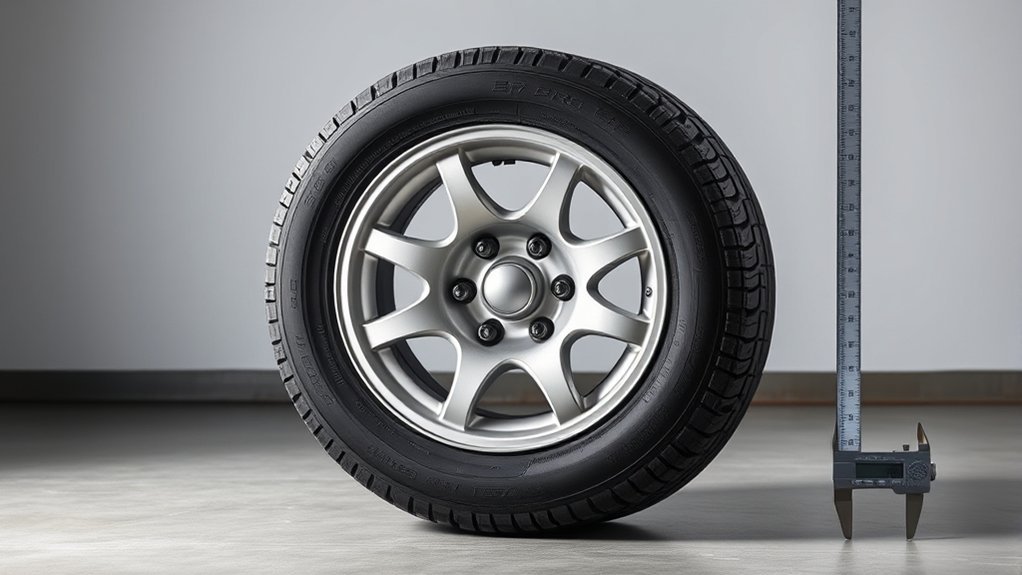
A 265/70R17 tire is about 31.6 inches tall, or roughly 802.8 mm, based on the standard tire-size formula. That makes it a 32-inch-class tire, not a true 33-inch tire. You also get a section width near 10.4 inches, a sidewall height near 7.3 inches, a circumference near 99.2 inches, and about 638 revolutions per mile. Those numbers help you compare fitment, clearance, gearing, and speedometer changes before you install the tire.
Quick Answer
A 265/70R17 tire is about 31.6 inches tall and 10.4 inches wide, so most drivers call it a 32-inch tire. It is not a true 33-inch tire. Its sidewall is about 7.3 inches, and its circumference is about 99.2 inches.
Key Takeaways
- A 265/70R17 tire has a nominal overall diameter of about 31.6 inches, or 802.8 mm.
- The 265 means a 265 mm section width, which converts to about 10.4 inches.
- The 70 aspect ratio gives a sidewall height of about 7.3 inches.
- The tire’s circumference is about 99.2 inches, with roughly 638 revolutions per mile.
- Speedometer error depends on your original tire size. If you upsize from a smaller tire, your actual speed is usually higher than the speedometer shows.
265/70R17 Tire Basics
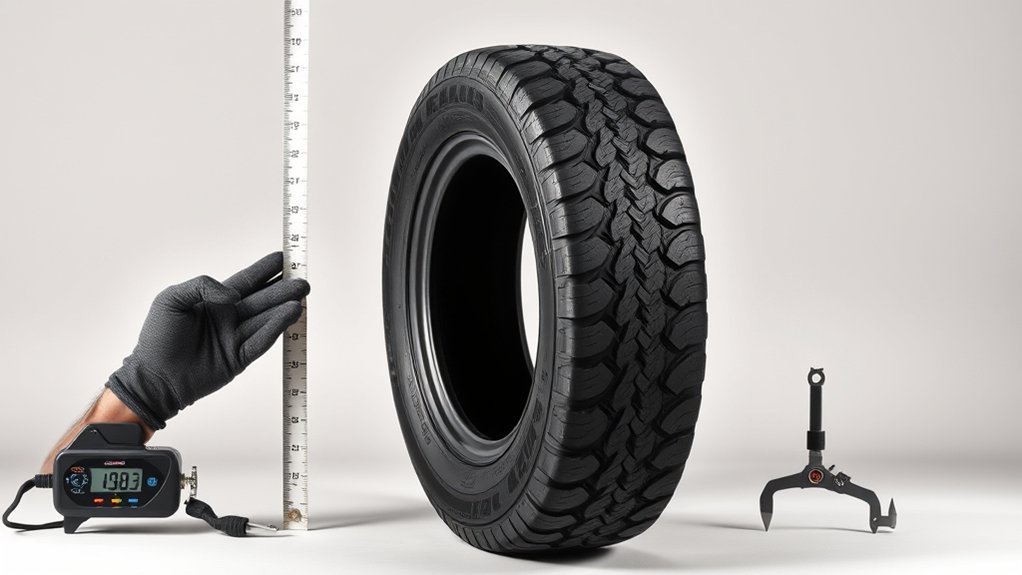
A 265/70R17 tire uses a metric tire-size code. The first number, 265, is the tire’s nominal section width in millimeters. The second number, 70, is the aspect ratio, which means the sidewall height equals 70% of the section width. The R means radial construction, and 17 means the tire fits a 17-inch wheel.
This sizing system lets you estimate basic dimensions before you compare real tire models. Tire Rack explains that modern passenger and light-truck tire designations combine millimeters, percentages, and inches, which is why you need a simple calculation to convert the size into overall diameter.
| Part of Code | Meaning | 265/70R17 Value |
|---|---|---|
| 265 | Nominal section width | 265 mm, about 10.4 in |
| 70 | Aspect ratio | Sidewall is 70% of width |
| R | Construction | Radial |
| 17 | Wheel diameter | 17 in |
Note: Calculated tire dimensions are nominal. Actual measured height, width, tread width, and approved rim range can vary by tire brand, model, load rating, inflation pressure, and measuring rim width.
265/70R17 Tire Height in Inches
A 265/70R17 tire has a nominal overall height of about 31.6 inches. That number comes from two sidewalls plus the 17-inch wheel diameter. Since each sidewall is about 7.3 inches tall, the calculation is simple: 7.3 inches + 17 inches + 7.3 inches = about 31.6 inches.
Exact Tire Height
The exact calculated height is about 31.61 inches, or about 802.8 mm. In real-world tire shopping, most references round that to 31.6 inches. TireSize lists 265/70R17 at 31.6 inches in diameter, 10.4 inches in section width, 99.2 inches in circumference, and 638 revolutions per mile.
A 265/70R17 is best treated as a 32-inch-class tire, not a true 33-inch tire.
Dimension Breakdown
Here is the basic math for a 265/70R17 tire:
- Section width: 265 mm ÷ 25.4 = about 10.4 inches
- Sidewall height: 265 mm × 0.70 = 185.5 mm, or about 7.3 inches
- Wheel diameter: 17 inches
- Overall diameter: 7.3 + 17 + 7.3 = about 31.6 inches
- Circumference: 31.6 × 3.1416 = about 99.2 inches
- Revolutions per mile: 63,360 ÷ 99.2 = about 638
This breakdown helps you compare tire sizes without guessing. It also shows why a 265/70R17 is larger than many factory 17-inch SUV tires but still short of a true 33-inch tire.
265/70R17 Tire Width and Sidewall
A 265/70R17 tire has a nominal section width of 265 mm, or about 10.4 inches. Section width is measured from sidewall to sidewall on a specified measuring rim. It is not always the same as tread width, because tread width varies by tire model and tread design.
Tire Width Explained
The “265” in 265/70R17 tells you the tire’s section width in millimeters. A wider tire can change steering feel, road noise, rolling resistance, and clearance near the fender liner, suspension, and upper control arm. Still, tire width by itself does not tell you whether the tire fits your vehicle. You also need wheel width, offset, load rating, inflation pressure, and suspension clearance.
| Measurement | Value | Why It Matters |
|---|---|---|
| Section width | 265 mm / 10.4 in | Affects clearance and contact patch shape |
| Sidewall height | 185.5 mm / 7.3 in | Affects ride feel, clearance, and diameter |
| Wheel diameter | 17 in | Must match the wheel diameter exactly |
Sidewall Height Breakdown
The “70” in 265/70R17 means the sidewall height is 70% of the tire’s section width. Since 70% of 265 mm is 185.5 mm, each sidewall is about 7.3 inches tall. That sidewall sits between the tread area and the 17-inch wheel.
A taller sidewall can help absorb bumps and protect the wheel better than a lower-profile tire. It can also add more flex during cornering. For trucks and SUVs, that tradeoff often works well because you get a useful mix of ride comfort, sidewall cushion, and ground clearance.
265/70R17 Tire Circumference and RPM
A 265/70R17 tire has a circumference of about 99.2 inches. Each full tire rotation moves the vehicle about that distance, assuming normal load and inflation. That works out to about 638 revolutions per mile.
Revolutions per mile matter because your vehicle’s speedometer, odometer, transmission shift behavior, and traction systems rely on wheel-speed data. If you change tire size from the factory setup, the vehicle may calculate speed and distance from the old tire diameter unless it is recalibrated.
| Spec | 265/70R17 |
|---|---|
| Overall diameter | 31.6 in |
| Circumference | 99.2 in |
| Revolutions per mile | 638 |
265/70R17 Code Breakdown
The tire code gives you the main dimensions, but it does not give you every fitment detail. It does not tell you the exact tread width, actual measured diameter, tire weight, load index, speed rating, or approved rim width for every tire model. You still need to check the specific tire’s sidewall and manufacturer specs before buying.
Tire Code Meaning
- 265: Nominal section width in millimeters
- 70: Sidewall height as a percentage of section width
- R: Radial construction
- 17: Wheel diameter in inches
That code helps you compare tire sizes quickly. It also helps you avoid common mistakes, such as calling the 265 measurement tread width or assuming every 265/70R17 tire measures exactly the same after installation.
Code Dimension Breakdown
| Code | Measurement | Result |
|---|---|---|
| 265 | Section width | 10.4 in |
| 70 | Aspect ratio | 7.3 in sidewall |
| R | Construction | Radial |
| 17 | Wheel size | 17 in |
| Overall | Diameter | 31.6 in |
Warning: Do not choose a tire size by diameter alone. Check your owner’s manual, the Tire and Loading Information Label on the driver’s door area, the wheel width, the load index, and the tire manufacturer’s approved rim range before installing a different size.
265/70R17 Vs 275/70R17
A 275/70R17 tire is slightly taller and wider than a 265/70R17. The 265/70R17 is about 31.6 inches tall and 10.4 inches wide, while the 275/70R17 is about 32.2 inches tall and 10.8 inches wide. TireSize lists 275/70R17 at 32.2 inches in diameter, 101.0 inches in circumference, and 627 revolutions per mile.
| Size | Diameter | Width | Circumference | Revs/Mile |
|---|---|---|---|---|
| 265/70R17 | 31.6 in | 10.4 in | 99.2 in | 638 |
| 275/70R17 | 32.2 in | 10.8 in | 101.0 in | 627 |
The 275/70R17 gives you about 0.6 inch more total diameter and about 0.4 inch more section width. That can improve ground clearance slightly, but it can also increase the chance of rubbing if your wheel offset, fender clearance, or suspension setup is tight.
[Products Worth Considering]

Measure tire tread depth quickly and accurately with this LUMITECO dial gauge that reads in 1/32" increments up to 14/32". The color-coded green/yellow/red zones make it easy to judge tire wear and know when replacement is needed. A rugged, compact design with a protective pouch helps keep the gauge ready for use on cars, trucks, motorcycles, and more.

Monitor tire tread wear with a smart, color-coded depth gauge that shows clear condition ranges at a glance. The bar is range marked for fast, easy readings, helping you maintain safer traction and performance. Each gauge is portable with a pocket clip, and the set includes 20 units for daily use and sharing.

Measure tyre tread depth precisely with a digital gauge that reads in both MM and inches, helping you monitor safe driving conditions. The large LCD screen is easy to operate, and the compact tool fits for cars, trucks, and motorcycles. It provides high accuracy with a 0-25.4mm range and includes a 1-year warranty for added peace of mind.
265/70R17 Vs 285/70R17
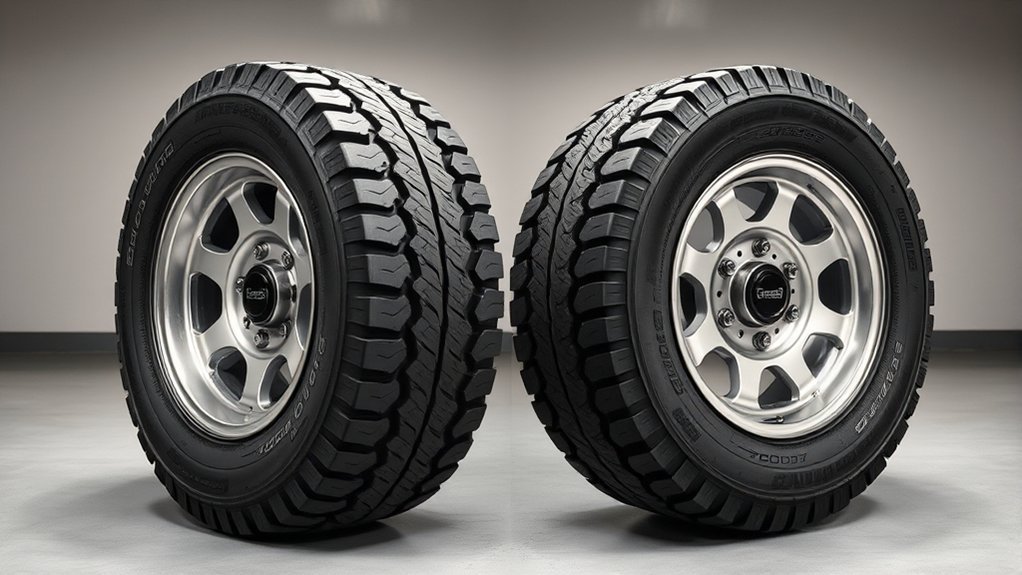
Moving from a 265/70R17 to a 285/70R17 is a more noticeable jump. The 285/70R17 is about 32.7 inches tall and 11.2 inches wide. TireSize lists 285/70R17 at 32.7 inches in diameter, 102.7 inches in circumference, and 617 revolutions per mile.
| Size | Diameter | Width | Sidewall | Revs/Mile |
|---|---|---|---|---|
| 265/70R17 | 31.6 in | 10.4 in | 7.3 in | 638 |
| 285/70R17 | 32.7 in | 11.2 in | 7.9 in | 617 |
The 285/70R17 gives you about 1.1 inches more overall diameter and about 0.8 inch more section width than a 265/70R17. That larger casing may need more fender, mud flap, liner, and suspension clearance. It may also feel heavier at low speeds, depending on the tire model and wheel setup.
[Products Worth Considering]

Keep your tires properly inflated with this analog VONDIOR tire pressure gauge, designed for fast, easy readings without batteries. The swiveling, two-axis hose and large glow dial help you measure at any tire angle with instant visibility. Built with a protective rubber shield, it supports durable, low-maintenance use for cars and trucks.

These M14x1.5 closed-end chrome lug nuts are a one-piece replacement designed for secure fitment on compatible GM, Ford, and select Chrysler/Dodge models. Featuring a 60-degree conical seat and anti-rust chrome plating, they help resist corrosion and maintain a bright look for everyday driving. Built for long-term durability, they include OEM-style part references and are backed by 12 months of support.

This professional wheel and rim cleaning brush set lifts brake dust, grime, and dirt with soft, scratch-free microfiber and synthetic wool fibers. The rim brush bends up to 360 degrees for easy access to hard-to-reach areas around spokes, lips, and faces. Ideal for thorough cleaning of car, truck, motorcycle, bicycle, RV, and more wheel and tire surfaces.
Is 265/70R17 a 33-Inch Tire?
No, a 265/70R17 is not a true 33-inch tire. Its nominal diameter is about 31.6 inches, so it sits much closer to a 32-inch tire. Some drivers may casually call it a “32,” but calling it a “33” is not accurate for fitment math.
- Diameter: about 31.6 inches
- Width: about 10.4 inches
- Sidewall height: about 7.3 inches
- Class: 32-inch tire class
- Not: a true 33-inch tire
This distinction matters when you compare clearance, gear ratio changes, spare-tire fitment, and speedometer error. A true 33-inch tire will usually sit taller and turn fewer revolutions per mile than a 265/70R17.
How 265/70R17 Tires Affect Speedometer
A 265/70R17 tire affects the speedometer only if it differs from the tire size your vehicle was calibrated for. If your vehicle came with 265/70R17 tires and you stay with the same size, the size itself should not create a new speedometer error.
If you upsize from a smaller tire, your actual speed is usually higher than the speedometer shows. For example, a 265/65R17 tire is about 30.6 inches tall, while a 265/70R17 is about 31.6 inches tall. That is about a 3.4% increase in diameter.
Use this formula:
Actual speed = indicated speed × new tire diameter ÷ old tire diameter
| Example Swap | Indicated Speed | Approx. Actual Speed | Direction |
|---|---|---|---|
| 265/65R17 to 265/70R17 | 30 mph | 31 mph | Actual is higher |
| 265/65R17 to 265/70R17 | 55 mph | 57 mph | Actual is higher |
| 265/65R17 to 265/70R17 | 65 mph | 67 mph | Actual is higher |
Pro Tip: Compare your new tire size against the exact original size on your door placard, not against a size you found online for a different trim. Tire size can vary by model year, trim, wheel package, and market.
If your vehicle allows tire-size recalibration, recalibrate after a meaningful size change. If not, use a GPS speed reading to understand the difference and drive accordingly.
How 265/70R17 Tires Affect Fuel Economy and Gearing
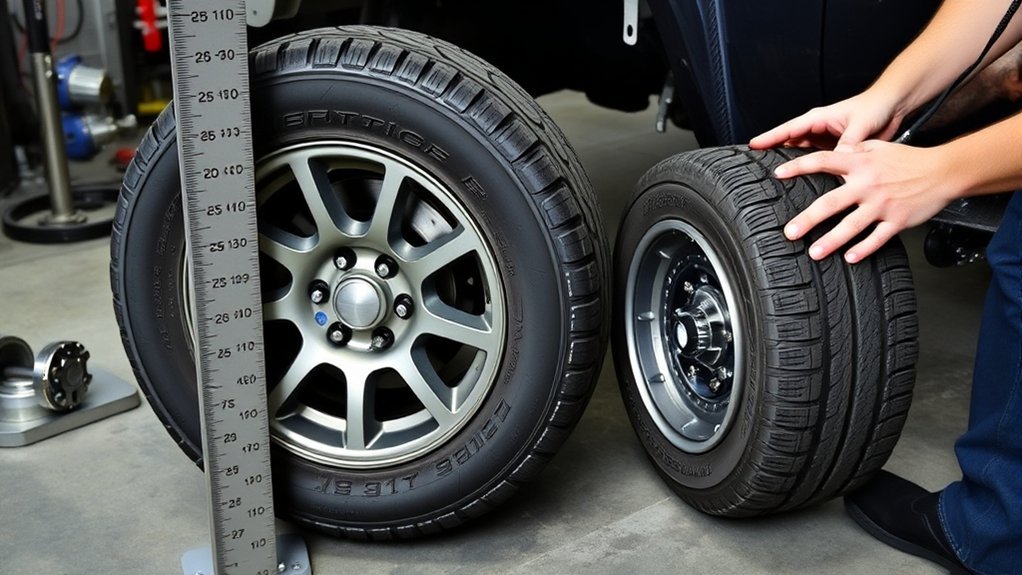
A 265/70R17 tire can affect fuel economy and gearing if it is larger, heavier, or more aggressive than the tire it replaces. A taller tire reduces engine rpm at a given road speed, but it also reduces effective gear ratio. That can make acceleration feel softer, especially on vehicles with taller factory gearing.
You should not assume a fixed fuel-economy loss for every 265/70R17 tire. The result depends on tire weight, tread pattern, rolling resistance, air pressure, vehicle weight, axle ratio, and driving style. NHTSA TireWise notes that proper tire pressure affects safety, durability, and fuel consumption, so pressure maintenance still matters after a size change.
- Taller diameter: can lower cruising rpm but reduce low-speed torque feel.
- Heavier construction: can make acceleration and braking feel slower.
- Aggressive tread: can add noise and rolling resistance.
- Incorrect pressure: can hurt handling, tread wear, and efficiency.
- Incorrect load rating: can create safety and durability problems.
If you want the tire to stay responsive, compare the tire’s weight, load index, speed rating, tread type, and actual measured diameter before buying. For larger jumps, ask a qualified tire shop whether your vehicle needs recalibration, trimming, alignment changes, or gearing changes.
Fitment, Load Rating, and Safety Checks
A 265/70R17 tire can fit many trucks and SUVs, but fitment is vehicle-specific. The size alone does not confirm safe installation. Before you buy, check the vehicle’s owner’s manual, the tire placard on the driver’s door area, and the tire manufacturer’s approved rim width and load rating.
NHTSA recommends buying the same size as the vehicle’s original tires or another size recommended by the vehicle manufacturer. If you have any doubt, consult a tire dealer who can confirm the correct size for your vehicle.
- Wheel diameter: must be 17 inches for a 265/70R17 tire.
- Wheel width: must fall within the tire manufacturer’s approved range.
- Load index: must meet or exceed your vehicle’s requirement.
- Speed rating: should match your driving needs and vehicle requirements.
- Clearance: check fenders, liners, suspension, brake components, and spare-tire storage.
- Pressure: use the vehicle manufacturer’s cold inflation pressure unless a qualified tire professional recommends otherwise for the approved setup.
[Products Worth Considering]

This metal-free wheel and tire cleaning brush uses dense, fluffy synthetic wool to safely clean rims, spokes, fenders, and engine areas without worrying about damaging surfaces. Its flexible, comfortable design helps you reach detailed areas while maintaining durability, and the extra absorbent fibers work well with wheel spray cleaners for faster cleanup. Reusable and washable performance helps prevent grime and build-up for cleaner vehicles and easier maintenance at home.

Upgrade your Toyota’s wheels with durable aluminum alloy valve stem caps that help protect valve cores from corrosion and direct exposure to road grime, clay, water, and snow. Rubber rings improve sealing to help prevent air leakage and maintain stable tire pressure for safer driving. These caps are easy to install or remove without tools and add a unique, stylish look to your car.

The Trivd Frol 1/2" air impact wrench delivers high performance torque up to 1500 ft-lbs with a twin hammer impact mechanism for strong, balanced blows. It features an ergonomic grip, compact lightweight design, and quick-stop control with 3 forward speeds up to 8000 RPM plus a reverse speed. Built for demanding automotive repair and tire shop work, the rear exhaust helps keep debris away from the surface.
Frequently Asked Questions
Is a 265/70R17 a 33-inch tire?
No. A 265/70R17 tire is about 31.6 inches tall, so it is closer to a 32-inch tire than a true 33-inch tire. Use 31.6 inches for fitment, speedometer, and gearing calculations.
How tall and wide is a 265/70R17?
A 265/70R17 tire is about 31.6 inches tall and about 10.4 inches wide. Its sidewall is about 7.3 inches, its circumference is about 99.2 inches, and it makes roughly 638 revolutions per mile.
How much taller is a 265/70R17 than a 265/65R17?
A 265/70R17 is about 1.0 inch taller overall than a 265/65R17. The 265/70R17 is about 31.6 inches tall, while the 265/65R17 is about 30.6 inches tall. The sidewall difference is about 0.5 inch per sidewall.
Is a 285/70R17 taller than a 265/70R17?
Yes. A 285/70R17 is about 32.7 inches tall, while a 265/70R17 is about 31.6 inches tall. The 285 is also wider at about 11.2 inches, compared with about 10.4 inches for the 265.
Will 265/70R17 tires affect my speedometer?
They can, but only if they differ from the tire size your vehicle was calibrated for. If you upsize from a smaller tire, your actual speed is usually higher than the speedometer shows. If you stay with the original size, the tire size should not create a new error.
Do all 265/70R17 tires measure exactly 31.6 inches?
No. The 31.6-inch figure is a nominal calculated size. Actual tire height can vary by manufacturer, model, tread depth, load rating, inflation pressure, and measuring rim width. Always check the specific tire’s published specs.
Conclusion
A 265/70R17 tire is about 31.6 inches tall, about 10.4 inches wide, and has a sidewall height near 7.3 inches. That makes it a solid 32-inch-class tire for many trucks and SUVs, but it is not a true 33-inch tire.
Use the nominal dimensions for basic comparison, then verify the exact tire model before installation. The safest choice is the one that matches your vehicle’s load needs, wheel width, clearance, pressure requirements, and speedometer calibration.
Sources
- NHTSA TireWise — tire size, tire pressure, maintenance, and safety guidance.
- Tire Rack: How Do I Calculate Tire Dimensions? — tire-size formula, section width, aspect ratio, and nominal-dimension warning.
- TireSize: 265/70R17 Tires — 265/70R17 diameter, width, circumference, and revolutions per mile.
- TireSize: 275/70R17 Tires — comparison dimensions for 275/70R17.
- TireSize: 285/70R17 Tires — comparison dimensions for 285/70R17.
- TireSize: 265/65R17 Tires — comparison dimensions for the 265/65R17 speedometer example.