
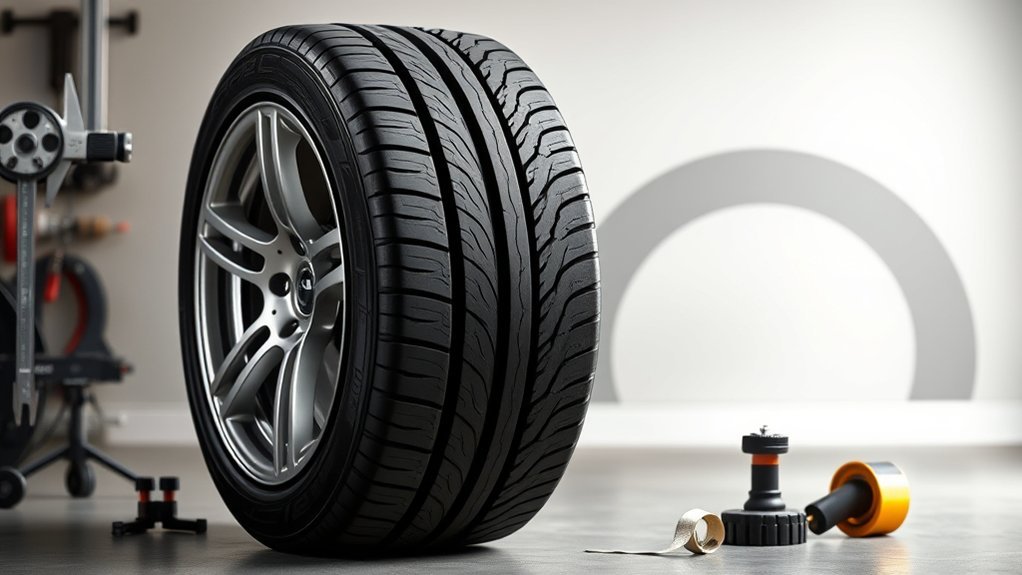
A 315 tire is about 315 millimeters wide by its size label, which converts to roughly 12.4 inches. That number is the tire’s nominal section width, not a promise that every mounted 315 tire will measure exactly 12.4 inches across. Real-world width changes by tire model, measuring rim, wheel width, tread design, and inflation.
Quick Answer
A 315 tire is nominally 315 mm wide, or about 12.4 inches. Actual mounted section width can be narrower or wider. For example, Mickey Thompson lists its P315/60R15 ET Street Radial Pro at 13.2 inches of section width on a 9.5-inch measuring rim, with an 11.5-inch tread width.
Key Takeaways
- A 315 tire is about 12.4 inches wide by nominal metric conversion: 315 mm ÷ 25.4.
- Actual section width depends on the exact tire model, measuring rim, and wheel width.
- Do not confuse section width with tread width. Section width is sidewall-to-sidewall; tread width is the contact tread area.
- A 315 tire is not automatically a 33-inch or 35-inch tire. Overall diameter depends on the aspect ratio and rim diameter.
- Always check the tire maker’s approved rim-width range, your vehicle placard, wheel offset, and suspension clearance before installing a 315 tire.
How Wide Is a 315 Tire?
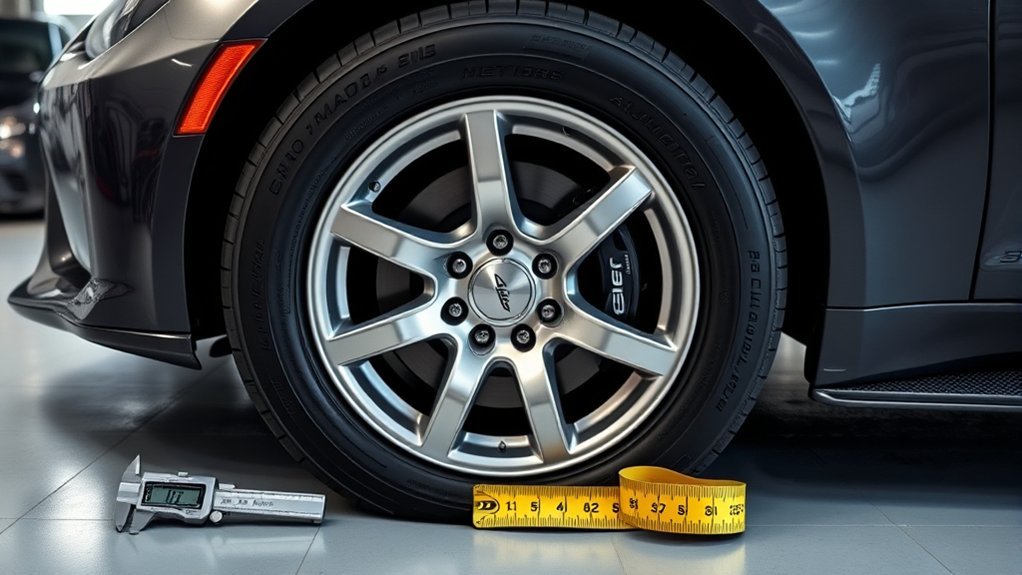
A 315 tire is nominally 315 mm wide. Converted to inches, that is about 12.4 inches. Michelin explains that the first number in a metric tire size is the tire’s nominal section width in millimeters, while the next number is the aspect ratio and the wheel diameter is listed in inches.
That means a size like 315/70R17 breaks down like this:
- 315 = nominal section width in millimeters
- 70 = sidewall height is 70% of the section width
- R = radial construction
- 17 = wheel diameter in inches
The label gives you a strong starting point, but it does not replace the tire manufacturer’s spec sheet. Tire Rack notes that calculated tire dimensions are nominal estimates, and drivers with close fitment tolerances should use the exact manufacturer specs for the tire they plan to buy.
Note: If someone says a 315 tire is “13.2 inches wide,” they are usually talking about a specific tire’s measured section width, not the basic 315 mm conversion.
315 Tire Section Width Explained
Section width is the tire’s widest sidewall-to-sidewall measurement when the tire is mounted, inflated, unloaded, and measured on its assigned measuring rim. It does not include raised lettering, rim protectors, or decorative sidewall features.
This is why the same “315” label can create confusion. A 315 mm tire converts to about 12.4 inches, but a real tire’s listed section width may be 12.3, 12.7, 13.2 inches, or another value depending on the tire line and measuring rim.
| Example | What it shows | Why it matters |
|---|---|---|
| 315 mm nominal width | About 12.4 inches | Basic tire-size conversion |
| Mickey Thompson P315/60R15 ET Street Radial Pro | 13.2-inch section width, 11.5-inch tread width, 9.5-inch measuring rim | Shows why actual specs can be wider than the nominal conversion |
| BFGoodrich All-Terrain T/A KO3 LT315/70R17 | 12.7-inch section width, 34.4-inch diameter, 8–11-inch rim-width range | Shows why rim-width range is model-specific |
Section Width Basics
A 315 tire’s first number tells you the nominal width, but the tire’s actual section width comes from the spec sheet. Section width is measured across the tire’s widest sidewall points after the tire is mounted and inflated on the correct measuring rim.
Use the nominal number for quick comparison. Use the manufacturer’s section width, tread width, diameter, approved rim range, load rating, and pressure data for buying and fitment decisions.
Mounted Width Measurements
Mounted width depends on the rim. Tire Rack explains that a tire mounted on a narrower rim will measure narrower than the same tire on a wider rim. Its rule of thumb is about 0.2 inch of section-width change for every 0.5 inch of rim-width change.
That does not mean you should stretch a tire to chase a certain look. The safe approach is to stay within the tire maker’s approved rim-width range and confirm the tire clears the vehicle at full steering lock and full suspension compression.
Wheel Size Effects
Wheel width changes sidewall shape. A narrower approved wheel can make the sidewall bulge more. A wider approved wheel can support the tread more squarely. Outside the approved range, the tire may not seat, flex, wear, or handle as designed.
- Too narrow: more sidewall bulge, less precise tread support, and possible uneven wear.
- Too wide: stretched sidewalls, reduced sidewall protection, and possible bead or wear issues.
- Correct range: safer bead seating, better tread support, and more predictable handling.
Section Width vs Tread Width
This is one of the easiest places to make a mistake. Section width is the overall sidewall-to-sidewall width. Tread width is the width of the tread area that contacts the road or track.
For example, Mickey Thompson lists the P315/60R15 ET Street Radial Pro with a 13.2-inch section width and an 11.5-inch tread width. Those are not the same measurement. If you use tread width when checking wheel-well clearance, you may underestimate how much sidewall space the tire needs.
Pro Tip: For clearance, measure the widest sidewall area, not just the tread. Sidewall bulge is often what rubs first on control arms, inner fenders, liners, or quarter panels.
Why 315 Tires Look Wider on Some Wheels
You’ll notice a 315 tire can look wider or narrower depending on the wheel it’s mounted on. That happens because wheel width changes how the sidewall and tread sit. Tread pattern, sidewall construction, and rim offset also affect how wide the tire appears once it is on the vehicle.
Wheel Width Effects
On a narrower approved rim, the sidewalls may bulge outward more. On a wider approved rim, the tread can sit flatter and the sidewall can look more squared-off. Both setups can be valid if they stay within the manufacturer’s approved range.
Appearance should not outrank safety. A 315 tire that looks aggressive but rubs, overloads the wheel, or sits outside its approved rim range is not a good fit.
Section Width Variations
Different 315 tires can have different real-world dimensions. A mud-terrain, all-terrain, drag radial, summer performance tire, and racing tire may all carry a 315 label while using different carcass shapes and tread widths.
That is why two tires with the same 315 label may not fit the same vehicle the same way. Always compare the exact model’s section width, tread width, overall diameter, approved rim range, and measured rim width.
Mounting And Appearance
Mounting affects appearance, but it also affects handling. If the tire is pinched too much on a narrow rim, the tread may crown and wear unevenly. If it is stretched too much on a wide rim, sidewall protection and ride quality may suffer.
The best-looking setup is the one that also clears the vehicle, carries the load, keeps the tread supported, and stays within spec.
Will a 315 Tire Fit Your Wheel Well?
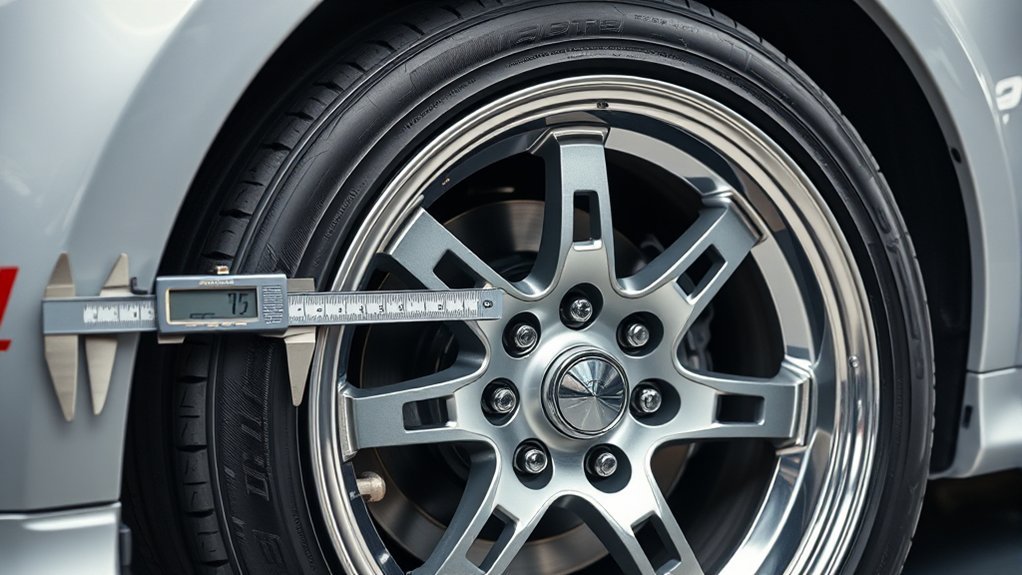
A 315 tire may fit your wheel well, but you should never assume it will fit just because another vehicle runs the same size. Fitment depends on wheel width, wheel offset, backspacing, suspension height, alignment, fender shape, brake clearance, and the tire’s actual section width.
Check these before buying:
- Approved rim-width range: Confirm the tire maker approves your wheel width.
- Wheel offset and backspacing: These decide whether the tire sits closer to the suspension or the fender.
- Inner clearance: Check control arms, sway bars, frame, struts, shocks, and brake components.
- Outer clearance: Check fenders, liners, bumper tabs, mud flaps, and quarter panels.
- Steering lock: Turn the wheel fully left and right and check both sides.
- Suspension compression: Leave room for bumps, cargo, passengers, towing load, and body roll.
- Load index and speed rating: Match or exceed the vehicle manufacturer’s requirements.
- Overall diameter: A taller 315 can affect speedometer reading, gearing, ABS, traction control, and transmission behavior.
Warning: Do not choose a tire only by width. Use the vehicle tire placard, owner’s manual, and tire manufacturer specs for size, load rating, and inflation guidance. For non-original tire sizes, have a qualified tire professional confirm fitment before driving.
[Products Worth Considering]

This 20-piece tire changer kit makes motorcycle and bike tire repairs easier with extended 14.5-inch spoons for leverage and access. Built from CrV steel with a corrosion-resistant chrome finish, it helps resist bending while protecting rims and tubes using smooth rounded spoons and included rim protectors. The all-in-one set includes valve removal and accessory tools for faster tire changes across motorcycles, bicycles, ATVs, and lawn equipment.

This professional wheel and rim cleaning brush set lifts brake dust, grime, and dirt with soft, scratch-free microfiber and synthetic wool fibers. The rim brush bends up to 360 degrees for easy access to hard-to-reach areas around spokes, lips, and faces. Ideal for thorough cleaning of car, truck, motorcycle, bicycle, RV, and more wheel and tire surfaces.

Keep your tires properly inflated with this analog VONDIOR tire pressure gauge, designed for fast, easy readings without batteries. The swiveling, two-axis hose and large glow dial help you measure at any tire angle with instant visibility. Built with a protective rubber shield, it supports durable, low-maintenance use for cars and trucks.
Best Wheel Width for 315 Tires
There is no single best wheel width for every 315 tire. The correct wheel width is the range approved by the tire manufacturer for that exact tire size and model.
For example, one LT315/70R17 all-terrain may list an 8–11 inch rim-width range, while a P315/60R15 drag radial may use a different measuring rim and fitment guidance. The number “315” tells you the nominal section width, but it does not tell you the entire approved wheel range by itself.
| Wheel choice | What to expect | Best action |
|---|---|---|
| Within approved range | Proper bead seating and predictable sidewall shape | Preferred choice |
| Narrower than approved | Excess bulge, possible handling and wear problems | Avoid unless the tire maker approves it |
| Wider than approved | Sidewall stretch, bead stress, and possible reduced protection | Avoid for street use and safety-critical driving |
[Products Worth Considering]

Upgrade your 2024-2026 Tesla Model 3 Highland with REEVAA all-weather mud flaps designed for seamless fit along the original body lines. The set of four delivers strong splash protection against mud, gravel, and road debris while using OEM-grade durable materials. Installation is non-destructive with original hole positions and snap-in clips, and the aerodynamic design helps minimize impact on efficiency.

This metal-free wheel and tire cleaning brush uses dense, fluffy synthetic wool to safely clean rims, spokes, fenders, and engine areas without worrying about damaging surfaces. Its flexible, comfortable design helps you reach detailed areas while maintaining durability, and the extra absorbent fibers work well with wheel spray cleaners for faster cleanup. Reusable and washable performance helps prevent grime and build-up for cleaner vehicles and easier maintenance at home.
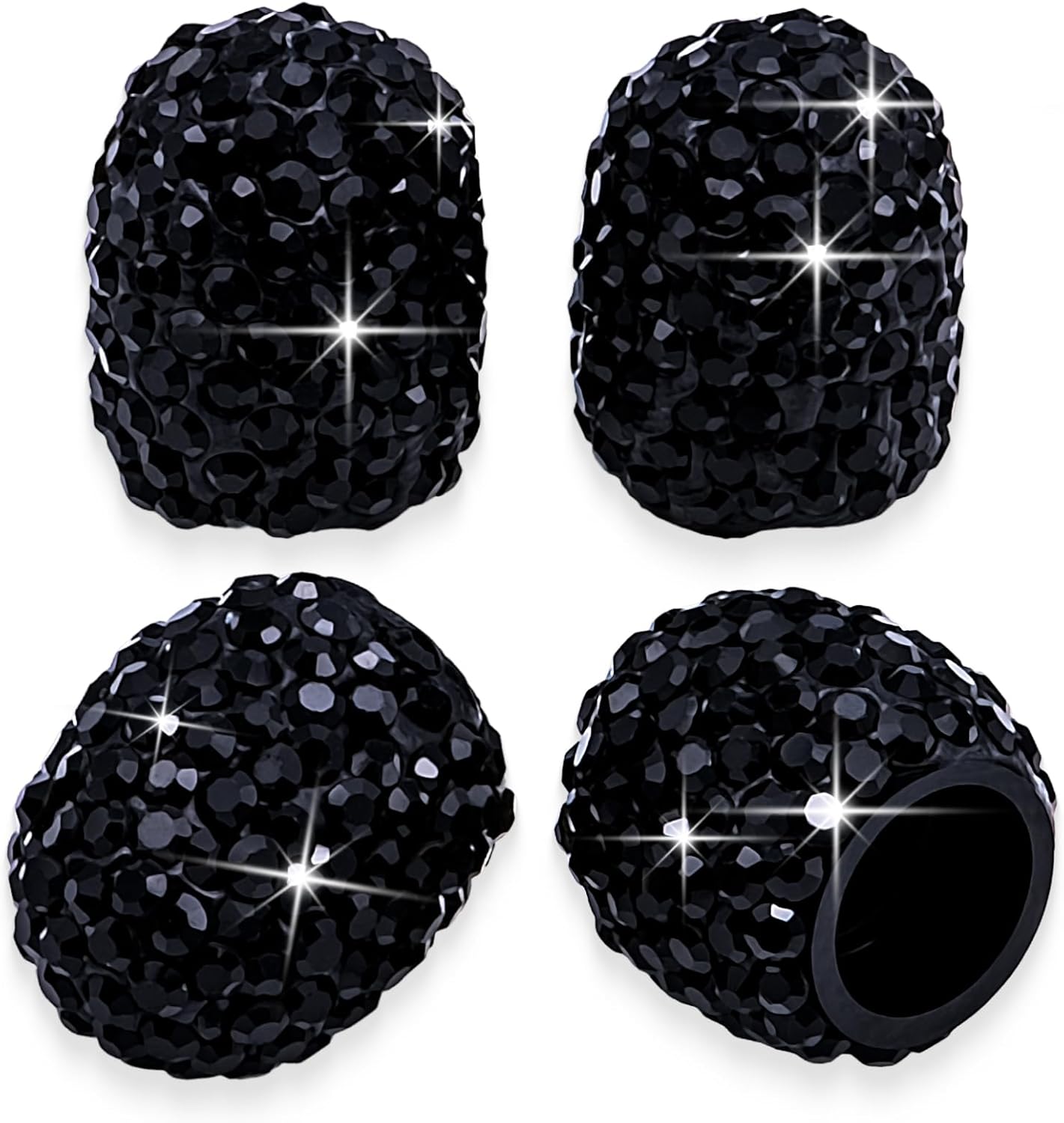
Add a sparkling, diamond-look upgrade to your vehicle with these bling rhinestone tire valve caps. They help protect valve stems from dirt, grime, and dust while offering a smooth, comfortable touch. Suitable for cars, SUVs, trucks, motorcycles, and bicycles, they’re quick to install by hand for an easy custom style.
How to Mount 315 Tires Safely
Mounting a 315 tire safely starts before the tire reaches the machine. First, confirm the wheel width, wheel diameter, load rating, valve stem, TPMS compatibility, and tire model specs. Then have the tire mounted by a trained installer using the correct equipment.
| Step | What to check | Why it matters |
|---|---|---|
| 1 | Exact tire model specs | Confirms real section width, tread width, diameter, and rim range |
| 2 | Wheel width and offset | Prevents bead, handling, and clearance problems |
| 3 | Load index and speed rating | Keeps the tire suitable for the vehicle’s weight and use |
| 4 | Cold inflation pressure | Uses vehicle and tire guidance instead of guessing from sidewall maximums |
| 5 | Clearance after mounting | Catches rubbing before it damages the tire or vehicle |
After mounting, check for rubbing, vibration, uneven bead seating, and abnormal wear. Recheck pressure when the tires are cold. If the vehicle pulls, rubs, shakes, or shows unusual wear, stop driving and have the setup inspected.
[Products Worth Considering]

Malco tire mounting and demounting lubricant is a ready-to-use tire lube formulated to reduce friction during tire installation for passenger cars, light trucks, farm tires, and heavy-duty equipment. It provides rust-inhibiting protection to help reduce corrosion on rims and wheels, and helps support proper tire bead seating during inflation to reduce air leakage. The silicone-free, soap-free formula is whitewall safe to help prevent discoloration on whitewall tires and sensitive sidewall markings.

This 3-piece wheel and tire brush set makes it easy to clean light, medium, and heavy dirt from wheels, rims, tires, and exterior surfaces. It includes both soft and stiff bristle options for gentle scrubbing and tough grime removal, helping lift brake dust and road buildup. The long-handle design supports comfortable cleaning across cars, trucks, SUVs, RVs, motorcycles, and more, with simple care instructions to restore brush shape.

This wheel brush kit delivers pro-level cleaning at home, lifting dirt, grime, and brake dust to help restore wheel appearance. It includes multiple brush styles and applicator pads for tackling different wheel surfaces, with gentle, metal-free bristles designed to reduce scratching risk. The flat and double-ended brushes are built for comfort and reach, making wheel care easier for cars, trucks, and RVs.
How to Calculate a 315 Tire’s Diameter
Width is only one part of tire size. Overall diameter depends on width, aspect ratio, and wheel diameter. Use this formula for a quick estimate:
Overall diameter in inches = ((section width × aspect ratio ÷ 100) × 2 ÷ 25.4) + wheel diameter
For a 315/70R17:
- Sidewall height = 315 × 0.70 = 220.5 mm
- Two sidewalls = 441 mm
- 441 mm ÷ 25.4 = 17.36 inches
- 17.36 + 17-inch wheel = about 34.4 inches overall diameter
That is why many 315/70R17 tires are close to a 35-inch tire in height, even though “315” itself refers to width, not diameter.
Frequently Asked Questions
Is a 315 tire equal to a 35?
No. A 315 tire is not automatically equal to a 35. The number 315 refers to nominal section width in millimeters. A 315/70R17 is about 34.4 inches tall by calculation, so it is often close to a 35-inch tire. A 315/60R15, however, is much shorter at about 30.3 inches in some model specs.
Are 315 tires the same as 33?
No. A 315 tire can be near 33 inches tall in some aspect ratios, but 315 describes width, not height. To know whether a 315 tire is close to a 33, check the full size, such as 315/60R20 or 315/75R16, and compare the manufacturer’s listed overall diameter.
What is the actual size of a 315 tire?
The nominal width is 315 mm, or about 12.4 inches. The actual mounted section width depends on the tire model and measuring rim. Some LT315/70R17 tires list about 12.7 inches of section width, while Mickey Thompson’s P315/60R15 ET Street Radial Pro lists 13.2 inches of section width.
How wide of a wheel do I need for a 315 tire?
Use the approved rim-width range for the exact tire model. Do not rely on the 315 label alone. One LT315/70R17 tire may list an 8–11 inch rim range, while another 315 tire may have different requirements. Check the tire maker’s spec sheet before buying wheels.
Is a 315 tire too wide for daily driving?
Not always. A 315 tire can work on a daily driver if the wheel, suspension, fender clearance, load rating, and alignment are correct. The downsides can include more road noise, heavier steering, reduced wet traction depending on tread design, lower fuel economy, and rubbing if the fitment is too tight.
Conclusion
A 315 tire is about 12.4 inches wide nominally, but the real installed width depends on the tire’s construction and the wheel it is mounted on. The safest answer is to use 12.4 inches for basic conversion, then use the tire manufacturer’s exact section width, tread width, overall diameter, measuring rim, and approved rim-width range before buying.
If you are upgrading to a 315 tire, do not stop at the width number. Confirm wheel width, offset, load rating, inflation guidance, steering clearance, suspension compression, and overall diameter. That is what keeps the tire from rubbing, wearing poorly, or creating handling problems.
Sources
- Michelin — Tire Markings Explained — backs up tire-size code meanings, including nominal section width, aspect ratio, and wheel diameter.
- Tire Rack — How to Determine Tire Section Width — backs up section-width definition and measuring-rim guidance.
- Tire Rack — How to Calculate Tire Dimensions — backs up nominal diameter calculations and rim-width effect on section width.
- Mickey Thompson — ET Street Radial Pro Specs — backs up P315/60R15 section width, tread width, measuring rim, and diameter example.
- NHTSA TireWise — backs up tire pressure and safety guidance using the vehicle placard and manufacturer recommendations.

