
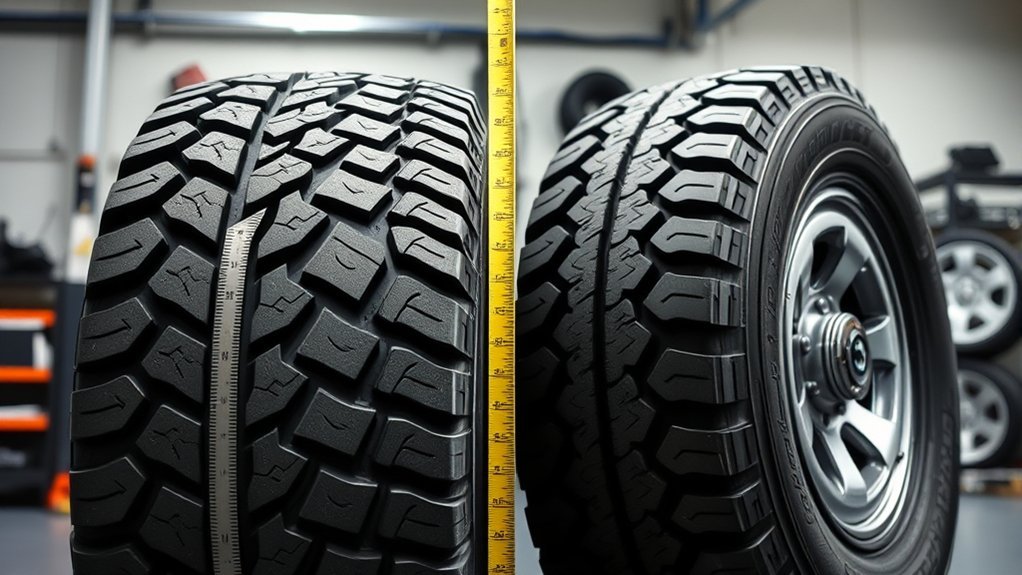
No, a 315 tire is not automatically the same as a true 35-inch tire. The number 315 usually refers to section width in millimeters, while 35 refers to a nominal overall tire diameter in inches. The common comparison is 315/70R17 vs. 35×12.50R17, and those two sizes are close, but not identical. A 315/70R17 calculates to about 34.4 inches tall, while many 35×12.50R17 tires measure around 34.5 to 34.8 inches depending on the brand, tread, load range, and measuring rim.
Quick Answer
A 315 tire is not the same thing as a 35-inch tire because 315 describes width, not height. A 315/70R17 is roughly 34.4 inches tall, while a 35×12.50R17 often measures about 34.5 to 34.8 inches. Always compare the exact manufacturer specs before buying.
Key Takeaways
- A 315 tire is not automatically a 35-inch tire because 315 is a metric width number.
- A 315/70R17 calculates to about 34.4 inches tall and about 12.4 inches wide.
- A 35×12.50R17 is a flotation-style size that names approximate diameter first and width second.
- Actual tire height varies by manufacturer, tread design, load range, rim width, and inflation pressure.
- Before you buy, compare overall diameter, section width, approved rim width, load index, max load, max PSI, and vehicle clearance.
Are 315 Tires the Same as 35-Inch Tires?
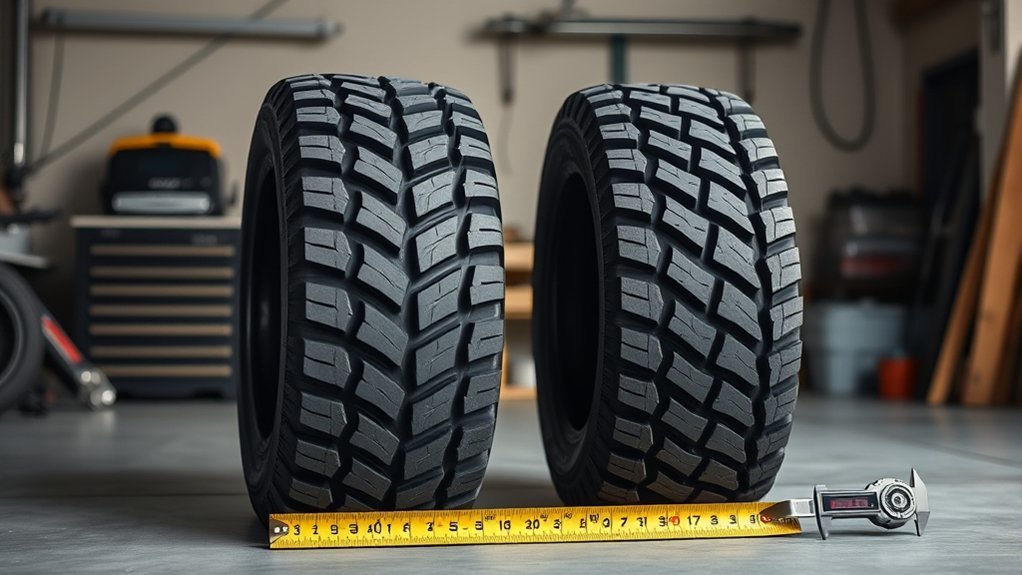
No, a 315 tire is not the same as a 35-inch tire. You are comparing two tire-sizing systems. In a metric size such as 315/70R17, 315 is the nominal section width in millimeters, 70 is the aspect ratio, and R17 means the tire fits a 17-inch wheel. In a flotation size such as 35×12.50R17, 35 is the nominal overall diameter in inches, 12.50 is the nominal width in inches, and R17 is the wheel diameter.
That difference matters because “315” alone does not tell you the tire’s height. A 315/70R17 is much taller than a 315/35R20 because the aspect ratio changes the sidewall height. For the common off-road size 315/70R17, the calculated diameter is about 34.36 inches, which most shoppers round to about 34.4 inches. Current 315/70R17 spec examples from tire makers and retailers also land near that number.
For example, the Nitto Recon Grappler A/T size chart lists its 315/70R17 and LT315/70R17 sizes at 34.41 inches overall diameter, while the 35×12.50R17LT version is listed at 34.53 inches. That makes them close in real-world height, but not exact matches.
Note: Many drivers casually call a 315/70R17 a “35,” especially on trucks, Broncos, Wranglers, and overland builds. That shortcut is common, but the spec sheet is what matters for clearance, gearing, speedometer accuracy, load capacity, and ride quality.
How Do 315s Convert to 35s?
A 315 tire does not convert to a 35-inch tire one-to-one. You need the full metric size, not just the first number. The basic formula for a metric tire is:
Overall diameter = wheel diameter + 2 × sidewall height. For 315/70R17: 17 + 2 × (315 × 0.70 ÷ 25.4) = about 34.36 inches.
That means a 315/70R17 is roughly 12.4 inches wide and 34.4 inches tall by calculation. A 35×12.50R17 is built around a nominal 35-inch diameter and 12.5-inch width, but most real 35-inch tires measure slightly under the label once you check the manufacturer’s published dimensions.
The difference is usually small between 315/70R17 and 35×12.50R17, but it can still affect rubbing, spare-tire fit, wheel-well clearance, gearing, and speedometer readings. Use a calculator such as the Discount Tire tire size calculator to compare diameter, circumference, revolutions per mile, and speedometer change. Then confirm the same size on the exact tire model’s spec sheet.
315/70R17 vs 35×12.50R17 at a Glance
Size Comparison
| Spec | 315/70R17 | 35×12.50R17 |
| Sizing system | Metric tire size | Flotation tire size |
| What the first number means | 315 mm nominal section width | 35-inch nominal overall diameter |
| Calculated / typical diameter | About 34.4 inches for 315/70R17 | Often about 34.5 to 34.8 inches, depending on model |
| Typical width | About 12.4 inches by conversion; actual specs vary | About 12.5 inches nominal; actual specs vary |
| Best way to compare | Check the exact model’s overall diameter, width, load index, and rim range | Check the exact model’s published specs, not just the “35” label |
[Products Worth Considering]

The SAFELIFE dial tire tread depth gauge measures tread depth in 1/32 inch increments with clear, easy-to-read 2-inch dial face. Color zones using a traffic light system help you quickly judge whether tread is low, marginal, or ample for safer driving. Built with a durable zinc cast body and a metal detect probe for precise, comfortable use across cars, motorcycles, trucks, and buses.
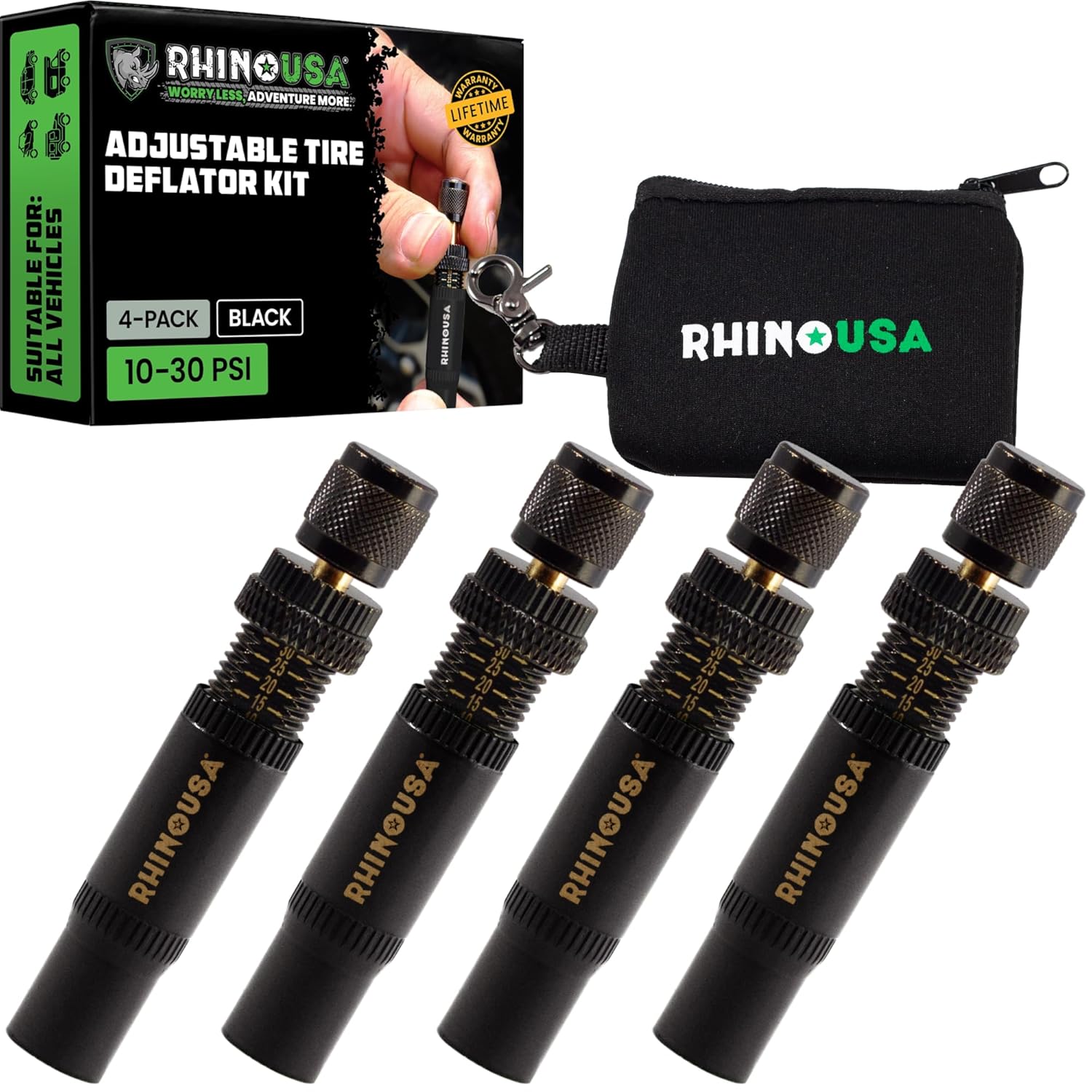
Use the Rhino USA adjustable tire deflators to air down all four tires at once by screwing one deflator onto each valve stem, letting you step away while the tires reach your preset pressure. Each deflator independently adjusts across a 10–30 PSI range with laser-etched indicators for quick setup and verification, making it ideal for beach, sand, and rocky off-road trails.

Keep your tires properly inflated with this analog VONDIOR tire pressure gauge, designed for fast, easy readings without batteries. The swiveling, two-axis hose and large glow dial help you measure at any tire angle with instant visibility. Built with a protective rubber shield, it supports durable, low-maintenance use for cars and trucks.
Why Do 315s and 35s Measure Differently?
315s and 35s measure differently because they come from different naming systems. The 315/70R17 format starts with section width, then gives the sidewall ratio, then gives wheel diameter. The 35×12.50R17 format starts with approximate tire height, then gives approximate tire width, then gives wheel diameter.
You also need to separate section width from tread width. Section width measures the widest sidewall-to-sidewall distance on a specified rim. Tread width is the part of the tire that contacts the road or trail. Two tires can both say 12.5 inches wide and still have different tread widths, shoulder shapes, sidewall bulges, and mounted appearance.
Manufacturers also measure tires on specific rim widths, and the same tire can change slightly when mounted on a narrower or wider wheel. That is why a spec sheet may list approved rim width, measuring rim width, overall width, tread width, and overall diameter separately. If you only compare the sidewall label, you can miss the details that decide whether the tire fits cleanly.
How Do Load Ratings, PSI, and Ride Quality Compare?
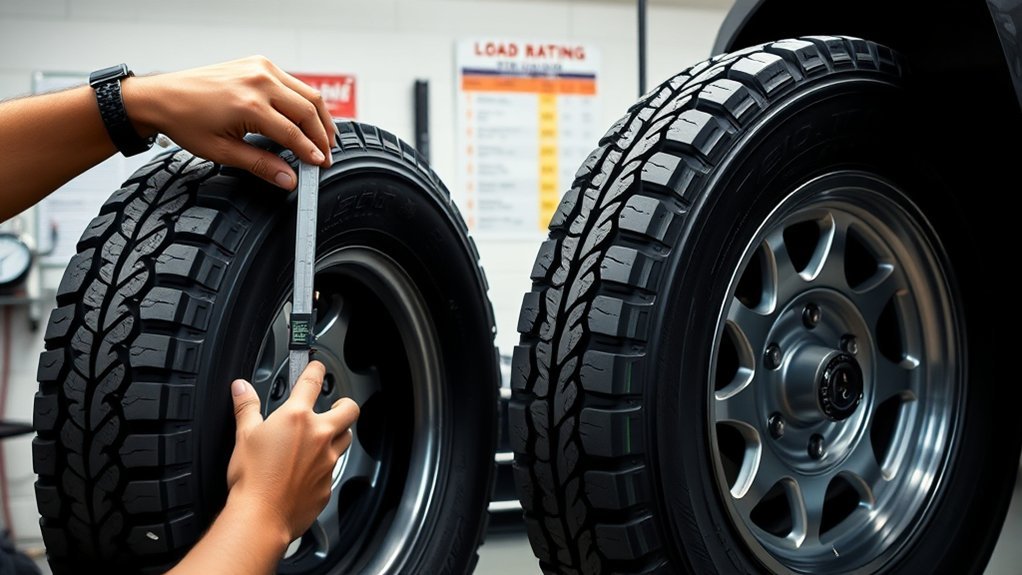
Load rating, PSI, and ride quality do not depend on “315” or “35” alone. They depend on the exact tire’s load index, load range, construction, sidewall design, and max load at a stated pressure. One 315/70R17 may be built for a lighter factory off-road SUV setup, while another LT315/70R17 may be a heavier-duty E- or F-range tire for trucks and towing.
The same applies to 35-inch tires. Some 35×12.50R17 tires use a more compliant load range, while others use heavier-duty construction. For example, Tire Rack’s BFGoodrich All-Terrain T/A KO3 specs list LT315/70R17 options with different load ranges and PSI ratings. That shows why you should compare exact specs instead of assuming every 315 rides softer or every 35 carries more load.
[Products Worth Considering]

This professional wheel and rim brush kit makes it easy to lift brake dust, grime, and dirt from wheels and tires without scratching finishes. The brushes feature soft, metal-free wool heads and a flexible 360-degree rim brush design for reaching hard-to-clean areas. Includes multiple brush types plus accessories for thorough car, motorcycle, and general vehicle detailing.

This metal-free wheel and tire cleaning brush uses dense, fluffy synthetic wool to safely clean rims, spokes, fenders, and engine areas without worrying about damaging surfaces. Its flexible, comfortable design helps you reach detailed areas while maintaining durability, and the extra absorbent fibers work well with wheel spray cleaners for faster cleanup. Reusable and washable performance helps prevent grime and build-up for cleaner vehicles and easier maintenance at home.

Upgrade your 2024-2026 Tesla Model 3 Highland with REEVAA all-weather mud flaps designed for seamless fit along the original body lines. The set of four delivers strong splash protection against mud, gravel, and road debris while using OEM-grade durable materials. Installation is non-destructive with original hole positions and snap-in clips, and the aerodynamic design helps minimize impact on efficiency.
Load Rating Differences
Load index tells you how much weight the tire can carry at its rated pressure. Load range gives a construction category, such as C, D, E, or F, but it is not a direct “comfort score.” A higher load range often means a stronger, stiffer tire, yet the actual ride also depends on sidewall design, tire weight, tread pattern, inflation pressure, and vehicle weight.
If you tow, haul, add steel bumpers, carry tools, or run a rooftop tent, do not choose only by size. Match the tire’s load capacity to your real vehicle weight and use the tire maker’s load-inflation data or a professional installer’s guidance.
PSI and Capacity
Maximum PSI on the tire sidewall is not the pressure you should automatically run every day. It is the tire’s maximum cold inflation pressure for its rated load. Your normal pressure should come from the vehicle placard, owner’s manual, or a correct load-inflation adjustment when you change tire size and load range.
Warning: Do not inflate a 315 or 35-inch tire just because the sidewall shows a high max PSI. Overinflation can reduce ride comfort and traction, while underinflation can build heat and damage the tire. Check pressure cold, follow the vehicle placard when appropriate, and ask a qualified tire shop for load-inflation guidance after major tire-size changes.
Ride Quality Tradeoffs
Ride quality usually changes when you move to a heavier tire, a stiffer sidewall, or a higher load range. A lighter 315/70R17 can feel smoother than a heavy 35×12.50R17, but that is not a rule. A 35-inch tire with a more compliant construction may ride better than a very heavy LT315 tire.
For daily driving, compare tire weight, tread pattern, load range, and your target cold PSI. For trail use, compare sidewall strength, bead protection, tread depth, and how the tire behaves when aired down. The better tire is the one that matches your vehicle, load, and terrain.
Which Tire Is Better for Highway or Off-Road Use?
For highway driving, a 315/70R17 can be a good choice when it gives you the height you want without adding as much weight or width as some 35×12.50R17 options. Less tire weight can help steering feel, braking response, fuel economy, and road noise. Still, tread design matters more than size alone. A quiet all-terrain 35 may ride better than an aggressive mud-terrain 315.
For off-road use, a true 35-inch tire can give slightly more ground clearance if its actual diameter is taller. A wider 35×12.50 tire can also add flotation in sand and snow when aired down correctly. On rocks, mud, and mixed trails, tread design, sidewall strength, tire pressure, wheel width, and driver technique often matter more than the small diameter difference between a 315/70R17 and a 35×12.50R17.
[Products Worth Considering]

Vigorder rubber cement glue delivers superior adhesion and cures quickly within about 30 seconds for seamless rubber bonding. Once cured, it helps provide a strong, durable, waterproof seal that holds up to vehicle weight, pressure, and heat. Suitable for cars, motorcycles, trucks, bicycles, and off-road tires, it’s designed for emergency patch and maintenance repairs.

The Topeak SmartGauge D2 delivers precise digital tire pressure readings for bikes, motorcycles, and sports equipment up to 250 psi (17 bar). Its rotating SmartHead works with both Presta and Schrader valves, so you can check pressure quickly without adapters. The LCD display makes it easy to read results in psi, bar, or kg/cm² with an included CR2032 battery for immediate use.

ETENWOLF’s tire pressure gauge helps you quickly and accurately check tire PSI across cars, trucks, motorcycles, bikes, and more. It’s manually calibrated to ANSI B40.1 Grade A for reliable readings, includes a large glow dial for easy nighttime viewing, and features a 360-degree swivel chuck for use at any valve angle. The gauge also works consistently in extreme hot or cold weather.
Highway Ride Quality
On the highway, look for predictable handling, reasonable tire weight, good wet traction, and a load range that fits your vehicle. If your current wheels and suspension already clear a 315/70R17 with no rubbing, moving to a wider 35×12.50R17 may require more checking around the upper control arms, fender liners, pinch welds, bumper corners, and spare-tire carrier.
You should also think about speedometer accuracy. A taller tire travels farther per revolution, so your speedometer may read low unless the vehicle is recalibrated. The difference between a 34.4-inch 315 and a 34.5-inch 35 is small, but the difference from your original factory tire may be much larger.
Off-Road Traction Tradeoffs
Off-road traction depends on more than diameter. A taller tire can improve ground clearance under the axles, and a wider tire can increase flotation on soft surfaces. However, wider is not always better. Narrower tires can cut through slush, mud, or loose soil better in some conditions, while wider tires can float better in sand or deep snow.
If your build sees mixed use, a 315/70R17 often gives a strong balance of height, width, and drivability. If you want maximum trail clearance and your vehicle can clear the tire without rubbing, a 35×12.50R17 may be the better fit. Always check full-lock steering, suspension compression, spare fitment, and wheel offset before you commit.
Pro Tip: Compare the exact tire model in both sizes when possible. A 315/70R17 and a 35×12.50R17 from the same tire line can differ in weight, tread depth, load range, approved rim width, and max load even when their diameters look almost identical.
How Do You Compare Tire Specs Before Buying?
To compare tire specs before buying, look beyond the size label. Start with the full size, then check the manufacturer’s published specs for the exact tire model. A tire calculator is helpful, but it should not replace the spec sheet.
- Check the full size: “315” alone only tells you width. A 315/70R17, 315/75R16, and 315/35R20 are very different tires.
- Compare actual diameter: A 315/70R17 is about 34.4 inches by calculation, but real specs can vary slightly by tire line.
- Compare width: Check section width, tread width, and approved rim width, not just the sidewall label.
- Check load index and load range: Make sure the tire can safely support your vehicle, cargo, accessories, and towing needs.
- Review max load at PSI: Do not confuse sidewall maximum PSI with your normal daily driving pressure.
- Check clearance: Look at fenders, control arms, bumper corners, mud flaps, body mounts, and the spare location.
- Think about gearing: Taller tires can reduce engine RPM at speed, but they can also make acceleration feel slower without recalibration or gear changes.
- Confirm with a tire shop: This matters most if you changed wheels, lift height, offset, payload, or suspension parts.
The safest choice is not always the biggest tire. It is the tire that fits your wheels, clears your vehicle, carries the load, works with your pressure target, and suits the way you actually drive.
Frequently Asked Questions
What is the difference between 315 and 35 tires?
A 315 tire uses metric sizing, and the 315 number means the tire is about 315 millimeters wide. A 35 tire uses flotation sizing, and the 35 number refers to nominal overall diameter in inches. That is why 315 and 35 do not describe the same measurement.
What size tire is a 315 equal to?
A 315 tire is about 12.4 inches wide because 315 millimeters equals about 12.4 inches. For height, you need the full size. A 315/70R17 calculates to about 34.4 inches tall, while other 315 sizes can be much shorter or taller.
Are 315/70R17 and 35×12.50R17 the same?
No, they are not exactly the same, but they are close in many tire lines. A 315/70R17 is about 34.4 inches tall by calculation. Many 35×12.50R17 tires measure around 34.5 to 34.8 inches tall depending on the manufacturer and model.
What tire size is equal to a 35?
A 35×12.50R17 is the direct flotation-size version of a 35-inch tire for a 17-inch wheel. In metric sizing, 315/70R17 is one of the closest common matches, but it is still not exact. Always compare the actual overall diameter on the spec sheet.
Is a 315 tire wider than a 35×12.50 tire?
Not usually by the label. A 315 mm tire converts to about 12.4 inches wide, while a 35×12.50 tire is nominally 12.5 inches wide. Actual mounted width can change by tire model, rim width, sidewall shape, and measuring method.
Should I run the max PSI shown on a 315 or 35-inch tire?
No, not automatically. The sidewall max PSI is the tire’s maximum cold inflation pressure for its rated load. Your normal pressure should follow the vehicle placard or a correct load-inflation adjustment for your tire size, load range, and vehicle weight.
Conclusion
A 315 tire and a 35-inch tire are close in some common off-road sizes, but they are not the same measurement. The number 315 describes metric section width, while 35 describes nominal overall diameter in inches. If you mean 315/70R17 vs. 35×12.50R17, the two sizes are usually close enough to compare, but the exact answer depends on the tire model.
Before you buy, check the actual overall diameter, section width, tread width, approved rim width, load index, load range, max load, and PSI rating. Then confirm clearance on your specific vehicle. That simple spec check helps you avoid rubbing, speedometer issues, poor ride quality, and load-capacity mistakes.
Sources
- Discount Tire: 315/70R17 tire size explanation — backs up section width, aspect ratio, rim size, load index, and load range definitions.
- Discount Tire Tire Size Calculator — backs up diameter, circumference, revolutions-per-mile, and speedometer comparison guidance.
- Nitto Recon Grappler A/T Specs — backs up real 315/70R17 and 35×12.50R17 published diameter, width, load, PSI, and rim-width examples.
- Tire Rack: BFGoodrich All-Terrain T/A KO3 specs — backs up model-specific load range, max load, PSI, and diameter variation.
- Tire Rack: What Is Maximum Load For A Tire? — backs up load range and maximum load/pressure context.
- NHTSA TireWise — backs up tire maintenance and monthly pressure-check safety guidance.
