No, a 315 tire is not exactly the same as a 35-inch tire, but a common 315/70R17 is very close to a 35×12.50R17 in real-world size. The important detail is that “315” describes tire width in millimeters, while “35” describes the tire’s nominal overall diameter in inches. On many light-truck tires, the actual mounted difference is less than half an inch, but brand, load range, rim width, and tread design can change the final fit.
Quick Answer
A 315/70R17 and a 35×12.50R17 are close, but they are not identical. A 315/70R17 is a metric size that works out to about 34.4 inches tall by calculation, while many 35×12.50R17 tires measure in the mid-34-inch range when mounted. Always compare the exact manufacturer specs before buying.
Key Takeaways
- A 315 tire is a metric-width tire; a 35-inch tire is usually a flotation-size tire.
- A 315/70R17 calculates to about 34.36 inches tall before manufacturer variation.
- A 35×12.50R17 is nominally 35 inches tall, but many real specs measure closer to 34.5 to 34.8 inches.
- Width is close, but not identical. A 315 mm tire is about 12.4 inches nominally, while 35×12.50 lists a 12.5-inch nominal width.
- Load range is not automatic. Some 315s and 35s share the same load range, while others do not.
- Fitment depends on diameter, section width, wheel offset, backspacing, rim width, suspension travel, and the tire maker’s actual spec sheet.
Are 315 Tires the Same as 35-Inch Tires?
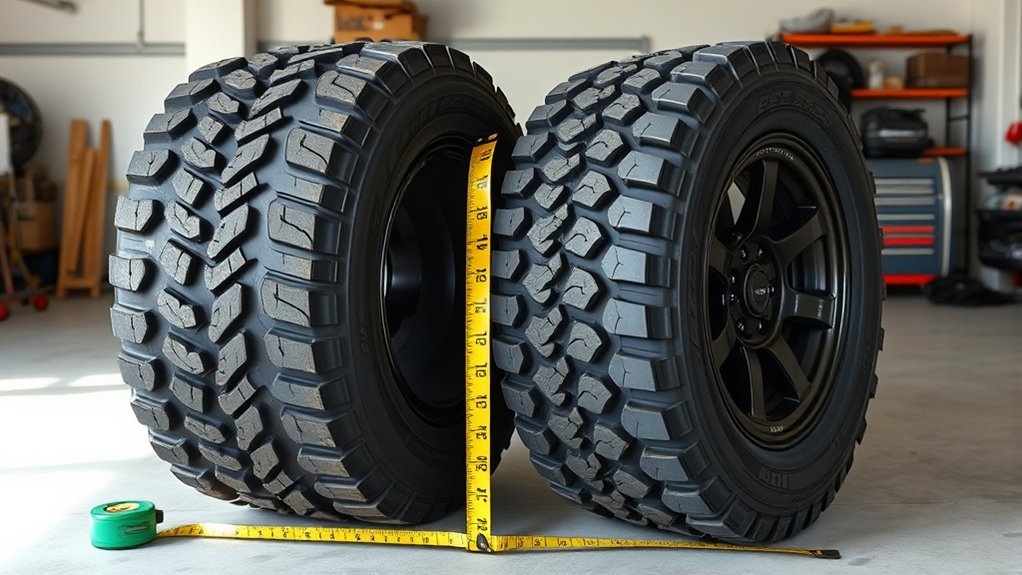
Not exactly. A 315/70R17 and a 35×12.50R17 can look almost the same on a truck, but the numbers describe the tire in different ways. In a metric size such as 315/70R17, 315 is the section width in millimeters, 70 is the aspect ratio, and 17 is the wheel diameter. That makes the calculated diameter about 34.36 inches:
315 × 0.70 × 2 ÷ 25.4 + 17 = about 34.36 inches
A 35×12.50R17 uses a different system. The first number, 35, is the nominal overall tire diameter in inches. The second number, 12.50, is the nominal section width in inches. The R17 means it is a radial tire for a 17-inch wheel.
That means a 315/70R17 is not a “33-inch tire.” It is much closer to a 35 than a 33, although it may still be slightly shorter than a 35×12.50R17 in the same tire line.
How 315s Compare to 35s
The cleanest way to compare these sizes is to use real manufacturer specs, not the sidewall name alone. For example, Nitto’s Ridge Grappler spec chart lists the LT315/70R17 at 34.41 inches overall diameter and 12.72 inches overall width. The same chart lists the 35×12.50R17LT at 34.76 inches overall diameter and 12.52 inches overall width.
| Size Example | Overall Diameter | Overall Width | Load / Pressure Example |
| LT315/70R17 E | 34.41 in | 12.72 in | 3,195 lbs @ 65 psi |
| 35×12.50R17LT E | 34.76 in | 12.52 in | 3,195 lbs @ 65 psi |
In that example, the 35×12.50R17 is only about 0.35 inch taller than the LT315/70R17. Since tire radius is half the diameter, the extra ground clearance is only about 0.18 inch. On another tire model, the gap may be different, so the sidewall size is only a starting point.
Why Tire Size Varies by Brand
Even when two tires share the same nominal size, they do not always measure the same. Manufacturers use different molds, tread depths, sidewall shapes, casing designs, and measuring rim widths. That changes the final overall diameter and section width.
BFGoodrich notes that published tire sizes are average design values and that some tires may vary from those values. It also notes that section width changes when rim width changes. That is why one brand’s 315/70R17 may look slightly wider or taller than another brand’s 315/70R17, even though the sidewall size is identical.
Note: Always compare the tire maker’s published overall diameter, section width, approved rim width range, load index, load range, and maximum inflation pressure. Do not rely only on the sidewall shorthand.
315 Vs 35 Tire Width and Clearance
A 315 tire and a 35×12.50 tire are close in width, but they are not guaranteed to clear the same parts of your vehicle. A 315 mm tire is about 12.4 inches wide by the nominal metric label. A 35×12.50 tire lists a 12.5-inch nominal width. In real specs, either one can end up wider depending on the tire model and the rim used for measurement.
Width Measurement Differences
Width can confuse people because metric and flotation labels use different systems. A 315/70R17 lists width first, in millimeters. A 35×12.50R17 lists overall diameter first, then width in inches. That means “315” and “35” are not competing measurements. You are comparing a width number to a height number.
For fitment, focus on the actual section width, not just the label. Section width affects rubbing against control arms, sway bars, inner fenders, fender liners, and body mounts. Rim width also matters because a wider rim can spread the tire and increase section width.
Clearance and Fitment
Clearance is where small differences become noticeable. A tire that is only a little taller or wider can rub during full steering lock, suspension compression, or off-road articulation. You should check:
- front and rear fender clearance
- inner liner clearance at full lock
- control arm and sway bar clearance
- body mount clearance on trucks and SUVs
- wheel offset and backspacing
- approved rim width range for the tire
- suspension lift, bump-stop setup, and real trail articulation
A 315/70R17 may be easier to fit than some 35×12.50R17 tires, but that is not guaranteed. In some tire lines, the 315 can actually be slightly wider. Use the tire’s spec chart before deciding.
Load Ratings for 315s and 35s
Load rating is one of the most important details to check because it affects carrying capacity, air pressure, ride feel, and safety. Do not assume every 315 is C-rated or every 35 is E-rated. The exact load range depends on the tire model and size.
The load index tells you how much weight a tire is certified to carry at maximum safe inflation. The load range, such as C, D, E, or F, relates to the tire’s strength, pressure capacity, and intended use. A higher load range can support heavier work, but it may also ride firmer on a lighter vehicle.
C Vs E Load
A C-load tire often feels more compliant on a lighter Jeep, SUV, or daily-driven truck. An E-load tire is usually built for higher pressure and heavier loads. That added strength can help with towing, payload, sharp rocks, and heavy overlanding gear, but it can also add weight and stiffness.
| Load Range | Best Fit | Common Tradeoff |
| C | Lighter rigs, daily driving, moderate trails | Usually softer, but lower heavy-load capacity |
| E | Towing, payload, heavier trucks, rougher use | Stronger support, but firmer ride |
Load Capacity Differences
Load capacity is not controlled by the 315 or 35 label alone. For example, one manufacturer may sell a 315/70R17 in E load range, while another may offer a different load range in a similar size. The safest method is to compare the exact tire’s load index and max load rating against your axle weight, payload, towing needs, and vehicle placard.
Warning: Never choose tire pressure by guessing or by copying another driver’s setup. NHTSA says the correct tire size and cold inflation pressure should come from the vehicle owner’s manual or Tire and Loading Information Label. If you change tire size or load range, have a tire professional confirm the correct pressure and load capacity.
Ride Quality Impact
Ride quality changes because larger and heavier tires add rotating mass. A heavier tire can slow acceleration, increase braking distance, affect steering feel, and reduce fuel economy. A stiffer load range can also make the ride harsher if the vehicle is light and the tire is inflated too high for the load.
For a daily driver, the best tire is not always the strongest tire. It is the tire that matches your real vehicle weight, driving style, terrain, and pressure needs.
Which Tire Fits Your Driving Style?
Which tire fits your driving style depends on where you drive most often and how much load your vehicle carries. A 315/70R17 can be a smart choice when you want near-35-inch size with slightly less height in many tire lines. A 35×12.50R17 can be better when you want the widest tire availability, a more traditional off-road size, or a specific tread model that is only offered in flotation sizing.
- Daily commute: Choose the lighter, better-fitting option with the load rating your vehicle actually needs.
- Weekend trails: Either size can work if clearance, pressure, and load range are right.
- Rocks, ruts, and deep mud: The slightly taller tire may help, but traction and tread design matter more than the label.
- Towing or heavy payload: Prioritize load index, load range, and correct inflation over appearance.
Pro Tip: Before ordering, compare the actual overall diameter, overall width, tread width, approved rim range, tire weight, and load rating for the exact tire model. Two tires with nearly identical sidewall labels can fit differently on the same truck.
[Products Worth Considering]

Keep your tires properly inflated with this analog VONDIOR tire pressure gauge, designed for fast, easy readings without batteries. The swiveling, two-axis hose and large glow dial help you measure at any tire angle with instant visibility. Built with a protective rubber shield, it supports durable, low-maintenance use for cars and trucks.

Protect your spare wheel with a waterproof, dustproof tire cover made to resist sun and harsh weather. The elastic band design makes it easy to install and remove without tools, while reinforced stitching helps it keep its shape. Available in multiple sizes, it fits common RV, trailer, Jeep, SUV, and truck spare tires.

This manual duck head tire changer kit makes tire installation and removal simpler by letting you embed the duck head into the tire with applied pressure. The integrated design and durable steel construction help reduce friction and improve efficiency and safety during use. Suitable for 16–21 inch wheels, it’s convenient for cars, trucks, SUVs, and ATV tires, with 24-hour after-sales support.
315 Vs 35 Tire Performance
On the road, a 315/70R17 and a 35×12.50R17 can feel very similar if they share the same tread pattern, load range, tire pressure, and wheel setup. The differences show up in small ways:
- Speedometer reading: A taller tire makes the vehicle travel farther per wheel rotation, so the speedometer may read slightly low.
- Gearing: A taller and heavier tire can make the vehicle feel slower, especially with stock axle gears.
- Braking: Extra tire weight can increase braking effort and stopping distance.
- Clearance: More diameter can improve axle clearance, but only by half the diameter increase.
- Steering feel: More width and weight can make steering heavier.
- Fuel economy: Heavier tires and aggressive tread can reduce mpg.
If you are moving from a smaller factory tire to either of these sizes, the jump may matter more than the difference between 315 and 35. Check fitment guides for your vehicle, test steering lock, and confirm that your spare location can hold the new size.
Best Brands for 315s and 35s
The best brand depends on how you use the vehicle. Instead of choosing by size alone, compare tread type, sidewall strength, snow rating, road noise, wet braking, tire weight, and warranty. Popular all-terrain and hybrid-terrain options in 315/70R17 and 35×12.50R17-type sizes often include Nitto Ridge Grappler, BFGoodrich All-Terrain T/A KO2 or KO3, Falken Wildpeak, Toyo Open Country, Goodyear Wrangler, and General Grabber models.
For street and trail use, choose an all-terrain or hybrid-terrain tire with balanced road manners. For mud, rocks, and harder trail use, a more aggressive mud-terrain or hybrid tread may be worth the added noise and weight. For snow, look for the three-peak mountain snowflake symbol when winter traction matters.
[Products Worth Considering]
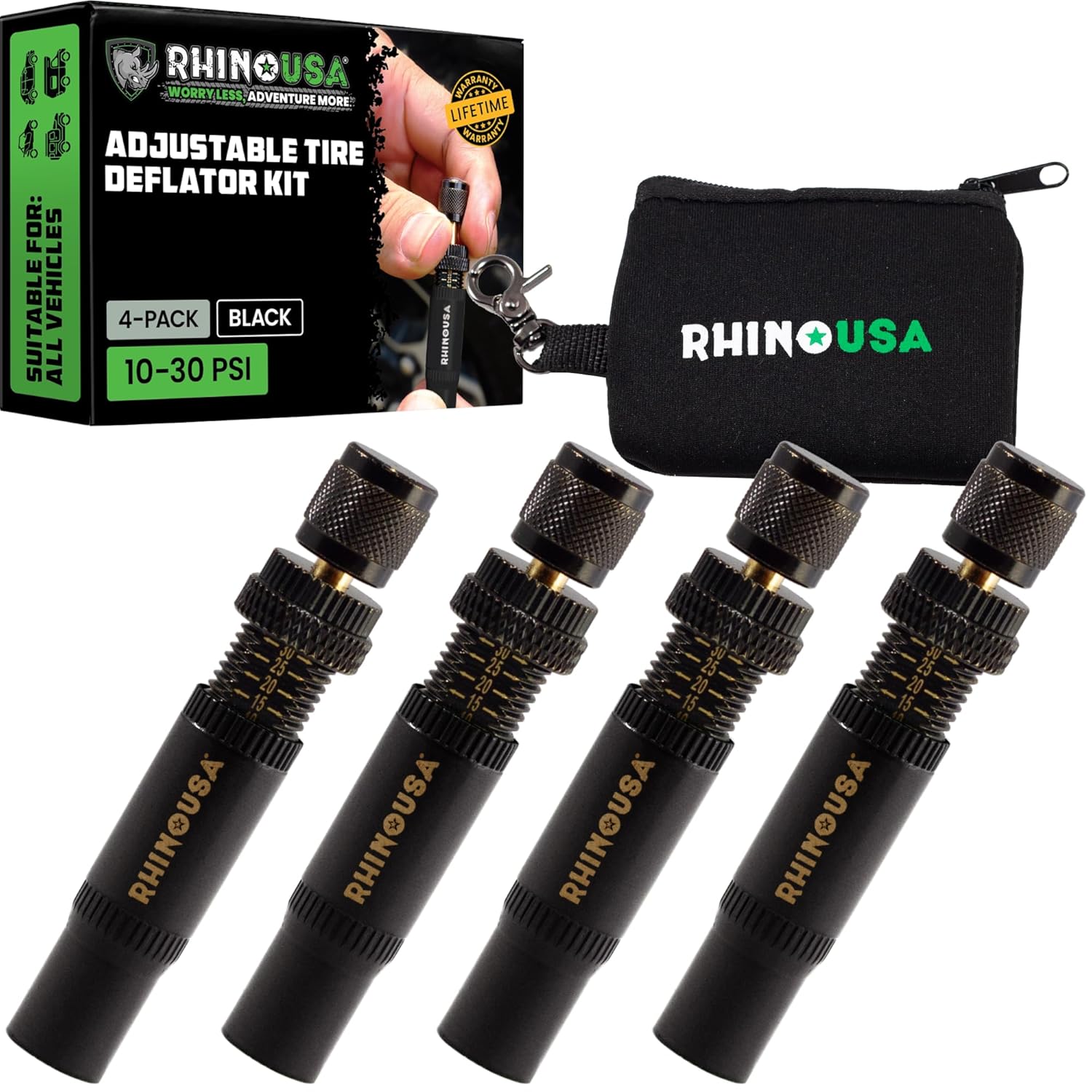
Use the Rhino USA adjustable tire deflators to air down all four tires at once by screwing one deflator onto each valve stem, letting you step away while the tires reach your preset pressure. Each deflator independently adjusts across a 10–30 PSI range with laser-etched indicators for quick setup and verification, making it ideal for beach, sand, and rocky off-road trails.

Replace worn or missing TPMS sensors with a pre-programmed 4-pack designed for compatible GM vehicles. These 315MHz sensors provide real-time tire pressure monitoring and alert you if pressure is too high, too low, or if a rapid air leak occurs. Most installations are ready with minimal relearn effort after mounting, helping improve safety and driving confidence.

Replace worn pool cleaner tires with this all-purpose C10 tire set made to fit compatible Polaris automatic pool cleaners. The tires are designed for maximum traction while helping protect your pool finish, and they match Polaris OEM size and material. Each pack includes three new tires in sealed bags.
Fitment Checklist Before You Buy
Before choosing between 315s and 35s, run through this checklist:
- Confirm your wheel diameter, width, offset, and backspacing.
- Check the tire’s approved rim width range.
- Compare actual overall diameter and section width from the manufacturer.
- Confirm load index and load range match your vehicle weight and use.
- Check full-lock steering clearance on both sides.
- Check fender liner, bumper, mud flap, and body mount clearance.
- Account for suspension compression and off-road articulation.
- Confirm the spare tire location can hold the tire.
- Recheck speedometer and gearing impact after installation.
- Set cold inflation pressure based on vehicle load and professional guidance.
[Products Worth Considering]

Secure a full-size spare on your trailer with this powder-coated steel spare tire mount bracket. It fits most 4-, 5-, and 6-lug wheel bolt patterns and mounts to trailer tongues up to 4 in wide and 5 in tall. Built for reliable carry with a max 150 lb load rating and includes zinc-plated hardware for straightforward installation.
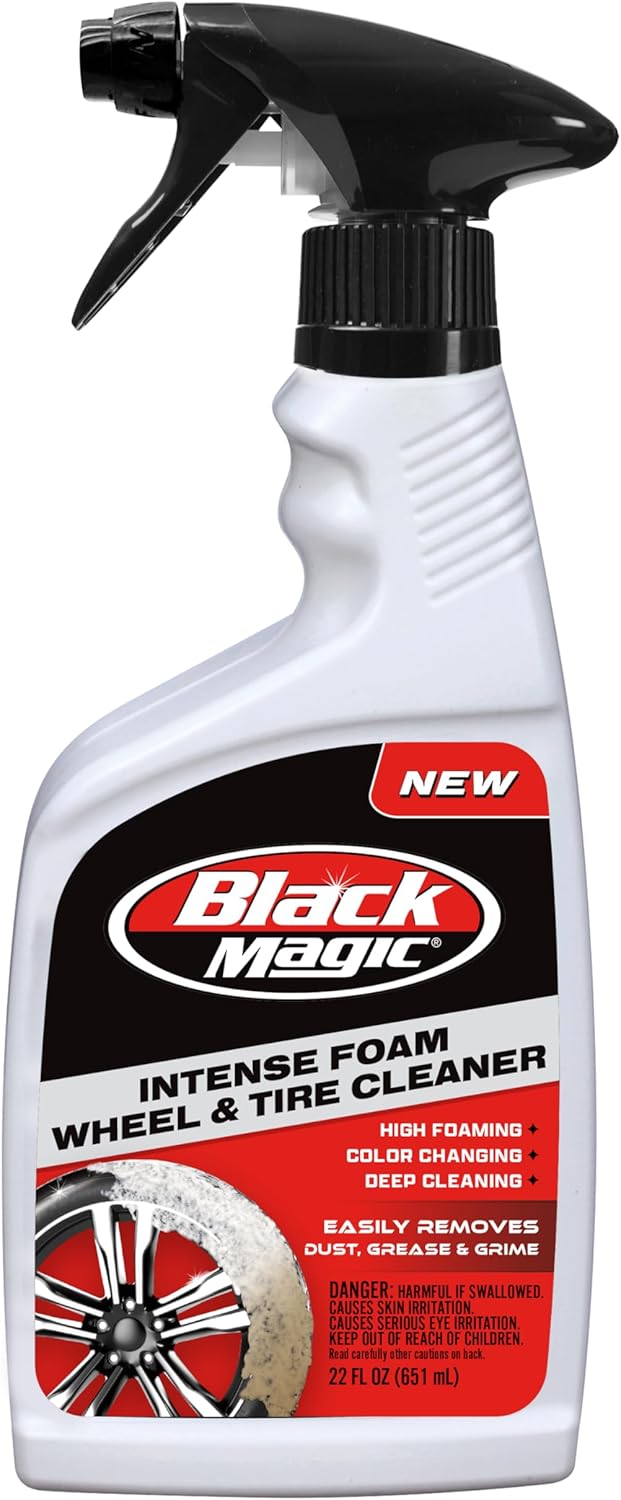
Black Magic Intense Foam Wheel & Tire Cleaner uses a high-foaming action to lift away dirt, grime, and brake dust without scrubbing. The color-changing formula helps show contaminants being dissolved as foam turns from white to brown. Safe for all wheel types and even wheel wells, it leaves a like-new, slick finish with a fresh cherry scent.
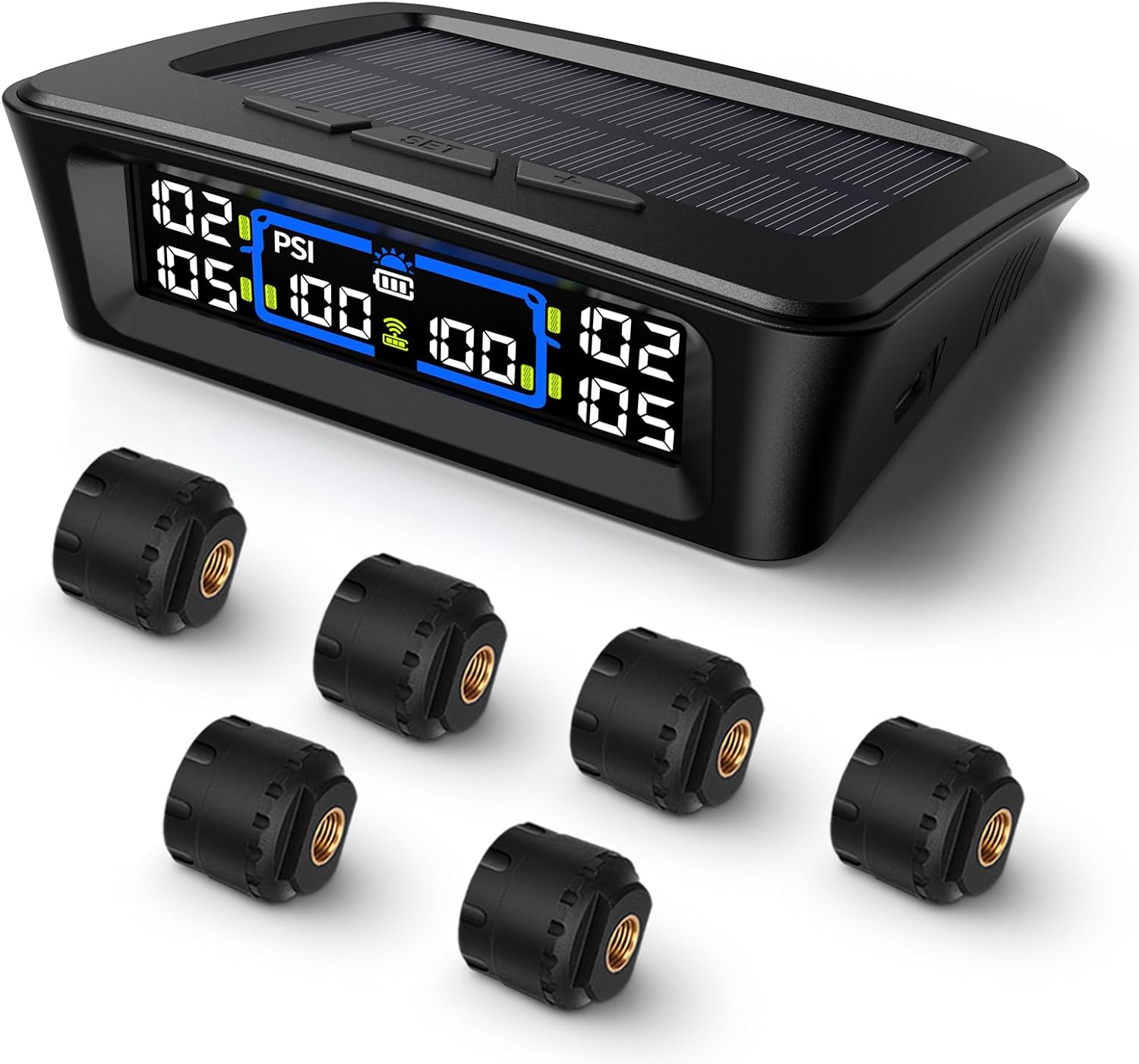
The Tymate TM12 RV TPMS delivers real-time tire pressure and temperature monitoring with a stable 433Hz display for safer long-distance driving. It supports simultaneous monitoring across vehicle and trailer zones, includes six alarm modes for pressure, temperature, leakage, battery, and signal loss, and features easy DIY installation with auto calibration. Power is supplied via USB-C charging or solar recharging, with a wide 0–144 PSI range and up to 50 ft signal coverage for RVs and towable trailers.
Frequently Asked Questions
What is the difference between 315 and 35 tires?
A 315 tire uses metric sizing, where 315 is the nominal width in millimeters. A 35 tire usually uses flotation sizing, where 35 is the nominal overall diameter in inches. A 315/70R17 is very close to a 35×12.50R17, but the exact diameter and width depend on the manufacturer.
What size tire is a 315 equal to?
A 315/70R17 is closest to a 35-inch tire, not a 33-inch tire. By calculation, it is about 34.36 inches tall before manufacturer variation. In real manufacturer specs, many 315/70R17 tires land around the mid-34-inch range.
What tire size is equal to a 35?
The closest metric equivalent to a 35×12.50R17 is usually 315/70R17. They are close enough that shoppers often compare them, but they are not exact matches. Always compare the actual overall diameter and width from the tire maker’s spec sheet.
Are 315/70R17 and 35×12.50R17 the same?
No. They are close, but not the same. A 315/70R17 is a metric size, while a 35×12.50R17 is a flotation size. In some tire lines, the 35×12.50R17 is slightly taller, while the 315/70R17 may be similar or even slightly wider depending on the model.
Will 315 tires rub less than 35s?
Sometimes, but not always. A 315/70R17 may be slightly shorter than a 35×12.50R17 in many tire lines, which can help with fender clearance. However, actual section width, wheel offset, backspacing, and suspension travel matter just as much.
Do 315s and 35s need different tire pressure?
They can. Pressure depends on vehicle weight, tire load rating, tire construction, and use. The correct starting point is the vehicle’s Tire and Loading Information Label or owner’s manual. If you change size or load range, ask a tire professional to confirm the right cold pressure.
Conclusion
A 315 tire and a 35-inch tire are close, but they are not automatically the same. A 315/70R17 is a metric size that calculates to about 34.36 inches tall, while a 35×12.50R17 is a flotation size that often measures in the mid-34-inch range once mounted. The difference may be small, but it can still affect rubbing, speedometer reading, gearing, ride quality, and load safety. For the right setup, compare the exact tire’s manufacturer specs, confirm clearance, and choose the load rating your vehicle actually needs.
Sources
- BFGoodrich: How to Read a Tire Sidewall — supports tire width, aspect ratio, wheel diameter, load index, and sidewall marking explanations.
- Nitto Ridge Grappler Sizes & Specs — supports the real LT315/70R17 and 35×12.50R17LT diameter, width, load, and pressure examples.
- BFGoodrich All-Terrain T/A KO2 — supports manufacturer notes about tire-size variation, rim-width effects, and safety cautions.
- NHTSA TireWise — supports tire-size, tire-pressure, placard, owner’s manual, and tire-safety guidance.