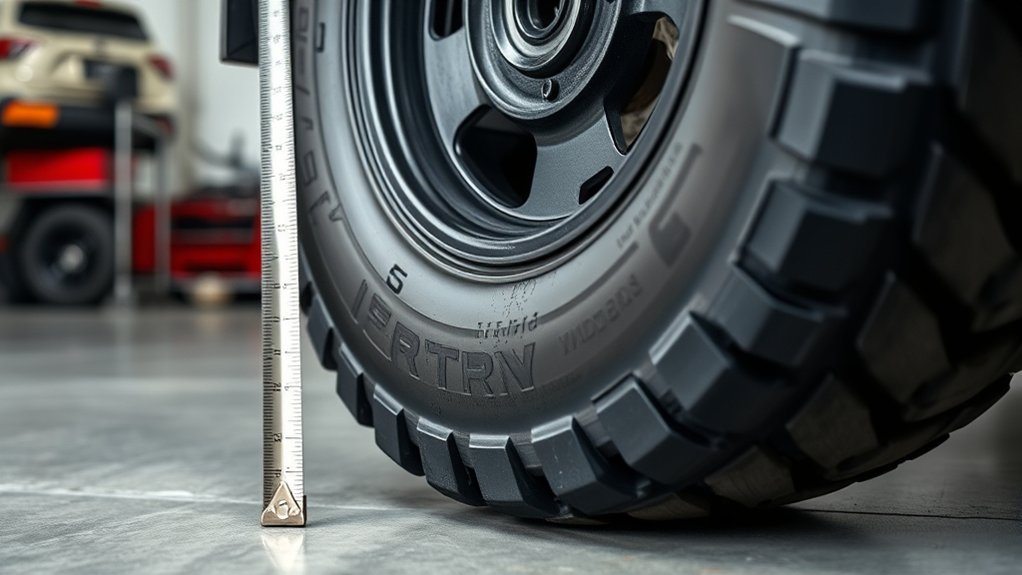
A 315 tire, such as a 315/70R17, is about 12.4 inches wide and roughly 34.4 inches tall when you calculate the nominal size. The 315 means the tire’s section width is 315 millimeters, the 70 means the sidewall height is 70% of that width, and the R17 means it fits a 17-inch wheel. Actual size can vary by tire model, rim width, tread design, pressure, and vehicle load, so always check the manufacturer’s specs before you buy.
Quick Answer
A 315/70R17 tire is about 12.4 inches wide, has an 8.7-inch sidewall, and measures about 34.4 inches tall overall. Many people call it a “near-35-inch” tire, but it is not exactly the same as a true 35-inch tire.
Key Takeaways
- A 315 tire means the nominal section width is 315 mm, or about 12.4 inches.
- In a 315/70R17 tire, the sidewall height is about 8.7 inches.
- The 17 in 315/70R17 means the tire fits a 17-inch wheel.
- The calculated overall diameter is about 34.4 inches, so it is close to a 35-inch tire but not identical.
- Real-world dimensions vary by brand, rim width, load range, tread pattern, inflation pressure, and vehicle weight.
What Does 315/70R17 Mean?
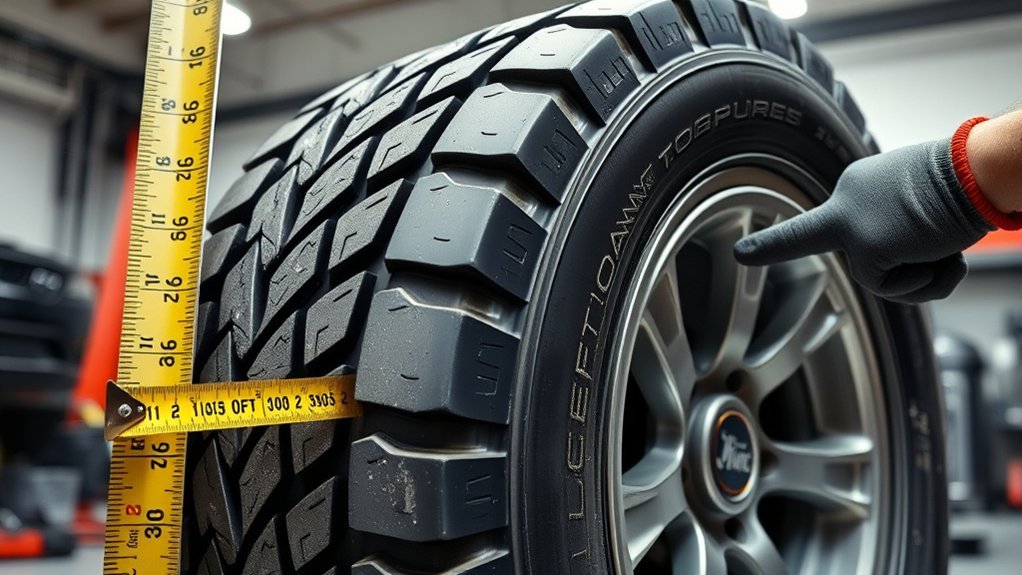
A 315/70R17 tire tells you four key things at a glance. According to standard tire sidewall sizing, the first number shows the tire’s nominal section width. In this case, 315 means the tire is 315 millimeters wide from sidewall to sidewall when measured on its approved rim.
The 70 is the aspect ratio. It means the sidewall height equals 70% of the tire’s width. The letter R means radial construction, which is the common construction type for modern passenger, SUV, and light-truck tires. The 17 means the tire mounts on a 17-inch wheel.
Put together, a 315/70R17 gives you a wide footprint, a tall sidewall, and a calculated diameter of about 34.4 inches. That makes it common on trucks, SUVs, and off-road builds that have enough wheel-well clearance.
315/70R17 Size at a Glance
| Nominal Width | 315 mm, or about 12.4 inches |
| Sidewall Height | About 8.7 inches |
| Overall Diameter | About 34.4 inches calculated |
| Wheel Diameter | 17 inches |
| Common Approved Rim Width Range | Often around 8 to 11 inches, but confirm the exact tire model |
How Wide Is a 315/70R17 Tire?
A 315/70R17 tire is nominally 315 millimeters wide, which converts to about 12.4 inches. That number refers to section width, not tread width. Section width measures the tire at its widest sidewall-to-sidewall point when mounted on the correct rim.
Real-world width can be slightly different from the sidewall number. For example, one LT315/70R17 may list a section width near 12.6 inches, while another may list an overall width around 13.1 inches. Rim width also changes measured section width, so the same tire can measure wider or narrower depending on the wheel.
Note: Tire width and tread width are not the same. A 315 tire is about 12.4 inches wide at the section, but the tread that touches the road is usually narrower.
How Tall Is a 315/70R17 Tire?
A 315/70R17 tire is about 34.4 inches tall by calculation. You get that number by converting the 315 mm width to inches, calculating the sidewall height, doubling the sidewall, and adding the 17-inch wheel diameter.
That 34.4-inch figure is a strong planning number, but it is not a promise for every tire. Some all-terrain and mud-terrain models can measure slightly taller or wider because of casing shape, tread depth, load range, and measuring rim.
Tire Height Calculation
To calculate the height of a 315/70R17 tire, use this formula:
((section width in mm × aspect ratio) ÷ 25.4 × 2) + wheel diameter = overall tire diameter in inches
- Section width: 315 mm
- Aspect ratio: 70%, or 0.70
- One sidewall: 315 × 0.70 = 220.5 mm
- One sidewall in inches: 220.5 ÷ 25.4 = about 8.68 inches
- Overall diameter: 8.68 + 8.68 + 17 = about 34.36 inches
Rounded for normal use, a 315/70R17 tire is about 34.4 inches tall.
Real-World Size Variation
The calculated 315/70R17 tire height is a baseline. Real-world measurements can vary by brand, model, tread pattern, load range, rim width, inflation pressure, and vehicle weight.
A tire with deeper tread blocks or a heavier-duty casing may measure a little taller or wider than a less aggressive design. A wider wheel can also pull the sidewalls outward and increase measured width. BFGoodrich notes that section width can vary by about 0.2 inch for every 0.5-inch change in rim width on some tire lines.
For exact fitment, use the spec sheet for the exact tire model you plan to buy. Then measure your own clearance at full steering lock and through suspension travel.
Convert 315/70R17 to Inches
When you convert a 315/70R17 tire to inches, the width comes out to about 12.4 inches. The sidewall height is about 8.7 inches, and the calculated overall diameter is about 34.4 inches.
- Width: 315 mm ÷ 25.4 = about 12.4 inches
- Sidewall: 12.4 × 0.70 = about 8.7 inches
- Diameter: 8.7 + 8.7 + 17 = about 34.4 inches
- Circumference: about 108 inches, based on the calculated diameter
- 35-inch comparison: close to a 35, but usually a little shorter than a true 35-inch tire
These numbers help with wheel fitment, clearance checks, gearing decisions, and speedometer changes. Still, use the tire maker’s specs before you order because listed dimensions can differ by model.
Is a 315/70R17 the Same as a 35×12.50R17?
A 315/70R17 is close to a 35×12.50R17, but it is not always the same size. The 315/70R17 calculates to about 34.4 inches tall and 12.4 inches wide. A 35×12.50R17 uses flotation sizing, where 35 is the nominal overall diameter and 12.50 is the nominal section width.
In real fitment, the difference depends on the exact tire model. Some 315/70R17 tires run close to a 35, while others sit slightly shorter. If your truck has tight fender, control-arm, crash-bar, or mud-flap clearance, do not assume a 315 and a 35 will fit the same.
[Products Worth Considering]

Protect your spare wheel with a waterproof, dustproof tire cover made to resist sun and harsh weather. The elastic band design makes it easy to install and remove without tools, while reinforced stitching helps it keep its shape. Available in multiple sizes, it fits common RV, trailer, Jeep, SUV, and truck spare tires.

Measure tire tread depth quickly and accurately with this LUMITECO dial gauge that reads in 1/32" increments up to 14/32". The color-coded green/yellow/red zones make it easy to judge tire wear and know when replacement is needed. A rugged, compact design with a protective pouch helps keep the gauge ready for use on cars, trucks, motorcycles, and more.

The SAFELIFE dial tire tread depth gauge measures tread depth in 1/32 inch increments with clear, easy-to-read 2-inch dial face. Color zones using a traffic light system help you quickly judge whether tread is low, marginal, or ample for safer driving. Built with a durable zinc cast body and a metal detect probe for precise, comfortable use across cars, motorcycles, trucks, and buses.
What Vehicles Fit 315/70R17 Tires?
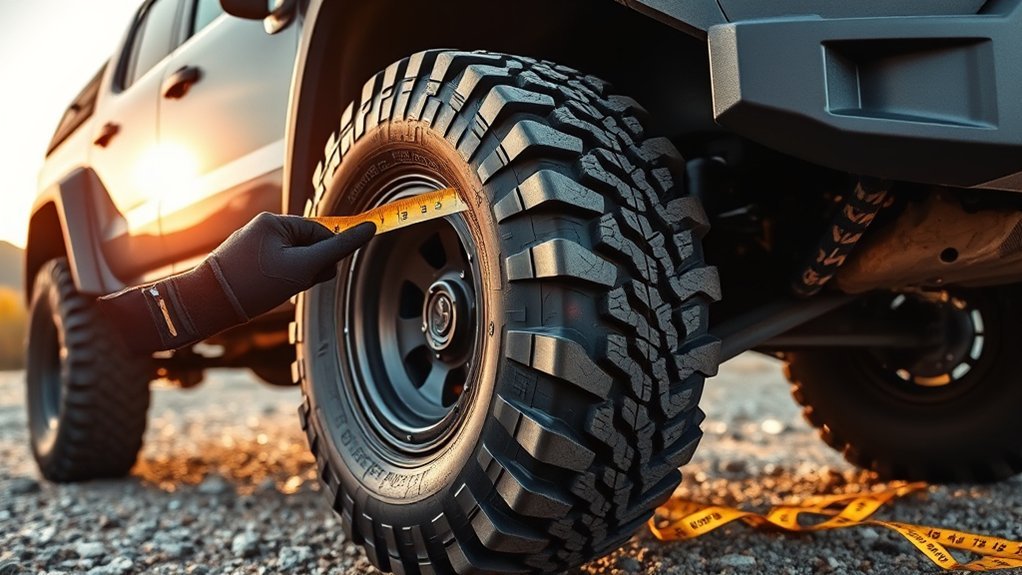
You’ll usually see 315/70R17 tires on full-size trucks, heavy-duty pickups, off-road SUVs, and modified 4×4 builds. They are common on vehicles such as the Ford F-150, Ford Super Duty, Chevrolet Silverado, GMC Sierra, Ram 2500, Jeep Wrangler, Jeep Gladiator, Toyota Tundra, and Toyota Land Cruiser when the setup has enough wheel and suspension clearance.
Fitment depends on more than the vehicle name. Wheel width, wheel offset, backspacing, suspension height, fender shape, steering angle, load rating, and alignment all matter. A tire that fits one trim or lift setup may rub on another.
[Products Worth Considering]

These aluminum alloy tire valve stem caps with an O-ring seal help protect valve stems from corrosion while adding a clean, stylish look to your vehicle. The universal fit works across cars, trucks, motorcycles, bicycles, and more, making them an easy upgrade for everyday driving and off-road use. Installation is quick, and the included four-pack keeps all your tires dressed and protected.

Monitor tire tread wear with a smart, color-coded depth gauge that shows clear condition ranges at a glance. The bar is range marked for fast, easy readings, helping you maintain safer traction and performance. Each gauge is portable with a pocket clip, and the set includes 20 units for daily use and sharing.

This spare tire tool kit is designed for the 2004 to 2018 Ford F-150 to help you loosen and tighten wheel lug nuts and manage the spare tire and provided jack functions from underneath the vehicle. It includes the lug nut wrench and extension pieces plus a convenient storage carrying case for organized transport. The jack itself is not included.
Truck and SUV Fitment
315/70R17 tires suit trucks and SUVs that need more ground clearance, a wider footprint, and stronger off-road traction. They can work well on tow rigs, trail builds, overland SUVs, and lifted pickups when the tire’s load rating matches the vehicle’s needs.
- Check your owner’s manual and Tire and Loading Information Label first.
- Match or exceed the required load index and load range.
- Confirm approved rim width for the exact tire model.
- Measure fender, liner, control-arm, bumper, and mud-flap clearance.
- Test for rubbing at full steering lock and during suspension compression.
Wheel Size Requirements
A 315/70R17 tire must mount on a 17-inch wheel. It will not fit a 16-inch, 18-inch, or 20-inch wheel. The wheel diameter must match the final number in the tire size.
| Wheel Diameter | 17 inches only |
| Common Rim Width Range | Often 8 to 11 inches, depending on the tire model |
| Offset / Backspacing | Must provide enough inner and outer clearance |
Wheel offset matters because a 315 tire is wide. Too much positive offset can push the tire into suspension parts. Too much negative offset can push it into fenders, flares, or bumper edges.
Clearance and Modifications
Even with the correct 17-inch wheel, 315/70R17 tires still need enough clearance to avoid rubbing. The most common contact points are the front fender liner, bumper corner, mud flap, control arm, sway bar, and body mount area.
Warning: Do not install a 315/70R17 tire just because it fits the wheel. Wrong load rating, poor clearance, incorrect offset, or severe rubbing can affect steering, braking, handling, and tire safety.
- Check OEM tire-size guidance first.
- Measure clearance before and after installation.
- Check rubbing at full left and full right steering lock.
- Inspect clearance again with suspension compressed.
- Recheck alignment after changing tire size or suspension height.
Many vehicles need a leveling kit, suspension lift, trimming, different wheel offset, or steering-stop adjustment to run 315/70R17 tires cleanly. The exact work depends on your vehicle and wheel setup.
What Changes a 315 Tire’s Actual Size?
A 315 tire’s actual size can vary more than the label suggests. The biggest factors are tire model, rim width, tread depth, casing construction, inflation pressure, and load.
Brand-to-brand differences matter first. One manufacturer may build a 315/70R17 that measures about 34.4 inches tall, while another model in the same size may list closer to 34.7 inches. Aggressive all-terrain and mud-terrain tread blocks can also make the tire look wider and taller.
Rim width affects the sidewall shape. A wider rim can spread the sidewalls and increase measured section width, while a narrower rim can pull the sidewalls inward. Air pressure and vehicle weight affect loaded radius, which is how tall the tire sits under the vehicle.
Pro Tip: For tight fitment, compare the manufacturer’s listed section width, overall diameter, approved rim-width range, and revolutions per mile before you compare tread design or appearance.
How To Pick the Right 315/70R17 Tire
To pick the right 315/70R17 tire, start with your vehicle’s required size range, load rating, wheel specs, and clearance. Then choose the tread type based on how you drive.
- Choose all-terrain tires for mixed pavement, gravel, snow, dirt roads, and light to moderate trails.
- Choose mud-terrain tires for deep mud, loose trail surfaces, rocks, and off-road use where noise and wear matter less.
- Choose highway-terrain tires if you need a quieter ride and spend most of your time on pavement.
- Match load rating to your vehicle, payload, towing needs, and manufacturer guidance.
- Check speed rating so the tire suits your normal highway use.
- Confirm rim width with the exact tire’s spec sheet before mounting.
You should also think about gearing and speedometer accuracy. A taller tire travels farther with each rotation. If you are replacing a much smaller stock tire with a 315/70R17, your speedometer may read low, acceleration may feel slower, and transmission shift behavior may change.
[Products Worth Considering]

Switch to tubeless with this Muc-Off rim tape designed to create an airtight seal for smooth-running setups. The pressure-sensitive adhesive offers the right stretch for strength and durability, while the semi-transparent material helps you locate the valve hole quickly. It includes four seal patches for a secure finishing seal after wrapping.

This digital tire pressure gauge with built-in inflator helps you accurately check and adjust tire pressure for safer driving and better fuel efficiency. It supports multiple units (PSI, KPA, BAR, KG/CM²) and reads within 1% for reliable results. The 3-in-1 design inflates, deflates, and measures, with a quick-connect air chuck and compatible hose setup for cars, trucks, SUVs, RVs, and motorcycles.

These M14x1.5 closed-end chrome lug nuts are a one-piece replacement designed for secure fitment on compatible GM, Ford, and select Chrysler/Dodge models. Featuring a 60-degree conical seat and anti-rust chrome plating, they help resist corrosion and maintain a bright look for everyday driving. Built for long-term durability, they include OEM-style part references and are backed by 12 months of support.
Frequently Asked Questions
Is a 315 tire equal to a 35?
A 315/70R17 is close to a 35-inch tire, but it is not exactly equal. It calculates to about 34.4 inches tall and 12.4 inches wide. Many people call it a near-35 because it fits in the same general size class, but exact dimensions vary by tire model.
Are 315 tires the same as 33?
No. A 315/70R17 is usually much closer to a 35-inch tire than a 33-inch tire. The 315 number describes width in millimeters, while 33 usually describes overall diameter in inches. A 315/70R17 calculates to about 34.4 inches tall.
Is a 315 tire the same as a 37?
No. A 315 tire is not the same as a 37-inch tire. A 315/70R17 is about 34.4 inches tall by calculation, while a true 37-inch tire is much taller and usually needs more lift, clearance, gearing support, and driveline consideration.
How much bigger is a 315 tire than a 285?
A 315 tire is about 30 mm wider than a 285 tire, which equals about 1.18 inches. Height depends on the full tire size. For example, a 315/70R17 is about 34.4 inches tall, while a 285/70R17 is about 32.7 inches tall, so the 315/70R17 is roughly 1.7 inches taller.
What rim width do you need for 315/70R17 tires?
Many 315/70R17 tires list an approved rim-width range around 8 to 11 inches, but the exact range depends on the tire model. Always use the rim-width range from the manufacturer’s spec sheet for the specific tire you plan to mount.
Will 315/70R17 tires affect my speedometer?
Yes, they can affect your speedometer if they are taller than your original tire size. A taller tire covers more distance per rotation, so your speedometer may read slower than your actual road speed. Recalibration may be needed after a major tire-size change.
Conclusion
A 315/70R17 tire is about 12.4 inches wide and about 34.4 inches tall by calculation. That makes it a wide, near-35-inch tire size often used on trucks, SUVs, and off-road builds.
Before you install one, check more than the sidewall label. Confirm the tire’s real manufacturer specs, approved rim-width range, load rating, wheel offset, suspension clearance, and speedometer impact. When all those details match your vehicle, a 315/70R17 can give you a stronger stance, more ground clearance, and better trail-ready traction without unwanted rubbing or safety issues.
Sources
- NHTSA TireWise — supports checking the owner’s manual and Tire and Loading Information Label for correct tire size.
- Tire Rack: How Do I Calculate Tire Dimensions? — supports the sidewall-height and overall-diameter formula.
- Tire Industry Association: Reading a Tire Sidewall — supports tire width and aspect-ratio definitions.
- Bridgestone: How to Read & Determine Tire Size — supports aspect ratio and wheel-diameter explanations.
- BFGoodrich All-Terrain T/A KO3 — supports real-world section-width variation by rim width.
- Falken WildPeak A/T4W Specs — supports model-specific LT315/70R17 width, diameter, rim-width, and load-rating variation.