

A tire kicker is someone who looks interested in a product, service, car, or offer but is not ready to buy. In sales, the term usually describes a prospect who asks many questions, avoids a firm budget, has no clear timeline, or cannot make the final decision. Tire kickers are not always bad leads, but they can slow your pipeline if you treat every curious browser like a ready buyer.
Quick Answer
A tire kicker is a low-intent prospect who shows interest but is unlikely to buy soon. You can spot one by vague answers about budget, no purchase timeline, repeated price questions, and no decision-making authority. Qualify early so you can focus on serious buyers.
Key Takeaways
- A tire kicker looks interested but has little or no current buying intent.
- The phrase comes from car-lot slang, where shoppers inspected vehicles without committing.
- Common signs include no budget, no timeline, price-only questions, and weak urgency.
- The best way to handle tire kickers is to qualify them early and set clear next steps.
- Some tire kickers can become future buyers if you educate them without chasing them.
What Does Tire Kicker Mean?

A tire kicker is a person who appears interested but is not ready to make a purchase. In a sales setting, that person may ask for demos, quotes, discounts, and product details without giving you the basic information needed to move forward.
You will usually notice this pattern when the conversation stays busy but never becomes specific. A real buyer talks about a problem, budget, timing, approval process, or next step. A tire kicker often stays vague and keeps the discussion open-ended.
The phrase is still useful because it reminds you to separate curiosity from buying intent. A curious person may be worth nurturing, but a sales team should not spend unlimited time on someone who cannot or will not commit.
This slang use is different from literal tire shopping. If someone is actually comparing vehicle tires, then details such as tread life, fitment, load rating, and tire performance matter. In sales slang, though, “tire kicker” is about buyer intent, not tires.
Where the Term “Tire Kicker” Came From
The term “tire kicker” comes from car-lot slang. A shopper might walk around a vehicle, inspect the tires, ask questions, and take a test drive without being ready to buy. Salespeople used the phrase for visitors who looked active but had no real buying intent.
Over time, the phrase moved beyond dealerships. Today, people use it in real estate, software sales, consulting, freelancing, retail, and B2B sales. It describes the same behavior in any industry: a person inspects, compares, asks, and delays without taking a meaningful next step.
Auto Lot Test Drives
On a car lot, not every test drive means a sale is close. Some shoppers are comparing models, killing time, or learning the market. That does not make them dishonest, but it does mean the salesperson should ask better questions before investing too much time.
For example, a serious car buyer may know their price range, trade-in situation, financing plan, and purchase window. A tire kicker may ask for multiple test drives but avoid basic questions like “When are you planning to buy?” or “What budget are you working with?”
Early Sales Slang
In sales slang, “tire kicker” became a quick way to describe a low-commitment prospect. The phrase is informal, so use it carefully. It can be useful inside a sales team, but it may sound dismissive if you use it in front of a customer.
A better customer-facing mindset is simple: the person may not be ready yet. Your job is to learn whether they have a real need, enough urgency, and a clear path to a decision.
From Cars to Commerce
In modern commerce, tire kickers show up in many forms. They may request a proposal without a budget, book a discovery call without a real problem, ask for repeated discounts, or compare many vendors without choosing one.
Online buyers also research heavily before speaking to a seller. Gartner describes B2B buying as a non-linear journey where customers move through jobs such as problem identification, solution exploration, requirements building, supplier selection, validation, and consensus creation. That means not every early researcher is a waste of time. The key is to match your effort to the person’s stage.
Note: A tire kicker is not always a bad lead. Some people are early in their research. The problem starts when you give high-touch sales time to someone who has no need, no budget, no authority, and no timeline.
What Tire Kickers Mean in Sales
In sales, tire kickers are leads who use time but do not move the deal forward. They may fill your pipeline with activity, but that activity can hide a weak opportunity. If your pipeline is full of people who are not ready to buy, your forecast becomes less reliable.
A tire kicker may still read your content, attend a webinar, request a quote, or ask for pricing. Those actions show interest, but they do not prove intent. Buying intent becomes clearer when the prospect can explain the problem, the reason it matters now, the decision process, and what happens next.
Strong qualification helps you protect your time without being rude. Ask direct questions early, listen closely, and decide whether the lead deserves a sales call, a follow-up email, a nurture sequence, or a polite exit.
Common Signs of Tire Kickers

You can spot many tire kickers by their patterns. One weak signal does not prove anything, but several signals together should make you slow down and qualify before giving more time.
Excessive Questions With No Progress
Questions are normal. Serious buyers ask questions too. The warning sign is a long stream of questions that never leads to a clear next step.
- They ask for deep details before explaining their need.
- They request repeated calls but avoid a decision date.
- They keep comparing options without narrowing their choice.
- They want custom advice before confirming they are a fit.
Answer briefly, then bring the conversation back to qualification. You might say, “I can help with that. Before we go deeper, what problem are you trying to solve and when do you need a solution in place?”
No Purchase Timeline
A weak or missing timeline is one of the clearest tire-kicker signs. If the person says “maybe later,” “just looking,” or “sometime this year,” you may be speaking with an early researcher rather than a ready buyer.
That does not mean you should ignore them. It means you should match your effort to their stage. Send helpful resources, ask permission to follow up later, and keep your live sales time for prospects with a clearer deadline.
Price-Only Focus
Some tire kickers focus on price before they understand the value. They may ask for discounts, price matches, or your “best number” before discussing fit.
- They keep pushing for a lower price.
- They compare only cost, not outcome.
- They cannot explain what success looks like.
- They avoid talking about budget range.
Price matters, but serious buyers can usually connect price to a business need, risk, or goal. If the person only wants a number, give a clear range and ask whether it matches their budget.
No Decision Authority
A prospect may be interested but unable to approve the purchase. That can turn a real conversation into a stalled deal. Ask early who else is involved, who signs off, and what information they need.
For B2B sales, buying decisions often involve more than one person. That is why a lead with no authority is not always useless, but you need to know their role before you forecast the deal.
Unclear Problem or Need
A serious buyer usually has a pain point. They can explain what is not working and why it matters. A tire kicker may stay broad, saying things like “I’m just exploring” or “I wanted to see what’s out there.”
In literal tire shopping, someone may browse because they are comparing brands, sizes, and tire performance. In sales slang, browsing becomes a problem only when you mistake it for purchase-ready demand.
Why Tire Kickers Hurt Your Pipeline
Tire kickers hurt your pipeline because they create activity without real progress. They can make your calendar look busy, your CRM look full, and your forecast look stronger than it is.
The biggest cost is attention. Every hour spent chasing a low-intent lead is an hour you cannot spend helping someone who is ready to buy. That can slow response times, weaken follow-up, and make your sales process feel reactive.
Tire kickers can also distort your metrics. If you count every curious inquiry as a strong opportunity, your close rate, pipeline value, and sales-cycle length become harder to trust.
To fix this, define what a qualified prospect looks like. Then measure leads against that standard before you spend heavy time on demos, proposals, custom research, or free consulting.
A full pipeline is not always a healthy pipeline. A healthy pipeline contains prospects with a real need, a clear next step, and a path to a decision.
Tire Kicker vs Qualified Prospect
The easiest way to protect your time is to compare the person’s behavior against the signs of a qualified prospect. A qualified prospect does not need to be ready to buy today, but they should show a real need and a realistic path forward.
| Signal | Tire Kicker | Qualified Prospect |
| Need | Vague or unclear | Specific problem or goal |
| Budget | Avoids budget questions | Has a range or approval path |
| Authority | Cannot name decision makers | Knows who approves the purchase |
| Timeline | “Just looking” | Has a target date or trigger |
| Next step | Avoids commitment | Agrees to a clear action |
Use this table as a guide, not a weapon. Some people need education before they buy. The goal is to decide how much time they deserve right now.
How to Qualify Tire Kickers Quickly

To qualify tire kickers quickly, ask about five things: problem, budget, authority, timeline, and next step. These questions help you see whether the person has a real reason to buy and a realistic path to approval.
- Problem: “What made you start looking for a solution now?”
- Budget: “Do you already have a budget range in mind?”
- Authority: “Who else needs to be involved in this decision?”
- Timeline: “When would you want this solved or in place?”
- Next step: “If this looks like a fit, what would happen next?”
If the prospect gives clear answers, keep going. If they avoid every question, move them into a lighter follow-up path. That could be a helpful email, a resource page, or a scheduled check-in later.
Pro Tip: Ask qualification questions before giving a custom quote, full proposal, or long consultation. Serious buyers usually respect a clear process.
[Products Worth Considering]
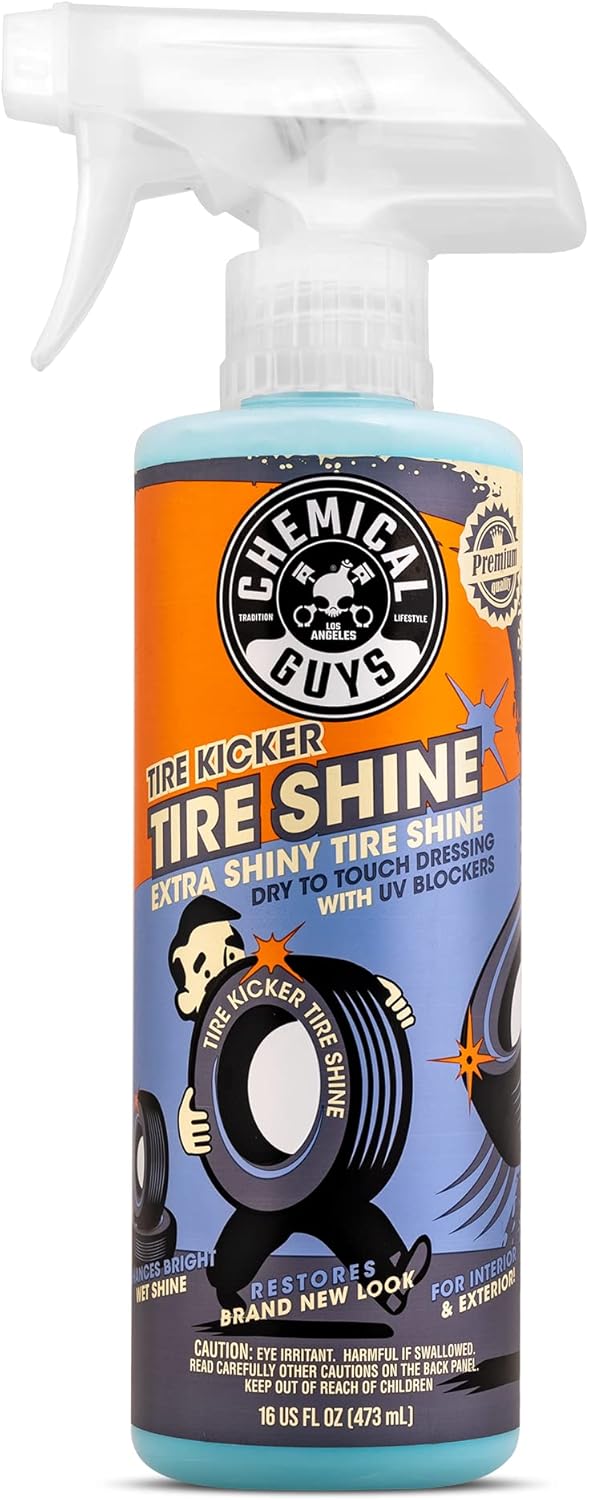
Chemical Guys Tire Kicker Sprayable Extra Glossy Tire Shine restores a deep, wet look on tires, rubber, vinyl, and plastic trim. It delivers a rich showroom shine that enhances color and luster while helping protect against fading, cracking, and discoloration. The spray application dries to the touch with a streak-free finish and no greasy sling, for fast results on cars, trucks, motorcycles, RVs, and boats.

This 4-pack wheel brush kit is designed for thorough cleaning of rims, tire tread, and hard-to-reach areas. It includes ultra-soft plush brushes for wheel faces and cracks, a soft brush for lug nut cavities, and a stiff brush for tire cleaning. The scratch-free, metal-free brush heads minimize rim damage, while bendable bristles reach into tight spots for faster grime removal.

Black Magic Tire Wet delivers a deep wet-look shine that makes tires appear dark, rich, and freshly detailed. Its long-lasting formula helps resist rain, dust, and road grime for weeks of glossy protection, not days. Apply by spraying onto clean, dry tires—no buffing or wiping required—with a low-sling design to reduce splatter on paint and wheels.
Questions to Ask a Possible Tire Kicker
The right questions help you stay polite while testing intent. Use direct wording, but keep your tone helpful.
- “What problem are you trying to solve?”
- “What happens if you do nothing?”
- “Have you used a solution like this before?”
- “What budget range should we stay within?”
- “Are you comparing other options right now?”
- “Who will make the final decision?”
- “What would make this a clear yes or no?”
- “Would you like a buying guide now and a follow-up later?”
These questions show respect for both sides. You are not pressuring the person. You are finding out whether a sales conversation is useful right now.
[Products Worth Considering]

This 4-in-1 tire valve core removal tool helps you deflate, unblock, and remove or install valve cores quickly for easier tire repair. The multifunction design also supports re-taping damaged threads and reaming inside the valve stem for smoother service. Included as a 2-pack, it’s compact for convenient carry and works for cars, bicycles, and motorcycles.
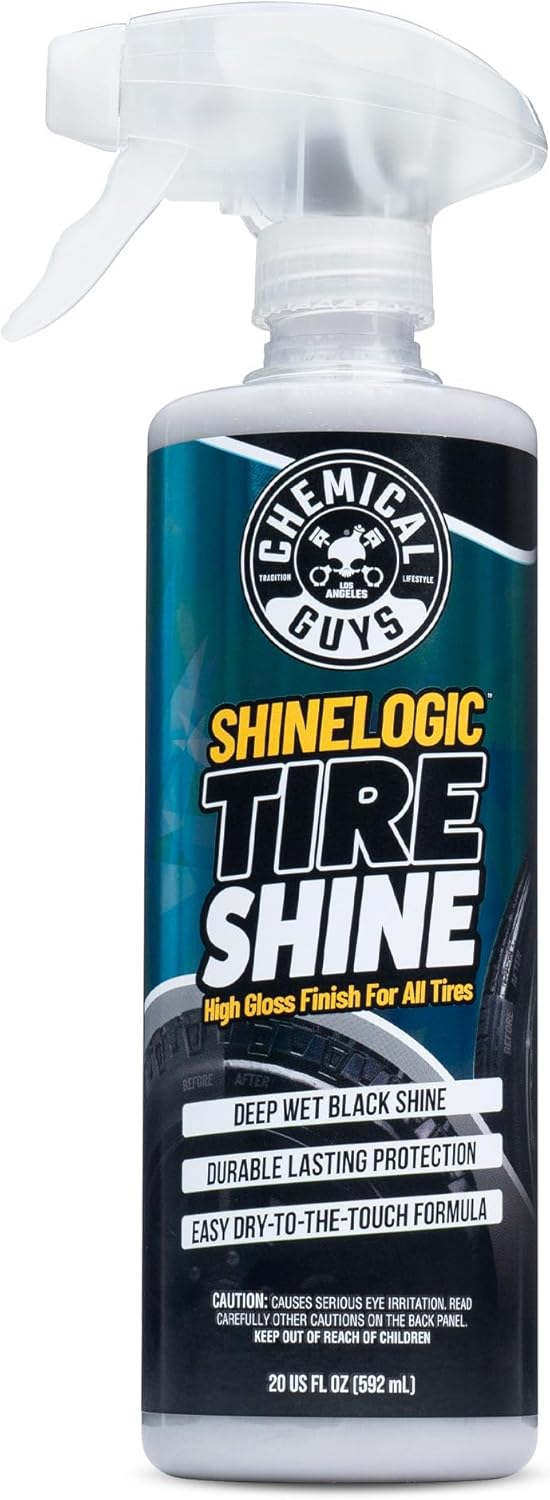
Chemical Guys ShineLogic Tire Shine delivers a deep wet black, high-shine finish for rubber tires with a sleek look. It’s designed for durable, one-step application with minimal drips, streaks, or runs, and it helps produce effortless, long-lasting shine. Choose aerosol or trigger spray for easy use on cars, trucks, motorcycles, RVs, and more.

Join Prime and get ready for Prime Big Deal Days, October 6–7! Unlock exclusive member deals, fast delivery, Prime Video, Prime Reading, and more. Shop limited-time offers, save on popular products, and **join Prime today to start saving before the best deals are gone.**
How to Handle Tire Kickers Politely
When someone is not ready to buy, stay professional. Do not shame them, argue with them, or keep chasing them. Your goal is to set a boundary and leave the door open when appropriate.
Here are a few polite scripts you can use:
- When there is no timeline: “It sounds like you are still in the research stage. I’ll send a short guide now, and we can reconnect when your timing is clearer.”
- When there is no budget: “To make sure I recommend the right option, we would need a rough budget range. Without that, I can only give general guidance.”
- When they want repeated free advice: “I’m happy to answer one or two key questions. For a full plan, we would need to move into a paid consultation or formal proposal.”
- When they are not a fit: “Based on what you shared, I don’t think we are the best fit right now. I’d rather be honest than push you toward something that may not help.”
Keep your tone calm and useful. A person who is not ready today may come back later, especially if you treated them with respect.
Warning: If your sales process uses outbound calls, SMS, prerecorded messages, or automated dialing, check the rules that apply in your country or state. In the United States, the FTC Telemarketing Sales Rule includes requirements around disclosures, misrepresentations, call timing, Do Not Call rules, and related practices.
[Products Worth Considering]

Make hard-to-reach areas easier to access with the MAXXHAUL truck tire service step featuring an adjustable width and height. The foldable design stores compactly, while the serrated non-slip platform provides secure footing for tire-related maintenance. It fits most stock tire sizes up to 31-inch diameter with a 300-lb capacity.

P&S Dressed Tire Finish is a premium, water-based tire dressing that delivers a deep, rich high-gloss look without the greasy residue. Its polymer blend is designed to mimic the durability and shine of traditional solvent-based dressings while staying non-hazardous and eco-friendly. Apply with a brush or spray bottle for even coverage and a professional, factory-fresh finish.

This 1/2-inch drive breaker bar delivers powerful leverage for loosening and tightening stubborn lug nuts and automotive fasteners. The 180-degree flex head helps you reach tight spaces at the angle you need, making tire and brake jobs easier. A spring-loaded ball detent design holds 1/2-inch sockets securely while the chrome-moly head provides durable strength for everyday use.
Can You Turn a Tire Kicker Into a Buyer?
Yes, you can sometimes turn a tire kicker into a buyer, but not by chasing. The better approach is to find out what is blocking the decision.
Some people hesitate because they do not understand the value. Others are worried about price, risk, timing, approval, or choosing the wrong option. If the concern is real and your offer fits, education can help.
Try these steps:
- Ask what is stopping them from moving forward.
- Summarize the cost of doing nothing.
- Show one best-fit option instead of many choices.
- Give a clear next step with a deadline.
- Let them leave the sales process if they are not ready.
This works because pressure creates resistance. Clarity helps people decide. Even if they do not buy now, they may remember that you were honest and easy to work with.
Examples of Tire Kicker Behavior
Here are simple examples that show how tire kickers may act in different settings:
- Car sales: A shopper test-drives several vehicles, asks for the lowest possible price, but says they may buy “sometime next year.”
- Freelance services: A prospect asks for a detailed strategy, proposal, and revisions before sharing budget or project approval.
- Software sales: A user books multiple demos but cannot name the business problem or decision maker.
- Real estate: A buyer tours many homes but has no pre-approval, no price range, and no move date.
- Retail: A shopper asks many product questions but is only collecting information for later.
In each case, the issue is not curiosity. The issue is the gap between interest and readiness. Your qualification process helps you handle that gap without wasting time.
Literal Tire Shopping vs Sales Slang
The phrase can be confusing because it sounds like it only belongs in the automotive world. In literal tire shopping, checking details is smart. A buyer may compare tread design, traction, ride comfort, warranty, and real-world feedback before choosing.
In sales slang, though, “tire kicker” does not mean a careful buyer. It means someone whose actions do not match a near-term purchase. That is why the same behavior can be reasonable in one context and costly in another.
For example, asking about warranty and performance is useful when buying tires. Asking for endless custom pricing with no budget or timeline is different. That is where qualification matters.
How to Prevent Too Many Tire Kickers
You cannot remove every tire kicker, but you can reduce the number that reach your calendar. The best prevention happens before the sales call.
- Add starting prices or price ranges when possible.
- Use a short intake form before consultations.
- Explain who your offer is best for.
- Publish answers to common beginner questions.
- Require a clear next step after demos or quotes.
- Use lead scoring for high-volume inquiries.
This helps serious buyers move faster and gives early researchers a way to learn without using one-on-one sales time.
If your business sells products that require comparison, such as tires, buying guides can also help people self-educate before contacting you. That way, users who care about qualified product choices can learn first, then reach out when they are closer to a decision.
Frequently Asked Questions
What does tire kicker mean in slang?
In slang, a tire kicker is someone who appears interested but is not likely to buy soon. In sales, the phrase usually describes a low-intent prospect who asks questions, compares options, or requests pricing without showing budget, urgency, authority, or a clear next step.
How do you get rid of tire kickers?
You get rid of tire kickers by qualifying early. Ask about their problem, budget, authority, timeline, and next step. If they are not ready, send a helpful resource, set a future follow-up, or politely end the sales conversation instead of giving unlimited free time.
What does kicker mean in slang?
A kicker is an extra detail, twist, surprise, condition, or added point that changes how something feels. In business, a kicker can be a bonus, hidden condition, special advantage, or final detail that affects a decision.
What is the point of kicking tires?
Literally, kicking or inspecting tires is a way to look over a vehicle before buying. As an idiom, “kicking the tires” means checking something out before making a decision. The problem in sales is when a person keeps checking without any real plan to buy.
Is every tire kicker a waste of time?
No. Some tire kickers are early-stage researchers who may become buyers later. The key is to avoid giving them the same time and attention you would give a qualified prospect. Offer helpful resources, then follow up when their need, budget, or timeline becomes clearer.
What is the best question to ask a tire kicker?
One of the best questions is, “What would need to happen for you to move forward?” This question reveals whether the person has a real buying path or is only gathering information.
Conclusion
A tire kicker is someone who shows interest but is not ready to buy. You can spot one by vague answers, no timeline, no budget, price-only questions, and weak decision authority. The fix is not to be rude or dismissive. The fix is to qualify early, set boundaries, and match your effort to the person’s buying stage.
When you do that, you keep your pipeline cleaner, protect your time, and still treat early researchers with respect. Some will leave. Some will return later. The right buyers will appreciate a clear process because it helps them make a better decision.
In actual tire shopping, comparing tire performance characteristics and tire performance ratings can be smart. In sales slang, the real question is different: is this person moving toward a decision, or only kicking the tires?
Sources
- Merriam-Webster: Tire-kicker — supports the slang definition.
- Gartner: B2B Buying Journey — supports the modern buyer-journey discussion.
- Salesforce: State of Sales — supports current sales-process and sales-technology context.
- Federal Trade Commission: Telemarketing Sales Rule — supports the outbound-sales compliance caution.
