
In sales, a tire kicker is a prospect who appears interested but repeatedly avoids the actions that show real buying intent, such as defining a need, discussing a realistic buying process, involving the right decision-makers, or agreeing to a next step. The label should describe a pattern, not one pricing question, objection, or research request. This guide shows how to separate low-intent prospects from genuine early-stage buyers and decide whether to advance, nurture, or pause the opportunity.
Last updated: August 18, 2026
Quick Answer
A tire kicker is a potential buyer who appears interested but shows little evidence of moving toward a purchase. Common warning signs include an unclear need, no workable path to budget or approval, an indefinite timeline, repeated requests for free work, and unwillingness to agree to a reasonable next step. Judge the pattern as a whole rather than disqualifying someone for one missing answer.
Key Takeaways
- A tire kicker is not just a cautious buyer; it is someone whose behavior repeatedly fails to move toward a real buying decision.
- The strongest warning pattern is an unclear need, no workable buying path, no meaningful timeline, and no willingness to take a defined next step.
- Use qualification questions around budget, authority, need, and timeline before investing heavily in demos, proposals, or free consulting.
- Do not dismiss every researcher. Some early-stage buyers need education or internal approval before they are ready to talk with sales.
- The best response is not pressure. It is a clear process: advance qualified opportunities, nurture legitimate early-stage buyers, or politely pause poor-fit conversations.
What Is a Tire Kicker?

A tire kicker is a potential customer who appears interested in a product or service but does not show enough buying intent, fit, or forward movement to become a real opportunity. The term is commonly used in sales when someone asks questions or explores an offer but repeatedly avoids the buying process.
The Cambridge Dictionary defines a tire kicker as someone who appears interested in buying something and asks many questions but does not buy. In practical sales terms, the useful distinction is not whether someone asks many questions. It is whether those questions eventually connect to a real problem, buying process, timeline, or next action.
That does not mean every slow buyer is a tire kicker. Some buyers need time, internal approval, technical validation, or more education. A serious early-stage buyer can still be uncertain about budget or timing. Look for progress across several signals instead of using one missing answer as an automatic disqualifier.
Tire Kicker Meaning and Origin
The phrase tire kicker is commonly associated with car shopping and dealerships, where shoppers inspect vehicles before deciding whether to buy. The related phrase “kick the tires” can mean trying or examining something before buying it. In sales usage, tire kicker became the negative label for someone who keeps inspecting, questioning, or comparing but does not progress toward a purchase.
In modern sales, a tire kicker can appear in almost any industry: software, consulting, real estate, agencies, ecommerce, B2B services, or high-ticket coaching. The context changes, but the useful signal stays the same: apparent interest without enough buying progress to justify unlimited sales time.
Note: Use the label carefully. Calling someone a tire kicker too early can cause you to miss a real buyer who is still learning, comparing options, validating information, or waiting for internal approval.
Common Signs of a Tire Kicker
You can usually spot tire-kicker behavior by looking for repeated patterns, not one isolated action. A prospect who asks one pricing question is not automatically a tire kicker. A prospect who repeatedly requests information but refuses to explain goals, timing, buying constraints, or what should happen next is a stronger warning sign.
- No clear problem: They cannot explain what they need fixed or why they are exploring a solution.
- No meaningful trigger: They have no deadline, renewal, launch, operational problem, or other reason that could eventually move the decision forward.
- No workable budget path: They cannot discuss a range, funding process, price constraint, or how spending would eventually be approved.
- No path to decision authority: They cannot decide and will not explain who approves the purchase or how that person becomes involved.
- Repeated basic questions: They keep returning to information you have already answered without progressing to more specific evaluation.
- Free-work requests: They want samples, custom strategy, detailed proposals, or extensive trials without showing comparable commitment.
- No next step: They repeatedly avoid booking a decision meeting, involving another stakeholder, testing agreed criteria, or defining another concrete action.
Tire Kicker vs. Serious Buyer
The easiest way to tell the difference is to look at momentum. Serious buyers do not need to have every answer immediately, but their actions gradually make the buying process clearer. Tire-kicker conversations tend to remain open-ended.
| Signal | Tire Kicker | Serious Buyer |
| Need | Remains vague or curiosity-driven | Can describe a problem, goal, or use case |
| Budget | Avoids price constraints and cannot explain a funding path | Can discuss a range, approval process, or financial constraint |
| Authority | Cannot decide and will not involve or identify the buyer | Knows who approves and how the decision happens |
| Timeline | Indefinite with no realistic trigger | Has a target date, future window, or identifiable trigger |
| Next step | Keeps asking but repeatedly avoids a defined action | Agrees to a clear next action when appropriate |
Use a three-outcome rule:
- Advance: The prospect has a real need, a plausible buying process, and agrees to an appropriate next step.
- Nurture: The fit or need is real, but budget, timing, education, or internal approval is not ready yet.
- Pause or disqualify: Useful context stays vague and the prospect repeatedly avoids reasonable next steps even after you clarify the process.
Not Every Researcher Is a Tire Kicker
This is where sales teams can make a costly mistake. A buyer who is researching is not automatically wasting your time. Modern buyers may compare vendors, read reviews, check pricing, use AI tools, and speak with internal stakeholders before they want a direct sales conversation.
In March 2026, Gartner reported that 67% of B2B buyers preferred a rep-free experience. Gartner also reported in May 2026 that buyers still turn to sales representatives to validate AI-generated insights. The practical lesson is that self-directed research and seller involvement can happen at different stages of the same purchase. Your goal is to identify real buying progress, not force every researcher onto a call.
A genuine early-stage buyer often explains their situation, evaluates relevant information, identifies stakeholders, and returns with more specific questions. They may not have every BANT answer yet. A tire-kicker pattern is stronger when the prospect stays vague, repeatedly asks for high-effort free work, avoids useful qualification, and makes no progress toward a buying process.
Why Tire Kickers Waste Your Time
Tire kickers consume resources because they create activity without enough progress. They can fill calendars with calls, inflate pipeline counts, trigger unnecessary proposal work, and take attention away from opportunities that have a clearer path to a decision.
Qualification matters because selling time is already limited. Salesforce’s 2026 State of Sales data says the average seller spends about 40% of work time selling and 60% on non-selling tasks. When high-effort sales time goes to prospects that will not define a need or next step, qualified buyers receive less attention.
The real cost of a tire kicker is opportunity cost: time spent on an open-ended conversation is time you cannot spend helping a buyer with a clearer problem and buying process.
Real Tire Kicker Examples

Tire kickers do not all behave the same way. Some are friendly. Some sound highly engaged. Some may even know your product well. What matters is whether their behavior shows a realistic path toward buying.
The Uninformed Buyer
The uninformed buyer asks broad questions but has not done basic research. They may ask what your product does, who it is for, how pricing works, and whether it can solve a problem they have not clearly defined.
This person is not automatically a bad lead. They may simply need education. The warning pattern appears when repeated education does not help them clarify their goal, buying constraints, or next step.
The Frugal Shopper
The frugal shopper focuses heavily on price. They ask for discounts, free trials, free samples, or extra work before showing comparable interest in fit, outcomes, or return on investment.
Price questions are normal. Price-only conversations are the stronger warning sign. A serious buyer may negotiate aggressively and still evaluate whether the outcome justifies the cost. A low-intent prospect may keep returning to discounts while avoiding the underlying decision.
The Shop-Talker
The shop-talker enjoys the conversation but avoids the buying discussion. They may tell stories, ask casual questions, or drift into unrelated topics. They sound warm and interested, but the opportunity does not advance.
Redirect politely: “Happy to help. To make this useful, can we confirm what you are trying to solve and what decision you need to make?” If they repeatedly avoid that discussion, move the conversation out of high-touch sales time.
The Free Consulting Seeker
This prospect asks for custom advice, strategy, audits, implementation plans, or detailed recommendations before becoming a customer. They may be genuinely researching, but the request can cross from useful presales education into unpaid delivery work.
Set a clear boundary. Give enough information to help them evaluate fit, but reserve the full custom solution for the appropriate paid engagement, trial process, or formal sales stage.
The No-Authority Researcher
This person may be gathering information for a boss, team, committee, or procurement department. That alone does not make them a tire kicker. The sales risk appears when there is no path from the research conversation to the actual buying criteria, approval process, or decision-maker.
Ask who else will be involved in the decision and what information they need. If the prospect cannot answer yet, provide suitable educational material. If they repeatedly block the buying process while requesting increasing amounts of seller time, limit the engagement.
How to Spot a Tire Kicker Early
You spot a tire kicker early by asking direct questions before you invest heavily in custom work. The goal is not to interrogate the prospect or demand perfect answers. It is to find out whether there is enough fit and buying progress to justify the next level of effort.
At a Glance
| Goal | Confirm enough fit and buying intent before committing high-effort sales time |
| Core Signals | Need, buying constraints, decision process, timing, and willingness to take a next step |
| Best Outcome | Advance, nurture, or pause the opportunity based on the pattern of answers |
| Tools Needed | CRM notes, a consistent qualification checklist, and lead-scoring rules where useful |
Use these questions early:
- Need: “What problem are you trying to solve?”
- Trigger: “Why are you looking into this now?”
- Budget: “Have you set aside a budget or range for this, or how would funding be approved?”
- Authority: “Who else needs to be involved before a decision is made?”
- Timeline: “When would you ideally want this solved?”
- Decision process: “What happens after this conversation if it looks like a fit?”
- Next step: “Would it make sense to schedule a focused demo, or should I send a resource for you to review first?”
The answers do not need to be perfect. Early buyers may not know everything yet. Look instead for whether the answers become more specific as the conversation develops. If nearly every area stays vague while requests for your time keep increasing, you have a stronger tire-kicker signal.
How to Qualify Tire Kickers Quickly

A simple way to structure qualification is the BANT framework: Budget, Authority, Need, and Timeline. Salesforce describes BANT as a lead qualification framework for evaluating whether a potential customer is worth pursuing.
Do not use BANT as a rigid pass-or-fail test. Budget can emerge later, authority can involve several stakeholders, and a genuine buyer may still be early in the process. Use the four areas as prompts for understanding whether a realistic buying path exists.
Pro Tip: Ask qualification questions in a helpful tone. “To point you in the right direction…” feels more collaborative than “Are you qualified?” and keeps the conversation focused on fit.
[Products Worth Considering]
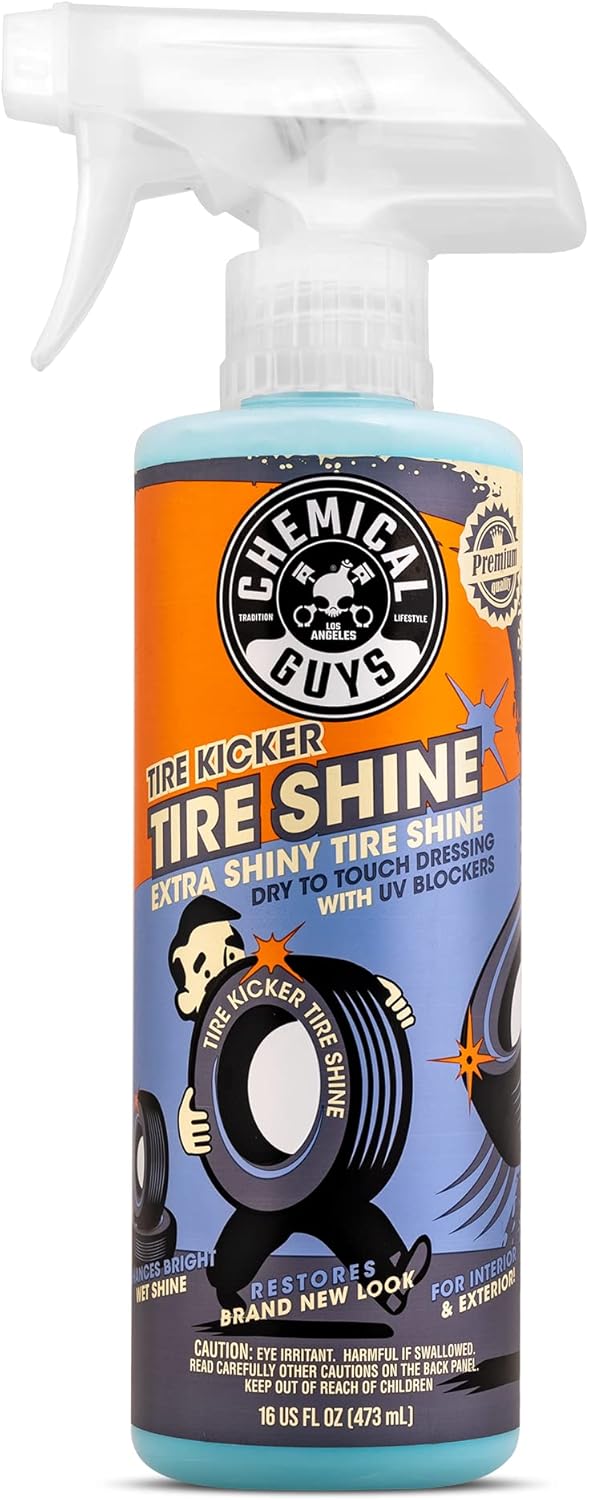
Chemical Guys Tire Kicker Sprayable Extra Glossy Tire Shine restores a deep, wet look on tires, rubber, vinyl, and plastic trim. It delivers a rich showroom shine that enhances color and luster while helping protect against fading, cracking, and discoloration. The spray application dries to the touch with a streak-free finish and no greasy sling, for fast results on cars, trucks, motorcycles, RVs, and boats.

Steelman white tire marking crayons provide high-contrast, semi-permanent marks for repairing and inspecting tires and equipment. They write on wet or dry, smooth or coarse surfaces including rubber, metal, glass, and wood, making them ideal for puncture location and damage outlining. The lead- and zinc-free crayons resist weather and fading yet wipe away when you no longer need the marks.

Make hard-to-reach areas easier to access with the MAXXHAUL truck tire service step featuring an adjustable width and height. The foldable design stores compactly, while the serrated non-slip platform provides secure footing for tire-related maintenance. It fits most stock tire sizes up to 31-inch diameter with a 300-lb capacity.
Budget Questions
- “Have you already set a budget for this?”
- “Is there a price range you are trying to stay within?”
- “If the solution is a fit, how would funding or approval work?”
Authority Questions
- “Who will make the final decision?”
- “Who else should be part of the next conversation?”
- “Is procurement, finance, or leadership involved?”
Need Questions
- “What happens if you do nothing?”
- “What have you already tried?”
- “What outcome would make this worth paying for?”
Timeline Questions
- “When do you need a solution in place?”
- “Is there a deadline or event driving this?”
- “What would need to happen before you could move forward?”
How to Use CRM Data to Spot Tire Kickers
Your CRM can help you separate serious buyers from low-intent activity if you track the right signals. Do not rely only on gut feeling. Compare fit, engagement, and movement through the buying process.
HubSpot distinguishes fit scores, engagement scores, and combined scores. That is useful because a person can interact frequently with your content while remaining a poor fit, or match your ideal profile while still being too early for a sales conversation.
- Fit signals: company size, role, industry, location, use case, buying constraints, authority, and product fit.
- Engagement signals: demo requests, pricing-page visits, reply quality, meeting attendance, proposal reviews, and repeated visits to decision-stage content.
- Negative signals: fake contact data, repeated no-shows, clearly research-only requests with no buying use case, competitor research, or repeated refusal to define a next step.
Tag recurring low-intent patterns in your CRM. Over time, compare which sources, forms, campaigns, or keywords produce qualified opportunities versus conversations that repeatedly stop before a real buying process begins.
[Products Worth Considering]

The SPTA wheel and tire brush kit makes it easy to remove dirt from wheels, rims, and hard-to-reach areas without needing a high pressure washer. Ergonomic handles and soft, chemical-resistant bristles help you clean faster while reducing the risk of scratching. The set is versatile for cars, trucks, motorcycles, bicycles, RVs, boats, and more.

Slip the Powerbuilt tire step over your vehicle’s tire to reach roof racks, engine bays, truck boxes, and more without overreaching. Its adjustable, universal design fits tires with a cross tread width up to 13 inches, including car, truck, RV, and semi tires. The non-slip cheesegrater surface and anti-slip tape provide secure grip while the open design lets mud and debris pass through. Fold-flat storage with rubber bumpers helps keep your tire and the step protected between uses.
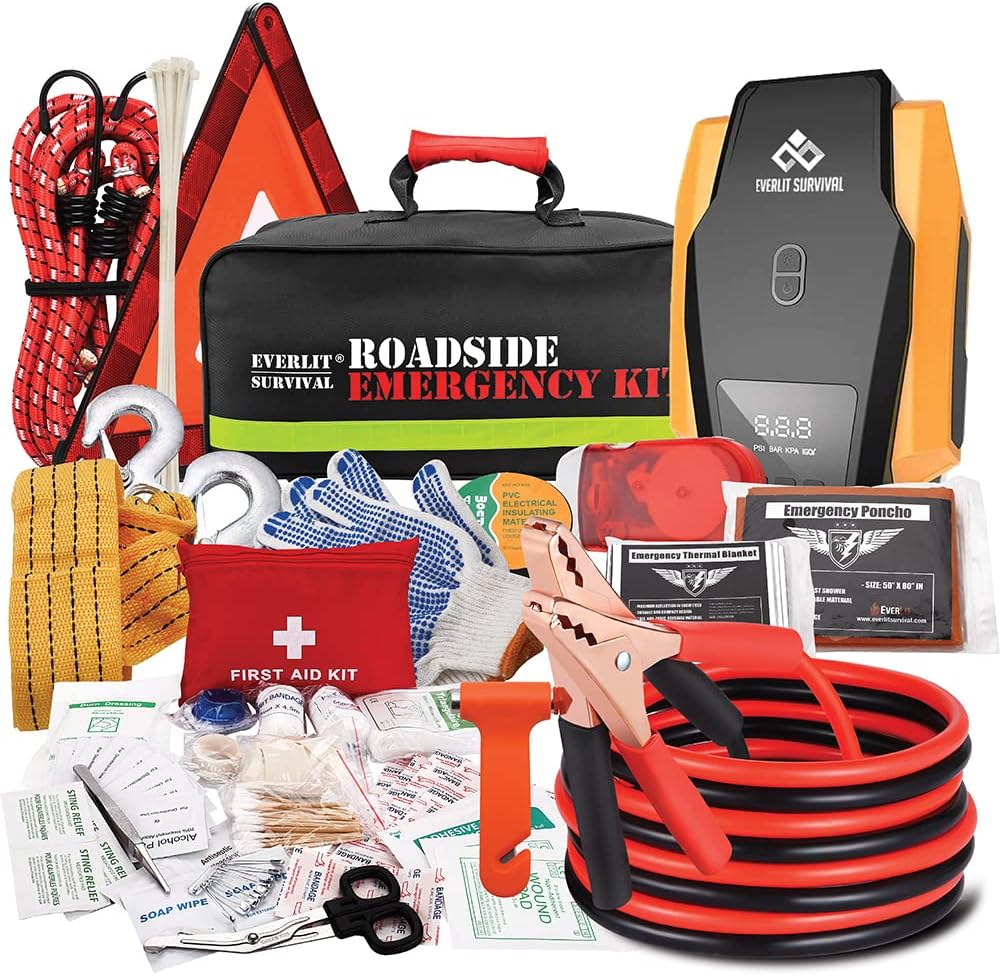
The Everlit Road Guardian emergency kit is designed for roadside breakdowns, combining essential safety gear and roadside tools in one compact bag. It includes a digital 12V auto tire inflator with preset and auto shutoff, plus 12-foot 8-gauge jumper cables to get you moving again. You also get a full 108-piece first aid kit, reflective warning tools, safety gloves, and emergency convenience items for safer travel.
When to Nurture Instead of Disqualify
Some prospects are not ready now but may become good buyers later. Nurture them when the fit and need are credible but the buying process is simply immature.
Nurture the lead when they:
- Have a real problem but no approved budget yet.
- Are early in research but match your ideal customer profile.
- Need internal approval before moving into a deeper sales process.
- Engage with useful content and return with more specific questions.
- Give a future timeline or trigger that makes sense.
Disqualify or pause the conversation when they:
- Repeatedly refuse to share any useful context.
- Keep asking for substantial custom work without reciprocal commitment.
- Show no clear need, fit, buying path, or meaningful timeline after reasonable clarification.
- Repeatedly miss meetings or avoid agreed next steps.
- Only want competitor research, free consulting, or endless price comparisons with no buying process.
How to Keep Tire Kickers Out of Your Pipeline
The best way to handle tire kickers is to prevent open-ended conversations from becoming time-consuming opportunities. You can do that without being rude or aggressive.
- Make pricing expectations clear. You do not need to publish every price, but enough range or positioning can prevent obviously poor-fit calls.
- Use qualification forms. Ask about goals, company context, timing, and buying constraints before committing to high-touch sales work.
- Set call agendas. Tell prospects what the call will cover and what a useful next step could look like.
- Time-box free help. Answer reasonable presales questions, then place deeper strategy behind a paid offer, structured trial, or formal proposal process.
- Create nurture paths. Send early-stage buyers to guides, videos, webinars, or email sequences until their timing becomes clearer.
- Review closed-lost and stalled patterns. Look for lead sources that repeatedly produce no-fit, no-show, or permanently stalled opportunities.
Warning: Do not let one enthusiastic but unqualified prospect take over your week. If repeated conversations still cannot establish a need, buying process, or next step, move the lead to nurture or pause active sales work.
[Products Worth Considering]
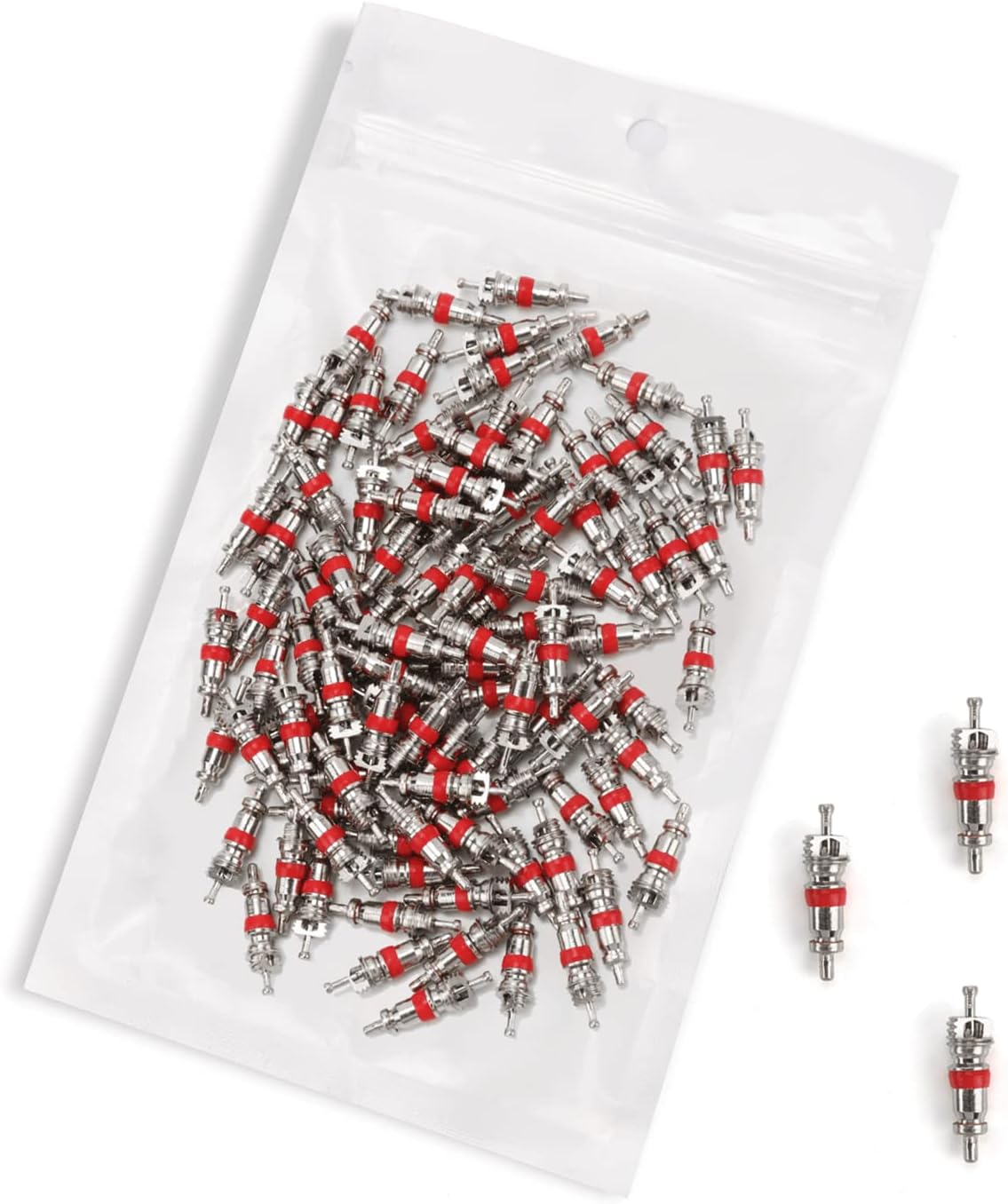
Replace worn Schrader valve cores with durable, nickel-plated replacements designed to resist rust and corrosion for a longer service life. Each core is 100% leakage tested and rated for up to 300 PSI, helping maintain a safe, reliable tire pressure system. Universal fit makes them suitable for cars, RVs, ATVs, motorcycles, bicycles, and many refrigeration/air conditioning applications.

Join Prime and get ready for Prime Big Deal Days, October 6–7! Unlock exclusive member deals, fast delivery, Prime Video, Prime Reading, and more. Shop limited-time offers, save on popular products, and **join Prime today to start saving before the best deals are gone.**

AstroAI’s tire pressure gauge with inflator helps you check and adjust car tire pressure accurately for safer, smoother driving. It offers 3-in-1 operation to inflate, deflate, or measure pressure, with an easy-to-read 2.5-inch glow dial and a heavy-duty air chuck for convenient use. Universal compatibility supports Schrader-valve tires and quick-connect 1/4" NPT air compressors for quick maintenance.
What to Say to a Tire Kicker
You do not need to accuse someone of wasting time. Use clear, polite language that protects your process while leaving a reasonable path back if their situation changes.
When they are not ready:
“It sounds like you are still in the research stage. I’ll send a resource that explains the options. When your timing or buying process becomes clearer, we can schedule a more detailed conversation.”
When they want free consulting:
“I can give general guidance here, but a custom plan would require a paid engagement. The next step would be a discovery call to see whether that makes sense.”
When they have no authority:
“This usually works best when the people involved in the decision can review the same information. Would it make sense to include them on the next call?”
When they keep avoiding next steps:
“It seems like now may not be the right time for an active sales process. I’ll close the loop for now, and you can reach back out when there is a clearer need, timeline, or decision process.”
Frequently Asked Questions
What does it mean to call someone a tire kicker?
Calling someone a tire kicker means they appear interested in buying but repeatedly fail to move toward a purchase. In sales, the label usually describes a pattern of questions or requests without enough clarity about need, buying process, timing, or next steps.
How do you get rid of tire kickers?
Qualify prospects early, set boundaries around high-effort free work, and move low-intent conversations to nurture or pause them instead of providing unlimited sales time. Ask about need, buying constraints, authority, timeline, and an appropriate next step before investing in custom demos or proposals.
What is the point of kicking tires?
“Kick the tires” can mean examining or trying something before buying it. A “tire kicker” is different: the sales label describes someone who keeps inspecting, questioning, or comparing without progressing toward a purchase.
Where does the term tire kicker come from?
The term is commonly associated with car shopping and dealerships, where buyers inspect vehicles before deciding whether to purchase. In broader sales usage, “tire kicker” became a negative label for a person who appears interested but never progresses toward buying.
Is every price shopper a tire kicker?
No. Serious buyers often ask about price because they need to compare value and budget. Price becomes a stronger tire-kicker signal when the conversation never progresses beyond discounts and the prospect repeatedly avoids discussing need, timing, buying criteria, or decision process.
Should you ignore tire kickers completely?
Not always. Some people who initially look like tire kickers are genuine early-stage buyers. Give them appropriate educational resources, but reserve high-touch sales time for prospects who begin showing fit, buying progress, and willingness to take a useful next step.
What is the difference between a tire kicker and a serious buyer?
A serious buyer does not need to know everything immediately, but their buying process becomes clearer over time. They can usually describe a problem, evaluate realistic constraints, identify stakeholders, and agree to an appropriate next action. A tire-kicker conversation repeatedly stays vague and open-ended.
Can a tire kicker become a customer?
Yes, someone who appears low-intent today may become a real buyer later if their need, budget, timing, or internal approval changes. That is why good qualification separates prospects who should be nurtured from those who should receive active sales attention now.
Conclusion
A tire kicker can look like a real prospect at first, but the pattern becomes clearer when repeated conversations produce no defined need, no workable buying path, no meaningful timing, and no agreed next step. Do not make the judgment from one objection or one unanswered BANT question.
Ask better questions early, set boundaries around free work, track fit and engagement in your CRM, and use the three-outcome rule: advance qualified opportunities, nurture legitimate early-stage buyers, and pause conversations that remain open-ended. That keeps your sales process focused without dismissing people who simply are not ready yet.
Sources
- Cambridge Dictionary — definition of “tire kicker.”
- Cambridge Dictionary — meaning of “kick the tires.”
- Pipedrive — sales usage, common behavior, and automotive context.
- Salesforce — BANT lead qualification framework.
- HubSpot Knowledge Base — fit, engagement, and combined lead scoring.
- Gartner — 2026 B2B buyer preference for rep-free experiences.
- Gartner — 2026 research on buyers using sales representatives to validate AI-generated insights.
- Salesforce State of Sales, 7th Edition — 2026 sales productivity statistics.