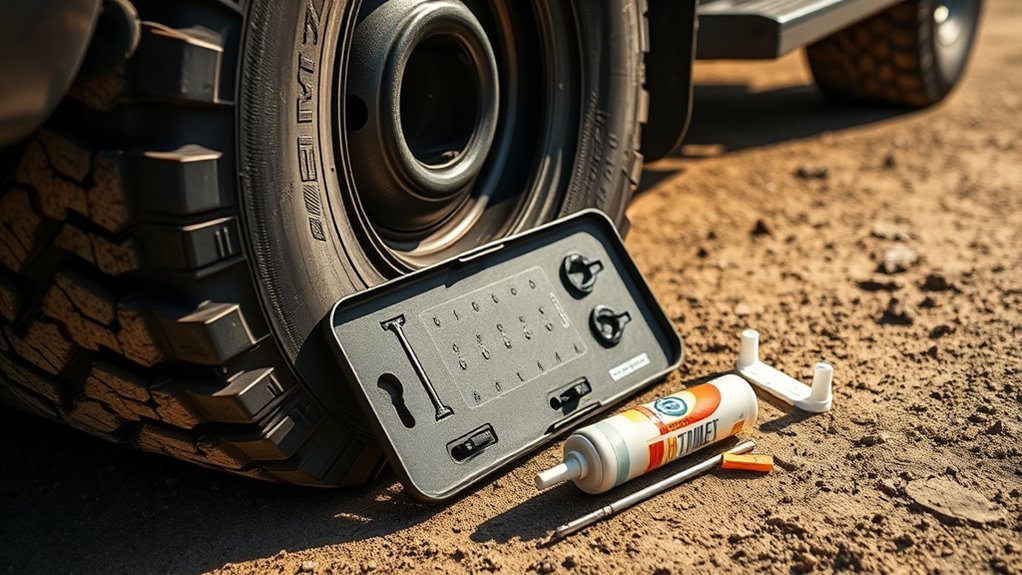
A nail in your Toyota Hilux tire does not always mean you need a new tire, but it does mean you need to inspect the damage carefully. A small puncture in the main tread area may be repairable, while damage in the shoulder, sidewall, or a tire that has been driven flat usually calls for replacement. Use a plug kit only as an emergency roadside fix, then have the tire inspected and repaired properly by a qualified tire technician.
Quick Answer
To fix a nail puncture in a Toyota Hilux tire, first park safely, inspect the tire, and confirm the puncture is in the tread, not the sidewall or shoulder. A tire plug can provide a temporary emergency seal, but a permanent repair should use an internal patch-and-plug/stem after the tire is removed and inspected.
Key Takeaways
- Only small punctures in the tread area are usually repairable. Sidewall and shoulder damage should not be plugged or patched.
- A DIY tire plug is best treated as an emergency repair, not a full permanent repair.
- If the tire was driven flat, has bulges, exposed cords, deep cuts, or repeated punctures, replace it or have it inspected before driving.
- After any emergency plug, inflate the tire to the Hilux door-jamb pressure, check for leaks, and visit a tire shop for an internal inspection.
At a Glance
| Time Required | 20 to 45 minutes for an emergency plug, plus professional inspection afterward |
| Difficulty | Moderate roadside task; permanent repair should be done by a tire technician |
| Tools Needed | Tire plug kit, needle-nose pliers, tire pressure gauge, air compressor, gloves, wheel chocks, jack, jack stands, and soapy water |
| Cost | About $10 to $25 for a basic emergency plug kit; professional repair or replacement varies by tire and shop |
Warning: Do not attempt a roadside tire repair if you are on a narrow shoulder, soft ground, a slope, or near fast traffic. Use the spare tire, call roadside assistance, or tow the Hilux instead. Never crawl under a vehicle supported only by a jack.
Can You Repair a Nail Puncture in a Toyota Hilux Tire?
You can often repair a nail puncture if the damage is small and located in the main tread area. The repair becomes unsafe when the puncture is in the shoulder or sidewall, larger than 1/4 inch or 6 mm, overlaps a previous repair, or the tire has internal damage from being driven flat. A qualified shop should remove the tire from the wheel and inspect the inside before calling it safe.
For a permanent repair, the industry-approved approach is not just a rope plug from the outside. It normally includes removing the tire, inspecting the tire inside and out, filling the injury with a vulcanizing plug or stem, applying an inner liner patch, rebalancing the wheel, reinstalling it, and testing for leaks. You can review these repair limits in Discount Tire’s tire repair guidance.
Tire safety is not a small issue. NHTSA reports 511 deaths in tire-related crashes in 2024, which is why pressure, tread depth, and repair quality matter.
Essential Tools for Tire Repair
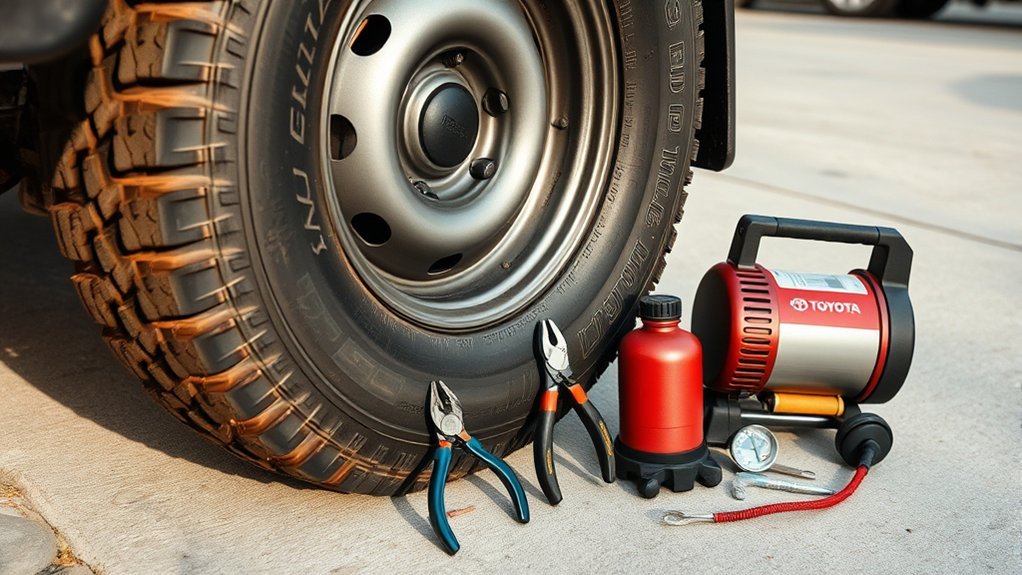
Before you touch the tire, gather the right tools. For an emergency roadside plug, you need a tire plug kit with a reaming tool and insertion tool, needle-nose pliers to remove the nail, a tire pressure gauge, and an air compressor or portable inflator. You should also have gloves, safety glasses, wheel chocks, and a flashlight if visibility is poor.
If you need to remove the wheel, use the Hilux jack only at the correct jacking points listed in your owner’s manual. A jack lifts the vehicle, but jack stands support it more securely while you work. If you are not sure where the jacking point is, check the manual for your exact model year through Toyota’s owner manual page or the manual supplied with your vehicle.
Note: A plug kit is useful when you need a short-term emergency seal. It does not replace a professional internal inspection, especially if the tire lost a lot of air or the Hilux was driven while underinflated.
[Products Worth Considering]

KEVWR self-service tire repair nails are made to firmly fix punctures with strong bite and reliable sealing, helping prevent water from entering the wound. The spiral rubber screws are easy to insert without removing the tire, providing a simple DIY repair for many vehicle and tire types. Suitable for cars, motorcycles, trucks, bikes, buses, and agricultural tires with two size options for different puncture nails.
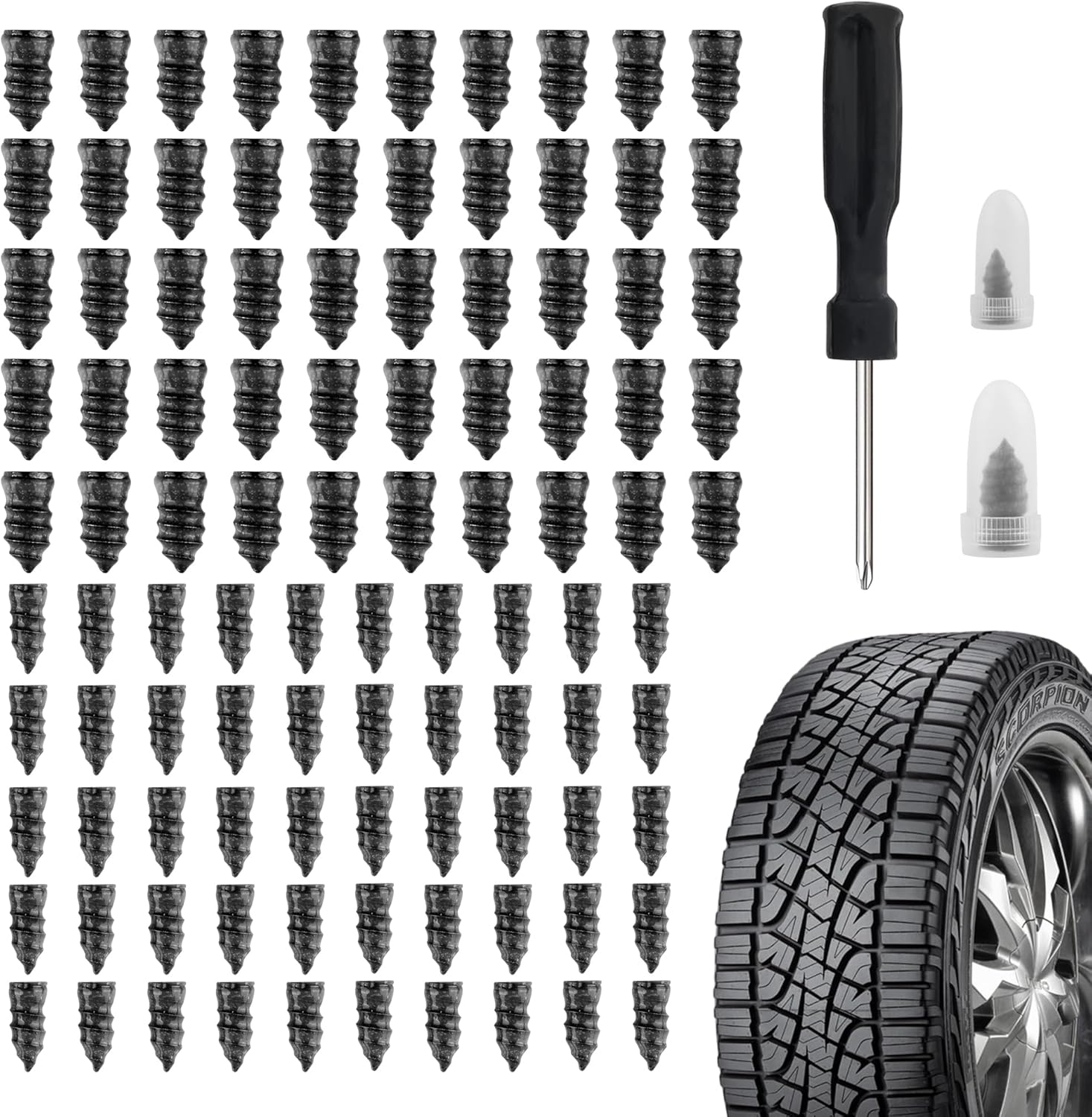
Salior’s tire plug kit provides a fast, reliable self-service fix for punctured or leaking tires without the need for flaring tools. Choose the correct plug size, then screw the nail into the puncture using the included screwdriver for an enhanced seal. The set is durable and convenient for on-the-go maintenance across multiple vehicle types.

Vigorder rubber cement glue delivers superior adhesion and cures quickly within about 30 seconds for seamless rubber bonding. Once cured, it helps provide a strong, durable, waterproof seal that holds up to vehicle weight, pressure, and heat. Suitable for cars, motorcycles, trucks, bicycles, and off-road tires, it’s designed for emergency patch and maintenance repairs.
Safety Precautions During Tire Repair
Park on a flat, stable surface away from traffic. Shift into park or gear, set the parking brake, switch on the hazard lights, and place wheel chocks around the opposite wheels before lifting the Hilux. If you are on gravel, mud, sand, or a steep shoulder, do not jack up the truck unless you have a stable base and enough room to work safely.
Inspect the tire before starting. Do not plug a tire with a bulge, cracked sidewall, exposed cord, torn tread, wheel damage, or a puncture near the sidewall. If the tire is flat or nearly flat, assume internal damage is possible until a shop removes the tire and checks the inside. In that case, install the spare or arrange a tow.
Identifying Tire Leaks: A Simple Guide
Start with a visual inspection while the tire is still on the vehicle. Look for a nail, screw, staple, shard of metal, or shiny spot in the tread. If the object is still in place and the tire is holding air, do not pull it out until you are ready to repair or replace the tire. Removing it too early can cause the tire to lose air quickly.
To confirm the leak, mix dish soap with water and apply it around the nail, valve stem, tread grooves, and bead area where the tire meets the rim. Bubbles show where air is escaping. Mark the spot with chalk or a paint marker. If bubbles appear on the sidewall, shoulder, valve stem, rim, or bead instead of the tread, a simple tread plug is not the right fix.
Pro Tip: Check the tire pressure before and after the leak test. A slow leak may only show bubbles when the tire is inflated close to the recommended cold PSI on the Hilux tire placard.
Tire Repair: Step-by-Step Guide to Plugging a Puncture
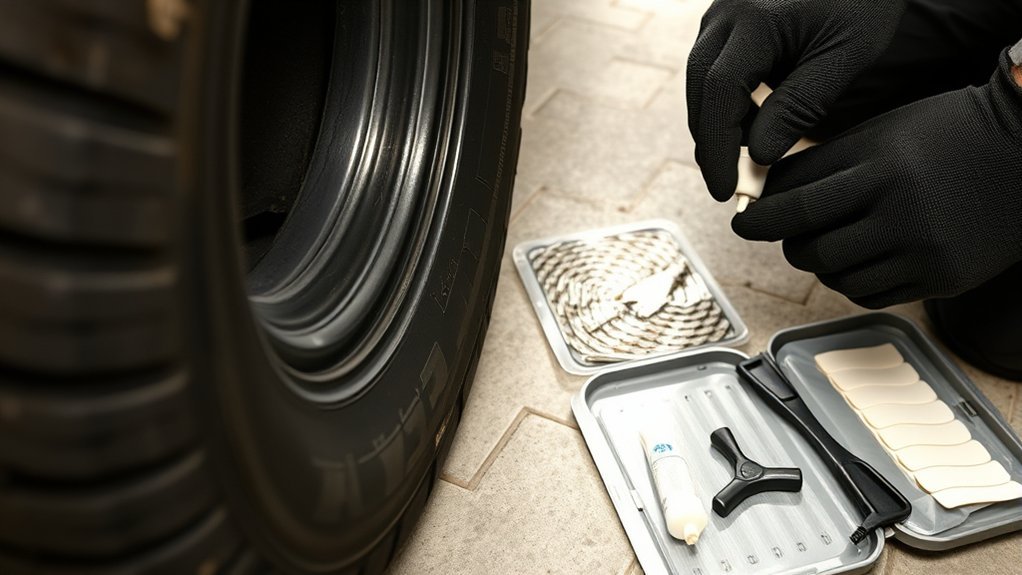
The steps below are for an emergency plug in a repairable tread puncture. Use them only when the tire is otherwise in good condition, the hole is small, and you need to drive a short distance to a safer location or tire shop. If you are unsure, use the spare tire instead.
[Products Worth Considering]

AUTOWN’s 68-piece tire repair kit helps you fix punctures and plug flats quickly and effectively. It includes a T-handle and spiral probe tool for easy insertion, while the steel patch and plug materials are designed for strong adhesion and long-lasting airtight performance. The compact case makes it convenient for roadside repairs across a wide range of vehicles.

The AUTOWN tire repair kit is designed to quickly fix punctures and plug flats with professional-quality steel components. It includes a T-handle and spiral probe tool for easy tire access, plus a compact storage case for convenient carry. Suitable for many vehicles including cars, motorcycles, ATVs, RVs, trailers, and trucks, it helps restore airtight performance for reliable roadside repairs.

Wykodra tire plugs provide quick vulcanizing repairs for tubeless tires, helping you seal punctures and get back on the road. The industrial-strength rubber creates a long-lasting, leak-resistant bond and is designed for emergency fixes without removing the tire. Choose between two standard plug sizes with color-matched options for small to larger damage across many vehicles and off-road uses.
Tools Required for Repair
- Tire plug kit: Includes plug strips, a reaming tool, and an insertion tool.
- Needle-nose pliers: Helps remove the nail or screw cleanly.
- Air compressor: Re-inflates the tire after the plug is installed.
- Tire pressure gauge: Confirms the tire is inflated to the correct cold PSI.
- Soapy water: Helps check for leaks before you drive.
- Gloves and eye protection: Protects your hands and eyes from debris and tool slips.
Locating the Leak
Rotate the tire until the puncture is easy to reach. If the tire is still mounted on the Hilux, make sure the truck cannot move before working. Confirm that the puncture sits in the main tread area, not at the edge of the tread, shoulder, or sidewall. Mark the puncture before removing the nail so you do not lose the spot.
Plugging the Puncture
- Remove the object: Pull the nail or screw out with needle-nose pliers. Try to pull it at the same angle it entered the tire.
- Prepare the hole: Push the reaming tool into the puncture and move it in and out several times to clean and shape the hole for the plug.
- Load the plug: Thread the plug strip through the insertion tool so both ends are even. Use the rubber cement supplied with the kit if your kit requires it.
- Insert the plug: Push the plug into the hole until about two-thirds of the strip is inside the tire. Do not push the entire strip through.
- Remove the tool: Pull the insertion tool straight out, leaving the plug in place.
- Trim the excess: Cut the exposed plug ends close to the tread surface.
- Inflate and test: Inflate the tire to the recommended pressure on the Hilux tire placard, then apply soapy water to the repair area. Bubbles mean the repair is leaking.
After a successful emergency plug, drive carefully and avoid highway speeds until the tire has been inspected. Ask the shop for an internal patch-and-plug/stem repair if the tire meets repair guidelines.
When to Repair or Replace Your Tire?
Use this rule: repair only when the damage is small, clean, and in the tread area. Replace the tire when the damage affects the tire’s structure or falls outside normal repair limits.
| Usually Repairable | Small puncture in the main tread area, no internal damage, no sidewall or shoulder damage, and no overlap with a previous repair |
| Replace or Inspect First | Puncture larger than 1/4 inch or 6 mm, shoulder or sidewall damage, repeated punctures close together, run-flat damage, bulges, exposed cords, cracked rubber, or severe tread wear |
Also check tread depth before paying for a repair. NHTSA says tires should be replaced when tread is worn to 2/32 of an inch. If the top of Lincoln’s head is visible during the penny test, the tire is too worn to be safe.
[Products Worth Considering]

This AUTOWN flat tire repair kit is designed for quick, reliable puncture repairs using a plug kit and spiral probe tool to simplify installation. Built for durability and safe handling, it offers strong adhesion and flexibility to help maintain tire air tightness. With a portable storage case and a multi-vehicle approach, it’s suitable for cars, motorcycles, ATVs, tractors, lawn mowers, RVs, jeeps, and trucks.

This tire repair kit provides fast emergency puncture repair without removing the tire from the rim, helping you get back on the road quickly. Its screw plug system is designed for punctures in both tread and sidewall and includes a complete patch plug tool set with essential accessories. A portable storage bag makes it easy to carry for cars, trucks, SUVs, motorcycles, and heavy-duty applications.

ATQYZLM’s screw-in tire plug kit provides quick self-service emergency puncture repair for tubeless tires without removing the tire. Choose a suitable plug nail, align it to the puncture, and tighten with the included screwdriver for minute-level roadside use. The rubber and metal plugs help form a durable airtight seal to reduce air loss and water seepage for reliable short-term travel.
What to Do After an Emergency Plug
Do not treat the job as finished just because the tire holds air for a few minutes. Recheck the pressure after a short drive, listen for hissing, and repeat the soapy-water test. If the pressure drops, the steering feels strange, or the Hilux pulls to one side, stop driving and use the spare or call for help.
Book a tire inspection as soon as possible. A shop can remove the tire from the wheel, check for liner damage, confirm whether the puncture is repairable, rebalance the wheel, and repair or replace the tire safely.
Essential Tire Maintenance Tips Post-Repair
After any puncture repair, tire maintenance becomes more important. A small air loss can turn into heat buildup, uneven wear, or a blowout risk if you ignore it. Check pressure, tread depth, and tire condition on a regular schedule.
Regular Pressure Checks
Check all tires, including the spare, at least once a month when the tires are cold. The correct pressure is listed on the Hilux tire placard or in the owner’s manual, not on the tire sidewall. NHTSA explains that cold means the vehicle has not been driven for at least three hours.
- Use a reliable tire pressure gauge.
- Inflate to the pressure listed for your Hilux, load, and tire size.
- Recheck the repaired tire more often during the first week.
- Do not ignore the TPMS light. It is not a substitute for manual pressure checks.
Visual Inspection Routine
Inspect the repaired tire for cuts, bulges, uneven tread wear, exposed cords, and fresh objects in the tread. Check tread depth monthly. If the treadwear indicators are level with the tread or the penny test shows the top of Lincoln’s head, replace the tire instead of repairing it again.
Rotate tires according to your Hilux owner’s manual. If the manual allows rotation and no uneven wear appears sooner, NHTSA notes that many vehicles use a 5,000 to 8,000 mile rotation range. Balance and alignment checks can also help if the Hilux vibrates, pulls, or wears tires unevenly.
When to Get Professional Help With Tire Repairs
Get professional help if the nail is near the sidewall, the tire lost most of its air, the tire was driven flat, the puncture is large, or you are unsure how long the nail has been in the tread. A Toyota dealer or qualified tire shop can inspect the tire, confirm whether it is repairable, and advise whether the spare, repair, or replacement is the safest option.
Professional service is also the better choice if your Hilux is used for towing, heavy loads, off-road work, or long highway trips. These uses put extra heat and stress on tires, so a questionable repair is not worth the risk.
Frequently Asked Questions
Does Toyota fix nails in tires?
A Toyota dealer may inspect and repair a nail puncture if the tire meets repair guidelines, but policies can vary by dealer, tire condition, and region. A qualified tire shop can also perform the inspection and repair. The tire should be replaced if the puncture is in the sidewall or shoulder, is too large, overlaps a previous repair, or shows internal damage.
How do you fix a nail-punctured tire on a Toyota Hilux?
Park safely, inspect the tire, confirm the puncture is in the main tread area, remove the nail, ream the hole, insert a plug, trim the excess, inflate the tire, and check for leaks with soapy water. Treat this as an emergency fix and have the tire professionally inspected for a permanent patch-and-plug repair.
Which type of tire puncture cannot be repaired?
Do not repair punctures in the sidewall or shoulder. You should also avoid repairing punctures larger than 1/4 inch or 6 mm, damage that overlaps a previous repair, tires with exposed cords or bulges, and tires with internal damage from being driven flat.
How does a Toyota tire repair kit work?
Some Toyota vehicles include a sealant and inflator kit instead of, or alongside, other tire equipment. The exact kit depends on model year and market, so check the Hilux owner’s manual. Sealant kits are usually temporary mobility aids, not permanent repairs.
Can I drive long distance after plugging a nail puncture?
You should not plan a long trip on a fresh emergency plug. Drive slowly to a safe place or tire shop, recheck pressure, and have the tire inspected internally. Replace the tire if the shop finds sidewall damage, internal damage, or a puncture outside the repairable tread area.
Conclusion
A nail puncture in your Toyota Hilux tire can be manageable when the damage is small and located in the main tread area. The safest approach is to inspect the tire, avoid sidewall or shoulder repairs, use a plug only as an emergency measure, and follow up with a professional internal patch-and-plug repair if the tire qualifies. If the tire was driven flat, has structural damage, or fails a leak test, replace it. Tire safety is cheaper than a roadside blowout.
Sources
- NHTSA TireWise — tire pressure, tread depth, tire rotation, TPMS, and tire-related crash safety data.
- Discount Tire tire repair guidance — repairable area, non-repairable damage, and industry-approved patch-and-plug/stem repair process.
- Toyota Manuals and Warranties — model-specific owner manual guidance and vehicle-specific reference point.