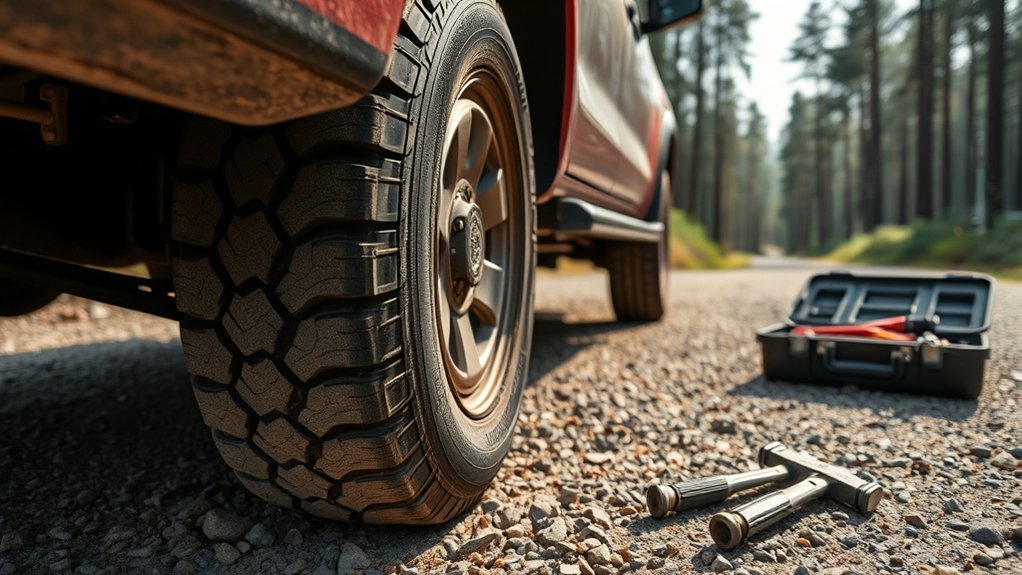
A tire plug on a Toyota Hilux can help you deal with a small puncture in the tread, but it is not a cure-all. The safe choice depends on where the puncture is, how large it is, whether the tire was driven while flat, and whether the tire has hidden internal damage.
Quick Answer
You can plug a Toyota Hilux tire only as a short-term repair for a small puncture in the tread area. Do not plug sidewall damage, shoulder damage, large holes, or a tire that was driven flat. For the safest long-term repair, have the tire removed, inspected inside, and repaired with a patch-plug combination.
Key Takeaways
- A plug is only suitable for a small puncture in the main tread area, not the sidewall or shoulder.
- A plug-only repair should be treated as temporary until a tire shop inspects the tire from the inside.
- Replace the tire if the puncture is large, near the tread edge, overlapping an old repair, or paired with sidewall bulging, cuts, exposed cords, or very low tread.
- After any repair, check for leaks, set the cold tire pressure from the Hilux door placard or owner’s manual, and avoid towing or heavy loads until the repair is professionally checked.
At a Glance
| Time Required | 15 to 30 minutes for a roadside plug, plus a professional inspection as soon as possible |
| Difficulty | Moderate, because safe lifting, puncture inspection, and leak checking matter |
| Tools Needed | Tire plug kit, reaming tool, insertion tool, pliers, air compressor, tire pressure gauge, soapy water, jack, wheel chocks, gloves, and eye protection |
| Cost | Usually low for a DIY kit, higher for a professional patch-plug repair, and highest if the tire must be replaced |
Warning: Do not attempt a tire plug if the puncture is in the sidewall, shoulder, near the tread edge, larger than about 1/4 inch, or if the tire was driven while flat. Use the spare tire or call roadside assistance instead.
Why Tire Safety Matters: Understanding Plugs and Patches
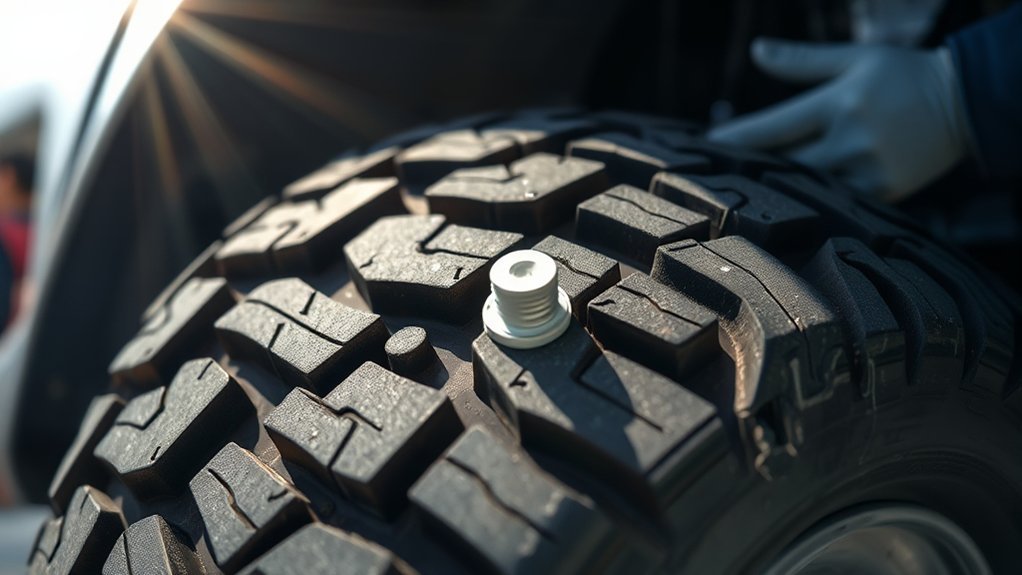
Tire safety matters because your Hilux depends on four small contact patches for steering, braking, load support, and control. A poor repair can let air escape, weaken the tire, or hide damage that only shows up later at road speed.
The National Highway Traffic Safety Administration reports that poor tire maintenance, including low pressure and missed rotation, can lead to flats, blowouts, or tread separation. That is why a puncture repair should be treated as a safety decision, not just a quick way to stop a leak.
A tire plug fills the puncture path from the outside. It can slow or stop air loss in a small tread puncture, which is useful when you are away from a shop. A patch seals the inner liner from inside the tire. A patch-plug combination does both, so it is the better long-term repair when the tire is otherwise repairable.
Note: If your Hilux is used for towing, carrying heavy loads, gravel roads, farm tracks, or off-road work, do not rely on a plug-only repair for hard use. Have the tire inspected and repaired properly before putting it back under heavy stress.
When Is a Tire Plug Repair Appropriate?
A tire plug repair is appropriate only when the puncture is small, straight enough to seal, and located in the main tread area. The tire should also have enough tread depth, no sidewall damage, no visible cords, no bulges, and no signs that it was driven for a long distance while badly underinflated.
Use this table before deciding whether to plug, patch, or replace the tire:
| Tire Condition | Best Action | Why It Matters |
|---|---|---|
| Small puncture in the center tread | Temporary plug, then professional inspection | This is the only area where a plug may be useful as a short-term fix. |
| Repairable tread puncture with no hidden damage | Professional patch-plug repair | The plug seals the injury path, while the patch seals the inner liner. |
| Sidewall, shoulder, or tread-edge damage | Replace the tire | These areas flex heavily and cannot be trusted with a plug repair. |
| Large puncture, tear, bulge, exposed cords, or overlapping old repair | Replace the tire | The casing may no longer have the strength needed for safe service. |
Before You Start: Safe Roadside Setup
Before using a tire plug kit, park your Hilux on firm, level ground away from traffic. Switch on the hazard lights, apply the parking brake, place the transmission in park or in gear, and chock the wheels that stay on the ground. Wear gloves and eye protection if you have them.
If you need to remove the wheel, use the jack points listed in your Hilux owner’s manual. Loosen the wheel nuts slightly before lifting, raise the vehicle only enough to remove the tire, and never place any part of your body under a vehicle supported only by a jack.
Pro Tip: If the puncture is on the road-facing side and you cannot work safely away from traffic, skip the plug repair. Fit the spare tire or call roadside assistance.
[Products Worth Considering]

KEVWR self-service tire repair nails are made to firmly fix punctures with strong bite and reliable sealing, helping prevent water from entering the wound. The spiral rubber screws are easy to insert without removing the tire, providing a simple DIY repair for many vehicle and tire types. Suitable for cars, motorcycles, trucks, bikes, buses, and agricultural tires with two size options for different puncture nails.
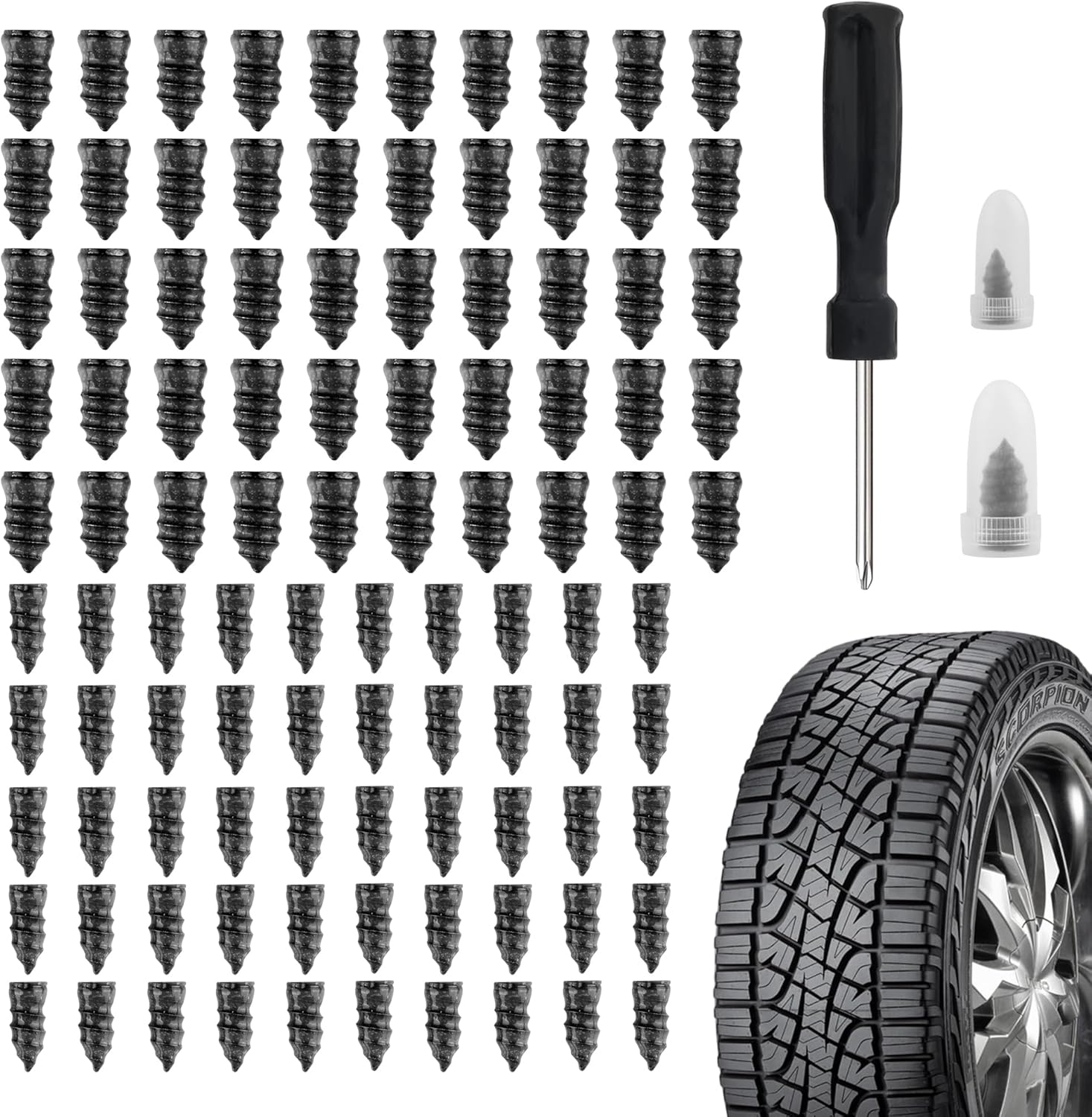
Salior’s tire plug kit provides a fast, reliable self-service fix for punctured or leaking tires without the need for flaring tools. Choose the correct plug size, then screw the nail into the puncture using the included screwdriver for an enhanced seal. The set is durable and convenient for on-the-go maintenance across multiple vehicle types.

AUTOWN’s 68-piece tire repair kit helps you fix punctures and plug flats quickly and effectively. It includes a T-handle and spiral probe tool for easy insertion, while the steel patch and plug materials are designed for strong adhesion and long-lasting airtight performance. The compact case makes it convenient for roadside repairs across a wide range of vehicles.
How to Plug a Tire: A Step-by-Step Guide
Plugging a Hilux tire requires patience and a careful leak check. Rushing the job can leave the plug seated poorly, which may cause the tire to lose air again after a few miles.
[Products Worth Considering]
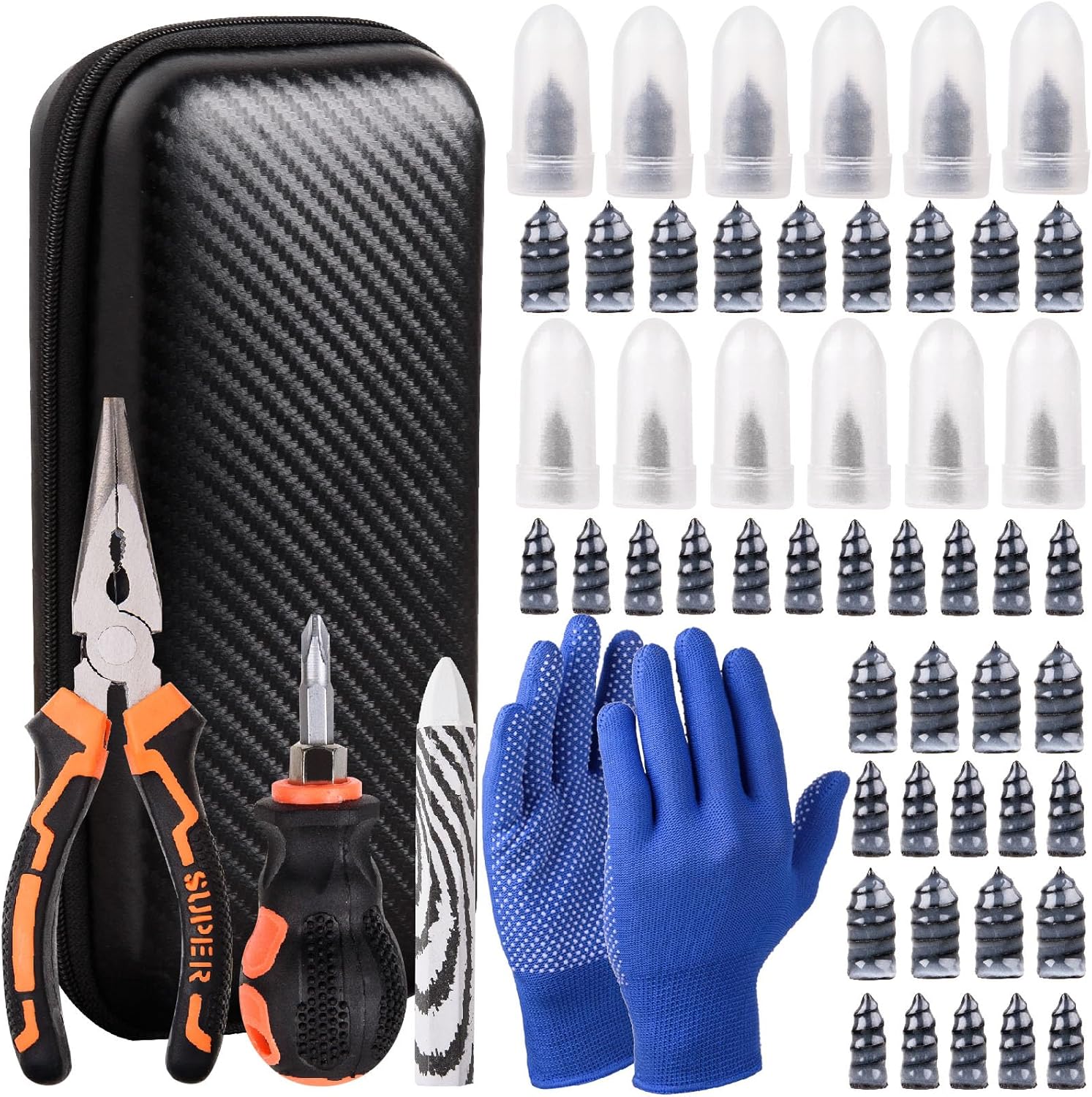
This tire sidewall puncture repair kit fixes flats fast without removing the tire, helping you get back on the road in minutes. It includes self-tapping repair nails, essential tools, gloves, and a portable storage bag for convenient roadside use. Designed for tubeless tires, it helps create a tight, leak-resistant seal for cars, motorcycles, trucks, SUVs, and ATVs.

ZEHXI’s 60 pack screw-in tire plug kit uses high-grade rubber plugs with sealing threads to help repair minor punctures quickly without removing the tire. The set includes two plug sizes, so you can match different puncture openings and keep repairs organized in a transparent case. A handy screwdriver is included for fast installation, helping drivers get more mileage from existing tires while being ready for flat-tire emergencies.

Vigorder rubber cement glue delivers superior adhesion and cures quickly within about 30 seconds for seamless rubber bonding. Once cured, it helps provide a strong, durable, waterproof seal that holds up to vehicle weight, pressure, and heat. Suitable for cars, motorcycles, trucks, bicycles, and off-road tires, it’s designed for emergency patch and maintenance repairs.
Tools Required for Plugging
To plug a tire, you need a tire plug kit with rubber plugs, a reaming tool, and an insertion tool. You also need needle-nose pliers, a tire pressure gauge, an air compressor, soapy water, gloves, and a sharp blade or side cutters to trim the excess plug.
If the tire must come off the Hilux, you also need the jack, wheel brace, locking wheel nut key if fitted, and wheel chocks. Make sure the spare tire is usable before you begin, because you may discover that the punctured tire is not safe to repair.
Steps to Insert the Plug
- Find the leak. Inflate the tire enough to hear or feel air escaping. Spray soapy water over the tread and look for bubbles.
- Check the repair area. Continue only if the puncture is in the main tread area and the tire has no sidewall bulges, cracks, exposed cords, or serious tread wear.
- Remove the object. Pull out the nail, screw, or sharp object with pliers. Note the angle so you can follow the same path with the reaming tool.
- Clean the puncture path. Push the reaming tool in and out several times to clean and size the hole. Keep the tool aligned with the original puncture path.
- Load the plug. Thread the plug through the insertion tool so both ends are even. Use plug cement only if your kit instructions call for it.
- Insert the plug. Push the plug into the hole until about two-thirds of the plug is inside the tire. Do not push it all the way through.
- Pull the tool out straight. The plug should stay in the tire while the tool comes free.
- Trim the excess. Cut the extra plug material close to the tread, without pulling the plug back out.
- Inflate and leak test. Inflate the tire to the cold pressure shown on the Hilux tire placard or owner’s manual, then spray soapy water over the repair. If bubbles keep forming, the repair has failed.
Safety Precautions to Consider
Do not use the pressure listed on the tire sidewall as your normal inflation target. NHTSA advises using the vehicle manufacturer’s recommended tire pressure from the Tire and Loading Information Label or the owner’s manual, and checking pressure when the tire is cold.
| Safety Check | What to Do | Why It Matters |
|---|---|---|
| Inspect the whole tire | Look for cracks, bulges, cords, shoulder damage, and low tread. | The puncture may not be the only problem. |
| Use soapy water | Spray the repair and valve stem after inflation. | Bubbles show continued air loss. |
| Recheck pressure | Check again after a short drive and again when cold. | A slow leak may not show right away. |
The Importance of Patching: Enhancing Plug Repairs
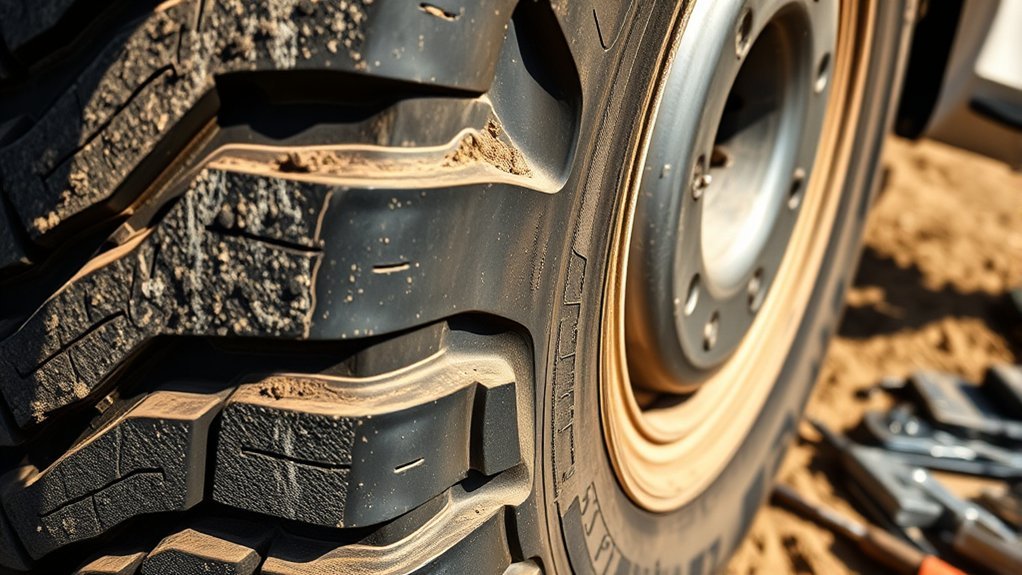
A plug seals the puncture channel from the outside, but it does not let you inspect the inside of the tire. That matters because a tire can suffer inner-liner damage, belt damage, rubber dust, or heat damage after being driven underinflated.
A professional patch-plug repair starts by removing the tire from the wheel. The technician inspects the inside, prepares the liner, fills the puncture path, seals the inner liner, and checks the repair. This is why a patch-plug combination is a better choice for long-term service than an outside plug alone.
[Products Worth Considering]

Wykodra tire plugs provide quick vulcanizing repairs for tubeless tires, helping you seal punctures and get back on the road. The industrial-strength rubber creates a long-lasting, leak-resistant bond and is designed for emergency fixes without removing the tire. Choose between two standard plug sizes with color-matched options for small to larger damage across many vehicles and off-road uses.

This flat tire repair kit lets you handle punctures quickly with two plug sizes for different damage, helping restore drivability on the spot. It includes T-handle insertion and spiral probe tools plus lubricant and a utility knife, all packed in a compact bag for easy carry. Universal compatibility makes it suitable for tubeless tires across cars, motorcycles, ATVs, trucks, jeeps, and more.

Get back on the road fast with this compact tire plug repair kit for tubeless tires. It includes self-vulcanizing rubber plugs, T-handle rasp and insert tools, and a storage box that fits in your glove compartment for easy access. Also included are a 4-way valve steam tool set with valve cores and caps for added roadside convenience.
Long-Term Tire Durability
Long-term tire durability depends on more than stopping the leak. The tire must hold air, keep its structure, and stay cool under load. That is especially important on a Toyota Hilux because many owners use it for cargo, rough roads, job sites, and towing.
- Internal inspection: A tire shop can find damage you cannot see from the outside.
- Inner-liner seal: A patch helps seal the air-retaining layer inside the tire.
- Puncture-path fill: The plug stem fills the path left by the nail or screw.
- Balanced repair decision: A technician can tell you when replacement is safer than repair.
Enhanced Safety Standards
For safe everyday driving, a repaired tire should hold pressure consistently and show no signs of casing weakness. NHTSA recommends checking tire pressure monthly, checking tread monthly, and replacing tires when tread is worn to 2/32 inch. Those checks are even more important after a puncture repair.
A tire plug may get you moving, but an internal inspection tells you whether the tire is safe to keep using.
How Far Can You Drive After Plugging a Hilux Tire?
Drive only as far as needed to reach a tire shop or a safe place for a proper inspection. Keep your speed moderate, avoid sudden steering or braking, and do not tow, haul heavy cargo, or head off-road on a plug-only repair.
After a short drive, stop in a safe place and check the pressure again. If the tire has lost pressure, the repair is not holding. Fit the spare tire or call for help instead of trying to drive farther on a leaking tire.
Warning: If the steering feels unstable, the tire gets hot, the TPMS light comes on, or pressure drops again, stop driving as soon as it is safe.
Top Pitfalls in Tire Repair: What to Avoid
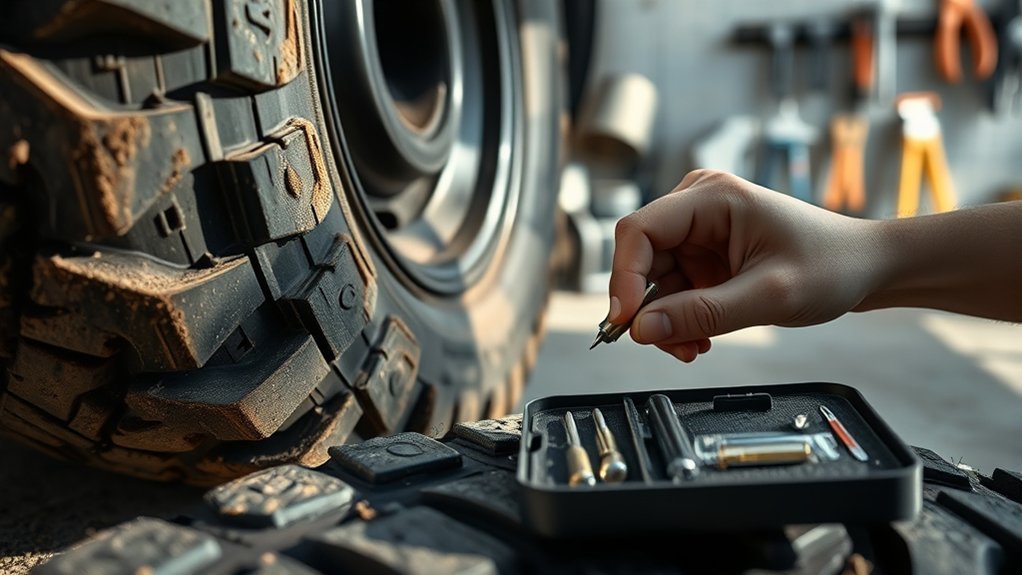
Many bad tire repairs happen because the driver focuses only on the visible nail hole. Avoid these mistakes before you trust the tire again:
- Plugging sidewall or shoulder damage: These areas flex too much for a safe plug repair.
- Ignoring puncture size: A large hole, tear, or jagged cut usually means replacement.
- Skipping the internal inspection: Hidden damage can remain even if the plug stops the leak.
- Repairing over an old repair: Overlapping damage can weaken the tire beyond safe repair.
- Driving normally right away: A fresh plug should be treated as a temporary fix until checked.
- Using the wrong pressure: Set pressure from the Hilux placard or owner’s manual, not the tire sidewall maximum.
Signs Your Tire Is Beyond Repair
Replace the tire if you see sidewall damage, shoulder damage, a bulge, exposed cords, deep cracking, a large puncture, or repeated air loss after repair. These signs point to a tire that may no longer have the strength needed for safe driving.
Also replace the tire if the tread is worn to 2/32 inch. NHTSA explains that tires are not safe and should be replaced at that tread depth. Wear bars are another warning sign. When the tread is level with the built-in treadwear indicators, it is time for new tires.
Previous repairs matter too. If new damage overlaps an old repair, or if several repairs are close together, replacement is usually the safer choice. The same goes for a tire that was driven while flat, because heat and sidewall flex can damage the casing from the inside.
Understanding Sidewall Damage: Implications for Tire Repairs
Sidewall damage is different from tread damage. The sidewall flexes every time the tire rolls, carries load, and absorbs bumps. A plug in this area cannot restore the tire’s original strength.
- Higher failure risk: The sidewall moves too much for a dependable plug repair.
- Blowout potential: A small sidewall cut can grow under heat, load, and speed.
- Poor load support: A Hilux tire may carry heavy cargo, so sidewall integrity matters.
- Replacement is the safe path: If the sidewall is damaged, do not patch or plug it.
If you are unsure whether the puncture is in the shoulder or main tread, treat it as unsafe to plug until a technician checks it.
Tips for Maintaining Your Tires After Repair
After a tire repair, check pressure the same day, the next morning when the tire is cold, and again over the next few drives. NHTSA recommends checking all tires, including the spare, at least once a month when cold.
Use the recommended cold tire pressure on the Hilux Tire and Loading Information Label or in the owner’s manual. NHTSA notes that the correct pressure is the vehicle manufacturer’s listed pressure, not the maximum pressure printed on the tire sidewall.
Inspect tread depth monthly. Replace tires at 2/32 inch, or sooner if the tire shows uneven wear, cuts, bulges, or damage. If your owner’s manual recommends rotation, NHTSA advises rotating tires every 5,000 to 8,000 miles or sooner if uneven wear appears.
Keep your tire records too. The last four digits of the DOT Tire Identification Number show the week and year the tire was made, and NHTSA recommends checking tire age when buying tires. Tire age, tread depth, pressure, and repair history all affect whether a repaired tire is worth keeping.
When to Call the Pros for Tire Repairs
Call a tire professional if you are unsure about the puncture location, if the tire keeps losing air, or if the tire has been driven while low or flat. You should also get help if the puncture is near the sidewall, if the damage is large, or if the tire has already been repaired before.
- Large punctures: A large or torn injury is usually not safe for a simple plug.
- Sidewall or shoulder damage: Replace the tire instead of trying to repair it.
- Overlapping repairs: A new puncture close to an old repair can weaken the tire.
- Embedded objects: If a nail or screw is still in the tire and pressure is dropping, limit driving and get help.
- Heavy-use Hilux tires: If you tow, haul, or drive off-road, have the repair inspected before hard use.
Frequently Asked Questions
How much should a Toyota Hilux tire plug repair cost?
A DIY plug kit is usually inexpensive, while a shop repair costs more because the technician may remove the tire, inspect the inside, and perform a patch-plug repair. Prices vary by country, tire size, shop labor rate, and whether the tire must be replaced.
Is a tire plug a permanent repair?
A plug-only repair should be treated as temporary. It may stop air loss from a small tread puncture, but it does not let you inspect the inside of the tire. For long-term use, a professional patch-plug repair is safer when the tire is otherwise repairable.
Can I plug a Hilux tire sidewall?
No. Do not plug a sidewall puncture. The sidewall flexes heavily and supports load, so a plug cannot restore its strength. Replace the tire if the sidewall is cut, punctured, bulging, cracked, or showing cords.
Can I drive with a nail in my Hilux tire?
Only drive as far as needed to reach a safe place or tire shop if the tire is still holding pressure. Check the pressure first. If the tire is low, leaking quickly, or the nail is near the sidewall, use the spare tire or call roadside assistance.
Should I use the spare tire instead of a plug?
Use the spare if the puncture is not clearly repairable, if you are near traffic, if the tire is losing air quickly, or if you need to tow or carry a load. A spare is often safer than doing a rushed plug repair in poor conditions.
Conclusion
A Toyota Hilux tire plug can be useful for a small puncture in the main tread, but it should not replace a proper inspection. Do not plug sidewalls, shoulders, large holes, worn-out tires, or tires that have been driven flat. After any plug repair, check for leaks, set the cold pressure correctly, and have the tire inspected by a professional before towing, hauling, or driving off-road.
Sources
- NHTSA TireWise — tire pressure, tread depth, tire rotation, tire aging, TPMS, and tire-related crash safety context
- NHTSA Tire Buyers’ FAQ — tire type, tire size, Tire and Loading Information Label, and DOT Tire Identification Number guidance
- NHTSA Congratulations on Your New Tire Purchase — monthly pressure checks, owner’s manual pressure guidance, tread checks, and tire recall alerts