
Can You Patch a Hyundai Sonata Tire? When It’s Safe & When It’s Not
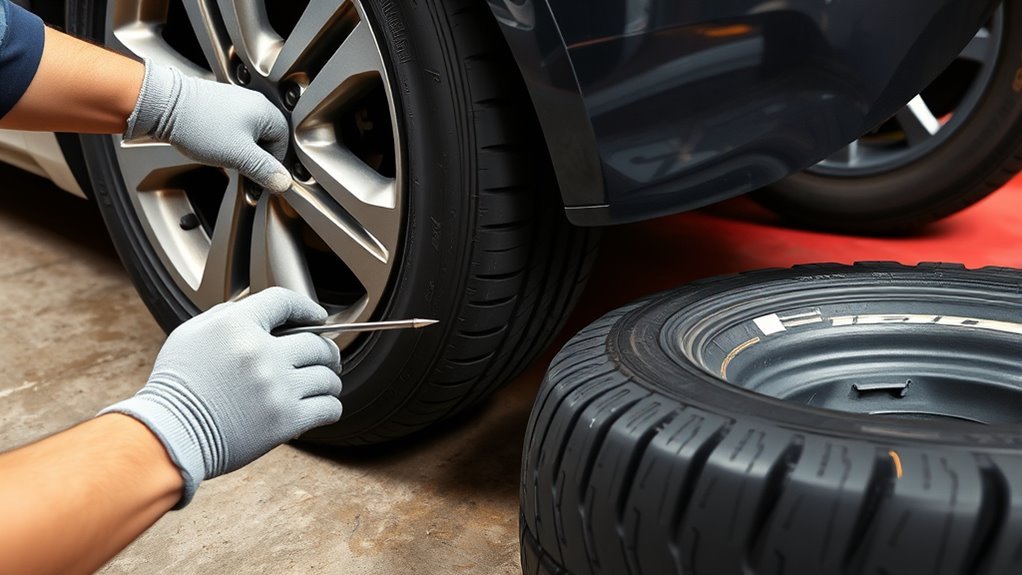
You can sometimes repair a tire on a 2017 Hyundai Sonata, but the repair depends on the tire damage—not the Sonata model itself. A small nail or screw in the repairable tread area may be fixed safely by a trained tire technician, while sidewall damage, shoulder damage, a large puncture, hidden internal damage, or a worn-out tire usually means replacement.
Quick Answer
Yes, you can patch a 2017 Hyundai Sonata tire if the puncture is in the repairable tread area, no larger than 1/4 inch (6 mm), and the tire has not been driven flat or damaged internally. The proper long-term fix is a professional patch-plug repair after the tire is removed and inspected.
Key Takeaways
- A repairable puncture must be in the tread/crown area, not the shoulder or sidewall.
- The puncture should be no larger than 1/4 inch (6 mm).
- A plug alone or patch alone is not the best permanent repair; a professional patch-plug combination is the standard repair.
- Do not keep driving on a flat or severely underinflated tire because hidden internal damage can make repair unsafe.
- If the tire is worn to 2/32 inch, has bulges, exposed cords, sidewall damage, or overlapping repairs, replace it.
At a Glance
| Time Required | Usually 30–60 minutes at a tire shop, depending on wait time and inspection results |
| Difficulty | Not a recommended DIY permanent repair; the tire must be removed from the wheel and inspected internally |
| Tools Needed | Tire machine, internal inspection, buffing tools, vulcanizing repair materials, patch-plug unit, leak test, and balancing equipment |
| Cost | Varies by shop, tire type, and location; some retailers repair eligible tires for free if you bought the tire there |
Warning: Do not continue driving on a flat Hyundai Sonata tire to “save” the tire. Even a short drive on a flat or badly underinflated tire can damage the inner sidewall, belts, and liner, making the tire unsafe to repair.
Is It Safe to Patch a Tire on a 2017 Hyundai Sonata?
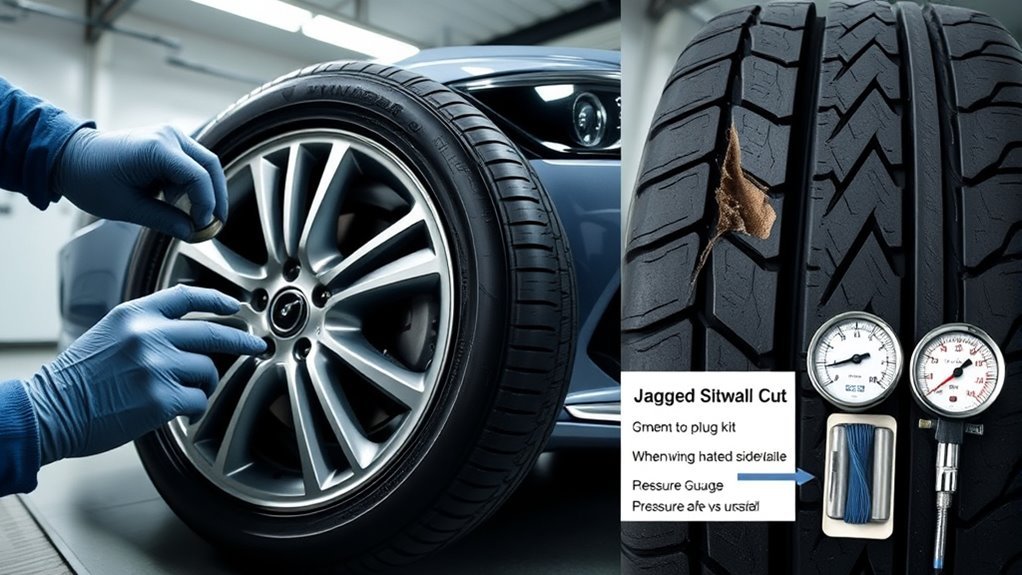
It is safe to repair a 2017 Hyundai Sonata tire only when the damage falls within industry repair limits and the repair is done correctly. The most important factors are the puncture location, puncture size, tire condition, and whether the tire was driven flat.
A safe repair is usually possible when all of these are true:
- The puncture is in the repairable tread/crown area.
- The puncture is no larger than 1/4 inch (6 mm).
- The damage does not extend into the shoulder, belt edge, or sidewall.
- The tire has not been driven flat or severely underinflated.
- The tire has no exposed cords, bulges, cracking, belt separation, or innerliner damage.
- The tread is above the legal replacement limit and not worn to 2/32 inch.
- The new repair will not overlap a previous repair.
The safest wording is not “patch the tire” by itself. A proper long-term tire repair fills the puncture channel and seals the tire’s innerliner. The U.S. Tire Manufacturers Association explains that repairs should be limited to tread-area damage no larger than 1/4 inch and should be performed only after the tire is removed from the wheel for internal inspection.
[Products Worth Considering]

This tire repair patch tool kit helps you quickly seal small punctures using upgraded mushroom plugs and a built-in roller system that presses for even penetration. The tungsten buffing wheel and HSS twist drill bits prepare the damaged surface for stronger adhesion, while the crown-angle friendly plugs are designed to keep water and debris out. Ideal for puncture repairs on many vehicle types, from cars and trucks to bikes and scooters.

Wykodra tire plugs provide quick vulcanizing repairs for tubeless tires, helping you seal punctures and get back on the road. The industrial-strength rubber creates a long-lasting, leak-resistant bond and is designed for emergency fixes without removing the tire. Choose between two standard plug sizes with color-matched options for small to larger damage across many vehicles and off-road uses.
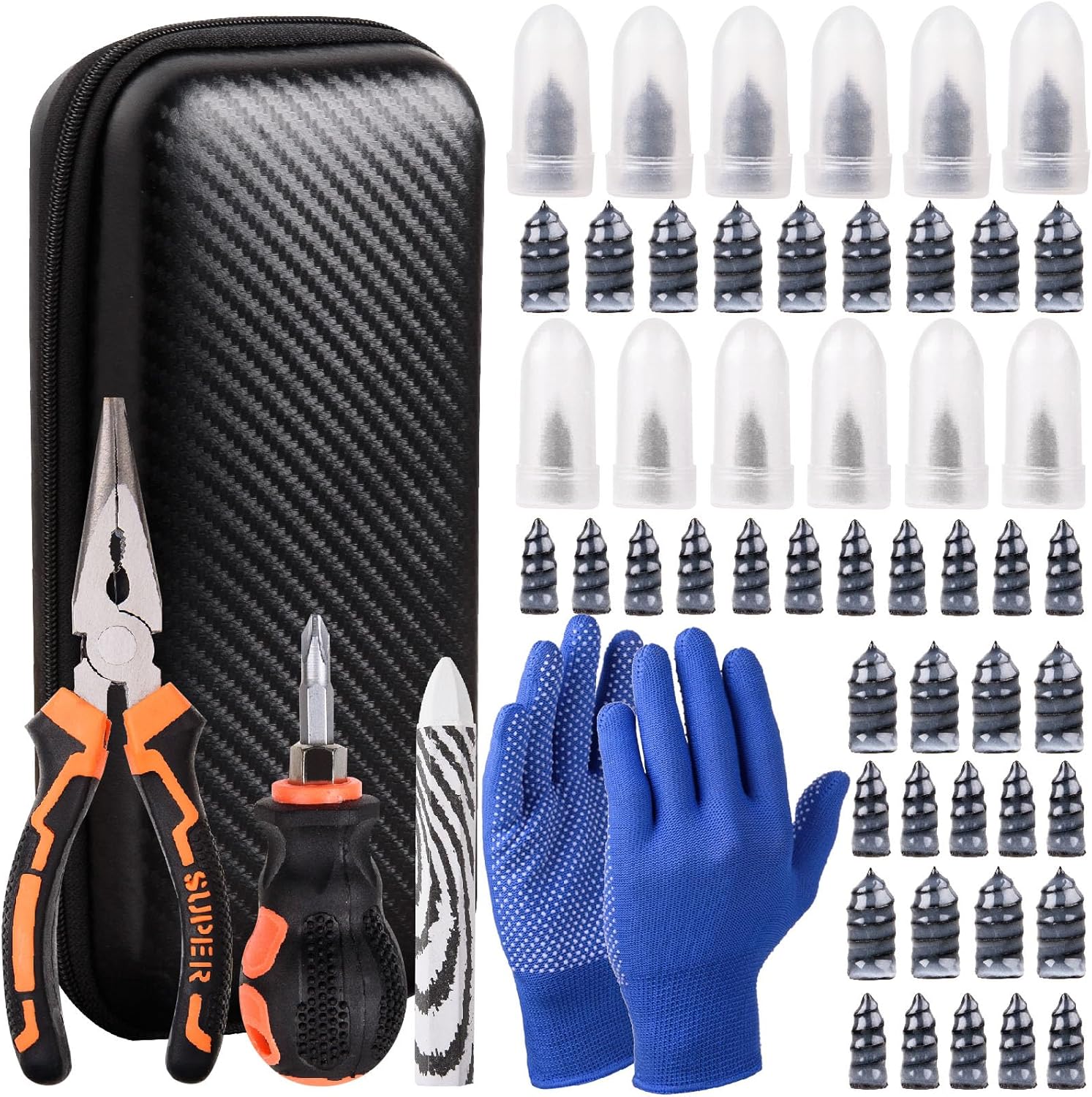
This tire sidewall puncture repair kit fixes flats fast without removing the tire, helping you get back on the road in minutes. It includes self-tapping repair nails, essential tools, gloves, and a portable storage bag for convenient roadside use. Designed for tubeless tires, it helps create a tight, leak-resistant seal for cars, motorcycles, trucks, SUVs, and ATVs.
Repair or Replace? Quick Decision Checklist
| What You Find | Likely Outcome | Why |
|---|---|---|
| Small nail or screw in the center tread area | May be repairable | A trained technician can inspect and perform a patch-plug repair if the injury is within limits. |
| Puncture larger than 1/4 inch (6 mm) | Replace | Large injuries weaken the tire structure and exceed standard repair limits. |
| Damage on the sidewall or shoulder | Replace | These areas flex heavily and are outside the safe repair zone. |
| Tire was driven flat | Inspection required; often replace | Internal sidewall and belt damage may not be visible from outside. |
| Bulge, exposed cord, cracking, or tread separation | Replace | These are structural damage signs, not simple punctures. |
| Tread is at or below 2/32 inch | Replace | NHTSA says tires are not safe once tread is worn to 2/32 inch. |
Understanding Tire Damage Types: When Is Patching Possible?
When you see a nail, screw, or sharp object in your Sonata’s tire, do not judge repairability by the outside view alone. The tire must be inspected from the inside before a permanent repair is approved.
- Location: The damage must be in the repairable tread area. Punctures in the shoulder, sidewall, or belt-edge area should not be repaired.
- Size: The puncture injury should not be larger than 1/4 inch (6 mm). Long cuts, gashes, and irregular tears are usually not repairable.
- Angle: A puncture that enters at an angle and reaches the shoulder or belt edge can make the tire unsafe, even if the outside hole looks small.
- Condition: A tire with bulges, exposed cords, worn tread, prior improper repairs, or innerliner damage should be replaced.
- History: If you drove on the tire while it was flat or nearly flat, assume it needs a professional internal inspection before repair is considered.
The Tire Industry Association also warns that on-the-wheel string plugs should be treated as temporary, not as a proper permanent repair.
What a Proper Professional Tire Repair Includes
A reliable repair is more than sticking a plug into the hole from the outside. A trained tire technician should:
- Remove the tire from the wheel/rim assembly.
- Inspect the inside of the tire for liner damage, sidewall damage, broken belts, separations, and evidence of run-flat damage.
- Confirm that the puncture is in the repairable tread area and no larger than 1/4 inch (6 mm).
- Remove damaged material from the puncture path.
- Fill the puncture channel with a rubber stem or plug material.
- Seal the innerliner with a patch or one-piece combination patch-plug unit.
- Reinstall, inflate, leak-test, and balance the tire before returning the vehicle to service.
Pro Tip: If a screw or nail is still in the tire and the tire is holding air, do not pull it out in your driveway. Mark the location, check the pressure, and drive slowly to a tire shop only if the tire is safely inflated. If it is losing air quickly, use the spare or call roadside assistance.
Manufacturer Guidelines for Tire Repairs
For a 2017 Hyundai Sonata, there are two kinds of guidance to follow: Hyundai’s vehicle guidance and the tire industry/tire manufacturer’s repair rules. Hyundai tells you where to find tire pressure information and how to respond to tire-pressure warnings, while the tire manufacturer and repair standards determine whether the tire itself can be safely repaired.
Hyundai-Specific Guidance
Use the tire information label on the driver-side door area and the Hyundai owner’s manual portal to confirm the correct tire size, cold tire pressure, spare-tire instructions, and TPMS guidance for your exact vehicle.
Your 2017 Sonata’s Tire Pressure Monitoring System may stay on after a spare tire is installed because the spare may not have a TPMS sensor. After the repaired original tire and wheel are reinstalled and inflated to the recommended pressure, the warning light should go off after a short drive. If it does not, have the TPMS checked.
Repair Limitations Explained
The key repair limits are not unique to Hyundai. They apply to passenger tires in general:
- Repair only qualifying punctures in the tread area.
- Do not repair punctures larger than 1/4 inch (6 mm).
- Do not repair sidewall or shoulder damage.
- Do not repair a tire with hidden internal damage.
- Do not overlap a new repair with an old repair.
- Do not repair a tire worn to the treadwear indicators or 2/32 inch.
Safety Standards Compliance
Ask the shop whether it follows USTMA/TIA-style puncture repair procedures. The answer should include removing the tire from the wheel, inspecting the inside, filling the puncture channel, and sealing the innerliner. If the shop only offers an outside-in plug as a permanent fix, choose a different repair option.
Note: Emergency sealant can help in some roadside situations, but it is not a permanent repair. Sealants may also affect TPMS sensors, so tell the technician if any sealant was used before the tire is inspected.
Risks of Driving on a Flat Tire
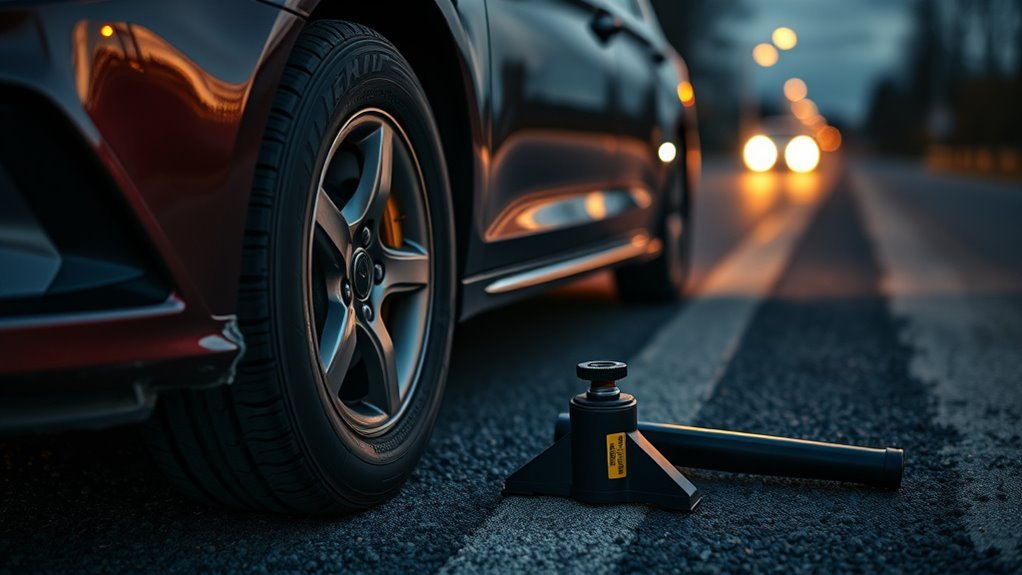
Driving on a flat tire can turn a repairable puncture into a tire that must be replaced. The tire’s sidewall is not designed to carry the car’s weight without air pressure. As the flat tire rolls, the sidewall can fold, overheat, and break down internally.
Tire Integrity Risks
A flat or severely underinflated tire can suffer damage you cannot see from the outside, including:
- Broken belts: Internal belt damage can make the tire unsafe at highway speeds.
- Sidewall breakdown: A folded sidewall can weaken the tire structure.
- Innerliner damage: The liner that holds air can be scuffed, cracked, or separated.
- Tread separation risk: Heat and structural damage can increase the chance of failure later.
Safety Hazards Involved
A tire failure can cause sudden loss of control, especially at higher speeds. NHTSA’s tire-safety guidance stresses regular tire pressure checks, tread checks, and prompt attention to tire-pressure warnings because poor tire maintenance can lead to flats, blowouts, or tread separation.
A tire that looks repairable from the outside may be unsafe once the inside is inspected. That is why permanent puncture repair should never be judged by appearance alone.
Performance Impact Factors
Low tire pressure can hurt braking, steering, fuel economy, tread life, and ride stability. After any tire repair, keep watching for vibration, pulling, recurring pressure loss, or a TPMS warning. These signs may mean the tire still leaks, the wheel was not balanced correctly, or the tire has damage that was not safe to repair.
Patching vs. Plugging for Hyundai Sonata Tires: Which Is Better?
For a 2017 Hyundai Sonata tire, the best permanent repair is usually a patch-plug combination when the tire qualifies for repair. A plug fills the puncture path, while a patch seals the innerliner. Each part does a different job.
| Repair Type | How It Works | Best Use | Long-Term Safety |
|---|---|---|---|
| Plug only | Inserted from outside to fill the hole | Temporary emergency repair only | Not recommended as a permanent repair |
| Patch only | Seals the inside liner | Incomplete by itself because the puncture path may remain open | Not the preferred standalone repair |
| Patch-plug combination | Fills the puncture path and seals the innerliner | Qualified tread punctures after internal inspection | Best permanent repair when the tire meets repair limits |
If a roadside plug was already used, tell the technician. The tire still needs to be removed and inspected before you rely on it for normal driving.
[Products Worth Considering]
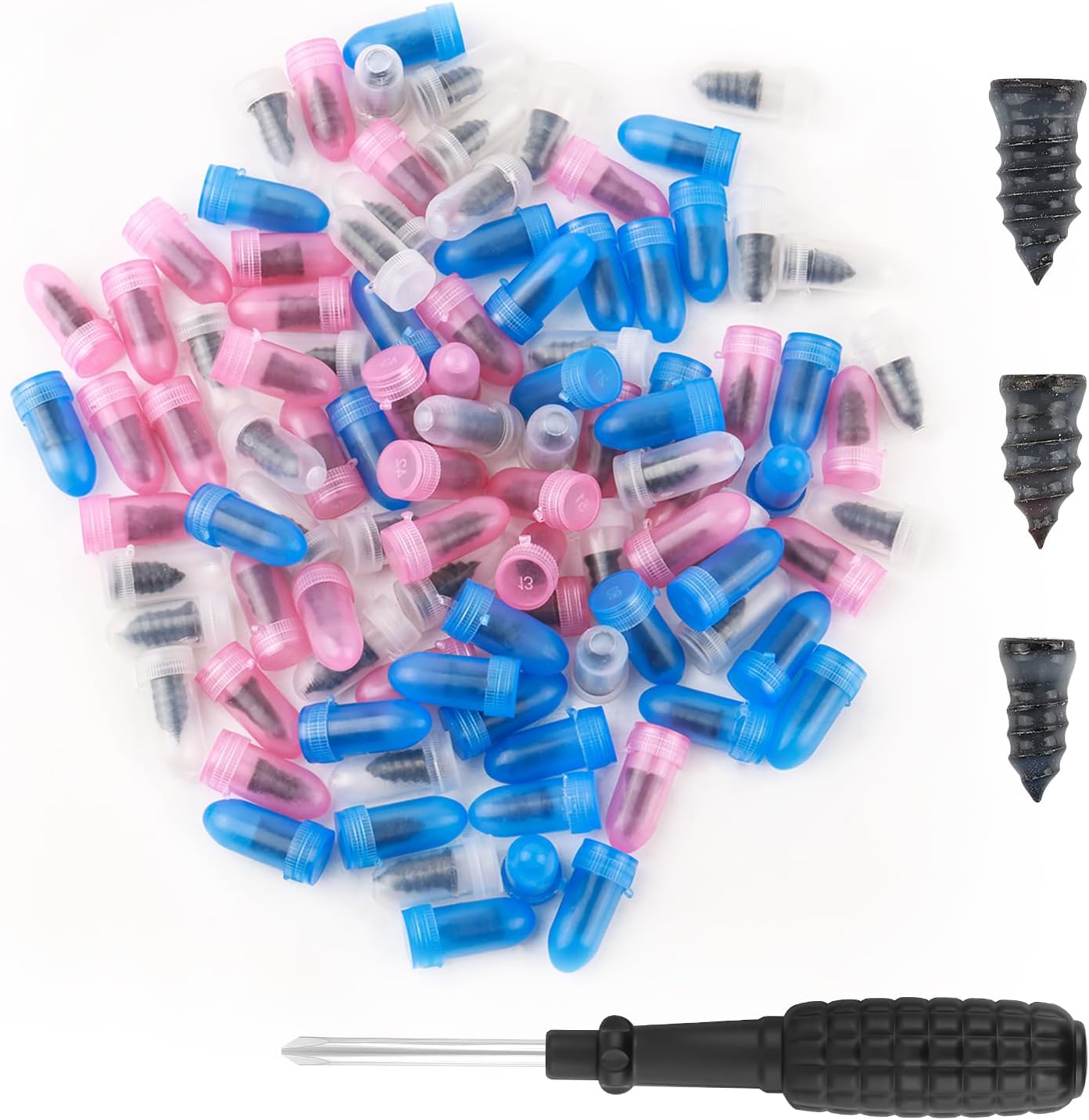
This 100-piece tire repair screw plug kit provides a fast, self-service solution for punctures on the road. Choose the correct plug size, insert it into the break, and screw...
How to Identify Repairable Tire Damage
You can do a quick first check before going to the shop, but the final decision should come from a tire technician after internal inspection.
- Park safely: Move away from traffic, set the parking brake, and turn on hazard lights if needed.
- Check air pressure: Use a tire pressure gauge. Do not rely on appearance alone.
- Find the object: Look for a nail, screw, or small puncture in the tread area. Do not remove the object unless a technician tells you to.
- Look at the sidewall: Replace the tire if you see cuts, bubbles, cracks, exposed cords, or impact damage.
- Measure tread depth: If the tire is at or below 2/32 inch, replacement is the safe answer.
- Check the location: Damage near the tread edge, shoulder, or sidewall is usually not repairable.
- Think about how far you drove: If you drove on the tire while flat, tell the shop before they inspect it.
If the tire is losing air quickly, install the spare tire if your Sonata is equipped with one and you can do so safely. Otherwise, call roadside assistance or have the car towed to a tire shop.
When to Seek Professional Help for Tire Repairs
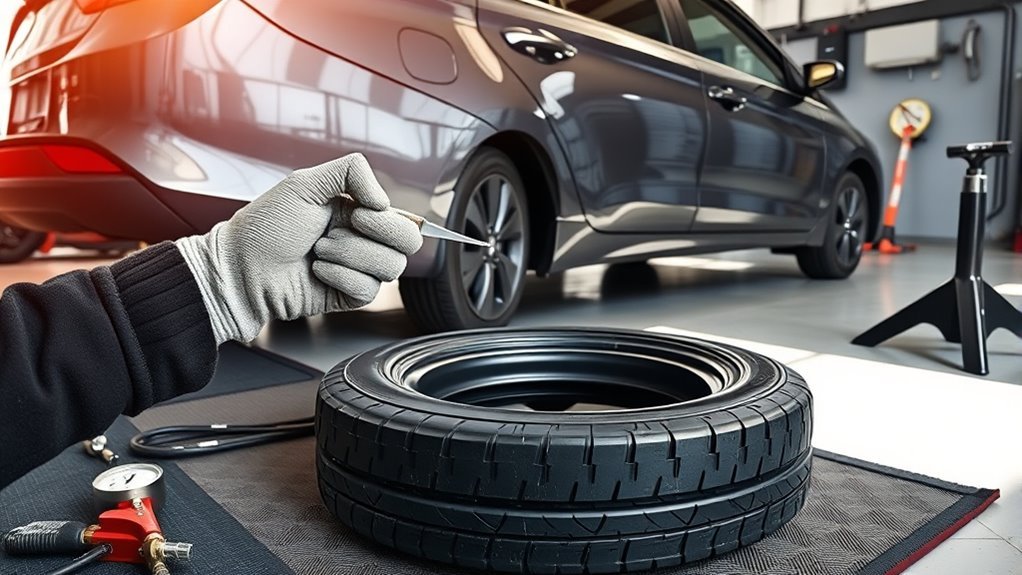
Seek professional help any time the tire has a puncture, sudden pressure loss, TPMS warning, visible damage, or a vibration after impact. You should not attempt a permanent repair at home because the tire must be removed from the wheel to inspect the innerliner and structure.
Go directly to a tire shop or call for assistance if:
- The puncture is larger than 1/4 inch (6 mm).
- The damage is on the sidewall, shoulder, or tread edge.
- The tire was driven flat or severely underinflated.
- You see a bulge, bubble, deep cut, exposed cord, or tread separation.
- The tire has multiple punctures close together.
- The new injury overlaps or touches an older repair.
- The tire is worn to 2/32 inch or the treadwear indicators.
- The TPMS warning remains after the tire is inflated and driven briefly.
Also check your tire warranty or road-hazard coverage before approving replacement. Some shops include repair or replacement coverage when the tire was purchased from them.
Best Practices for Monitoring Your Tires Post-Repair
After a professional tire repair, monitor the tire for pressure loss, vibration, or handling changes. A proper repair should hold air, but you still need to watch it during the first few days and during regular maintenance.
- Check tire pressure cold: Measure pressure when the car has been parked for at least three hours or driven less than one mile.
- Recheck after a few days: A slow leak may not show up immediately.
- Watch the TPMS light: If it stays on or comes back after the tire is inflated, inspect the tire again.
- Inspect the repaired tire visually: Look for bulges, cracking, new punctures, or uneven wear.
- Monitor tread depth: Replace tires that reach 2/32 inch or show unsafe wear patterns.
- Pay attention to ride quality: Vibration or pulling may indicate imbalance, alignment issues, wheel damage, or tire damage.
NHTSA recommends monthly tire-pressure and tread checks, and the pressure on your Sonata should match the cold tire pressure listed on the driver-side tire label or in the owner’s manual—not the maximum pressure molded into the tire sidewall.
Frequently Asked Questions
How long can a tire last with a patch-plug repair?
If the tire was truly repairable and the repair was done correctly, a professional patch-plug repair can often last for the remaining usable life of the tire. Keep checking pressure and tread condition, and replace the tire if it develops leaks, bulges, exposed cords, or unsafe wear.
Why is my tire pressure light on when my Hyundai tires look fine?
A tire can be underinflated even when it looks normal. Check all tires with a quality pressure gauge when cold. The TPMS light can also come on because of temperature changes, a slow leak, a damaged sensor, a spare tire without a sensor, or a TPMS malfunction.
Can you patch a tire while it is still on the vehicle?
No. A proper permanent repair requires removing the tire from the wheel so the inside can be inspected. Outside-in string plugs may help temporarily in an emergency, but they are not a substitute for a full internal inspection and patch-plug repair.
How much does it cost to get a tire patched and plugged?
The cost varies by location, shop, tire size, and whether the tire was purchased from that retailer. Some shops charge a modest repair fee, while some retailers include eligible flat repairs with tire purchase or road-hazard coverage. Always ask for the total price before authorizing the repair.
Can I drive at highway speed after a Sonata tire is repaired?
If the tire was professionally repaired within industry limits, leak-tested, balanced, and cleared by the technician, it can normally return to regular service. Do not drive at highway speed on a temporary plug, a leaking tire, a tire with sidewall damage, or a tire that was driven flat before inspection.
What if the nail is close to the sidewall?
A nail close to the sidewall or shoulder is usually not repairable. Even if the hole looks small, the injury may reach the belt-edge or flexing sidewall area. Have it inspected by a tire technician, and be prepared to replace the tire.
Conclusion
A 2017 Hyundai Sonata tire can be repaired only when the damage is small, located in the repairable tread area, and free of internal or sidewall damage. The safest permanent repair is not a simple outside plug or patch-only repair; it is a professional patch-plug repair performed after the tire is removed from the wheel and inspected inside. If the tire was driven flat, has shoulder or sidewall damage, has a large puncture, is worn to 2/32 inch, or shows structural damage, replace it instead of repairing it.
Sources
- U.S. Tire Manufacturers Association — Tire Repair Basics — repairable tread-area limits, 1/4-inch puncture limit, internal inspection, and patch-plug repair guidance
- Tire Industry Association — Tire Repair — why plug-only and patch-only repairs are not proper permanent repairs
- NHTSA TireWise — Tire Safety Ratings and Awareness — tire pressure, tread depth, TPMS, and tire safety guidance
- Hyundai Owner’s Manual Portal — vehicle-specific owner’s manual lookup for tire pressure, tire size, spare tire, and TPMS information
- Hyundai — How to Use the Tire Pressure Monitoring System Feature — Hyundai TPMS owner guidance

Related Articles

Danger of Using Summer Tires in Winter on a Hyundai Sonata
Potentially perilous, using summer tires in winter on your Hyundai Sonata can compromise safety—discover the hidden dangers that await you on icy roads.
Read More
Can You Mix Nitrogen and Air in Hyundai Sonata Tires? Answered
Discover the implications of mixing nitrogen and air in your Hyundai Sonata tires—are the benefits worth the risks? Explore the answer inside!
Read More
How to Tell If Hyundai Sonata Tires Are Too Old to Use Safely
Understand how to assess the age of your Hyundai Sonata tires and discover crucial signs of deterioration that could compromise your safety on the road.
Read More