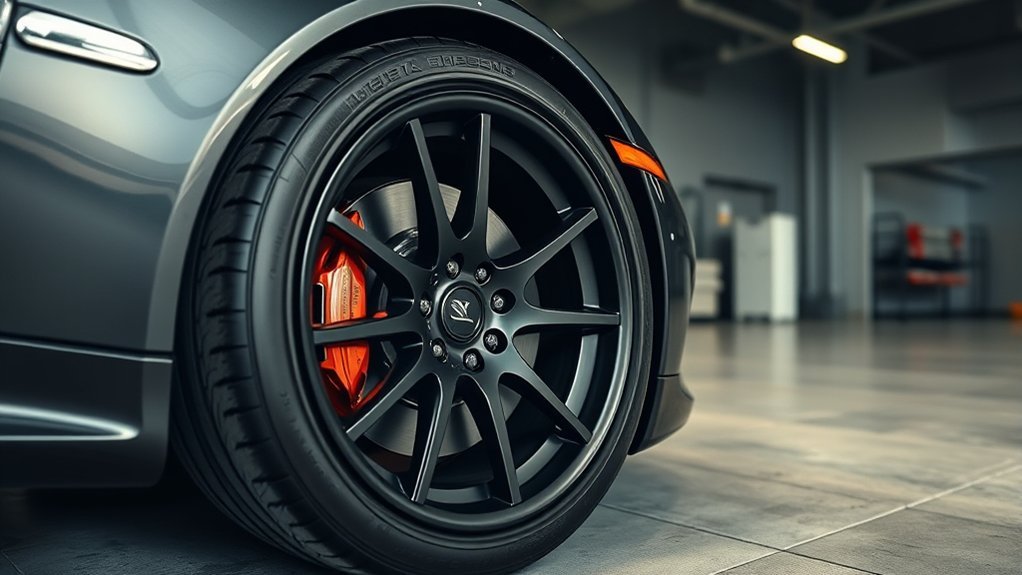
Low profile tires can make a car feel sharper, sportier, and more connected to the road, but they are not the right upgrade for every driver. The shorter sidewall that helps with steering response also leaves less rubber between the wheel and the road, so comfort, pothole protection, winter traction, and replacement cost all matter before you buy.
Quick Answer
A low profile tire is commonly a tire with a lower aspect ratio, often 50-series or below, which means the sidewall is short compared with the tire’s width. It can improve steering feel, cornering response, and appearance, but it usually gives a firmer ride and less protection from potholes.
Key Takeaways
- Low profile tires usually have a shorter sidewall and are often 50-series or lower, such as 225/45R18 or 245/40R19.
- They can sharpen steering response and cornering feel when the tire size, wheel, suspension, and vehicle are properly matched.
- The tradeoff is a firmer ride, more road noise, less impact cushioning, and a higher risk of wheel damage on potholes or curbs.
- Fitment matters: check the approved size, load index, speed rating, rim width, wheel clearance, and overall tire diameter before switching.
- For winter driving, tire type and compound matter more than sidewall height. A proper winter tire is safer than a summer performance tire in snow or near-freezing weather.
What Is a Low Profile Tire?
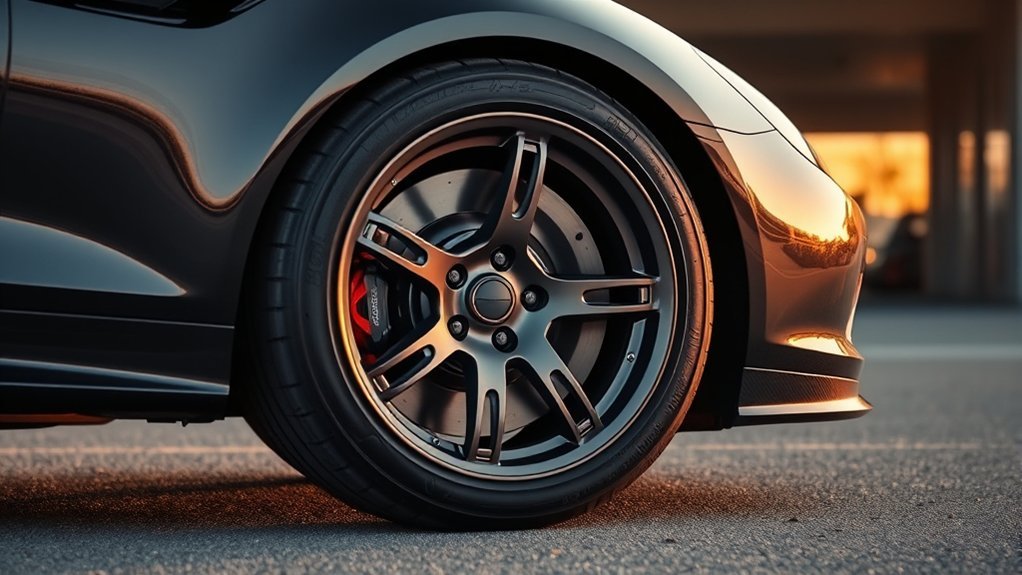
A low profile tire is a tire with a shorter sidewall in relation to its width. In everyday tire shopping, many drivers and tire retailers use an aspect ratio of 50 or lower as the rough cutoff, but the key idea is the tire’s shape: less sidewall height, often paired with a larger wheel.
The aspect ratio is the middle number in a tire size. In 225/45R18, the tire is 225 millimeters wide, the sidewall height is 45% of that width, and the wheel diameter is 18 inches. That 45-series sidewall is shorter than a 225/60R16 sidewall, even though both tires may be used on passenger vehicles.
Low profile tires are common on sports cars, performance sedans, luxury vehicles, and appearance-focused wheel upgrades because they create a cleaner, more aggressive wheel-and-tire look. They can also support sharper road feel, but only when the tire is correctly matched to the vehicle.
Note: “Low profile” describes the tire’s proportions, not its quality. A cheap low profile tire can perform worse than a high-quality standard-profile tire, and a properly chosen touring tire may be better for commuting comfort.
How Low Profile Tires Improve Handling
Low profile tires can improve handling because the shorter sidewall usually flexes less during steering, braking, and cornering. Less sidewall movement can make steering inputs feel quicker and more direct, especially on smooth pavement.
Reduced Sidewall Flex
When a tire has a taller sidewall, that sidewall bends more under load. Some flex is good because it helps absorb bumps, but too much flex can make the car feel slower to respond. A low profile tire reduces that movement, so the vehicle may feel more precise when you turn the wheel.
- Quicker steering response on smooth roads
- More direct road feedback through the steering wheel
- Less tire squirm during fast lane changes
- Better cornering feel when paired with the right suspension setup
Sharper Cornering Response
Many low profile tires also use wider tread widths and performance-focused compounds. That can help the tire maintain grip during cornering, but the tire’s compound, tread pattern, temperature range, and inflation pressure matter as much as the sidewall height.
| Shorter sidewall | Less flex and a more direct steering feel |
| Wider tread | Can increase contact with the road, depending on tire size and vehicle setup |
| Stiffer construction | Can improve response but may reduce ride comfort |
Low Profile Tires vs Regular Tires
The biggest difference between low profile tires and regular tires is the sidewall height. Low profile tires use a shorter sidewall and often a larger wheel. Regular tires use a taller sidewall, which gives the tire more room to absorb bumps before the impact reaches the wheel and suspension.
| Feature | Low Profile Tires | Regular Tires |
| Handling | Sharper and more direct | Softer and more forgiving |
| Ride comfort | Firmer, especially on rough pavement | Smoother because the sidewall absorbs more impact |
| Wheel protection | Less protection from potholes and curbs | More sidewall cushion around the rim |
| Appearance | Sportier, with more wheel showing | More traditional sidewall look |
| Best use | Performance driving, smooth roads, sport styling | Daily comfort, rough roads, lower repair risk |
Low profile tires are not automatically better than regular tires. They are better when your goal is sharper response and sportier feel. Regular tires are often better when your goal is comfort, durability, lower cost, and pothole resistance.
Are Low Profile Tires Good for Daily Driving?
Low profile tires can be good for daily driving if your roads are smooth, your vehicle was designed for them, and you accept a firmer ride. They are less ideal if your commute includes potholes, broken pavement, gravel roads, steep driveway lips, or frequent curbside parking.
Daily Comfort Tradeoffs
The shorter sidewall gives the tire less room to absorb impacts. That means you may feel more vibration through the seat and steering wheel. You may also hear more road noise, especially if the tire has a wide tread or a performance-oriented pattern.
- More impact harshness over potholes and expansion joints
- More risk of bent wheels after hard impacts
- More cabin noise on coarse pavement
- Higher replacement cost in many large-wheel sizes
Handling Versus Practicality
If you enjoy a connected driving feel, low profile tires can make a car feel more responsive. If you mostly want a quiet commute, standard-profile tires may be more practical. The best choice depends on your road conditions, driving style, wheel size, suspension, and budget.
Pro Tip: Before buying low profile tires for daily driving, check the worst roads you use every week. If potholes, sharp bridge joints, and rough city streets are normal, a slightly taller sidewall may save money and frustration.
How Low Profile Tires Affect Ride Comfort
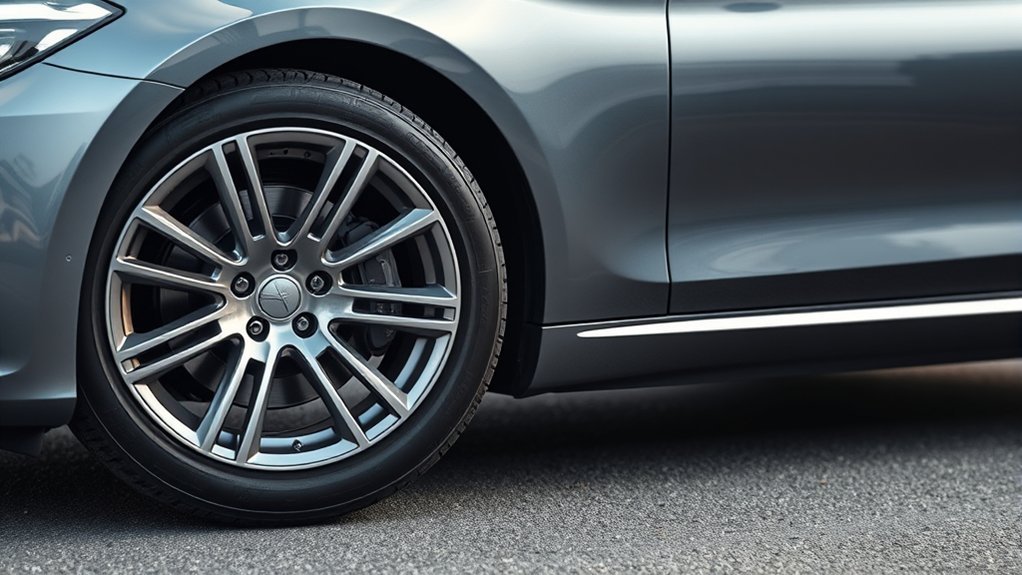
Low profile tires usually feel firmer because they have less sidewall to cushion the vehicle. On smooth roads, that firmness can feel controlled and sporty. On rough roads, it can feel harsh because bumps travel more directly into the suspension and cabin.
Road noise can also increase. A wide performance tire may use a tread pattern and compound designed for grip, not quiet touring comfort. Some premium performance tires manage noise well, but a low profile tire is still less forgiving than a taller tire in the same general category.
The core tradeoff is simple: a shorter sidewall can make steering feel sharper, but it also leaves less rubber to absorb bumps before they reach the wheel.
Common Low Profile Tire Problems
Low profile tires are not fragile by default, but they are less forgiving when road conditions are bad. The most common problems come from impact damage, incorrect fitment, poor inflation habits, and using the wrong tire type for the weather.
- Pothole damage: Less sidewall height means less cushioning between the road and the wheel.
- Rim damage: A sharp impact can bend or crack a wheel more easily than with a taller sidewall.
- Sidewall bubbles: Internal tire damage can appear as a bubble after hitting a pothole or curb.
- More road noise: Wide performance tires can transmit more tread noise into the cabin.
- Faster wear: Some performance compounds trade tread life for grip.
- Higher cost: Large-diameter performance sizes often cost more to replace.
Warning: If a low profile tire develops a sidewall bubble, deep cut, exposed cord, or sudden air loss after a pothole hit, do not keep driving on it. Have the tire and wheel inspected before returning to normal driving.
How to Choose the Right Low Profile Tires
Choosing the right low profile tires starts with fitment, not brand. The tire must match the vehicle’s approved size range, load capacity, speed rating, wheel width, and clearance. Do not choose a tire only because it looks good on the wheel.
| What to Check | Why It Matters |
| Approved tire size | Keeps the tire compatible with the vehicle’s suspension, body, and safety systems. |
| Load index | The tire must carry at least the load required by the vehicle manufacturer. |
| Speed rating | The replacement tire should meet or exceed the vehicle’s required speed rating unless a tire professional confirms otherwise. |
| Overall diameter | Large changes can affect speedometer accuracy, odometer readings, ABS, traction control, and clearance. |
| Wheel width and offset | The tire must sit correctly on the wheel and clear the fenders, struts, brakes, and suspension parts. |
| Driving conditions | Smooth roads favor low profiles; rough roads favor more sidewall. |
If you are moving to a larger wheel and a shorter tire, that is often called plus sizing. Done correctly, plus sizing keeps the overall tire diameter close to the original. Done poorly, it can create rubbing, poor ride quality, incorrect speedometer readings, and expensive damage.
Use the tire placard on the driver’s door jamb, your owner’s manual, or a professional tire fitment guide as the starting point. Michelin’s tire-marking guide explains how to read tire width, aspect ratio, wheel diameter, load rating, and speed rating on the sidewall.
[Products Worth Considering]

The Airmoto portable tire inflator quickly and accurately fills car, truck, SUV, motorcycle, and bicycle tires up to 120 PSI with auto shut-off when your target pressure is reached. Its large LCD, multi-unit pressure display, and digital gauge make it easy to dial in settings and verify readings, while the built-in LED flashlight helps in low light. The included polyurethane hard carrying case and storage mesh pocket keep the inflator and accessories protected and organized.
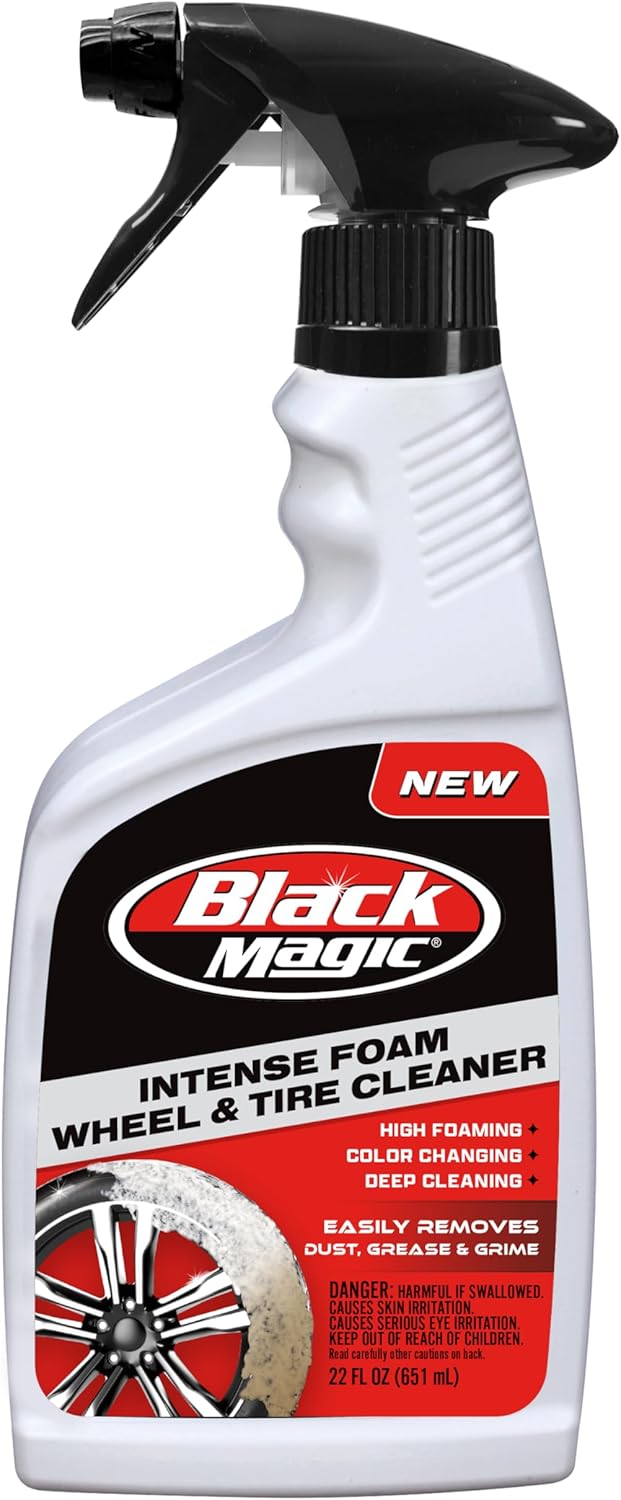
Black Magic Intense Foam Wheel & Tire Cleaner uses a high-foaming action to lift away dirt, grime, and brake dust without scrubbing. The color-changing formula helps show contaminants being dissolved as foam turns from white to brown. Safe for all wheel types and even wheel wells, it leaves a like-new, slick finish with a fresh cherry scent.

These universal tire valve stem caps help protect valve cores from dust, debris, and moisture while helping maintain stable tire pressure. The corrosion-resistant metal construction and sealed design provide reliable protection in road grime, mud, and winter conditions. Twist-on installation makes them quick to fit on cars, SUVs, trucks, and motorcycles.
Can You Replace Low Profile Tires With Regular Tires?
Yes, you can replace low profile tires with regular tires in some cases, but you cannot simply choose a taller tire at random. The replacement must fit the wheel or be paired with a compatible wheel, maintain proper load and speed ratings, clear the vehicle, and stay close enough to the original overall diameter for the speedometer and safety systems to work correctly.
Switching to a taller sidewall may improve ride comfort and reduce wheel-damage risk. However, it may also soften steering response and change the vehicle’s appearance. On some performance cars with large brakes, a smaller wheel may not clear the brake calipers, so professional fitment confirmation matters.
Note: The safest replacement tire is usually one listed by the vehicle manufacturer or confirmed by a qualified tire professional using the correct load index, speed rating, rim width, and overall diameter.
Best Low Profile Tires for Performance Driving
The best low profile tire depends on your vehicle, climate, wheel size, budget, and driving style. Instead of choosing by brand alone, choose by category first.
- Max performance summer tires: Best for warm-weather grip and sharp response. Examples include the Michelin Pilot Sport 4S, Pirelli P Zero, and Continental ExtremeContact Sport 02.
- Performance all-season tires: Better for drivers who want responsive handling but also need more seasonal flexibility. Examples include the Goodyear Eagle Sport All-Season and Bridgestone Potenza Sport AS.
- Touring or grand-touring tires: Better if you want a low-profile look with less noise and a smoother ride than a full performance tire.
- Track-focused tires: Best for motorsport use, but they often wear faster, ride harder, and may perform poorly in cold or wet daily conditions.
A summer performance tire can be excellent in warm dry and wet conditions, but it is not a winter tire. If you drive in snow, ice, or near-freezing temperatures, choose a proper winter tire or an all-season tire suited to your climate instead of judging by profile alone.
[Products Worth Considering]

These aluminum alloy tire valve stem caps protect the valve core from corrosion and help prevent air leakage for more stable tire pressure. The rubber ring design helps support a secure, safe seal while adding a stylish look to your Honda wheels. Easy to install by hand, these caps are ideal for everyday driving and weather exposure.

This universal wheel alignment tool helps you accurately restore tire tilt angles after tire or suspension repairs using an adjustable camber gauge. It features a powerful magnetic base that firmly attaches to brake rotors for stationary, slip-free readings, improving consistency during measurement. Built from durable PC plastic, it resists wear and corrosion and is compact enough for car, truck, RV, and motorcycle alignment tasks.

Black Magic Tire Wet delivers a deep wet-look shine that makes tires appear dark, rich, and freshly detailed. Its long-lasting formula helps resist rain, dust, and road grime for weeks of glossy protection, not days. Apply by spraying onto clean, dry tires—no buffing or wiping required—with a low-sling design to reduce splatter on paint and wheels.
Top Low Profile Tire Brands
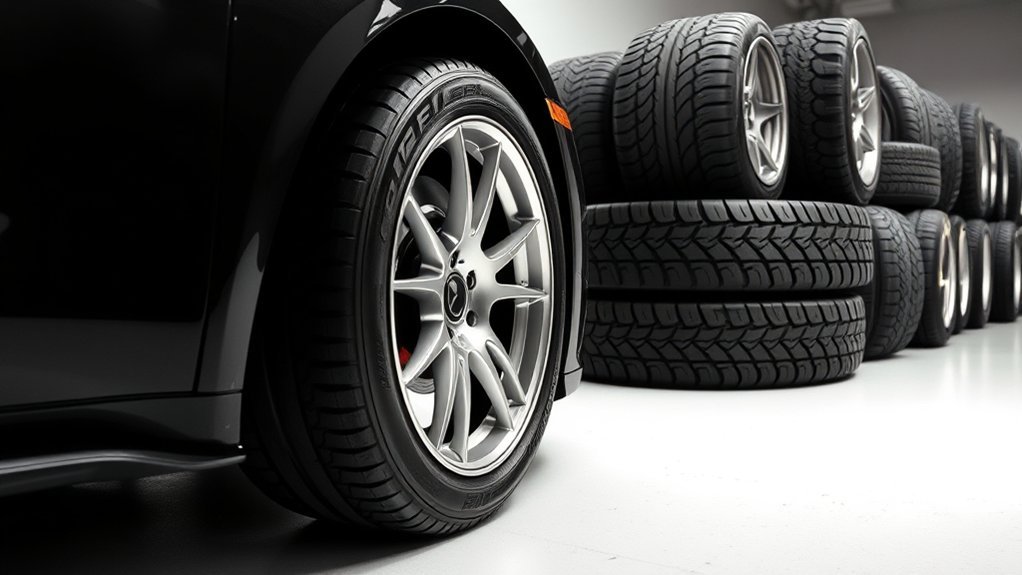
Several major tire brands offer strong low profile options, but the right model matters more than the logo. Michelin, Pirelli, Continental, Bridgestone, Goodyear, Dunlop, Yokohama, Hankook, and Falken all sell performance-oriented tires in low-profile sizes. The best pick is the tire that matches your vehicle and use case.
- Michelin: Strong premium performance and grand-touring choices.
- Pirelli: Popular on luxury and high-performance vehicles.
- Continental: Known for balanced performance, wet grip, and comfort-focused engineering in many lines.
- Bridgestone: Offers Potenza performance models for sporty driving.
- Goodyear: Offers performance all-season choices for drivers who want sportier response with year-round usability.
Do not buy only from a “top brand” list. Check the exact tire model, size availability, UTQG rating where applicable, warranty, road-hazard coverage, wet traction, ride comfort reviews, and whether the tire is designed for your climate.
[Products Worth Considering]

This portable cordless tire inflator delivers rapid inflation up to 150 PSI with a built-in pressure gauge for accurate readings. It offers multiple preset modes for car, bike, motorcycle, and ball inflation, plus an LED light system for visibility in dark conditions. The auto shut-off helps stop pumping when your preset pressure is reached, and it supports several pressure units for convenience.

Adam’s Pro Tire Hex Grip applicators are molded foam sponges designed for precise, even tire dressing application. The ergonomic grip helps you spread product without overapplying, reducing sling that can splash onto paint and helping keep your hands clean during wheel and trim detailing. They’re durable, washable, and reusable for repeated detailing sessions.

Upgrade your Toyota’s wheels with durable aluminum alloy valve stem caps that help protect valve cores from corrosion and direct exposure to road grime, clay, water, and snow. Rubber rings improve sealing to help prevent air leakage and maintain stable tire pressure for safer driving. These caps are easy to install or remove without tools and add a unique, stylish look to your car.
Low Profile Tire Maintenance Tips
Low profile tires reward careful maintenance because small issues can become expensive quickly. Keep them inflated to the vehicle manufacturer’s recommended cold pressure, rotate them on schedule, inspect for sidewall damage after hard impacts, and get an alignment if you see uneven wear.
- Check tire pressure at least monthly and before long trips.
- Inspect sidewalls after hitting potholes or curbs.
- Rotate tires according to the vehicle and tire manufacturer’s schedule.
- Keep wheels balanced to reduce vibration.
- Check alignment if the car pulls, the steering wheel is off-center, or the tire shoulders wear unevenly.
- Avoid parking hard against curbs because the rim has less sidewall protection.
Frequently Asked Questions
What is the point of low profile tires?
The point of low profile tires is to create sharper steering response, a sportier appearance, and stronger cornering feel when the tire is correctly matched to the vehicle. The tradeoff is a firmer ride, more road noise, and less protection from potholes and curbs.
Is 55 considered a low profile tire?
A 55-series tire is usually considered borderline rather than clearly low profile. It has a shorter sidewall than a 60- or 65-series tire, but it is not as aggressive as common low-profile sizes such as 45, 40, or 35.
Can I replace low profile tires with regular tires?
Yes, but only if the replacement size is approved or professionally confirmed for your vehicle. The tire and wheel package must maintain proper load rating, speed rating, clearance, rim compatibility, and overall diameter. A taller sidewall may improve comfort but can soften handling.
What are the problems with low profile tyres?
The main problems with low profile tyres are a harsher ride, more road noise, higher replacement cost, faster wear on some performance models, and greater risk of rim or sidewall damage from potholes and curbs.
Do low profile tires wear out faster?
Some low profile performance tires wear faster because they use softer compounds for grip. However, wear depends on the tire model, alignment, rotation schedule, inflation pressure, driving style, road surface, and vehicle weight.
Are low profile tires bad in winter?
Low profile tires are not automatically bad in winter, but many low-profile performance tires are summer tires, and summer tires should not be used on snow, ice, or near-freezing roads. For winter driving, choose a winter tire or an all-season tire designed for your conditions.
Conclusion
Low profile tires are worth it when you want sharper steering, a sportier look, and more connected handling on smooth roads. They are less ideal when comfort, pothole protection, low road noise, and winter practicality matter most. Before switching, confirm the approved tire size, load index, speed rating, rim fit, overall diameter, and clearance. The right low profile tire can improve the way your car feels, but the wrong one can make daily driving harsher, louder, and more expensive.
Sources
- NHTSA TireWise — tire safety ratings, tire buying guidance, and tire maintenance basics.
- Michelin: How to Read Tire Markings and Sidewall Codes — tire size, aspect ratio, load rating, and speed rating explanation.
- Tire Industry Association: Reading a Tire Sidewall — load index and speed symbol guidance.
- Tire Rack: What Are Plus Size Wheels & Tires? — plus sizing and wheel/tire upgrade principles.
- Tire Rack: How Do I Check Speedometer Accuracy? — how tire diameter changes affect speedometer accuracy.
- AAA: Tire Guide — tire types, sizing, pressure, and maintenance considerations.