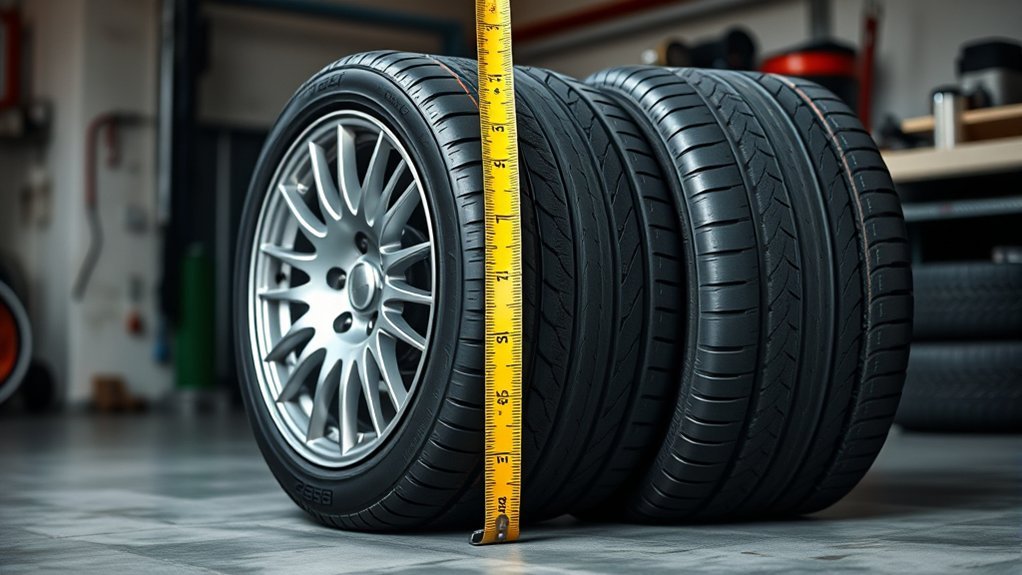
A 265 tire is 265 millimeters wide, which equals about 10.4 inches across its nominal section width. That number tells you the tire’s width, not the full tire height. To know the overall diameter, you also need the aspect ratio and wheel diameter, such as 265/70R17.
Quick Answer
A 265 tire is about 10.4 inches wide because 265 millimeters equals 10.43 inches. In a size like 265/70R17, the tire is also about 31.6 inches tall, with a sidewall height near 7.3 inches. Always confirm rim width, clearance, load rating, and vehicle fitment before buying.
Key Takeaways
- A 265 tire is 265 mm wide, or about 10.4 inches, across its nominal section width.
- The 265 number does not tell you tire height by itself; overall diameter depends on the aspect ratio and wheel diameter.
- A 265/70R17 tire is about 31.6 inches tall, with a sidewall height of about 7.3 inches.
- Approved rim width varies by exact tire model, P-metric or LT-metric construction, and load range, so check the tire maker’s spec sheet.
- Compared with a 255 tire, a 265 is about 0.4 inches wider; compared with a 285, it is about 0.8 inches narrower.
At a Glance
| Time Required | 10–20 minutes to compare size, rim width, and clearance before ordering |
| Difficulty | Easy for size math; moderate if you are checking lift, offset, rubbing, or load range |
| Tools Needed | Vehicle tire placard, owner’s manual, tire spec sheet, tape measure, and a tire-size calculator |
| Cost | Free to check; professional mounting, balancing, alignment, or recalibration may add cost |
How Wide Is a 265 Tire?
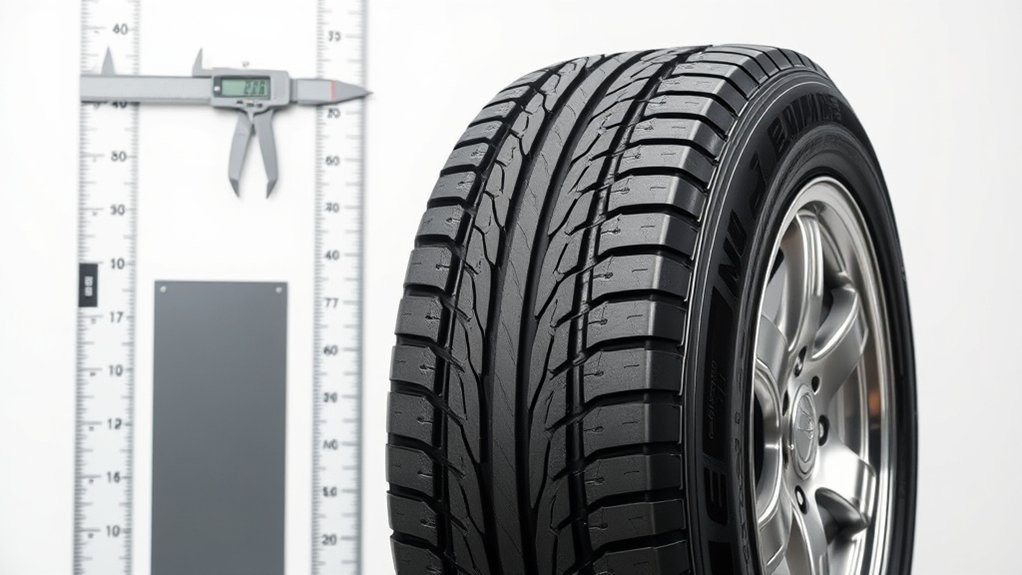
A 265 tire is 265 millimeters wide, or about 10.43 inches. In normal tire language, that width is the tire’s section width, which is the sidewall-to-sidewall width at the tire’s widest point when measured on its approved measuring rim.
That is why a 265 tire is often described as a 10.4-inch-wide tire. It is not usually the exact tread width, and it is not the overall tire height. The tread can be narrower than the full section width because the sidewalls bulge outward beyond the tread face.
Here is the simple conversion:
- 265 mm ÷ 25.4 = 10.43 inches
- Rounded for everyday use: about 10.4 inches wide
Note: The “265” is a nominal size. The real mounted width can vary slightly by tire brand, tread design, load range, air pressure, and rim width.
265 Tire Width in Millimeters and Inches
In millimeters, the width is easy: 265 mm. In inches, it is about 10.4 inches. That number stays useful whether you are comparing a 265/65R17, 265/70R17, 265/75R16, or 265/70R18, because the first number still describes the nominal section width.
What changes between those sizes is the tire’s sidewall height and overall diameter. For example, a 265/70R17 has a 70 aspect ratio, so the sidewall height is 70% of 265 mm:
- Sidewall height: 265 × 0.70 = 185.5 mm, or about 7.3 inches
- Wheel diameter: 17 inches
- Overall diameter: 7.3 + 17 + 7.3 = about 31.6 inches
That is why a 265/70R17 is commonly treated as a near-32-inch tire, even though it is not a true 32.0-inch tire.
A 265 tire tells you width only. To calculate tire height, you need the full code: width, aspect ratio, construction, and rim diameter.
What Does a 265 Tire Code Mean?
A tire code such as 265/70R17 gives you several pieces of fitment information at once. The first number is width, the second number is the aspect ratio, the letter shows construction, and the last number is the wheel diameter. Tire makers and safety organizations use this format to describe how the tire fits and performs on a vehicle.
Tire Code Breakdown
| Code Part | Meaning | Example in 265/70R17 |
|---|---|---|
| 265 | Nominal section width in millimeters | 265 mm, or about 10.4 inches |
| 70 | Aspect ratio, or sidewall height as a percentage of width | 70% of 265 mm = 185.5 mm |
| R | Radial construction | Standard construction for most modern passenger and light-truck tires |
| 17 | Wheel diameter in inches | Fits a 17-inch wheel only |
Width, Aspect, Rim
The width tells you how wide the tire is. The aspect ratio tells you how tall the sidewall is. The rim diameter tells you which wheel diameter the tire must mount on. These three numbers work together, so you should not judge a tire by the 265 width alone.
For instance, a 265/70R17 and a 265/70R18 have the same nominal width, but the 18-inch version is about one inch taller overall because it uses a larger wheel diameter with the same sidewall height.
What 265 Means
The 265 means the tire is 265 millimeters wide at its nominal section width. It does not mean the tire is 265 millimeters tall, and it does not tell you whether the tire is a 31-inch, 32-inch, or 33-inch tire. For that, you need the complete size code.
265 Tire Width by Common Rim Sizes
A 265 tire’s best rim width depends on the exact tire size and model. A 265/70R17 passenger or P-metric tire often uses a different approved rim-width range than an LT265/70R17 light-truck tire. Load range, bead design, and manufacturer specs matter.
Warning: Do not mount a tire on a wheel just because the width looks close. Use the approved rim-width range from the tire manufacturer’s spec sheet and make sure the wheel has enough load and inflation-pressure capacity.
As a general starting point, many 265-width truck and SUV tires use wheels around 7 to 9 inches wide, but this is not universal. Some tire models may be narrower or wider in their approved range. If your wheel is too narrow, the sidewalls can bulge and the tread shape can crown. If the wheel is too wide, the beads and sidewalls may be stressed and the tire may not perform as designed.
| Common 265 Size | Approx. Width | Approx. Diameter | Best Use |
|---|---|---|---|
| 265/65R17 | 10.4 in | 30.6 in | SUVs and light trucks needing moderate sidewall |
| 265/70R17 | 10.4 in | 31.6 in | Common truck/SUV replacement and mild off-road size |
| 265/75R16 | 10.4 in | 31.6 in | Trucks using 16-inch wheels and taller sidewalls |
| 265/75R17 | 10.4 in | 32.6 in | Larger truck fitments with more clearance required |
How 265 Tires Compare to 255, 275, and 285 Sizes
The difference between tire widths is easy to calculate because the first number is in millimeters. Every 10 mm equals about 0.39 inches. That means a 265 tire is only slightly wider than a 255, slightly narrower than a 275, and clearly narrower than a 285.
| Nominal Width | Approx. Inches | Difference vs 265 | What It Means |
|---|---|---|---|
| 255 mm | 10.0 in | 0.4 in narrower | Often easier to fit with slightly less footprint |
| 265 mm | 10.4 in | Baseline | Balanced width for many trucks and SUVs |
| 275 mm | 10.8 in | 0.4 in wider | More footprint, but more clearance risk |
| 285 mm | 11.2 in | 0.8 in wider | Stronger stance, often needs more room and wheel support |
265 Vs 255 Tires
A 265 tire is about 0.4 inches wider than a 255 tire. That small increase can give the vehicle a slightly wider footprint, but the real-world difference depends on tread pattern, tire compound, inflation pressure, and vehicle weight.
If you are moving from a 255 to a 265, check the overall diameter too. A 255/70R17 is about 31.1 inches tall, while a 265/70R17 is about 31.6 inches tall. That small height change can still affect clearance and speedometer readings.
265 Vs 275 Tires
A 275 tire is about 0.4 inches wider than a 265 tire. With the same aspect ratio and wheel diameter, the 275 will also be slightly taller. For example, a 275/70R17 is about 32.2 inches tall, compared with about 31.6 inches for a 265/70R17.
The wider 275 can add grip and stance when properly fitted, but it may also add weight, rolling resistance, road noise, and rubbing risk. It needs enough fender, suspension, and steering clearance.
265 Vs 285 Tires
A 285 tire is about 20 mm wider than a 265 tire, which equals about 0.8 inches. That is a noticeable jump. A 285 can look more aggressive and may improve traction in some conditions, but it often needs more wheel-well clearance, more careful wheel offset, and an approved wider rim.
Will a 265 Tire Fit Your Wheels?
A 265 tire may fit your wheels if the tire’s approved rim-width range matches your wheel, the wheel diameter is correct, and your vehicle has enough clearance. The wheel diameter must match exactly. A 265/70R17 tire fits a 17-inch wheel; it will not fit a 16-inch or 18-inch wheel.
Before buying, check these points:
- Vehicle placard: Look at the driver-side door placard or owner’s manual for the original tire size, load rating, and inflation pressure.
- Tire manufacturer specs: Confirm the approved rim-width range for the exact tire model and size.
- Wheel diameter: Match the tire’s rim diameter code exactly.
- Wheel width: Make sure your wheel is inside the tire’s approved range.
- Load rating: Do not choose a tire with less load-carrying capacity than the original equipment requirement.
- Speed rating: Match or exceed the vehicle manufacturer’s minimum rating unless the manufacturer allows otherwise.
- Clearance: Check fenders, liners, suspension, brake components, mud flaps, and body mounts.
- Steering and suspension travel: Check clearance at full left and right lock and during suspension compression.
- Vehicle systems: Large diameter changes may affect the speedometer, odometer, ABS, TPMS, stability control, and 4WD/AWD systems.
Pro Tip: If you drive a 4WD or AWD vehicle, keep all four tires the same size, construction, and similar overall diameter unless the vehicle manufacturer says otherwise. Even small diameter differences can matter on some drivetrains.
[Products Worth Considering]

These M14x1.5 closed-end chrome lug nuts are a one-piece replacement designed for secure fitment on compatible GM, Ford, and select Chrysler/Dodge models. Featuring a 60-degree conical seat and anti-rust chrome plating, they help resist corrosion and maintain a bright look for everyday driving. Built for long-term durability, they include OEM-style part references and are backed by 12 months of support.

The 22800 wheel stud installer makes replacing wheel studs quick and secure, saving time and effort during tire service. It uses a ratchet or impact wrench to pull new studs firmly into place, helping when existing studs are too long. Compatible with most automotive wheels and light-duty truck wheel studs, it’s designed for easy, tool-assisted installation.

Keep your tires properly inflated with this analog VONDIOR tire pressure gauge, designed for fast, easy readings without batteries. The swiveling, two-axis hose and large glow dial help you measure at any tire angle with instant visibility. Built with a protective rubber shield, it supports durable, low-maintenance use for cars and trucks.
How 265 Tire Width Changes Ride Quality
A 265 tire can change ride quality because width affects the contact patch, steering feel, road feedback, and rolling resistance. A wider tire may feel more stable than a narrower one, but it can also make steering heavier and increase the chance of road noise or rubbing if the fitment is tight.
| Effect | Possible Result | What to Check |
|---|---|---|
| Wider contact patch | More grip and stability in some conditions | Tread type, compound, inflation pressure |
| More tire width | More clearance risk near fenders and suspension | Full-lock steering and suspension compression |
| Larger diameter in some 265 sizes | Speedometer and gearing changes | Diameter vs original tire size |
| Heavier tire construction | Slower acceleration or lower fuel economy | Tire weight, load range, and tread design |
For daily driving, a 265 can be a good middle ground on many trucks and SUVs. For off-road use, it can provide useful sidewall and footprint. For fuel economy and quiet ride, a narrower or lighter tire may feel better.
265 Tire Fitment Tips for Trucks and SUVs
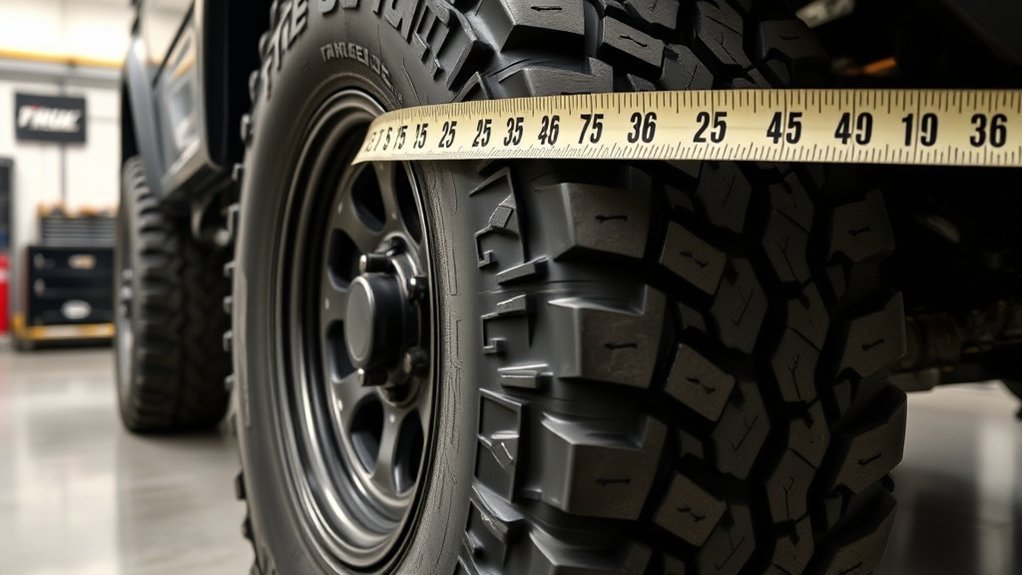
Trucks and SUVs often have more room for 265 tires than smaller cars, but you still need to check the full fitment. Lift kits, leveling kits, wheel offset, aftermarket wheels, mud flaps, and worn suspension parts can all change the result.
Use these fitment tips before mounting a 265 tire:
- Compare against the original tire: Check width, sidewall height, overall diameter, and revolutions per mile.
- Check the wheel specs: Confirm wheel diameter, width, offset, backspacing, and load rating.
- Inspect front clearance: Turn the steering fully left and right and check inner liners, control arms, sway bars, and body mounts.
- Inspect rear clearance: Look at fender lips, liners, shocks, and suspension travel.
- Account for load: A truck that clears unloaded may rub when towing, hauling, or hitting bumps.
- Recheck after installation: Drive slowly, listen for rubbing, then inspect the tire and wheel well again.
Note: A 265/70R17 is common on many trucks and SUVs, but “common” does not mean universal. Always compare the new tire against your exact vehicle, wheel, and suspension setup.
[Products Worth Considering]

This professional wheel and rim brush kit makes it easy to lift brake dust, grime, and dirt from wheels and tires without scratching finishes. The brushes feature soft, metal-free wool heads and a flexible 360-degree rim brush design for reaching hard-to-clean areas. Includes multiple brush types plus accessories for thorough car, motorcycle, and general vehicle detailing.
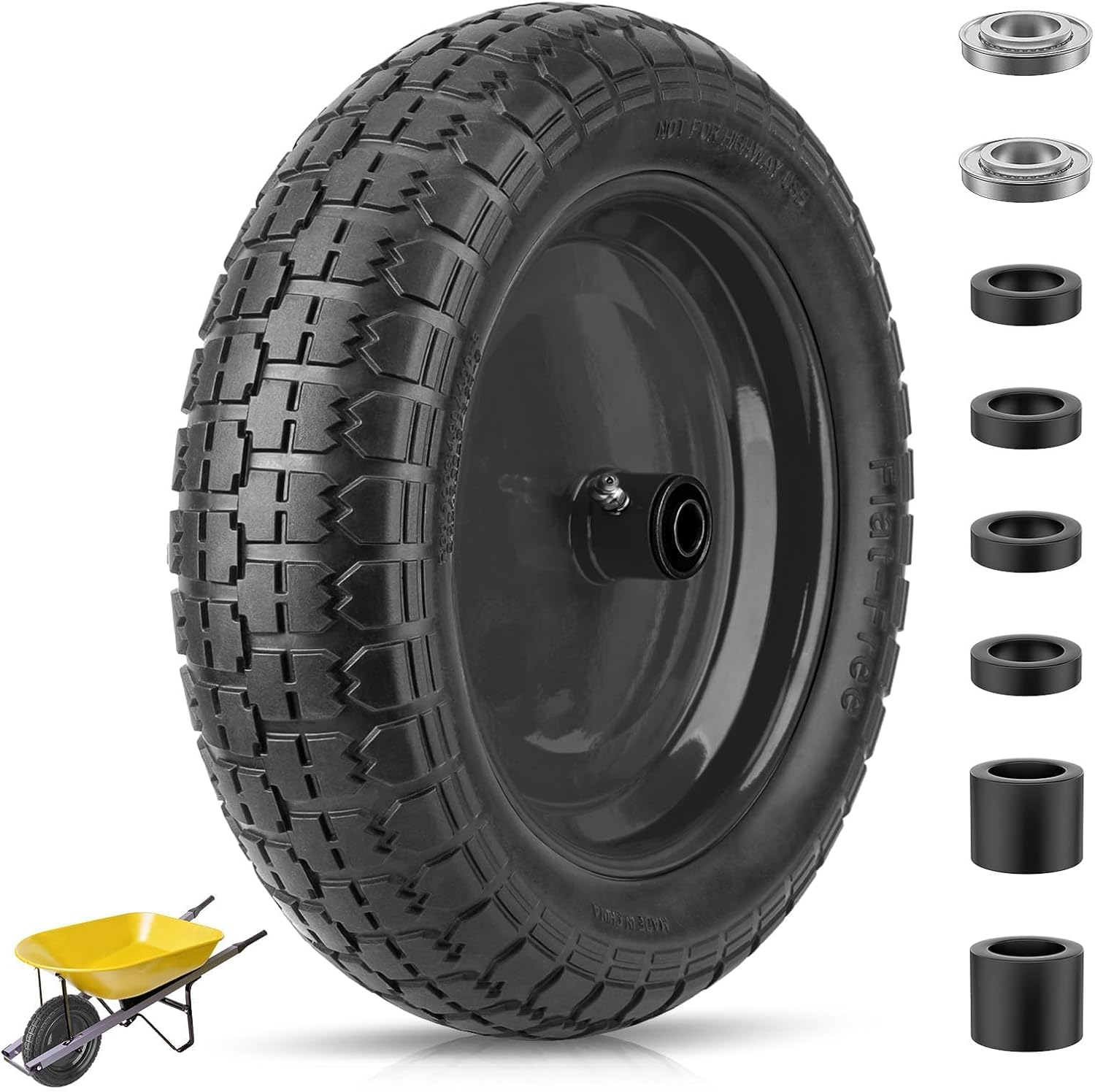
This flat-free TICONN wheelbarrow tire features durable polyurethane foam construction that never needs inflation, helping prevent punctures and reducing maintenance on rough outdoor terrain. With a 300 lb max load capacity and stable steel rim design, it supports safer transport for yard work and hauling tasks. An adapter kit with ball bearings and nylon spacers is included for easier fit and customization across common wheelbarrow and cart axle setups.

Protect tire valves from water, dust, and sand to help prevent leaks and support safe driving. These universal stem caps install quickly by hand and feature durable aluminum alloy construction with an inner sealing ring for better air retention. Compatible with cars, SUVs, trucks, motorcycles, and bicycles for everyday convenience.
How to Choose the Best 265 Tire Size
To choose the best 265 tire size, start with your vehicle’s original tire size and the reason you want to change. A daily driver, tow vehicle, trail rig, and winter commuter may all need different tire construction and tread design.
Use this order:
- Start with the OE size: Check the door placard and owner’s manual first.
- Match load capacity: The replacement tire should meet or exceed the required load rating.
- Match speed rating: Follow the vehicle manufacturer’s requirement for speed rating.
- Choose the right construction: P-metric tires often ride softer; LT tires are often built for higher loads and tougher service but can ride firmer.
- Pick the correct tread: Highway tread is usually quieter, all-terrain tread adds mixed-surface grip, and mud-terrain tread favors off-road bite over road comfort.
- Check total diameter: Keep the diameter close to the original unless you have confirmed clearance, gearing, and recalibration needs.
- Confirm rim compatibility: Use the tire manufacturer’s approved rim-width range for the exact tire.
If you are unsure, ask a tire professional to compare the new tire with your current size and inspect the vehicle before mounting. That small step can prevent rubbing, poor wear, incorrect speed readings, or load-capacity problems.
[Products Worth Considering]

This professional wheel and rim cleaning brush set lifts brake dust, grime, and dirt with soft, scratch-free microfiber and synthetic wool fibers. The rim brush bends up to 360 degrees for easy access to hard-to-reach areas around spokes, lips, and faces. Ideal for thorough cleaning of car, truck, motorcycle, bicycle, RV, and more wheel and tire surfaces.

Upgrade your 2024-2026 Tesla Model 3 Highland with REEVAA all-weather mud flaps designed for seamless fit along the original body lines. The set of four delivers strong splash protection against mud, gravel, and road debris while using OEM-grade durable materials. Installation is non-destructive with original hole positions and snap-in clips, and the aerodynamic design helps minimize impact on efficiency.

Replace or upgrade your zero-turn lawn mower tires with a universal fit flat-free tire and wheel assembly in a convenient 2-pack. Smooth tread front-caster style helps turning with reduced turf damage, while flat-free design eliminates the maintenance and downtime of air-filled flats. The included adapter kit supports 5/8-inch axles and hub lengths from 3.4 to 5 inches for compatibility across most ZTR mowers.
Frequently Asked Questions
How wide is a 265 tire in inches?
A 265 tire is about 10.4 inches wide. The exact conversion is 265 ÷ 25.4 = 10.43 inches. This is the nominal section width, not always the exact tread width.
Is a 265 tire a 32-inch tire?
Not by itself. The 265 number only tells you width. A 265/70R17 is about 31.6 inches tall, so people often call it close to a 32-inch tire. Other 265 sizes can be shorter or taller depending on aspect ratio and wheel diameter.
Is a 265 tire the same as a 33?
Usually no. A common 265/70R17 is about 31.6 inches tall, which is closer to a 32 than a 33. Some taller 265 sizes can approach 33 inches, but you need the full tire code to know the diameter.
What is wider, 265 or 285?
A 285 tire is wider. It is 20 mm wider than a 265 tire, which equals about 0.8 inches. A 285 may need more wheel width and more clearance around the fenders, suspension, and steering components.
What rim width do I need for a 265 tire?
It depends on the exact tire size and model. Many 265-width truck and SUV tires use wheels around 7 to 9 inches wide, but the only safe answer is the approved rim-width range in the tire manufacturer’s spec sheet.
Will 265 tires affect my speedometer?
They can if the new tire’s overall diameter is different from the original tire. A taller tire travels farther per revolution, which can make the speedometer read lower than your real speed. A smaller tire can make it read higher.
Conclusion
A 265 tire is about 10.4 inches wide, but the full tire size matters more than the first number alone. A 265/70R17 is about 31.6 inches tall, while other 265 sizes can be shorter or taller. For the best result, compare the new tire to your original size, confirm the approved rim-width range, match load and speed ratings, and check clearance before mounting. A 265 can be a practical, capable size for many trucks and SUVs, but proper fitment is what makes it work safely.
Sources
- NHTSA TireWise — tire safety, ratings, and consumer tire guidance.
- USTMA Care and Service of Passenger and Light Truck Tires — tire replacement, approved rim combinations, clearance, diameter, load, and inflation guidance.
- Michelin Tire Markings Explained — tire sidewall markings and tire-code basics.
- Michelin Load Rating and Speed Rating — load index and speed rating explanation.
- Goodyear Tire Size Chart — tire width, aspect ratio, and rim-diameter code reference.
- Tire Rack Section Width Guide — section-width measurement and measuring-rim explanation.