ZR vs R tires can look like two competing tire types, but the markings do not work that way. In a size such as 225/45R17, the R means radial construction. In 225/45ZR17, the tire is also radial, while the Z indicates high-speed capability. The tire’s actual speed symbol usually appears later in the service description, such as 94W or 94Y.
Quick Answer
The main difference between R and ZR depends on where the letters appear. R inside a size such as 225/45R17 means radial construction. ZR identifies a radial tire in the high-speed Z category. An actual R speed symbol is different and is rated to 106 mph. Always read the complete tire code before comparing tires.
Key Takeaways
- R in a tire size normally means radial construction, not a 106-mph speed limit.
- ZR is a high-speed size designation used on radial tires with capability above 149 mph (240 km/h).
- Modern ZR tires normally include a final speed symbol such as W or Y that gives a more specific speed capability.
- An R speed symbol, when it appears after the load index in the service description, corresponds to 106 mph (170 km/h).
- ZR alone does not guarantee better wet grip, quieter or louder operation, a particular tread life, or a specific load capacity.
- For replacement tires, match the vehicle manufacturer’s required size, load capacity, speed rating, construction, and tire type.
What Does ZR Mean on Tires?

ZR on a tire sidewall is a high-speed size designation. According to Goodyear’s tire speed-rating guidance, ZR may appear in the size designation of a tire with maximum speed capability above 149 mph (240 km/h).
The important detail is that ZR is not usually the complete modern speed rating. A tire may be marked, for example, 245/40ZR18 97Y. In that code, ZR appears within the size, while Y is the speed symbol in the service description.
ZR identifies the high-speed category, but the final W, Y, or (Y) marking is what you should check for the tire’s more specific speed capability.
A Y speed symbol corresponds to 186 mph (300 km/h) under the rating’s specified test and operating conditions. A W symbol corresponds to 168 mph (270 km/h). For tires with capability above 186 mph, additional ZR and parenthesized Y notation may be used, and the tire manufacturer should be consulted for the tire’s actual maximum approved speed.
Warning: A tire speed rating is not permission to drive at that speed. Obey posted speed limits and remember that tire pressure, load, damage, wear, temperature, road conditions, and vehicle requirements can reduce the safe operating margin.
[Products Worth Considering]
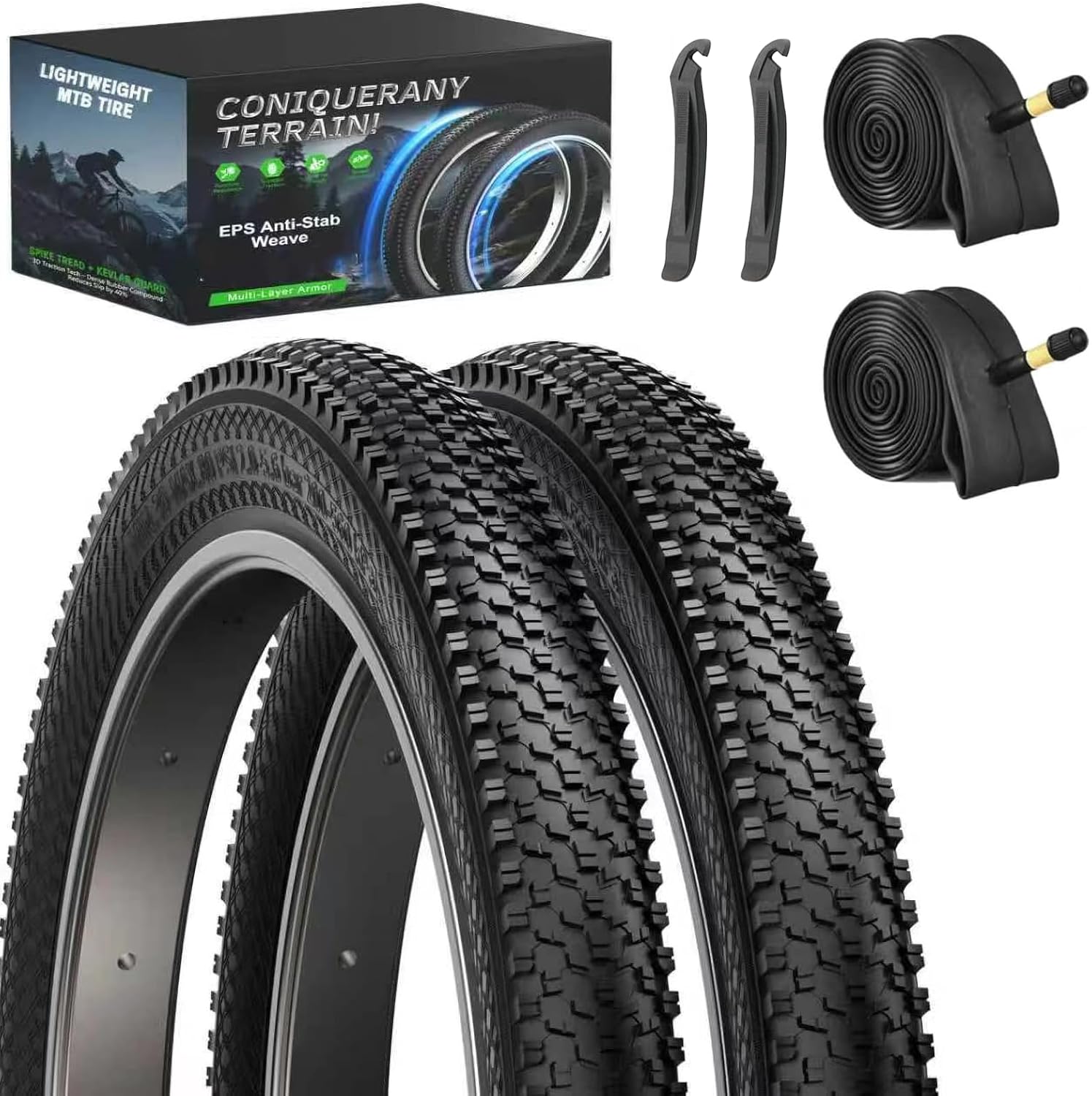
This 2-pack set includes two folding mountain bike tires, two inner tubes, and two tire levers for quick, budget-friendly replacements. The tires feature an anti-stab weave for added protection, plus strong grip and durable construction to help you stay stable across common trail and road conditions. Foldable design makes storage and travel convenient, while the included tubes provide a matched fit for smoother setup.

Steelman white tire marking crayons provide high-contrast, semi-permanent marks for repairing and inspecting tires and equipment. They write on wet or dry, smooth or coarse surfaces including rubber, metal, glass, and wood, making them ideal for puncture location and damage outlining. The lead- and zinc-free crayons resist weather and fading yet wipe away when you no longer need the marks.

Replace worn wheelchair rear tires with a universal 24x1 no-flat polyurethane foam option designed to mount tightly on 24-inch rims without the tire falling off. Installation is made easier with included tools and multiple methods, including using a pry bar or softening the tire in hot water to reduce resistance. The package includes two tires plus tie ropes for convenient fitting and handling.
What Does R Mean on a Tire?
In the common tire-size format, R means radial construction. For example, in 225/45R17, the R tells you how the tire’s internal cord plies are arranged. The 17 tells you the tire is designed for a 17-inch wheel.
This construction code should not be confused with an R speed symbol. The same letter can have two meanings because its position in the tire code is different.
Consider this example:
| Marking | Position | Meaning |
| 225/45R17 | Inside tire size | Radial construction |
| 225/45ZR17 | Inside tire size | Radial construction with high-speed Z designation |
| 225/45R17 94R | After load index | R speed symbol: 106 mph (170 km/h) |
That distinction is the key to understanding ZR vs R tires. Most modern passenger-car tires are radials, including ZR tires. Therefore, you cannot assume that a tire marked R in its size is a low-speed or comfort-oriented tire.
ZR vs R Tires: Speed, Grip, and Noise
When comparing ZR and R markings, speed capability is the only characteristic you can directly infer from the Z portion of ZR. You cannot reliably predict grip, road noise, ride comfort, tread life, or wet-weather performance from ZR alone.
Many ZR tires happen to be ultra-high-performance or max-performance models. Those tires may use compounds, tread designs, belts, and sidewall constructions intended to improve steering response and high-speed stability. They may also ride more firmly or wear faster than some touring tires.
However, those characteristics come from the specific tire model and performance category, not simply from the letters ZR. Goodyear specifically notes that a tire’s speed rating does not itself indicate how well the tire handles or corners.
A non-ZR radial tire can also be performance-oriented. For example, an R-sized tire may carry a V, W, or Y final speed symbol depending on its approved specification.
[Products Worth Considering]

Cristal Products Untouchable Tire Shine Spray delivers a deep, wet-look gloss that enhances your vehicle’s tires. It’s quick-drying and spreads smoothly for consistent, streak-free coverage, while forming a protective coating against UV rays, road grime, and weather. Suitable for all tire types, it helps restore dull, faded tires to a showroom-quality finish.

Vigorder rubber cement glue delivers superior adhesion and cures quickly within about 30 seconds for seamless rubber bonding. Once cured, it helps provide a strong, durable, waterproof seal that holds up to vehicle weight, pressure, and heat. Suitable for cars, motorcycles, trucks, bicycles, and off-road tires, it’s designed for emergency patch and maintenance repairs.
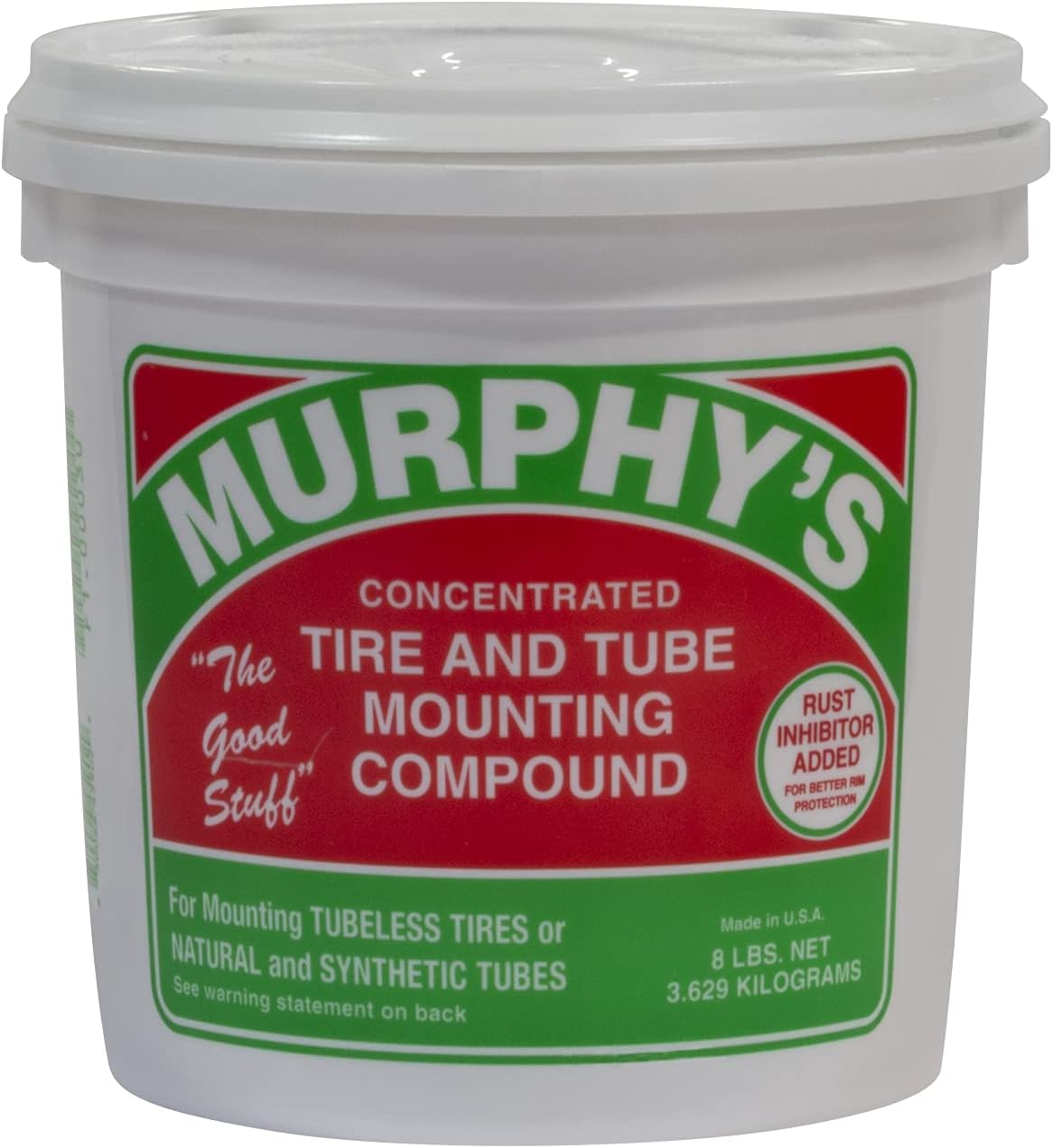
A concentrated tire and tube mounting compound designed to help simplify mounting rubber tires and tubes on passenger, semi truck, construction, and OTR applications. Its ultra-thick formula packs beads effectively and includes rust inhibitors to help protect against corrosion during use.
Common Speed Symbols
| Speed Symbol | Maximum Rated Speed | Important Note |
| R | 106 mph / 170 km/h | This applies when R is the speed symbol, not the R construction code. |
| V | 149 mph / 240 km/h | A specific service-description speed symbol. |
| W | 168 mph / 270 km/h | Common on high-speed tires and may accompany ZR. |
| Y | 186 mph / 300 km/h | Often appears with ZR on high-performance applications. |
| (Y) | Above 186 mph / 300 km/h | Consult the tire manufacturer for the actual approved limit. |
Which Tire Is Right for Your Driving?
Choosing the right tire requires more than deciding between R and ZR. Start with the specifications supplied by your vehicle manufacturer.
NHTSA TireWise recommends checking the owner’s manual or Tire and Loading Information Label on the driver’s-side door area for the correct tire size. The same vehicle documentation should guide your required load and speed specifications.
Before buying, compare these items:
- Tire size: width, aspect ratio, construction, and wheel diameter must be compatible with the vehicle and wheel.
- Load index: the tire must support the load required by the vehicle manufacturer.
- Speed symbol: match the original-equipment requirement unless the vehicle or tire manufacturer specifically allows another rating.
- Load class: do not casually substitute a Standard Load tire for an XL or reinforced tire when the vehicle requires the higher-load specification.
- Seasonal category: summer, all-season, all-weather, and winter tires are designed for different temperature and road conditions.
- Actual tire model: compare wet braking, noise, treadwear warranty, ride quality, and tested performance rather than assuming ZR tells you everything.
Pro Tip: Read the complete sidewall code. In 245/40ZR18 97Y, check all three important parts: the ZR size designation, the 97 load index, and the Y speed symbol. Comparing only “ZR18” with “R18” leaves out information you need for a safe replacement.
[Products Worth Considering]

Replace worn tires quickly with this universal 4.80/4.00-8 tire and inner tube set designed for wheelbarrows and outdoor utility carts. The ribbed tread helps reduce turf damage while the natural rubber construction supports longer service life. Compatible with 15.5-inch outer diameter, 4-inch width, and 8-inch rim diameter wheels, it uses a straight TR-13 valve stem for easy installation. For best results, inflate with a manual pump and do not exceed 25 PSI.

This manual duck head tire changer kit makes tire installation and removal simpler by letting you embed the duck head into the tire with applied pressure. The integrated design and durable steel construction help reduce friction and improve efficiency and safety during use. Suitable for 16–21 inch wheels, it’s convenient for cars, trucks, SUVs, and ATV tires, with 24-hour after-sales support.

Replace worn pool cleaner tires with this all-purpose C10 tire set made to fit compatible Polaris automatic pool cleaners. The tires are designed for maximum traction while helping protect your pool finish, and they match Polaris OEM size and material. Each pack includes three new tires in sealed bags.
What About Tread Life and Maintenance?
There is no universal rule that an R-marked tire lasts 65,000 miles or that a ZR tire lasts about 48,000 miles. Check the mileage warranty and specifications for the individual tire model.
Tire life also depends on inflation pressure, alignment, rotation, driving habits, road conditions, climate, vehicle weight, and tire design. NHTSA recommends following the vehicle owner’s manual for rotation frequency and notes that, where the manufacturer recommends rotation, an interval around 5,000 to 8,000 miles may be appropriate.
Some vehicles use staggered tire sizes or directional tires that restrict normal rotation patterns, so the owner’s manual takes priority over a general mileage interval.
Load Index Is Separate From R or ZR
Do not use R or ZR to estimate how much weight a tire can carry. The load index is a separate number in the service description.
For example, in 245/40ZR18 97Y, 97 is the load index and Y is the speed symbol. A tire can have very high speed capability but still be unsuitable for your vehicle if its load capacity is too low.
Can You Mix ZR and R Tires?
You should not decide whether two tires can be mixed simply because one size says ZR and another says R. Instead, compare their full size, load index, actual speed rating, tire type, tread design, construction, and vehicle fitment.
For the most predictable handling, use the vehicle manufacturer’s approved configuration and, where practical, matching tires on all four positions. Some vehicles are intentionally designed with different front and rear sizes, so the owner’s manual always takes priority over a general rule.
Michelin’s replacement guidance says mixing different speed ratings is not recommended. If tires with different speed ratings are nevertheless installed, Michelin advises keeping like-rated tires together on the same axle and putting the lower-speed-rated pair on the front to reduce the risk of an oversteer condition. The vehicle’s tire-related speed capability is then limited by the lowest-rated tire.
That recommendation refers to actual speed ratings. It should not be applied by assuming that every tire with R in its size is R-speed-rated.
Note: Some manufacturers allow lower-speed-rated winter tires under specific conditions. When they do, the vehicle must be operated within the lower tire’s limit and any vehicle-manufacturer instructions must be followed.
How to Read R and ZR Tire Codes
The easiest way to avoid confusion is to read a sidewall code from left to right.
Take 225/45R17 94Y:
- 225 — nominal section width in millimeters.
- 45 — aspect ratio; sidewall height is 45% of the nominal section width.
- R — radial construction.
- 17 — wheel diameter in inches.
- 94 — load index.
- Y — speed symbol.
Now compare 225/45ZR17 94Y:
- The dimensions are read in the same basic way.
- ZR identifies radial construction plus the high-speed Z designation.
- 94 remains the load index.
- Y remains the specific speed symbol, corresponding to 186 mph (300 km/h) under specified rating conditions.
This also explains why the question “ZR20 vs R20” cannot be answered from those letters alone. Both describe radial tires for 20-inch wheels, while ZR adds the high-speed designation. You still need the complete size, load index, speed symbol, and vehicle requirements before deciding whether either tire fits your car.
Frequently Asked Questions
Should I get ZR or R tires?
Choose the complete tire specification required for your vehicle rather than choosing by ZR or R alone. R inside a normal size means radial construction. ZR adds a high-speed designation. Match the OEM-approved size, load index, speed rating, load class, and seasonal tire type.
Can I mix R and ZR tires for daily driving?
Do not judge compatibility from the R or ZR marking alone. Compare the complete specifications and follow the vehicle manufacturer’s instructions. Mixing different tire models, speed ratings, tread depths, or types can change handling. Using four appropriately matched tires is generally the simplest approach unless the vehicle was designed for a different configuration.
What speed are ZR tires good for?
ZR indicates high-speed capability above 149 mph (240 km/h), but modern ZR tires normally include another speed symbol. W corresponds to 168 mph and Y to 186 mph under specified rating conditions. For a tire marked (Y), consult the tire manufacturer for its approved maximum capability.
What is ZR20 vs R20?
R20 means radial construction for a 20-inch wheel. ZR20 also describes radial construction for a 20-inch wheel but adds the Z high-speed designation. Neither marking by itself gives you the complete load index or final speed symbol, so read the entire sidewall code.
Is an R tire limited to 106 mph?
Only when R is the actual speed symbol. The R in a common size such as 225/45R17 means radial construction and does not set a 106-mph limit. Look after the load index for the tire’s service-description speed symbol.
Does ZR mean a tire has better grip?
Not by itself. Many ZR tires are performance-oriented, but grip depends on the specific compound, tread design, temperature range, tire category, wear level, and road conditions. The ZR marking primarily tells you about the tire’s high-speed designation.
Can I replace a ZR tire with a non-ZR tire?
Only when the replacement is approved for your vehicle and still satisfies the required size, load capacity, speed rating, construction, and other OEM specifications. If your vehicle requires a W- or Y-rated performance tire, do not downgrade it merely because another tire fits the same wheel.
Conclusion
The most important lesson in the ZR vs R tire comparison is that the position of the letters matters. R inside a size normally means radial construction, while an R after the load index can be a 106-mph speed symbol. ZR identifies a radial tire in the high-speed Z category, but its final W, Y, or (Y) symbol gives more specific speed information.
Do not choose tires solely because one says ZR and another says R. Match the full size, load index, speed rating, seasonal category, and vehicle-manufacturer requirements. Tires are your vehicle’s contact with the road, so correct fitment and condition matter more than chasing the highest-looking rating.
Sources
- Goodyear — Tire Speed Rating — speed-symbol limits and the relationship between ZR, W, and Y.
- Michelin USA — Tire Replacement FAQs — replacement speed ratings and guidance on mixing tires with different speed ratings.
- National Highway Traffic Safety Administration — TireWise — tire selection, tire-size, inflation, rotation, treadwear, and maintenance guidance.