Brand-new passenger-car tires can feel less crisp or slightly different from the worn tires they replaced. Full-depth tread blocks move more under steering and braking loads, and substances associated with manufacturing and installation can affect the initial feel. For most street tires, a conservative approach is to drive smoothly for roughly the first 500 miles while you learn how the new set responds.
Quick Answer
For new passenger-car tires, plan on roughly 500 miles of gentle driving before demanding maximum acceleration, braking, or cornering. Grip and steering feel may improve sooner, but 500 miles is a conservative break-in guideline rather than a magic threshold. Keep pressures correct, leave extra following distance, and pay attention to abnormal vibration, pulling, or pressure loss.
Key Takeaways
Key Takeaways
- Continental recommends smooth acceleration, braking, and cornering for roughly the first 500 miles on new passenger-car tires.
- New full-depth tread can flex more than worn tread, creating temporary tread squirm and slightly slower steering response.
- The 500-mile point is a guideline, not an exact moment when traction suddenly changes.
- Use the cold tire pressure listed on the vehicle placard or in the owner’s manual, not the maximum pressure molded on the tire sidewall.
- Strong vibration, significant pulling, repeated pressure loss, rubbing, bulges, or a persistent TPMS warning are not normal break-in symptoms.
- Passenger-car, motorcycle, and bicycle tires can have different break-in instructions, so follow the tire manufacturer when specific guidance is available.
At a Glance
| Time Required | About the first 500 miles for a conservative passenger-car break-in |
| Difficulty | Easy — normal driving with smoother inputs and extra awareness |
| Tools Needed | Accurate tire-pressure gauge; air source if adjustment is needed |
| Cost | No special break-in cost beyond normal driving; a pressure gauge may be needed if you do not already have one |
Note: The approximately 500-mile guidance in this article is aimed at passenger-car and light-truck street tires. Motorcycle, bicycle, racing, competition, and specialty tires may have different manufacturer-specific procedures.
How Long Does New Tire Break-In Take?

For normal passenger-car tires, roughly 500 miles of easy driving is a useful conservative break-in target. Continental recommends smooth acceleration, braking, and cornering during this period and advises moderate speeds and extra following distance.
That does not mean the tire suddenly changes at mile 500. You may notice steering, ride, and grip becoming more familiar progressively during the first several drives. Tire construction, tread depth, compound, temperature, road surface, inflation pressure, vehicle weight, and driving style all affect how quickly the new set feels normal.
When possible, begin on dry roads and use controlled steering and braking inputs. You do not need to deliberately scrub the tread, perform hard stops, or drive aggressively to speed up the process.
The purpose of break-in is mainly to let you become familiar with the new tire’s behavior while fresh tread and surface materials transition into normal service. Treat the first 500 miles as a period of extra caution rather than a performance test.
Warning: New tires should still provide usable traction. If the vehicle feels dangerously unstable, loses pressure, shakes strongly, pulls hard to one side, rubs, or shows visible tire damage, do not assume it only needs more break-in miles. Have the installation inspected.
Why New Tires Feel Different
A fresh set can feel different even when you replace the old tires with the exact same model. The most important reason is usually full tread depth. Deep tread blocks can move more under steering load than the worn-down blocks on the tires you just removed.
Manufacturing, protective, and mounting substances can also influence the initial feel. Continental notes that substances on a new tire can temporarily affect traction and that lubricants used during installation can contribute to tire-to-rim slip if the driver immediately uses extreme acceleration or braking.
As the tires see normal road use, the tread surface becomes slightly roughened and the driver adjusts to the new steering and braking response.
Mold Release Residue
Some new tires may have substances associated with the manufacturing process on or near the tread surface. Protective compounds such as antioxidants can also migrate toward the rubber surface. These materials help explain why a fresh tire can sometimes look or feel different from one that has already been driven.
Continental’s break-in guidance recommends gentle driving while these substances wear away through normal road contact.
There is no need to sand, chemically scrub, or intentionally spin the tires to remove anything. Smooth driving does the job without placing unnecessary heat or stress on the new tires.
Tread Squirm Effect
Tread squirm is the small amount of tread-block movement you may feel when a tire is loaded during steering, braking, or cornering. New tires can show more of it because their tread blocks are at full depth.
- Deep tread can flex more than shallow tread.
- Steering response may initially feel slightly softer.
- Winter and other deep-tread designs may show more squirm.
- Low-profile or shallow-tread designs may show less.
- The effect should be mild rather than dangerously unstable.
As you become familiar with the new tires and the tread sees normal service, the steering response should feel more predictable.
Fresh Full-Depth Tread
The original sensation is better described as a full-depth tread effect than as every new tire having a universally “stiffer” sidewall. Sidewall construction varies greatly between tire models.
What you often notice is extra movement in the new tread blocks compared with the heavily worn tread you just replaced. That can make steering feel less immediate even when inflation, alignment, mounting, and balance are correct.
The ride may also change simply because the new tire has a different casing, tread pattern, compound, load rating, or construction than the previous set. Break-in cannot make two fundamentally different tire designs feel identical.
What Is Tire Squirm?
Tire squirm is the slight movement of tread rubber as the tire develops cornering or braking force. In a new tire, the blocks have their maximum height, giving them more room to flex before forces are transmitted through the rest of the tire.
The deeper the tread, the more opportunity the tread blocks have to flex before the steering response reaches the road.
- It can make steering feel slightly less crisp.
- It is often more noticeable when replacing very worn tires.
- Deep-tread winter tires can show more squirm than shallow-tread performance designs.
- Correct pressure helps keep the tire’s response predictable.
- Severe wandering or instability should be inspected rather than blamed on squirm.
A worn tire can sometimes feel sharper because there is less tread rubber available to flex. That does not mean a worn tire is safer or has better overall traction. Reduced tread depth can significantly hurt wet-road water evacuation and may eventually make the tire unsafe for continued service.
How To Break In New Tires Safely
You do not need a special route or aggressive procedure. The safest approach is simply to reduce demanding inputs while you become familiar with the tires.
- Confirm cold tire pressure. Use the pressure specified by your vehicle manufacturer on the placard or in the owner’s manual.
- Accelerate smoothly. Avoid full-throttle launches and unnecessary wheelspin.
- Brake progressively. Leave extra following distance so routine stops do not require panic braking.
- Corner smoothly. Avoid suddenly testing maximum cornering grip on a fresh set.
- Use moderate speeds. Highway driving is generally possible, but leave more space and avoid abrupt lane changes or performance testing.
- Be more cautious in rain, cold, snow, or other low-grip conditions. Road conditions still matter more than the odometer reading.
- Watch for abnormal behavior. Persistent vibration, pull, pressure loss, rubbing, or TPMS warnings deserve inspection.
Continental also warns that lubricant used while mounting a tire on a wheel can contribute to tire/rim slip under extreme acceleration or braking shortly after installation. That is another reason to use gentle inputs during the early miles.
Pro Tip: Do not judge a new set only by comparing steering sharpness with the worn-out tires it replaced. Less tread can respond faster, so a fresh tire may feel softer at first even when the installation is completely correct.
[Products Worth Considering]

This AstroAI 2-pack pencil tire pressure gauge delivers accurate tire readings across common vehicle types, with a precision nozzle that seals on valve stems for reliable results. It measures PSI, kPa, and BAR within a 10–75 PSI range, includes an integrated deflator valve, and features an ABS indicator bar for easier pressure checks. A compact, pocket-friendly design and battery-free operation make it ideal for road trips and everyday maintenance.
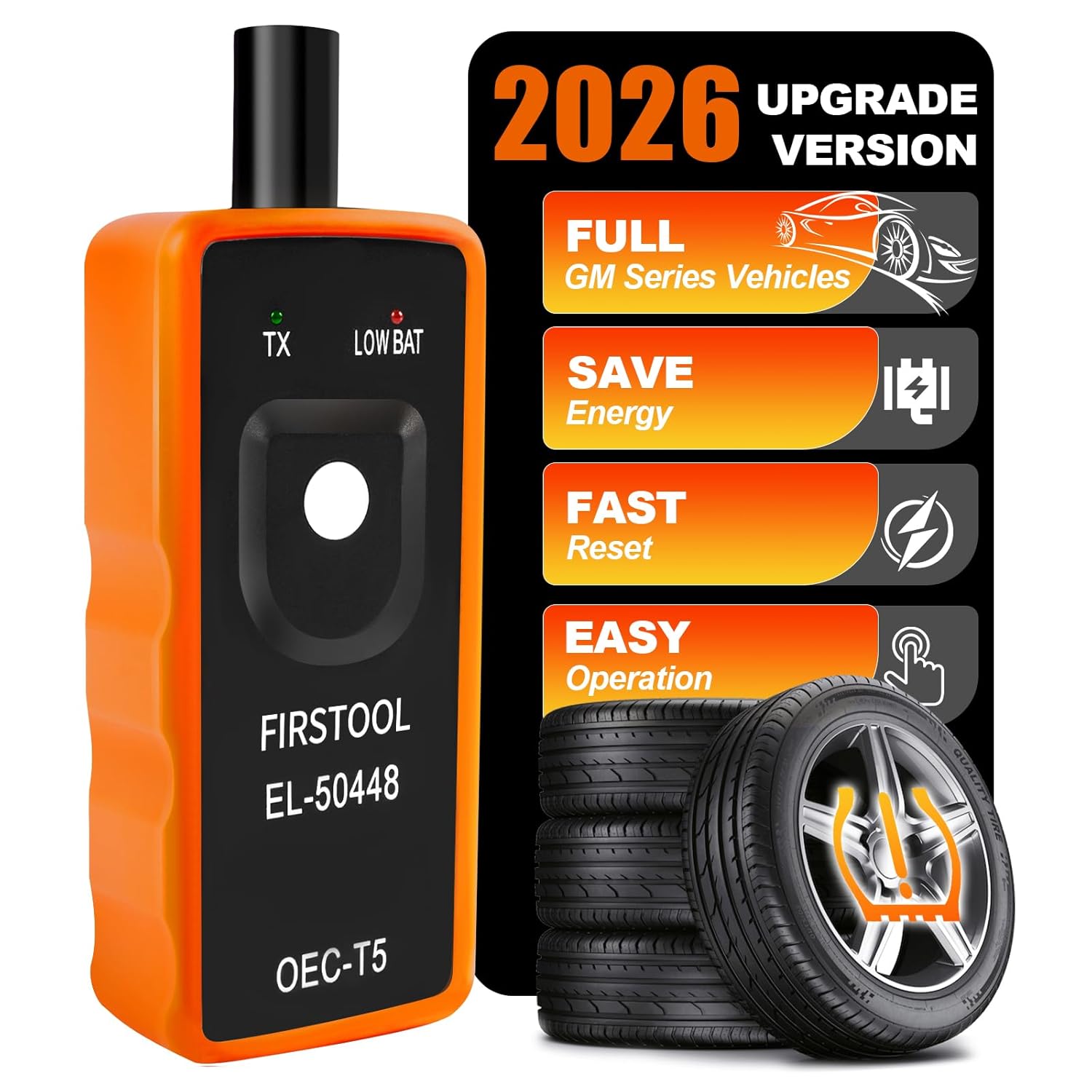
This TPMS relearn tool helps you quickly activate, match, and reset GM tire pressure sensors to keep the vehicle monitoring system working properly. It clears tire pressure alarms and dashboard warning lights after sensor replacement or tire rotation, and supports learning for common 315/433 MHz TPMS sensors. Designed for simple one-button operation, it can help you avoid unnecessary trips to repair shops.

Vigorder rubber cement glue delivers superior adhesion and cures quickly within about 30 seconds for seamless rubber bonding. Once cured, it helps provide a strong, durable, waterproof seal that holds up to vehicle weight, pressure, and heat. Suitable for cars, motorcycles, trucks, bicycles, and off-road tires, it’s designed for emergency patch and maintenance repairs.
Why New Tires Can Feel Less Responsive Than Worn Ones
New tires usually do not make the vehicle literally slower. What many drivers notice is a change in steering response.
Heavily worn tires have shorter tread blocks, so there is less rubber available to flex. A new tire restores full tread depth, which can make steering inputs feel slightly softer or delayed by comparison.
- Fresh tread can show more tread-block movement.
- A different tire model may have a softer or firmer casing.
- New tread patterns can change road noise and steering feel.
- Incorrect pressure can exaggerate a soft or nervous response.
- Alignment or balance problems can mimic what a driver assumes is break-in.
Expect mild differences, not poor control. If the vehicle suddenly feels unsafe or difficult to keep in its lane, have the tires and installation checked rather than waiting hundreds of miles.
How To Break In Tubeless Ready Bicycle Tires
This section applies to Tubeless Ready bicycle tires, not passenger-car tires. Bicycle systems use different casings, rims, pressures, and liquid sealants, so the car-focused 500-mile rule should not be transferred directly to them.
Michelin’s current bicycle guidance recommends mounting the tire correctly, inflating it to the appropriate riding pressure, allowing the casing to stabilize, and taking a progressive approach during the first rides.
For a Tubeless Ready setup, the sealant also needs time and movement to distribute through the casing and around areas where small air leaks can occur. The exact procedure depends on the tire, rim, sealant, pressure, and manufacturer.
For the first rides:
- Use the tire manufacturer’s recommended pressure range.
- Follow the sealant manufacturer’s installation quantity and procedure.
- Begin on a predictable surface when possible.
- Build braking and cornering loads progressively.
- Check pressure before subsequent rides.
- Inspect for persistent air or sealant leakage.
Do not use a fixed “50 km” rule or a matte-looking tread surface as proof that every Tubeless Ready system is fully seated or sealed. Pressure stability and the specific manufacturer’s instructions are more useful checks.
What To Expect During The First 500 Miles
During the first few hundred miles on passenger-car tires, the biggest change may be your own adjustment to the new tire’s steering, braking, noise, and ride characteristics.
A fresh set may feel slightly less crisp than worn tires because of full tread depth. You may also notice different road noise or ride firmness simply because the new tire has a different design.
Initial Grip Changes
Initial traction can feel different while a fresh tire surface is transitioning into normal service. Continental recommends moderate driving and extra following distance during the break-in period because braking performance and feel may not yet match what you expect from the old set.
- Traction should remain controllable during normal driving.
- Steering may initially feel less sharp.
- Tread squirm can be more noticeable with deep tread.
- Road temperature and wetness can have a major effect on grip.
- There is no universal tread color or sheen that proves break-in is complete.
By the time you have accumulated several hundred miles, you should have a much clearer picture of how the new tires normally behave.
Smooth Driving Habits
Use gradual throttle, progressive braking, and steady steering. You do not need to drive unusually slowly; the goal is to avoid unnecessary maximum-load maneuvers while the tires are new.
On the highway, leave more space than usual and avoid abruptly testing lane-change grip. In rain, snow, freezing temperatures, gravel, or other poor conditions, increase your margin further.
As mileage builds and the tires feel consistent, return progressively to your normal driving style while still respecting road conditions, speed limits, and the tire’s intended use.
What Is Not Normal During Break-In?
Break-in can explain a mild change in steering response. It should not be used to dismiss symptoms that suggest a pressure, mounting, balance, alignment, wheel, or tire problem.
- Strong steering-wheel or seat vibration
- Significant pulling to one side on a reasonably level road
- Repeated air-pressure loss
- A TPMS warning that returns after pressure is corrected
- Tire rubbing against the body or suspension
- Visible bulges, cuts, bead damage, or unusual deformation
- Loud rhythmic thumping or other severe new noises
If one of these appears after tire installation, contact the installer or a qualified tire professional promptly.
Why Tire Pressure Matters During Break-In
Correct tire pressure matters from the first mile onward because inflation affects the tire’s shape, heat generation, contact with the road, steering response, and wear.
NHTSA recommends using the vehicle manufacturer’s specified cold pressure from the Tire and Loading Information label or owner’s manual. The maximum pressure molded on the tire itself is not the normal inflation target for the vehicle.
For passenger vehicles, use the manufacturer’s recommended cold inflation pressure from the vehicle placard or owner’s manual—not the maximum pressure printed on the tire sidewall.
- Check pressure when the tires are cold for the most useful comparison with the placard specification.
- Check soon after installation if the steering feels unusual or a TPMS warning appears.
- Check at least monthly during normal ownership.
- Check before long trips.
- Recheck after large temperature changes because air pressure changes with temperature.
Underinflation can increase flex and heat. Overinflation can change the tire’s contact with the road and ride characteristics. Accurate pressure gives you a better baseline for judging whether the new tires themselves are behaving normally.
[Products Worth Considering]

Accurately measure tire tread depth with a calibrated gauge marked from 0 to 1 inch in 1/32 inch increments. The color-coded bar helps you quickly identify tread condition ranges, supporting safe driving for trucks, motorcycles, automobiles, and passenger vehicles.

Measure tire tread depth quickly and accurately with this LUMITECO dial gauge that reads in 1/32" increments up to 14/32". The color-coded green/yellow/red zones make it easy to judge tire wear and know when replacement is needed. A rugged, compact design with a protective pouch helps keep the gauge ready for use on cars, trucks, motorcycles, and more.
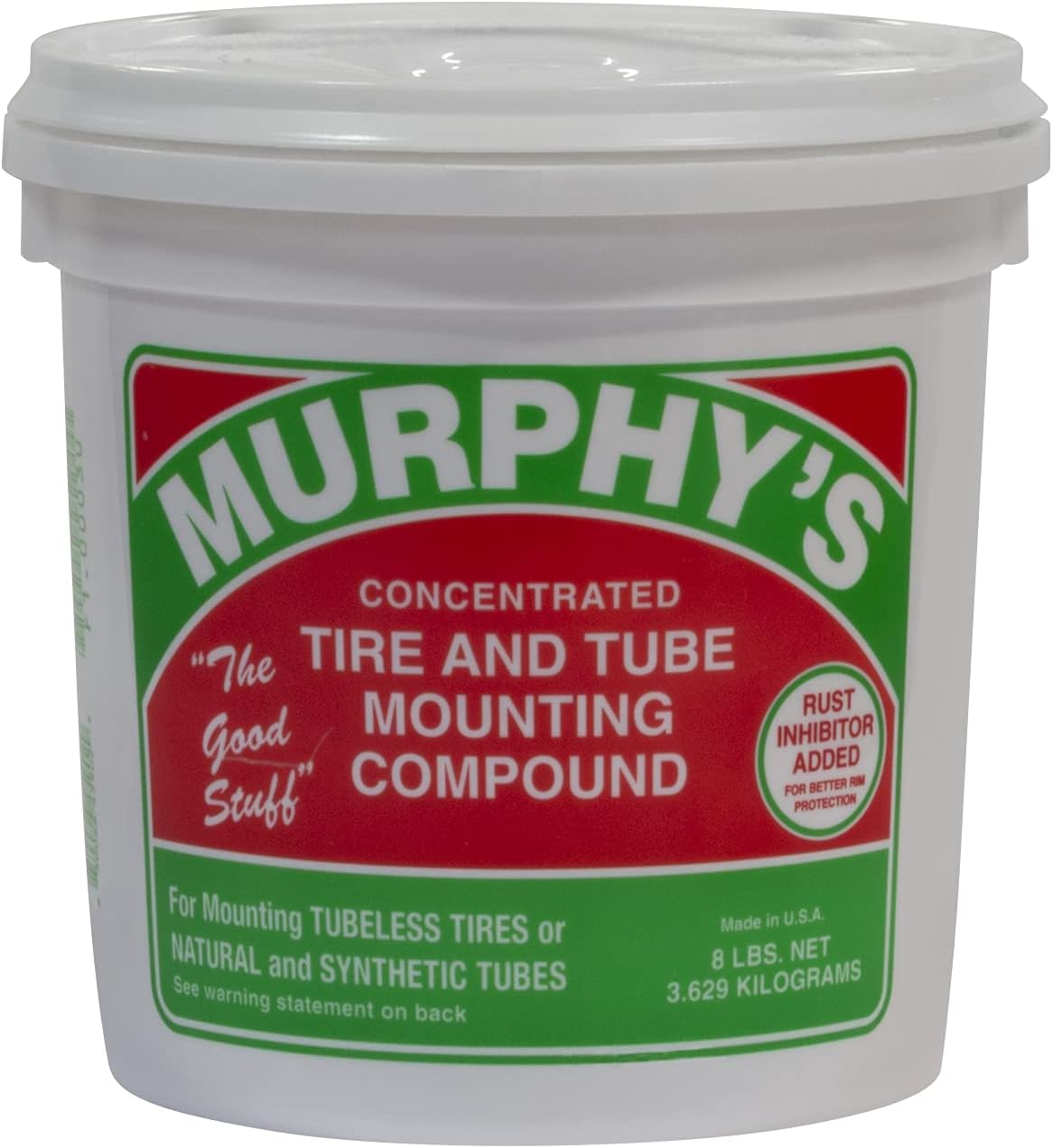
A concentrated tire and tube mounting compound designed to help simplify mounting rubber tires and tubes on passenger, semi truck, construction, and OTR applications. Its ultra-thick formula packs beads effectively and includes rust inhibitors to help protect against corrosion during use.
Common New Tire Break-In Mistakes
The biggest mistake is treating a fresh set as an invitation to immediately test maximum grip. New tires are better introduced to normal service progressively.
- Hard launches: unnecessary full-throttle acceleration can stress traction and may promote tire/rim slip shortly after mounting.
- Unnecessary panic-style braking: leave more following distance so routine stops can remain progressive.
- Aggressive cornering: do not use public roads to discover the tire’s absolute traction limit.
- Using sidewall maximum pressure: use the vehicle placard specification instead.
- Ignoring abnormal vibration or pulling: those symptoms may indicate an installation or vehicle problem.
- Assuming every tire uses the same procedure: performance, motorcycle, bicycle, competition, and specialty tires may require different manufacturer guidance.
- Using appearance as the only test: tread gloss, color, or a matte surface is not a universal safety measurement.
You also do not need to intentionally wear down a brand-new tire to make it handle like the old one. Full tread depth is valuable for water evacuation and tire life even if it produces slightly more movement at first.
What To Check After New Tire Installation
A few basic checks help separate normal new-tire feel from an installation problem.
- Cold pressure: compare all four tires with the placard specifications.
- TPMS: confirm the warning light goes out after pressures and any required relearn procedure are correct.
- Vibration: noticeable shaking can indicate a balance, wheel, tire, or mounting issue.
- Pulling: significant new pull may justify checking pressures, alignment, tire condition, and installation.
- Clearance: listen and look for rubbing if tire size or wheel fitment changed.
- Visible condition: inspect the sidewall and tread for cuts, bulges, abnormal deformation, or damage.
- Wheel fasteners: follow the vehicle, wheel, or installer’s specific torque and recheck instructions rather than applying a universal interval.
If the tires were installed because the old set had irregular wear, fixing the underlying alignment or suspension problem is important. New tires will not correct a mechanical cause of uneven wear by themselves.
[Products Worth Considering]

Measure tyre tread depth precisely with a digital gauge that reads in both MM and inches, helping you monitor safe driving conditions. The large LCD screen is easy to operate, and the compact tool fits for cars, trucks, and motorcycles. It provides high accuracy with a 0-25.4mm range and includes a 1-year warranty for added peace of mind.

The ETENWOLF T500 digital tire pressure gauge with inflator delivers accurate readings across a wide 0–250 PSI range, calibrated to ANSI B40.7 Grade 2A. An all-in-one tool combines gauge, air chuck, hose, inflating and controlled bleed for checking, inflating, and deflating tires on many vehicle types. It’s built for reliable use in extreme temperatures and features an illuminated backlit display with replaceable AAA batteries for convenient operation.

Monitor tire tread wear with a smart, color-coded depth gauge that shows clear condition ranges at a glance. The bar is range marked for fast, easy readings, helping you maintain safer traction and performance. Each gauge is portable with a pocket clip, and the set includes 20 units for daily use and sharing.
How To Care For New Tires After Break-In
Once you are past the initial adjustment period, routine tire care matters far more than continuing to think about “break-in.”
- Check cold tire pressure at least monthly and before long trips.
- Inspect tread and sidewalls for cuts, punctures, bulges, cracking, or embedded objects.
- Follow the vehicle or tire manufacturer’s rotation interval and approved rotation pattern.
- Investigate uneven tread wear rather than simply rotating it away.
- Have alignment checked if the vehicle pulls or develops one-sided or irregular wear.
- Have persistent vibration inspected for tire, balance, wheel, or suspension problems.
- Respond promptly to pressure loss or TPMS warnings.
NHTSA emphasizes inflation, tread condition, damage checks, rotation, balance, and alignment as important parts of ongoing tire maintenance.
Frequently Asked Questions
How Long Does It Take for New Tires to Get Broken In?
For passenger-car street tires, roughly 500 miles of conservative driving is a useful manufacturer-backed guideline. The tire may start feeling more familiar sooner, but there is no universal mileage at which traction suddenly changes. Tire type, temperature, road conditions, pressure, and driving style all affect the experience.
How Long Should You Break in New Tires?
Use smooth acceleration, progressive braking, moderate cornering, and extra following distance for approximately the first 500 miles unless your tire manufacturer provides different instructions. Treat that distance as a conservative adjustment period rather than a precise performance deadline.
Can I Drive 2 Hours With a Nail in My Tire?
Do not plan a two-hour trip simply because the tire is still holding air. A puncture can begin leaking or may have internal damage that is not visible. If pressure is falling, the tire is damaged, or the nail is near the shoulder or sidewall, use the spare or roadside assistance. If the tire remains properly inflated and there are no other warning signs, drive only as needed to reach a nearby tire professional for inspection. USTMA repair procedures generally limit repairs to qualifying tread-area punctures no larger than 1/4 inch (6 mm), with the tire removed for internal inspection and repaired using both an injury-filling stem and an inner patch.
Do New Tires Ride Rough at First?
They can feel different, but “rough” is not guaranteed or automatically normal. Full tread depth, tire construction, inflation pressure, load rating, and tread design can all change ride feel. Strong vibration, thumping, pulling, or instability should be inspected rather than dismissed as break-in.
Can I Drive on the Highway With Brand-New Tires?
Yes, normal highway driving is generally possible. Keep speeds appropriate for conditions, leave extra following distance, avoid abrupt lane changes, and do not use the first trip to test maximum acceleration, braking, or cornering capability.
Are New Tires More Slippery in the Rain?
A fresh set can feel different initially, so extra caution is sensible, but wet-road traction depends heavily on tire design, temperature, water depth, tread pattern, inflation, road contamination, and speed. Reduce speed and increase following distance whenever conditions are wet rather than relying on break-in mileage alone.
What If My New Tires Still Feel Wrong After Several Drives?
Check cold pressure first. If the car continues to vibrate, pull, lose pressure, rub, make unusual rhythmic noise, or feel genuinely unstable, return to the installer or a qualified tire professional. Those symptoms can involve balance, alignment, mounting, wheel condition, tire damage, fitment, or suspension issues rather than normal break-in.
Conclusion
For most passenger-car street tires, the first roughly 500 miles are best treated as an adjustment period. Use smooth steering, acceleration, and braking, keep the tires at the vehicle manufacturer’s specified cold pressure, and leave extra safety margin while you learn the new set’s behavior. Mild tread squirm or a change in steering response can be normal, but strong vibration, pulling, pressure loss, rubbing, or visible damage is not something to wait out. Once the tires feel consistent, continue with normal tire-pressure checks, inspections, rotations, and other manufacturer-recommended maintenance.
Sources
- Continental — Braking with New Tires — supports the approximately 500-mile gentle passenger-car break-in recommendation, tread squirm explanation, and caution about mounting/manufacturing substances.
- National Highway Traffic Safety Administration — TireWise — supports cold tire-pressure checks, use of the vehicle placard pressure, monthly inspection, and general tire maintenance guidance.
- Michelin — How to Break In New Bicycle Tires — supports the separate, gradual break-in approach for bicycle and Tubeless Ready tires.
- U.S. Tire Manufacturers Association — Puncture Repair Procedures — supports passenger/light-truck puncture size, location, inspection, and patch/stem repair criteria.
- Michelin — Can My Tire Be Repaired? — additional current guidance on tread punctures, sidewall damage, professional inspection, and proper repair procedures.