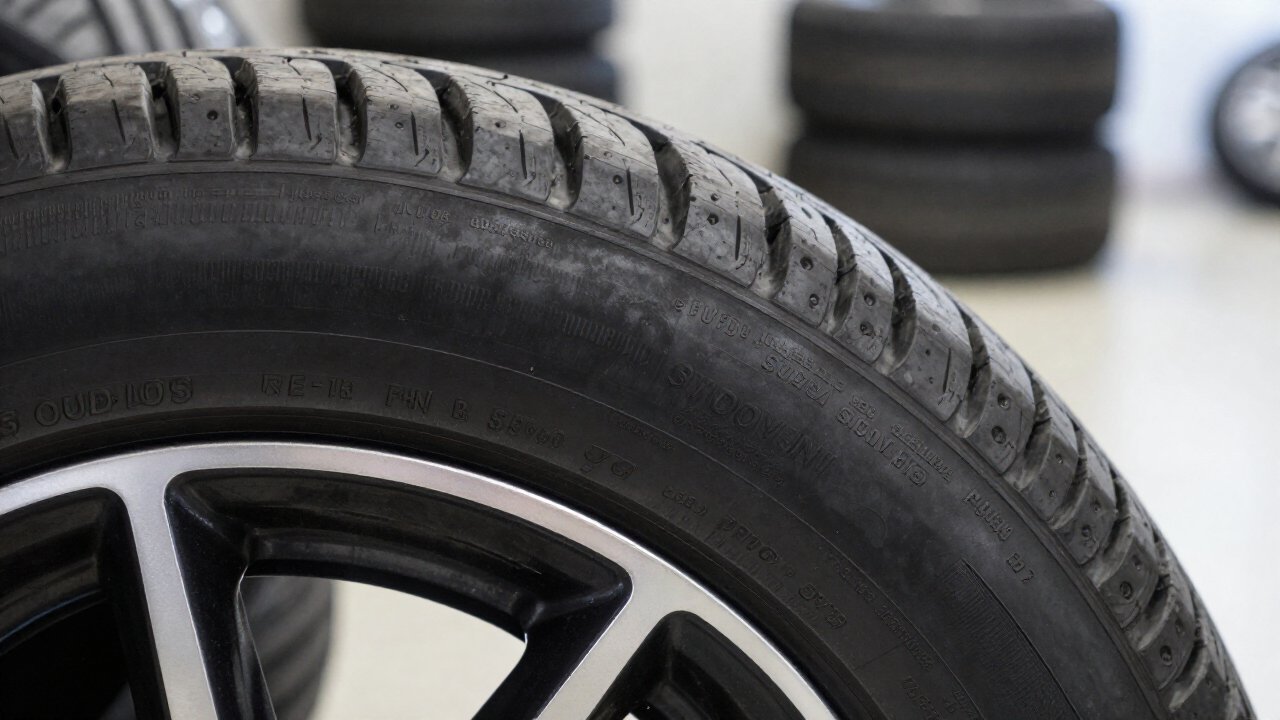
You can use a tire with a higher load index than your vehicle requires, but you should never use one with a lower load index. The load index is the number in the tire’s service description, such as the 107 in 107T or the 111 in 111T, and it tells you the maximum weight each tire can carry at the correct inflation pressure. If your door placard calls for 107, a 111 tire carries more and is a safe upgrade. If the placard calls for 111, a 107 tire is a downgrade of 254 pounds per tire and should not be fitted.
Last updated: November 23, 2026
Quick Answer
A higher load index than the one on your vehicle’s tire placard is acceptable because the tire can carry more weight than the vehicle needs. A lower load index is not acceptable because each tire would be rated to carry less than the vehicle can load onto it. For example, a 111T tire (2,403 lb per tire) can replace a 107T tire (2,149 lb), but a 107T should not replace a 111T.
Key Takeaways
- The load index is a code, not a weight. Look it up on a standard chart: 107 = 2,149 lb (975 kg) and 111 = 2,403 lb (1,090 kg) per tire.
- Equal or higher than the placard is the rule. Going lower reduces the safety margin on every tire.
- A higher load index can mean a stiffer sidewall, slightly more weight and a different inflation table, so check the pressure your tire maker lists for the load you carry.
- The speed rating letter is a separate rating. A 111T and a 111H carry the same weight but are rated for different speeds.
- Your required load index is on the driver’s door placard or in the owner’s manual, not on the tires that happen to be fitted today.
What Is a Tire Load Index?
The load index is the number that sits just before the speed rating letter at the end of a tire size, such as LT245/75R16 120/116S or 235/65R17 104H. It is part of the tire’s service description. On its own the number means nothing in pounds; you translate it with a standardized load index chart that every major tire maker publishes. A load index of 95, for example, means 1,521 pounds per tire, while 107 means 2,149 pounds per tire.
The weight in the chart is the maximum each single tire can support when it is inflated to the pressure the tire standard specifies for that load. Multiply by four and you get the most the full set can carry, which is why a small change in the number can add or remove hundreds of pounds of capacity. For a deeper explanation of how the numbers are built, see our tire load index guide.
Products Worth Considering
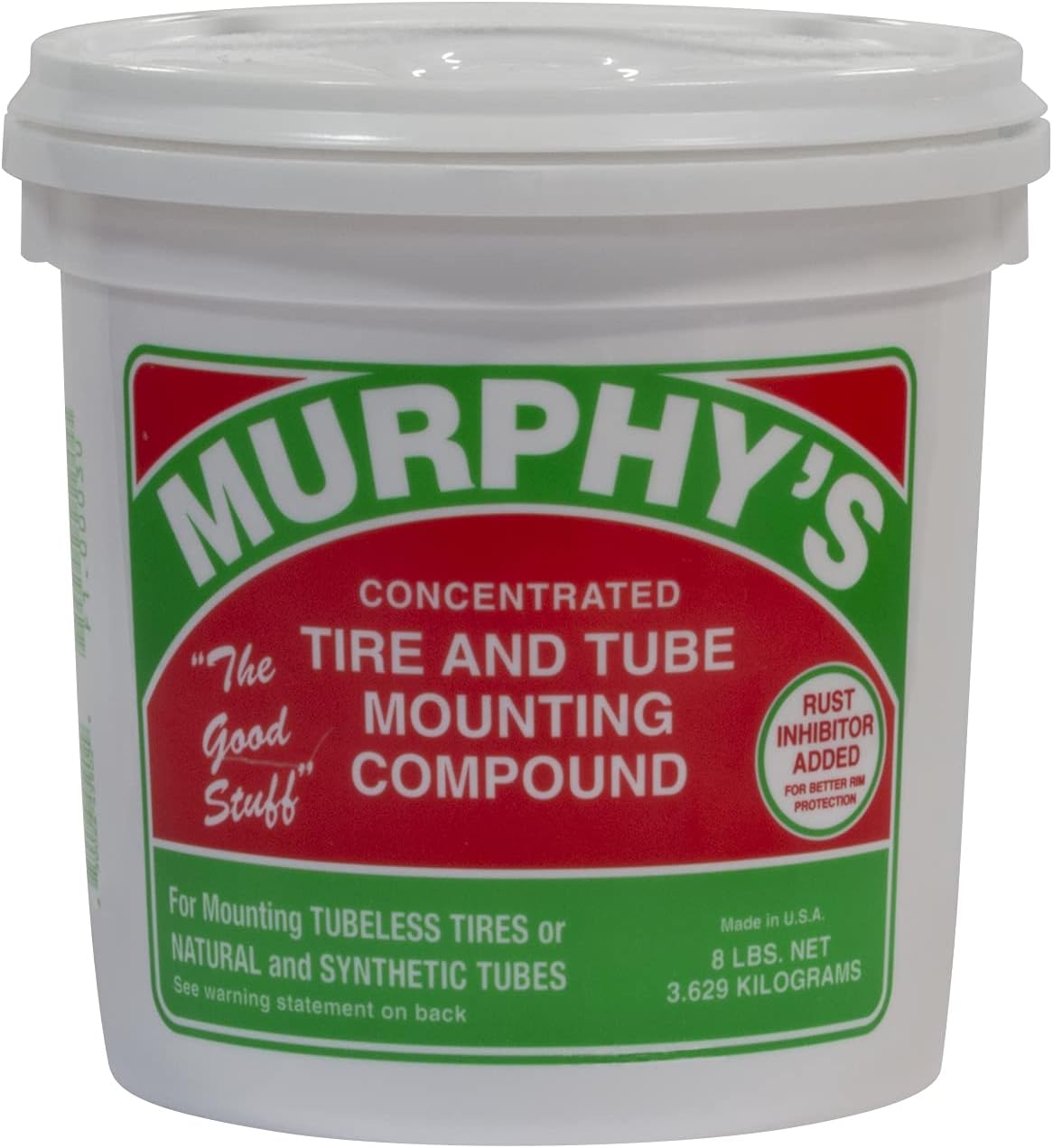
A concentrated tire and tube mounting compound designed to help simplify mounting rubber tires and tubes on passenger, semi truck, construction, and OTR applications. Its ultra-thick formula packs beads effectively and includes rust inhibitors to help protect against corrosion during use.

The 22800 wheel stud installer makes replacing wheel studs quick and secure, saving time and effort during tire service. It uses a ratchet or impact wrench to pull new studs firmly into place, helping when existing studs are too long. Compatible with most automotive wheels and light-duty truck wheel studs, it’s designed for easy, tool-assisted installation.

Keep your tires properly inflated with this analog VONDIOR tire pressure gauge, designed for fast, easy readings without batteries. The swiveling, two-axis hose and large glow dial help you measure at any tire angle with instant visibility. Built with a protective rubber shield, it supports durable, low-maintenance use for cars and trucks.
Can You Use a Higher Load Index Than Your Vehicle Requires?
Yes. A higher load index means the tire is built to carry more weight than your vehicle’s manufacturer requires, so you keep, and usually increase, your safety margin. Tire makers sum this up as “a tire that can do more can do less.” This is common when you change brands: one maker’s 235/65R17 might be a 104 while another offers the same size as a 108 XL. Both are acceptable for a vehicle whose placard lists 104.
There are a few trade-offs to understand before you buy:
- Ride feel: higher-capacity tires often use stiffer sidewalls or extra plies, which can make the ride feel firmer, especially on light vehicles.
- Weight: heavier construction adds rotating mass, which can slightly affect fuel economy and steering feel.
- Inflation: extra-load (XL) and light-truck (LT) tires use their own load and inflation tables. Running them at a pressure that is too low for the load can overheat the tire even though its maximum rating is higher.
- Price: heavier-duty versions of a size usually cost more.
None of these make a higher load index unsafe. They are simply reasons to choose the load index you need rather than the biggest number you can find.
Can You Use a Lower Load Index?
No. A lower load index means each tire is rated to carry less than your vehicle’s manufacturer specified for a fully loaded vehicle. Even if you rarely carry passengers or cargo, the margin exists for real-world conditions: heat on a summer highway, slightly low pressure, potholes and the occasional full load. Overloading a tire increases flexing and heat, which accelerates wear and raises the risk of tread separation or a blowout.
A lower load index can also cause problems with insurers and vehicle inspections in some places, because the tires no longer meet the vehicle maker’s specification. If you are unsure whether a tire is acceptable, compare its load index with the placard before it is mounted, not after.
Safety rule
Match or exceed the load index on your vehicle’s tire placard. Never fit a tire with a lower load index, even on just one axle.
107T vs 111T: What’s the Difference?
The letter T is the same in both codes, so both tires share the same speed rating of 118 mph (190 km/h). The difference is entirely in carrying capacity.
| Spec | 107T | 111T |
|---|---|---|
| Load per tire | 2,149 lb (975 kg) | 2,403 lb (1,090 kg) |
| Load for a set of four | 8,596 lb | 9,612 lb |
| Difference | +254 lb per tire, +1,016 lb per set | |
| Speed rating | T = 118 mph (190 km/h) | T = 118 mph (190 km/h) |
| Can replace the other? | Only if the placard calls for 107 or less | Yes, can replace a 107T |
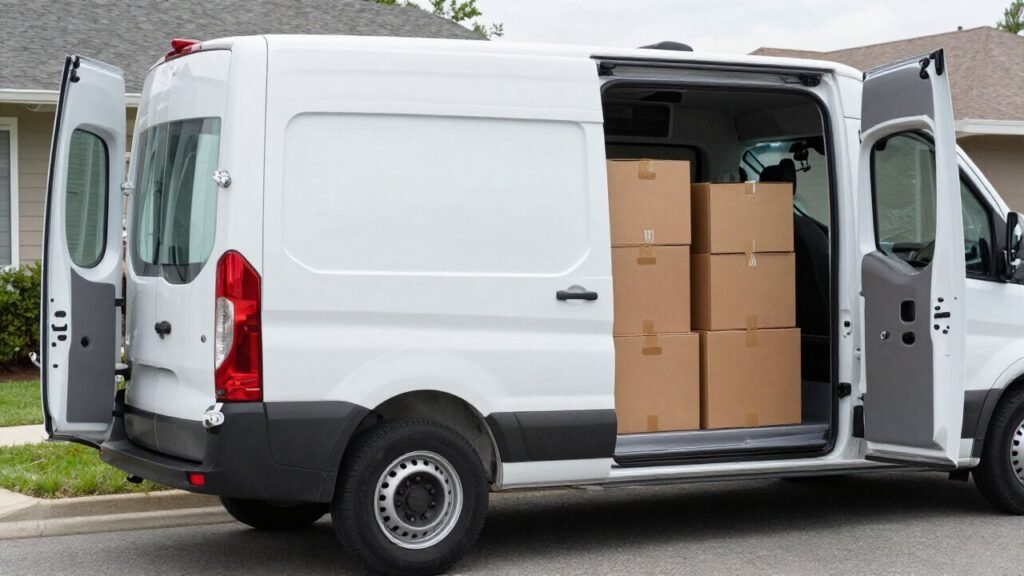
So, would a 107T work on a van that came with 111T tires? Not safely. Vans and other heavy vehicles carry large loads close to their limits, which is exactly why the maker specified the higher number. Going from 111 to 107 removes about 1,000 pounds of capacity from the set. If the van’s placard actually lists 107 and the 111T tires were an upgrade by a previous owner, then 107T tires are acceptable. The placard is the deciding document, not the old tires. Read more about each code in our guides to 107T and 111T.
Common Load Index Swaps Compared
Most questions about load index come down to two numbers that differ by a few points. The table below compares common pairs drivers search for. In every case, the higher number is the safe choice when the lower one is the original specification.
| Swap | Original | Replacement | Change per tire | OK? |
|---|---|---|---|---|
| 95V to 99V | 95 = 1,521 lb | 99 = 1,709 lb | +188 lb | Yes |
| 99V to 103V | 99 = 1,709 lb | 103 = 1,929 lb | +220 lb | Yes |
| 101H to 104H | 101 = 1,819 lb | 104 = 1,984 lb | +165 lb | Yes |
| 101H to 105H | 101 = 1,819 lb | 105 = 2,039 lb | +220 lb | Yes |
| 111T to 112T | 111 = 2,403 lb | 112 = 2,469 lb | +66 lb | Yes |
| 112T to 115T | 112 = 2,469 lb | 115 = 2,679 lb | +210 lb | Yes |
| 103V to 99V | 103 = 1,929 lb | 99 = 1,709 lb | −220 lb | No |
| 111T to 107T | 111 = 2,403 lb | 107 = 2,149 lb | −254 lb | No |
Does a Higher Load Index Change Ride, Pressure or Wear?
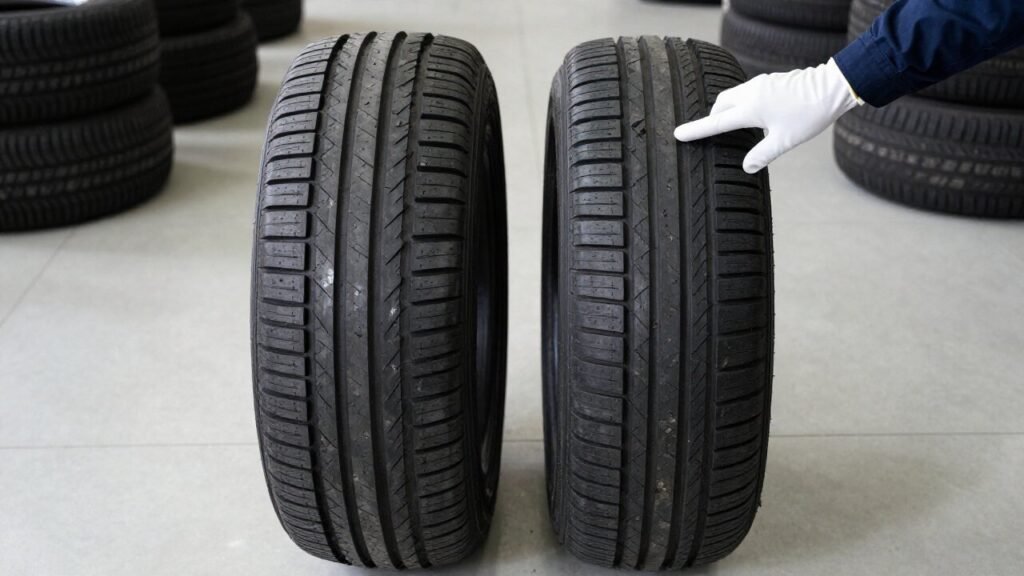
It can, a little. The load index tells you the maximum capacity, not how stiff the tire will feel. Two tires with the same index from different brands may ride very differently, while an XL version of a size typically feels firmer than the standard-load version. Expect these differences:
- Comfort: slightly firmer over sharp bumps, more noticeable on small cars and crossovers.
- Handling: stiffer sidewalls can sharpen steering response, which some drivers like.
- Wear: wear depends more on alignment, pressure and driving style than on load index. A correctly inflated higher-index tire should not wear faster.
- Pressure: start with your vehicle placard pressure, then confirm with the tire maker’s load and inflation table, especially for XL and LT tires, which may need more pressure to carry the same load.
What About XL and LT Tires?
XL (extra load) or RF (reinforced) passenger tires are built to carry more weight at a higher maximum pressure than standard-load tires of the same size. They are the most common way to get a higher load index in a passenger size, and they are fine to use where the placard calls for a standard-load tire. See what XL means on a tire for details.
LT (light truck) tires use load ranges such as C, D and E and often show two load indexes, for example 120/116, for single and dual fitments. Moving from a P-metric passenger tire to an LT tire is generally a capacity upgrade, but it changes ride quality and the correct pressure. Never move the other way, from an LT specification to a passenger tire, without checking that the load capacity still meets the placard. Our guide to load range C vs E shows how these ratings work on a truck.
Products Worth Considering

Secure your parked vehicle quickly with AFA Tooling 4T rubber wheel chocks in a 4-pack for two dual-wheel sets. The ribbed design and textured base grip fast without pounding, so you can chock tires on trailers, RVs, ATVs, and work vehicles with confidence. EZ rustproof handles with rope ties keep the pair together for easy placement and removal, while nylon-reinforced rubber stands up to dirt, ice, salt, and harsh weather.

Malco tire mounting and demounting lubricant is a ready-to-use tire lube formulated to reduce friction during tire installation for passenger cars, light trucks, farm tires, and heavy-duty equipment. It provides rust-inhibiting protection to help reduce corrosion on rims and wheels, and helps support proper tire bead seating during inflation to reduce air leakage. The silicone-free, soap-free formula is whitewall safe to help prevent discoloration on whitewall tires and sensitive sidewall markings.
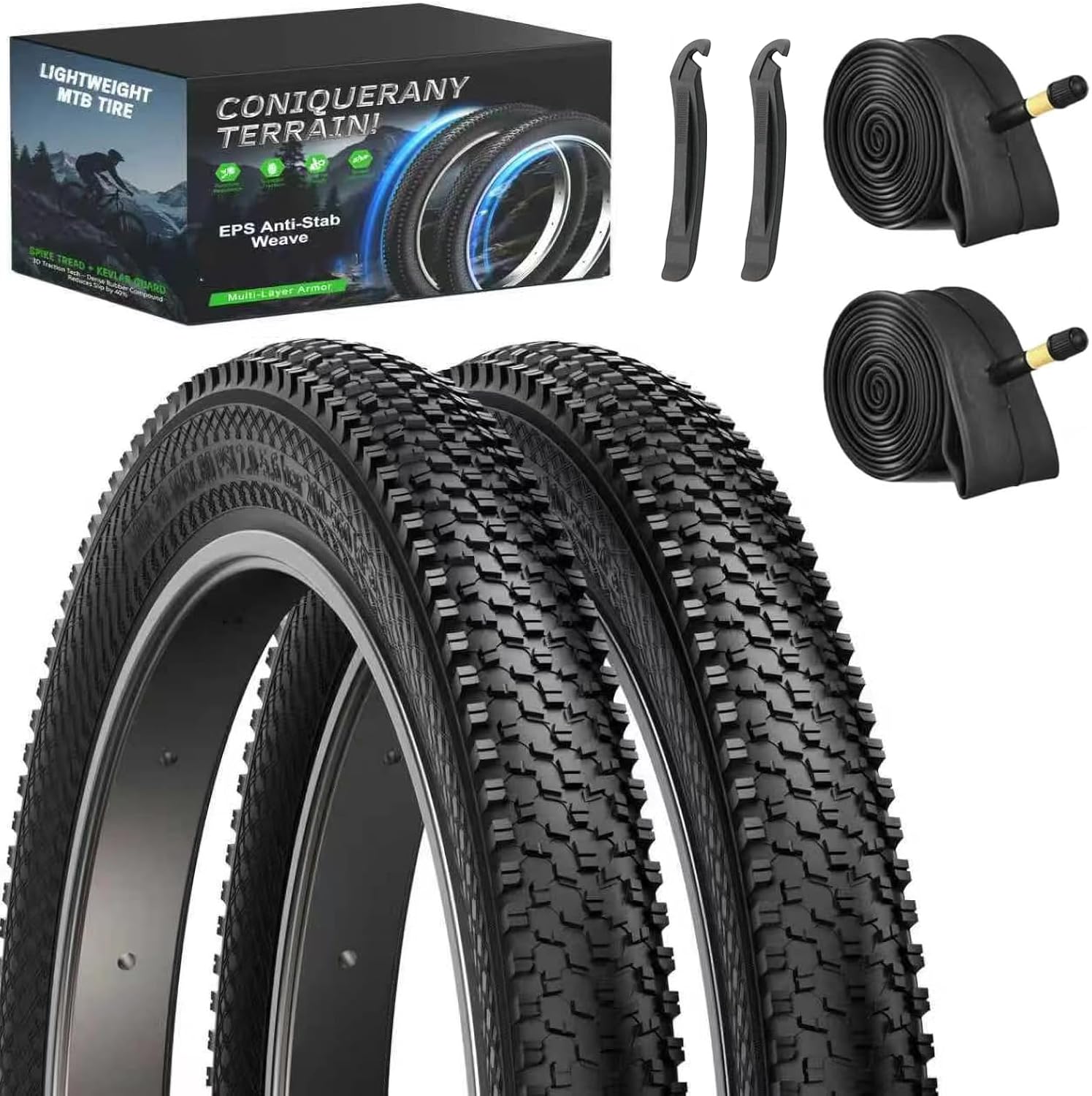
This 2-pack set includes two folding mountain bike tires, two inner tubes, and two tire levers for quick, budget-friendly replacements. The tires feature an anti-stab weave for added protection, plus strong grip and durable construction to help you stay stable across common trail and road conditions. Foldable design makes storage and travel convenient, while the included tubes provide a matched fit for smoother setup.
How to Find the Load Index Your Vehicle Needs
- Open the driver’s door and find the tire and loading information placard on the door jamb. It lists the original tire size and cold inflation pressures, and on many vehicles the full size including load index and speed rating.
- Check the owner’s manual if the placard does not show the service description. Look in the tires and loading section.
- Do not rely on the tires currently fitted. A previous owner or shop may have installed a higher or lower index than the original.
- Compare numbers, not sizes. The same size can come in several load indexes, so confirm the full service description on any tire you buy.
- Ask the installer to confirm the replacement meets or exceeds the placard before mounting.
Does the Speed Rating Have to Match Too?
The speed rating is a separate letter with its own rule: use the same or a higher speed rating than the vehicle maker specifies, unless you are fitting winter tires, where many makers allow a lower rating if you obey its limit. If you mix speed ratings, the vehicle is limited to the lowest-rated tire. Our tire speed rating chart lists every letter, and guides such as 95V explained show how load and speed work together in one code.
Load Index Chart (88 to 121)
These values are the standard figures used across the tire industry for passenger and light-truck tires.
| Load index | lb | kg | Load index | lb | kg |
|---|---|---|---|---|---|
| 88 | 1,235 | 560 | 105 | 2,039 | 925 |
| 89 | 1,279 | 580 | 106 | 2,094 | 950 |
| 90 | 1,323 | 600 | 107 | 2,149 | 975 |
| 91 | 1,356 | 615 | 108 | 2,205 | 1,000 |
| 92 | 1,389 | 630 | 109 | 2,271 | 1,030 |
| 93 | 1,433 | 650 | 110 | 2,337 | 1,060 |
| 94 | 1,477 | 670 | 111 | 2,403 | 1,090 |
| 95 | 1,521 | 690 | 112 | 2,469 | 1,120 |
| 96 | 1,565 | 710 | 113 | 2,535 | 1,150 |
| 97 | 1,609 | 730 | 114 | 2,601 | 1,180 |
| 98 | 1,653 | 750 | 115 | 2,679 | 1,215 |
| 99 | 1,709 | 775 | 116 | 2,756 | 1,250 |
| 100 | 1,764 | 800 | 117 | 2,833 | 1,285 |
| 101 | 1,819 | 825 | 118 | 2,910 | 1,320 |
| 102 | 1,874 | 850 | 119 | 2,998 | 1,360 |
| 103 | 1,929 | 875 | 120 | 3,086 | 1,400 |
| 104 | 1,984 | 900 | 121 | 3,197 | 1,450 |
Frequently Asked Questions
Is it OK to put a higher load index tire on my car?
Yes. A higher load index means more carrying capacity than your vehicle needs. The ride may feel slightly firmer, and you should confirm the correct inflation pressure with the tire maker, but it does not reduce safety.
What happens if the load index is too low?
Each tire would be rated to carry less than your vehicle can put on it. Under a full load or in hot weather, the tire can flex and overheat, which speeds up wear and increases the risk of tread separation or a blowout.
Can I use 103V instead of 99V?
Yes. Load index 103 carries 1,929 lb per tire versus 1,709 lb for 99, and both are V-rated for 149 mph (240 km/h). The 103V is a capacity upgrade.
Is 107T the same as 111T?
No. Both have a T speed rating (118 mph), but 111 carries 2,403 lb per tire while 107 carries 2,149 lb. A 111T can replace a 107T, not the other way around.
Can I mix load indexes on the same axle?
Tires on the same axle should match in size, construction and load index so the vehicle handles evenly. If you must mix, every tire still needs to meet or exceed the placard, and the matching pair should go on the same axle.
Does a higher load index mean longer tread life?
Not directly. Tread life depends on the tread compound, design, alignment, pressure and driving style. Check the UTQG treadwear grade and the manufacturer’s mileage warranty instead.
Conclusion
The load index rule is simple: match or exceed the number on your vehicle’s placard, and never go lower. Comparing two codes such as 107T and 111T takes seconds with a load index chart. Translate both numbers to pounds, confirm the speed letter, and make sure the replacement carries at least as much as the original. If you are choosing between several acceptable options, pick the lowest index that still meets the placard for the most comfortable ride, or a higher index if you regularly tow or carry heavy loads.
Sources
- Pirelli: Tire load index and chart
- Michelin: Understanding tire load rating and speed rating
- Just Tires: Load index and speed rating
- Bridgestone Americas: Tire replacement manual
- eBay Motors: What is a tire load index?
Products Worth Considering

Replace worn tires quickly with this universal 4.80/4.00-8 tire and inner tube set designed for wheelbarrows and outdoor utility carts. The ribbed tread helps reduce turf damage while the natural rubber construction supports longer service life. Compatible with 15.5-inch outer diameter, 4-inch width, and 8-inch rim diameter wheels, it uses a straight TR-13 valve stem for easy installation. For best results, inflate with a manual pump and do not exceed 25 PSI.

Replace worn pool cleaner tires with this all-purpose C10 tire set made to fit compatible Polaris automatic pool cleaners. The tires are designed for maximum traction while helping protect your pool finish, and they match Polaris OEM size and material. Each pack includes three new tires in sealed bags.
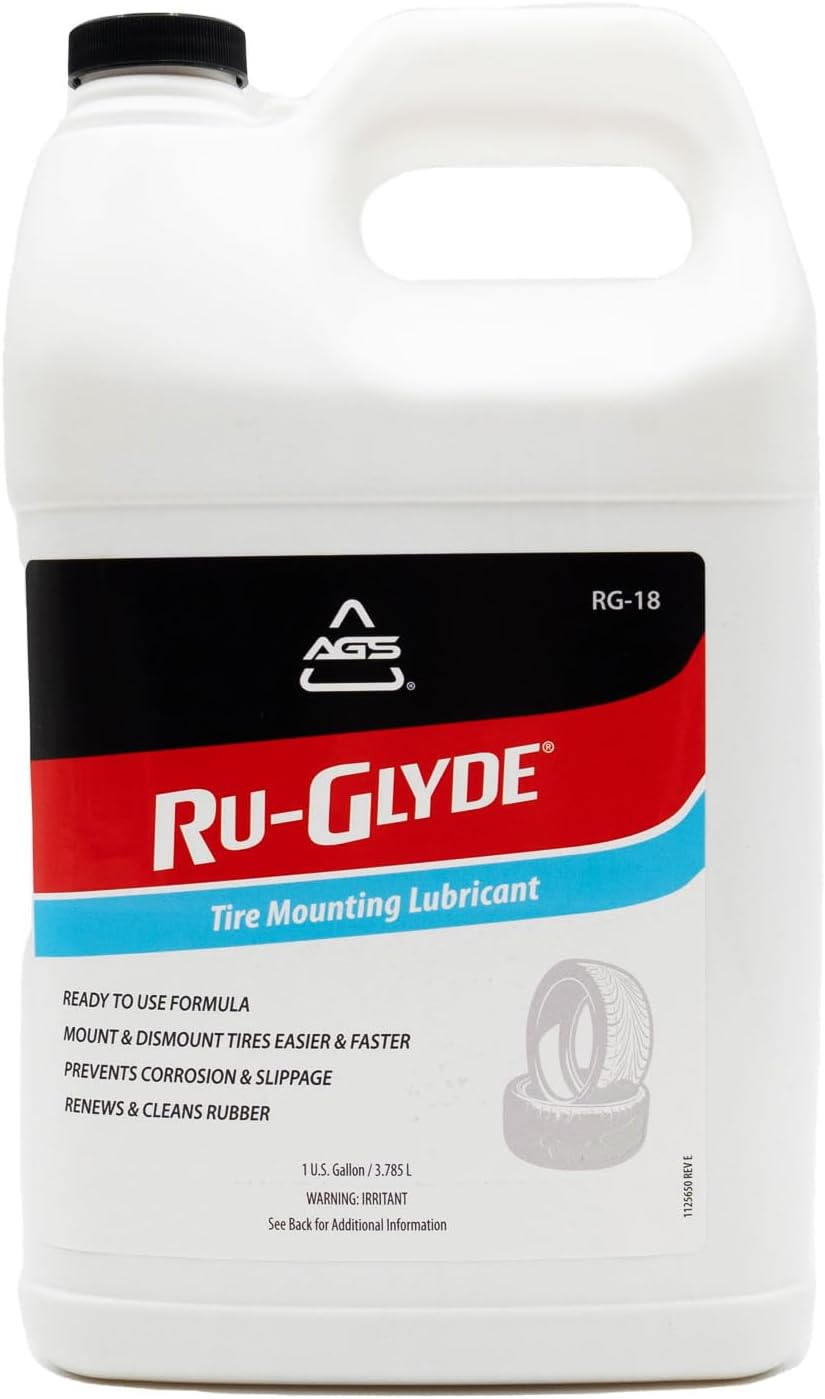
Ru-Glyde tire mounting lubricant from AGS seats tire beads smoothly on the first try with a thick, stay-put formula. It is ready to use with no mixing or dilution, helps prevent rim rust, and dries completely without causing bead slip residue. The water-based formula also conditions aged rubber, making it useful for sidewalls, gaskets, and door seals while remaining safe for tire, wheel, and technicians.