Cleaning the alloy wheels on your Toyota Hilux is a simple job, but the right method matters. Brake dust, road grime, mud, salt, and harsh cleaners can dull the finish if they sit too long or dry on the surface.
The safest approach is to work on cool wheels, use a cleaner that matches your wheel finish, scrub with soft tools, rinse well, and dry with a clean microfiber towel. This protects the wheel surface while giving your Hilux a cleaner, sharper look.
Quick Answer
Clean Toyota Hilux alloy wheels when they are cool. Rinse loose grit, spray a pH-balanced wheel cleaner that is safe for your wheel finish, let it dwell as directed, agitate with soft brushes, rinse fully, then dry with microfiber. For stubborn brake dust, repeat gently before adding polish or sealant.
Key Takeaways
- Always clean alloy wheels when they are cool, shaded, and safe to touch.
- Use a pH-balanced or finish-safe wheel cleaner instead of harsh household cleaners.
- Use separate soft brushes and microfiber towels for wheels so brake dust does not scratch paintwork.
- Rinse cleaner fully before it dries, especially around lug nuts, spokes, and the valve stem.
- Protect clean wheels with a compatible sealant or wax to make future brake dust easier to remove.
At a Glance
| Time Required | 20 to 40 minutes for all four wheels |
| Difficulty | Easy for routine cleaning, moderate for baked-on brake dust |
| Tools Needed | Hose, pH-balanced wheel cleaner, soft wheel brush, detail brush, microfiber towels, bucket, optional wheel sealant |
| Cost | Low if you already own car-wash tools; moderate if buying cleaner, brushes, and sealant |
Warning: Do not spray wheel cleaner on hot wheels, hot brake rotors, or direct sunlight-heated surfaces. Do not let cleaner dry on the wheel. Keep oily products away from brake pads and rotors, and rinse the area thoroughly before driving.
Why Cleaning Alloy Wheels Matters for Your Toyota Hilux
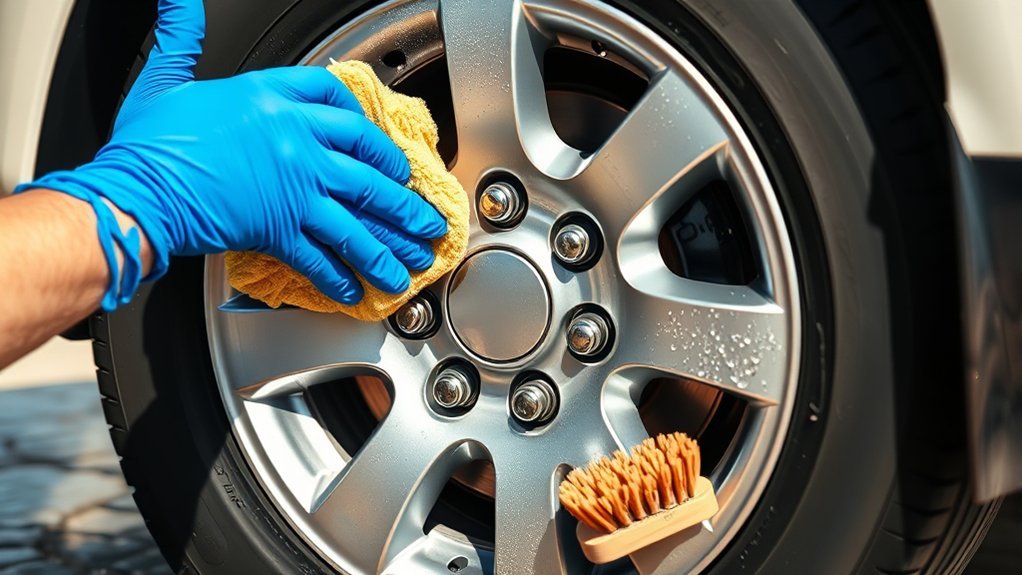
Alloy wheels on a Toyota Hilux do more than improve the truck’s appearance. They sit close to brake dust, road salt, mud, tar, and grit, so they need regular care to keep the finish from staining or dulling.
Brake dust is especially important because it contains fine metallic particles from normal brake wear. If it sits on the wheel for too long, it can become harder to remove and may mark the finish. Cleaning also gives you a chance to check for curb rash, chipped clear coat, corrosion, loose wheel weights, or cracks that need professional inspection.
Clean wheels also help your Hilux look better if you use it for work, off-road trips, towing, or daily driving. The goal is not just shine. The goal is to protect the wheel finish so dirt releases more easily next time.
Check Your Wheel Finish Before You Start
Before choosing a cleaner, look at the type of alloy wheel on your Hilux. Factory Hilux alloy wheels are commonly painted or clear-coated, while aftermarket wheels may be polished, machined, matte, chrome-look, powder-coated, or anodized.
If you are unsure, choose a pH-balanced wheel cleaner that says it is safe for painted, clear-coated, and alloy wheels. Avoid strong acidic or highly alkaline cleaners unless the product label clearly says they are safe for your exact finish.
Note: If your wheels are damaged, peeling, bare aluminum, matte, or freshly refurbished, test any cleaner on a small hidden area first. When in doubt, use car shampoo and water until you confirm the finish.
Must-Have Supplies for Cleaning Alloy Wheels
You do not need a complicated kit, but using the right tools helps prevent scratches and stains. Keep wheel tools separate from paint tools because brake dust and grit can scratch body panels.
- pH-balanced alloy wheel cleaner: Choose a product labeled safe for your wheel finish. A dedicated cleaner can break down brake dust faster than car shampoo.
- Soft wheel brush: Use this for spokes, wheel faces, and larger areas.
- Small detail brush: Use it around lug nuts, valve stems, emblems, and tight corners.
- Microfiber towels: Use clean towels for drying and buffing. Do not reuse dirty towels on paint.
- Bucket and car shampoo: Helpful for light cleaning or a second wash after heavy cleaner use.
- Hose or gentle pressure washer: Rinse thoroughly, but do not blast close to sensors, valve stems, peeling finish, or wheel weights.
- Optional clay bar or synthetic clay mitt: Use only with lubricant after washing for stuck contaminants.
- Optional wheel sealant or wax: Helps reduce future brake dust bonding and makes maintenance easier.
[Products Worth Considering]

This professional wheel and rim brush kit makes it easy to lift brake dust, grime, and dirt from wheels and tires without scratching finishes. The brushes feature soft, metal-free wool heads and a flexible 360-degree rim brush design for reaching hard-to-clean areas. Includes multiple brush types plus accessories for thorough car, motorcycle, and general vehicle detailing.

This 3-piece wheel and tire brush set makes it easy to clean light, medium, and heavy dirt from wheels, rims, tires, and exterior surfaces. It includes both soft and stiff bristle options for gentle scrubbing and tough grime removal, helping lift brake dust and road buildup. The long-handle design supports comfortable cleaning across cars, trucks, SUVs, RVs, motorcycles, and more, with simple care instructions to restore brush shape.

This oesee 8-piece wheel care kit helps you clean, scrub, and dry wheels safely with purpose-built brushes and towels. The scratch-free microfiber wheel brush lifts brake dust and grime, while the stiff pro-grip tire brush removes tire browning and embedded dirt. A twist loop microfiber drying towel and an applicator help achieve a streak-free finish and cleaner, more even product application.
Your Simple Step-By-Step Guide to Cleaning Alloy Wheels
Work on one wheel at a time so cleaner does not dry before you rinse it. If the Hilux has just been driven, let the brakes and wheels cool first.
Step 1: Rinse Off Loose Dirt
Use a hose to rinse the wheel face, spokes, lug nut area, inner barrel, tire sidewall, and lower suspension area around the wheel. This removes loose grit before you touch the surface with a brush.
Step 2: Apply Wheel Cleaner
Spray the wheel cleaner evenly across the wheel face and into tight spots. Follow the dwell time on the product label. Most cleaners need a short contact time, but they should not dry on the surface.
Step 3: Agitate With Soft Tools
Use a soft-bristled wheel brush on the spokes and outer face. Use a small detail brush around lug nuts, center caps, and valve stems. Clean gently instead of pressing hard. Heavy pressure can drag grit across the finish.
Step 4: Rinse Thoroughly
Rinse from the top down until all cleaner and foam are gone. Pay close attention to the lug nut holes and the lower lip of the rim, where cleaner can collect.
Step 5: Wash Again if Needed
If the wheel still feels dirty, use car shampoo and a clean microfiber mitt or repeat the wheel cleaner step. Do not jump straight to aggressive scrubbing.
Step 6: Dry and Inspect
Dry the wheel with a clean microfiber towel. Check for remaining brake dust, chipped coating, curb damage, corrosion bubbles, or cracks. If you see structural damage, have the wheel inspected by a tire or wheel professional before heavy towing or off-road driving.
Pro Tip: Clean the wheels before washing the body of the Hilux. Use separate wheel brushes and towels so brake dust does not transfer to the paint.
Effective Techniques for Tough Brake Dust
Tough brake dust usually needs patience, not force. Start with the safest method and move up only if the wheel finish can handle it.
| Problem | Best Fix | Safety Note |
|---|---|---|
| Light brake dust | pH-balanced wheel cleaner plus soft brush | Do not let the cleaner dry |
| Baked-on brake dust | Repeat cleaning, then use a finish-safe iron remover if needed | Use only if the label says it is safe for your wheel finish |
| Embedded rough spots | Use a clay bar or synthetic clay mitt with lubricant | Test first and use gentle pressure |
| Staining, peeling, or corrosion | Stop cleaning and seek wheel repair advice | Aggressive cleaning can make damaged coating worse |
Some wheel cleaners turn purple as they react with iron contamination. That color change can be normal for iron-removing formulas, but always follow the label. More cleaner is not always better.
[Products Worth Considering]

This professional wheel and rim cleaning brush set lifts brake dust, grime, and dirt with soft, scratch-free microfiber and synthetic wool fibers. The rim brush bends up to 360 degrees for easy access to hard-to-reach areas around spokes, lips, and faces. Ideal for thorough cleaning of car, truck, motorcycle, bicycle, RV, and more wheel and tire surfaces.

This 3-piece wheel brush set makes it easy to clean wheels and tires with soft, scratch-free brushes designed for lifting brake dust and grime. The flexible rim brush bends up to 360 degrees to reach hard-to-access areas for a thorough clean, while the comfortable grip helps control during detailing. A dedicated detailing brush supports gentle cleaning for sensitive surfaces, including interior use.

This wheel brush kit delivers pro-level cleaning at home, lifting dirt, grime, and brake dust to help restore wheel appearance. It includes multiple brush styles and applicator pads for tackling different wheel surfaces, with gentle, metal-free bristles designed to reduce scratching risk. The flat and double-ended brushes are built for comfort and reach, making wheel care easier for cars, trucks, and RVs.
How to Polish and Protect Your Alloy Wheels After Cleaning
Once the wheels are clean and dry, you can add protection. This step is optional, but it helps brake dust and mud release more easily during the next wash.
- Confirm the finish first: Do not use abrasive metal polish on painted, matte, satin, powder-coated, or clear-coated wheels unless the product label says it is safe.
- Use the right product: Use wheel sealant, wheel wax, or ceramic spray made for automotive wheels.
- Apply thinly: Use a foam applicator or microfiber pad. Thin coats are easier to buff and less likely to leave residue.
- Buff clean: Wipe with a fresh microfiber towel until the wheel feels smooth and dry.
- Reapply as needed: Reapply every few months, or sooner if you drive through mud, salt, construction dust, or frequent towing conditions.
Clean wheels are easier to protect than neglected wheels. A quick rinse after muddy drives or salted roads can prevent a much harder cleaning job later.
[Products Worth Considering]

This 7-piece car wheel brush kit delivers gentle, scratch-free cleaning with extra-soft, metal-free brush heads designed to lift brake dust, dirt, and grime. The brushes bend up to 360 degrees for hard-to-reach wheel areas, while the included tire shine applicator pad helps apply tire dressing evenly with less build-up. An organizer bag is included for convenient storage, making it ideal for regular wheel and tire detailing.

This metal-free wheel and tire cleaning brush uses dense, fluffy synthetic wool to safely clean rims, spokes, fenders, and engine areas without worrying about damaging surfaces. Its flexible, comfortable design helps you reach detailed areas while maintaining durability, and the extra absorbent fibers work well with wheel spray cleaners for faster cleanup. Reusable and washable performance helps prevent grime and build-up for cleaner vehicles and easier maintenance at home.

Suds Lab WB Premium Detailing Wheel Brush delivers a scratch-free clean using ultra-soft microfiber bristles that lift brake dust, dirt, and grime without swirling. The ergonomic non-slip handle helps you deep-clean rims, wheels, and tires with reduced hand fatigue while reaching tight contours. It’s reusable and machine washable for long-term detailing, and works across cars, trucks, SUVs, and motorcycles plus multi-purpose cleaning tasks.
Top 5 Mistakes to Avoid While Cleaning Alloy Wheels
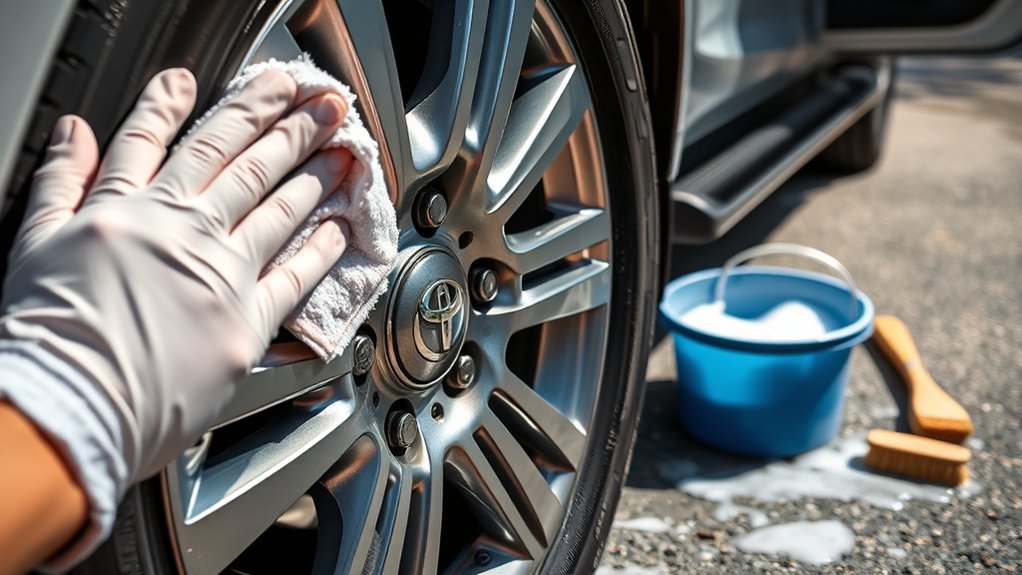
Good wheel cleaning is mostly about avoiding damage. These are the mistakes most likely to dull, stain, or scratch alloy wheels:
- Cleaning hot wheels: Heat can make cleaner dry too fast and leave marks.
- Using harsh household cleaners: Kitchen degreasers and dish soaps are not made for wheel finishes and may strip wax or protection.
- Scrubbing with stiff brushes or scouring pads: These can scratch clear coat, paint, or polished surfaces.
- Letting cleaner dry: Dried cleaner can leave stains or residue, especially in tight corners.
- Using dirty towels: A gritty towel can drag brake dust across the wheel and create fine scratches.
How to Maintain Your Alloy Wheels Between Cleanings
A regular routine keeps Toyota Hilux alloy wheels easier to clean and reduces the need for aggressive products.
- Daily city driving: Clean the wheels every two to four weeks, depending on brake dust buildup.
- Off-road or muddy driving: Rinse the wheels and underbody as soon as practical after the trip.
- Salted winter roads or coastal driving: Rinse more often to remove salt from wheel faces, barrels, and lug areas.
- Towing or heavy loads: Check brake dust more often because braking heat and dust can increase during heavy use.
- After cleaning: Dry the wheels and inspect for chips, scratches, or coating damage.
If brake dust returns quickly, consider cleaning more often and applying a wheel-safe sealant. If the wheels are stained even after proper cleaning, the issue may be damaged clear coat rather than surface dirt.
Frequently Asked Questions
What is the best thing to clean alloy rims with?
For most Toyota Hilux alloy wheels, the best choice is a pH-balanced wheel cleaner that says it is safe for painted, clear-coated, and alloy wheels. For light dirt, car shampoo and water may be enough. Use soft brushes and microfiber towels, not abrasive pads.
Can you use Dawn Powerwash on aluminum wheels?
It is not the best routine choice. Dawn Powerwash and similar household degreasers are made for kitchen grease, not automotive wheel finishes. They may remove wax or sealant and can leave residue if not rinsed well. Use a wheel-safe cleaner or car shampoo instead.
Is WD-40 good for cleaning alloy wheels?
WD-40 is not a good primary alloy wheel cleaner. It can leave an oily film that attracts dust, and overspray near brake parts is not worth the risk. For tar spots, use a proper automotive tar remover and keep it away from brake rotors and pads.
How often should I clean Toyota Hilux alloy wheels?
For normal driving, every two to four weeks is a good routine. Clean sooner after mud, road salt, coastal spray, construction dust, or heavy towing. Fresh brake dust is much easier to remove than baked-on buildup.
Should I clean wheels before or after washing the Hilux body?
Clean the wheels first, then wash the body. Wheels are usually the dirtiest part of the vehicle, and cleaning them first helps keep brake dust and grit away from your paint-washing mitts and towels.
Conclusion
Cleaning Toyota Hilux alloy wheels safely comes down to a simple routine: cool wheels, the right cleaner, soft brushes, a full rinse, and careful drying. For tough brake dust, repeat gentle cleaning before using stronger products, and always check that the cleaner is safe for your wheel finish.
Once the wheels are clean, a compatible sealant or wax can make the next wash easier. Keep up with light maintenance after muddy drives, salted roads, or towing, and your Hilux wheels will stay cleaner, easier to inspect, and better protected.
Sources
- Griot’s Garage Heavy-Duty Wheel Cleaner — backs up the role of wheel cleaner for brake dust, road grime, and finish-safe cleaning.
- Road & Track: Best Car Wheel Cleaners Tested — backs up pH-balanced cleaner guidance, finish compatibility, agitation, and rinse advice.
- Southern Living: How to Wash a Car at Home — backs up using car-specific wash products and avoiding household cleaners that can strip protection.
- Brake wear particle characterization study — backs up the point that brake dust contains fine metallic particles from brake wear.