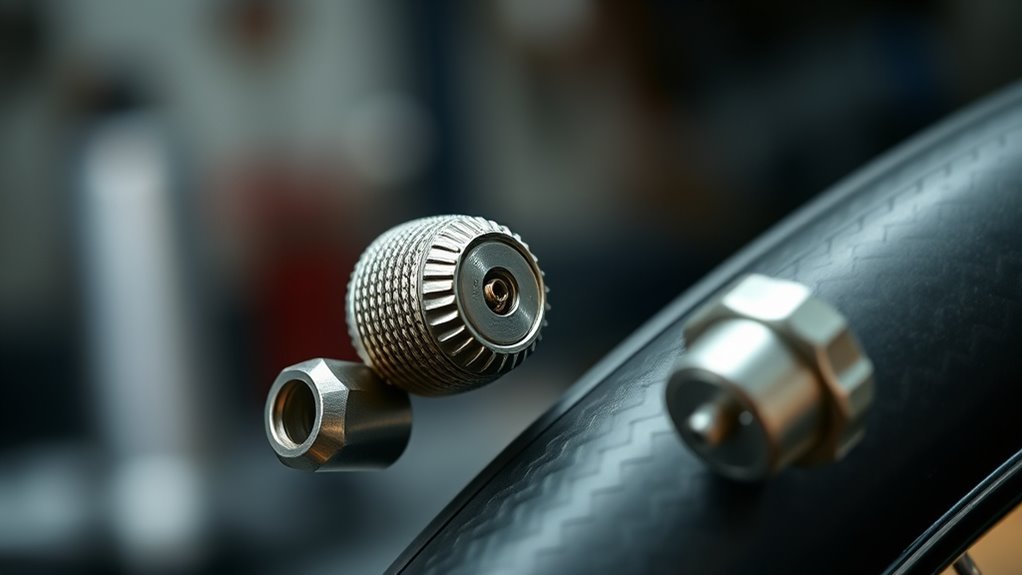
A Schrader valve is the spring-loaded metal stem you see on most car, motorcycle, and many bicycle tires. Press the small center pin, and air flows in or out. Release it, and the spring-loaded core seals the valve again. In this guide, you’ll learn how Schrader valves work, where you use them, how they compare with Presta valves, and how to fix common leaks.
Quick Answer
A Schrader valve is a durable, spring-loaded tire valve with a removable core. You use it on most cars, motorcycles, and many casual bikes because it fits common pumps and gas-station compressors. It works best when you want simple inflation, easy service, and strong sealing.
Key Takeaways
- Schrader valves use a spring-loaded core that opens when you press the center pin.
- You can use Schrader valves with most standard pumps and gas-station air compressors.
- Schrader valves suit cars, motorcycles, casual bikes, pneumatic systems, and service ports.
- Presta valves work better for narrow rims, high-pressure road tires, and fine pressure control.
- Regular cleaning, cap checks, and core replacement help prevent slow leaks.
Schrader Valve: Definition and How It Works
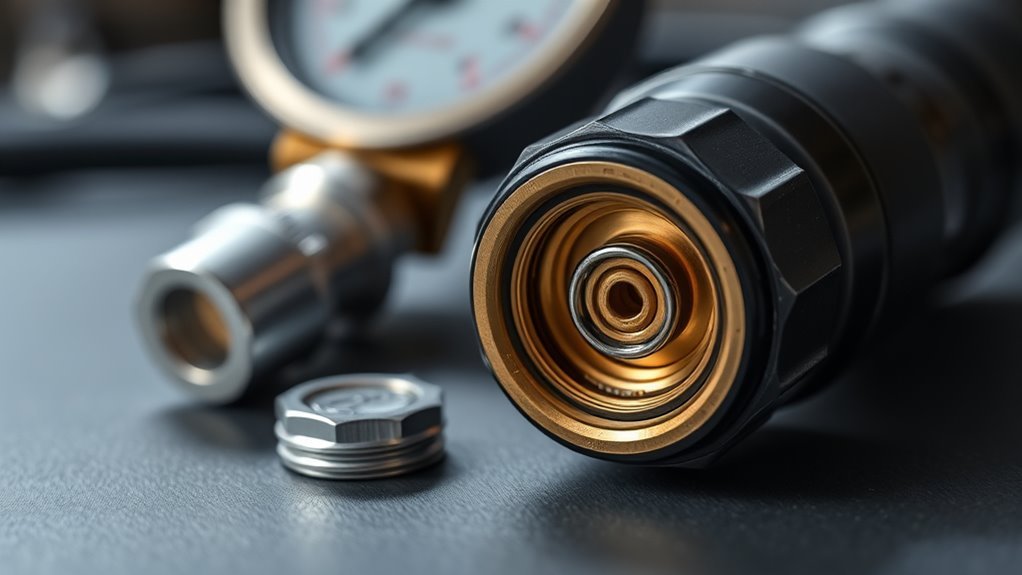
A Schrader valve is a spring-loaded pneumatic valve that controls airflow through a hollow metal stem. You’ll find it on most car, motorcycle, and many bicycle tires. The stem holds a removable core, which works like a small poppet valve.
You open the valve by pressing the external pin. When you release the pin, the spring seats the core and seals the stem. This design lets you add air, remove air, check pressure, or replace the core without removing the full valve stem.
Schrader valves use a common design, so many pumps, gauges, and air fittings work with them. They also suit many pressure applications, from tires to service ports. Choose a Schrader valve when you want a tough, simple, and easy-to-service valve.
Where Schrader Valves Are Used
You’ll encounter Schrader valves most often on car, truck, and motorcycle tires. Their sturdy design and wide pump compatibility make roadside inflation simple. On bicycles, they appear most often on kids’ bikes, comfort bikes, entry-level bikes, and some hybrid models.
You’ll also find Schrader-style valves in service ports for refrigeration, air conditioning, pneumatic systems, SCUBA buoyancy compensators, and some fire extinguishers. Knowing these common locations helps you choose the right pump, gauge, or valve-core tool. It also helps you troubleshoot pressure issues faster.
Automotive Tire Applications
Schrader valves are the standard choice on most cars, trucks, and motorcycles because they handle rough use well. You rely on them for consistent tire performance because the spring-loaded core lets you inflate and deflate tires quickly. The design also works with common air gauges and compressors.
Their robust construction handles road vibration, dirt, and repeated pressure checks. You’ll appreciate the inflation efficiency during roadside top-offs and routine shop checks. Many modern vehicles also use Schrader-style tire pressure monitoring system (TPMS) stems, so the valve can support both air sealing and pressure monitoring.
Bicycle and Industrial Uses
Schrader valves also work well on many bicycle tires. You’ll see them most on lower to mid-range bikes, kids’ bikes, comfort bikes, and casual-use models. Their universal fitting makes bicycle inflation easy at home or at many service stations.
Beyond bikes, the same basic valve design serves many industrial applications. You can find it in refrigeration and air conditioning service ports, pneumatic systems, and SCUBA buoyancy controls. Its rugged design helps it perform across varied pressure and service conditions.
Schrader vs. Presta Valves: Which Should You Choose?
When you choose between Schrader and Presta, start with your bike type, rim design, tire pressure needs, and pump access. Schrader works best for general-purpose riding because it fits most pumps and air compressors. Presta works better for narrow rims, high-pressure road tires, and riders who want finer pressure control.
| Feature | Schrader Valve | Presta Valve |
|---|---|---|
| Common use | Cars, motorcycles, casual bikes | Road bikes and performance bikes |
| Pump compatibility | Works with most standard pumps | May need a Presta pump head or adapter |
| Rim hole size | Larger | Smaller |
| Pressure control | Simple and convenient | More precise |
| Serviceability | Easy core replacement | Depends on valve design |
[Products Worth Considering]
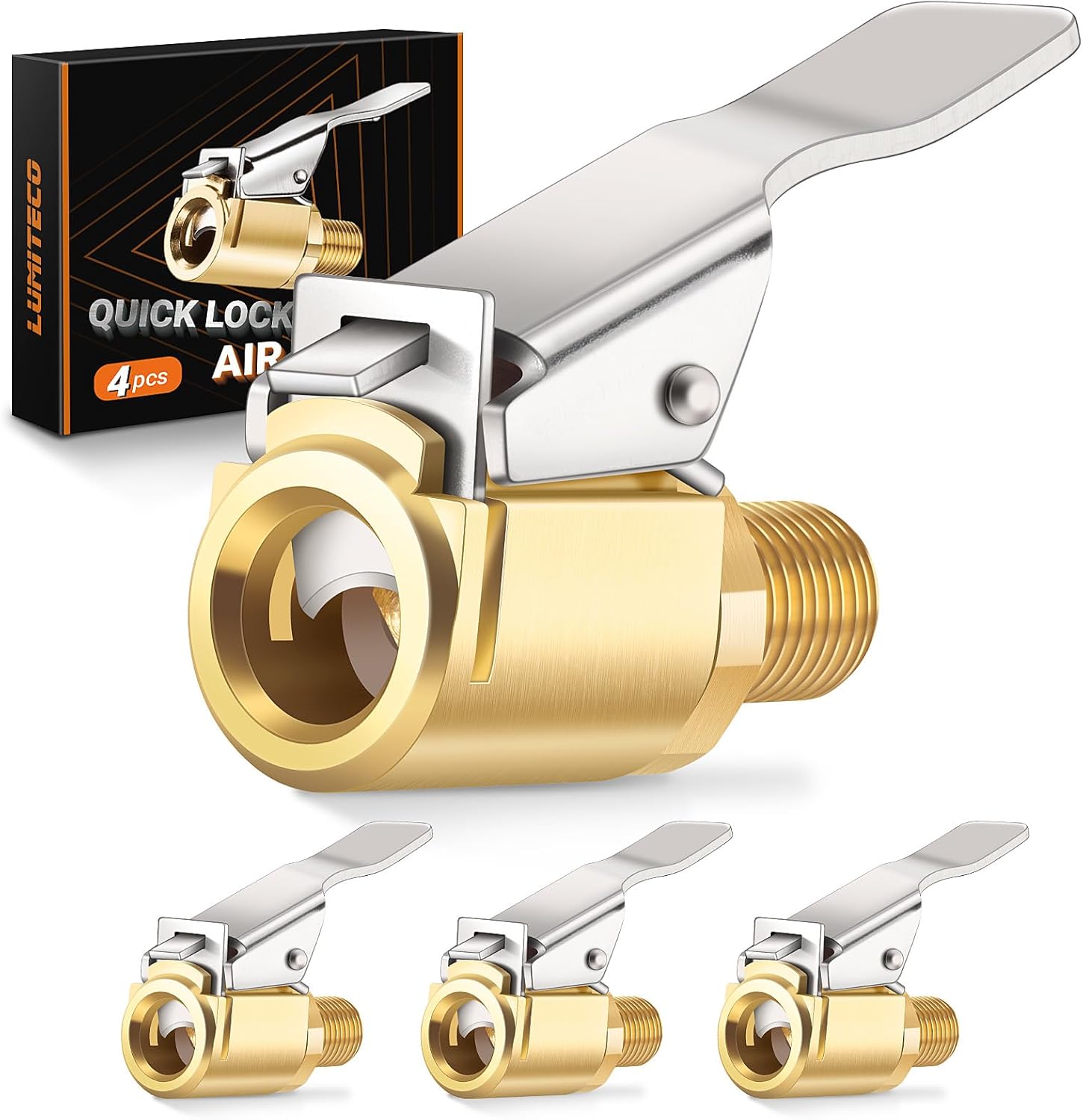
This brass air chuck adapter converts a screw-on inflator connection into a lock-on quick connect for hands-free, no-leak tire inflation. Clip the chuck onto Schrader valve stems and lock it in place to simplify inflating car, bike, and motorcycle tires. Built for durability with a corrosion-resistant brass body and strong quick operation.
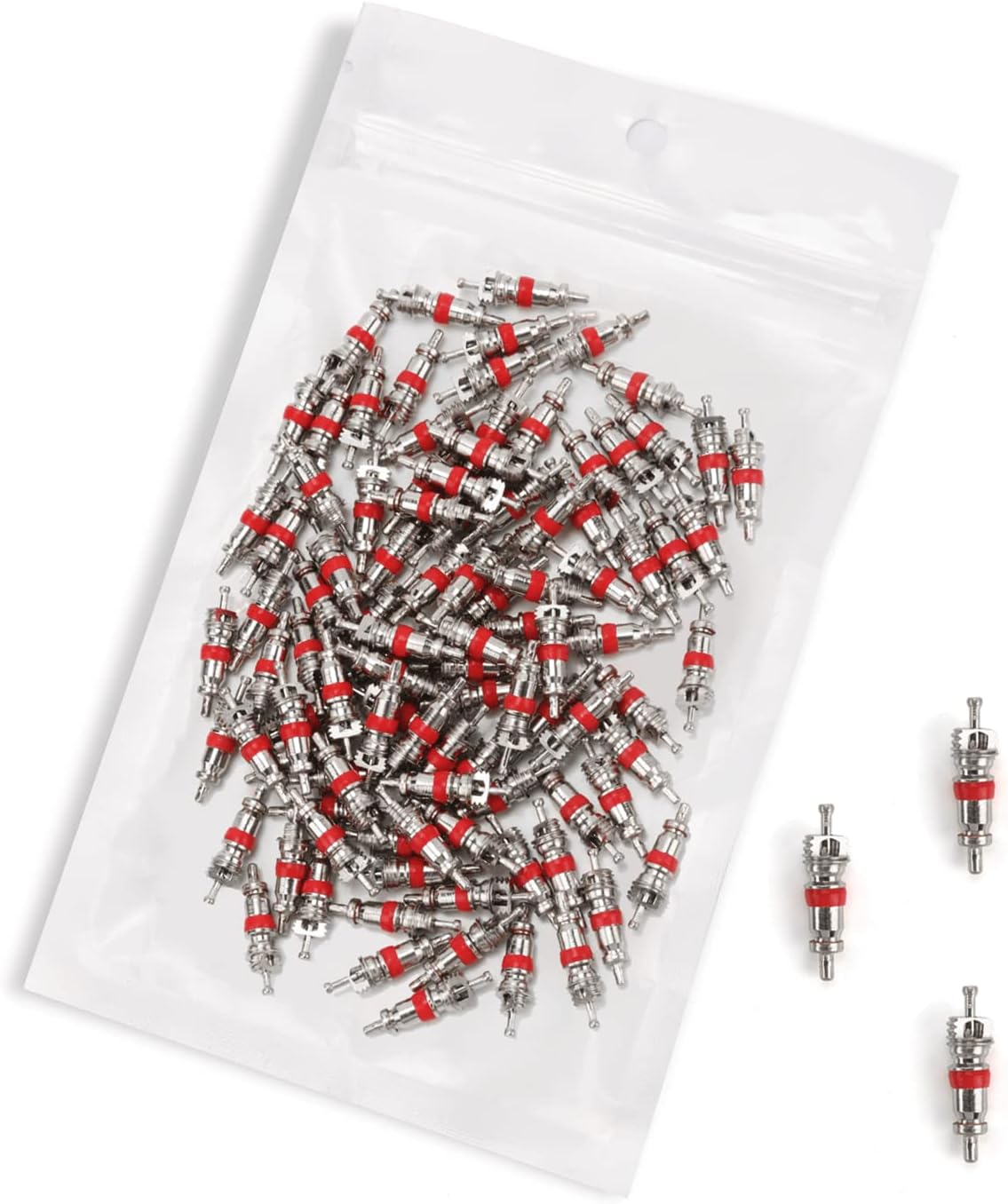
Replace worn Schrader valve cores with durable, nickel-plated replacements designed to resist rust and corrosion for a longer service life. Each core is 100% leakage tested and rated for up to 300 PSI, helping maintain a safe, reliable tire pressure system. Universal fit makes them suitable for cars, RVs, ATVs, motorcycles, bicycles, and many refrigeration/air conditioning applications.

This 39-piece AC valve core accessories kit helps technicians efficiently remove and install Schrader valve cores for R12 and R134a automotive air conditioning and HVAC systems. It includes multiple single and dual-head removal tools for versatile service, plus replacement valve cores and seal caps to maintain a reliable seal and reduce leakage. Built for durable, secure handling, the kit is suitable for home and commercial maintenance and repair.
When to Use Schrader
Use Schrader valves when you want easy pump access, simple pressure checks, and low-effort maintenance. They work with gas-station compressors, most standard bike pumps, and common tire gauges. That makes them useful for commuters, casual riders, kids’ bikes, and many mountain or hybrid bikes.
Schrader valves also suit riders who value durability over small weight savings. The wider stem tolerates rough handling and frequent inflation. Avoid them only when your rim requires a smaller valve hole or your tire setup needs very fine pressure control.
When to Use Presta
Choose Presta when you need higher pressures, a tighter rim fit, and finer pressure control. You’ll often see Presta valves on road, cyclocross, gravel, and many performance mountain bike wheels. The slimmer stem fits narrower rims and helps preserve more rim material around the valve hole.
You may need a Presta-ready pump head or a small adapter. You should also keep the small locknut clean and avoid bending the delicate valve tip. If you value performance over universal convenience, Presta usually makes more sense.
- Choose Presta for precise pressure control on road and race tires.
- Choose Presta for smaller rim holes and narrow performance rims.
- Choose Presta for lighter parts on weight-conscious builds.
- Maintain Presta valves by keeping the threads clean and tightening the locknut gently.
Advantages and Disadvantages of Schrader Valves
Schrader valves offer clear practical benefits because they’re simple, strong, and widely used. You get universal compatibility with many pumps, gauges, and gas-station compressors. You also get a durable design that handles rough use on cars, motorcycles, and everyday bikes.
The removable core makes maintenance easy. You can tighten a loose core, replace a damaged one, or service a slow leak with a small valve-core tool. These parts cost little and take only a short time to replace.
Schrader valves also have tradeoffs. They need larger rim holes, which can matter on narrow or high-performance wheels. They also give you less fine pressure control than Presta valves, especially on road tires and high-pressure setups.
Note: Check your rim before switching valve types, because the valve hole size must match the valve stem.
Schrader Valve Maintenance and Valve-Core Replacement
When you service tires, don’t skip the Schrader valve. A loose or dirty core can cause a slow leak that looks like a tire problem. Start with a quick visual check, then use a soapy water test to look for bubbles around the valve.
Clean the valve cap area and remove dirt from the stem before you add air. Replace missing caps, because caps help keep grit away from the core. Keep a spare core and a valve-core tool in your repair kit.
- Release air before you remove the valve core.
- Use a valve-core tool to tighten a loose core gently.
- Replace a damaged core as soon as you confirm the leak.
- Recheck tire pressure after any valve-core repair.
Warning: Never remove a valve core from an inflated high-pressure tire unless you can control the air release safely.
[Products Worth Considering]

Tiakia’s mini high-pressure frame pump delivers up to 260 PSI for faster, more efficient inflations with an optimized intake volume. It features a double-head valve design compatible with Schrader and Presta, plus a conversion for Donlop, making it versatile for bikes and many inflatables. The lightweight anodized aluminum build includes a mounting bracket for convenient carry, while the flexible high-pressure hose and IPX4 waterproof body support outdoor use.

This 4-pack kit converts Presta bike valves to standard Schrader valves so you can inflate with any regular pump or air compressor. The solid brass adapters include an O-ring for a tight, leak-proof seal and provide a simple screw-on setup. Compatible with road bikes, mountain bikes, e-bikes, and e-scooters, it’s designed for convenient, everyday carry readiness.

This tire inflator with pressure gauge delivers long-lasting performance with a durable rubber-protected gauge and sturdy build. The longer hose and 360 swivel air chuck help you seal the valve securely and keep your hands free while measuring, inflating, or deflating. It’s battery-free for reliable use and provides ±2 PSI accuracy in the mid-range for most typical tires, with universal compatibility for 1/4 NPT compressor outputs.
Common Schrader Valve Problems and Quick Fixes
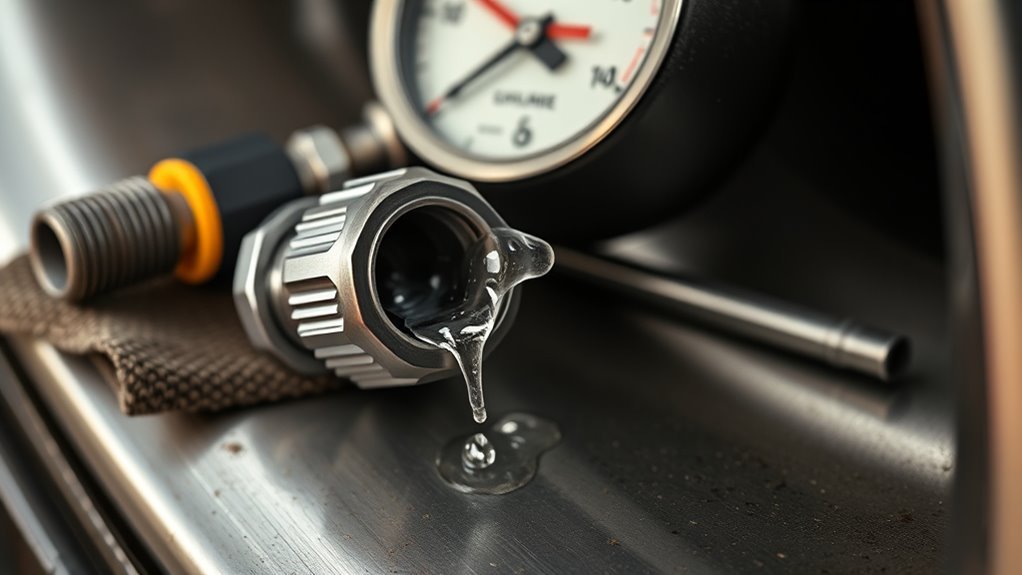
If you spot a slow leak or poor inflation, start by checking the valve core and stem for damage, dirt, or looseness. Most Schrader valve problems have simple fixes. You can tighten the core, clean the stem, or replace the core during routine service.
Use soapy water to find a hidden leak. Apply the solution around the valve stem and watch for bubbles. If bubbles appear at the core, tighten or replace it, then recheck the pressure.
| Problem | Quick Fix |
|---|---|
| Loose core | Tighten with a valve-core tool |
| Clogged valve | Clean with a cloth and clear debris |
| Hidden leak | Use a soapy water test to locate it |
| Damaged core | Replace the core and recheck pressure |
[Products Worth Considering]

Inflate Presta and Schrader bike and car tires with one compressor attachment, including tubeless setups. The digital gauge lets you monitor 2–200 PSI readings in 0.1 PSI increments with ±2 PSI accuracy, while the adjustable lever and built-in bleed button help you dial in precise pressure. Quick-connect coupler, hose, and a complete Presta service kit with spare cores and caps make it ready for fast maintenance.

These DECURCAR tire valve stem caps help prevent corrosion with a metal shell and plastic liner insert, making them ideal for wet or cold conditions. They feature a built-in leak-proof sealing ring to help reduce air loss and protect your vehicle from tire leak issues. Easy to hand-tighten and designed for Schrader valve stems, they add both function and a stylish American flag emblem look.

Convert Presta bicycle valves to accept standard Schrader pump nozzles for fast, hassle-free inflation. This kit includes durable brass adapters with leak-resistant connections, plus sports inflation needles and protective valve caps for convenient use on bikes and ball sports equipment.
Frequently Asked Questions
What are the advantages of a Schrader valve?
You get a durable valve that works with many common pumps, gauges, and compressors. Schrader valves also have removable cores, so you can repair many leaks without replacing the full valve stem.
What’s better, Presta or Schrader?
Presta works better for high-pressure performance bikes, narrow rims, and precise pressure control. Schrader works better for casual riders who want simple inflation, easy pump access, and durable parts.
Do I need an adapter for a Schrader valve?
You usually don’t need an adapter for a Schrader valve because most standard pumps fit it. You may need an adapter only when you use a Presta-only pump head or a special inflation setup.
How does a Schrader valve work?
When you press the center pin, the spring-loaded core opens and lets air move through the stem. When you stop pressing the pin, the spring closes the core and seals the valve.
Can you replace a Schrader valve core?
Yes, you can replace the core with a valve-core tool after you release the air. A new core can fix many slow leaks caused by worn seals, dirt, or a damaged pin.
Conclusion
A Schrader valve gives you a strong, simple, and easy-to-service way to control tire pressure. Choose it when you want broad pump compatibility, quick pressure checks, and dependable sealing. Keep the cap clean, check the core, and replace worn parts before small leaks become flat tires. With basic care, your Schrader valves will stay ready for everyday rides, drives, and repairs.