
Last updated: July 7, 2026
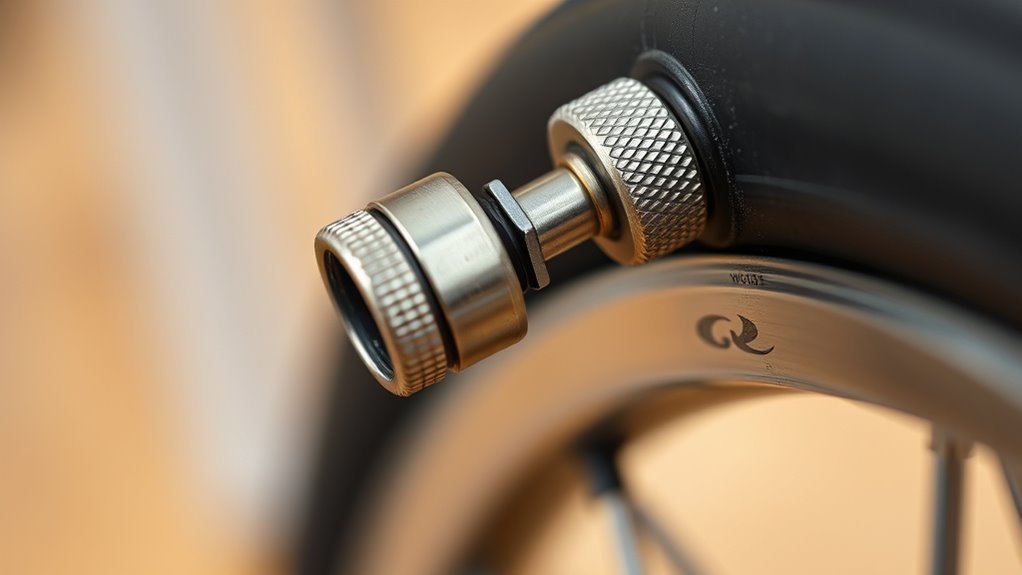
A Dunlop (Woods) valve is a bicycle tube valve used mostly on city, trekking, Dutch-style, and entry-level bikes. It has a wider stem than Presta, fits a rim hole close to Schrader size, and usually works with a Presta-style pump head. To inflate a modern Dunlop or Blitz valve, remove the dust cap, attach a compatible pump, add air, and replace the cap. Do not loosen the retaining nut unless you want to deflate the tire or service the valve insert, because air can escape quickly.
Quick Answer
- A Dunlop (Woods) valve is a wide bicycle valve commonly used on city, trekking, Dutch-style, and older commuter bikes.
- It is also called an English valve, Woods valve, Blitz valve, Holland valve, or DV valve.
- The stem uses a larger rim hole than Presta and a similar rim opening to Schrader, so rim compatibility matters.
- Most Presta-compatible pump heads can inflate Dunlop valves, but a Schrader-only pump needs the right adapter.
- For modern Dunlop valves, remove the dust cap and pump normally. Loosen the retaining nut only for deflation or service.
- Use the pressure printed on your tire sidewall. The valve type does not set the safe tire pressure.
Dunlop Valve at a Glance
| Question | Short Answer |
|---|---|
| Best bike fit | City, commuter, Dutch-style, trekking, and entry-level bikes |
| Pump fit | Usually Presta-compatible heads or dual-head bicycle pumps |
| Rim fit | Larger valve hole than Presta; close to Schrader-sized rim drilling |
| Main advantage | Simple insert, easy service, and good everyday durability |
| Main drawback | Less common in performance bikes and awkward for fine pressure release |
Who This Guide Is For
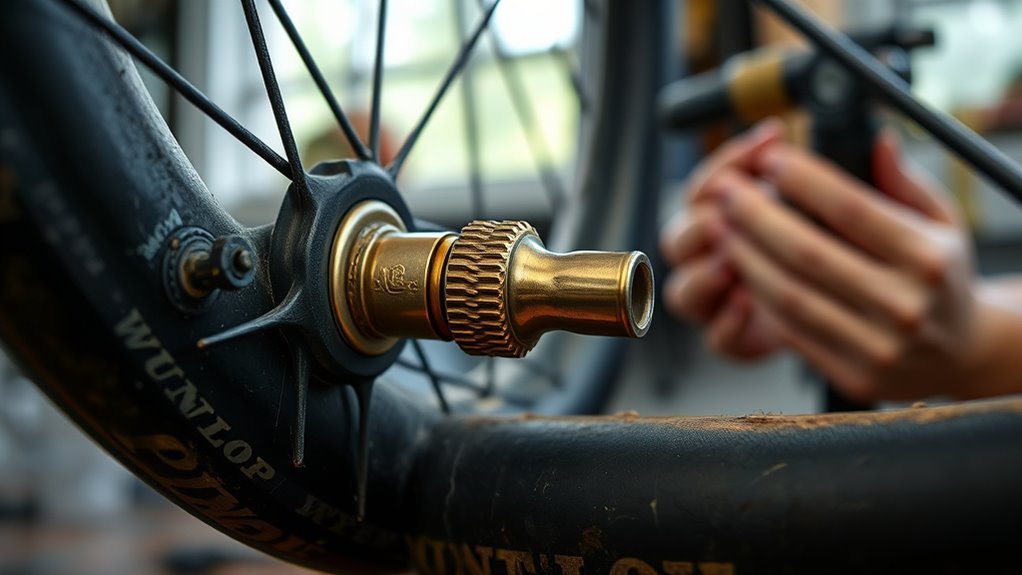
This guide is for riders, mechanics, and bike restorers who work with Dunlop (Woods) valves. You may be trying to identify an old tube, choose the right pump, replace a leaking valve insert, or compare Dunlop with Presta and Schrader.
You will learn how the valve works, where it is still common, and why it suits everyday bikes more than lightweight performance wheels. You will also see how to inflate it without accidentally dumping air from the tire.
Use this guide when you want practical valve advice, not a brand history lesson. The goal is simple: help you match the valve to the rim, use the right pump, and avoid leaks on the road.
What Is a Dunlop (Woods) Valve?
A Dunlop (Woods) valve is a removable bicycle tube valve insert that sits inside a wider valve stem. In bike shops, packaging may label it as DV, Woods, English, Holland, Blitz, or Dunlop. The naming varies by region, but the practical identification stays the same: it is wider than Presta and does not use the spring-loaded center pin found on Schrader valves.
Older Woods valves used a rubber sleeve that opened under pump pressure. Many modern Dunlop or Blitz-style inserts use a ball or spring-loaded plug, which makes inflation easier than the older sleeve design. This matters because some older advice tells you to unscrew parts before pumping. On many current tubes, you only remove the dust cap and attach a compatible pump head.
Dunlop valves remain useful on everyday bikes because the insert is easy to replace and the design tolerates simple maintenance. You will not see them often on premium road, gravel, or mountain bikes because those wheels usually favor narrower Presta valves, tubeless Presta setups, or newer high-flow valve systems.
How to Identify a Dunlop Valve
Not sure which valve your bike has? Check the stem width, the tip, and the pump connection. A Dunlop valve looks closer to Schrader in lower-stem size, but the top resembles a thicker Presta-style setup.
- Stem width: Dunlop uses a larger rim opening than Presta. If the stem looks much thicker than a road-bike Presta valve, keep checking.
- No center pin: Schrader valves have a visible spring-loaded pin inside the stem. Dunlop valves do not.
- Retaining nut: Many Dunlop valves have a small top nut that holds the insert in place. Loosening it releases air or lets you remove the insert.
- Common bikes: You often find Dunlop valves on city bikes, Dutch-style bikes, trekking bikes, budget hybrids, and older commuter models.
How a Dunlop Valve Works
A Dunlop valve seals through a removable inner insert inside the valve stem. On older Woods cores, a rubber sleeve helps create the seal. On many modern Blitz-style cores, a ball or spring-loaded plug opens when pump pressure pushes air in and closes when the pump stops.
The top retaining nut is not a normal inflation step. It holds the insert in place. If you loosen it, the tube can release air quickly. That is useful when you want to deflate the tire, but frustrating when you only want a small pressure adjustment.
For routine care, keep the stem straight, keep the cap fitted, and inspect older rubber parts for cracking or hardening. Replace the insert or tube when the valve leaks after inflation.
| Feature | What It Means |
|---|---|
| Inflation | Remove cap, attach a Presta-compatible pump head, and pump |
| Deflation | Loosen the retaining nut carefully, because air releases fast |
| Service | Replace the insert or tube if threads, sleeve, or seal fail |
Inflate, Maintain & Replace a Dunlop Valve
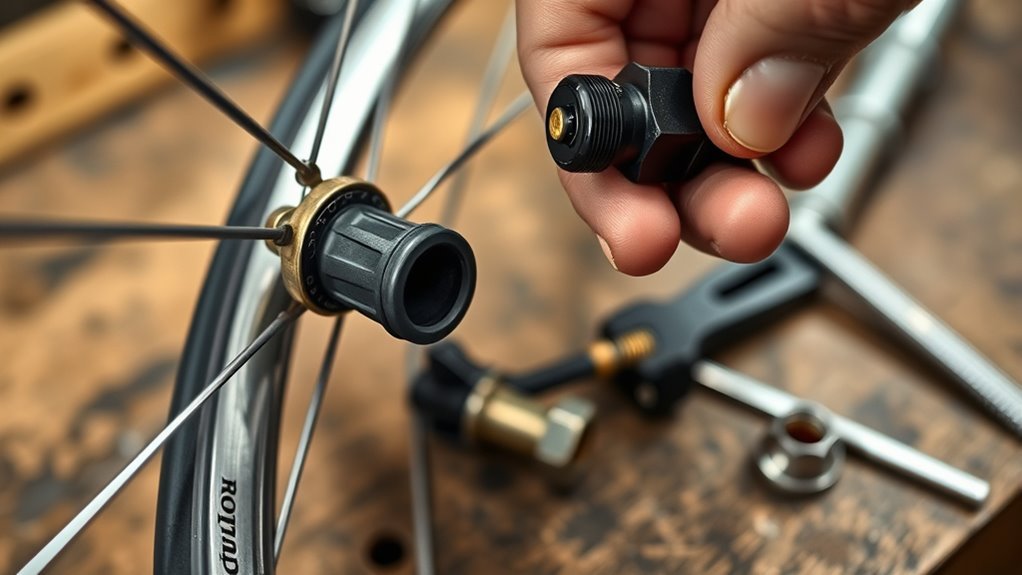
To inflate a Dunlop valve, first read the pressure range printed on the tire sidewall. Remove the dust cap, attach a Presta-compatible pump head or dual-head pump, and inflate slowly. Remove the pump straight off the valve, then reinstall the cap.
Avoid loosening the retaining nut while inflating. If you loosen it, air may escape immediately. That makes fine pressure checks harder than on Schrader valves and less precise than on many Presta setups.
- Before pumping: Check that the valve sits straight and the retaining nut is snug.
- During inflation: Use a Presta-compatible head or a pump that explicitly supports Dunlop valves.
- After inflation: Listen for leaks and confirm pressure with a gauge when accuracy matters.
- For replacement: Match the tube size, valve type, rim hole, and valve length before buying a new tube or insert.
Familiarize yourself with common bicycle valve types before replacing a tube, especially if your wheel may have been drilled for a different valve.
[Products Worth Considering]

The TOOLITIN floor bike pump delivers high pressure performance with an easy-to-read gauge so you can dial in the right tire pressure for safer rides. It is compatible with both Presta and Schrader valves and features a stable, durable design for efficient pumping. Suitable for road, MTB, and hybrid tires as well as inflating sports balls and other inflatables, it also includes ball and bladder needles and convenient accessory storage.

Inflate Presta and Schrader bike and car tires with one compressor attachment, including tubeless setups. The digital gauge lets you monitor 2–200 PSI readings in 0.1 PSI increments with ±2 PSI accuracy, while the adjustable lever and built-in bleed button help you dial in precise pressure. Quick-connect coupler, hose, and a complete Presta service kit with spare cores and caps make it ready for fast maintenance.
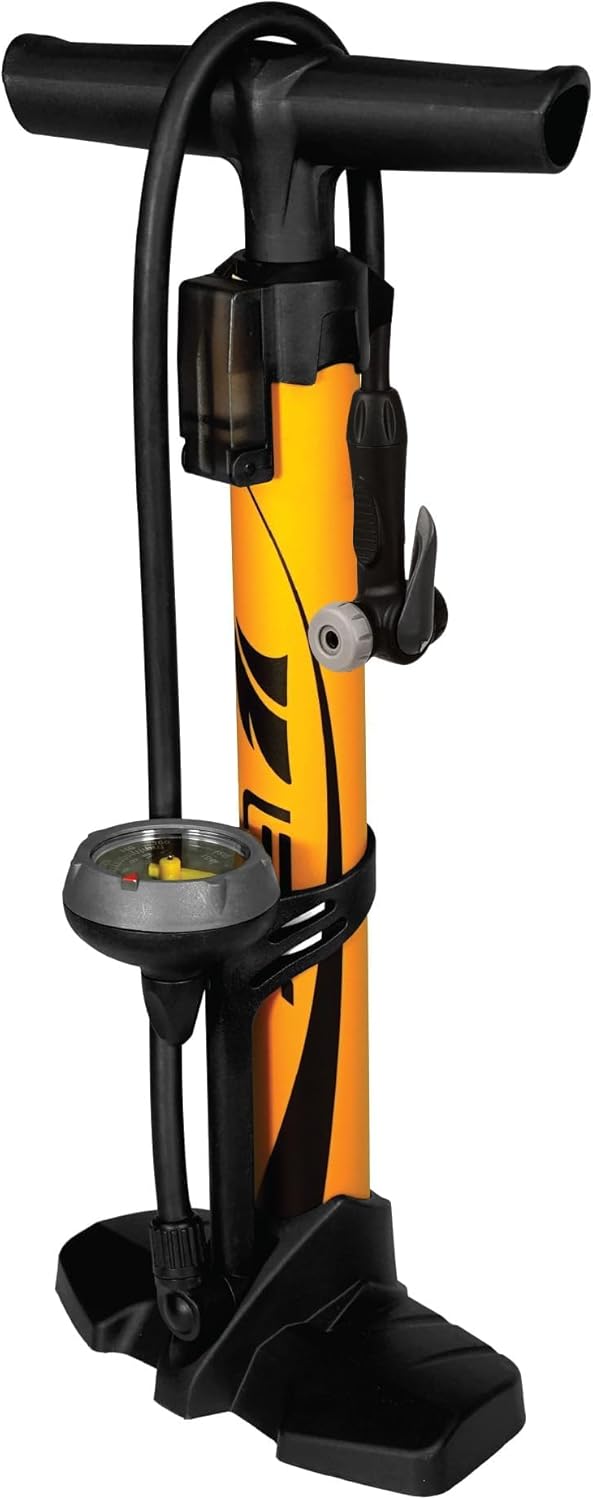
This durable BV floor pump delivers up to 160 PSI for confident inflation of bikes and other high-pressure uses. Its twin valve head lets you quickly switch between Presta and Schrader valves by reversing the components, with no compromise. The ergonomic handle makes pumping comfortable, and the compact size is easy to carry for rides and home storage.
Dunlop vs Presta vs Schrader: Key Differences
Dunlop, Presta, and Schrader valves mainly differ by rim hole, pump fit, and pressure-control behavior. Choose the valve that matches your rim rather than trying to force a tube into the wrong hole.
Presta valves use a narrow stem and suit lighter, narrower rims. Schrader valves are wider and use a spring-loaded center pin, which is why they work with car-style air chucks. Dunlop valves share the everyday-bike simplicity of Schrader-sized rim drilling but often work with Presta-style bicycle pump heads.
| Valve Type | Typical Fit | Pump Notes | Best Use |
|---|---|---|---|
| Dunlop / Woods | Larger rim holes, city-bike tubes | Often works with Presta-compatible pump heads | Commuter, Dutch-style, and entry-level bikes |
| Presta | Narrower rim holes | Needs a Presta head or adapter | Road, gravel, tubeless, and performance wheels |
| Schrader | Larger rim holes | Works with car-style air chucks | Many hybrids, kids’ bikes, MTBs, and utility bikes |
[Products Worth Considering]

Tiakia’s mini high-pressure frame pump delivers up to 260 PSI for faster, more efficient inflations with an optimized intake volume. It features a double-head valve design compatible with Schrader and Presta, plus a conversion for Donlop, making it versatile for bikes and many inflatables. The lightweight anodized aluminum build includes a mounting bracket for convenient carry, while the flexible high-pressure hose and IPX4 waterproof body support outdoor use.

FANSPRO’s 2-pack 26-inch bicycle inner tubes are built for reliable performance on road and mountain bikes. They fit tire widths from 2.125 to 2.40 inches and use a 48mm Schrader valve for convenient inflation. The set includes two durable tire levers to help you remove and install tubes quickly after a flat.

This LUMITECO 33-inch air release extension hose set is designed to make tire inflating easier with a quick-lock air chuck and an air bleed button for fast deflation. The pack includes adapters for Presta (French/American) plus ball pump needle and additional nozzles for inflating bikes, tires, and everyday inflatables like sports balls and air beds.
Valve Size and Fit
Valve fit starts at the rim hole. A Presta rim hole is smaller, which helps preserve strength on narrow, lightweight rims. Dunlop and Schrader use larger openings, so they suit wheels designed for that larger stem size.
Do not drill a lightweight rim just to fit a wider valve unless a qualified mechanic confirms the rim can handle it. Enlarging a valve hole can weaken a rim, especially on narrow or high-performance wheels. If your rim was made for Presta, stay with Presta or use a proper reducer only when fitting a narrower valve into a larger hole.
- Dunlop: Wider stem, common on city and trekking bikes.
- Schrader: Wider stem with a spring-loaded pin, common on cars and many utility bikes.
- Presta: Narrow stem, common on road, gravel, and higher-performance bicycle wheels.
- Adapters: Use proper pump adapters for inflation. Do not treat adapters as a fix for an unsafe rim mismatch.
Inflation Mechanism Differences
The inflation mechanism affects how easy it is to add air, release air, and check pressure. Dunlop valves are simple to service, but they can release air quickly if you loosen the insert-retaining nut.
Presta valves give controlled release through a small threaded tip, although the thin stem can bend if you handle the pump roughly. Schrader valves use a spring-loaded pin that works well with many gauges and air compressors, but the wider stem does not suit narrow performance rims.
For most riders, pump compatibility matters more than valve theory. A dual-head floor pump or a pump listed for Presta and Dunlop use will handle most Dunlop tubes. Check bicycle inflation tools if you maintain several bikes with different valve types.
Pros and Cons of Dunlop Valves
Dunlop valves make sense when you value easy service, simple everyday reliability, and low-cost tube replacement. They make less sense when you want the lightest wheel build, exact pressure release, or broad compatibility with high-end tubeless parts.
- Pros: Simple insert, easy replacement, common on many city bikes, and usually compatible with Presta-style pump heads.
- Pros: Practical for everyday riders who want a repairable valve without special core tools.
- Cons: Not common on many performance wheels, especially modern road, gravel, and tubeless systems.
- Cons: Pressure release can be abrupt if you loosen the retaining nut too far.
The best choice depends on the wheel you already own. For a city bike built around Dunlop tubes, staying with Dunlop is sensible. For a performance wheel or tubeless setup, Presta will usually be the better match.
When to Choose Dunlop Valves: Use Cases and Replacements
Choose Dunlop valves when your rim already uses them and your riding is practical rather than performance-focused. They work well for city commuting, shopping bikes, school bikes, rental fleets, older bicycles, and restored Dutch-style bikes.
When replacing a tube, check four details: tire size, valve type, valve length, and rim hole. A tube that matches the tire but has the wrong valve can leave you unable to inflate it or unable to seat it safely in the rim.
[Products Worth Considering]
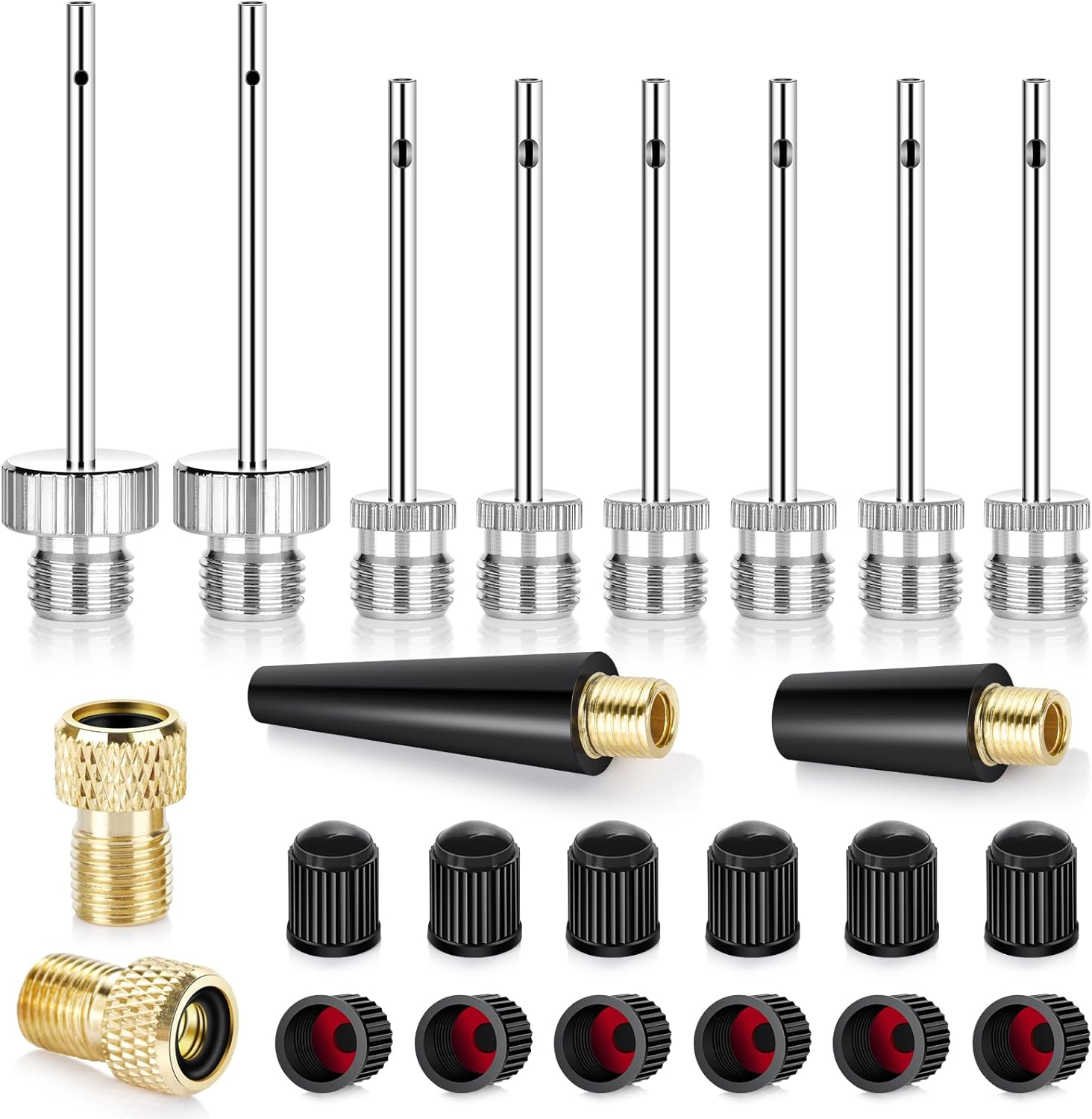
This ball pump needles kit includes brass ball needles for inflating footballs, soccer balls, basketballs, and volleyballs, plus conical nozzles for air mattresses, exercise balls, balloons, and swim rings. It also offers Presta to Schrader valve adapters for easy use with compatible bikes and rideables. The set includes sealed valve caps and a storage case, helping keep your equipment organized and ready to inflate quickly.

Switch to tubeless with this Muc-Off rim tape designed to create an airtight seal for smooth-running setups. The pressure-sensitive adhesive offers the right stretch for strength and durability, while the semi-transparent material helps you locate the valve hole quickly. It includes four seal patches for a secure finishing seal after wrapping.

Ultraverse 700c inner tubes are built for 700x28C to 32C tires and feature a 48mm Presta valve for accurate, secure inflation. The high-elasticity butyl rubber construction helps seal air tightly, resist pressure loss, and absorb road vibrations for a smoother ride. A reinforced valve base and thick walls add durability and puncture resistance for reliable everyday performance on road, gravel, and city routes.
Urban Commuting Durability
Dunlop valves suit urban commuting because they are easy to inspect and straightforward to replace. The valve insert can be serviced without a specialized core tool, which helps if you maintain several low-cost or older bikes.
That does not mean Dunlop is automatically stronger than every alternative. Rim design, tube quality, tire pressure, and installation matter more than the valve name alone. Keep the tire inflated to the sidewall range and replace damaged tubes before a commute becomes a roadside repair.
- Do a quick valve and tire inspection before regular rides.
- Keep a compatible pump or adapter with your repair kit.
- Replace tubes with cracked rubber, damaged stems, or leaking inserts.
- Carry a spare tube that matches both tire size and valve type.
Compatibility With Pumps
Dunlop valves often accept a Presta-style bicycle pump head, so many dual-head floor pumps, mini pumps, and track pumps work. A Schrader-only car-style chuck usually will not fit directly, because Schrader pumps are built to depress a spring-loaded center pin.
If you ride in a place where Dunlop valves are uncommon, carry a small adapter or a pump that clearly lists Dunlop compatibility. That prevents the most common flat-repair problem: having a good tube and a good pump that do not connect.
Easy Replacement Tips
Replace the tube or insert when the valve leaks after pumping, the threads look damaged, or the stem no longer sits straight. On older Woods-style inserts, also replace the rubber sleeve if it cracks, hardens, or no longer seals.
- Deflate the tire fully before removing the valve insert or tube.
- Clean the rim hole and check for sharp edges before installing a new tube.
- Seat the valve straight before inflating, then tighten the retaining nut gently.
- Inflate slowly, check for leaks, and recheck pressure after a short ride.
Frequently Asked Questions
Can I Use a Presta Pump on a Dunlop Valve?
Yes. Most Presta pump heads and many dual-head bicycle pumps can inflate a Dunlop valve. Remove the dust cap, press the pump head on firmly, pump to the tire sidewall pressure, then remove the pump. Do not loosen the retaining nut unless you want to deflate or service the valve.
Is a Dunlop Valve the Same as a Woods Valve?
In bicycle use, yes. Dunlop valve and Woods valve usually refer to the same valve family. You may also see English valve, Blitz valve, Holland valve, or DV valve on packaging.
How Do I Identify a Dunlop Valve?
Look for a wide valve stem, no spring-loaded center pin, and a small retaining nut around a removable insert. Dunlop valves are common on city bikes, Dutch-style bikes, trekking bikes, and older commuter models.
What Pressure Should I Use With a Dunlop Valve?
Use the pressure printed on your tire sidewall. Many city and entry-level tires with Dunlop tubes run around 30 to 60 psi, but the correct pressure depends on tire width, rider weight, load, and road surface.
When Should I Replace a Dunlop Valve or Tube?
Replace the tube or insert if the valve leaks after tightening, the old rubber sleeve is cracked or hardened, the threads are damaged, or the stem will not sit straight in the rim. Match the replacement to your tube size, rim hole, and valve length.
Conclusion
A Dunlop (Woods) valve is a practical choice for everyday bikes when the rim already supports it. It is easy to service, usually works with Presta-compatible bicycle pump heads, and suits commuter or city use well. The key is to inflate it correctly: remove the cap, pump with the right head, and avoid loosening the retaining nut unless you want to deflate or replace the insert. Before your next ride, check the sidewall pressure, inspect the stem, and carry a pump that fits your valve.

