
A Tire Pressure Monitoring System (TPMS) helps you catch unsafe tire pressure before it becomes a blowout, handling problem, or fuel-wasting maintenance issue. It is a safety backup, not a replacement for checking tire pressure with a gauge. Direct TPMS measures pressure at each wheel with sensors, while indirect TPMS estimates low pressure from wheel-speed data. Knowing which system you have helps you respond correctly when the warning light appears.
Quick Answer
TPMS stands for Tire Pressure Monitoring System. It warns you when one or more tires are significantly underinflated. A solid TPMS light usually means low tire pressure; a blinking light often points to a system fault. Check all tires cold, inflate to the door-jamb placard PSI, then reset or service the system if needed.
Key Takeaways
- Direct TPMS uses in-wheel sensors to report actual tire pressure, often by individual tire.
- Indirect TPMS uses ABS wheel-speed data to estimate underinflation and usually needs a reset after tire service.
- Federal rules require TPMS to warn drivers of significant underinflation, but the light may not appear until a tire is far below the recommended cold PSI.
- Check tire pressure at least monthly when tires are cold, including the spare if your vehicle has one.
- Use the PSI on the vehicle placard or owner’s manual, not the maximum pressure molded into the tire sidewall.
At a Glance
| Time Required | 5–10 minutes for a basic pressure check; longer if a sensor relearn is needed |
| Difficulty | Easy for checking and inflating tires; moderate for diagnosis or sensor replacement |
| Tools Needed | Tire pressure gauge, air compressor, owner’s manual, and possibly a TPMS scan/relearn tool |
| Typical Cost | Air is often free or low-cost; sensor replacement is commonly a shop service and varies by vehicle and sensor type |
What TPMS Is and Why It Matters
A Tire Pressure Monitoring System is an electronic warning system that helps detect significant tire underinflation. In the United States, FMVSS No. 138 sets performance requirements for TPMS on many light vehicles with a gross vehicle weight rating of 10,000 pounds or less. The rule was phased in for new light vehicles and required compliant systems by September 1, 2007, with limited later requirements for final-stage manufacturers and alterers.
TPMS matters because low tire pressure changes how a tire carries weight, flexes, heats up, and grips the road. Underinflation can hurt handling, shorten tire life, raise tire temperature, and increase the risk of tire failure. It can also waste fuel: FuelEconomy.gov says underinflated tires can lower gas mileage by about 0.2% for every 1 psi drop in the average pressure of all tires, and proper inflation can improve gas mileage by 0.6% on average and up to 3% in some cases.
A TPMS warning is a backup alert, not a maintenance schedule. The standard owner’s-manual language says each tire, including the spare if provided, should be checked monthly when cold and inflated to the vehicle manufacturer’s recommended pressure.
The recommended pressure is the cold tire pressure listed on the vehicle placard, tire inflation pressure label, or owner’s manual. The placard is commonly on the driver-side door jamb, door edge, glove box, or fuel door. Do not inflate to the maximum pressure printed on the tire sidewall unless your vehicle manufacturer specifically instructs it for your tire and load setup.
Note: Tire pressure should be checked when tires are cold, meaning the vehicle has been parked for about three hours or has been driven only a short distance. Warm tires read higher, so adjusting them to the cold placard PSI after highway driving can leave them underinflated later.
How Direct TPMS Works (What It Shows You)
Direct TPMS uses pressure sensors mounted inside the wheel and tire assembly, usually attached to the valve stem or banded to the wheel. Each sensor measures air pressure and may also monitor temperature. The sensor sends radio-frequency data to a control module, which identifies the sensor and links the reading to a wheel position.
Depending on the vehicle, a direct TPMS display may show:
- Numerical PSI or kPa for each tire.
- A low-pressure warning for one tire or multiple tires.
- A tire-position graphic showing which tire needs attention.
- A malfunction warning if a sensor, receiver, or signal path fails.
Direct TPMS is usually more precise for the driver because it measures actual pressure rather than estimating it from wheel rotation. It can also detect a single low tire more clearly. The tradeoff is maintenance: most direct sensors use sealed batteries, so the sensor is replaced when the battery dies or the sensor is damaged. Many sensors last several years, but life varies with climate, mileage, driving frequency, sensor design, and vehicle use.
Pro Tip: If one original TPMS sensor fails because of age, ask the shop to test the other sensors before replacing tires. Replacing aging sensors during tire service can save a second dismount-and-balance charge later.
How Indirect TPMS Works (When It’s Used)
Indirect TPMS does not measure tire pressure directly. Instead, it uses wheel-speed sensors from the anti-lock braking system and other vehicle data to look for rotation patterns that suggest one tire has a smaller rolling radius from underinflation. If one wheel spins faster than expected compared with the others, the system may trigger a low-pressure warning.
This approach lowers hardware cost because the vehicle can use existing sensors. However, indirect TPMS has limits. It usually cannot show exact PSI, may not identify pressure loss as quickly as a direct sensor, and may be affected by uneven tire wear, mixed tire sizes, tire replacement, tire rotation, or changes in load. Many indirect systems need to be reset or recalibrated after you inflate the tires, rotate them, or replace them.
| Feature | What It Means for You |
|---|---|
| Uses ABS wheel-speed sensors | Lower hardware cost and no in-tire pressure sensor battery |
| Compares wheel rotation | Detects relative underinflation, not exact tire pressure |
| Often needs manual reset | Accuracy depends on recalibrating after tire service |
| May be affected by tire mismatch | Best results require the same size, type, and wear level across the set |
Direct vs. Indirect TPMS: Which Should You Choose?

For most drivers buying a vehicle, the choice is already built into the car. For replacement systems, fleet setups, trailers, or some aftermarket applications, the choice comes down to accuracy, cost, and maintenance.
[Products Worth Considering]
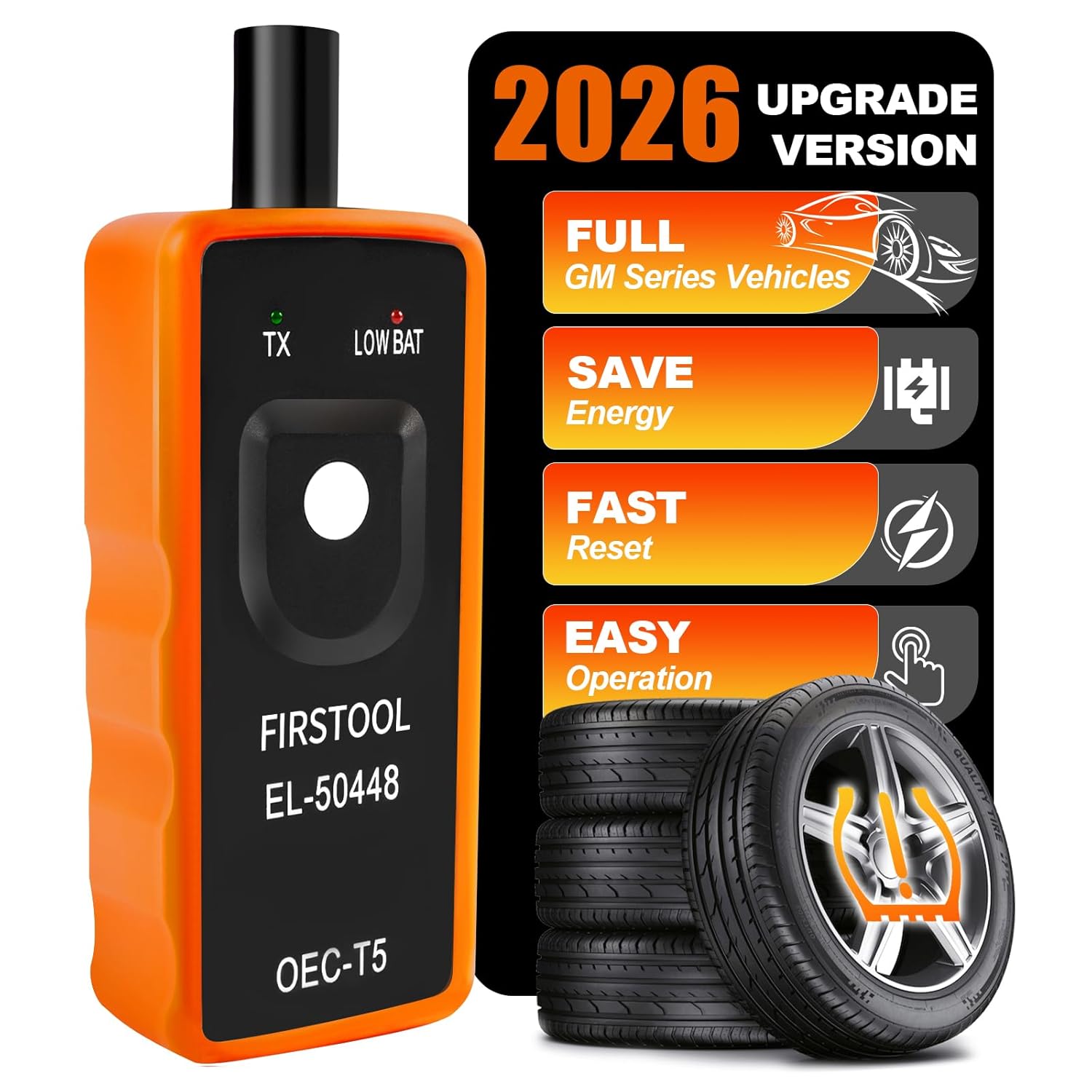
This TPMS relearn tool helps you quickly activate, match, and reset GM tire pressure sensors to keep the vehicle monitoring system working properly. It clears tire pressure alarms and dashboard warning lights after sensor replacement or tire rotation, and supports learning for common 315/433 MHz TPMS sensors. Designed for simple one-button operation, it can help you avoid unnecessary trips to repair shops.

Replace your worn or missing TPMS sensors with pre-programmed, direct-fit sensors for compatible Ford, Lincoln, and select Mazda models. Each sensor comes ready to activate with a scan tool, helping restore accurate tire pressure monitoring and trouble-free installation. Built with a long-life CR2032 battery and tested before factory release, this set provides dependable performance with a one-year warranty.
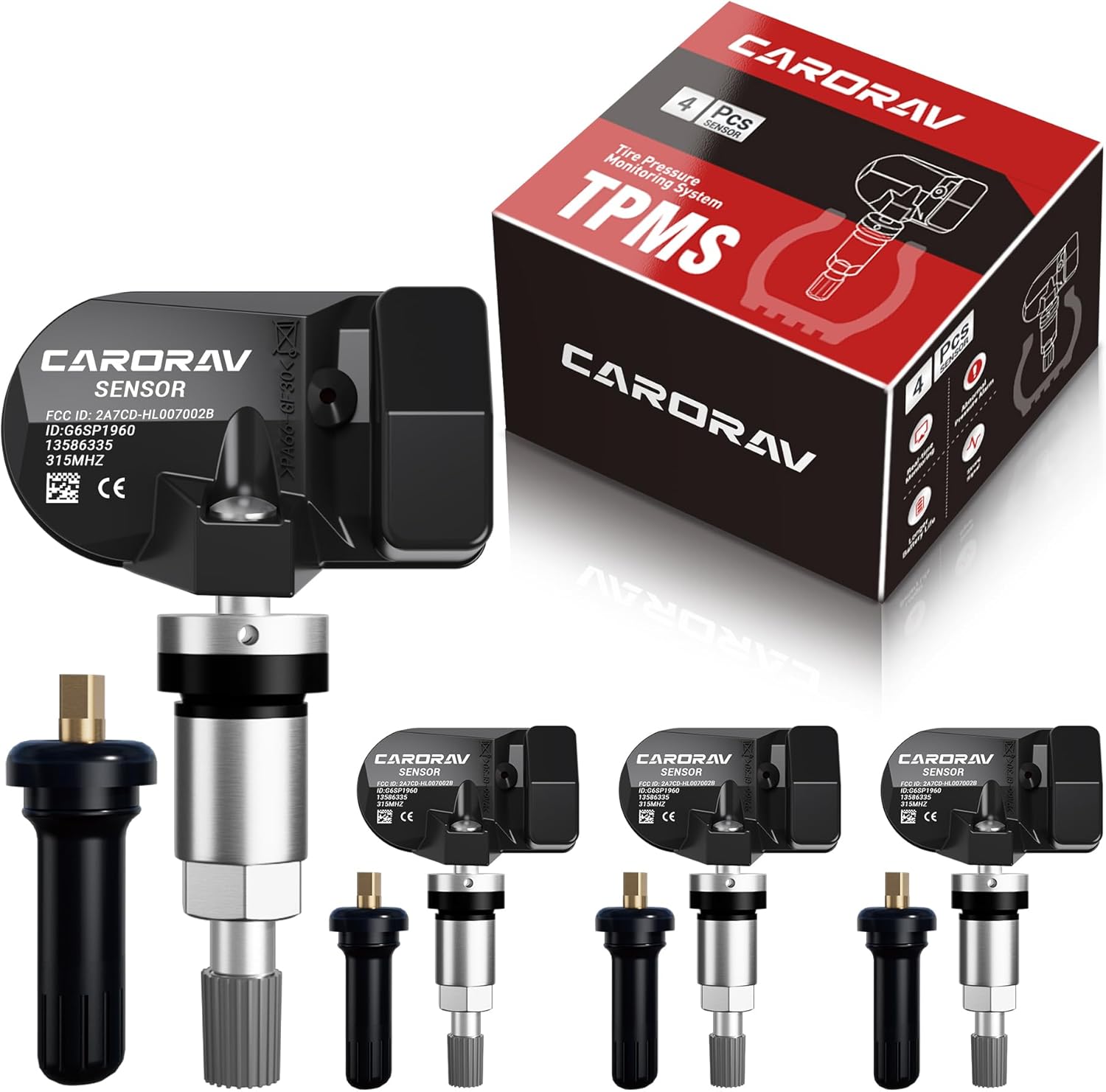
Replace worn or missing TPMS sensors with CARORAV pre-programmed GM-compatible sensors for a smoother installation experience. These 315MHz replacement sensors help monitor tire pressure in real time with long battery life, and they are designed to withstand harsh temperatures. Manual or OBDII relearn may be required to reset the system for proper recognition.
Direct TPMS Benefits
Choose direct TPMS when you want the clearest pressure information and fastest practical clue about which tire needs attention. Direct systems are especially useful for vehicles that tow, carry heavy loads, travel long highway distances, or operate in fleets where tire pressure trends matter.
- Actual pressure data: Direct sensors measure tire pressure instead of estimating it from wheel behavior.
- Per-tire information: Many systems show which tire is low, saving diagnostic time.
- Better leak awareness: A slow leak may be easier to spot when you can see PSI changes over time.
- Useful fleet data: Per-tire pressure and temperature readings can help schedule maintenance before tire damage occurs.
Indirect TPMS Tradeoffs
Indirect TPMS is attractive because it avoids individual wheel pressure sensors and sealed sensor batteries. That can lower service costs over the life of the vehicle. The tradeoff is that it estimates underinflation indirectly and usually cannot display exact PSI.
Choose indirect TPMS if low maintenance and lower hardware cost matter most, and your tires are kept uniform and properly rotated. Choose direct TPMS if you need exact per-tire readings, run different loads, tow often, manage vehicles professionally, or want clearer troubleshooting information.
| Need | Better Fit | Why |
|---|---|---|
| Exact PSI by tire | Direct TPMS | Measures actual tire pressure |
| Lowest sensor maintenance | Indirect TPMS | No in-tire sensor batteries to replace |
| Towing or heavy loads | Direct TPMS | Per-tire pressure data is more useful under changing loads |
| Simple factory commuter setup | Either system | Both can warn of significant underinflation when maintained correctly |
TPMS Warning Light: Step-by-Step Actions
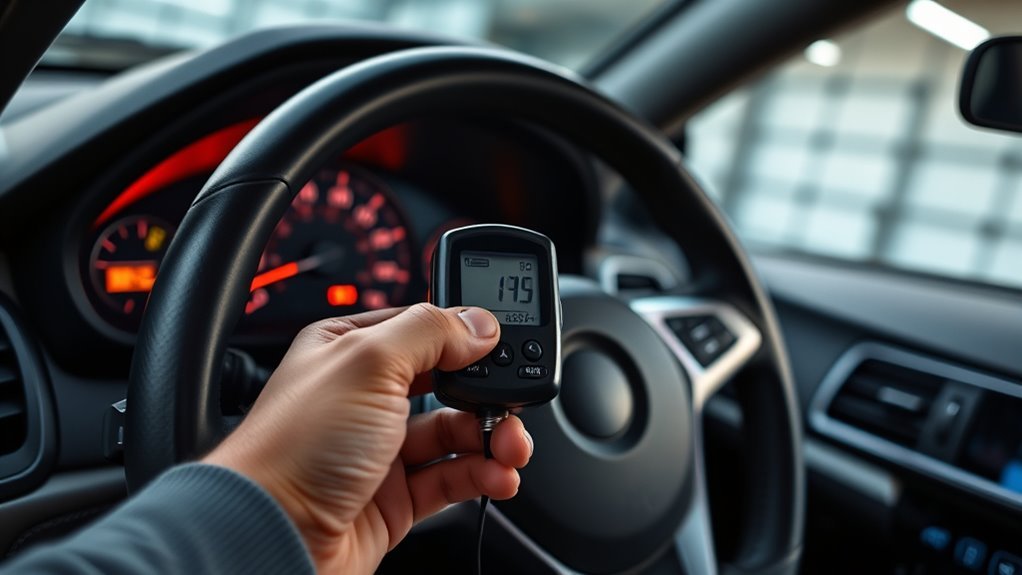
The TPMS warning symbol is usually a yellow horseshoe-shaped tire icon with an exclamation point. Some vehicles also display a text message such as “Low Tire Pressure” or “TPMS Malfunction.” Treat the warning as a prompt to check pressure soon, not as permission to keep driving indefinitely.
Warning: If the vehicle pulls, vibrates, the tire looks flat, or you hear tire noise, slow down carefully and stop in a safe place. Driving on a severely underinflated tire can damage the tire beyond repair and may cause loss of control.
If the TPMS Light Is Solid
A solid TPMS light usually means one or more tires are below the warning threshold. Follow this sequence:
- Park safely: Pull over when it is safe, especially if the vehicle feels unstable.
- Inspect all tires: Look for obvious punctures, sidewall bulges, nails, cuts, or a tire sitting low.
- Check pressure with a gauge: Measure all four tires, and check the spare if your vehicle has one.
- Compare with the placard: Use the vehicle’s recommended cold PSI, not the tire sidewall maximum.
- Inflate to spec: Add air to low tires and recheck with the gauge.
- Drive or reset as required: Some systems clear after a short drive; others require a reset procedure in the owner’s manual.
If the TPMS Light Blinks or Flashes
A blinking TPMS light commonly means the system has detected a malfunction. The exact pattern varies by vehicle, but many systems flash for about a minute and then stay on. Possible causes include a dead sensor battery, damaged sensor, missing sensor after wheel replacement, radio interference, incorrect sensor ID, TPMS module fault, or a relearn that was not completed after tire service.
If the light blinks, still check the tire pressure with a gauge first. Then schedule diagnosis if the light returns. A technician can scan sensor IDs, read fault codes, test sensor signals, and complete the relearn procedure.
How to Reset TPMS After Inflating Tires
Reset steps vary by vehicle, so the owner’s manual is the final authority. Common reset methods include:
- Driving for several minutes above a specified speed after correcting pressure.
- Using a dashboard menu to select “TPMS reset,” “calibrate,” or “set pressure.”
- Pressing and holding a TPMS reset button until the indicator blinks.
- Using a scan tool or TPMS relearn tool after sensor replacement or tire rotation.
Note: Resetting TPMS before correcting tire pressure can teach the system the wrong baseline, especially on indirect systems. Always set the tires to the correct cold PSI first.
Common TPMS Problems and What They Mean
TPMS problems are often simple, but the warning light does not always tell you the exact cause. Use the symptom to narrow down the next step.
| Symptom | Likely Cause | What to Do |
|---|---|---|
| Light comes on during cold mornings | Pressure dropped as temperature fell | Check cold PSI and inflate to placard pressure |
| Light stays on after adding air | System needs drive cycle/reset, or tire still low | Recheck with gauge, then follow owner’s manual reset steps |
| Light blinks then stays on | Sensor or TPMS system fault | Have the system scanned and sensors tested |
| Warning appears after tire rotation | Wheel positions not relearned or indirect system not recalibrated | Complete the relearn/reset procedure |
| Warning appears after new wheels or tires | Wrong sensor type, missing sensor, incompatible wheel, or failed relearn | Confirm sensor compatibility and perform relearn |
| Slow pressure loss in one tire | Puncture, bead leak, valve-stem leak, or corrosion | Inspect and repair the leak before driving long distances |
[Products Worth Considering]
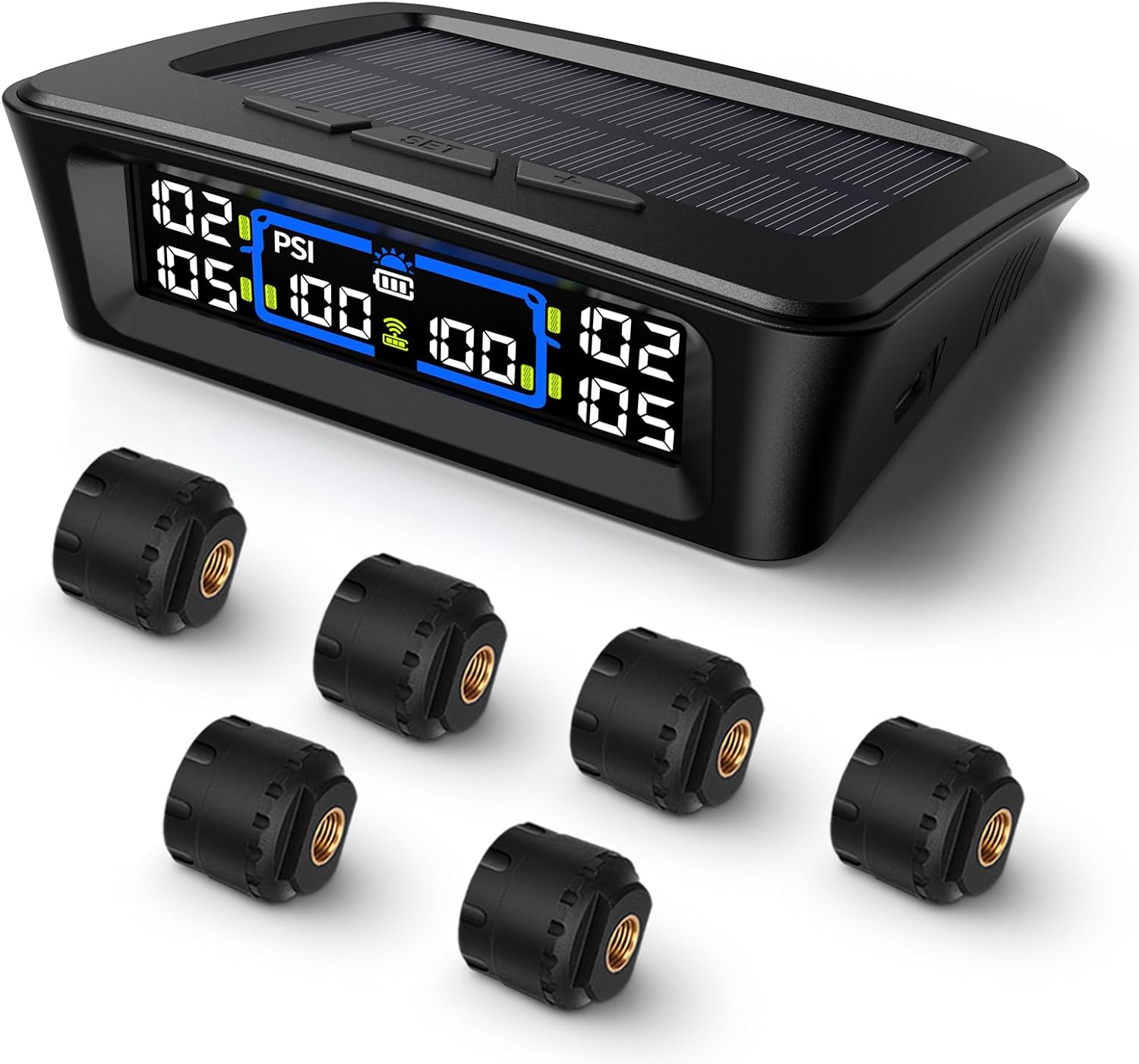
The Tymate TM12 RV TPMS delivers real-time tire pressure and temperature monitoring with a stable 433Hz display for safer long-distance driving. It supports simultaneous monitoring across vehicle and trailer zones, includes six alarm modes for pressure, temperature, leakage, battery, and signal loss, and features easy DIY installation with auto calibration. Power is supplied via USB-C charging or solar recharging, with a wide 0–144 PSI range and up to 50 ft signal coverage for RVs and towable trailers.

This TPMS sensor training and relearn reset tool is customized for Ford, Lincoln, and Mercury vehicles to help activate tire pressure programming after sensor replacement or tire rotation. It can activate individual tire pressure sensors with one-button operation, helping prevent TPMS warning light illumination. It is not a sensor programming tool and cannot program replacement sensors—use it to trigger/activate sensors only.

The VEHLIVE SU-50448 II TPMS relearn tool provides a fast activation reset to restore accurate tire pressure monitoring after sensor replacement or tire rotation. It supports 315 MHz and 433 MHz GM series sensors and helps clear dashboard pressure warnings. With simple two-button operation and horn-confirmed relearning order, you can reprogram sensors conveniently at home.
TPMS Upkeep: Costs, Common Problems, and Fixes
Good TPMS upkeep starts with basic tire care. Check pressure monthly, before long trips, after big temperature swings, and any time the vehicle feels different. Also inspect tread, sidewalls, valve stems, and valve caps. Missing valve caps can allow dirt and moisture into the valve area, which may lead to leaks or corrosion.
For direct TPMS, common service items include valve-stem seals, valve cores, sensor nuts, grommets, and complete sensor replacement. For indirect TPMS, the common service step is recalibration after tire pressure changes, rotation, or replacement. Any system can need diagnosis if the light stays on after the tires are correctly inflated.
- Diagnose: Use a pressure gauge first, then use a TPMS scan tool if the light blinks or will not clear.
- Repair: Fix leaks, replace damaged valve components, or replace failed sensors when needed.
- Relearn: Register sensor IDs or recalibrate the indirect system according to the owner’s manual.
- Verify: Confirm stable pressure readings and make sure the warning light stays off after a drive cycle.
[Products Worth Considering]

Replace worn or malfunctioning GM TPMS sensors with this 433MHz pre-programmed sensor set designed for compatibility with many Chevrolet, Buick, GMC, and Cadillac models. It includes guidance for proper OBDII relearning/pairing after installation and supports reliable long-term operation with a high-performance CR2032 battery. Quality tested for durability and performance to help restore accurate tire pressure monitoring.

The TYAMATE TM8 solar-powered wireless TPMS delivers real-time tire pressure and temperature monitoring with six alarm modes for safer driving. A vibrant color LCD display shows readings clearly while windshield mounting keeps it hands-free and easy to read. With a wide 0–87 PSI range, strong 433.92 MHz signal transmission, and quick sensor pairing, it’s ideal for RV, sedan, SUV, MPV, and truck use.
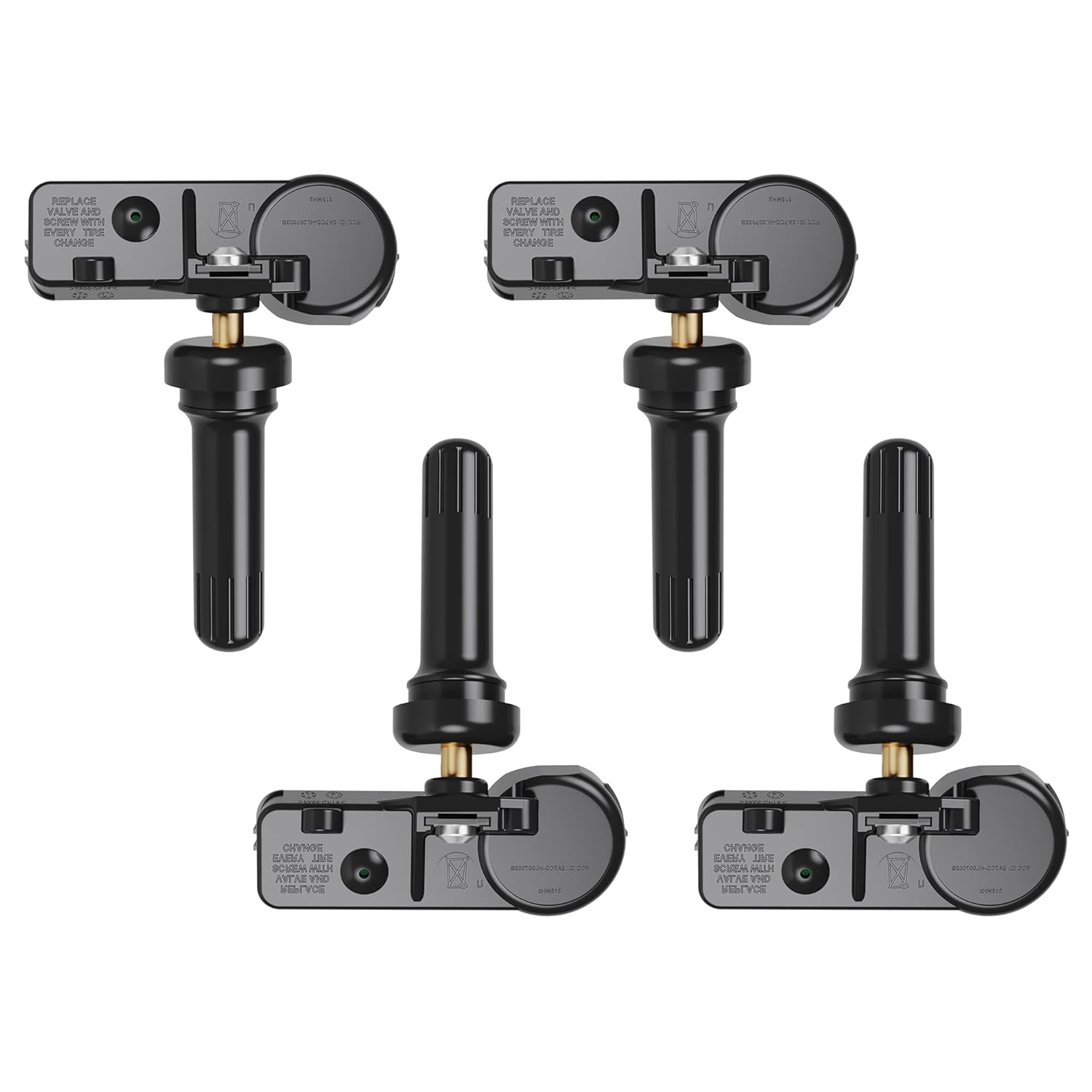
Replace worn or faulty TPMS sensors with this brand new 315MHz GM-compatible replacement set for select Chevy, GMC, Buick, Cadillac, and similar vehicles. These sensors are pre-programmed for your make/model/year and typically only require activation with a scan tool. Built for long service life with a high-temperature battery, they help maintain reliable tire pressure monitoring for safer driving.
What Not to Do When the TPMS Light Comes On
- Do not ignore the light. It can mean a tire is low enough to affect handling, heat, and tire life.
- Do not rely only on the dashboard number. Use a separate gauge when troubleshooting.
- Do not use the tire sidewall maximum as your target PSI. Use the vehicle placard or owner’s manual.
- Do not reset the system before inflating the tires. This can hide the problem or set the wrong baseline.
- Do not assume the spare is monitored. Many spare tires do not have TPMS sensors, but they still need pressure checks.
- Do not use tire sealant without checking compatibility. Some sealants can foul sensors or complicate repair unless they are approved for TPMS-equipped tires.
Frequently Asked Questions
How long do TPMS sensors last?
Many direct TPMS sensors last about 5–10 years, but there is no single guaranteed lifespan. Heat, cold, road salt, mileage, battery design, and how often the sensor transmits can all affect life. When the sealed battery dies, the complete sensor is usually replaced.
Can I drive with the TPMS light on?
You should not ignore it. If the vehicle feels normal, slow down when safe and check all tire pressures as soon as possible. If a tire looks flat, the vehicle pulls, or you feel vibration, stop safely and inspect the tire before continuing.
Why did my TPMS light come on after a cold night?
Tire pressure drops when air temperature falls. A tire that was already slightly low may cross the warning threshold overnight. Check the tires cold and inflate them to the vehicle placard PSI. Do not wait for driving heat to make the light disappear.
Why is my TPMS light flashing?
A flashing TPMS light often points to a system malfunction rather than simple low pressure. Common causes include a dead sensor battery, damaged sensor, sensor ID mismatch, missing sensor, signal issue, or failed relearn after tire service. Check pressure first, then have the TPMS scanned if the light keeps flashing.
Do I need to reset TPMS after adding air?
Sometimes. Many direct systems clear after the correct pressure is restored and the vehicle is driven. Many indirect systems need a manual reset or calibration after pressure correction, tire rotation, or tire replacement. Follow the owner’s manual for your specific vehicle.
Is TPMS a substitute for checking tire pressure?
No. TPMS is a warning system for significant underinflation, not a precise maintenance schedule. Check each tire monthly when cold with a gauge, and check before long trips or heavy-load driving.
Conclusion
TPMS gives you useful safety data, but it works best when you treat it as a backup to regular tire maintenance. Direct TPMS measures pressure with wheel-mounted sensors; indirect TPMS estimates underinflation from wheel-speed behavior. When the warning light comes on, check all tires with a gauge, inflate to the vehicle placard PSI, and reset or service the system only after the pressure is correct. That simple routine protects tire life, handling, fuel economy, and your ability to respond before a low tire becomes a roadside problem.
Sources
- eCFR — 49 CFR § 571.138, Standard No. 138; Tire Pressure Monitoring Systems — federal TPMS performance requirements, warning thresholds, malfunction indicator, and owner’s-manual language.
- NHTSA TireWise — Tire Safety Ratings and Awareness — tire pressure safety, cold pressure guidance, and direct/indirect TPMS overview.
- NHTSA Final Rule Summary — FMVSS No. 138 — TPMS mandate timing, 25% underinflation warning requirement, and regulatory background.
- FuelEconomy.gov — Keeping Your Vehicle in Shape — tire pressure impact on fuel economy and proper inflation guidance.
- NHTSA CrashStats — Tire Pressure Maintenance: A Statistical Investigation — tire pressure maintenance, underinflation prevalence, and safety effects.
- Hyundai Owner’s Manual — TPMS Malfunction Indicator — example manufacturer guidance for blinking TPMS malfunction behavior.

1 thought on “What Is a Tire Pressure Monitoring System (TPMS)?”