
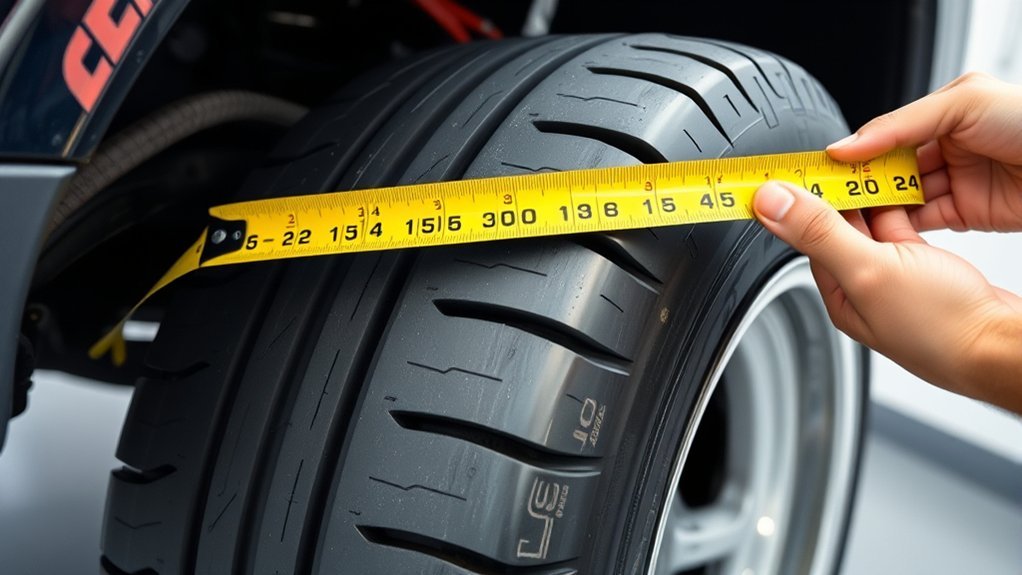
Tire diameter is the overall height of a mounted tire, from the ground contact area to the top of the tread. It affects tire fitment, speedometer accuracy, odometer readings, gearing, ride comfort, and handling. You can estimate it from the tire size on the sidewall, but you need to convert millimeters to inches before adding the sidewall height to the wheel diameter.
Quick Answer
Tire diameter is the tire’s total outside height. To calculate it in inches, use: wheel diameter + 2 × ((tire width × aspect ratio ÷ 100) ÷ 25.4). A 225/70R16 tire is about 28.4 inches tall, not 27.6 inches.
Key Takeaways
- Tire diameter is the outside height of the tire, usually shown in inches.
- Metric tire sizes mix millimeters, percentages, and inches, so unit conversion matters.
- The correct formula is: wheel diameter + 2 × sidewall height.
- Larger tires can make your speedometer read lower than your real speed.
- Before changing tire size, check the owner’s manual, doorjamb label, load index, speed rating, rim width, and clearance.
At a Glance
| Time Required | 2 to 5 minutes for one tire size |
| Difficulty | Easy, if you know the tire size code |
| Tools Needed | Tire sidewall size, calculator, and your vehicle’s tire label or owner’s manual |
| Cost | Free |
What Is Tire Diameter?
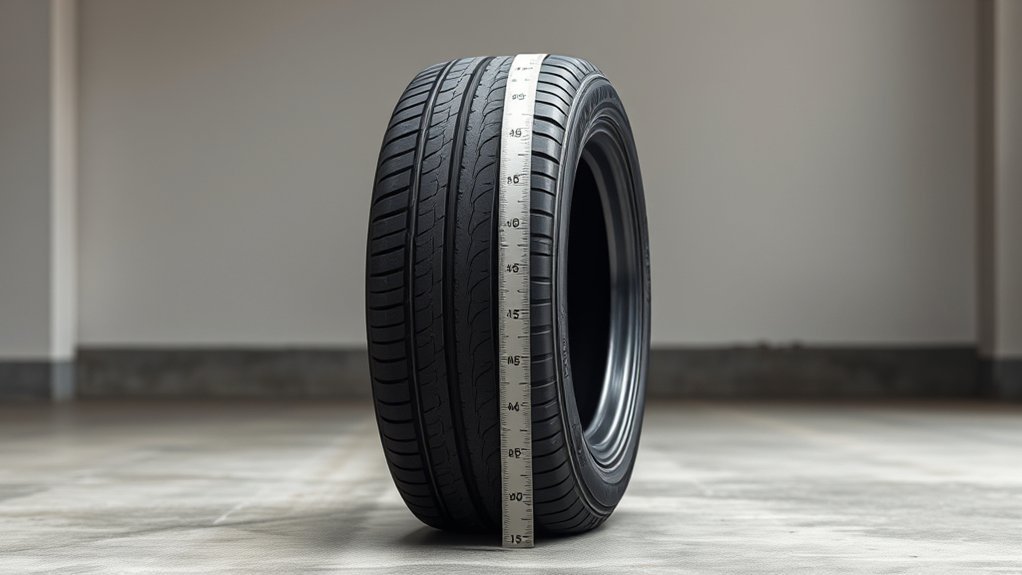
Tire diameter is the tire’s total outside height. It includes the wheel diameter plus the tire sidewall above and below the wheel. This number matters because your vehicle is designed around a specific tire height, rolling circumference, load rating, and clearance space.
When tire diameter changes, the tire travels a different distance with each rotation. That can affect speedometer readings, odometer readings, shift feel, acceleration, braking behavior, ground clearance, and the way the vehicle responds in corners.
Note: Calculated tire diameter is an estimate. Actual mounted size can vary by tire model, tread depth, air pressure, rim width, and load. For tight fitments, use the tire manufacturer’s published specs.
How to Read Tire Size Codes
A tire size such as P225/70R16 gives you the main numbers needed to estimate diameter:
- P means passenger vehicle tire. Some tires may start with LT for light truck or may have no letter.
- 225 is the tire width in millimeters, measured from sidewall to sidewall.
- 70 is the aspect ratio. It means the sidewall height is 70% of the tire width.
- R means radial construction.
- 16 is the wheel diameter in inches.
Some tire sizes also include a load index and speed rating after the size, such as 102H. Do not ignore those ratings when replacing tires. A tire that fits by diameter can still be wrong if its load index, speed rating, or rim-width range does not match your vehicle’s needs.
How to Calculate Tire Diameter
Use this formula for most passenger-car and light-truck metric tire sizes:
Tire diameter in inches = wheel diameter + 2 × ((tire width × aspect ratio ÷ 100) ÷ 25.4)
The key step is the 25.4 conversion. Tire width is listed in millimeters, but wheel diameter is listed in inches. Since 1 inch equals 25.4 millimeters, the sidewall height must be converted before you add it to the wheel size.
Tire Size Formula
Here is the formula broken down:
- Find sidewall height in millimeters: tire width × aspect ratio ÷ 100.
- Convert sidewall height to inches: sidewall height ÷ 25.4.
- Double the sidewall height: one sidewall sits above the wheel and one sits below it.
- Add the wheel diameter: this gives the estimated outside tire diameter.
Example: 225/70R16 Tire Diameter
For a 225/70R16 tire:
- Sidewall height = 225 × 70 ÷ 100 = 157.5 mm
- Sidewall height in inches = 157.5 ÷ 25.4 = 6.20 inches
- Overall tire diameter = 16 + (2 × 6.20) = 28.4 inches
So a 225/70R16 tire is about 28.4 inches tall by nominal calculation. It is not about 27.6 inches.
Measure Diameter Accurately
A calculated tire diameter is useful for comparison, but it is not a perfect physical measurement. Tire Rack notes that online tire-dimension calculations are nominal estimates and can differ from the actual size listed by a tire manufacturer. You can review the calculation method in Tire Rack’s guide to calculating tire dimensions.
To measure a mounted tire, place the vehicle on level ground, make sure the tire is properly inflated when cold, and measure from the ground to the top of the tread. This real-world number may be slightly lower than the calculated number because the tire flattens at the contact patch under vehicle weight.
Tire Diameter Comparison Chart
This chart shows common examples using nominal tire-size math. Use it for quick comparison, not as final fitment approval.
| Tire Size | Sidewall Height | Estimated Diameter |
| 225/70R16 | 6.20 in | 28.4 in |
| 225/65R17 | 5.76 in | 28.5 in |
| 245/75R16 | 7.23 in | 30.5 in |
| 265/70R17 | 7.30 in | 31.6 in |
[Products Worth Considering]

The 22800 wheel stud installer makes replacing wheel studs quick and secure, saving time and effort during tire service. It uses a ratchet or impact wrench to pull new studs firmly into place, helping when existing studs are too long. Compatible with most automotive wheels and light-duty truck wheel studs, it’s designed for easy, tool-assisted installation.

Measure tire tread depth quickly and accurately with this LUMITECO dial gauge that reads in 1/32" increments up to 14/32". The color-coded green/yellow/red zones make it easy to judge tire wear and know when replacement is needed. A rugged, compact design with a protective pouch helps keep the gauge ready for use on cars, trucks, motorcycles, and more.

These aluminum alloy tire valve stem caps with an O-ring seal help protect valve stems from corrosion while adding a clean, stylish look to your vehicle. The universal fit works across cars, trucks, motorcycles, bicycles, and more, making them an easy upgrade for everyday driving and off-road use. Installation is quick, and the included four-pack keeps all your tires dressed and protected.
Why Tire Diameter Changes Speedometer Accuracy
Your speedometer and odometer estimate road speed and distance from wheel rotation. If the tire diameter changes, each tire rotation covers a different distance.
- Larger tire diameter: the tire travels farther per rotation, so the speedometer may read lower than your actual speed.
- Smaller tire diameter: the tire travels less distance per rotation, so the speedometer may read higher than your actual speed.
You can estimate the difference with this formula:
Percent difference = (new tire diameter − original tire diameter) ÷ original tire diameter × 100
For example, if your original tire is 28.0 inches tall and your new tire is 28.8 inches tall, the new tire is about 2.9% larger. When your speedometer shows 60 mph, your actual speed may be about 61.7 mph before recalibration.
Warning: Do not choose a tire only because the diameter is close. You still need the correct load index, speed rating, rim-width range, clearance, and manufacturer-approved size. On AWD and 4WD vehicles, mismatched tire diameters can also stress driveline components.
How Tire Diameter Affects Ride and Handling
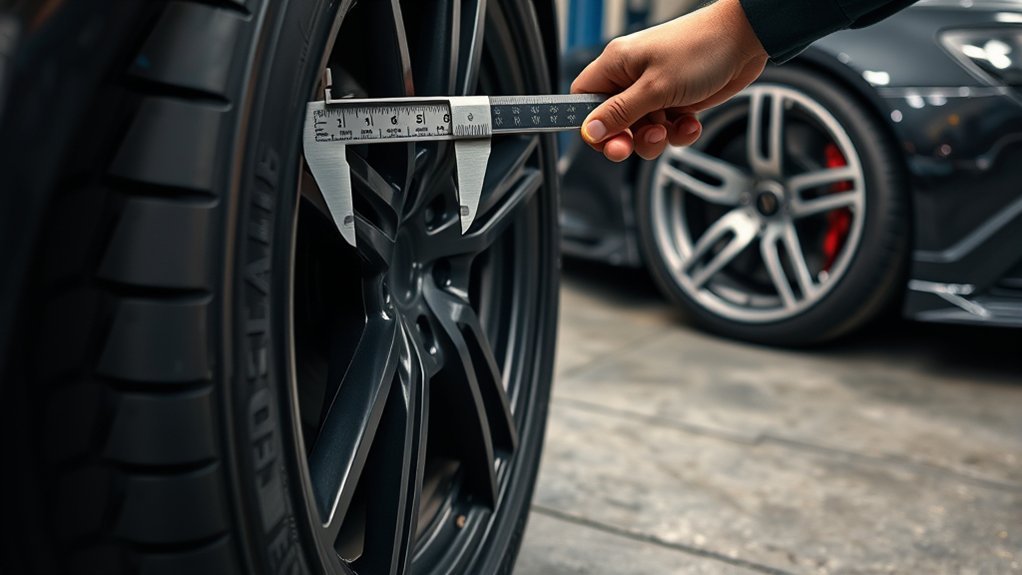
Tire diameter changes how the vehicle feels because it changes sidewall height, rolling circumference, effective gearing, and clearance. The effect depends on the full tire-and-wheel package, not diameter alone.
Larger overall diameter can raise ground clearance and lower engine rpm at a given road speed. It may also soften steering response, reduce acceleration, and increase the chance of rubbing against the fender liner, suspension, or mud flaps.
Smaller overall diameter can sharpen response and reduce effective gearing, but it may lower ground clearance, increase engine rpm at cruising speed, and make the speedometer read high.
Ride comfort also depends on sidewall height. A taller sidewall can absorb bumps better, while a shorter sidewall can feel more precise but harsher over potholes and sharp road edges.
Before You Change Tire Size
Before changing tire size, check the Tire and Loading Information label or owner’s manual. NHTSA recommends using the same tire size as the vehicle’s original tires or another size recommended by the vehicle manufacturer.
Use this checklist before buying:
- Original tire size: check the driver-side doorjamb label or owner’s manual.
- Diameter difference: compare the new diameter to the original tire diameter.
- Load index: make sure the tire can carry the vehicle’s required load.
- Speed rating: use a rating appropriate for the vehicle and driving conditions.
- Rim width: confirm the tire is approved for your wheel width.
- Clearance: check fenders, suspension, brakes, liners, and mud flaps at full steering lock.
- Drivetrain: be extra careful with AWD and 4WD vehicles because tire diameter differences can affect driveline operation.
- Electronics: large size changes can affect ABS, traction control, stability control, TPMS behavior, and driver-assist calibration.
Pro Tip: A diameter change within about 3% is often used as a quick comparison rule, but it is not a guarantee of safe fitment. The vehicle manufacturer’s approved tire sizes and the tire maker’s specs matter more.
[Products Worth Considering]

The SAFELIFE dial tire tread depth gauge measures tread depth in 1/32 inch increments with clear, easy-to-read 2-inch dial face. Color zones using a traffic light system help you quickly judge whether tread is low, marginal, or ample for safer driving. Built with a durable zinc cast body and a metal detect probe for precise, comfortable use across cars, motorcycles, trucks, and buses.

This 3-piece wheel brush set makes it easy to clean wheels and tires with soft, scratch-free brushes designed for lifting brake dust and grime. The flexible rim brush bends up to 360 degrees to reach hard-to-access areas for a thorough clean, while the comfortable grip helps control during detailing. A dedicated detailing brush supports gentle cleaning for sensitive surfaces, including interior use.

This professional wheel and rim cleaning brush set lifts brake dust, grime, and dirt with soft, scratch-free microfiber and synthetic wool fibers. The rim brush bends up to 360 degrees for easy access to hard-to-reach areas around spokes, lips, and faces. Ideal for thorough cleaning of car, truck, motorcycle, bicycle, RV, and more wheel and tire surfaces.
Compare Tire Diameter Before Buying
To compare tire diameter before you buy, calculate the new tire’s diameter and compare it with the original tire size. Then check the exact tire model’s published specs, because two tires with the same printed size can measure slightly differently once mounted and inflated.
If the new tire is larger, check for rubbing under compression and at full steering lock. If it is smaller, check ground clearance and speedometer change. If the tire is wider, also check rim width, offset, and suspension clearance.
For close fitments, do not rely on size calculators alone. Ask a qualified tire installer to confirm the tire, wheel, and vehicle combination before purchase.
[Products Worth Considering]

Upgrade your 2024-2026 Tesla Model 3 Highland with REEVAA all-weather mud flaps designed for seamless fit along the original body lines. The set of four delivers strong splash protection against mud, gravel, and road debris while using OEM-grade durable materials. Installation is non-destructive with original hole positions and snap-in clips, and the aerodynamic design helps minimize impact on efficiency.
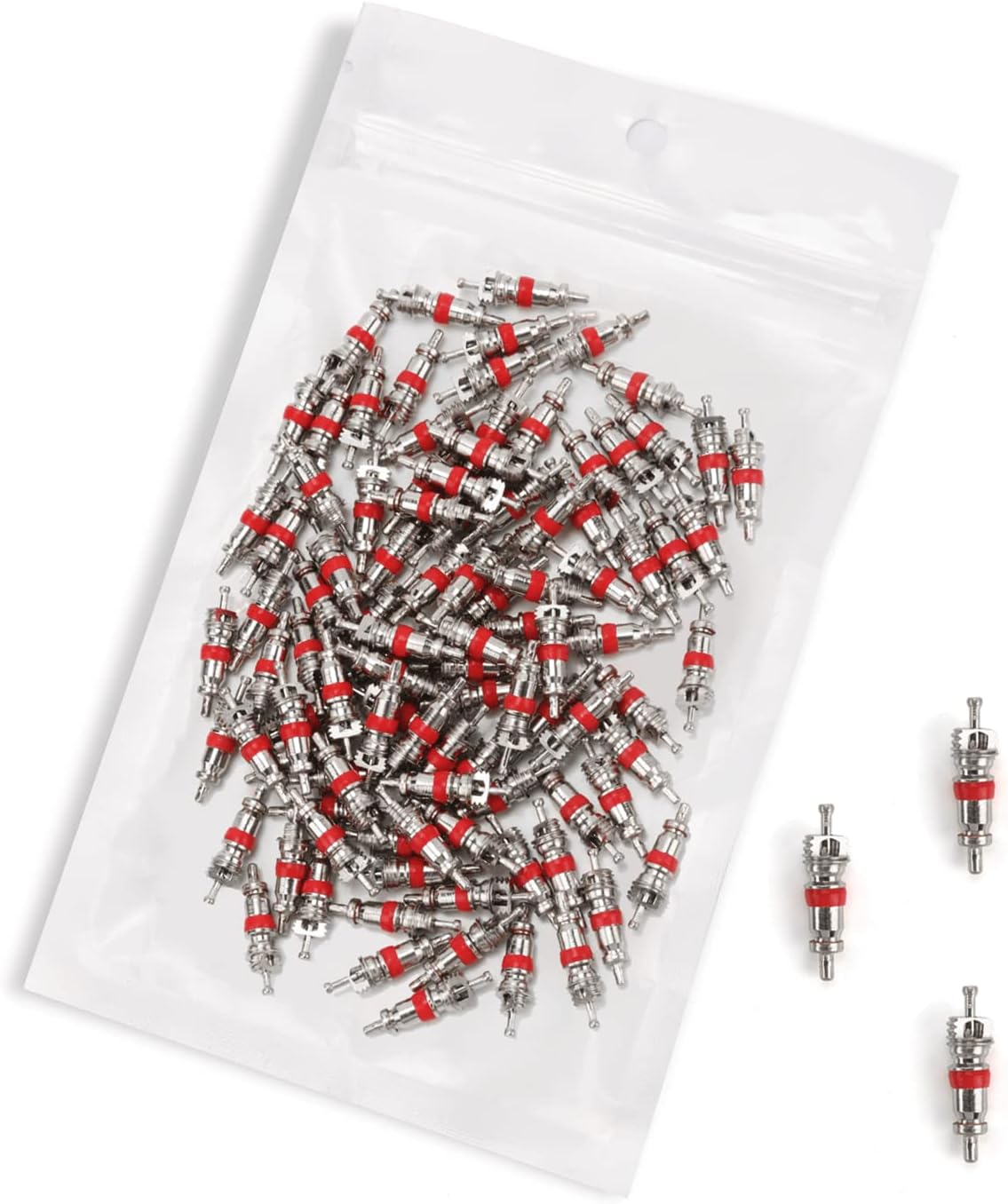
Replace worn Schrader valve cores with durable, nickel-plated replacements designed to resist rust and corrosion for a longer service life. Each core is 100% leakage tested and rated for up to 300 PSI, helping maintain a safe, reliable tire pressure system. Universal fit makes them suitable for cars, RVs, ATVs, motorcycles, bicycles, and many refrigeration/air conditioning applications.

Accurately measure tire tread depth with a calibrated gauge marked from 0 to 1 inch in 1/32 inch increments. The color-coded bar helps you quickly identify tread condition ranges, supporting safe driving for trucks, motorcycles, automobiles, and passenger vehicles.
Frequently Asked Questions
How do I know my tire diameter?
Read the tire size on the sidewall, then use the formula: wheel diameter + 2 × ((width × aspect ratio ÷ 100) ÷ 25.4). You can also use a tire size calculator, but remember that calculated diameter is nominal. For exact fitment, check the tire manufacturer’s specs.
Is a 225/70R16 tire 27.6 inches tall?
No. A 225/70R16 tire is about 28.4 inches tall by nominal calculation. The sidewall is 157.5 mm, or about 6.20 inches. Add two sidewalls to the 16-inch wheel and you get about 28.4 inches.
What size tire does Tadej Pogačar use?
It depends on the bike, race, wheel setup, and event. Recent 2026 reporting showed Pogačar’s road-race bike with 28 mm Continental GP5000 TT tubeless tires, while his time-trial bike was reported with 25 mm Continental GP5000 TT TR tires. Bicycle tire width is not the same thing as automotive tire diameter.
What size tire fits a Toyota Tacoma?
Tacoma tire size depends on the model year, trim, wheel size, suspension, and package. Do not rely on a generic Tacoma tire size. Check the driver-side doorjamb label or owner’s manual first, then confirm load index, speed rating, rim width, and clearance before changing size.
What size tires are on the Ford Maverick Hybrid?
Many recent Ford Maverick Hybrid trims use 225/65R17 tires, which calculate to about 28.5 inches in diameter. Still, tire size can vary by year, trim, and package. Always verify the size on your doorjamb tire label or owner’s manual before replacing tires.
How much tire diameter difference is acceptable?
A difference of about 3% is often used as a quick screening limit, but it is not an official approval. The safest answer is the tire size listed by your vehicle manufacturer or another size the manufacturer approves for your vehicle.
Conclusion
Tire diameter is more than a size number. It affects fitment, speedometer accuracy, odometer readings, gearing, ride quality, and handling. The most common mistake is mixing millimeters and inches in the formula. Convert the sidewall height first, then add it to the wheel diameter.
Before you buy a different size, compare the new tire to your original tire, check the doorjamb label or owner’s manual, and confirm load rating, speed rating, rim width, and clearance. A close diameter helps, but safe fitment depends on the full tire, wheel, and vehicle combination.
Sources
- Tire Rack: How Do I Calculate Tire Dimensions? — supports tire-size decoding, sidewall-height calculation, and nominal-diameter warning.
- NHTSA TireWise — supports replacement tire size guidance, tire label use, tire pressure checks, and tire safety cautions.
- CyclingNews: Pogačar’s 2026 Tour road bike setup — supports the FAQ note about reported 28 mm road-race tires.
- CyclingWeekly: Pogačar’s Colnago TT2 setup — supports the FAQ note about reported 25 mm time-trial tires.
