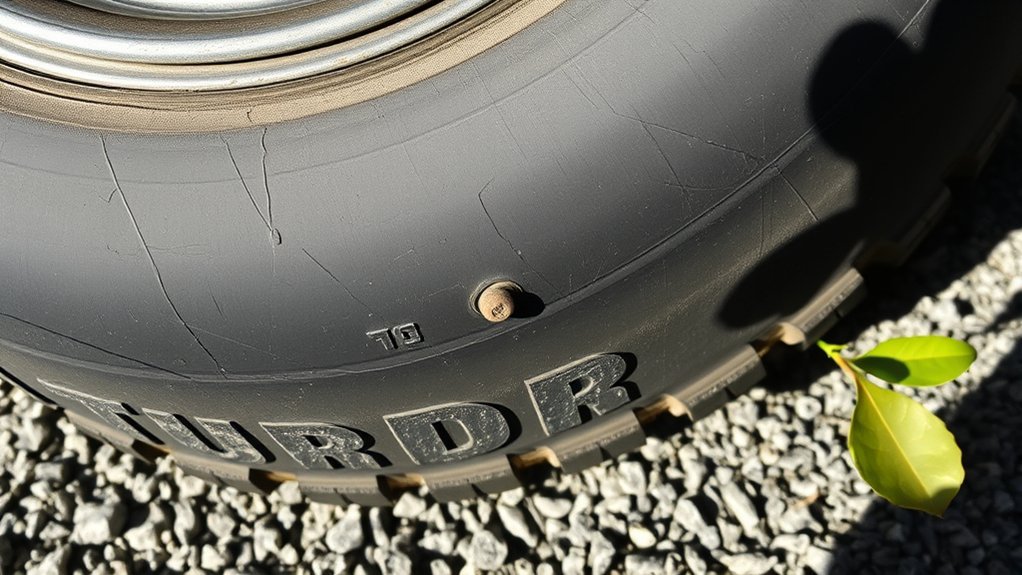
A Toyota Tundra tire that keeps losing air does not always have an obvious nail in it. Slow pressure loss can come from a small tread puncture, a leaking valve or TPMS sensor seal, corrosion where the tire bead meets the wheel, impact damage, or normal temperature changes. The pattern of the pressure loss helps narrow down the cause, but any recurring leak deserves a proper inspection.
Quick Answer
If your Toyota Tundra tire loses air with no visible nail, check for a leaking valve stem or TPMS seal, bead corrosion, a bent or cracked wheel, a tiny tread puncture, or a temperature-related pressure drop. Measure the tire cold, use the driver-door placard pressure, and have recurring leaks inspected off the wheel.
Key Takeaways
- Use the cold-tire pressure on your Tundra’s driver-door placard or exact model-year owner’s manual—not the maximum pressure molded into the tire sidewall.
- A drop during cold weather may be normal, but one tire that repeatedly loses more pressure than the others usually has a leak.
- Valve stems, TPMS sensor seals, tire beads, wheels, and tiny punctures can leak without leaving an obvious nail.
- Do not drive on a visibly low, damaged, bulging, or rapidly deflating tire. A qualified tire technician should inspect recurring leaks.
At a Glance
| Time Required | 10–20 minutes for a basic check; shop diagnosis may take longer |
| Difficulty | Easy screening; professional repair required |
| Tools Needed | Accurate tire gauge, soapy water, spray bottle, flashlight |
| Cost | Little or no cost for screening; repair cost depends on the failed part and wheel condition |
Understanding Tire Air Loss: Why Your Tundra Tire Keeps Losing Air
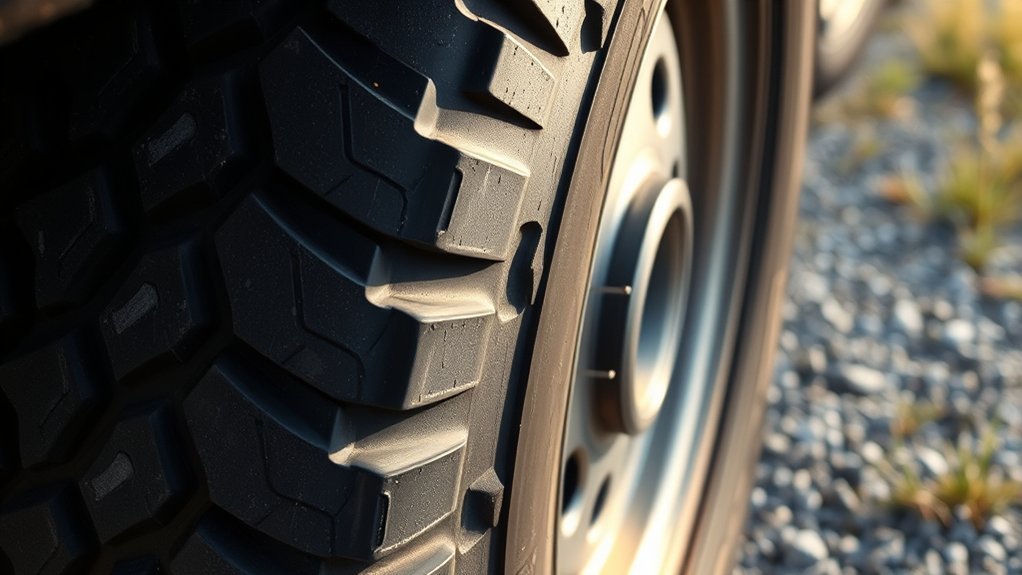
All tires gradually lose some pressure, and outside temperature changes can move the gauge reading even when there is no defect. The U.S. Tire Manufacturers Association says pressure may rise or fall by about 1–2 psi for every 10°F temperature change. That is why a cold morning can trigger the tire-pressure warning after a warm day.
Temperature normally affects all four tires in a similar way. If one tire falls several psi while the others stay close to their previous readings, or if you must add air every few days, suspect a leak rather than weather alone. Michelin identifies common slow-leak sources such as tread penetrations, valve or valve-core leaks, corrosion at the bead seating area, foreign material between the bead and rim, and a bent rim flange.
Note: Toyota Tundra inflation pressures can vary by model year, tire size, axle, and equipment. Confirm your truck by VIN and model year, then use the Tire and Loading Information label on the driver’s doorjamb or the matching Toyota owner’s manual. Do not copy a pressure from another Tundra.
Confirm That the Pressure Is Actually Dropping
Before searching for a leak, compare readings under the same conditions. The National Highway Traffic Safety Administration recommends checking every tire, including the spare when applicable, at least monthly while the tires are cold. “Cold” generally means the vehicle has been parked for at least three hours.
- Park the truck and let the tires cool. Record the pressure in all four tires with the same gauge.
- Compare the reading with the door placard. The number on the tire sidewall is a maximum tire rating, not the truck’s recommended operating pressure.
- Recheck at the same time and temperature. A consistent loss in only one tire is more meaningful than a one-time change across all four tires.
- Inspect the spare. A spare can lose pressure and age even when it is rarely used.
A TPMS warning is a safety alert, not a precision leak test. The system does not replace monthly checks with an accurate gauge.
How to Find a Slow Tire Leak Safely
A basic bubble test can help identify where air is escaping, but it does not determine whether a tire or wheel is safe to repair. Work with the truck parked on level ground, keep your hands clear of traffic, and never crawl beneath a vehicle supported only by a jack.
- Look and listen first. Check for screws, cuts, cracks, bulges, bent wheel edges, and a hissing sound.
- Check the valve. Remove the cap and apply soapy water around the valve opening, valve core, rubber stem, and the base of the TPMS valve.
- Check the tread. Wet suspicious spots and watch for bubbles that repeatedly grow.
- Check the bead area. Apply the solution where the tire meets the wheel on both visible sides.
- Mark the location. Use chalk or tape, then have a tire shop remove the tire and inspect the inside before any permanent repair.
Warning: Stop driving and use roadside assistance or the proper spare if the tire is visibly low, rapidly losing pressure, cut, cracked, bulging, vibrating after an impact, or unable to hold the placard pressure. Driving even a short distance while flat can damage the tire and wheel beyond repair.
Signs of Bead Seal Leaks and Their Fixes
The bead is the reinforced edge of the tire that seals against the wheel. Dirt, corrosion, damaged wheel paint, a bent flange, mounting damage, or debris trapped between the surfaces can create a slow leak. Common signs include recurring loss from one tire, corrosion near the wheel edge, and a line of small bubbles where the tire meets the rim.
A proper bead-leak repair usually requires the shop to demount the tire, inspect the tire bead and inner liner, clean the wheel’s sealing surface, and determine whether the wheel is serviceable. The technician may replace a damaged tire, repair or replace the wheel, and use an approved bead-sealing product only when appropriate. Bead sealer should not be used to hide a cracked, badly corroded, or bent wheel.
Pro Tip: Photograph the gauge reading and note the date, outside temperature, and miles driven. A short pressure log helps a technician separate a temperature change from a repeatable bead, valve, or puncture leak.
[Products Worth Considering]
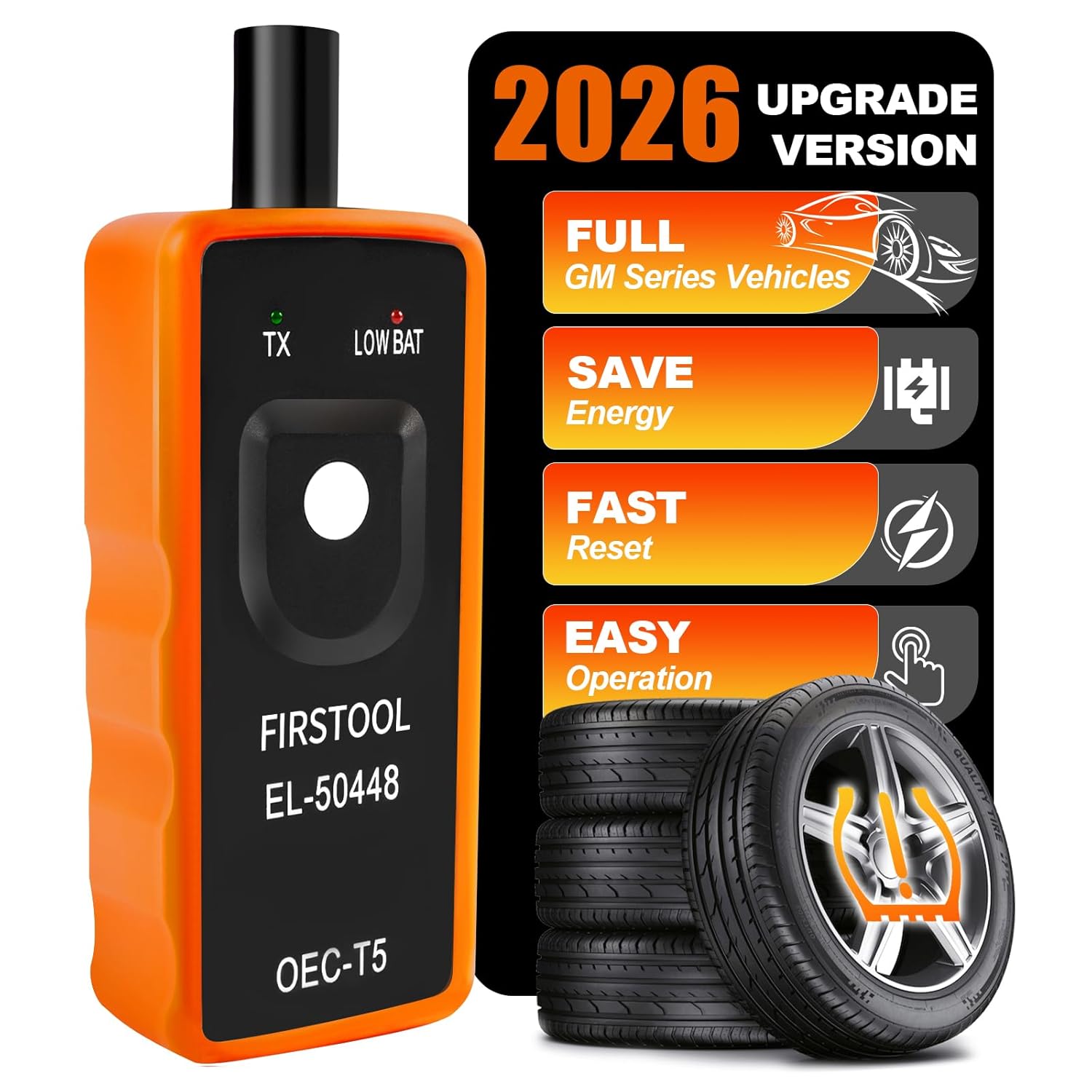
This TPMS relearn tool helps you quickly activate, match, and reset GM tire pressure sensors to keep the vehicle monitoring system working properly. It clears tire pressure alarms and dashboard warning lights after sensor replacement or tire rotation, and supports learning for common 315/433 MHz TPMS sensors. Designed for simple one-button operation, it can help you avoid unnecessary trips to repair shops.

TireJect Off-Road Tire Sealant Kit provides 5-in-1 sealing to help fix tread punctures up to 3/8", sidewall punctures up to 3/8", bead leaks, slow leaks, and minor dry rot on low-speed tires. It permanently seals with liquid rubber, recycled tire particles, and Aramid fibers, making it ideal for flats caused by thorns, nails, and screws. The included dispensing cap attaches to the valve stem for a no-mess installation, along with a metal valve core remover tool and valve stem cap. This kit is for off-road use only.

Malco tire mounting and demounting lubricant is a ready-to-use tire lube formulated to reduce friction during tire installation for passenger cars, light trucks, farm tires, and heavy-duty equipment. It provides rust-inhibiting protection to help reduce corrosion on rims and wheels, and helps support proper tire bead seating during inflation to reduce air leakage. The silicone-free, soap-free formula is whitewall safe to help prevent discoloration on whitewall tires and sensitive sidewall markings.
Valve Stem, Valve Core, and TPMS Sensor Leaks
A loose valve core, cracked rubber stem, damaged metal valve, missing cap, or deteriorated TPMS sensor seal can release air slowly. Road salt, moisture, age, and damage during tire service can contribute. Bubbles may appear at the valve opening or where the stem passes through the wheel.
Replacing an ordinary valve core or stem is usually straightforward for a tire professional. On many Tundras, the valve assembly is connected to the tire-pressure sensor inside the wheel, so incorrect tools or overtightening can damage the sensor. After wheel, tire, or sensor service, some model years may require sensor registration, initialization, or wheel-position registration. Follow the exact procedure in the owner’s manual for your VIN and model year.
Toyota explains that a steady tire-pressure warning light can indicate low inflation, while a light that flashes for about a minute and then stays on can indicate a TPMS malfunction on applicable models. The system may not warn immediately during sudden air loss, so do not rely on the dashboard light alone.
[Products Worth Considering]

The JACO FlowPro Tire Inflator measures, inflates, and airs down tires up to 100 PSI with battery-free operation and ±2% accuracy after calibration. It features a glowing pressure dial for night visibility, a heavy-duty steel build with a hybrid hose, and a precision push-to-inflate thumb trigger. The patented Lightning Air Chuck locks on for a secure seal, and the kit includes quick-connect hardware for easy inline use with your air compressor.

These universal tire valve stem caps help protect valve cores from dust, debris, and moisture while helping maintain stable tire pressure. The corrosion-resistant metal construction and sealed design provide reliable protection in road grime, mud, and winter conditions. Twist-on installation makes them quick to fit on cars, SUVs, trucks, and motorcycles.

These aluminum alloy tire valve stem caps protect the valve core from corrosion and help prevent air leakage for more stable tire pressure. The rubber ring design helps support a secure, safe seal while adding a stylish look to your Honda wheels. Easy to install by hand, these caps are ideal for everyday driving and weather exposure.
The Impact of Rim Damage on Tire Deflation
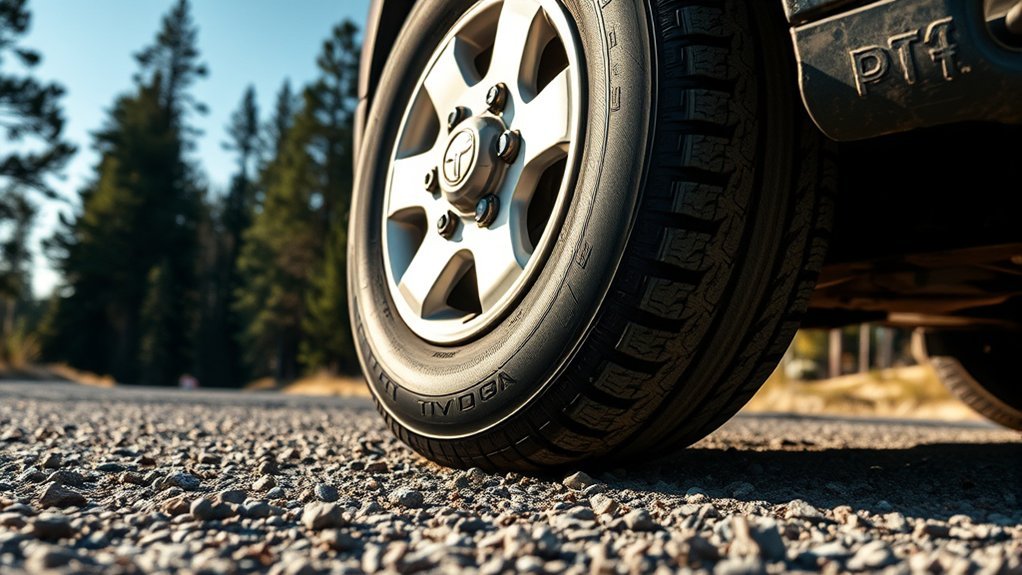
Potholes, curbs, off-road impacts, road salt, and previous mounting damage can affect the surface that seals against the tire. A wheel may look acceptable from the front but still have a bent inner flange, hairline crack, corrosion, or excessive runout.
[Products Worth Considering]

This ALL-TOP auto-stop tire deflator valve kit lets you air down off-road tires quickly without watching pressure, automatically stopping when your preset PSI is reached. Each valve is individually calibrated for reliable performance with an acceptable +/- 2 PSI tolerance. The adjustable deflator range covers 10 to 30 PSI and includes four valves plus valve caps and a zipper pouch for easy setup on trucks, SUVs, RVs, UTVs, and powersports.

This Dr.Roc tire valve stem puller tools set helps install or remove snap-in tubeless valve stems safely and efficiently. It includes ozone-resistant EPDM snap-in valve stems, a valve stem installer, and a valve core remover for quick core removal or installation during tire service. Designed for reliable tubeless tire repair on motorcycles, ATVs, lawn equipment, cars, and trucks.

The VEHLIVE SU-50448 II TPMS relearn tool provides a fast activation reset to restore accurate tire pressure monitoring after sensor replacement or tire rotation. It supports 315 MHz and 433 MHz GM series sensors and helps clear dashboard pressure warnings. With simple two-button operation and horn-confirmed relearning order, you can reprogram sensors conveniently at home.
Common Rim Issues
- Bent flange: An impact can distort the wheel edge and open a path for air at the bead.
- Crack: Cast or forged wheels can crack after a hard impact; welding suitability depends on the wheel, location, and qualified inspection.
- Corrosion: Oxidation under the bead can create an uneven sealing surface.
- Mounting damage: Scratches, gouges, or bead damage from improper service can cause recurring leaks.
- Aftermarket fitment problems: An incorrect wheel, tire size, load rating, valve, or sensor installation can affect sealing and TPMS operation.
Signs of Rim Damage
Look for a visibly bent lip, cracking, corrosion, loss of pressure after a pothole strike, steering-wheel shake, vibration, or a tire that will not balance correctly. Do not run your bare hand around a damaged rim because sharp metal can cause injury. A shop can measure wheel runout and inspect the inner flange after removing the assembly.
Repairing Bent Rims
Minor wheel damage may be repairable by a qualified wheel-repair specialist, but severe bends, cracks, missing material, or extensive corrosion may require replacement. Straightening a wheel is not the same as correcting wheel alignment, and a repaired wheel must still meet the service provider’s safety criteria. Never hammer, heat, weld, or attempt to reseat a truck tire at home.
Small Punctures and Previous Tire Repairs
A thin screw, staple, or wire can enter the tread and then fall out, leaving a hole that is difficult to see. A previous plug-only repair can also leak. The U.S. Tire Manufacturers Association says a repairable passenger or light-truck puncture must generally be limited to the tread area and no larger than 1/4 inch (6 mm). The tire must be removed from the wheel for an internal inspection, and a proper repair uses both a stem or plug to fill the injury and a patch to seal the inner liner.
Shoulder and sidewall injuries are outside the approved repair area. A tire that was driven flat may also have hidden internal damage even when the outside looks normal. A roadside plug or sealant can be an emergency measure only when its manufacturer and Toyota permit it; it is not a substitute for an off-wheel inspection.
How Aging Tires Can Let You Down
Tire age does not create the same failure schedule for every tire, but rubber and internal components change over time. Heat, sunlight, storage, maintenance, inflation history, load, and road conditions all matter. NHTSA notes that some vehicle and tire manufacturers recommend replacement between six and ten years, regardless of remaining tread, and advises professional attention when a tire no longer maintains pressure.
Find the DOT Tire Identification Number on the sidewall. For tires made since 2000, the last four digits show the week and year of manufacture. For example, “2322” means the tire was made in the 23rd week of 2022. Check both sidewalls because the full code may face inward.
Age alone should not be used to diagnose a leak. Michelin recommends annual professional inspections after five years of service and replacement at ten years from manufacture as a precaution, while other tire or vehicle manufacturers may set different limits. Follow the most restrictive applicable guidance for your Tundra and tire brand.
When the Tundra’s TPMS Light Comes On
- Light stays on: Safely stop, visually inspect the tires, and check cold pressure as soon as practical.
- Light flashes and then stays on: The system may have a sensor, registration, or other TPMS fault; consult the model-year manual or a qualified shop.
- Light returns after inflation: Recheck the pressure cold. A recurring warning may indicate a leak or an incorrect system setup.
- No warning during rapid deflation: Sudden air loss can occur before the system reacts. Pull over if handling changes, vibration begins, or a tire looks low.
Toyota’s Tundra guidance states that tires should be checked monthly when cold and that TPMS is not a substitute for proper maintenance. It also warns that driving on a significantly underinflated tire can overheat the tire and affect handling and stopping.
How to Prevent Future Tire Air Loss
Regular Pressure Monitoring
- Check all tires monthly when cold and before long trips, towing, or carrying a heavy load.
- Use the driver-door placard pressure and a dependable gauge.
- Recheck pressure after major temperature changes.
- Keep valve caps installed to help block dirt and moisture.
- Record repeat losses instead of repeatedly topping off the same tire without diagnosis.
Tire Maintenance Practices
- Inspect the tread and sidewalls for cuts, punctures, bulges, cracks, and embedded objects.
- Have the wheel and tire inspected after a hard pothole or curb impact, especially if vibration or pressure loss follows.
- Follow the rotation interval and pattern in the exact Tundra maintenance guide; rotation promotes even wear but does not repair a leak.
- Have corroded wheels and leaking valves corrected during tire service.
- Use tires and wheels that meet Toyota’s size, load, and fitment requirements, especially on 4WD models and trucks used for towing.
- After tire, wheel, or TPMS work, confirm the warning system operates normally.
Frequently Asked Questions
Why does my Tundra tire keep losing air with no nail?
The cause may be a tiny tread puncture, leaking valve core or TPMS seal, corrosion at the bead, a bent or cracked wheel, previous repair damage, or a temperature change. If one tire repeatedly loses more pressure than the others, have the wheel-and-tire assembly inspected.
How much pressure loss is normal in cold weather?
A temperature change can alter pressure by roughly 1–2 psi for every 10°F. All four tires should show a broadly similar temperature-related change. A larger or repeated drop in only one tire points more strongly to a leak.
Can I drive if the tire only loses a few psi each week?
Repeated loss is not normal maintenance. Keep the tire at the door-placard pressure only long enough to reach professional service when the tire has no visible damage and holds pressure. Do not drive if it is rapidly deflating, visibly low, bulging, cut, vibrating, or unable to maintain safe pressure.
Will tire sealant fix a bead or valve leak?
Usually not as a proper permanent repair. Sealant can contaminate a TPMS sensor and may hide the real problem. Bead, valve, and wheel leaks require inspection and correction of the failed surface or component.
Why does the TPMS light remain on after I add air?
The pressure may still be below the model-specific setting, the tire may be leaking, the system may need time or a model-specific initialization procedure, or a sensor may be malfunctioning. Check all tires cold and consult the exact Toyota manual if the light flashes or does not clear.
Can a bent Tundra wheel be repaired?
Some minor bends may be repairable after professional inspection. Cracks, severe deformation, missing material, or extensive corrosion may require wheel replacement. The decision depends on the wheel material, damage location, and repair provider’s safety standards.
Conclusion
A Toyota Tundra tire that repeatedly loses air needs more than another top-off. Compare cold readings, use the driver-door placard pressure, and look for bubbles at the valve, tread, and bead. Temperature can explain a similar change across all tires, but one tire that keeps falling behind may have a puncture, valve or TPMS leak, bead corrosion, wheel damage, or age-related deterioration. Prompt professional inspection protects the tire, wheel, handling, and your safety.
Sources
- Toyota Tundra Owner’s Manual: tire-pressure warning guidance — backs monthly cold-pressure checks, TPMS limitations, and warning-light actions.
- NHTSA TireWise — backs cold-pressure checks, placard use, inspection, tire age, and underinflation safety guidance.
- U.S. Tire Manufacturers Association Tire Care Essentials — backs temperature-related pressure changes and monthly gauge checks.
- USTMA Tire Repair Basics — backs off-wheel inspection and proper tread-puncture repair limits.
- Michelin Tire FAQs — backs common slow-leak causes involving valves, beads, corrosion, foreign material, and bent rims.
- Michelin: When to Replace Tires — backs age-based inspection and replacement guidance.