
Camry Tire Pressure: 35 PSI Guide for Toyota Owners
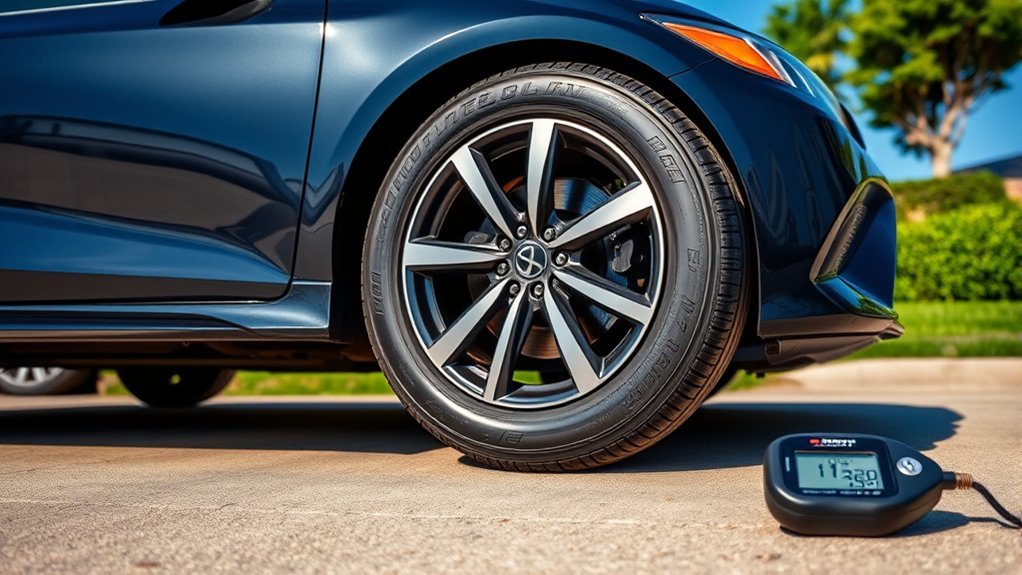
Your Toyota Camry tire pressure should match the number on the tire placard inside the driver’s door, not a one-size-fits-all rule. Many Camry models use a cold tire pressure near 35 psi for front and rear tires, but the exact number can vary by model year, trim, tire size, and load. This guide shows you where to find the right pressure, how to check it, and what to avoid when the weather or cargo changes.
What’s in This Article
- What Is the Recommended Tire Pressure for a Toyota Camry?
- Why Does Tire Pressure Matter for Safety?
- How Do You Check Your Tire Pressure Accurately?
- What Are the Safety Risks of Driving on Low Tire Pressure?
- How Should You Adjust Tire Pressure for Weather and Load?
- What Happens When Tires Are Over-Inflated?
- When Should You Check Tire Pressure?
- Where Can You Find More Information on Tire Specifications?
- Frequently Asked Questions
Quick Answer
Check the tire placard inside your Toyota Camry’s driver-side door jamb for the correct cold tire pressure. Many Camry models list about 35 psi for both front and rear tires, but your exact pressure depends on your vehicle, tire size, and load. Use the placard and owner’s manual as your final source.
Key Takeaways
- Use the tire placard inside your driver’s door to find the right cold tire pressure.
- Check tire pressure when the tires are cold for the most accurate reading.
- Low tire pressure can hurt braking, handling, fuel economy, and tire life.
- Over-inflated tires can reduce traction and make the ride harsher.
- Check all four tires and the spare before long trips or major temperature changes.
What Is the Recommended Tire Pressure for a Toyota Camry?
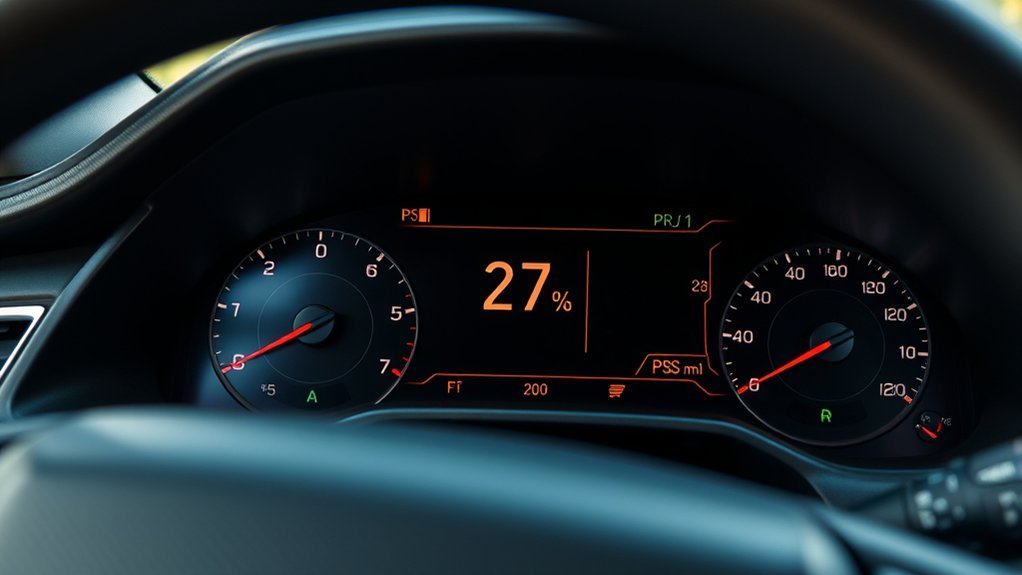
The recommended tire pressure for your Toyota Camry depends on the model year, trim, tire size, and load. Many Camry models call for about 35 psi when the tires are cold, but you should confirm the exact number on the sticker inside the driver’s door jamb.
Don’t rely on the number molded into the tire sidewall. That number shows the tire’s maximum safe pressure, not the pressure Toyota recommends for daily driving.
Your owner’s manual can also list tire pressure details for your Camry. Use that guide when your car has the factory tire size and setup.
Note: Aftermarket wheels or non-factory tire sizes may need pressure advice from a qualified tire professional.

Upgrade your wheelbarrow, garden wagon, hand truck, or trolley with solid flat-free 13 inch replacement tires designed to avoid punctures and eliminate inflation time. Built...
Why Does Tire Pressure Matter for Safety?
Correct tire pressure helps your Camry grip the road, stop well, and steer with control. It also helps your tires wear evenly and supports better fuel economy.
Under-inflated tires flex more as they roll. That extra flex can build heat, increase rolling resistance, and shorten tire life.
Low pressure can also reduce braking performance and make steering feel less stable. That risk grows during sudden stops, quick turns, or wet-road driving.
How Do You Check Your Tire Pressure Accurately?
To check your tire pressure accurately, use a reliable tire pressure gauge. A digital gauge often gives an easy-to-read number, but a good pencil or dial gauge can also work well.
Check the pressure when the tires are cold. That usually means before you drive, or after the car has sat for a few hours.
Remove the valve cap, press the gauge firmly onto the valve stem, and read the number. Add or release air until the reading matches the pressure shown on your Camry’s door placard.
Best Time to Check
The best time to check tire pressure is in the morning before you drive. Cold tires give you the most useful reading because heat from driving can raise pressure.
Make tire pressure checks part of your monthly routine. Also check before long trips, after sharp temperature swings, and when your Camry carries extra cargo.
Tools for Accurate Measurement
A quality tire gauge gives you better control than guessing by sight. Tires can look normal even when they sit several psi below the recommended pressure.
Keep a gauge in your glove box or trunk so you can check pressure at home, at work, or at a gas station. Press the gauge straight onto the valve stem to prevent air leaks while measuring.
Check all four tires and the spare if your Camry has one. Replace valve caps after each check to help keep dirt and moisture out.
What Are the Safety Risks of Driving on Low Tire Pressure?
Driving with low tire pressure can affect braking, steering, tire wear, and heat buildup. These problems can raise your risk during normal driving and emergency maneuvers.
Low pressure also makes the tire work harder as it rolls. That added strain can shorten tire life and increase the chance of tire damage.
Warning: Don’t drive on a tire that looks flat, bulges, cracks, or loses air quickly.
Decreased Braking Effectiveness
Low tire pressure can reduce the contact shape your tires need for strong braking. That can increase stopping distance, especially during hard stops or wet conditions.
Your Camry’s safety systems work best when the tires have the right pressure and enough tread. Proper inflation supports anti-lock braking system (ABS) performance and steady control.
Increased Risk Of Blowouts
Under-inflated tires can build excess heat because the sidewalls flex more than they should. Heat can weaken the tire and raise the risk of failure.
Check pressure often when temperatures drop, since cooler air can reduce tire pressure. A tire that stays low after refilling may have a leak that needs repair.
Compromised Vehicle Handling Stability
Low tire pressure can make your Camry feel loose, slow to respond, or unstable in turns. It can also increase tire shoulder wear and reduce traction.
Wet roads make the problem worse. Proper pressure helps the tread channel water and keep better contact with the road.
How Should You Adjust Tire Pressure for Weather and Load?
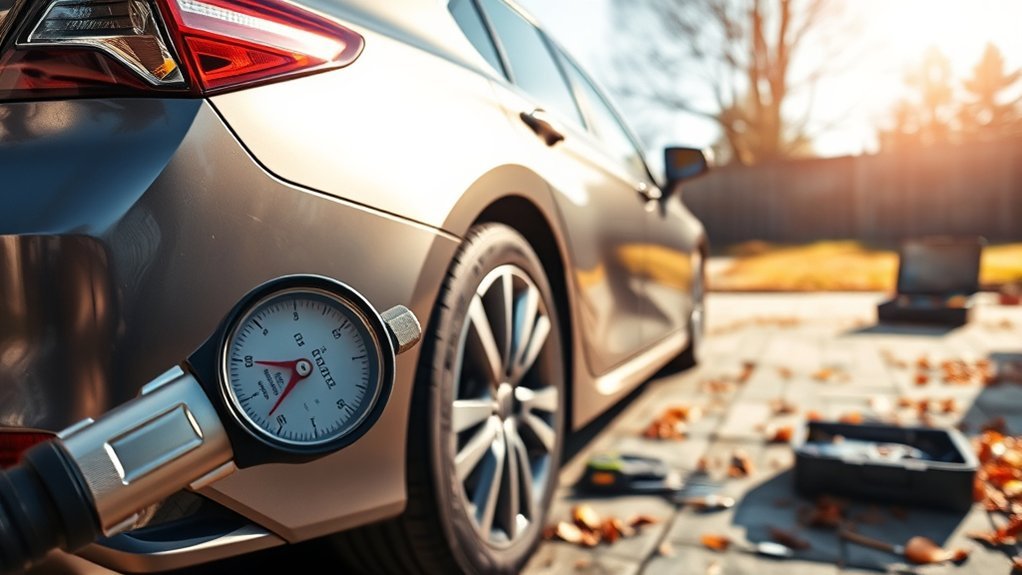
Temperature changes can shift tire pressure, so check it more often during hot or cold weather. Tire pressure often changes by about 1 psi for each 10°F change in air temperature.
For normal driving, inflate your tires to the cold pressure listed on the Toyota door placard. Don’t bleed air from a hot tire just because the reading looks higher after driving.
When you carry extra passengers or cargo, check your owner’s manual for load guidance. If your manual lists a different pressure for heavy loads, follow that number while you carry the load.
Pro tip: Set tire pressure before a long trip while the tires are still cold.
What Happens When Tires Are Over-Inflated?
Over-inflated tires can reduce the amount of tread that grips the road. That can hurt traction, braking, and comfort, especially on rough or wet pavement.
Too much pressure can also cause uneven wear near the center of the tread. Over time, that can shorten tire life and make your Camry ride harsher.
If your reading sits above the placard pressure while the tires are cold, release small amounts of air. Recheck with your gauge until the tire matches the recommended pressure.
When Should You Check Tire Pressure?
Check your tire pressure at least once a month. Also check it before long drives, after a tire repair, and when the weather changes sharply.
Use cold tire readings whenever you can. Driving warms the tires and can raise the number on your gauge.
Pair each pressure check with a quick tire inspection. Look for nails, cracks, bulges, uneven wear, and low tread depth.
Where Can You Find More Information on Tire Specifications?
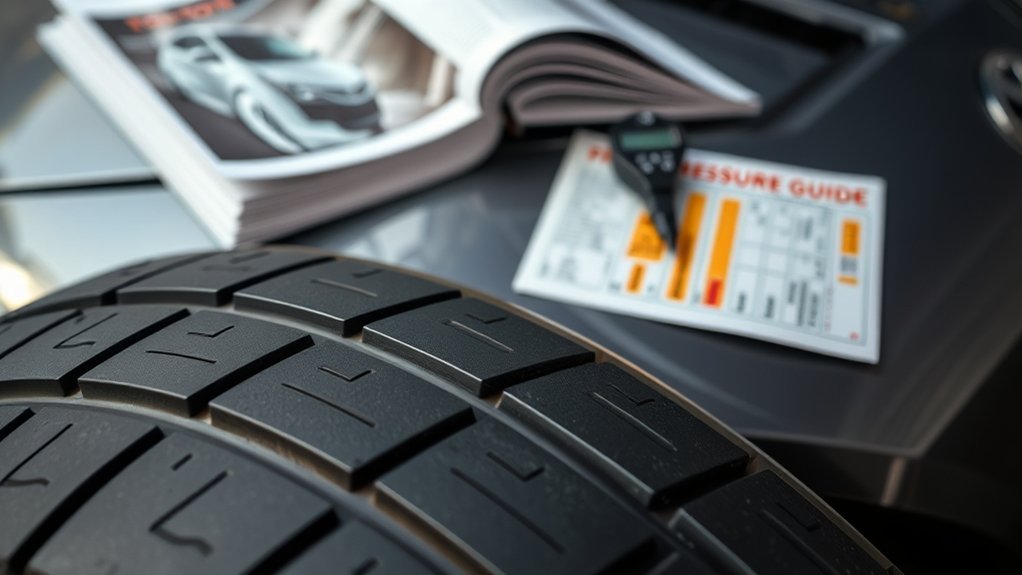
Start with the tire and loading information placard inside the driver’s door jamb. It lists the recommended cold tire pressure and tire size for your Camry.
Your owner’s manual gives more detail on tire pressure, spare tire use, tire rotation, and warning lights. It can also explain what to do when the tire pressure monitoring system (TPMS) warning appears.
Your Toyota dealer or a qualified tire shop can help if your Camry has aftermarket wheels, unusual tire wear, or a recurring pressure loss. Get help before you take a long trip on a tire that won’t hold air.
Frequently Asked Questions
Is 37 PSI Too High for a Toyota Camry?
37 psi may be slightly above the recommended cold pressure for some Camry models, but it depends on your door placard. Check the placard first, then adjust the pressure when the tires are cold.
Should Tires Be 32 or 36 PSI?
Use the pressure listed on your Camry’s tire placard rather than choosing between 32 or 36 psi. If the placard says 35 psi, 32 psi would usually be low and 36 psi would be close but still worth adjusting.
Is 27 PSI Enough for Tires?
27 psi is usually too low for a Toyota Camry unless the placard states otherwise. Add air before driving far, and inspect the tire for leaks if it drops again.
Why Does My TPMS Light Stay On After Adding Air?
Your tire pressure monitoring system (TPMS) light may stay on if one tire still sits below the required pressure. It may also need a short drive or a reset process after you correct the pressure.
Can You Use the Pressure on the Tire Sidewall?
No, don’t use the sidewall number as your normal driving pressure. That number shows the tire’s maximum pressure rating, while your Camry’s door placard shows the vehicle’s recommended cold pressure.
Conclusion
The safest tire pressure for your Toyota Camry is the cold pressure listed on the driver’s door placard. Check your tires monthly, use a reliable gauge, and adjust the pressure before long trips or major weather changes.
Correct inflation helps your Camry brake, steer, ride, and wear tires the way Toyota intended. A few minutes with a tire gauge can make every drive safer and smoother.
References
- Toyota Owner’s Manuals — Toyota, 2026
- Tires — National Highway Traffic Safety Administration, 2026
- Vehicle Safety: Tires — National Highway Traffic Safety Administration, 2026

Related Articles

Toyota Camry All-Season Tires Explained: What They Can and Can’t Do
In exploring Toyota Camry all-season tires, discover their benefits and limitations—are they really the right choice for your driving needs?
Read More
Toyota Camry Tire Traction in Ice and Snow: A Practical Winter Driving Guide
Learn essential tips for maximizing tire traction on ice and snow in your Toyota Camry, ensuring your winter driving is safe and confident. Discover more now!
Read More
Do Toyota Camry Tires Need Snow Chains? When They Help and When They Don’t
How do snow chains enhance your Toyota Camry's winter driving safety, and when should you avoid using them? Discover the essential details inside!
Read More